Back
BackBoxed lunch catering for corporate teams: pros, pitfalls, and better options
Key Takeaways
Boxed lunch catering is convenient for small teams and quick meetings but can get costly and wasteful at scale.
Per-person pricing is predictable, yet fees and minimums often raise the total cost.
Menu fatigue and limited dietary options reduce employee satisfaction over time.
Group ordering tools solve these issues by combining choice with single-drop delivery.
Chef-made, individually packaged meals offer a higher-quality, more inclusive alternative for modern offices.
Boxed lunch catering is the office classic for a reason. It is tidy, fast to distribute, and easy to price per person. For many teams it delivers exactly what a meeting needs. For others it creates menu fatigue, packaging waste, or inclusion gaps for employees who need gluten free, vegan, or medically considerate meals. This guide breaks down when boxed lunches shine, where they struggle, what they really cost in 2025, and what modern alternatives can do better for hybrid teams.
What boxed lunch catering actually is and when it fits
Boxed lunch catering refers to individually packaged meals that arrive sealed and ready to hand out. Marketplaces and chains treat it as a distinct catering format with menus built for offices, which is why you will often see a dedicated “boxed lunch catering” category and an “individually packaged” filter when you shop. That visibility matters because it signals wide availability and standard labeling options for corporate settings.
Ideal use cases for corporate teams
Boxed lunches work best when time is tight, rooms are small, and schedules are staggered. If you need quick distribution with minimal setup and predictable per‑head pricing, boxed lunches are purpose built for that moment. Large catering platforms support these scenarios at scale, offering nationwide vendor coverage and search filters that surface individually packaged menus for offices.
Situations where boxed lunches struggle
Fixed portions can translate into higher spend once headcount climbs, especially compared with shared formats. Limited menus can leave out employees with complex dietary needs or hot entrée expectations. If you order often, the format can feel repetitive unless you build a rotation across cuisines and vendors. Comparative guidance from catering platforms notes that buffets frequently beat boxed lunches on cost for larger groups, which is part of why many companies mix formats through the month. ezCater
The real pros of boxed lunch catering for offices
Speed, labeling, and handoff
Distribution is easy because everything is already portioned. Many vendors label boxes by name or include allergen notes, which shortens the handoff and lowers confusion in back‑to‑back meetings. You will see allergen language and labeling practices called out on catering menus and PDFs, which is a helpful signal for admins managing risk.
Predictable per‑head pricing
Most boxed lunch menus are priced per guest. Chains publish category pages that make this straightforward for office planners, and marketplaces let you filter by budget or headcount so you can lock costs before checkout.
Availability and short lead times
Because boxed lunches are a core offering for chains and local caterers, you can often find next‑day windows and clear order requirements. Many vendors state minimums and pickup or delivery cutoffs right on the menu, which makes planning simpler for admins working under tight timelines.
Common pitfalls that cause boxed lunches to flop
Menu fatigue and perceived quality
If you rely on a single sandwich lineup week after week, enthusiasm fades. Rotating cuisines and adding hot entrées or bowls can keep satisfaction high. Marketplaces emphasize that variety is easier when you tap multiple brands through one platform, which can help avoid repetition.
Cost creep at higher headcounts
Per‑person packaging is convenient, yet it can lift total cost once your attendee list gets large. Platform guidance that compares formats notes that buffets frequently come in lower per person for big groups, so a hybrid plan can protect budgets without sacrificing inclusion.
Inclusion gaps for dietary needs
Employees managing gluten intolerance, vegan diets, or medically considerate needs may find a single fixed box less accommodating. Look for vendors that show clear allergen callouts and menus that include labeled options across dietary patterns, not just one token choice. marigoldcatering.com
Packaging waste and stale add‑ons
Pre‑bundled desserts and sides that no one wants add cost and waste. Many caterers now highlight recyclable or compostable packaging and sustainable packing choices for boxed programs. Asking vendors to unbundle default extras can reduce waste and keep costs honest.
How much boxed lunches cost per person in 2025
What the market reflects right now
Per‑guest pricing for boxed lunches varies by city and vendor. Corporate catering benchmarks published this year suggest many markets see all‑in office lunch options in the high teens to low twenties per person, with some lower cost cities coming in under that. Category pages from major chains and marketplace listings reinforce that boxed lunches are priced per head with add‑on fees for delivery or service. Always confirm details on your chosen vendor page.
Fees, minimums, and lead times that affect the invoice
Delivery fees, order minimums, and cutoffs are common. Examples include minimum counts per order or per item, and stated advance notice for larger groups. These policies can shift total cost more than the headline price, which is why it pays to check the fine print before you lock your date.
Boxed lunch vs buffet vs group ordering vs hot meal drop‑off
How the formats differ in practice
Buffets excel on variety and cost per head for large groups, especially when you want hot food and flexible portioning. Boxed lunches prioritize speed, easy labeling, and minimal setup in small rooms. Group ordering tools let every attendee choose their own entrées within a shared budget, then consolidate delivery into a single drop for the office. That model preserves individual choice while avoiding multiple fees. Hot meal drop‑off gives you plated quality without staffing, which helps when executive expectations are higher. Platform documentation and how‑to guides explain these tradeoffs and show the filters that support individually packaged meals inside group orders.
Smarter ways to order boxed lunches
Start with headcount and dietary profiles
Collect attendance, note allergies, and ask about preferences early. Use marketplace filters for individually packaged menus and budget caps so you match the right vendors to your constraints. That one setup step keeps ordering clean when stakeholders add people late.
Label for names and rooms
If your vendor offers name labels, use them. If not, request simple labels by room or team. Clear labeling speeds distribution and reduces the number of unopened boxes that go to waste.
Build a rotation to avoid fatigue
Alternate sandwich days with grain bowls, salads, and hot entrées. Pair national brands with local favorites so the food feels fresh to returning teams.
Better options that solve boxed lunch pain points
Group ordering with one delivery
For teams that want personal choice without multiple fees, group ordering lets each person add their own meal into a shared cart. You set the spending limit and delivery time, then everything arrives together. The result is less admin time and higher satisfaction because people pick exactly what they want.
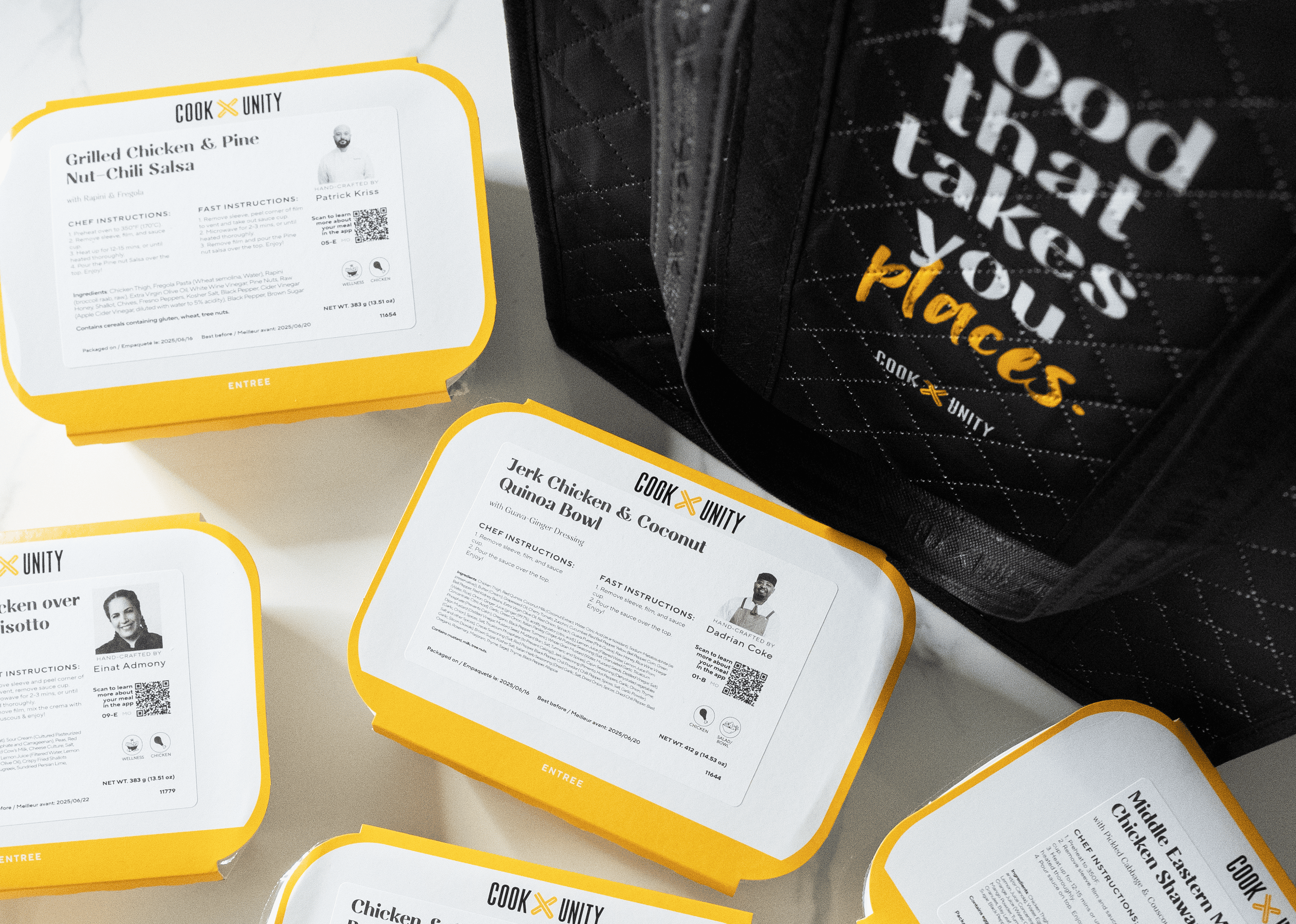
Chef‑made, individually packaged meals with dietary profiles
If inclusion is your top priority, move to individually packaged hot or cold entrées that can be filtered by dietary profile. Marketplace articles now coach admins to use the “individually packaged” filter inside group ordering flows, which is a helpful signal that this format has matured for offices.
Stocked fridges and recurring drops
On‑site teams benefit from a recurring meal rotation stocked in smart fridges or delivered on a predictable cadence. This covers staggered schedules and reduces waste from fixed headcounts. Many corporate food platforms highlight combined approaches so admins can tailor by building and day.
Real‑world scenarios and what to choose
A 12 person client review in a small conference room
Choose boxed lunches with name labels and clear allergen notes. The footprint is minimal, distribution is fast, and cleanup is simple. Use a vendor that publishes allergen guidance on its catering menu.
A 150 person all‑hands across multiple rooms
Pick a hybrid. Use a buffet for the main crowd to control cost per head, then hold a buffer of individually packaged boxes for employees with dietary restrictions and for late additions. This combination usually balances inclusion with budget.
A roadshow that needs grab‑and‑go portability
True boxed lunches travel well and are easy to inventory. Confirm minimums and deadlines early because mobile schedules are less forgiving.
Sustainability and packaging
How to reduce waste without losing convenience
Ask vendors to unbundle default sides or desserts when they are not needed, and request recyclable or compostable packaging where available. Some caterers explicitly state that boxed components are packed in sustainable or compostable materials. If your facilities team supports composting, note that on the order so vendors can match packaging accordingly.
Sample menus employees actually like
Three lineups that keep satisfaction high
A classic lineup pairs deli sandwiches with a hearty salad alternative and fruit for balance. A cold weather lineup swaps in grain bowls and hot entrées that reheat well without losing quality. A global variety lineup highlights different cuisines on different days so teams experience fresh flavors across the month. Use marketplace filters to tag vegetarian, vegan, gluten free, and dairy free options as you assemble menus.
FAQs
Is boxed lunch catering cheaper than a buffet for large groups
Not always. Buffet formats often offer more variety and can come in lower per person at higher headcounts. That is why many companies choose buffets for big events and hold a small set of individually packaged meals for dietary needs.
How far in advance should I order and what minimums should I expect
Policies vary by vendor and market. You will commonly see minimum counts per order and cutoffs that range from next day for smaller groups to 72 hours or more for larger events. Always check the vendor’s menu or PDF before you finalize.
What is usually included in a boxed lunch
Most boxed lunches include a main item and at least one side or dessert, often with disposables. Chain catering category pages and sample menus show the typical inclusions and how substitutions work.
How do I handle allergens and dietary restrictions
Choose vendors that clearly label common allergens and provide multiple options that meet frequent needs like vegetarian, vegan, and gluten free. Ask for labels by name where possible to avoid mix‑ups in the room.
Can I mix boxed and buffet at the same event
Yes. A hybrid approach is common because it keeps costs in line while ensuring inclusion for employees who need individually packaged meals. Many admins run buffet for the majority and hold labeled boxes for those who need them.
Boxed lunch catering is still a reliable tool for corporate teams that need speed, labeling, and easy handoff. It performs best in smaller rooms and tighter time slots, and it can struggle when headcounts grow or dietary needs diversify. If you want more choice without chaos, group ordering with a single consolidated delivery gives everyone a say while keeping fees and logistics tidy. If inclusion is the priority, chef‑made individually packaged meals filtered by dietary profile are the most flexible option for hybrid organizations. Use the format that fits the moment, then build a simple rotation so office meals feel thoughtful all month long.

Be the first to know about new offers
Multiorder discounts, free items and more.