Back
Can You Buy Food With an HSA? What Qualifies in 2026
Can You Buy Food With an HSA?
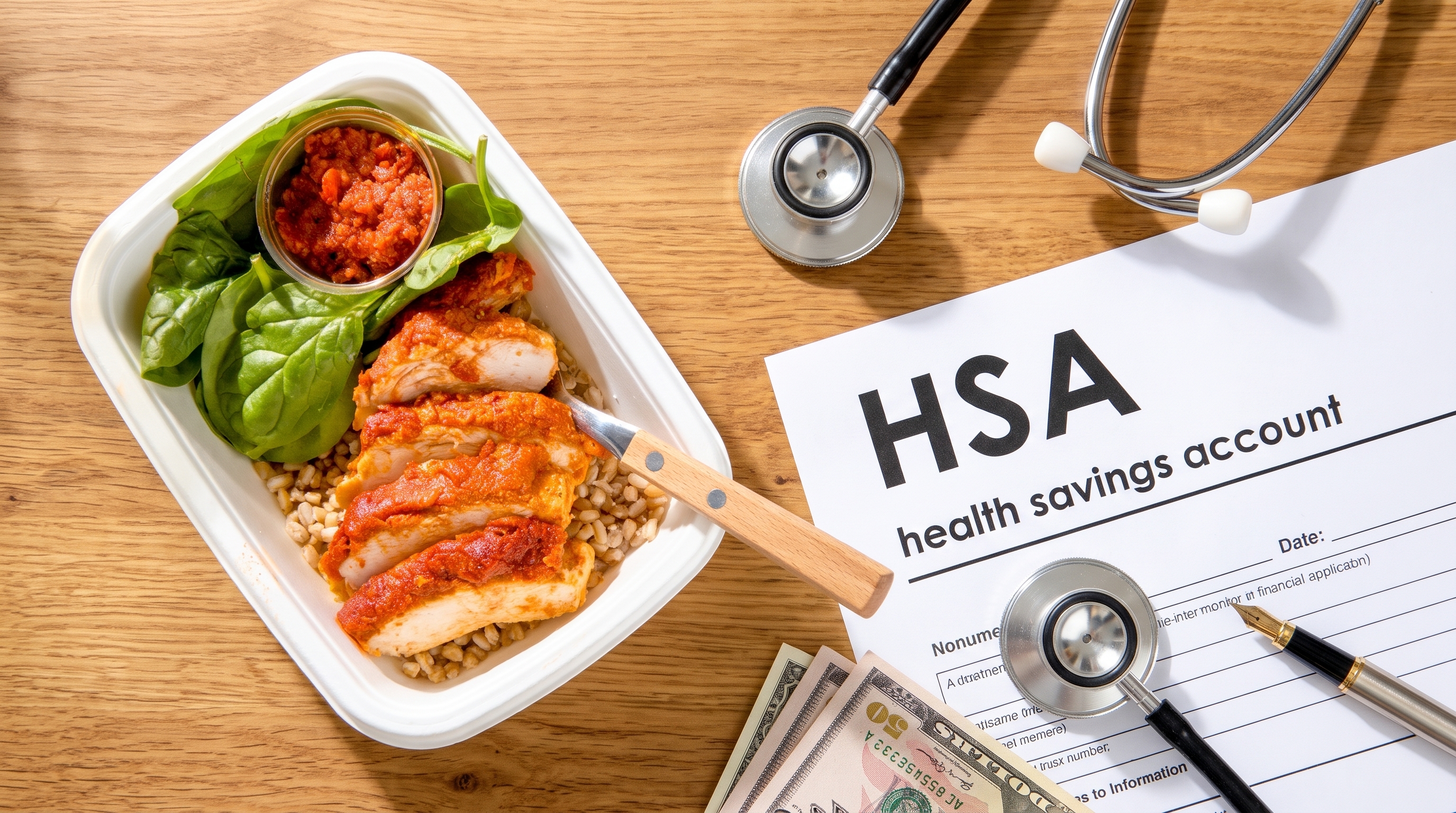
Usually not, but sometimes. Most everyday food does not qualify for Health Savings Account (HSA) spending, though food can be a medical expense when it passes a three-part IRS test and a physician substantiates the need. Even then, only the cost above a normal diet counts. If you have ever stood in the grocery aisle holding an HSA card, this guide is for you.
Key takeaways
Everyday groceries generally do not qualify for HSA spending. The IRS says diet food and beverages substitute for what you would normally eat.
Food can be a medical expense only if it passes three IRS conditions, and only the cost above a normal diet counts.
A Letter of Medical Necessity (LMN) supports your claim. It does not make ordinary food eligible on its own.
Prepared meals can be partly eligible, so your personal card still pays part of every order.
The rules apply to both HSAs and Flexible Spending Accounts (FSAs). Your plan administrator has the final word on how your account works.
Can You Buy Food With an HSA?
Only in limited cases. Food can be a medical expense when it passes a three-part test and a physician substantiates the need. Standard groceries bought for general nutrition or wellness do not qualify, no matter how healthy the cart looks.
An HSA holds pre-tax money for qualified medical expenses. To contribute, you need coverage under a high-deductible health plan (HDHP). The IRS 2026 HSA limits are $4,400 for self-only coverage and $8,750 for family coverage.
What Is the Three-Part IRS Food Test?
The IRS says food or beverages can be a medical expense only if all three of these are true:
The food or beverage does not satisfy normal nutritional needs.
It alleviates or treats an illness.
A physician substantiates the need for it.
Miss one, and the cost is not a medical expense. The IRS guidance on nutrition and general health expenses also says medical expenses must be primarily to alleviate or prevent a physical or mental illness. Expenses that are merely good for general health do not count.
What does “above the cost of a normal diet” mean?
Only the extra cost of the special food can qualify. The IRS limits the medical expense to the amount by which the food costs more than a product that satisfies normal nutritional needs.
Put simply, you can count the difference, not the whole price. The cost of an ordinary meal is what you would have spent on dinner anyway.
What Counts as HSA Eligible Food?
Very little, unless a diagnosed condition is involved. Here is how common purchases compare:
Purchase | Usually eligible? | What the IRS looks for |
|---|---|---|
Standard groceries | No | Diet food and beverages substitute for what you would normally eat |
Special food for an illness | Only the extra cost | All three conditions met, with physician substantiation |
Nutritional supplements | Only with a recommendation | A medical practitioner recommends them as treatment for a diagnosed condition |
Weight-loss program | Only for a diagnosed disease | The program treats a specific disease, such as obesity, diabetes, hypertension or heart disease |
Nutritional counseling | Only for a diagnosed disease | A specific disease diagnosed by a physician, such as obesity or diabetes |
Over-the-counter drugs | Yes | Separate from the food rules |
Can you use an HSA for groceries?
Usually not. IRS Publication 502 says you can’t include the cost of diet food or beverages, because they substitute for what is normally consumed. The weekly grocery run falls in that category.
What Does a Letter of Medical Necessity Do?
A Letter of Medical Necessity documents why a clinician considers a purchase medically necessary for you. It supports your claim, but it does not rewrite the IRS rules.
The three-part test still applies. The expense has to relate to a specific illness, not general wellness, and the need has to be substantiated. A letter that describes a real diagnosis and a specific need is useful. A letter attached to a general wellness purchase does not change the outcome.
In CookUnity’s HSA/FSA experience, this review runs through Truemed, a health payments company that works with independent licensed clinicians. You complete a short health questionnaire, and a clinician decides whether you qualify.
Can Prepared Meals Be HSA Eligible?
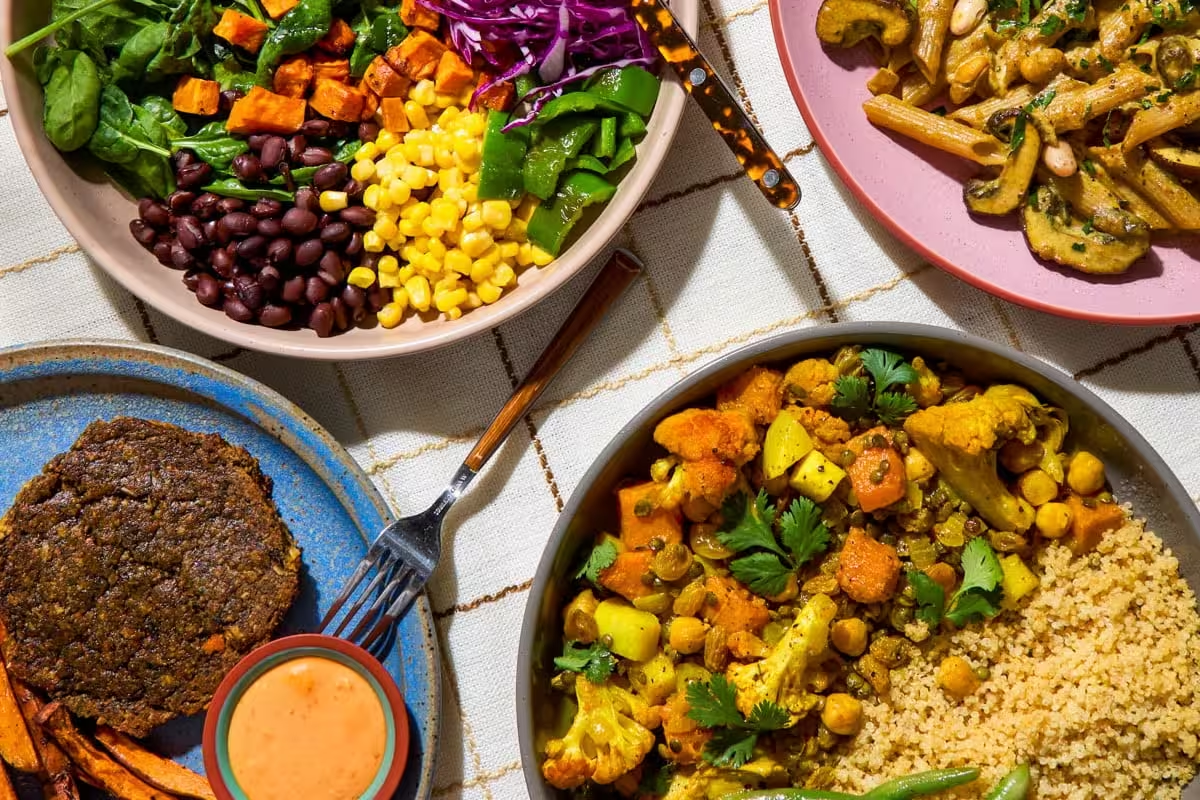
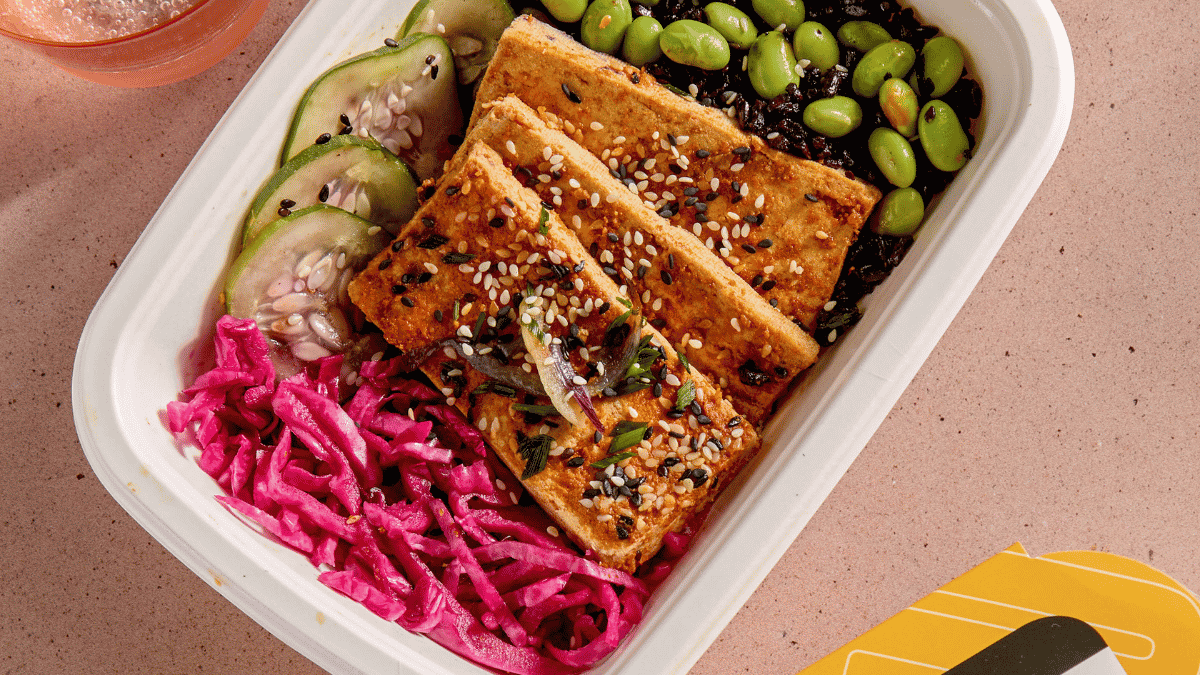
Some can, for people who qualify. A prepared meal built around a documented health need may be eligible in part, because the IRS counts only the portion of its cost that exceeds a normal meal.
What is the two-card split?
Everyone still has to eat, so the cost of ordinary food stays on your personal card. Under the Truemed process, a fixed amount per meal stands in for the cost of an ordinary meal. The rest of an eligible meal’s price can go on your HSA or FSA card. Taxes and fees are shared between the two cards as well.
That means an order is never covered entirely by benefits funds. Your checkout shows the actual breakdown, so you see what each card pays before you commit.
How Does CookUnity’s HSA/FSA Ordering Work?
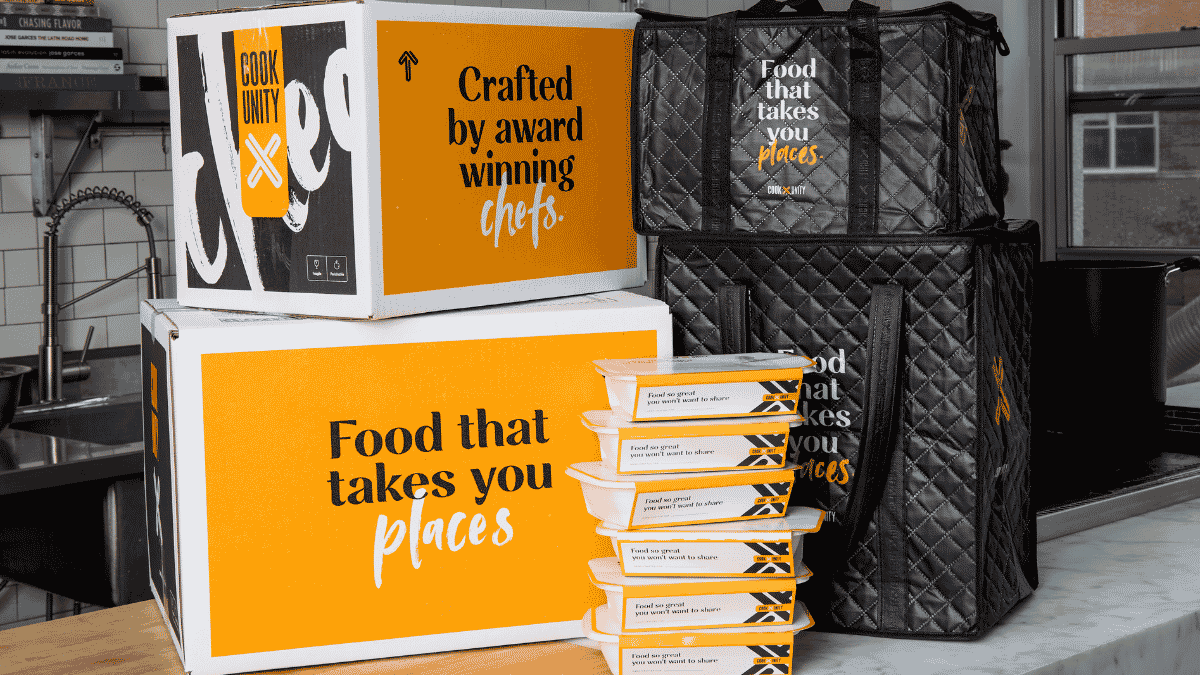
CookUnity offers meals from award-winning chefs, and qualified customers can put HSA or FSA funds toward the eligible portion. The process uses a separate ordering experience. It is not available at regular cookunity.com checkout.
Start at the CookUnity HSA/FSA page.
and begin your order there.
Complete a short health questionnaire.
You also add two cards: your HSA/FSA card and a personal card.
A licensed clinician reviews your answers.
Submitting the questionnaire is not approval. Review usually takes about six hours and can take up to 24, so first-time orders need a little extra lead time.
Choose your meals.
Eligible options are labeled in your account. Which meals qualify depends on your approval and each meal’s classification.
Check the payment breakdown.
Your HSA/FSA card pays the eligible portion. Your personal card pays the rest.
If the clinician does not approve you, you can still order. Those meals are charged to your personal card. To see how CookUnity thinks about meals and health more broadly, explore its food as medicine approach.
Can You Buy Food With an FSA? How It Differs From an HSA
Yes, under the same IRS rules. The IRS guidance covers HSAs and FSAs together, so food qualifies only when it passes the three-part test. Your employer’s plan may add its own rules.
Both accounts hold pre-tax money for qualified medical expenses. They differ in who can open one and how the money works:
An HSA requires an HDHP, and the account is yours.
A Flexible Spending Account (FSA) is offered through an employer, and its rules and deadlines depend on your plan.
Because plan rules vary, ask your benefits administrator about spending deadlines and what your plan reimburses.
What Should You Check Before Spending HSA Money on Food?
Run through this list first:
Confirm you have a documented diagnosis connected to the food.
Ask a physician or clinician whether the specific food or meal supports your care.
Check that the food goes beyond a normal diet, and remember that only the extra cost can count.
Keep your LMN, receipts and itemized payment breakdown.
Ask your HSA or FSA administrator how they handle meal purchases.
Eligibility and tax savings vary by person. For tax or plan-specific questions, talk with your benefits administrator or a tax professional.
Data note: HSA limits come from IRS Rev. Proc. 2025-19. The food rules come from the IRS nutrition and general health FAQs (last reviewed Sept. 23, 2026) and Publication 502. The ordering steps come from CookUnity’s HSA/FSA page. Rules and process details can change, so confirm current information before you buy.
Frequently Asked Questions
Can you buy groceries with an HSA?
Generally not. The IRS says diet food and beverages substitute for what you would normally eat, so they are not medical expenses. Special food can qualify only when it meets all three IRS conditions and a physician substantiates the need.
Can you use an HSA for meal delivery?
Sometimes. A meal delivery purchase can qualify in part when a clinician confirms a medical need and the food goes beyond a normal diet. CookUnity’s HSA/FSA experience runs through Truemed. See if you qualify for HSA/FSA meals to start the review.
Does a Letter of Medical Necessity make any food eligible?
No. An LMN documents a clinician’s view of your medical need. The IRS still requires that the food not satisfy normal nutritional needs, that it alleviates or treats an illness, and that a physician substantiates the need.
Can you use an FSA to buy food?
The same IRS rules apply. Food qualifies only under the three conditions, and your employer’s plan may add its own rules, so check with your administrator.
Will my HSA cover the full price of a meal?
No. Only the eligible portion of a meal can be paid with HSA funds, and the cost of ordinary food goes on a personal card. Your checkout shows the actual breakdown.
What happens if I’m not approved for HSA/FSA payment?
You can still order CookUnity meals with your personal card. The clinician’s decision determines whether benefits funds apply, and the full amount is charged to your personal card if you are not approved.
Ready to See if Your Meals Qualify?
Eligibility depends on your health needs, so the quickest way to know is to complete the review. Start your CookUnity HSA/FSA order and see which meals apply to you. Clinician approval is required, and eligibility and tax savings vary.

Be the first to know about new offers
Multiorder discounts, free items and more.