Back
What foods to avoid with diabetes (and what to eat instead)
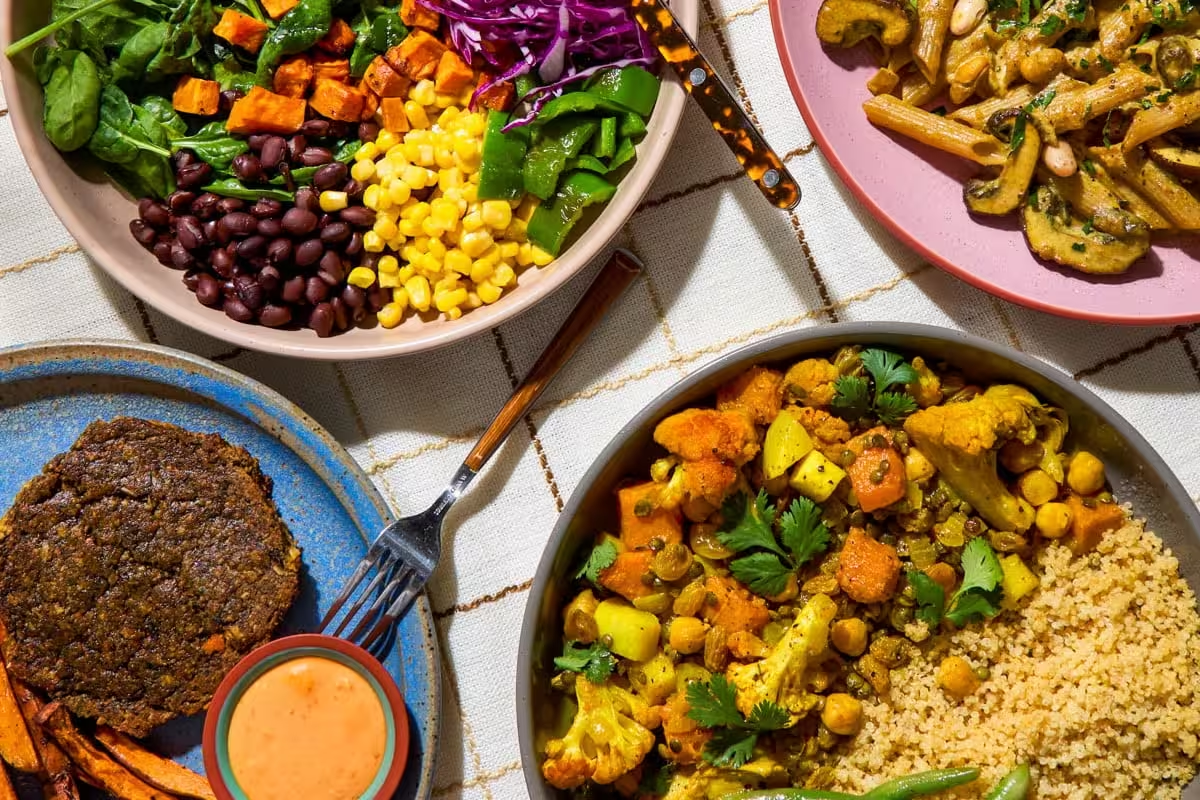
Key Takeaways
Foods to avoid with diabetes are refined carbs, sugary foods, sweetened drinks, processed meats, high-fat dairy, and fried or ultra-processed snacks.
Refined carbs and sweets (white bread, rice, pasta, pastries, desserts) cause rapid blood sugar spikes.
Sugar-sweetened drinks and hidden sugar sources (soda, juice, flavored coffees) add empty calories and worsen glucose control.
Processed meats, fried foods, and high-sodium or high-fat snacks increase cardiovascular and metabolic risks.
Better alternatives include whole grains, non-starchy vegetables, legumes, lean proteins, and fiber-rich foods to stabilize blood sugar.
Why Food Matters with Diabetes
For healthcare organizations supporting populations with Type 2 diabetes, nutrition is a foundational intervention. Managing diabetes means managing blood sugar, and what patients eat has a direct impact on energy, A1C levels, medication adherence, and long-term outcomes.
Certain foods raise blood sugar quickly, spike insulin, and lead to fatigue, hunger, and complications such as neuropathy or cardiovascular disease. For providers, payers, and care teams, educating patients on these foods is only one part of the solution—supporting access to better options is just as critical.
This guide breaks down the key foods to avoid, what to eat instead, and how medically tailored meals can drive better adherence and outcomes across your diabetic population.
What Foods to Avoid with Diabetes
You don’t need to ban any food forever. But these are the main foods to limit, especially if you want stable energy, improved A1C, and fewer blood sugar spikes.
Sugary Drinks
Soda, sweet tea, energy drinks, and even juice can spike blood sugar fast. They offer little to no nutritional value and digest too quickly to be helpful. Better choices: Water, sparkling water with fruit, herbal teas, electrolyte drinks with no added sugar.
Refined Carbohydrates
White bread, white rice, and regular pasta break down quickly into sugar. They’re low in fiber and don’t keep you full for long. Better choices: Whole grains like quinoa, steel-cut oats, brown rice, barley, or whole wheat bread.
Fried Foods
Fried chicken, fries, and fast food meals often combine refined carbs and unhealthy fats. They may worsen insulin resistance and increase cholesterol. Better choices: Grilled or baked proteins, air-fried vegetables, or roasted potatoes with herbs.
Processed and Fatty Meats
Bacon, hot dogs, deli meats, and sausages are high in sodium and saturated fat. These can raise blood pressure and increase heart disease risk. Better choices: Lean chicken or turkey breast, fish, tofu, or legumes like black beans and lentils.
Full-Fat Dairy and Cream-Based Sauces
Whole milk, heavy cream, cheese sauces, and creamy dressings may be high in saturated fat, which can raise LDL cholesterol and affect insulin function. Better choices: Low-fat Greek yogurt, cottage cheese, almond milk, and dressings made with olive oil or tahini.
Sweets and Baked Goods
Candy, cookies, cakes, and donuts are high in added sugars and refined flour. They often spike blood sugar and lead to crashes that trigger more cravings. Better choices: Berries with yogurt, chia pudding, dark chocolate, or baked goods made with almond flour and natural sweeteners.
Sweetened Condiments and Sauces
Ketchup, BBQ sauce, and even some salad dressings can sneak in lots of added sugar. Better choices: Mustard, salsa, vinegar-based dressings, or homemade sauces with no added sugar.
Starchy Vegetables (in large portions)
Corn, peas, and potatoes are higher in carbs than non-starchy vegetables. They aren’t “bad” but should be portioned mindfully. Better choices: Measure servings (half a cup is a good start), and build your plate with more leafy greens, broccoli, and cauliflower.
What to Eat Instead
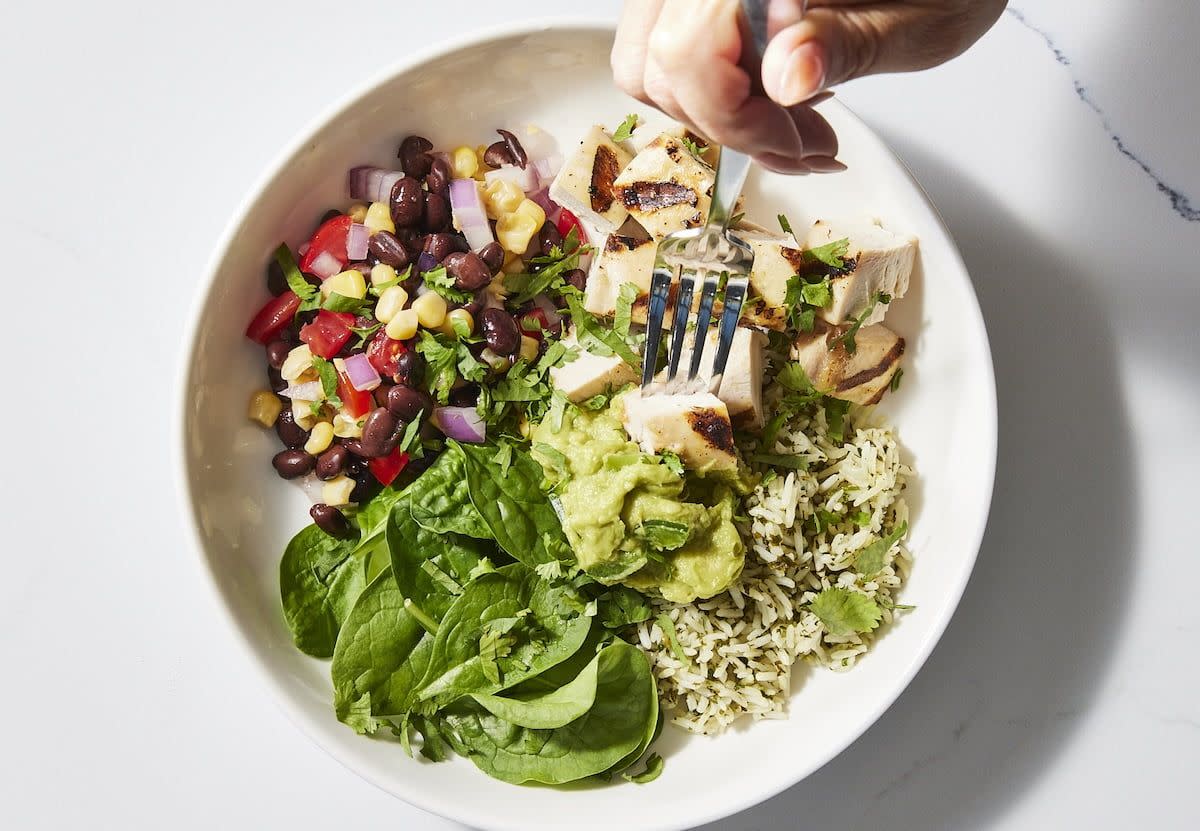
Instead of focusing only on what to cut, think about what to add. A diabetes-friendly plate helps stabilize blood sugar, reduce cravings, and keep you full longer - all while still tasting great.
Lean Protein
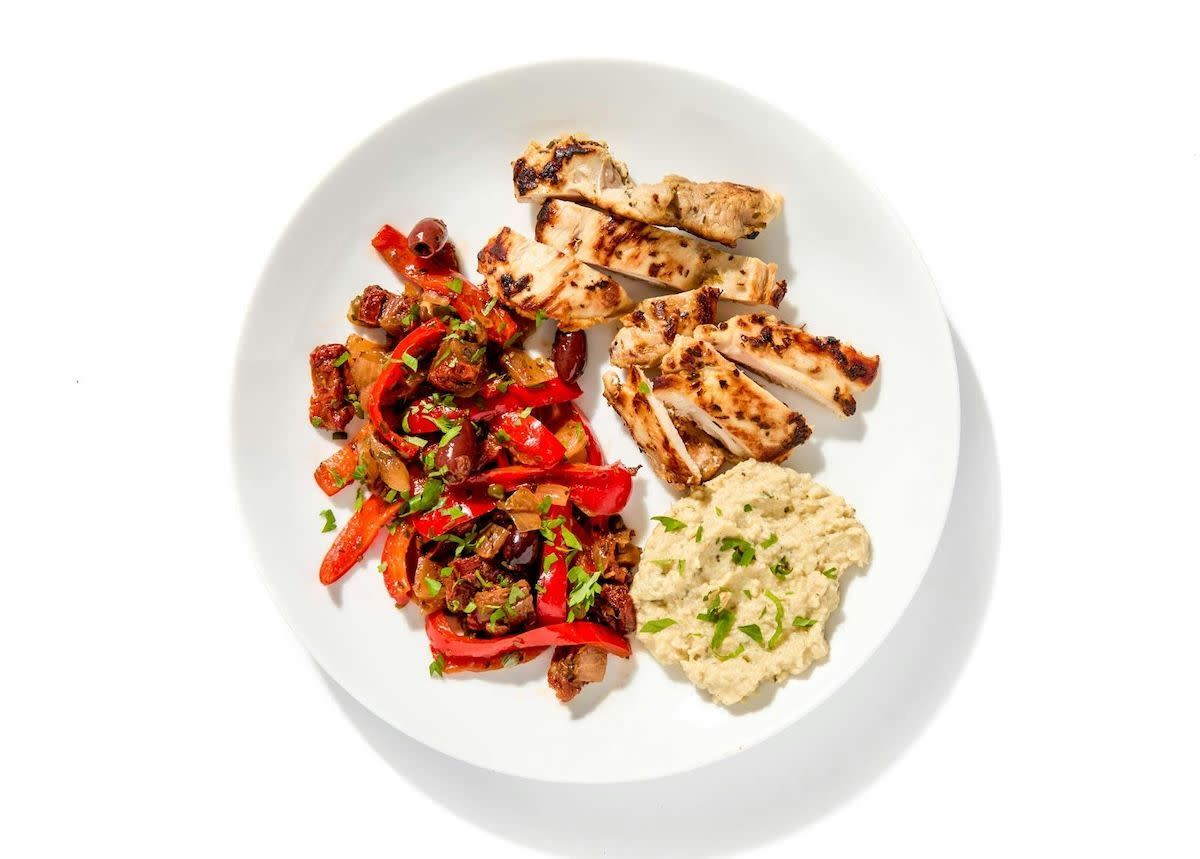
Grilled chicken, fish, eggs, tofu, and legumes help maintain muscle mass, keep you satisfied, and slow down how quickly carbs are digested.
Non-Starchy Vegetables
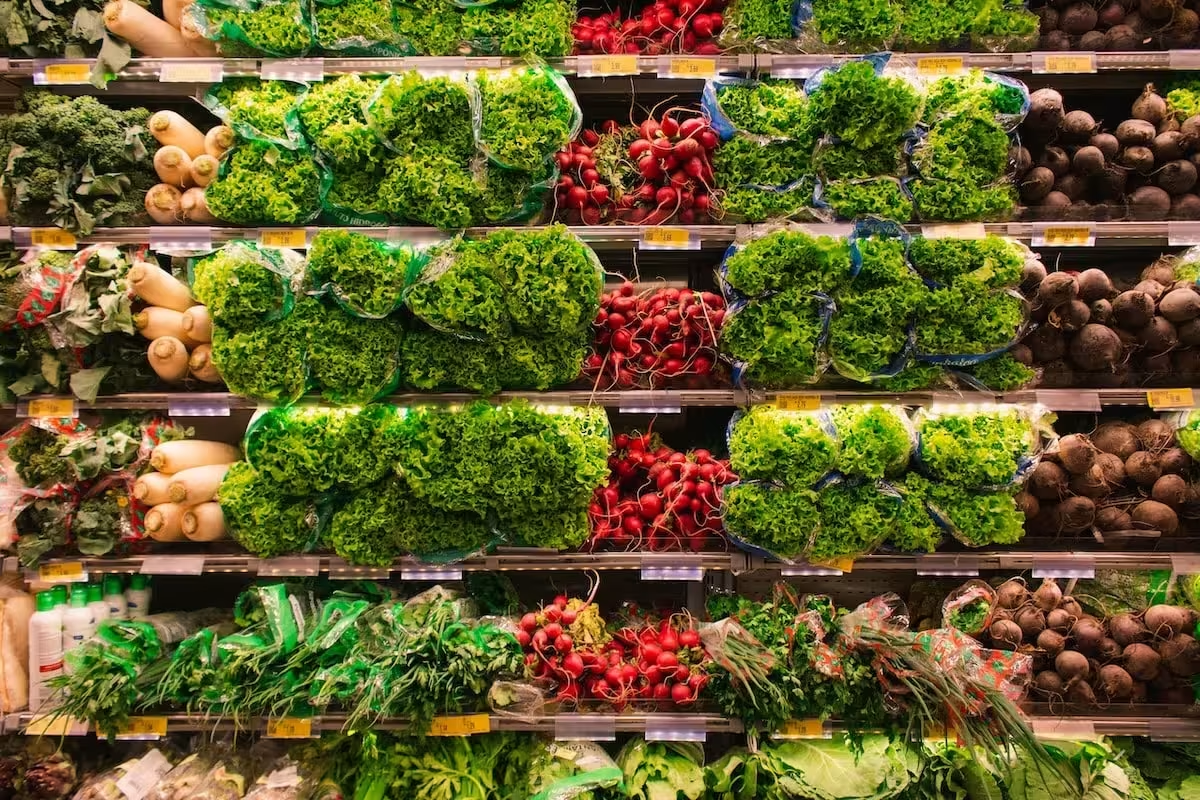
Vegetables like spinach, broccoli, peppers, zucchini, and cauliflower are low in carbs but high in fiber and nutrients.
Whole Grains (in Moderation)
Whole grains like quinoa, farro, oats, and brown rice digest more slowly and support stable energy.
Healthy Fats
Avocados, nuts, seeds, and oils like olive or avocado oil provide satiety and support heart health.
Low-Sugar Fruits
Berries, apples, citrus, and pears offer fiber and nutrients without spiking blood sugar.
Hydration
Water regulates temperature, digestion, and blood sugar. Herbal teas and infused waters are great alternatives.
Try this formula: Half your plate should be non-starchy vegetables, one-quarter lean protein, and one-quarter whole grains or starches.
Common Food Myths to Ignore
Fruit is bad for diabetics
Not true. Whole fruit in moderation is safe and even beneficial.
You can’t eat any carbs
Carbs aren’t the enemy - focus on fiber-rich, whole-food sources.
Sugar-free means safe
Many “sugar-free” products use artificial ingredients that can affect digestion or cravings.
Low-fat equals healthy
Low-fat products often add sugar or starch. Choose healthy fats over low-fat processed foods.
How Medically Tailored Meals Can Help
If you’re tired of planning meals, counting carbs, or decoding nutrition labels, CookUnity's medically tailored meals can make eating for diabetes easier - and more enjoyable.
What Sets Our Meals Apart:
High in protein and fiber
Low in sugar and refined carbs
Portion-controlled
Culturally diverse and craveable
Delivered fresh to homes or stocked in workplace smart fridges
Whether you're managing your own diabetes or building a wellness program for your company, CookUnity gives you meals that are truly designed to support better outcomes - without more work.
Final Takeaway: Balance Over Perfection
Supporting people with diabetes isn’t about eliminating every “bad” food. It’s about empowering sustainable habits, access to better meals, and ongoing education.
By providing clear guidance and making nutritious food more accessible, healthcare organizations can significantly improve outcomes and member satisfaction.
Whether you’re building a diabetes support program, integrating GLP-1 adherence pathways, or investing in food as medicine, the right dietary strategy can reduce costs and elevate care.

Be the first to know about new offers
Multiorder discounts, free items and more.