Back
Diabetic meal delivery vs meal kits: Which works better

Key Takeaways
-Diabetic meal delivery provides fully prepared, dietitian-approved meals designed for blood sugar control, while meal kits require cooking and portion accuracy.
Delivery meals offer more convenience, consistency, and clinical safety; kits are better for flexibility, cost, and those who enjoy cooking.
For many diabetics, delivery meals reduce burden and improve adherence, making them the more practical choice.
Why food matters in diabetes care
Managing diabetes requires consistent access to balanced meals. In the United States, over 38 million people - or 11.6 percent of the population - have diabetes (Centers for Disease Control and Prevention, CDC Diabetes Data). For these individuals, diet is a first-line intervention, yet adherence is one of the toughest challenges. Barriers like limited time, cooking skills, and access to healthy groceries often lead to poor outcomes. This is why meal delivery solutions, including both meal kits and diabetic meal delivery programs, have grown in popularity. But when it comes to diabetic meal delivery vs meal kits, which option delivers better results?
What is diabetic meal delivery?
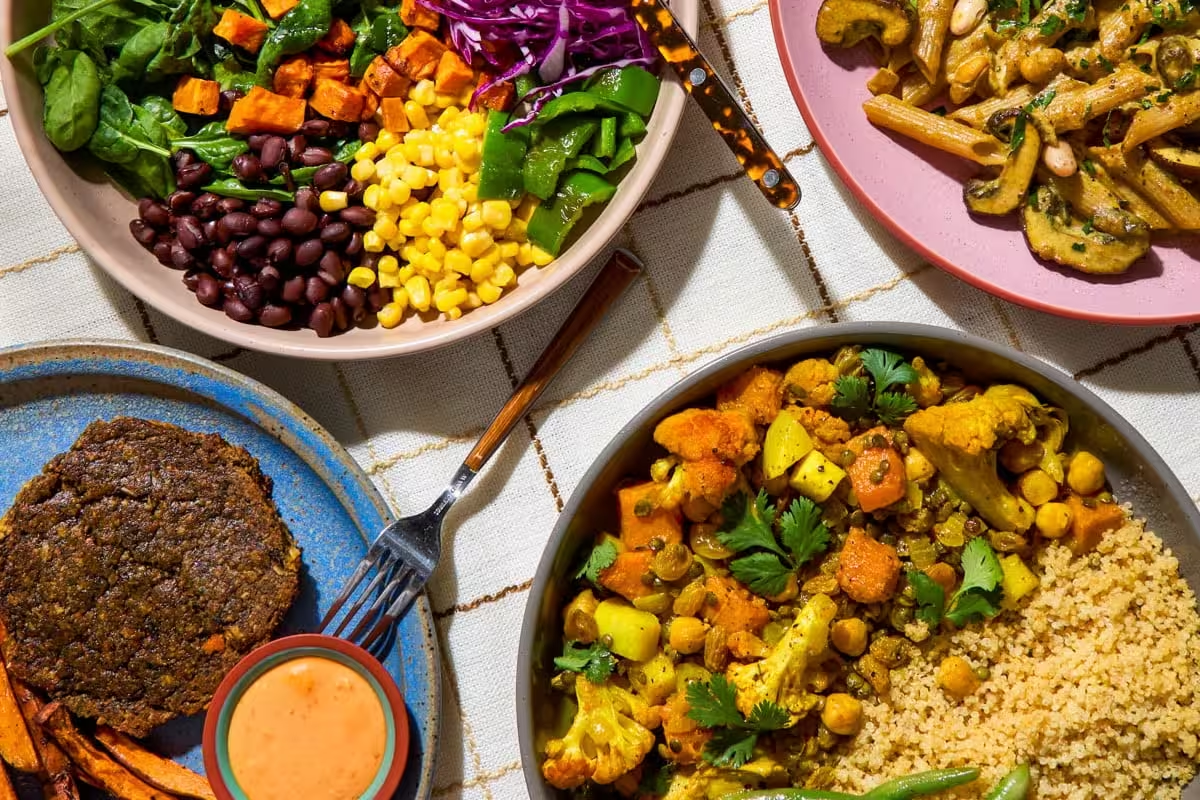
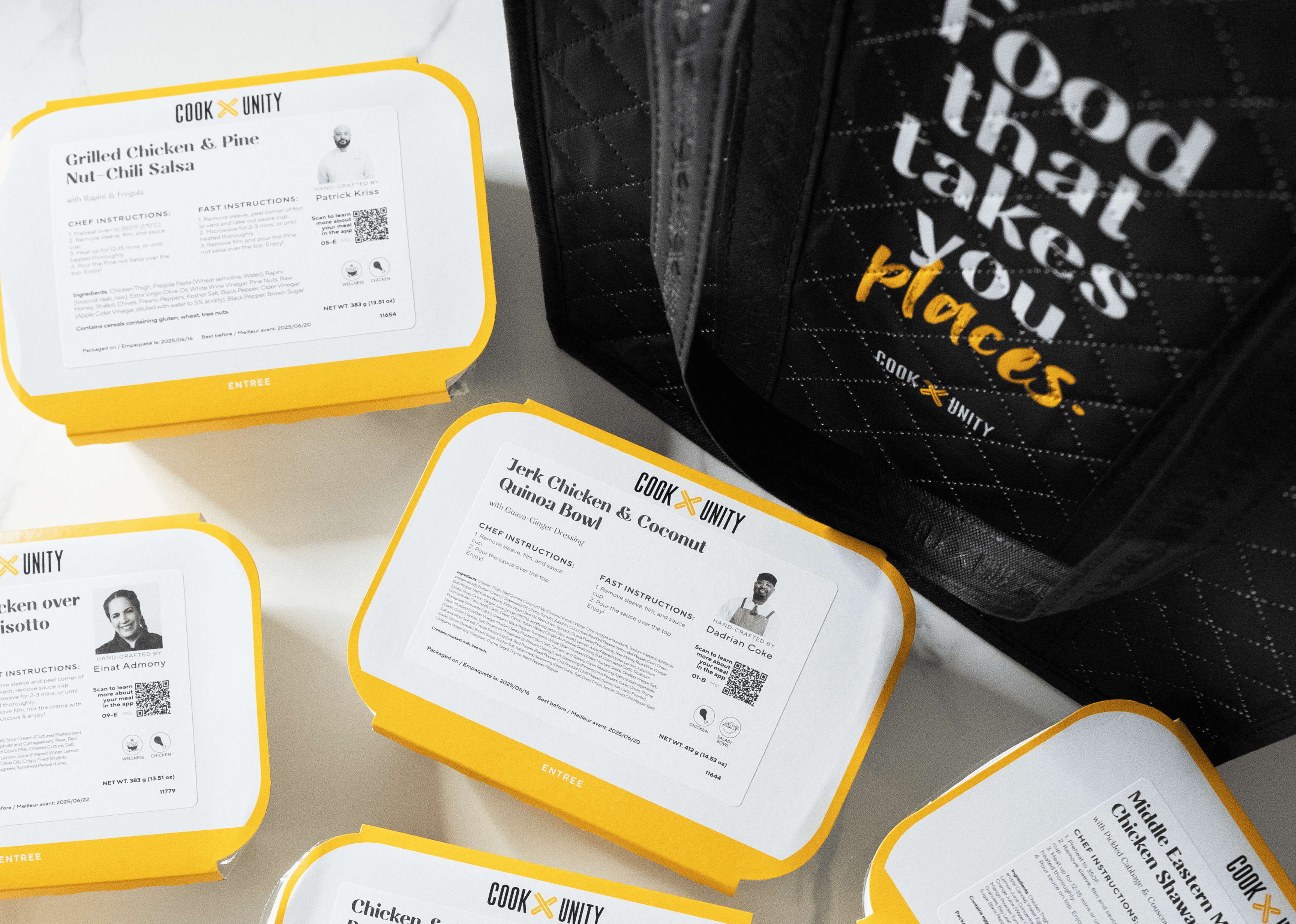
Diabetic meal delivery programs provide ready-to-eat meals that are chef-prepared and dietitian-reviewed. Unlike meal kits, these meals require no prep beyond reheating. The convenience factor makes them far more accessible for high-risk populations, including seniors, individuals managing multiple chronic conditions, or those balancing demanding work schedules.
Beyond convenience, medically tailored meal (MTM) programs have demonstrated measurable outcomes. A 2019 study published in JAMA Internal Medicine found that MTM recipients had 49 percent fewer inpatient hospital admissions, 72 percent fewer skilled nursing facility admissions, and 16 percent lower health care costs compared with non-recipients. Another national study estimated that expanding MTMs nationwide could avert 1.6 million hospitalizations and save the U.S. health system $13.6 billion annually.
What are diabetic meal kits?
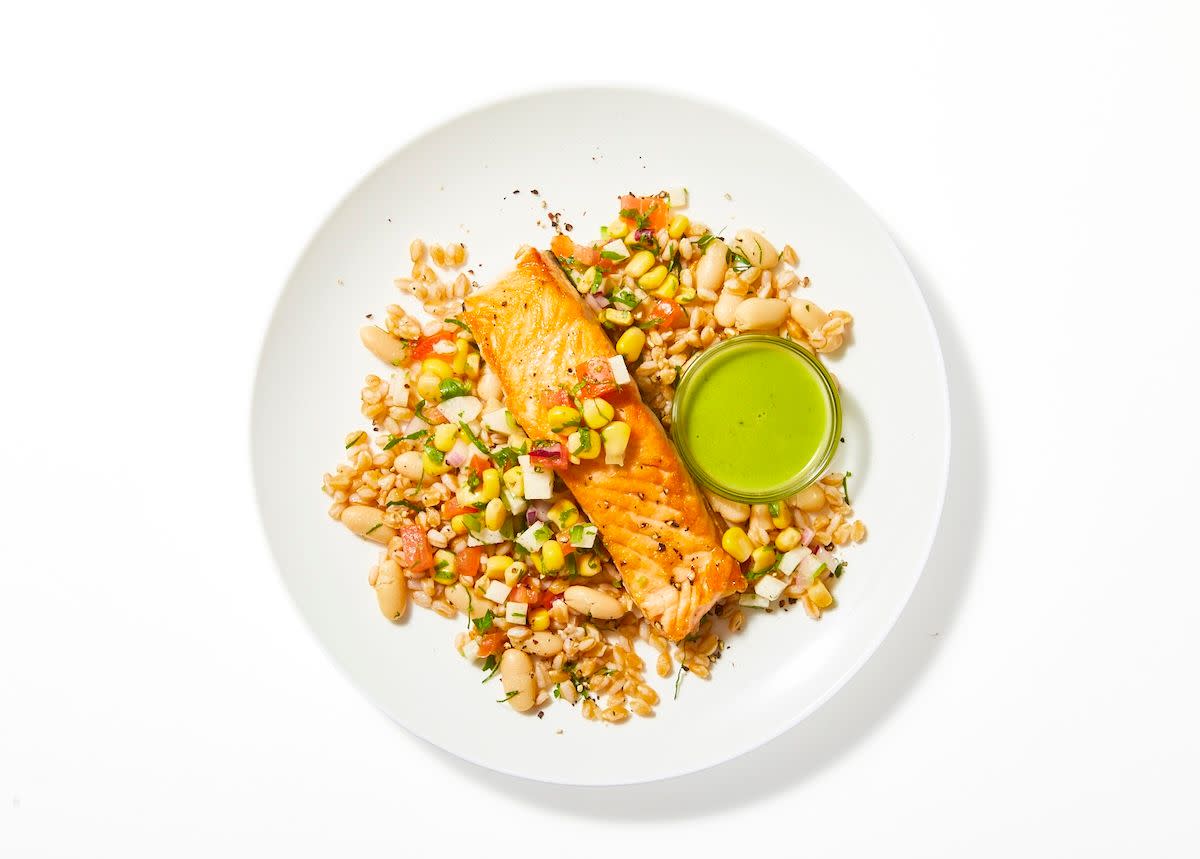
Meal kits deliver pre-portioned ingredients and step-by-step recipes. Some companies offer carb-conscious or diabetic-friendly menus. They provide flexibility, allow users to learn cooking skills, and bring variety to the table. For motivated individuals who enjoy cooking and have the time, meal kits can be engaging and educational.
But meal kits have limitations for people with diabetes. They still require 30 to 45 minutes of prep, safe kitchen access, and a certain level of cooking ability. For seniors, busy workers, or those with mobility challenges, this is not always feasible. And while some kits label items as "diabetic-friendly," they are not always reviewed by registered dietitians to ensure true clinical alignment.
Key differences: diabetic meal delivery vs meal kits
Accessibility and convenience
Meal kits require time, skill, and kitchen safety. Diabetic meal delivery requires no prep and supports individuals who may not have the resources or ability to cook consistently.
Clinical alignment
Meal kits may offer general carb-conscious plans, but few are explicitly designed for blood sugar management by registered dietitians. In contrast, diabetic meal delivery programs are portion-controlled and nutritionally balanced to support blood sugar stability, heart health, and digestion.
Adherence and outcomes
Surveys show that 'meal prep fatigue' is real. For example, a OnePoll survey for Jennie-O found that about 60 percent of Americans feel 'burnt out' by cooking more. By contrast, diabetic meal delivery programs, especially MTMs, show sustained adherence and improved health outcomes, including reduced hospitalizations and costs.
Cost and coverage
Meal kits typically cost between $8–$12 per serving and are paid for out of pocket. Diabetic meal delivery programs are priced similarly ($9–$12 per meal) but increasingly qualify for Medicaid waivers, Medicare Advantage benefits, or coverage through employer wellness programs.
Who should choose meal kits vs meal delivery?
Meal kits are best for highly motivated individuals who enjoy cooking, want to learn, and can safely and consistently prepare meals at home. They can be a good fit for younger, tech-savvy demographics with fewer chronic conditions.
Diabetic meal delivery works better for seniors, GLP-1 users, high-risk patients, or those with limited time and energy for cooking. For healthcare providers, payers, and employers, meal delivery also provides a scalable intervention that can improve adherence and reduce costs across populations.
In some cases, the two can complement each other. For example, patients may start with meal kits to build cooking confidence, then transition to diabetic meal delivery for long-term adherence and outcomes.
Why CookUnity’s diabetic meal delivery stands out
CookUnity offers chef-crafted, dietitian-reviewed meals that combine flavor with function. Our menus support a range of needs: diabetic-friendly, high-protein, heart-healthy, and culturally inclusive. With nationwide delivery, CookUnity makes clinically aligned nutrition accessible at scale for individuals, families, and organizations.
Unlike meal kits, our meals remove barriers around shopping, prep, and portioning. And for healthcare partners, CookUnity’s approach aligns with value-based care - supporting measurable improvements in health while reducing long-term costs.
When comparing diabetic meal delivery vs meal kits, both options can play a role in supporting better nutrition. But for most seniors, high-risk populations, and people managing multiple chronic conditions, diabetic meal delivery is the option that consistently delivers better adherence and outcomes. The research is clear: ready-to-eat, dietitian-reviewed meals do more than make life easier - they improve health and reduce healthcare costs.

Be the first to know about new offers
Multiorder discounts, free items and more.