Back
Flexible catering options that respect every dietary preference
Flexible catering options that respect every dietary preference
The short answer
Flexible catering gives office teams an inclusive experience where every employee can eat confidently, regardless of allergies, restrictions, or lifestyle choices. As workplaces become more diverse, hybrid, and wellness focused, catering must adapt to support a wide range of dietary needs without adding cost or complexity. The most effective solutions offer variety, safety, and personalization so teams can come together over food that feels welcoming to everyone.
Why dietary inclusivity is now non-negotiable for office teams
Employees today bring a wider range of dietary identities than ever before. Cultural trends, health awareness, and increased understanding of food sensitivities have made dietary preferences a normal part of workplace planning. What used to be considered special requests are now expected accommodations.
Hybrid and multi-site teams add another layer of complexity. Different regions have different cultural diets, allergens, and comfort foods, which makes flexibility critical. Within a single team you might need to account for vegan, gluten free, halal, high protein, and low carb preferences all at once.

Food is also central to workplace culture. Inclusive catering signals that an organization values its people and is committed to a workplace where everyone feels supported. When the menu works for everyone, participation increases and shared food becomes a genuine connector.
How inclusive catering impacts employee experience
When catering feels inclusive, employees feel seen and respected. No one wants to be the person picking at a side salad while colleagues enjoy a full meal. Catering that accounts for all dietary needs removes this friction and creates a more equitable experience.
Food also influences participation. Employees are more likely to attend meetings, celebrations, and team gatherings when they know the food will suit their needs. This boosts engagement and strengthens team connection.
Inclusive catering also enhances morale. It shows employees that the organization pays attention to details and invests in the daily experiences that shape workplace culture.
What diverse dietary preferences really include
Employees may follow specific diets for cultural, religious, health, ethical, or performance reasons. These often include vegetarian, vegan, pescatarian, gluten free, dairy free, nut free, low carb, keto, halal, kosher, and high protein diets. Understanding the categories helps planners set expectations and choose appropriate catering options.
Vegan and gluten free catering options
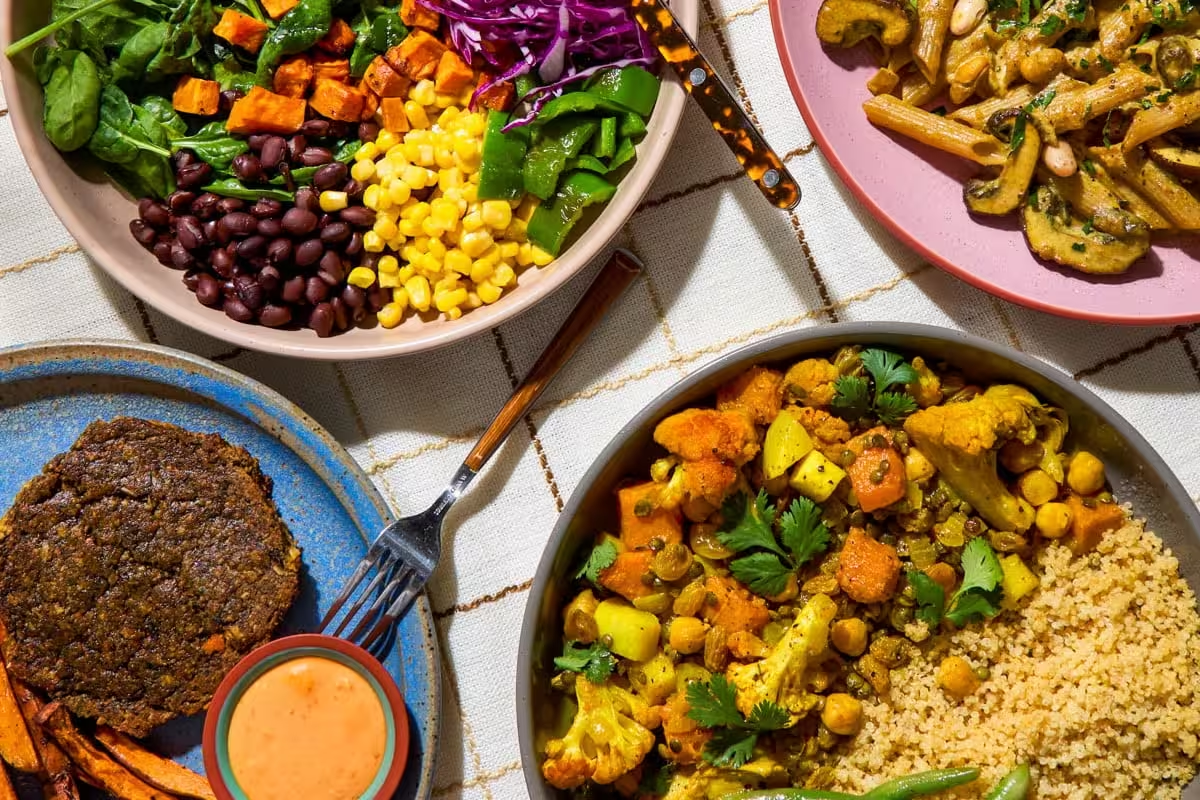
Vegan and gluten free choices are among the most common requests. High quality solutions go beyond basic salads and rely on flavorful, well-balanced dishes that feel substantial and satisfying. Flexible catering providers should offer vegan and gluten free meals that are as appealing as their standard menu items so employees never feel like an afterthought.
Halal and kosher considerations
Halal and kosher catering require adherence to specific preparation standards and ingredient integrity. Good providers ensure proper certification, dedicated preparation areas, and clear labeling so employees can trust the process. For many workers, these options are essential to participation in corporate events.
Benefits of choosing flexible catering options
More inclusive team events
Flexible catering ensures that every employee can participate fully in team gatherings. When food respects all dietary needs, events feel more welcoming and no one feels excluded. The result is stronger attendance, better energy, and smoother social connection.
Builds trust and psychological safety
Food carries emotional weight. Employees notice when their needs are thoughtfully considered. When catering consistently meets everyone’s dietary requirements, it reinforces a culture of care and inclusivity. This builds trust and helps teams feel more connected.
Reduces risk associated with food allergies
Allergies and intolerances require strict safety protocols and transparent ingredients. Flexible catering solutions offer safe preparation methods, clear labeling, and reliable cross contact protections. CookUnity’s approach draws on principles similar to medically supportive food programs such as medically tailored meals. This helps reduce organizational risk and supports employees who require precise dietary handling.
Supports wellness and productivity goals
Meals that align with dietary needs help employees feel energized rather than sluggish. Inclusive, balanced catering supports wellness commitments and reduces the mid afternoon crash that often follows heavily processed foods. Nutrition aligned catering can also connect to broader workplace wellbeing programs.
How caterers safely handle allergies and restrictions
Preventing cross contamination in professional kitchens
Allergy safe kitchens rely on strict protocols such as dedicated prep zones, sanitized surfaces, and clearly segregated ingredients. Staff must be trained to understand allergens and avoid accidental exposure. Professional caterers also use sealed packaging and detailed labeling to ensure meals remain safe until served.
Cross contamination often occurs unintentionally in buffet style setups, which is why many organizations prefer individually packaged meals for allergy prone employees. This insulated approach provides an added layer of protection and reassurance.
Communication best practices
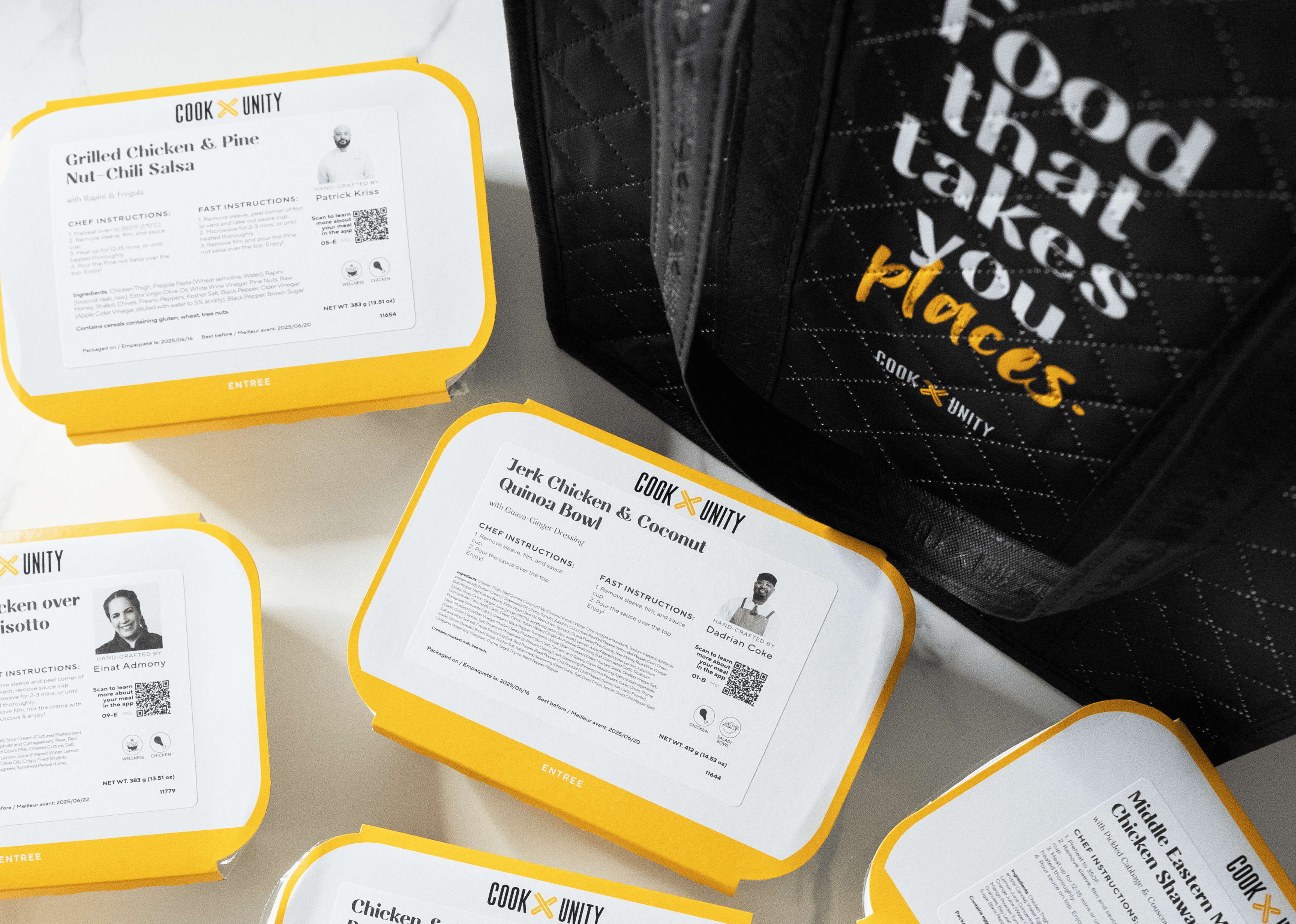
Good catering partners provide complete ingredient transparency. This includes allergen icons, clear labels, and access to full ingredient lists. Pre event dietary intake forms also help planners gather accurate information without burdening employees. When communication is strong, safety and satisfaction both improve.
Flexible catering models that work best for diverse needs
Buffet vs plated service for dietary restrictions
Buffets offer variety but can be risky for allergies because guests may accidentally mix utensils or drip sauces across dishes. Plated meals offer greater control and precision but lack the spontaneous variety of a buffet.
Hybrid models, such as staffed stations or structured buffet lines, can combine the best of both worlds. The key is ensuring safe practices and clear labeling for each option.
Full service catering vs drop off catering
Full service catering provides hands on support, staffing, and service oversight, which can be helpful for events with complex dietary needs. Drop off catering is more convenient and cost effective, especially for recurring office meals.
The right solution often depends on event size, allergy severity, and the level of customization required. Many office teams prefer drop off solutions for daily meals and full service setups for large or high visibility events.
Cost effective flexible catering solutions
Flexible catering does not have to inflate the budget. With thoughtful planning and modular menu design, organizations can offer an inclusive experience while maintaining cost control. The following approaches help companies deliver high quality meals without overspending.
How to deliver inclusivity without inflating the budget
When menus are intentionally curated, businesses can reduce complexity while still offering variety. Flexible catering focuses on building dishes that naturally support multiple dietary categories, which allows providers to scale preparation efficiently. This also creates a more predictable ordering model for recurring meals.
Streamlined menus
Streamlined menus reduce cost by focusing on dishes that appeal broadly while still accommodating varied dietary needs. A curated selection minimizes the number of specialty items required and allows the caterer to prepare meals more efficiently. Employees experience quality and variety without requiring a bloated menu.
Bulk ordering
Bulk ordering helps organizations benefit from economies of scale. When teams order larger quantities of select dishes or follow a recurring meal schedule, caterers can optimize production and pass cost savings along to clients. This also simplifies internal ordering and reduces last minute changes.
Standard entree plus customizable sides
Modular menus offer flexibility without added cost. Employees can choose a main dish and add sides that align with their preferences. This structure naturally supports vegan, gluten free, and high protein eaters without requiring completely separate meals. It also reduces the risk of waste and overproduction.
Where flexible catering saves money long term
Long term savings come from reduced waste, improved forecasting, and higher participation rates. When catering works for everyone, attendance increases and fewer meals go untouched. This helps companies capture more value from each event.
Avoiding food waste
Food waste is a hidden cost in corporate catering. When menus are inclusive, employees are more likely to eat the meals provided. This decreases leftovers and ensures ordering better reflects actual consumption patterns. Over time, organizations save by matching supply more closely with demand.
Smarter forecasting
Flexible catering systems often include dietary tagging and pre ordering tools that help teams forecast more accurately. Patterns emerge over time, which allows planners to make informed decisions about portioning and menu design. Better forecasting leads to steadier budgets and fewer surprises.
Higher employee turnout for events
When employees trust that the food will meet their needs, they are more likely to attend catered events. This improves the impact of team gatherings and creates a clearer picture of demand. High turnout also supports predictable planning for teams managing ongoing catering programs and improves the return on investment for events such as those supported by corporate event catering.
Tips for planning office menus with diverse dietary needs
Start with a dietary intake checklist
A simple form can help collect information about allergies, preferences, and restrictions without placing pressure on employees. This ensures planners have accurate data before finalizing menus.
Build menus around customizable components
Bowls, bars, stations, and mix and match menus naturally create choice. They allow employees to assemble meals that truly work for them while keeping operations simple.
Prioritize clear labeling
Color coding, icons, and ingredient lists provide transparency and reduce confusion. Clear labeling protects employees with allergies and helps everyone make informed choices.
How flexible catering strengthens corporate culture
Food is a powerful cultural tool. Inclusive catering supports belonging, encourages participation, and reinforces organizational values.
Supports hybrid engagement and in office experiences
Hybrid teams need reasons to gather in person. Shared meals encourage employees to come into the office and rebuild connection. Good catering can even anchor weekly rituals that make office days more meaningful.
Meals also help reestablish workplace rhythms that may have faded in hybrid environments. With consistent inclusive menus, food becomes part of the reason employees choose on site days.
Inclusive food as part of workplace hospitality
Workplace hospitality now extends beyond design and amenities. Food that reflects diverse dietary needs sends a message that employees are welcome and supported. This contributes to a positive perception of the workplace and enhances retention.
Reinforces company values around inclusion and equity
Employees notice when catering aligns with organizational values. Inclusive meals demonstrate action behind words, especially in companies that prioritize equity and belonging. When no one has to settle for a second choice, the employee experience becomes more equitable.
Enhances team connection and shared experiences
Shared meals create moments for conversation and relationship building. When everyone can enjoy the same meal environment, teams experience more natural connection. Food becomes a connector rather than a divider.
Makes company events more accessible and enjoyable
Events run more smoothly when food accommodates everyone. Attendance increases, energy stays high, and employees feel more invested in the experience. Inclusive catering helps companies host events that employees genuinely look forward to.
Where CookUnity fits into flexible workplace catering
CookUnity offers chef prepared, individually portioned meals that naturally support diverse dietary needs. Teams can choose from options that include vegan, vegetarian, dairy free, gluten free, high protein, low carb, and globally inspired cuisines. This flexibility makes it easy to feed hybrid teams and multi site groups without the complexity of traditional catering.
CookUnity is also a scalable solution for offices seeking to modernize their workplace food programs. It avoids cross contact concerns and eliminates the need for separate buffets or complex prep areas. To explore solutions for office teams, visit CookUnity for Corporate.
FAQ
What types of dietary restrictions can flexible caterers accommodate?
Most caterers can support vegan, vegetarian, gluten free, dairy free, low carb, halal, kosher, and allergy conscious diets. The best partners offer clear labeling and safe preparation protocols.
How do I safely include employees with severe allergies?
Choose catering partners that use dedicated prep processes, sealed packaging, and transparent ingredients. Individually packaged meals offer an additional layer of protection.
Are flexible catering options more expensive?
Not necessarily. Streamlined menus, bulk ordering, and modular dishes allow for flexibility without increasing cost. Many companies save money long term by reducing waste.
What is the best service style for events with many dietary needs?
Plated meals control cross contact more effectively, while buffets offer broader choice. Hybrid formats or individually portioned meals balance safety with variety.
How far in advance should I plan my catering menu?
For office meals, one week is typically enough time. For large events or complex dietary needs, two to four weeks of lead time is ideal.

Be the first to know about new offers
Multiorder discounts, free items and more.