Back
From Hospital Tray to Home Delivery: Why the HHS Pledge Points Directly to MTM Programs

The Federal Government Just Said What Food as Medicine Advocates Have Known for Years
This month, the U.S. Department of Health and Human Services (HHS) launched the Make Hospital Food Healthier Pledge, a nationwide initiative led by HHS Secretary Robert F. Kennedy Jr. and CMS Administrator Dr. Mehmet Oz inviting hospitals across the country to commit to serving healthier, more nutritious meals to patients, staff, and visitors.
The initiative is a signal that the conversation around food and health has shifted at the highest levels of federal health policy. Food is no longer being treated as a logistical function of hospital operations. It is being recognized as a clinical tool.
At CookUnity, we have believed this for years. And we are glad the federal government is catching up.
What the Make Hospital Food Healthier Pledge Actually Asks
The Make Hospital Food Healthier Pledge is a voluntary commitment for hospitals to align their food service practices with the Dietary Guidelines for Americans. HHS has outlined a set of practical recommendations for participating institutions:
Limit ultra-processed foods and sugar-sweetened beverages
Ensure meals limit added sugar, sodium, and artificial additives
Limit processed meats
Emphasize whole grains over refined grains
Prioritize minimally processed proteins, including plant-based options
Emphasize vegetables, fruits, legumes, nuts, seeds, seafood, and healthy fats
Use baked, broiled, roasted, stir-fried, or grilled preparation methods and eliminate deep frying
The pledge is organized around four foundational pillars: eating real food, expanding patient choices, providing nutrition education, and extending nutrition initiatives through community-based programs beyond the hospital walls.
That last pillar is worth pausing on. HHS is explicitly recognizing that what a patient eats after discharge matters as much as what happens inside the hospital. Nutrition support cannot stop at the exit door.
This is precisely the gap that medically tailored meal (MTM) programs are designed to fill.
Why This Moment Matters for Food as Medicine
The HHS announcement is significant not just for what it asks hospitals to do, but for what it signals about the direction of federal health policy. The pledge cites a foundational reality: the U.S. spends approximately $5 trillion each year on health care, with 90% of those costs driven by chronic disease. And it makes a direct connection between what hospitals serve and what happens to patients long after they leave.
That framing is the core argument of the Food as Medicine movement. Chronic disease is, in large part, a nutrition problem. Treating it requires treating the food environment, not just the symptoms. A hospital that serves ultra-processed meals to a diabetic patient, or a heart failure patient, or a cancer patient, is working against its own clinical goals.
The federal government's willingness to say this plainly, and to ask hospitals to act on it, is a meaningful step. It validates what clinicians, dietitians, and Food as Medicine advocates have been arguing for years: that nutrition is not a soft variable at the margins of health care. It is a core clinical input.

What This Means for Post-Discharge Nutrition
The HHS pledge focuses primarily on food served inside the hospital. But the fourth pillar, community-based programs, points to something the healthcare system has been slower to address: what patients eat after they go home.
A patient who receives nutritious, clinically appropriate food during a hospital stay but returns home to a food environment that does not support their recovery is a patient at elevated readmission risk. The discharge moment is where most hospital food quality initiatives stop. It is also where the real nutritional challenge begins.
Research published in Nature Medicine by researchers at Tufts University found that Medicaid members who received medically tailored meals post-discharge had 31% fewer hospitalizations and 20% fewer emergency department visits. The evidence connecting post-discharge nutrition support to readmission reduction is strong. And it is exactly the kind of community-based extension the HHS pledge calls for in its fourth pillar.
CookUnity's Position on Food as Medicine
CookUnity was built on a belief that food impacts your health. Every meal we deliver is an opportunity to support a patient's health, not just their appetite.
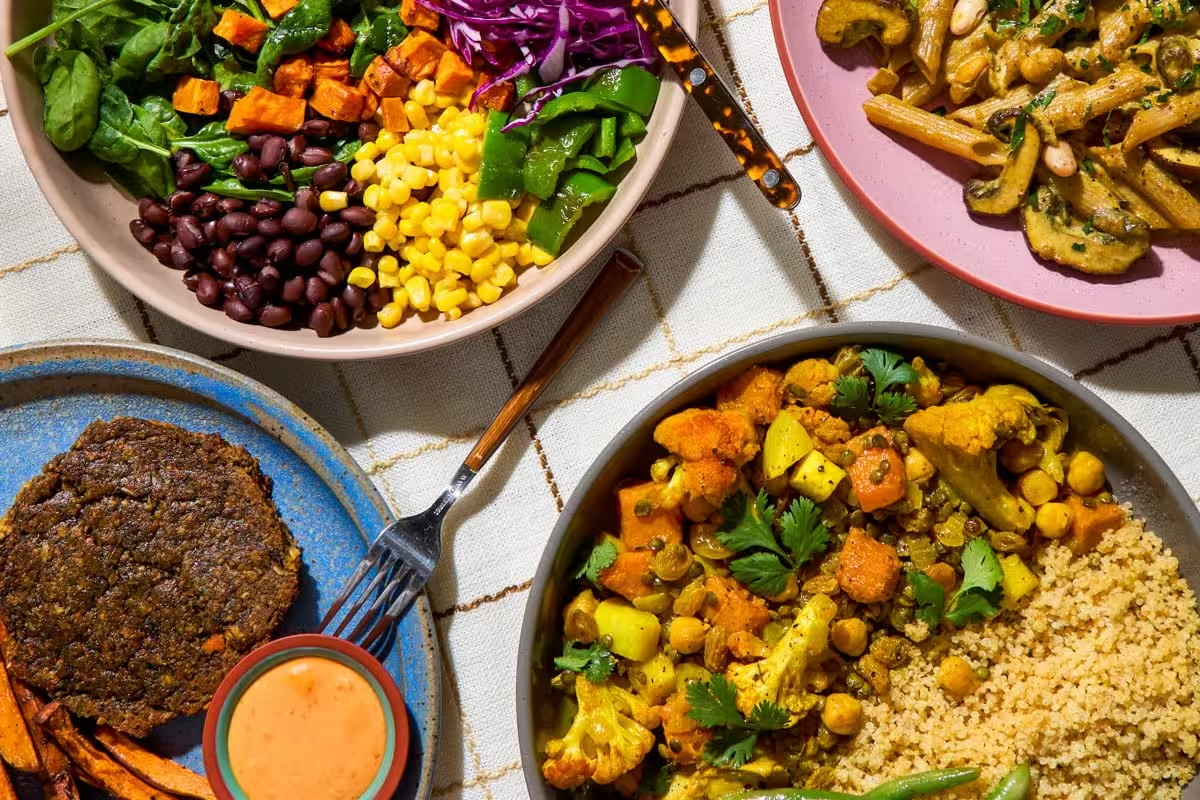
Our Food as Medicine platform is built around the same principles HHS is now asking hospitals to adopt at scale: real ingredients, no ultra-processed foods, no artificial additives, no synthetic sweeteners, no processed meats. Meals prepared by award-winning chefs within nutritional parameters set by registered dietitians on our clinical advisory board, including experts from the Mayo Clinic, Cleveland Clinic, and Memorial Sloan Kettering Cancer Center.
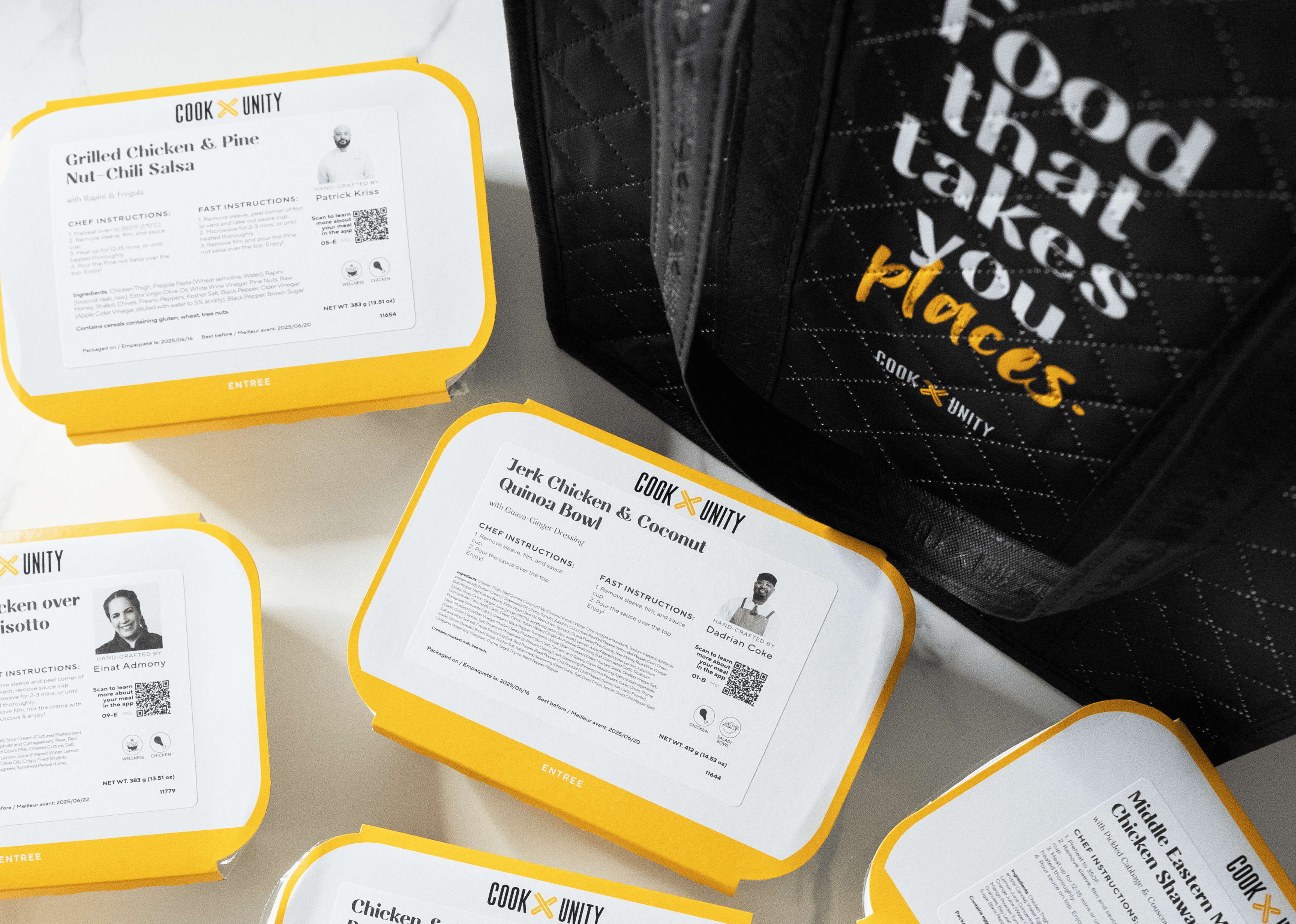
Our meals do not just meet those standards on paper. They meet them in the kitchen, in the packaging, and at the patient's table, with full ingredient transparency on every meal so patients and clinicians know exactly what they are eating and why.
How CookUnity's MTM Program Puts the Pledge Into Practice
The HHS pledge asks hospitals to rethink how they feed patients inside their walls. CookUnity's medically tailored meal program takes that commitment further by extending it to where patients live.
Our MTM program delivers fresh, never frozen, chef-prepared meals that are:
Built within dietitian-established clinical parameters for specific conditions including heart disease, diabetes, cancer, and GLP-1 weight management programs
Free of ultra-processed ingredients, artificial additives, synthetic sweeteners, and processed meats
Nutritionally complete, averaging 600+ calories per serving
Developed with the cultural variety needed to support diverse patient populations and prevent the meal fatigue that derails adherence
CookUnity's internal program data shows 90% patient consumption adherence and 92% patient satisfaction across enrolled populations. That engagement is what makes a Food as Medicine program clinically meaningful. As we have always said: it's only nutrition if you eat it.
With 130+ chefs across the US and Canada, 7 kitchen locations, up to 400+ weekly meals, and 98% on-time delivery, CookUnity operates at the scale needed to support health systems, FQHCs, health plans, and long-term care facilities that want to put the principles behind the HHS pledge into sustained practice beyond the hospital walls.
The Direction Is Clear
The Make Hospital Food Healthier Pledge is a voluntary initiative today. But the direction it signals is not ambiguous. Federal health policy is moving toward treating food as medicine. Health systems that get ahead of that shift now, by improving what they serve inside the hospital and extending nutrition support to patients after discharge, are positioning themselves for a health care landscape where food is no longer an afterthought.
CookUnity is ready to be that partner.
For health systems, hospitals, FQHCs, and health plans looking to align with the principles of the HHS pledge and build a Food as Medicine program that works at scale, we would like to talk.
Learn more about CookUnity's Food as Medicine platform or schedule a conversation with our team to explore what a CookUnity MTM program could look like for your institution.
Frequently Asked Questions
What is the HHS Make Hospital Food Healthier Pledge?
The Make Hospital Food Healthier Pledge is a nationwide voluntary initiative launched by HHS Secretary Robert F. Kennedy Jr. and CMS Administrator Dr. Mehmet Oz in July 2026 inviting hospitals to align their food service practices with the Dietary Guidelines for Americans. The pledge asks hospitals to limit ultra-processed foods, sugar-sweetened beverages, processed meats, and artificial additives, and to emphasize whole grains, minimally processed proteins, vegetables, fruits, and healthy fats. It also includes a pillar focused on extending nutrition initiatives into community-based programs beyond the hospital.
How does the HHS hospital food pledge relate to Food as Medicine?
The pledge is a federal-level recognition of the Food as Medicine principle: that what patients eat directly affects their health outcomes. By asking hospitals to serve food aligned with clinical nutrition standards, HHS is treating food as a therapeutic tool rather than a logistical function. The pledge's fourth pillar, community-based nutrition programs, aligns directly with post-discharge medically tailored meal programs, which extend nutrition support to patients after they leave the hospital.
What is CookUnity's Food as Medicine platform?
CookUnity's Food as Medicine platform provides medically tailored meal delivery for health systems, FQHCs, health plans, and long-term care facilities. Registered dietitians on CookUnity's clinical advisory board establish the nutritional parameters for condition-specific meal tracks including Heart Friendly, Diabetes Support, Cancer Support, and GLP-1 Balanced. Award-winning chefs build every meal within those parameters using real ingredients, with no ultra-processed foods, artificial additives, synthetic sweeteners, or processed meats.
How does CookUnity's MTM program support patients after hospital discharge?
CookUnity delivers fresh, never frozen, chef-prepared medically tailored meals directly to patients at home after discharge. The program operates from referral to first delivery in 2 to 3 weeks, with 98% on-time delivery and meals averaging 600+ calories per serving. CookUnity's internal program data shows 90% patient consumption adherence and 92% patient satisfaction across enrolled populations, supporting the dietary adherence that reduces readmission risk in the critical weeks after discharge.
How does CookUnity align with the principles of the HHS Make Hospital Food Healthier Pledge?
CookUnity's meals are built around the same nutritional principles the HHS pledge asks hospitals to adopt: no ultra-processed foods, no artificial additives, no synthetic sweeteners, no processed meats, and a strong emphasis on whole, minimally processed ingredients prepared using healthy cooking methods. Full ingredient transparency is provided on every meal. CookUnity's Food as Medicine platform extends those principles beyond the hospital walls through post-discharge medically tailored meal delivery.

Be the first to know about new offers
Multiorder discounts, free items and more.