Back
How to Make a High-Protein Pasta Meal: Pasta, Sauces, and Toppings
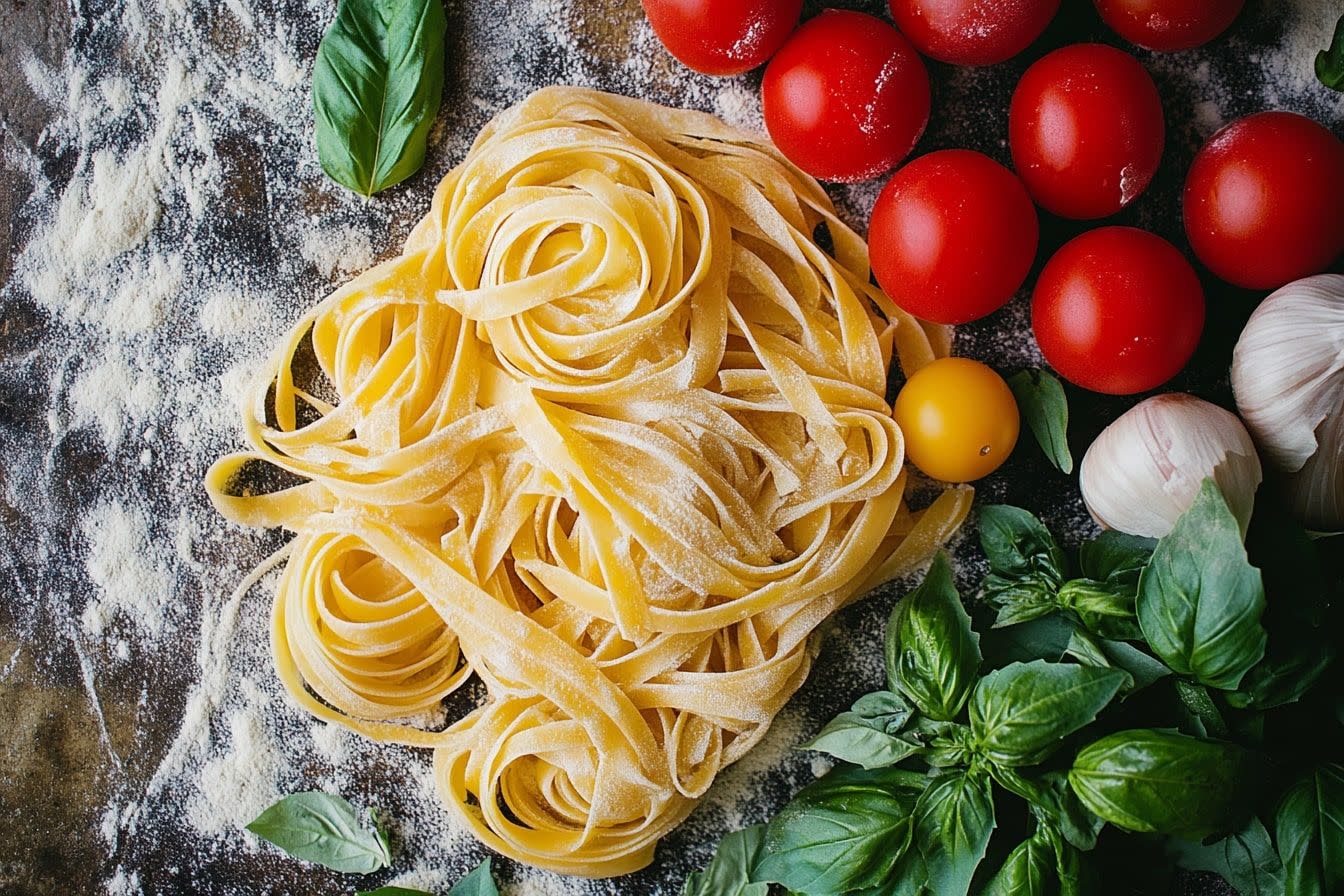
High-protein pasta is a complete-dish question. A box can advertise extra protein, but the meal still depends on the serving you cook, the sauce you add, and whether the topping is a substantial portion or a decorative snowfall of Parmesan.
This guide compares pasta on equal terms, then shows how meat, seafood, dairy, tofu, beans, and lentils can turn it into lunch or dinner. The combinations are flexible enough for a Tuesday night, which is where most pasta plans meet reality.
Key takeaways
Compare pasta labels using the same dry serving weight.
Count the protein in the complete dish, not the pasta alone.
Regular wheat pasta can anchor a protein-forward meal when the sauce or topping carries enough protein.
Legume pasta adds protein but has its own texture and cooking window.
What makes a pasta meal high in protein?
Start with the plate. Add the grams from the pasta, sauce, main protein, cheese, and any beans or vegetables. A two-ounce dry serving of pasta may contribute a useful amount, but it rarely tells the whole story.
The FDA Daily Value for protein is 50 grams for a 2,000-calorie diet. That reference can help you interpret a label; it is not a personal target. Needs vary with age, body size, activity, and medical conditions.
Separate the pasta from the complete dish
Imagine two bowls. One uses protein-enriched pasta with tomato sauce and little else. The other uses traditional spaghetti with turkey meatballs. The first pasta may lead on the box, while the second complete meal may contain more protein.
Build the calculation in layers:
Pasta portion
Sauce
Main protein
Cheese, beans, or other additions
Use the labels for packaged products and USDA FoodData Central for basic ingredients. Recipes and brands vary.
Compare pasta types using consistent serving sizes
The cleanest comparison uses dry weight, usually two ounces or 56 grams. Cooked volume is less reliable because shapes and ingredients absorb different amounts of water.
For a fair dry-versus-cooked pasta comparison, use consistent serving weights and consult USDA FoodData Central. For packaged pasta, the FDA’s Nutrition Facts label guide explains how serving size affects the reported nutrients.
Traditional wheat pasta
Traditional pasta commonly provides around 7 grams of protein per two-ounce dry serving, though the label decides. Its familiar texture makes it a flexible base for meat sauce, seafood, cottage cheese sauce, beans, or tofu.
Regular pasta does not need to apologize for itself. Give it a protein anchor and vegetables, then count the whole bowl.
Chickpea, lentil, and other legume-based pasta
Legume pasta often provides more protein and fiber per dry serving than traditional pasta. It also tastes more distinctly of its base ingredient and can move from firm to soft quickly.
Use abundant boiling water, stir early, and begin tasting before the box’s maximum time. A sauce with acid, herbs, or chile can balance the earthy flavor. Save some cooking water, but add it carefully because legume pasta water can be thick.
Protein-enriched pasta
Protein-enriched wheat pasta may add legume flour, pea protein, egg whites, or other ingredients. Compare the actual grams per equal dry weight. “Protein” on the front of the box does not tell you the amount, serving size, fiber, sodium, or allergens.
Fresh and egg pasta
Fresh pasta contains more water than dry pasta, so equal weights are not an equal comparison. Follow the package serving and count the rest of the dish. Filled pasta adds another variable because ricotta, meat, or vegetables sit inside the dough.
Dry versus cooked weight
Use dry weight for the package calculation unless the label specifies cooked food. Water increases cooked weight without adding protein. If you cook four dry servings and divide the pot evenly, each bowl gets one serving regardless of its final weight.
Choose a protein source for the complete meal
Meat and poultry
Ground turkey, beef, pork, chicken sausage, shredded chicken, and meatballs all work. Four ounces cooked is a substantial starting portion for many meals. Compare sodium in sausage and prepared meatballs.
Seafood
Shrimp cooks in minutes. Canned tuna and salmon need only warming. Salmon, clams, mussels, and firm white fish suit tomato, lemon, herb, and olive oil sauces.
Dairy and eggs
Ricotta, cottage cheese, Greek yogurt, Parmesan, and eggs can contribute protein. Cottage cheese blended into tomato sauce produces a creamy texture without relying on a large amount of cream. Greek yogurt needs gentle heat to reduce the chance of splitting.
Cheese is often a supporting player. A tablespoon of Parmesan brings flavor, not an entire meal’s protein.
Tofu, tempeh, beans, and lentils
Crumble firm tofu into tomato sauce, brown tempeh like ground meat, stir white beans into pesto pasta, or fold lentils into ragù. These options make a high-protein vegetarian pasta feel composed rather than modified.
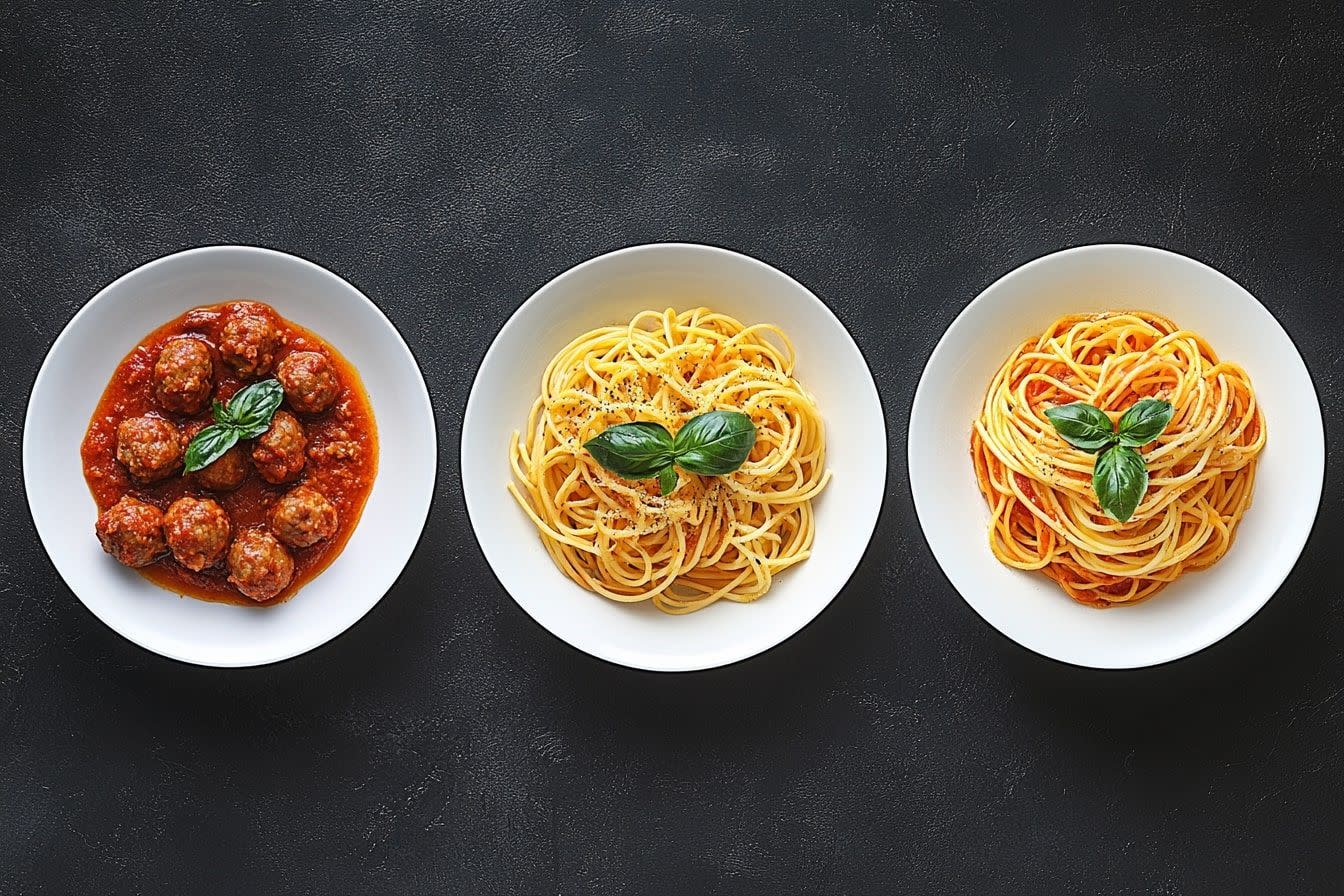
High-protein pasta sauces and additions
Turkey or lentil ragù
Brown ground turkey with onion and garlic, then add crushed tomatoes. For a vegetarian version, use cooked lentils and chopped mushrooms. Both sauces cling best to ridged shapes.
Cottage cheese tomato sauce
Blend cottage cheese with warm tomato sauce until smooth, then return it to low heat. Add pasta water as needed. Check the cottage cheese label if sodium is part of your plan.
Greek yogurt pesto sauce
Stir pesto into Greek yogurt off the heat. Loosen with pasta water and toss immediately. Add chicken, salmon, or white beans when you want a larger protein boost.
White bean garlic sauce
Blend cannellini beans with garlic, lemon, olive oil, and pasta water. The result is silky and neutral enough for spinach, broccoli, or roasted tomatoes. Keep some whole beans for texture.
Tofu tomato cream
Blend silken tofu with tomato sauce, garlic, and red pepper flakes. It disappears into the sauce while increasing the meal’s protein. Use a blender-safe temperature and reheat gently.
Seafood pan sauce
Sauté shrimp or warm clams with garlic, olive oil, lemon, and parsley. Toss with pasta and enough cooking water to make the sauce glossy. Packaged broth and canned seafood can add sodium, so taste before salting.
Easy high-protein pasta meal combinations
Chickpea pasta with turkey and broccoli
Cook chickpea rotini. Brown ground turkey, add broccoli and tomato sauce, then toss. The pasta and turkey both contribute meaningful protein.
Spaghetti with tuna, capers, and tomatoes
Warm canned tuna with cherry tomatoes, garlic, capers, and olive oil. Toss with traditional spaghetti and parsley. Capers and tuna bring salt, so the pot may need less.
Lentil pasta with cottage cheese marinara
Pair lentil penne with blended cottage cheese marinara and spinach. This is a substantial vegetarian option with protein in both the pasta and sauce.
Chicken pesto pasta with peas
Use rotisserie chicken, pasta, frozen peas, and yogurt-pesto sauce. Save the chicken skin for another use or omit it according to preference.
Tofu bolognese
Crumble extra-firm tofu, brown it well, and simmer with tomato, onion, mushrooms, and Italian herbs. Serve with traditional or protein-enriched pasta.
Shrimp lemon orzo
Cook shrimp in a skillet, add cooked orzo, spinach, lemon zest, and a little broth. Orzo behaves like pasta even when it looks ready to apply for rice status.
White bean pasta primavera
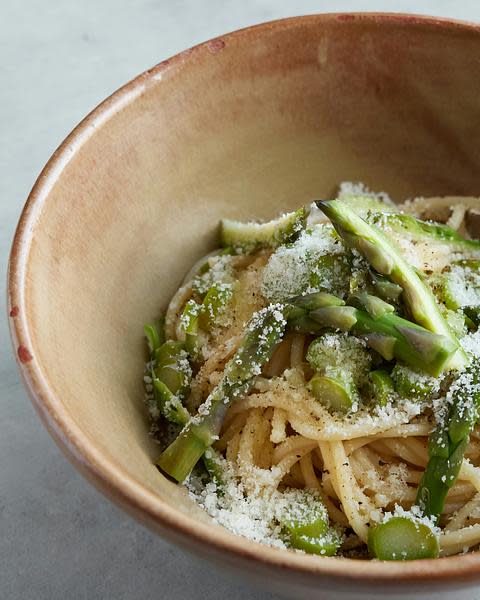
Toss pasta with white beans, asparagus, peas, herbs, and lemon. Add ricotta or Parmesan according to your target and preferences.
Shortcuts for busy evenings
Keep one pasta, one ready protein, one sauce, and one frozen vegetable available. That might be lentil pasta, rotisserie chicken, jarred tomato sauce, and frozen broccoli. Dinner has a clear route before the water boils.
Use the label before the recipe
Jarred sauce, sausage, broth, pesto, and cheese can carry sodium. Compare brands and count the amount used in your portion. “Homemade style” is a mood, not a nutrition category.
Cook the full box only with a plan
If you need two servings, either cook half the package or assign the leftovers. Cold pasta can become a tuna salad; extra lentil pasta can be reheated with tomato sauce. Store cooked pasta promptly and follow USDA refrigeration guidance.
How to choose a CookUnity pasta meal for your protein goals
CookUnity pasta dishes vary by Chef, recipe, week, and location. Open each meal’s details and review nutrition for the full prepared serving.
To compare actual pasta meals, look at Creamy Chicken & Prosciutto Fettuccine, Fettuccine Lentil Bolognese, and Fettuccine Chipotle-Alfredo. The protein sources differ—chicken, lentils, or cheese—so choose based on the full nutrition panel and ingredients. Browse the pasta collection or Protein Boost meals for more rotating dishes.
Compare:
protein in grams
serving size
ingredients and allergens
sodium and fiber
included sauce and toppings
preparation instructions
Use the Protein Boost filter when available, then compare pasta dishes with bowls, seafood, or other meals. The filter is a useful first pass; the individual panel makes the decision.
Browse the weekly menu to see which Chef-created pasta meals are available in your area.
Frequently asked questions
Which types of pasta contain the most protein per serving?
Legume-based and protein-enriched pastas often contain more protein than traditional wheat pasta. Compare brands using the same dry weight because serving sizes differ.
Can regular pasta be part of a high-protein meal?
Yes. Add a substantial portion of poultry, seafood, meat, tofu, lentils, beans, cottage cheese, or another protein source and count the complete dish.
How can I add protein to pasta without meat?
For the most current individual-meal values, CookUnity explains where to find the full meal nutrition panel in the ordering menu; public pages may show fewer nutrients.
Use lentil or chickpea pasta, tofu tomato sauce, cottage cheese marinara, white beans, lentil ragù, tempeh, edamame, or Greek yogurt pesto. Combine two sources for a larger total.
Should I compare pasta nutrition using dry or cooked weight?
Use the state named on the label. For most dry pasta, compare the dry serving weight. Cooked weight changes with water absorption and is less consistent across shapes.
How can I find CookUnity pasta dishes that meet my protein goals?
Start with the Protein Boost filter when available. Open each pasta meal to check protein for the entire serving, along with ingredients, sodium, allergens, and preparation directions.

Be the first to know about new offers
Multiorder discounts, free items and more.