Back
BackIrish-American Heritage Month Foods: Traditional & Modern Recipes to Celebrate
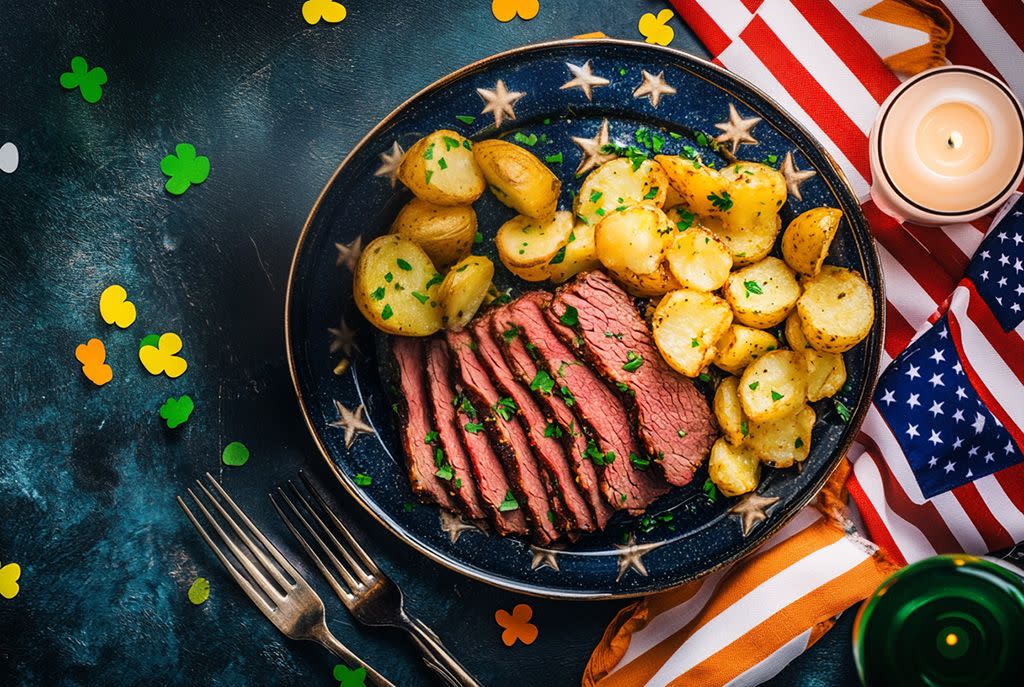
Erin go bragh! It’s Irish-American Heritage Month! This is an exciting celebration of the rich threads woven by Irish immigrants into the American cultural quilt. This month is more than sharing a pint or tip-toeing through confetti shamrocks - it's also about the food - which is the single most important way to acknowledge the cultural mashup known as Irish-American cuisine. After all, food is the universal language that transcends borders and it's the best guide in navigating the history and heritage of the people of Ireland who brought their traditions (and recipes) to America.
In this culinary odyssey, we'll talk about Irish-American food roots, tracing how traditional Irish fare has intermingled with American flavors. Through hearty cuisines passed across generations and shared at community gatherings, we explore how immigration and camaraderie have cooked up a unique blend of Irish-American meals. Ready your palate because this article is your ticket to understanding the essence of Irish-American Heritage Month food.
The Origins of Irish-American Heritage Month
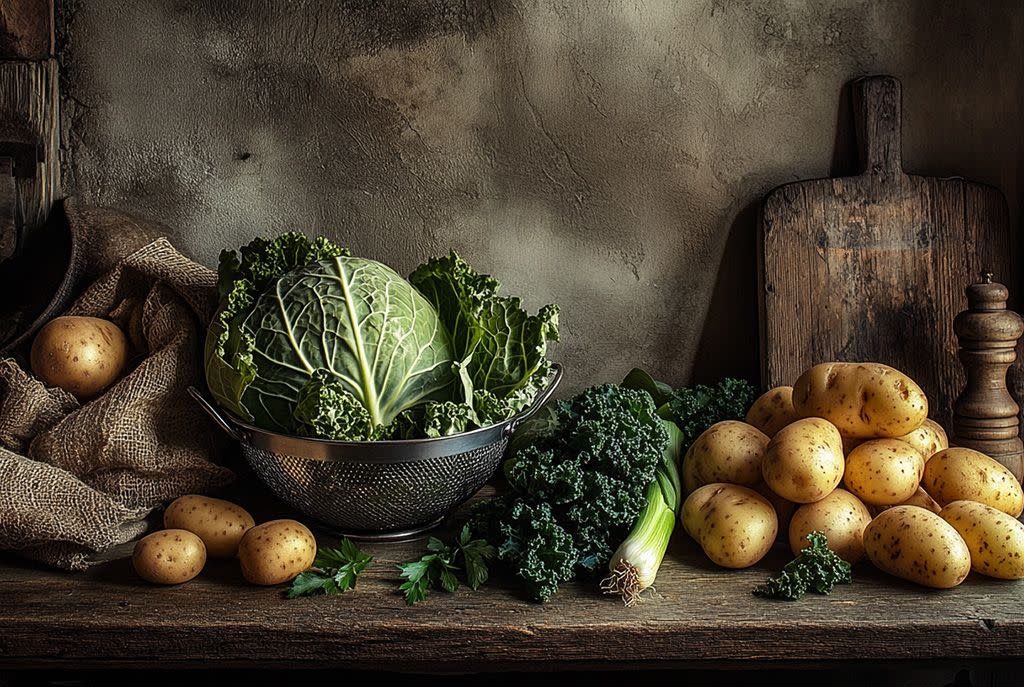
Every March, the United States transforms as it celebrates Irish-American Heritage Month with vibrant displays of green and deep historical appreciation. This recognition, officially proclaimed by Congress in 1991, pays homage to the profound impact of Irish immigrants and their descendants on American culture and society.
Why focus on March? Central to this heritage month is March 17th, St. Patrick’s Day, which honors Saint Patrick, the revered patron saint of Ireland known for popularizing Christianity there and, as legend has it, banishing snakes from the island. This day has grown from its religious origins to become a wide-ranging festival of Irish heritage. The air is filled with green—from symbolic shamrocks to the lively processions that fill streets across cities.
The creation of Irish-American Heritage Month is a re-affirmation of identity, celebrating the enduring stories of courage, faith, and charm that Irish immigrants carried with them to the New World. This month also invites all Americans to partake in Irish traditions, reflecting on how these narratives are intricately stitched into America’s historical diversity. It's in this same celebratory spirit that we're sharing these insights about Irish-American Heritage Month foods, recipes, and culinary traditions.
How Food Factors Into Irish-American Heritage Month
During Irish-American Heritage Month, traditional meals do more than nourish; they reinforce cultural identity and bring to life the rich tapestry of Irish-American life. Kitchens fill with the aromas of corned beef, cabbage, and soda bread, each dish a marker of history and survival, connecting families to their Irish roots. These food gatherings strengthen community bonds, as neighborhoods and charities host feasts with shepherd's pie and Irish stews. These communal rites encourage connections and celebrate the enduring spirit of the Irish in America. Through this Irish-American Heritage Month food, the community honors its past while celebrating its present, making each meal a testament to the resilience and vibrancy of Irish-American traditions.
Popular Irish-American Heritage Month Appetizers

As Irish-American Heritage Month unfolds, the spotlight often turns to the appetizers, those delightful starters that introduce the uninitiated to the zest of Irish culinary traditions. These appetizers, staples of a typical Irish meal, have woven their way into the fabric of American cuisine, adopting new flavors and presentations while maintaining their Irish essence. This adaptation mirrors the Irish-American journey, blending the old with the new to create something uniquely cherished on both sides of the Atlantic.
Irish Cheese and Onion Tarts
This savory tart combines the sharpness of Irish cheddar with the sweetness of caramelized onions, encased in a buttery pastry. It's a testament to the Irish love for dairy and has become a sought-after dish in the U.S., celebrated for its rich flavors and heartwarming qualities.
Recipe:
Ingredients: 1 pre-made pie crust, 2 large onions (sliced), 2 tablespoons butter, 1 ½ cups shredded Irish cheddar, 4 eggs, 1 cup cream, salt and pepper.
Directions: Preheat the oven to 375°F (190°C). In a skillet, melt butter over medium heat and sauté onions until caramelized. In a bowl, whisk together eggs, cream, salt, and pepper. Sprinkle caramelized onions and shredded cheese into the pie crust. Pour the egg mixture over the onions and cheese. Bake for 30-35 minutes until the filling is set and the top is golden.
Want a healthier version? Let us deliver our Roasted Vegetable & Cheese Tart right to your door for a nutrition-packed, delicious meal.
Soda Bread
No Irish feast is complete without Soda Bread, a simple yet profound staple that pairs perfectly with both sweet and savory companions. This bread's rugged crust and soft, dense center offer a taste of Ireland’s rustic culinary traditions. Its cultural relevance stretches back to the 19th century when baking soda became available, making it an affordable recipe for Irish families. In America, it has become a symbol of Irish heritage, enjoyed on St. Patrick's Day and throughout Irish-American Heritage Month.
Recipe:
Ingredients: 3 ½ cups of flour, 1 teaspoon of salt, 1 teaspoon of baking soda, 1 ¾ cups of buttermilk.
Directions: Preheat your oven to 425°F (220°C). In a large bowl, mix together the flour, salt, and baking soda. Gradually add the buttermilk, stirring until the dough comes together. Turn onto a floured surface and lightly knead. Shape into a round loaf and place on a baking sheet. Cut a cross on the top and bake for 30-35 minutes until the crust is golden and the loaf sounds hollow when tapped.
Irish Sausage Rolls
Popular in both pubs and bakeries across Ireland, Irish Sausage Rolls are a party favorite, reminiscent of the American 'pig in a blanket' but with a distinctly Irish twist. Made from pork, breadcrumbs, and a mix of finely ground herbs, these flavorful sausages are snugly wrapped in puff pastry and baked until golden. Not only are they delicious, but they’re also perfect for making ahead as they freeze exceptionally well, allowing you to focus on other party preparations.
Recipe:
Ingredients: 1 pound ground pork, 1 cup breadcrumbs, 1 teaspoon each of sage, thyme, and parsley, salt and pepper to taste, 1 package of puff pastry, 1 beaten egg for glazing.
Directions: Preheat the oven to 375°F (190°C). In a bowl, mix the pork, breadcrumbs, herbs, salt, and pepper. Roll out the puff pastry and cut into strips. Divide the sausage mixture and shape into logs along each pastry strip. Roll the pastry around the sausage, seal the edges with a fork, and brush with beaten egg. Cut into desired sizes, place on a baking sheet, and bake for 25-30 minutes or until puffed and golden.
Irish-American Heritage Month Soups & Stews
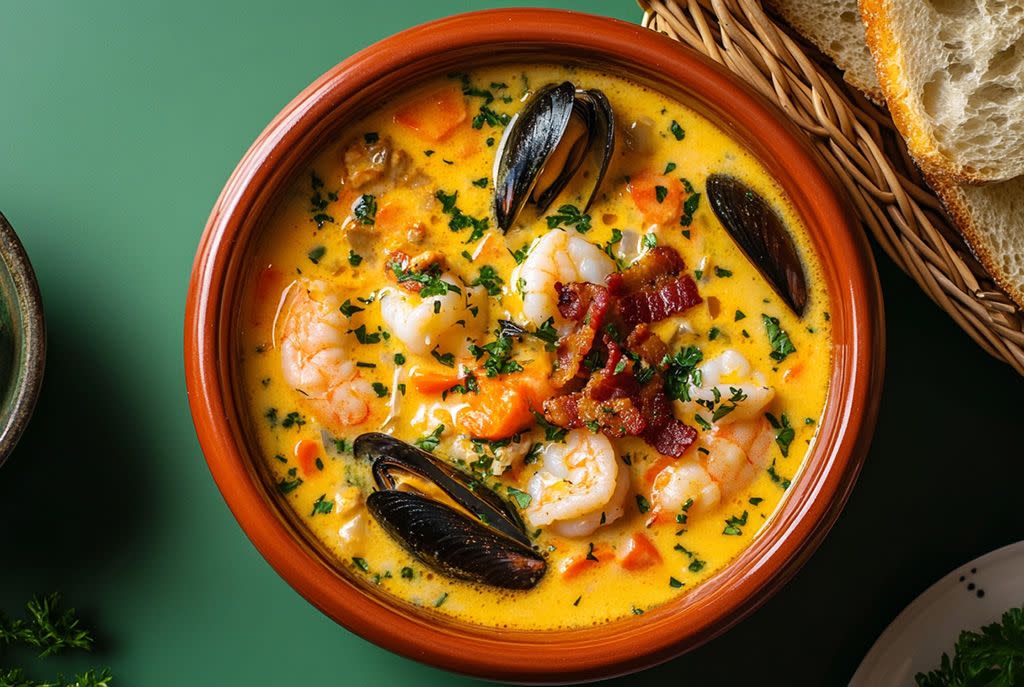
Soups and stews hold a revered spot in Irish culinary tradition, serving as both the backbone of daily nutrition and the centerpiece of festive gatherings. In Ireland, these hearty dishes are crafted to warm the soul against the damp, chilly climate. As these recipes crossed the Atlantic, they adapted to American tastes while preserving their comforting essence. This section celebrates the warmth these dishes bring to Irish-American Heritage Month, with each recipe offering a taste of Ireland's culinary history and its adaptation to the U.S.
Irish Fish Chowder
Irish Fish Chowder is thick with seafood and enriched with potatoes and cream. It's a beloved dish that speaks to Ireland's deep fishing traditions. This chowder has gained popularity in the U.S., particularly in coastal cities where fresh seafood is plentiful. Its creamy texture and rich flavor profile make it a sought-after comfort food during the chilly months of Irish-American Heritage Month.
Recipe:
Ingredients: 2 lbs mixed seafood (cod, salmon, shrimp), 4 potatoes (diced), 1 onion (chopped), 2 cups fish stock, 1 cup heavy cream, 1/2 cup white wine, 2 tablespoons butter, parsley (chopped, for garnish).
Directions: In a large pot, melt butter over medium heat and sauté onion until soft. Add potatoes, stock, and wine, bringing to a boil. Reduce to a simmer and add seafood, cooking until just done. Stir in cream and heat through without boiling. Garnish with parsley before serving.
Traditional Irish Potato Soup
A staple in any Irish household, Traditional Irish Potato Soup has found a second home in America, where it is cherished for its simplicity and heartiness. This soup combines the humble potato with rich cream and aromatic vegetables, creating a dish that's both nourishing and warming. In the U.S., this soup has been embraced for its ease of preparation and comforting qualities, often finding its way onto St. Patrick's Day menus and family tables throughout March.
Recipe:
Ingredients: 5 large potatoes (peeled and diced), 1 large onion (chopped), 2 stalks of celery (chopped), 4 cups of chicken or vegetable broth, 1 cup of heavy cream, salt and pepper to taste, chives (chopped, for garnish).
Directions: In a large pot, sauté onions and celery until translucent. Add potatoes and broth, bringing to a boil. Reduce heat, cover, and simmer until potatoes are tender. Puree the soup using an immersion blender until smooth. Stir in cream, season with salt and pepper, and heat through. Serve garnished with chives.
Short on time? Skip the prep, pots, and pans by having our Creamy Potato Leek Soup delivered right to your door.
Brown Coddle (Dublin Coddle)
Dublin Coddle is a quintessential Irish dish. The Irish food name "coddle" is a verb meaning to cook food gently or to pamper. Typically made with leftovers, coddles can be found in white, black, and brown varieties, depending on the ingredients used. Brown Coddle includes sausages and bacon, which impart a rich color and hearty flavor. This bowl of love originated in Dublin, where it was a popular way to use up end-of-week scraps; it holds historical relevance as a dish of frugality and comfort.
Recipe:
Ingredients: 4 Irish sausages, 4 slices of bacon (chopped), 2 large onions (sliced), 4 large potatoes (sliced), 2 cups beef or chicken broth, 1 teaspoon dried thyme, pepper to taste.
Directions: In a large skillet, brown sausages and bacon. Remove and cut sausages into large pieces. In a large pot, layer onions, potatoes, and sausage/bacon, sprinkling thyme and pepper between layers. Pour broth over the layers. Cover and simmer for about 1 hour until potatoes are tender.
Delicious Irish-American Heritage Month Main Dishes
As Irish-American Heritage Month unfolds, the dinner table becomes a stage for showcasing the rich tapestry of Irish culinary traditions. While classic dishes like Corned Beef and Cabbage, Irish Stew, and Shepherd's Pie remain beloved standbys, the evolving palate of Irish-American communities has given rise to innovative mashups that culminate into cherished Irish-American recipes. These creations not only honor the heritage but also celebrate the ongoing story of Irish food in America, making them perfect showcases during this festive month.
Ulster Fry
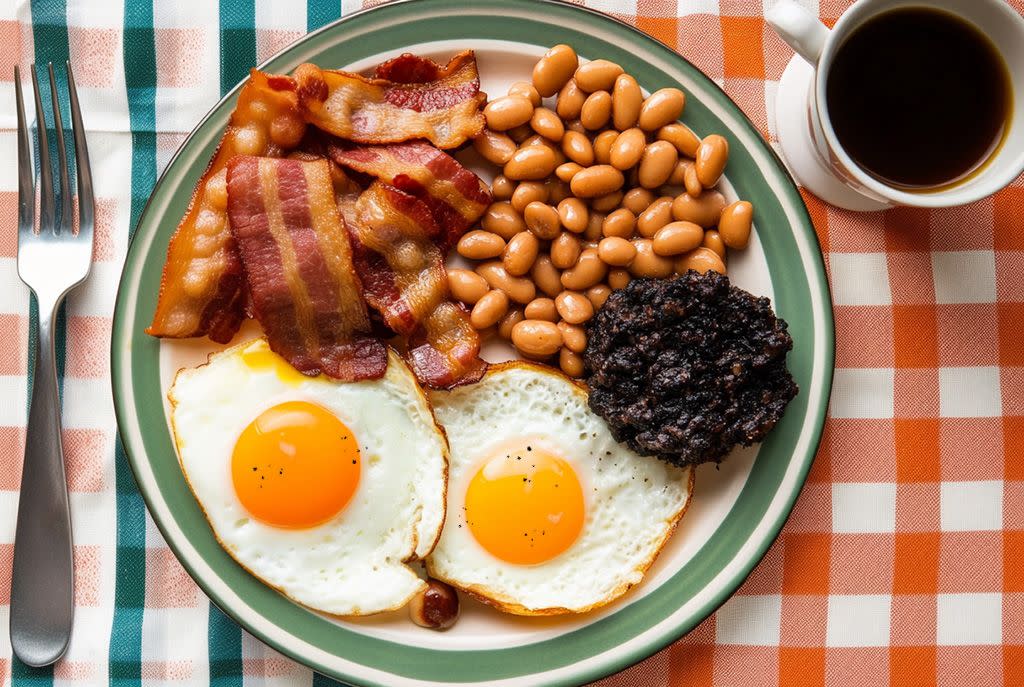
An Ulster Fry brings a taste of Northern Ireland to the American breakfast or brunch table. This hearty meal features a variety of foods, including bacon, sausages, beans, black pudding, eggs, tomatoes, and sometimes mushrooms (although everybody has their own version, it seems). Its cultural impact in the U.S. reflects the diversity of the Irish-American community and its love for substantial, comforting meals that can be enjoyed any time of day.
Recipe:
Ingredients: 2 slices each of bacon and Irish sausages, 2 eggs, black pudding slices, 1 tomato (halved), 1 cup cooked mushrooms, soda bread.
Directions: Fry bacon, sausages, black pudding, and tomatoes in a pan. Cook eggs to your liking. Serve everything together with soda bread and mushrooms.
Guinness Beef and Onion Pot Pie
Transforming the classic Irish beer into a culinary component, the Guinness Beef and Onion Pot Pie is a savory celebration of Irish flavors with an American twist. This dish marries the rich, malty depth of Guinness stout with tender beef and sweet onions, all encased in a flaky pastry crust. Its popularity in America owes much to the comfort food trend, combining familiar pie elements with a distinctive taste, making it common among Irish famous food exports.
Recipe:
Ingredients: 2 lbs beef chuck (cut into cubes), 1 large onion (chopped), 2 cups Guinness stout, 2 cups beef broth, 1 cup carrots (diced), 1 cup peas, 2 tablespoons tomato paste, 1 teaspoon thyme, ready-made pastry dough, salt, and pepper.
Directions: Brown the beef cubes in a large pot. Add onions and cook until soft. Pour in Guinness and beef broth, bringing to a boil. Add carrots, peas, tomato paste, and thyme. Simmer until beef is tender. Season with salt and pepper. Transfer to a pie dish, cover with pastry dough, and bake at 375°F for about 30 minutes or until the crust is golden.
Want an all-American classic version? Try our ever-popular Southern Chicken Pot Pie - you’ll love all the flavor without the hassle of cooking it yourself.
Fish Pie
Fish Pie has a creamy seafood filling and mashed potato topping. It’s a delicious nod to both Irish and American comfort food traditions. In the U.S., this dish has gained traction for its hearty yet sophisticated profile, combining various fish and shellfish in a rich white sauce, crowned with a golden layer of potatoes, appealing to seafood lovers and comfort food aficionados alike.
Recipe:
Ingredients: 2 lbs mixed seafood (cod, salmon, shrimp), 3 large potatoes (mashed), 1 onion (chopped), 2 cups milk, 1/4 cup flour, 1/4 cup butter, cheese for topping, salt, and pepper.
Directions: In a saucepan, sauté onions in butter. Stir in flour and slowly add milk, cooking until thickened. Add seafood and cook briefly. Season with salt and pepper. Pour into a baking dish, top with mashed potatoes and cheese. Bake at 400°F for 20-25 minutes until bubbly and browned.
Bonus Dish: Cheesy Colcannon
Colcannon is traditionally made from mashed potatoes and kale or cabbage. This Irish dish gets a modern American update with the addition of cheese. The Irish food name "colcannon" is derived from the Irish "cál ceannann," meaning white-headed cabbage, and it's become an American favorite, particularly when served as a side to the main dishes listed. The added cheese creates a rich, creamy texture that complements the slight bitterness of the greens, making it a perfect fusion dish.
Recipe:
Ingredients: 3 cups mashed potatoes, 2 cups kale (chopped), 1 cup shredded cheese, 1/4 cup milk, 2 tablespoons butter, salt, and pepper.
Directions: In a pot, sauté kale in butter until soft. Mix into mashed potatoes along with milk and cheese. Season with salt and pepper. Heat until the cheese is melted and everything is well combined.
Irish-American Street Food
Street food has a unique way of capturing the essence of a culture, and within the Irish-American community, it reflects a blend of hearty Irish traditions with the lively, on-the-go lifestyle of America. This vibrant sector of culinary arts offers a casual yet deeply flavorful experience, perfect for the bustling streets where these quick, delicious bites are savored. Irish-American street food brings a taste of Ireland to urban America, infusing traditional Irish fare with modern twists that appeal to a wide audience.
Corned Beef Sliders
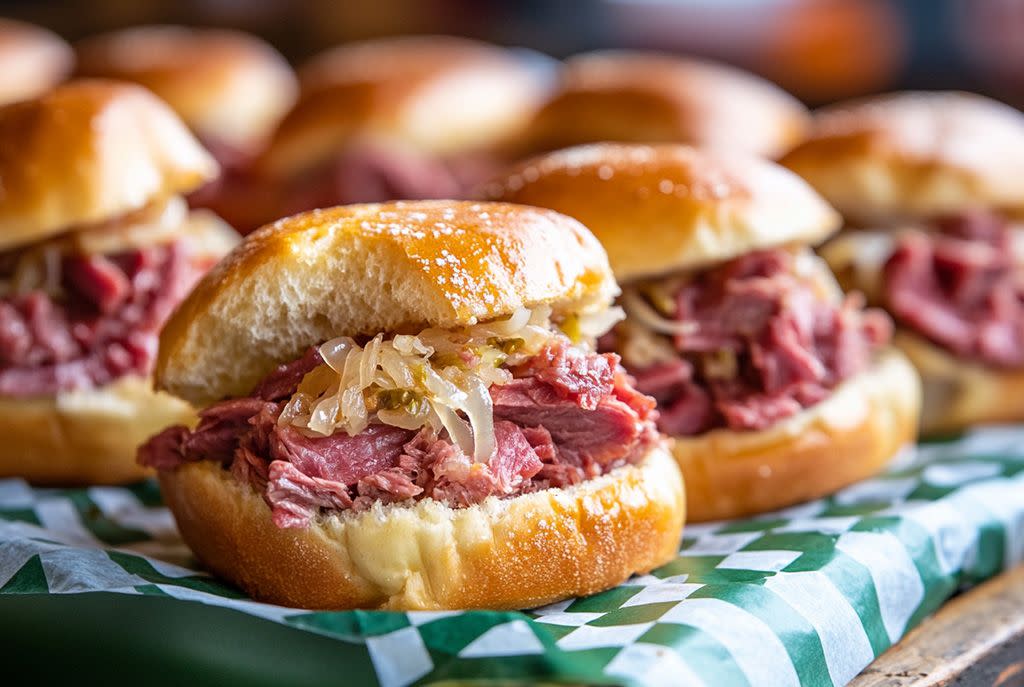
Corned Beef Sliders are a fun, bite-sized twist on a classic Irish-American favorite. While corned beef wasn’t widely eaten in Ireland, Irish immigrants in America turned to it as an affordable alternative to traditional pork dishes. Over time, corned beef and cabbage became a defining meal of Irish-American cuisine. These sliders take that iconic flavor and transform it into a fun, shareable appetizer that mirrors the beloved Reuben sandwich but in a more snackable form. They’re easy to make, perfect for parties, and a flavorful way to celebrate Irish-American Heritage Month.
Recipe:
Ingredients: 12 slider buns, 1 lb cooked corned beef (thinly sliced), 6 slices Swiss cheese (cut in half), 1 cup sauerkraut (drained), ½ cup Thousand Island or Russian dressing, 2 tbsp butter (melted), 1 tsp caraway seeds (optional).
Directions: Preheat your oven to 350°F (175°C). Slice the slider buns in half and place the bottom halves in a baking dish. Spread a layer of Thousand Island dressing on the bottom buns. Evenly layer the corned beef, Swiss cheese, and sauerkraut over the buns. Place the top halves of the buns over the filling and brush with melted butter. Sprinkle with caraway seeds for an added rye flavor. Cover with foil and bake for 15 minutes. Remove the foil and bake for an additional 5 minutes, or until the cheese is melted and the tops are golden brown. Serve warm with extra dressing on the side for dipping.
Fish and Chips
While not strictly an Irish dish, fish ‘n chips is a quintessentially British dish that Ireland has lovingly adopted and adapted, and this crispy sensation has found a fervent following in the U.S., among other classic street foods. Traditionally consisting of battered and fried fish accompanied by thick-cut chips, it’s a simple yet satisfying meal. In America, it’s often served in paper wrappings, just as it would be on the streets of Dublin, allowing for an authentic experience that resonates with the hustle and bustle of American life.
Recipe:
Ingredients: 4 large fish fillets (cod or haddock), 2 cups flour, 1 tablespoon baking powder, 2 cups beer, 4 large potatoes, salt, and oil for frying.
Directions: For the batter, mix flour, baking powder, and a pinch of salt; gradually add beer until the batter is smooth. Coat fish fillets in some flour, then dip into the batter. Deep-fry in hot oil until golden and crispy. For the chips, peel potatoes and cut into thick strips. Fry in hot oil until golden. Serve the fish and chips with tartar sauce and a wedge of lemon.
Drisheen (Irish Black Pudding)
Drisheen, a type of Irish black pudding, is a distinctive feature of traditional Irish fare that has carved out its niche in the American street food scene. Made from a mixture of cow's, sheep’s, or pig's blood with milk, breadcrumbs, and fat, then seasoned with herbs and spices, Drisheen is enjoyed particularly for its rich, complex flavors and its cultural significance as a traditional Irish food.
Recipe:
Ingredients: 2 cups pig’s blood, 1 cup milk, 1/2 cup breadcrumbs, 1 onion (finely chopped), 2 teaspoons herbs (such as sage and parsley), salt, and pepper.
Directions: Combine all ingredients in a bowl. Fill sausage casings with the mixture and tie off at intervals to form links. Simmer in lightly salted water for about 30 minutes. Serve sliced with some mustard or enjoyed on its own.
Irish-American History Month Desserts
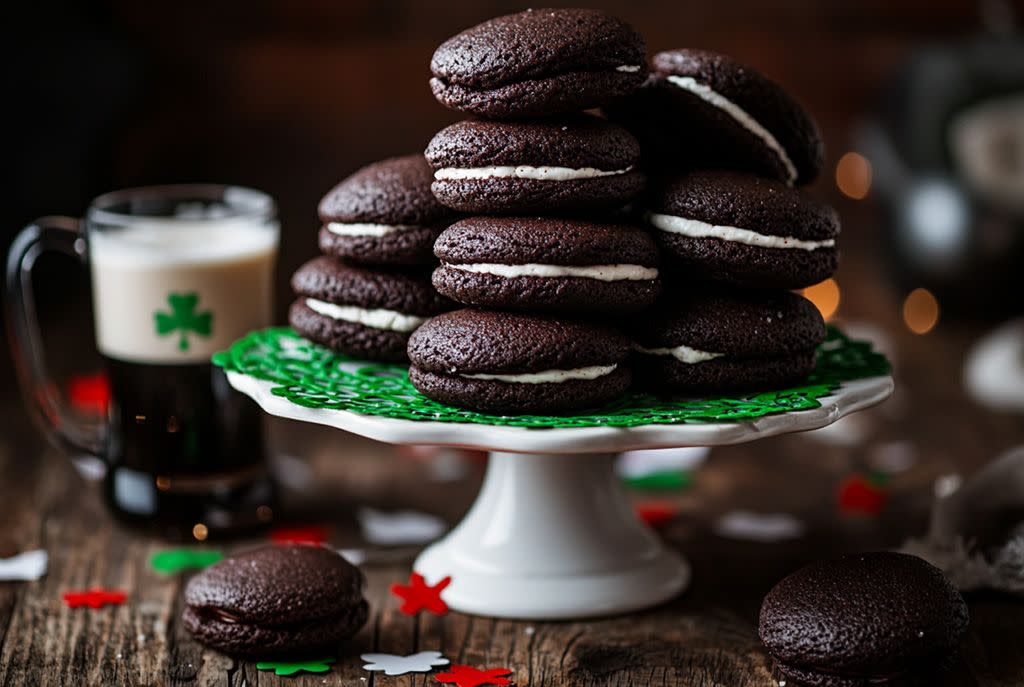
Irish desserts are a delightful reflection of the country’s renowned hospitality, sweetly encapsulating the warmth and generosity that the Irish are known for. In Irish-American communities, desserts not only satisfy the sweet tooth but also serve as a bridge between past traditions and contemporary tastes. They carry the essence of Ireland into modern-day America, manifesting into Irish-American recipes that continue to evolve and delight foodies today and beyond.
Chocolate & Guinness Whoopie Pies
Combining the rich, malty flavors of Guinness with chocolate, these Whoopie Pies have gained popularity in America for their novel integration of beer into a beloved dessert format. The addition of Guinness enhances the chocolate, creating a deep, complex flavor profile that's uniquely Irish yet quintessentially American in its playful presentation as a whoopie pie.
Recipe:
Ingredients: For the pies: 2 cups all-purpose flour, 1/2 cup cocoa powder, 1 tsp baking soda, 1/2 tsp salt, 1/2 cup butter (softened), 1 cup brown sugar, 1 egg, 1 tsp vanilla extract, 1 cup Guinness. For the filling: 1 cup powdered sugar, 1/2 cup butter (softened), 1 tsp vanilla extract, 2 tbsp cream.
Directions: Preheat oven to 350°F (175°C). Mix flour, cocoa, baking soda, and salt. In a separate bowl, cream butter and brown sugar, then add egg and vanilla. Alternately mix in dry ingredients and Guinness until smooth. Drop spoonfuls onto baking sheets, bake for 10-12 minutes. For filling, beat together all ingredients until smooth. Once the pies are cool, spread filling on one pie and sandwich with another.
Pro Tip: If you’re short on time but need to satisfy your sweet tooth, try our Baileys Irish Cream Cake Jar - it’s a nod to Irish-American food (and it’s irresistibly delicious!).
Irish Apple Cupcakes
A delightful twist on the traditional Irish apple cake, these cupcakes bring the rustic charm of the classic dessert into a single-serving delight that's perfect for sharing. The apple cake, historically significant in Irish cuisine for its simplicity and the abundance of apples in Ireland, becomes even more festive and accessible as a cupcake. This adaptation allows for easier distribution at gatherings, embodying the communal spirit of Irish hospitality.
Recipe:
Ingredients: 2 cups flour, 1 1/2 tsp baking powder, 1/2 tsp cinnamon, 1/4 tsp salt, 1/2 cup unsalted butter (softened), 1 cup sugar, 2 eggs, 1 tsp vanilla extract, 1/2 cup milk, 2 apples (peeled, cored, and grated).
Directions: Preheat oven to 350°F (175°C). Whisk together flour, baking powder, cinnamon, and salt. In another bowl, cream together butter and sugar until light and fluffy. Beat in eggs one at a time, then stir in vanilla. Alternately add flour mixture and milk, mixing until just combined. Fold in grated apples. Spoon batter into lined muffin tins, filling each about 3/4 full. Bake for 20-25 minutes or until a toothpick inserted into the center comes out clean. Cool and serve.
Irish Potato Candies
Despite their name, Irish Potato Candies contain no actual potatoes. They are a nod to Ireland's potato heritage, crafted from coconut cream and shaped into small potato-like balls, then rolled in cinnamon to mimic the appearance of dirty potatoes. This dessert is a playful cultural adaptation, popular around St. Patrick’s Day in America, blending Irish history with the creativity of American confectionery.
Recipe:
Ingredients: 1/4 cup butter (softened), 1/2 cup cream cheese, 4 cups powdered sugar, 1 tsp vanilla extract, 2 1/2 cups coconut (shredded), cinnamon for rolling.
Directions: Beat butter and cream cheese until smooth. Add powdered sugar and vanilla, mix until a dough forms. Stir in coconut. Roll into small balls, then roll each ball in cinnamon. Chill until firm.
Fun Ideas Involving Food During Irish-American Heritage Month
Irish-American Heritage Month is a time of vibrant celebration, rich in history and flavored with the hearty essence of Irish cuisine. Beyond simply savoring the delicious dishes, there are numerous fun and interactive ways to dive deeper into the culinary culture that makes this heritage so special. Here are some engaging activities that can help you, your family, and your community celebrate with food at the heart of the festivities.
Community Potlucks Featuring Irish Dishes
One of the most heartwarming ways to celebrate Irish-American Heritage Month is by organizing a community potluck. Encourage everyone to bring a dish that represents their interpretation of Irish cuisine, whether it’s a traditional recipe like Irish stew or something more innovative like whiskey-glazed carrots. This gathering is not only a feast for the taste buds but also a wonderful opportunity for sharing stories and traditions that each dish carries with it. It’s a tangible way to experience the diversity within the community, with each recipe telling a story of family, history, and personal tweaks.
Irish Cooking Classes and Recipe Exchange Events
Join or organize cooking classes that focus on Irish cuisine. These can be held in local community centers, through cooking schools, or even informally in someone's home. Participants can learn how to make classic dishes like soda bread or more complex fare such as corned beef and cabbage. Pair these classes with recipe exchange events where people can bring their favorite Irish recipes to swap with others. This not only helps spread culinary skills but also deepens communal ties by sharing personal culinary heritage and secrets that have been passed down through generations.
Irish Food Festivals and Cook-Offs
Festivals brimming with food and festivity capture the essence of celebration, and Irish food festivals offer a particularly captivating experience. Envision a day filled with the aromas of Irish stew and freshly baked bread, complemented by the sounds of traditional Irish music and the sight of energetic dances. To add a competitive twist, consider hosting a cook-off where local culinary talents—be they pro chefs or amateur cooks—vie to craft the most delectable dish using traditional Irish ingredients. Categories could range from the best appetizer to the most sumptuous dessert, with awards for both the most authentic creations and the most original innovations. These events do more than just entertain; they knit the community closer together, providing a stage for local chefs to flaunt their culinary skills and for attendees to bond over shared heritage and new flavors.
Such gatherings underscore the enchantment of Irish-American cuisine and its power to unite people. Whether it’s by sharing a favorite dish at a community potluck, exchanging cherished recipes, or competing in a spirited cook-off, Irish-American Heritage Month is an ideal time to dive into the communal and celebratory spirit of Irish culture. So come together, pass around the plates, and indulge in the rich, comforting tastes of Ireland right here in America.
Keep Exploring Foods of Irish-American Heritage Month
As we've seen throughout this expose about Irish-American Heritage Month, food like potato dishes and cabbage sides are more than just sustenance—these meals are a vibrant expression of culture and history. Celebrating this month through the rich flavors of Irish-American cuisine allows us to connect with heritage in the most delicious way possible.
CookUnity brings this celebration right to your doorstep with an array of authentic Irish-American dishes crafted by top chefs. Check out our extensive menu of hundreds of dishes - including traditional, keto, paleo, vegan, and more. We make the joy of exploring Irish cuisines easy with our simple subscription process, and we have hundreds of delicious Irish-American meals to try. Don’t miss out on the full culinary cultural experience—check out our menu and savor the heritage today!
FAQs About Irish-American Heritage Month Food and Culture
What foods are traditional Irish? Traditional Irish foods include Irish stew, soda bread, boxty (potato pancakes), colcannon (potato and cabbage mash), and black and white pudding.
What types of food did the Irish bring to America? The Irish brought several staple foods to America, including potatoes, soda bread, and various pork dishes, which influenced the development of Irish-American cuisine.
What is the Irish national dish? The national dish of Ireland is Irish stew, traditionally made with lamb or mutton, potatoes, onions, and parsley.
How to celebrate Irish American Heritage Month? Celebrate by participating in parades, exploring Irish-American food and recipes, attending cultural and music events, and learning more about the historical impact of Irish immigrants in America.
What foods are Irish Americans known for? Irish Americans are known for dishes such as corned beef and cabbage, shepherd's pie, Irish soda bread, and variations of Irish stew.
What did the Irish eat instead of potatoes? Before potatoes became widespread, the Irish diet primarily consisted of dairy products, grains like oats and barley, and meats such as pork and fish.
What is a typical Irish meal? The typical Irish-American diet includes a blend of traditional Irish foods with American influences, featuring dishes like corned beef, cabbage, potatoes, and various meat and fish dishes, often accompanied by hearty breads and desserts.
Why is Irish American Heritage Month important? It recognizes the significant contributions of Irish immigrants and their descendants to American society and celebrates the rich cultural heritage of the Irish in America.
What Irish traditions came to America? Many Irish traditions, such as St. Patrick’s Day celebrations, traditional Irish music and dance, and the practice of storytelling, have become integral parts of American culture.
Why did the Irish leave Ireland for America? Many Irish left due to economic hardship, especially during the Great Famine in the mid-1800s, seeking better opportunities and a new life in America.

Be the first to know about new offers
Multiorder discounts, free items and more.