Back
How to offer meal perks that delight both in-office and remote employees
How to Offer Meal Perks That Delight Both In-Office and Remote Employees
Quick Take
In a hybrid world, one-size-fits-all meal perks fall flat. Today’s best employee food benefits meet people where they are — whether that’s at a shared lunch table or their kitchen counter. The right strategy blends flexibility, flavor, and fairness. And when done right, meal perks boost morale, retention, and belonging across your entire team.
Why Meal Perks Still Matter in a Hybrid World
Great food has always brought people together. But with teams working across time zones, offices, and home setups, sharing meals takes a little more creativity.
Boost Engagement and Morale
Offering meals shows your team you care. It’s a daily reminder that their well-being matters, and it builds connection in a dispersed culture.
Improve Retention
Food is one of the most consistently loved perks. When employees feel supported in tangible, nourishing ways, they stay longer.
Increase Productivity
Access to healthy, easy meals reduces decision fatigue and boosts energy. Fewer skipped meals. More fuel for focus.
In-Office vs Remote vs Distributed Teams: What’s the Difference?
Understanding how your workforce is structured helps tailor food perks that actually work.
In-Office Teams
Employees are mostly or entirely based in a shared workspace. Meals can be offered via catering, stocked fridges, or in-office cafés.
Remote Teams
Employees work from home full-time. Meal stipends, delivery credits, and virtual food experiences work best.
Distributed Teams
A mix of remote, hybrid, and in-office employees across multiple geographies. Requires flexible, equitable food solutions that scale across time zones and local preferences.
Types of Meal Perks for Every Work Model
Great for in-office teams. Meals can be delivered daily or weekly, tailored to dietary needs, and served in breakrooms or team spaces.
Meal Delivery Stipends
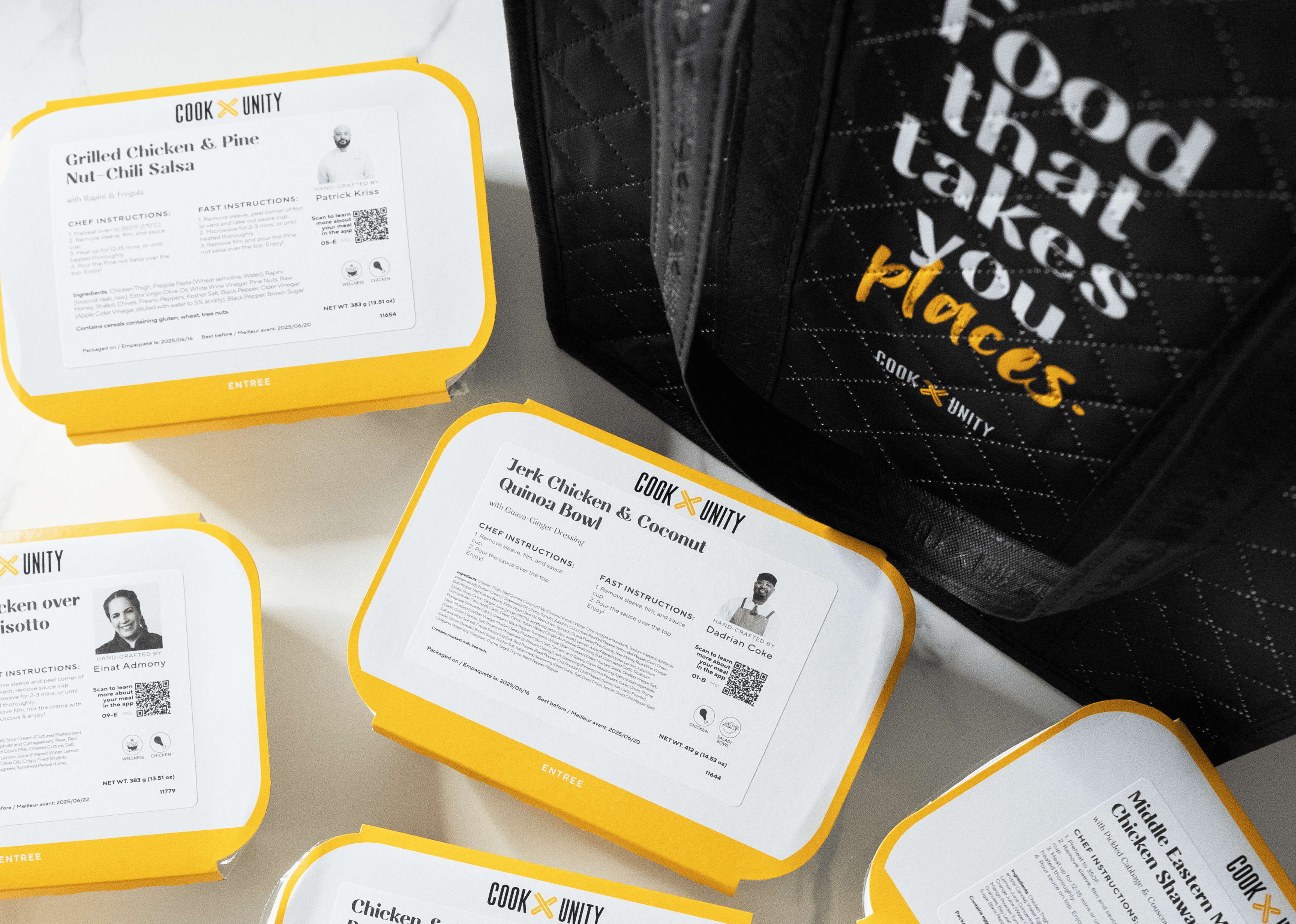
Give employees a monthly or per-meal allowance to order food to their home or wherever they work. Platforms like CookUnity integrate directly with HR systems or wellness stipends.
Smart Fridge Programs
Stock office fridges with fresh, chef-made meals that employees can grab anytime. This works especially well for hybrid teams who come in on different days.
Virtual Team Lunches
Send digital meal credits or food deliveries so remote employees can join team lunches from anywhere. Bonus: this works great for onboarding and virtual events.
Gift Cards and Wellness Wallets
Simple to administer and flexible for employees. Great as one-time perks, recognition rewards, or birthday bonuses.
Comparing Meal Perk Models
Perk Type | Best For | Admin Complexity | Delight Factor |
|---|---|---|---|
HQ/office teams | Moderate | ⭐⭐⭐⭐ | |
Meal Delivery Stipends | Remote/hybrid teams | Easy | ⭐⭐⭐⭐⭐ |
Smart Fridges | Flexible office users | High | ⭐⭐⭐⭐⭐ |
Virtual Team Lunches | Remote events | Moderate | ⭐⭐⭐⭐ |
Gift Cards | Everyone | Easy | ⭐⭐⭐ |
Best Practices for Personalizing Meal Perks
Understand Your Team’s Preferences
Survey employees on cuisines, diets, schedules, and needs. A fridge full of meat-heavy meals won’t help your plant-based staff.
Offer Choice and Flexibility
Let employees opt in or choose delivery windows. Give them control over how and when they eat.
Celebrate Diversity
Feature meals from global cuisines and chefs. CookUnity lets teams try Dominican, Korean, Mediterranean, and more — made by chefs who grew up eating and cooking that food.
Go Healthy and Sustainable
Today’s workforce cares about wellness and the planet. Offer meals that are balanced, clean-label, and responsibly sourced.
Software and Tools to Manage Meal Programs
Administering meal perks can be easy with the right tools:
CookUnity Business: Custom dashboards, stipend management, and smart fridge integration
Forma, Benepass, Compt: Plug-and-play benefits wallets for wellness and food
Slack/Teams Bots: Let employees order lunch or give feedback directly from their work tools
Tax Implications, Compliance, and Budgeting Tips
Meal perks can be a great benefit - but depending on how they’re structured, they may be considered taxable income. It’s important to structure your program thoughtfully, especially for remote and distributed employees who may receive meal credits or deliveries outside of the workplace.
Questions to Ask Your Finance Team
Is the meal considered a de minimis benefit? Occasional snacks or small-value meals might qualify as non-taxable.
Is the meal necessary for work? Meals provided for the employer’s convenience (e.g., to support late-night shifts) may be excluded from taxable income.
Are remote meals treated differently? Meals delivered to home offices may not fall under the same IRS exemptions as on-site meals.
Tips for Compliance and Budgeting
Use wellness stipends or pre-tax flexible spending wallets.
Set clear limits and usage rules for meal credits.
Consult IRS Publication 15-B or a legal advisor to align your policy with regulations. You can also work with your HRIS or benefits wallet platform to set maximum spending limits, define eligible merchants, and roll out stipends in a cost-controlled way.
How to Measure Meal Program Impact
Survey Employees Regularly
Gather qualitative data on satisfaction, perceived fairness, and usefulness.
Track Usage and Redemption
Monitor who is redeeming meals, how often, and through which channels (office fridge, delivery, stipend).
Compare Before-and-After Metrics
Look at retention, engagement, or NPS scores before and after launching meal perks.
Involve ERGs and Culture Councils
Use employee groups to shape offerings and evaluate inclusivity across teams and cultures.
When done right, meal perks deliver more than convenience - they create a culture of care. See how CookUnity Business helps hybrid companies scale food benefits that fit every work model.
CTA
Want to serve perks your whole team will love?
Let’s build a food benefit program that’s hybrid-friendly, culturally inclusive, and admin-approved.

Be the first to know about new offers
Multiorder discounts, free items and more.