Back

Key Takeaways
Medically tailored meals are chef-crafted, dietitian-supervised meals designed to meet the specific clinical and nutritional needs of patients with serious chronic or recovery conditions.
Eligibility is determined through a structured clinical + social criteria process, including referral, screening by a registered dietitian, and assessment of medical and social determinants of health (e.g. food insecurity, mobility limits).
Clinical conditions that often qualify include cardiovascular disease, diabetes, chronic kidney disease, cancer treatment, and gastrointestinal disorders.
Eligibility also considers post-hospital recovery needs (high readmission risk, post-surgery) and non-clinical factors like inability to access healthy food or mobility constraints in rural or underserved areas.
CookUnity aligns its MTM programs with FIMC standards and operationalizes eligibility via clinician referrals, nutrition assessment, ongoing monitoring, and scalable delivery across the U.S.

Who Qualifies for Medically Tailored Meals Under Value-Based Care?
Value-based care is reshaping healthcare by tying reimbursement to improved outcomes and reduced costs—not just the number of services delivered. One intervention proving its value in this model is medically tailored meals: chef-crafted, dietitian-supervised meals designed to meet the specific nutritional needs of people living with serious health conditions.
But how do providers, payers, and care managers determine who qualifies for medically tailored meals? The answer lies in a clinically led process guided by nationally recognized standards, like the Food Is Medicine Coalition’s (FIMC) accreditation criteria, which codify decades of expertise into a formal eligibility framework.
In this guide, we’ll break down medically tailored meals eligibility and how healthcare organizations can seamlessly integrate these programs into their value-based care strategies.
The Link Between Value-Based Care and Medically Tailored Meals
Value-based care models reward interventions that improve outcomes while lowering costs. Medically tailored meals align perfectly because they:
Reduce hospital readmissions.
Improve medication adherence through better nutrition.
Support long-term chronic condition management.
Accredited programs—like those following FIMC standards—go beyond basic nutrition. They integrate registered dietitian nutritionist (RDN) oversight, medical tailoring aligned to clinical guidelines, and HIPAA-compliant patient data management. This makes medically tailored meals not just a convenience, but a clinically significant care intervention.
From Food as Medicine initiatives to GLP-1 patient support, medically tailored meals give providers a powerful way to address both clinical needs and social determinants of health—all while meeting value-based care goals.
Who Qualifies for Medically Tailored Meals?
Medically tailored meals eligibility is determined through a structured process combining clinical diagnoses, recovery needs, and social determinants of health (SDOH).
Based on Clinical Diagnosis
Patients may qualify if they have conditions requiring specialized nutrition, such as:
Cardiovascular disease.
Diabetes or prediabetes.
Chronic kidney disease.
Cancer during treatment.
Severe gastrointestinal disorders.
Per FIMC guidelines, all meals for these patients must be designed and approved by an RDN and adhere to evidence-based dietary standards.
Based on Recovery Needs
Eligibility often extends to patients who:
Are recently discharged from the hospital and at high risk of readmission.
Are recovering from surgery and require nutrient-dense, healing-focused meals.
Under accreditation protocols, these patients receive ongoing reassessment by an RDN to ensure meals continue to meet their evolving needs.
Based on Social Determinants of Health (SDOH)
Who qualifies for medically tailored meals also depends on non-clinical factors, such as:
Food insecurity and inability to access nutritious meals.
Rural or mobility-limited living situations that restrict grocery shopping and cooking.
Screening for SDOH is part of the intake process and may be repeated periodically to ensure continued eligibility.
How Providers and Payers Determine Eligibility
Following FIMC accreditation requirements, the eligibility process typically includes:
Referral from a clinician, care manager, or community health worker.
Eligibility screening by an RDN, covering both clinical and SDOH criteria.
Implementation of a Nutrition Care Process, including individualized meal planning and patient education.
Ongoing monitoring and documentation in the EHR.
HIPAA-compliant storage and sharing of patient information.
This structured approach ensures that only patients who will benefit most receive medically tailored meals, maximizing clinical and financial impact under value-based care.
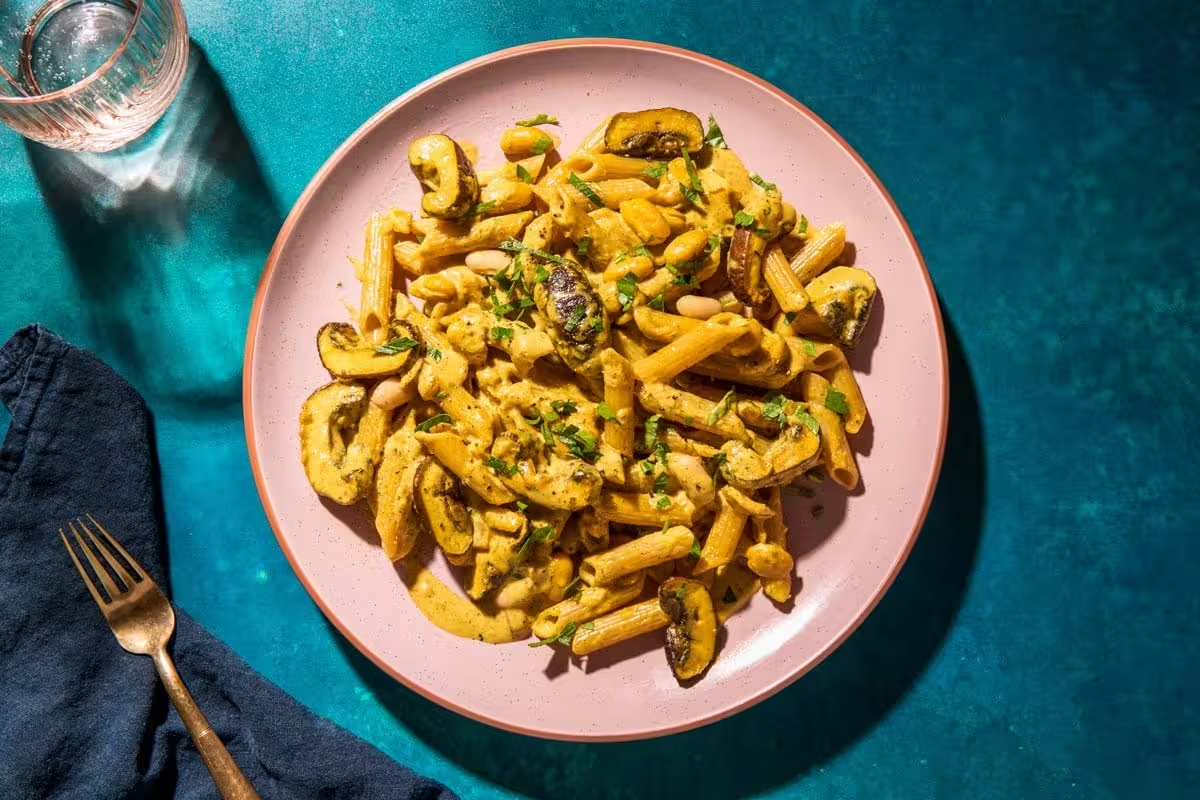
CookUnity’s Approach to Medically Tailored Meals
CookUnity delivers 300+ medically tailored meals anywhere in the continental U.S., with a program designed to meet both clinical needs and operational requirements for providers and payers. Our approach includes:
Registered dietitian oversight to ensure all meals meet evidence-based guidelines for complex conditions.
Meal customization for dietary restrictions such as low-sodium, diabetic-friendly, renal diets, and GLP-1 supportive plans.
White-label integration for health systems, insurers, and corporate wellness programs.
Scalable delivery without compromising nutritional quality or compliance.
By aligning with FIMC-informed standards, CookUnity makes it easy for healthcare partners to launch or expand their medically tailored meal programs nationwide.
The Impact on Patient Outcomes & Cost Savings
When healthcare organizations provide medically tailored meals to patients who meet clear eligibility criteria, the results go far beyond full stomachs—they translate into measurable improvements in both health outcomes and financial performance.
Reduced Hospital Readmissions
Heart failure patients who received seven to 21 medically tailored meals per week post-discharge experienced significantly lower 30-day readmission rates—just 9% for those receiving 21 meals and 12.5% for those receiving seven meals, compared to the national average of around 23%.
Another study reported heart failure patients receiving 7 meals per week had 16% fewer readmissions and a 38-day shorter hospital stay
Improved Chronic Disease Management
These programs improve diet adherence, reduce malnutrition and sarcopenia risks, and align with American Heart Association dietary guidelines.
Lower Total Healthcare Costs
Nationwide implementation could save the U.S. nearly $32.1 billion annually and avert 3.5 million hospitalizations
Another model estimated net savings of $13.6 billion per year, along with 1.6 million fewer hospitalizations
Per-patient annual savings ranged from $6,299 in Connecticut to $732 in Oregon
Fewer Inpatient Admissions and Cost Reductions
A JAMA Internal Medicine study found participation in an MTM program led to about 50% fewer inpatient admissions, reduced skilled nursing facility admissions, and a monthly cost reduction of ~$753 per participant.
Partner with CookUnity to deliver better health outcomes through Food as Medicine.
Contact our Healthcare team to explore integrating medically tailored meals into your value-based care programs.

Be the first to know about new offers
Multiorder discounts, free items and more.