Back
Why Every Senior Starting a GLP-1 Medication Needs a Nutrition Plan to Go With It
Medicare Just Expanded GLP-1 Coverage for Seniors. Here's Why Nutrition Matters More Than Ever.
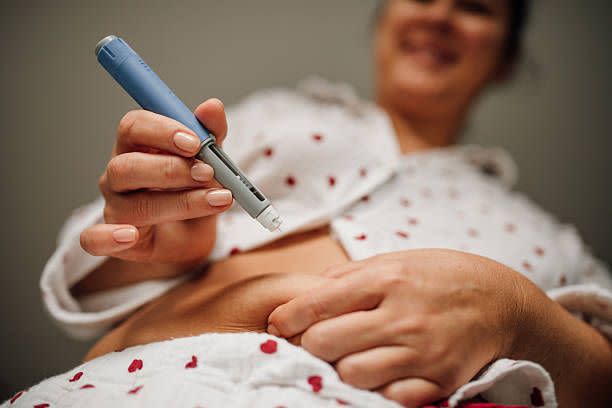
This month, millions of older Americans became eligible for weight-loss medications through Medicare for the first time. The Medicare GLP-1 Bridge, launched July 1, 2026 by the Centers for Medicare and Medicaid Services (CMS), makes medications including Wegovy, Zepbound, and Foundayo available to eligible Medicare Part D enrollees for a $50 monthly copay, a significant reduction from cash prices that can run hundreds of dollars per month.
For the estimated 3.8 million seniors who qualify, this is a meaningful development. GLP-1 medications have demonstrated average weight loss of 15 to 22 percent of body weight in clinical trials, and expanded access for older adults managing obesity could have real downstream effects on chronic disease burden, quality of life, and healthcare costs.
But expanded access to GLP-1 medications also raises an important clinical question that tends to get lost in the coverage conversation: what should seniors be eating while they are on these drugs?
The answer matters for adults of all ages, but for older adults on Medicare, the clinical stakes around muscle loss and bone density make structured nutrition support especially urgent.
What GLP-1 Drugs Do and What They Don't Do
GLP-1 receptor agonists work by mimicking a natural hormone that slows digestion and reduces appetite. They are highly effective at suppressing hunger, which is what drives the weight loss. But that same appetite suppression creates a nutritional risk that clinicians are paying close attention to, particularly in older adults.
When people eat significantly less, they do not just eat fewer calories. They eat fewer nutrients across the board. For older adults who are already at risk of inadequate protein and micronutrient intake, a dramatic reduction in appetite can compound existing deficiencies in ways that affect muscle mass, bone density, and physical function.
Several leading clinicians have raised concerns about this dynamic. Muscle loss is a common part of rapid weight loss on GLP-1 medications, but for older adults it carries particular risks. Frailty and falls are already among the leading causes of injury and hospitalizations in adults over 65, and accelerated muscle loss can make it harder to perform basic activities of daily living. Bone density is also affected by rapid weight loss, increasing fracture risk in a population already vulnerable to osteoporosis.
Protein is the most critical nutrient to protect during GLP-1 therapy. Many older adults are already not consuming enough protein relative to their needs, and a medication that significantly reduces appetite can make that gap considerably worse. Ensuring adequate protein intake while on these medications requires intentional dietary choices, not just eating less of whatever happens to be available.
This is where the food environment matters. A senior who takes a GLP-1 medication but does not have access to high-protein, nutrient-dense, appropriately portioned meals is not getting the full benefit of the treatment. They are losing weight, but they may be losing the wrong kind of weight.
Food Is Not a Footnote to GLP-1 Therapy. It Is Part of the Treatment.
The clinical conversation around GLP-1 medications in older adults is increasingly focused on what needs to accompany the drug to make it work well, not just whether the drug works. Strength training is one recommendation that comes up frequently. Structured nutritional support is another.
At CookUnity, we have always believed that food is medicine. The Medicare GLP-1 Bridge expansion makes that belief more operationally relevant than ever for the healthcare providers, health plans, and care coordinators serving older adults.
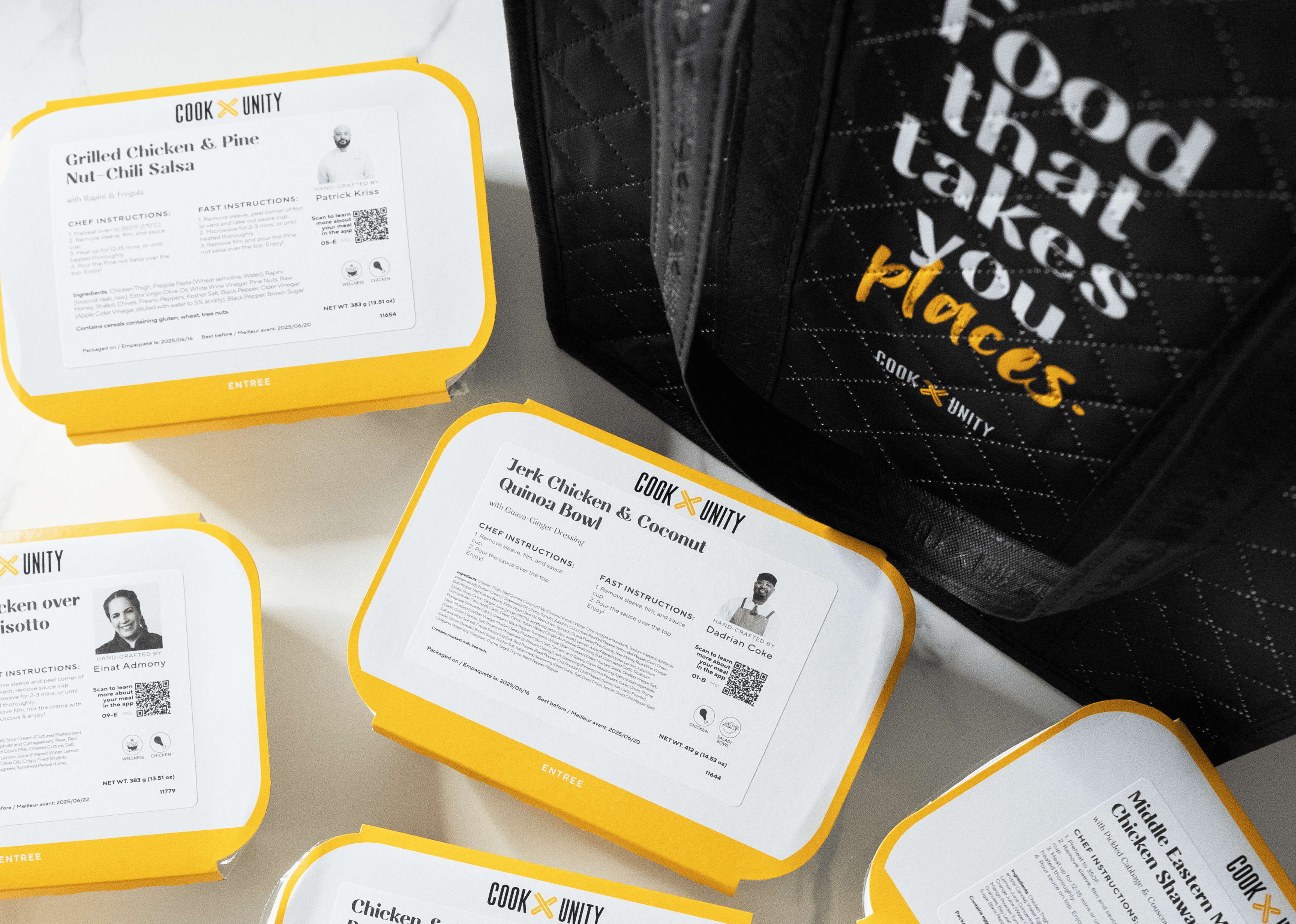
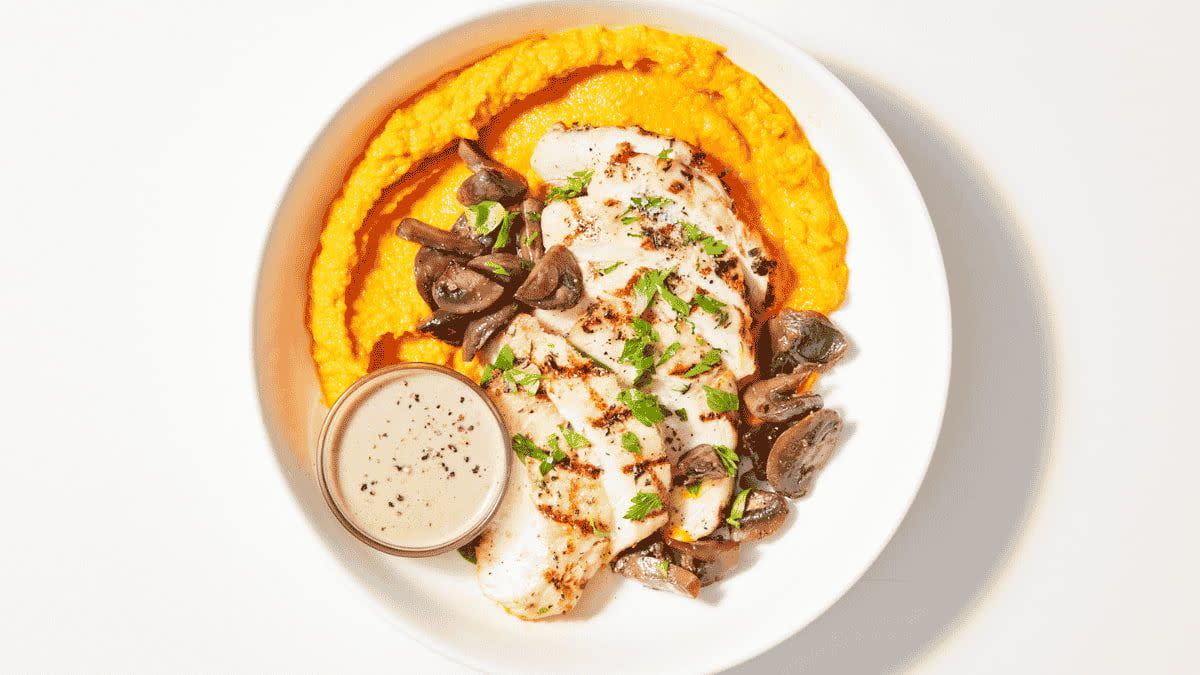
Our GLP-1 Balanced meal track is designed specifically to support patients using GLP-1 medications. Registered dietitians on our clinical advisory board have established the nutritional parameters for every meal in this track, with a focus on:
High protein content to support muscle preservation during weight loss
Nutrient density that delivers vitamins and minerals even at reduced portion sizes, so patients get what they need even when they are eating less
Balanced macronutrients that support steady energy and glycemic stability
Real, whole ingredients emphasizing minimally processed proteins, vegetables, and healthy fats in line with evidence-based dietary guidelines
Meals averaging 600+ calories that are nutritionally complete even at smaller servings
When appetite is suppressed, every bite needs to count more. That is what the GLP-1 Balanced track is built around.
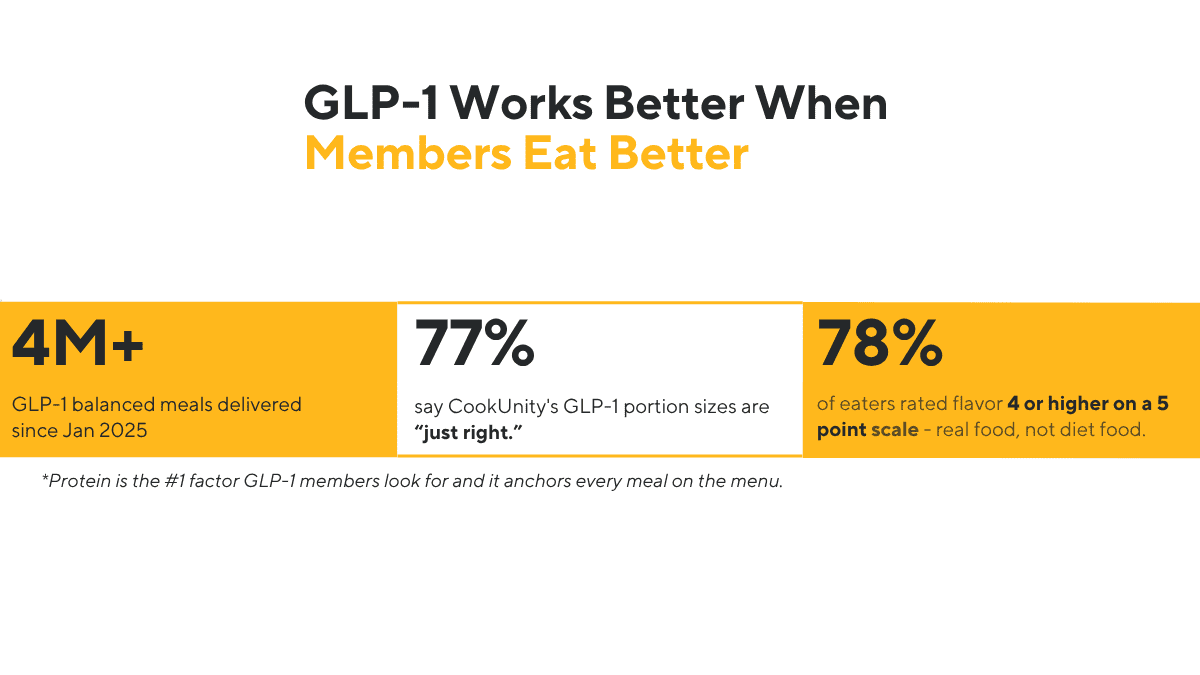
The program results back that up. CookUnity has delivered 4M+ GLP-1 Balanced meals since January 2025. In a July 2025 customer survey (n=441), 77% of GLP-1 program participants said CookUnity's portion sizes were "just right" for where they were in their treatment, and 78% rated the flavor 4 or higher on a 5-point scale. These are patients on appetite-suppressing medications choosing to eat the food, which is exactly the engagement that makes a nutrition program clinically meaningful.
A Window of Opportunity for Health Plans and Care Coordinators
The Medicare GLP-1 Bridge program runs through December 31, 2027. It is a time-limited pilot, and its future beyond that date is uncertain. That means the 18 months starting now represent a meaningful window for health plans, Medicare Advantage programs, and care coordination teams to build nutritional support into GLP-1 programs while the coverage is in place.
Patients who are on GLP-1 medications and also receiving structured nutritional support are better positioned to preserve muscle mass, maintain bone density, keep up adequate protein intake, and sustain healthy eating patterns if and when the medications become unavailable or unaffordable again. The nutritional habits built during the treatment period are not erased when the prescription ends.
For health plans thinking about how to optimize outcomes for Medicare enrollees who access GLP-1 medications through the Bridge program, pairing the medication with a medically tailored meal program is one of the most direct interventions available. CookUnity's Food as Medicine platform is designed to integrate with existing care coordination workflows, from referral to first delivery in 2 to 3 weeks, with 98% on-time delivery and 90% patient consumption adherence across enrolled populations.
The GLP-1 Bridge is a significant step forward for older adults managing obesity. Making the most of it requires treating food not as an afterthought to the medication, but as part of the treatment plan itself.
Learn More
For health plans, Medicare Advantage programs, FQHCs, and healthcare providers looking to build GLP-1 nutritional support into their existing care programs, CookUnity's medically tailored meal tracks are designed to work alongside medication protocols and fit within existing referral and care coordination workflows.
Learn more about CookUnity's Food as Medicine platform or schedule a conversation with our team to explore what a GLP-1 nutrition support program could look like for your patient population.

Be the first to know about new offers
Multiorder discounts, free items and more.