Back
High protein frozen meals can fit into a balanced eating pattern, but protein is one line on the label. Compare serving size, calories, fiber, saturated fat, sodium, ingredients, and the amount you will eat. Freezing does not make a meal nutritionally poor, and a “high protein” badge does not make the rest of the label irrelevant.
Key takeaways
Read the serving size before comparing any number.
Use protein as one criterion alongside fiber, saturated fat, sodium, calories, and ingredients.
Frozen and refrigerated describe storage, not the full degree of processing.
Follow package instructions and heat foods to the temperature stated on the label.
CookUnity provides a refrigerated option with meal-level nutrition details and high-protein filters.
A high protein label is the beginning of the comparison
Protein can help make a meal more substantial, but it cannot tell you whether the portion matches your appetite or whether the meal contributes much fiber. It also says nothing by itself about saturated fat or sodium.
Start with serving size. Some packages contain one serving; others contain more than one. If you eat the entire package, calculate the entire package. Then ask whether the calories and meal volume suit the role you expect it to play. A 220-calorie entrée may function more like a small lunch for one person and a complete meal for another.
Front-of-package language can speed up shopping, but it cannot replace the Nutrition Facts panel. Two high protein ready meals can carry the same protein number while differing substantially in fiber, sodium, saturated fat, portion size, and ingredients. Compare products that serve the same purpose and use the same amount of food as the basis.
A label-reading checklist
1. Serving size
Compare products only after checking whether the listed numbers refer to the whole tray. A strong-looking protein number loses meaning when the package holds two servings and you assumed one.
2. Protein
Choose an amount that fits your individual daily pattern. More is not automatically better. People with kidney disease or other medical conditions may need clinical guidance.
3. Fiber
Meals with beans, lentils, whole grains, and substantial vegetables often contribute more fiber. FDA’s Daily Value is 28 grams for adults and children age four and older; 20% Daily Value or more is considered high.
4. Sodium
Prepared foods can contribute a meaningful share of the daily sodium limit. FDA uses 2,300 milligrams as the Daily Value. Five percent Daily Value or less is considered low and 20% or more is high. Compare similar meals because sauces, cheese, cured meat, and seasoning can move the number quickly.
5. Saturated fat
FDA’s Daily Value is 20 grams. Review the grams and % Daily Value, especially in meals built around cream sauces, cheese, fatty meats, or coconut milk.
6. Calories and portion
Calories are context, not a verdict. A meal must be large enough for the person eating it. If the entrée is small, plan the side rather than discovering the gap after reheating.
7. Ingredients and allergens
Use the ingredient list to identify the protein source, major components, and allergens. People with severe food allergies should follow the manufacturer’s cross-contact guidance.
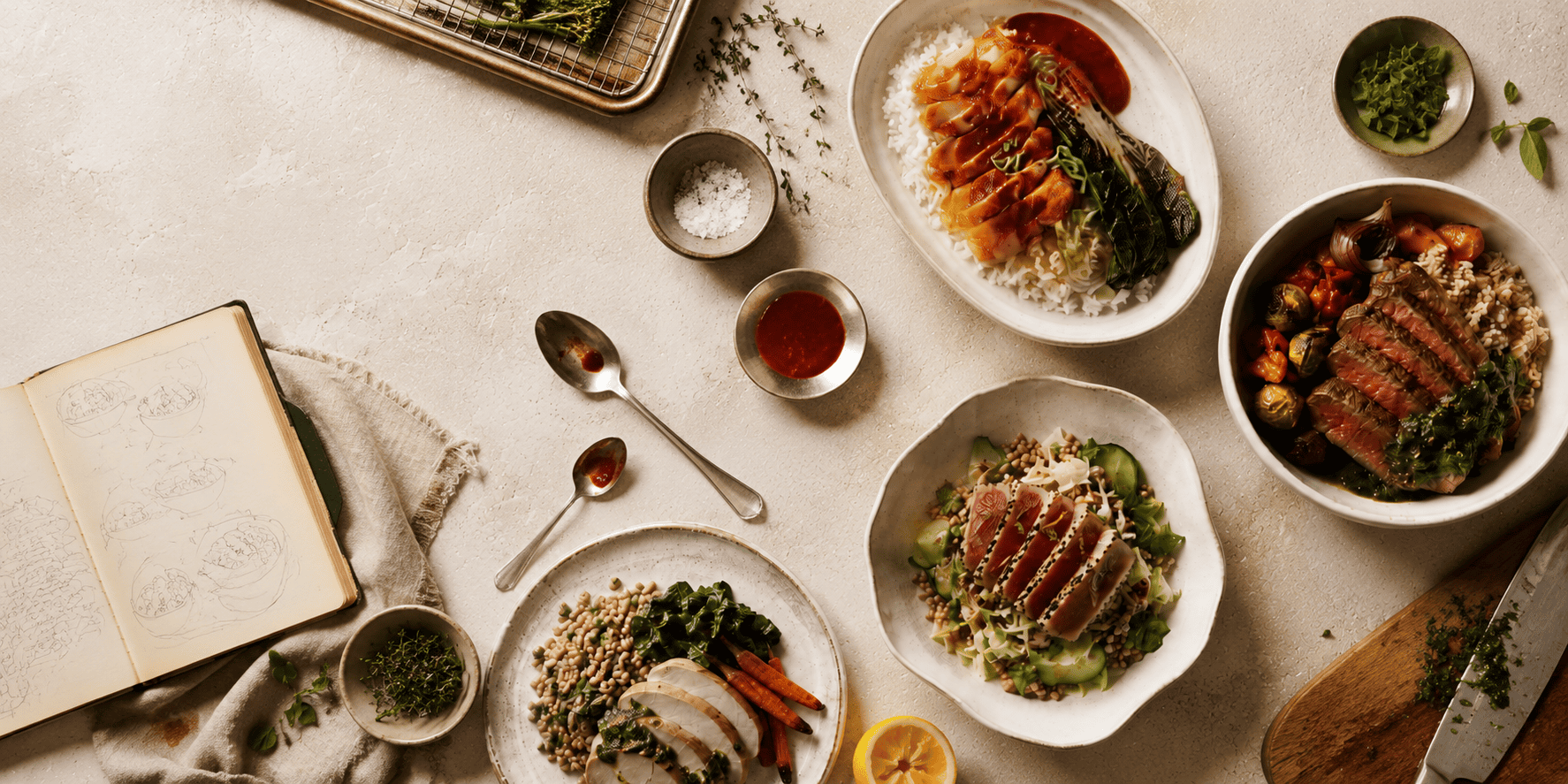
Frozen versus refrigerated prepared meals
Nutrition
Freezing itself does not erase a food’s nutrients. Research comparing fresh and frozen produce found that nutrient retention varies by food, while many tested commodities showed no significant difference for the minerals, fiber, and total phenolics analyzed. The finished meal still depends on its recipe, processing, storage, and reheating.
Freshness and shelf life
Frozen meals remain frozen until use and can be stored longer. Refrigerated meals have a shorter use-by window. CookUnity says its chilled meals generally carry a labeled refrigerated shelf life of about three to seven days. Follow the date printed on the package.
Texture
Ice crystals and reheating can change the texture of vegetables, sauces, rice, and proteins. Refrigerated food avoids a freeze-thaw cycle, but that does not guarantee a better result. Recipe design and heating method matter.
Processing
“Frozen” and “refrigerated” are storage conditions. Either meal can contain a short or long ingredient list. Either can be minimally handled or highly formulated. Read the label instead of using freezer location as a shortcut.
The practical difference often appears in storage and planning. Frozen meals can wait longer for an unpredictable week. Refrigerated prepared meals require closer attention to the use-by date and can reduce thawing time. The better format is the one you can store safely, prepare correctly, and fit into the rest of your meals.
Food safety matters more than the marketing category
Keep frozen meals frozen and refrigerated meals refrigerated. USDA notes that freezing stops microbial growth but does not destroy all bacteria. Thaw foods in the refrigerator, in cold water, or in the microwave, not on the counter.
Follow the product’s cooking directions. For leftovers, USDA advises reheating to 165°F and checking several spots because microwaves can heat unevenly. Commercial ready-to-eat products may carry different manufacturer instructions, so the package remains the first source.
How to avoid dry chicken and mushy vegetables
Read the cooking method before buying. A meal with separate sauce, garnish, or crisp topping gives you more control. Vent or remove film only as directed. Stir when instructed, then allow the standing time. Move delicate garnishes out of the heat if the package tells you to.
In an office microwave, lower wattage may require more time. Add short intervals rather than one long blast. At home, oven or stovetop instructions can protect texture in breaded foods, roasted vegetables, and thicker cuts of meat.
Sauce placement matters too. A separate sauce can protect a crisp element during heating and restore moisture afterward. Meals with rice or grains often benefit from a brief rest after microwaving, which lets heat redistribute. Follow the label before applying a general trick because packaging and food-safety directions differ.
A refrigerated high protein alternative
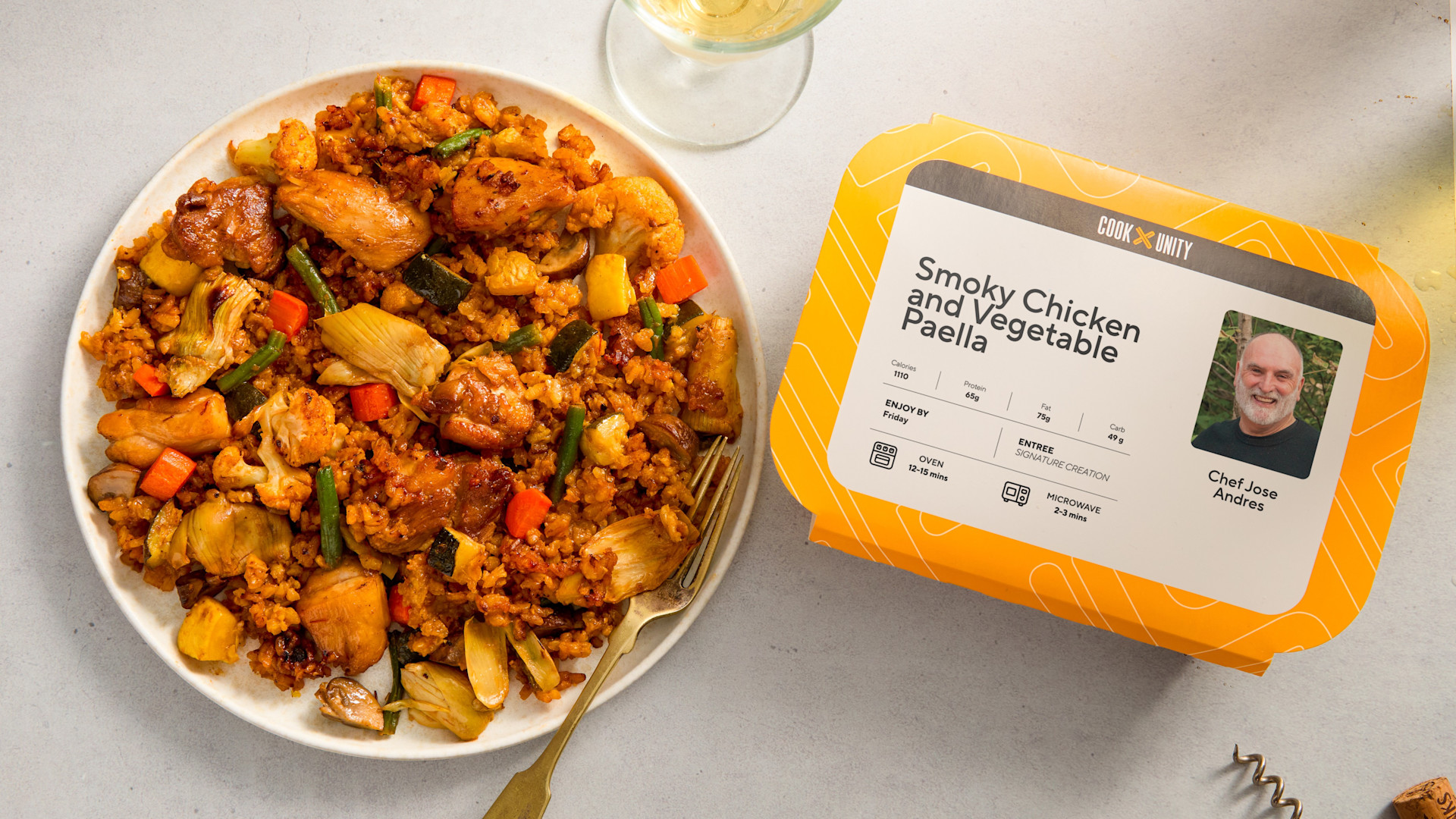
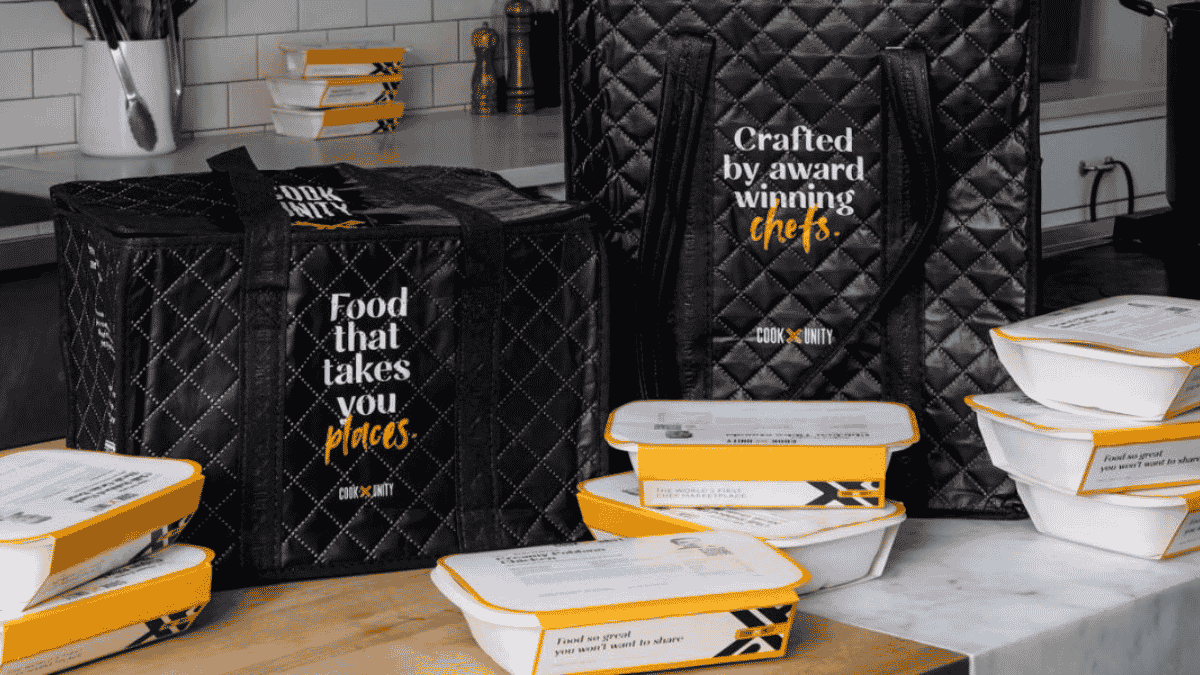
CookUnity meals arrive chilled rather than frozen, with dish-specific heating instructions. The high-protein collection lists macros, and account meal pages provide fuller Nutrition Facts.
At the time of research, Coastal Slow-Baked Chicken listed 44 grams of protein and 640 calories. Sumac and Oregano Roasted Salmon listed 41 grams and 700 calories. The vegetarian Tofu and Quinoa Forest Bowl listed 27 grams and 630 calories.
Those figures do not establish that the meals are better for every person than a frozen option. They show how meal-level nutrition information can support a direct comparison.
FAQs
Are high protein frozen meals good for you?
They can fit into a balanced eating pattern. Judge the entire label, portion, and your overall diet rather than the protein claim alone.
Does freezing destroy protein?
No. Freezing does not meaningfully remove the protein from a meal. Storage time and reheating can affect quality and some nutrients differently.
How much sodium is too much in a frozen meal?
There is no single per-meal cutoff for everyone. FDA considers 20% Daily Value or more high for a nutrient, and the sodium Daily Value is 2,300 milligrams. Your clinician may set a different target.
Are refrigerated meals healthier than frozen meals?
Not inherently. Compare serving size, nutrients, ingredients, allergens, and preparation. Refrigerated and frozen describe storage.
What should I add to a small frozen meal?
Add a side that fills the meal’s gap. Vegetables, fruit, beans, whole grains, yogurt, or another protein source can work depending on what the entrée already provides.
Where to find high protein meals online?
CookUnity’s high-protein prepared meal page lists refrigerated options with meal-level macros. Open each individual dish page for ingredients and allergens, then compare the complete Nutrition Facts in your account with any frozen meals you are considering.

Be the first to know about new offers
Multiorder discounts, free items and more.