Back
BackThe ultimate guide to Latin American cuisine
From the tropical shores of Cuba to the snow-capped Andes of Chile, Latin American cuisine tells the story of conquest, migration, and cultural fusion through every aromatic bite. This vibrant culinary tapestry weaves together indigenous ingredients, European techniques, African traditions, and Asian influences to create some of the world's most exciting and diverse food experiences.
Key takeaways:
Latin American cuisine encompasses a wide geographic area and showcases diverse regional flavors, yet commonly features ingredients such as corn, beans, chiles, and plantains.
The fusion of indigenous, European, African, and Asian influences created a unique culinary landscape where traditional techniques meet modern interpretations.
Street food represents the heart of Latin American cooking, offering authentic flavors from Mexican tacos to Venezuelan arepas that connect people to cultural traditions.
Award-winning chefs are elevating Latin American cuisine on the global stage, bringing sophisticated techniques to traditional dishes while honoring indigenous ingredients.
What is Latin American cuisine?
Latin American cuisine represents a vibrant tapestry of flavors spanning from Mexico to Argentina and Chile, including Caribbean nations. This culinary tradition emerges from centuries of cultural fusion between indigenous ingredients, European cooking techniques, African influences, and Asian contributions.
At its core, Latin American food celebrates locally available ingredients transformed through distinctive preparation methods that vary by region. The cuisine features staples like corn, beans, rice, and various chiles while incorporating regional proteins from seafood along coastal areas to beef in cattle-raising regions.
Latin American cuisine isn't one single style of cooking but rather a collection of diverse culinary traditions united by shared ingredients and cultural exchanges throughout history.
Key characteristics of regional Latin American cuisines include:
Caribbean: Tropical ingredients, seafood, and vibrant spices influenced by Spanish, African, and indigenous traditions
Central America: Corn-based dishes with beans and rice, creating hearty, satisfying meals
Mexico: Complex, layered flavors with distinctive regional variations and sophisticated sauce preparations
South America: Diverse approaches from Argentina's beef-centric cuisine to Peru's acclaimed seafood preparations
Cultural influences on Latin American food
Amerindian influence
Indigenous peoples laid the foundation for Latin American cuisine through their agricultural practices and cooking methods. They domesticated critical ingredients that remain central to the cuisine today: corn (maize), potatoes, tomatoes, beans, chiles, and cacao.
Traditional preparation methods like nixtamalization—treating corn with lime to improve nutrition and flavor—continue to define dishes like tortillas, tamales, and arepas. These techniques are fundamental to understanding Hispanic food traditions across the continent.
European roots
Spanish and Portuguese colonization transformed the culinary landscape by introducing wheat, dairy products, beef, pork, chicken, and olive oil. European cooking techniques like frying, baking, and roasting became integrated with indigenous methods.
In countries like Argentina and Uruguay, later waves of Italian and German immigration added pasta, sausages, and baking traditions that blended with local ingredients. This European influence remains visible throughout South American cuisine today.
African contributions
Enslaved Africans brought culinary knowledge that profoundly shaped Latin American cuisine, particularly in Caribbean and coastal regions. They introduced techniques for preparing unfamiliar ingredients and created new dishes using available components.
Plantains, yams, okra, and certain preparation methods for rice and beans reflect this African heritage. Dishes like Brazilian feijoada, Cuban congri, and many Caribbean stews showcase this important cultural influence.
Discover authentic Latin American meals crafted by award-winning chefs from diverse cultural backgrounds at CookUnity's Latin American cuisine collection.
Regional highlights across Latin America
Caribbean flavors
Caribbean cuisine embraces tropical ingredients and seafood with vibrant seasoning profiles. Islands like Cuba, Puerto Rico, and the Dominican Republic feature dishes where Spanish, African, and indigenous Taíno influences merge in harmony.
Signature dishes include Cuba's ropa vieja (shredded beef in tomato sauce) and Puerto Rico's mofongo (mashed plantains with garlic and pork cracklings). Chef Jose Garces's Cuban Lechon Asado Roasted Pork exemplifies this tradition with tender pork marinated in citrus and garlic, then slow-roasted to perfection.
Central American staples
Central American cuisine centers around corn, beans, and rice, creating hearty, satisfying dishes. Countries like Guatemala, El Salvador, Honduras, Nicaragua, and Costa Rica each offer distinctive interpretations of these staples.
Popular central American food includes:
Pupusas (El Salvador) - stuffed corn masa cakes
Gallo pinto (Costa Rica) - seasoned rice and beans
Baleadas (Honduras) - flour tortillas filled with beans and cheese
Chef Santos Jimenez's Central American Fried Chicken showcases the region's talent for transforming simple ingredients into crave-worthy meals with its crispy exterior and juicy interior.
Mexican classics
Mexican cuisine stands as one of the world's most diverse culinary traditions, with distinct regional variations. Oaxaca is known for its seven moles, Yucatán for achiote-marinated meats, and Northern Mexico for its grilled beef and flour tortillas. Mexican restaurants alone comprise 8%¹ of all US restaurants, reflecting the popularity and widespread appeal of these bold, layered flavor profiles.
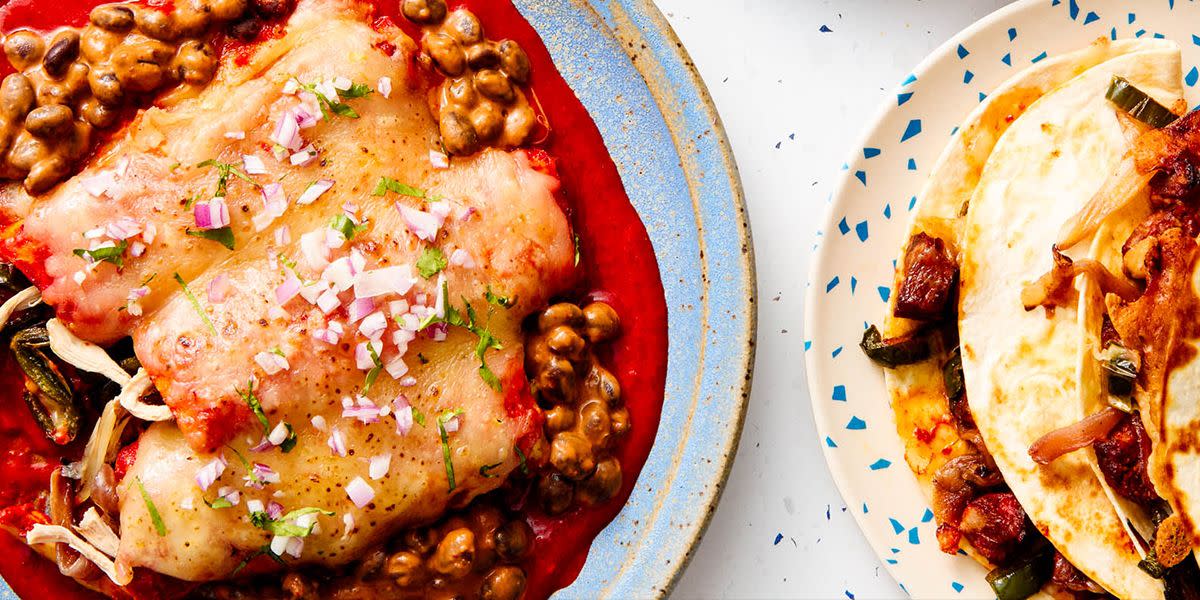
Beyond familiar tacos and burritos, Mexican cuisine offers sophisticated dishes like chiles en nogada (stuffed poblanos with walnut sauce) and cochinita pibil (achiote-marinated pork). Chef Maribel Rivero's Mexican Chicken Tortilla Lasagna represents a creative fusion of traditional flavors in a comforting format.
South American favorites
South American cuisine varies dramatically by country and region, from Argentina's beef-centric asado tradition to Peru's globally acclaimed seafood preparations. Brazil's feijoada (black bean and meat stew) and Colombia's bandeja paisa (mixed platter) showcase the region's diverse approaches.
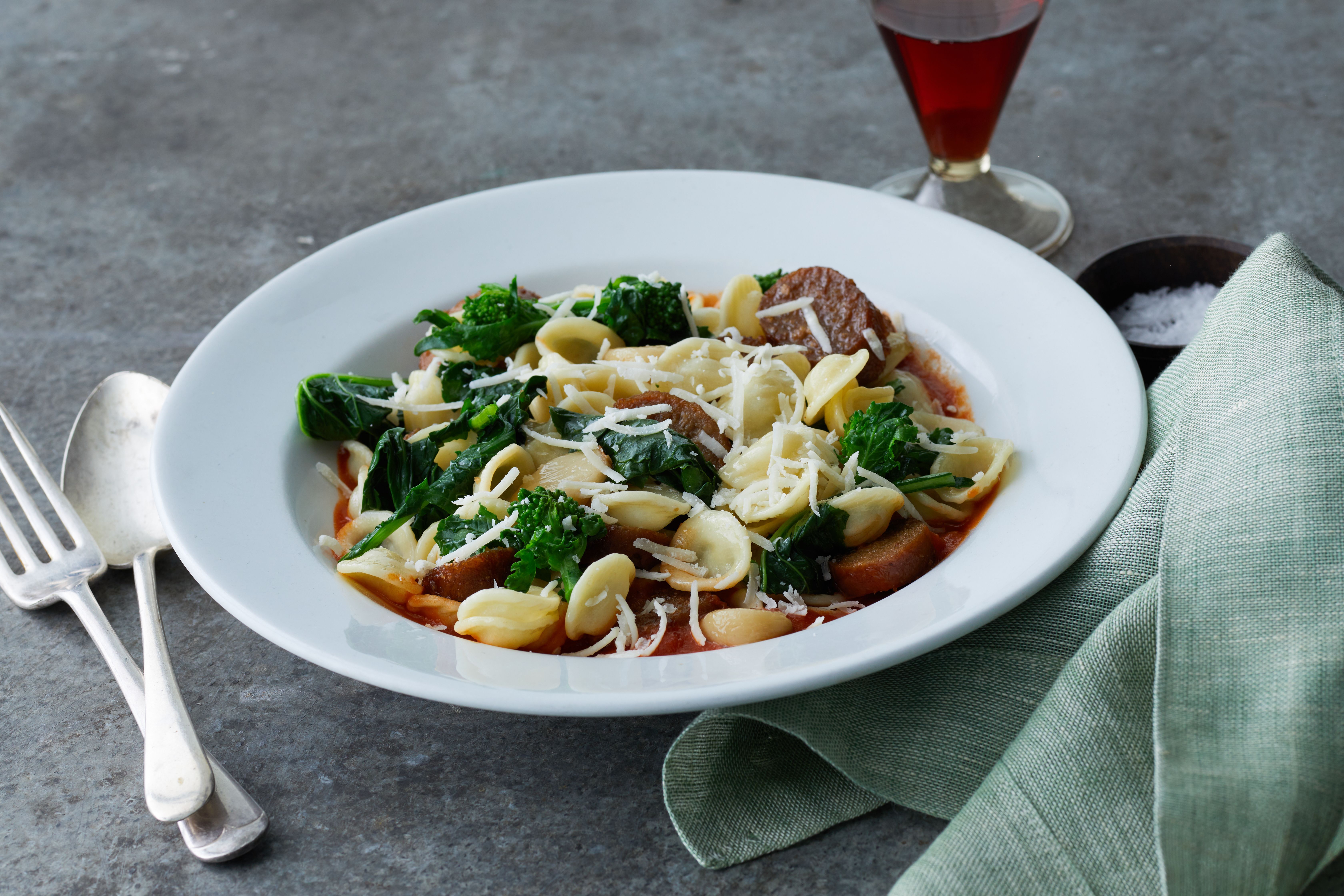
Peru's culinary renaissance has brought dishes like ceviche and lomo saltado to international attention. Chef Walther Adrianzen's Peruvian Lomo Saltado Steak Spaghetti demonstrates this fusion approach, combining Chinese stir-fry techniques with Peruvian flavors and Italian pasta.
Popular street foods across Latin America
Street food represents the heart and soul of Hispanic cuisine, offering affordable, authentic flavors that connect people to culinary traditions. These portable meals provide a window into each culture's everyday eating habits and flavor preferences.
Throughout Latin America, street vendors serve as custodians of traditional recipes, often preparing dishes according to methods passed down through generations. From Mexico City's bustling markets to the beachfront stalls of Rio de Janeiro, street food creates a democratic dining experience.
Explore our weekly menu and select your meals.
Essential Latin American street foods
1. Pupusas
These Salvadoran corn masa cakes are stuffed with fillings like cheese (quesillo), chicharrón (ground pork), or refried beans, then griddled until golden. Pupusas are traditionally served with curtido (fermented cabbage slaw) and tomato salsa.
In El Salvador, pupusas are considered the national dish, with dedicated pupuserías found throughout the country. Their popularity has spread throughout Central American cuisine and into immigrant communities across the United States.
2. Tacos and antojitos
Mexican street tacos feature small corn tortillas filled with various meats like al pastor (spit-roasted pork), carnitas (braised pork), or carne asada (grilled beef). They're typically topped with simple garnishes of onion, cilantro, and salsa.
Other antojitos (little cravings) include sopes (thick corn masa bases with toppings), huaraches (oval-shaped masa with beans and toppings), and gorditas (stuffed corn masa pockets). Chef Pat LaFrieda's Black Angus Tacos elevate this street food classic with premium beef and traditional garnishes.
3. Empanadas
These handheld pastry turnovers appear throughout Latin American food traditions with regional variations in dough, fillings, and cooking methods. Argentine empanadas typically feature beef, olives, and eggs in a wheat flour dough, while Colombian versions might use corn masa with potato and meat fillings.
Chef Cami Sepulveda's Chilean Empanadas showcase the traditional beef, olive, and egg filling encased in a flaky pastry that defines this Chilean street food staple.
4. Arepas and corn-based specialties
Arepas are griddled corn cakes popular in Venezuela and Colombia, where they're split and stuffed with various fillings. Venezuelan arepas might contain shredded beef (carne mechada), black beans with cheese, or chicken avocado salad.
Mexican cuisine offers one of the world's most diverse flavor profiles, from complex moles to fresh coastal seafood. Experience authentic Mexican dishes created by real chefs at CookUnity's Mexican meal collection.
Upscale and fine dining experiences
Latin American cuisine has experienced a renaissance in fine dining over the past two decades, with chefs elevating traditional ingredients and techniques to new heights. Countries like Peru, Mexico, and Brazil now host multiple restaurants on the World's 50 Best Restaurants list.
Innovative chefs are applying modern techniques to indigenous ingredients, creating sophisticated dishes that honor tradition while embracing contemporary presentation. This movement celebrates native ingredients like quinoa, amaranth, and unusual tropical fruits that were previously overlooked in high-end dining.
Acclaimed restaurants like Central (Lima), Pujol (Mexico City), and D.O.M. (São Paulo) have brought international attention to South American cuisine. These establishments showcase local ingredients through tasting menus that tell the story of their respective culinary heritages.
Chef Jose Garces's Argentinian Grilled Skirt Steak represents this elevated approach to traditional cuisine. The perfectly grilled steak is paired with papas a la chapas (crispy potatoes) and chimichurri sauce, demonstrating how simple ingredients can create a sophisticated dining experience.
Must-try dishes and ingredients
Essential components of Latin American cuisine
1. Mole variations
Mole sauces represent some of Latin America's most complex culinary creations, particularly in Mexican cuisine. These intricate sauces often feature a rich blend of ingredients such as chiles, nuts, seeds, chocolate, spices, and fruits.
Oaxaca is known for its rich mole tradition, including well-known varieties like mole negro (with chocolate) and others such as manchamanteles (tablecloth stainer). Chef Chase Evans's Mexican-Inspired Beef Chili draws inspiration from these complex flavor profiles.
2. Ceviches and seafood
Ceviche—raw fish or seafood "cooked" in citrus juice—appears throughout coastal Latin America with regional variations. Peruvian ceviche typically features firm white fish with ají amarillo (yellow chile), while Mexican versions might include tomato and avocado.
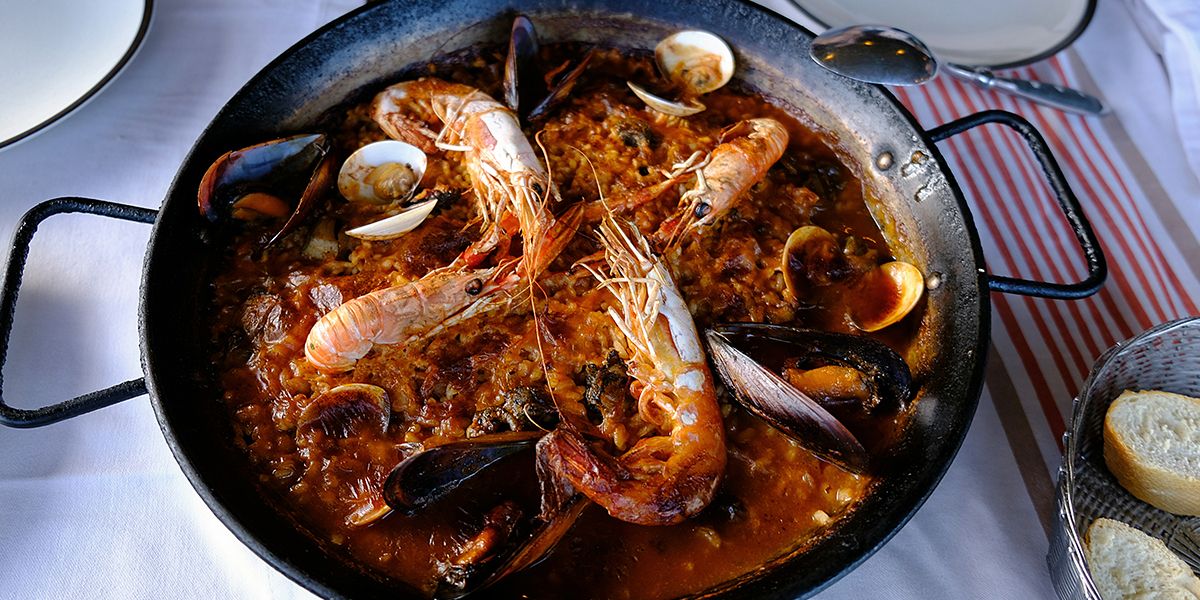
Chef Maribel Rivero's Peruvian Seafood Paella demonstrates the fusion of Spanish technique with Peruvian flavors in a seafood-forward dish that showcases the coastal bounty of Latin America.
3. Chimichurri and regional sauces
Chimichurri—a vibrant sauce of parsley, garlic, vinegar, and olive oil—is essential to Argentine and Uruguayan grilled meats. This bright, herbaceous condiment cuts through rich proteins and adds fresh flavor.
Chef Kristy Flores's Grilled Chimichurri Steak showcases how this simple sauce elevates a perfectly grilled steak to memorable heights, exemplifying the straightforward yet flavorful approach of South American cuisine.
4. Plantains and corn-based staples
Plantains appear throughout Hispanic cuisine in various forms: tostones (twice-fried green plantains), maduros (sweet fried ripe plantains), and mofongo (mashed plantains with garlic). These versatile fruits serve as both staples and sides across the region.
Chef Fabiola Rivera's Puerto Rican Plantain Lasagna (Pastelon) demonstrates the creative use of plantains as a pasta substitute in this Caribbean comfort food classic.
Underrated Latin American specialties
Hidden gems worth discovering
Sopa de caracol (Honduras)
This Honduran conch soup represents the Garífuna culinary tradition, combining African and indigenous influences. The hearty soup features conch meat, coconut milk, cassava, plantains, and various vegetables seasoned with herbs and spices.
Sopa de caracol reflects Honduras's Caribbean coastal culture and demonstrates the country's unique culinary identity within Central American cuisine. The dish gained international recognition through a popular song of the same name.
Asado negro (Venezuela)
This Venezuelan caramelized beef dish features eye of round roast slow-cooked in a sweet-savory sauce until fork-tender. The distinctive black color comes from caramelized sugar, while the complex flavor develops from wine, herbs, and vegetables.
Chefs Bladimir Molina and Carlos Paz's Asado Negro offers an authentic taste of this celebration dish, complete with traditional sides of white rice and fried plantains.
Pastel de choclo (Chile)
This Chilean corn and meat pie features a base of seasoned ground beef, chicken, olives, hard-boiled eggs, and raisins topped with a sweet corn paste. The dish is baked until golden, creating a contrast between the savory filling and sweet corn topping.
Pastel de choclo showcases Chile's agricultural bounty and represents the country's unique fusion of indigenous and European influences within South American cuisine. It's typically served in individual clay pots during summer when fresh corn is abundant.
Experience Latin American cuisine at home
Latin American cuisine offers a world of flavors that range from comforting to complex. This culinary tradition celebrates the connection between land, history, and culture through dishes that tell stories of migration, adaptation, and creativity.
The beauty of these diverse culinary traditions lies in their adaptability and vibrant flavors. Whether you're drawn to the smoky complexity of Mexican mole, the bright acidity of Peruvian ceviche, or the comforting richness of Cuban ropa vieja, Hispanic food offers something for every palate.
CookUnity brings these authentic flavors directly to your home through meals created by top chefs from diverse Latin American backgrounds. Each dish represents a chef's personal connection to their culinary heritage, offering restaurant-quality experiences without leaving your kitchen.
Chef Andres Mendez's Venezuelan-Style Pabellon Criollo exemplifies this approach with its traditional combination of shredded beef, black beans, rice, and plantains. This national dish of Venezuela showcases the harmonious blend of flavors and textures that makes Latin American cuisine so captivating.
Frequently asked questions about Latin American cuisine
Are these meals safe for those with severe dietary allergies, such as dairy, soy, and nuts?
While our meals are crafted without certain ingredients, they're prepared in kitchens where cross-contamination may occur. If your allergy is life-threatening, we recommend reviewing ingredient labels carefully before eating.
What is the difference between Latin American food and Mexican food?
Mexican cuisine is one regional component of the broader Latin American culinary landscape, which encompasses diverse traditions from over 20 countries across Central America, South America, and the Caribbean.
What are some classic Latin American dishes everyone should try?
Classic Latin American dishes include empanadas, ceviche, mole, arepas, pupusas, asado, feijoada, and ropa vieja, each representing different regional traditions and cultural influences within Hispanic cuisine.
Which Latin American dishes are vegetarian-friendly?
Many Latin American staples are naturally vegetarian, including cheese-filled arepas, bean-based dishes like gallo pinto, vegetable-stuffed empanadas, and plantain preparations such as tostones and maduros.
Are there gluten-free options in Latin American cuisine?
Latin American cuisine offers numerous naturally gluten-free options since corn (not wheat) is the traditional staple grain, making dishes like arepas, tamales, pupusas, and many rice-based meals excellent gluten-free choices.

Be the first to know about new offers
Multiorder discounts, free items and more.