Back
Mediterranean cuisine decoded: Key ingredients & techniques
The influence of the Mediterranean stretches far beyond its coastlines. It lives in the way people cook, eat, and come together. Mediterranean cuisine is rooted in simplicity and connection, celebrating fresh ingredients, time-honored techniques, and the everyday joy of sharing a meal. In this post, we’re breaking down the essential ingredients, go-to techniques, and flavorful building blocks that bring Mediterranean cooking to life.
Key takeaways:
Mediterranean cuisine spans multiple countries and cultures, sharing core principles of fresh ingredients, olive oil, and plant-forward eating.
The Mediterranean diet emphasizes vegetables, whole grains, healthy fats, and moderate amounts of seafood and lean proteins.
Traditional Mediterranean cooking techniques like grilling, roasting, and slow-cooking enhance natural flavors without masking them.
Mediterranean meals can be simple to prepare at home using basic ingredients and techniques that focus on quality rather than complexity.
What is Mediterranean cuisine?
Mediterranean cuisine brings together the flavors of countries that border the Mediterranean Sea: Greece, Italy, Spain, Morocco, Lebanon, and beyond. While each region has its own specialties, they all share a love for fresh ingredients, good olive oil, vibrant vegetables, and no-mess preparation.
This style of cooking has been shaped by the sun, sea, and centuries of cultural exchange. At its heart, Mediterranean food is a celebration of simplicity, seasonality, and ingredients that speak for themselves.
Let’s take a closer look at the pantry staples and techniques that define the region.
Where does Mediterranean cuisine come from?
Mediterranean cuisine was born where cultures met along the shores of the Mediterranean Sea, where trade, travel, and tradition flowed freely between Europe, North Africa, and the Middle East.
Over centuries, empires like the Greeks, Romans, and Phoenicians helped shape this culinary mosaic, often spreading ingredients, techniques, and flavors that still define the region’s cooking today.
Greek influences
Greek cuisine is all about letting great ingredients do the talking. The focus is on vegetables, olive oil, herbs, and fresh seafood—prepared simply and served with heart.
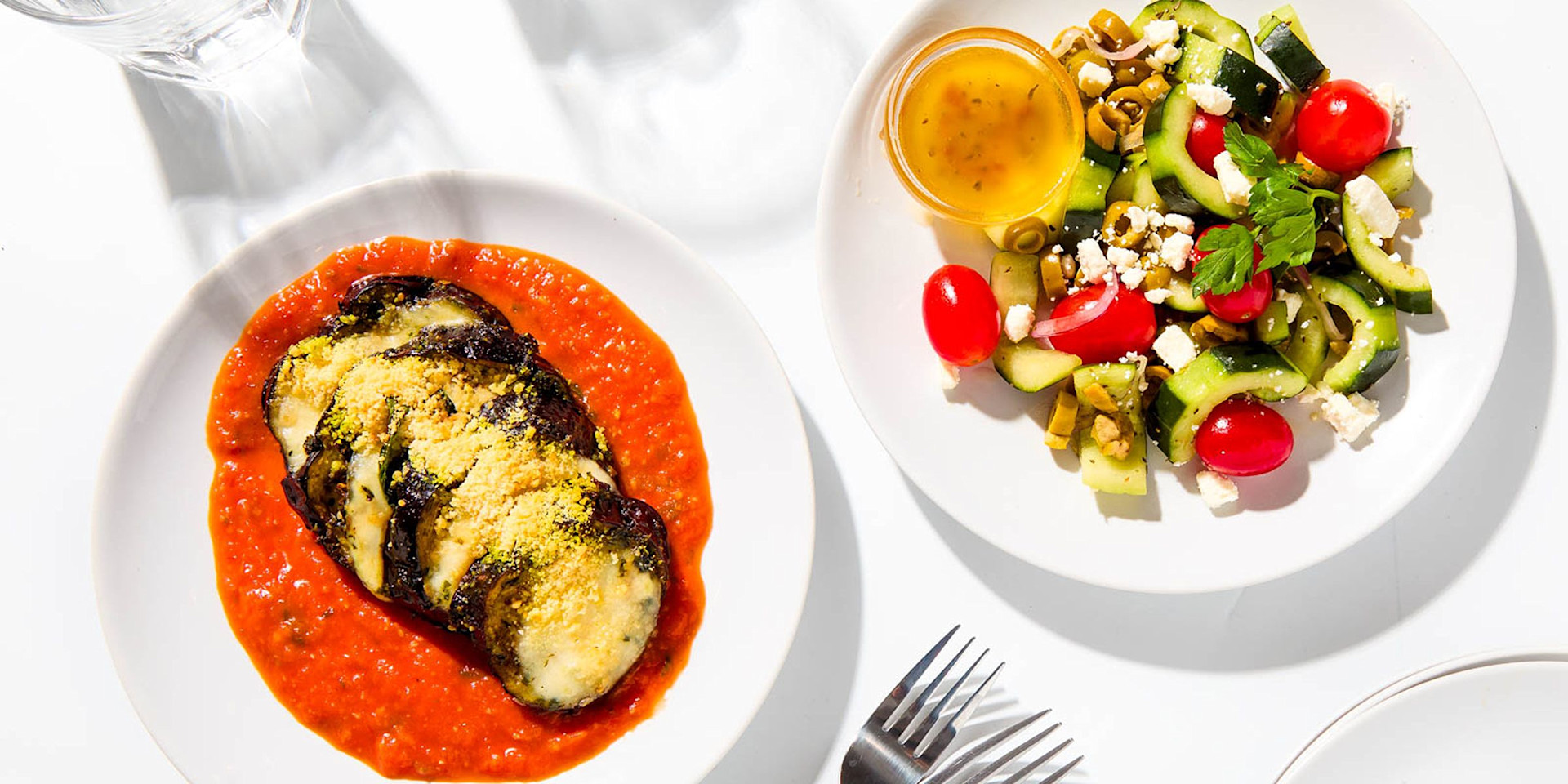
From moussaka’s cozy layers of eggplant and spiced meat to souvlaki sizzling off the grill, and crisp salads loaded with tomatoes, cucumbers, olives, and feta—Greek cooking is proof that less really can be more.
That same ingredient-first philosophy comes to life in Chef Fabiola Rivera’s Greek Chicken Couscous Bowl—a bright, all-in-one dish layered with baby spinach, fluffy couscous, and lemon-herb marinated chicken. Topped with cherry tomatoes, crisp cucumber, crumbled feta, and a cool swirl of tzatziki, it’s a feel-good meal that delivers bold Greek flavor in every bite.
Italian influences
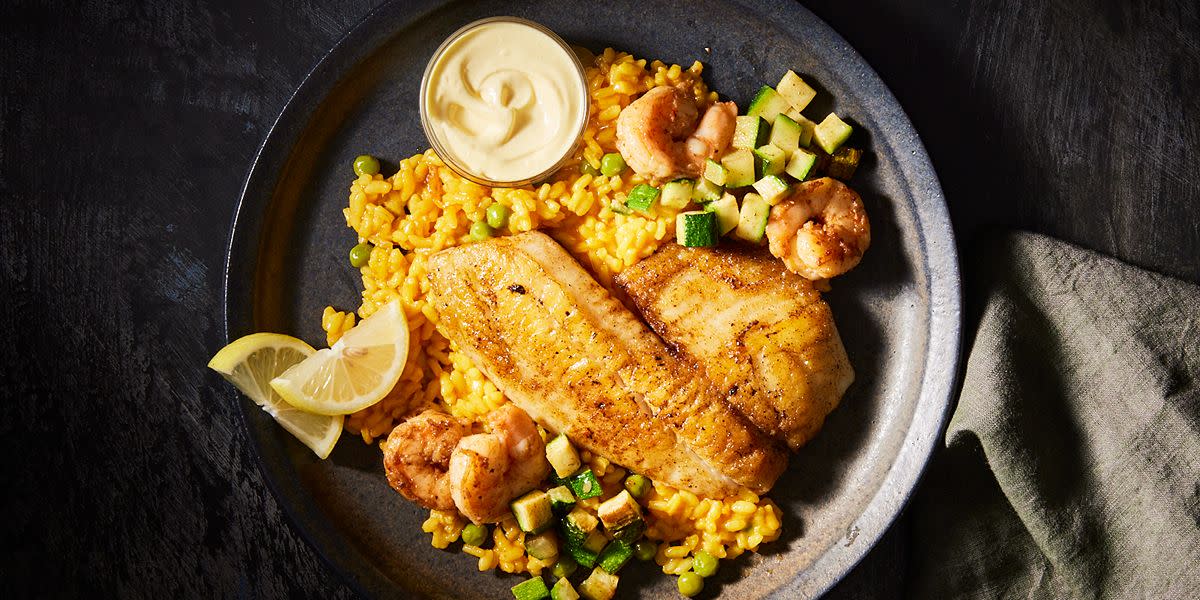
Italian Mediterranean cuisine may change from region to region, but the philosophy stays the same: keep it simple, use the best ingredients, and let the seasons lead the way. From north to south, Italy celebrates local specialties with pride.
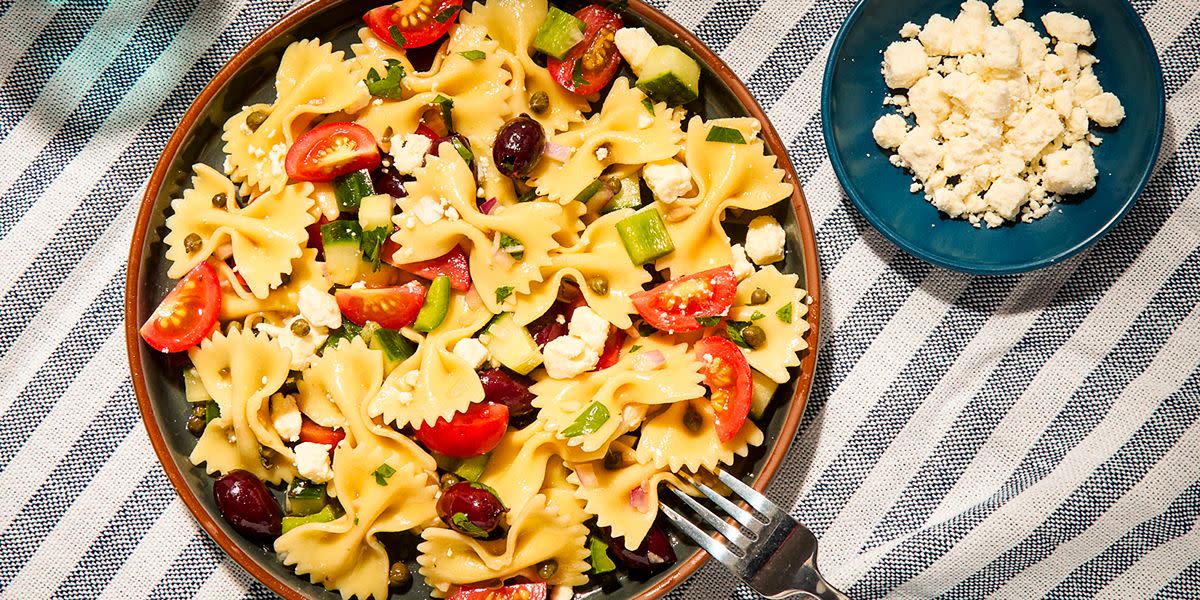
Grains like pasta, risotto, and polenta form the base of countless Italian dishes, while tomatoes, garlic, basil, and fresh herbs bring bold, unmistakable flavor to the forefront. Though originally from South America, tomatoes have become central to Mediterranean cooking—shaping its vibrant flavors and earning a permanent place on the Italian table.
Spanish and North African influences
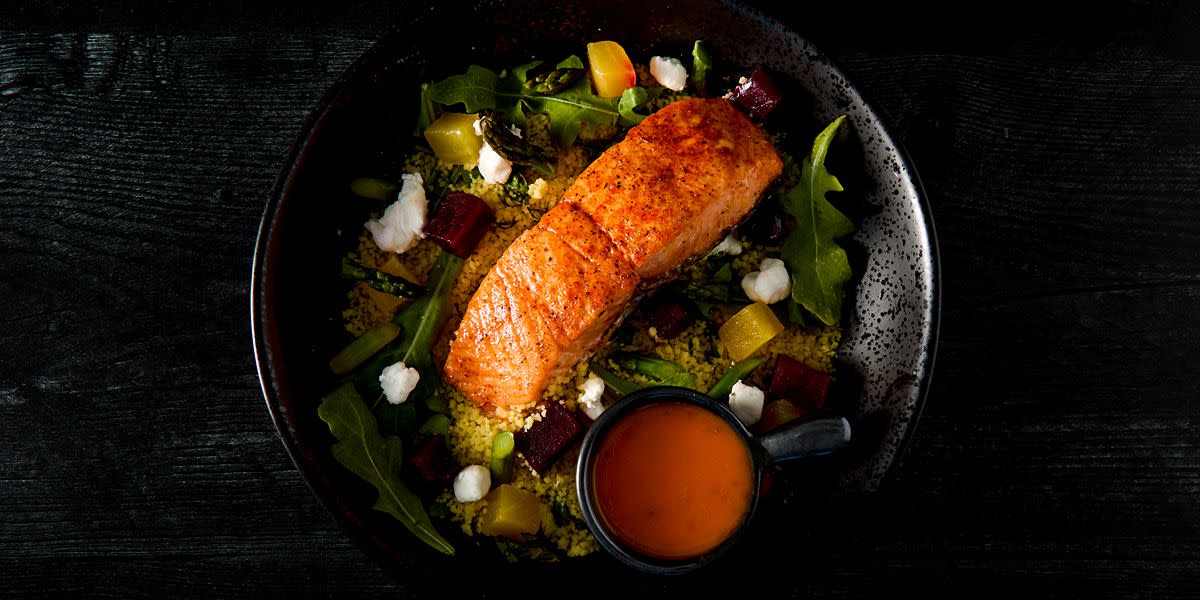
Spanish cooking gave us tapas—small, shareable plates that turn meals into gatherings. From North Africa came preserved lemons, dried fruits, and deeply complex spice blends that added warmth and intensity to the Mediterranean table. Traditional techniques like couscous preparation and tagine cooking (a slow, aromatic method using clay pots), further enriched the region’s culinary toolkit.
You can taste these influences in Chef Einat Admony’s Middle Eastern Vegetable Chickpea Tagine, a soulful, spice-layered dish that brings North African tradition to life. Cauliflower, sweet potatoes, and chickpeas simmer in a fragrant broth infused with Persian lime and preserved lemon, then get paired with fluffy couscous, chirchi (a spiced butternut squash purée), and toasted almonds. Bring one of Chef Einat’s signature dishes to the table, and you won’t regret it.
Key ingredients that define Mediterranean dishes
At the heart of Mediterranean cuisine is the classic trio: olive oil, wheat, and grapes. These foundational ingredients (along with fresh produce and seafood) shape the meals and traditions found all across the region.
From pasta to flatbreads, and vibrant veggie dishes to simply grilled fish, Mediterranean cooking leans into plants first, with dairy, seafood, and poultry playing steady, supporting roles. Red meat shows up occasionally, but always with intention—not as the centerpiece, but as part of the whole.
Olive oil and fresh produce
Olive oil is the backbone of Mediterranean cooking, used to sauté, roast, dress, and finish just about everything. Extra virgin is the go-to for its bold flavor and unmatched richness. Paired with seasonal produce like tomatoes, eggplant, zucchini, and peppers, it creates the kind of simple, honest food that defines the region.
Chef Ivy Stark's Mediterranean Citrus & Carrot Salad is a perfect example—fresh, vibrant, and full of personality. Marinated carrots, fennel, olives, and radishes mingle with herbs, orange supremes, and a drizzle of rose water, all finished with citrus dressing and sliced almonds. It’s light, bright, and layered with flavor—proof that when the ingredients are this good, you don’t need to overcomplicate things.
Explore our Mediterranean meals featuring chef-crafted dishes that highlight authentic ingredients and elite cooking techniques.
Herbs and seasonings
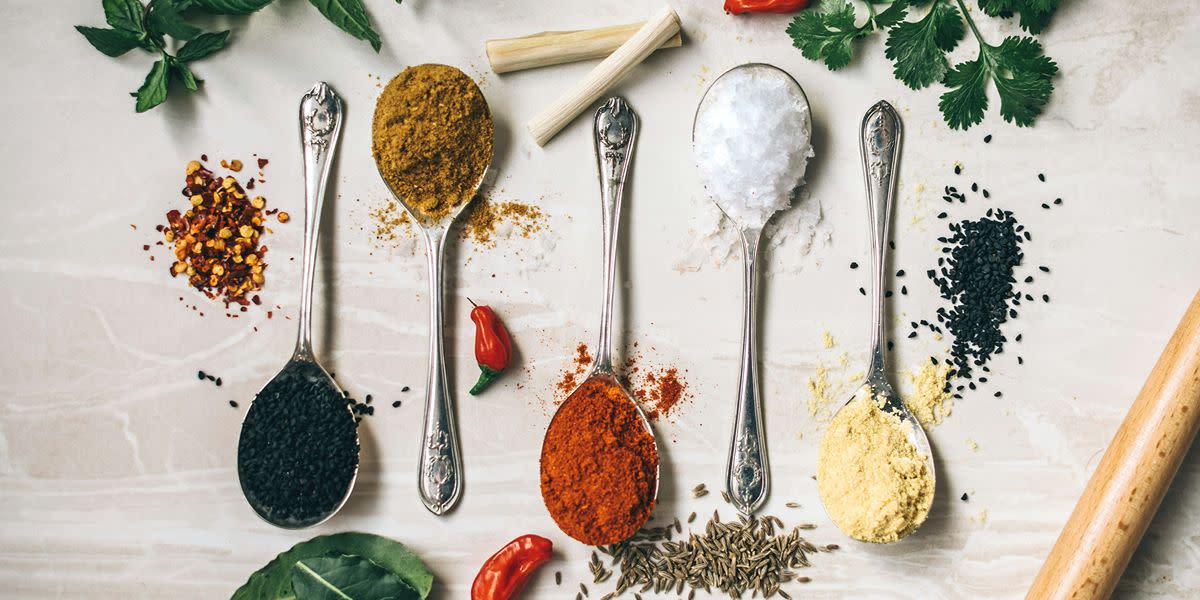
Mediterranean cuisine leans on herbs and spices to build bold, unforgettable flavor—no need to rely on heavy salt or fat. Fresh herbs like basil, oregano, rosemary, thyme, and mint bring brightness and depth to dishes all across the region, adding complexity without over-complication.
Key Mediterranean seasonings include:
Garlic and lemon: Provide brightness and acidity to balance rich olive oil.
Za'atar: Middle Eastern blend of dried thyme, sumac, and sesame seeds.
Harissa: North African chili paste with complex, spicy flavor.
Herbes de Provence: French herb mixture featuring lavender, thyme, and rosemary.
Whole grains and legumes
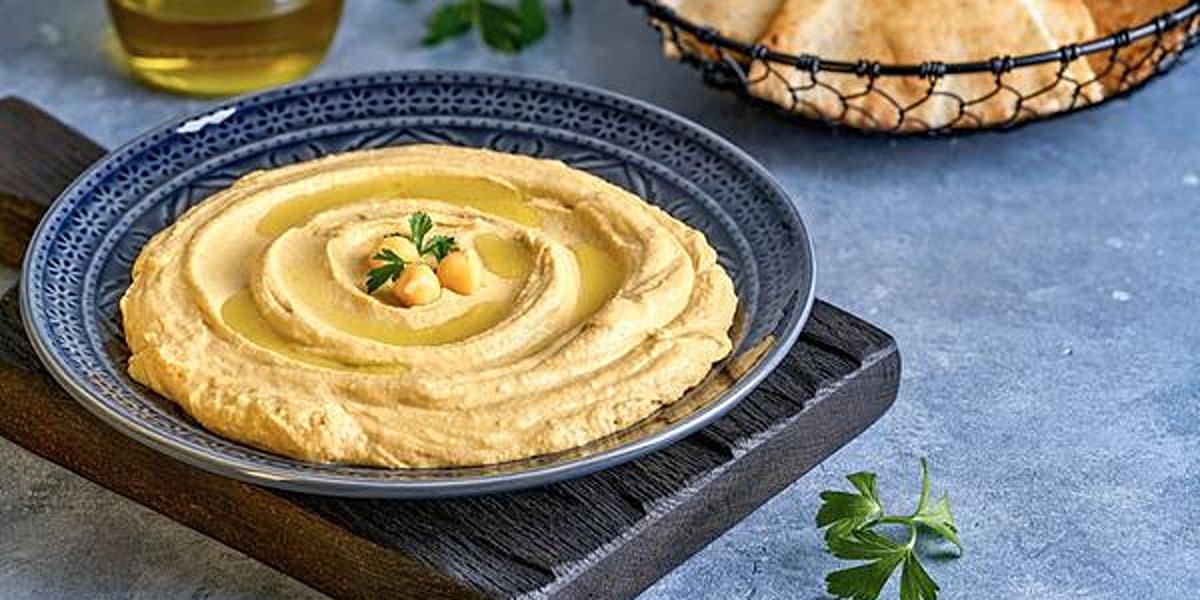
Whole grains are a staple across the Mediterranean—hearty, satisfying, and perfect for soaking up flavor. Bulgur, couscous, farro, and polenta show up in countless forms, anchoring dishes with texture and warmth.
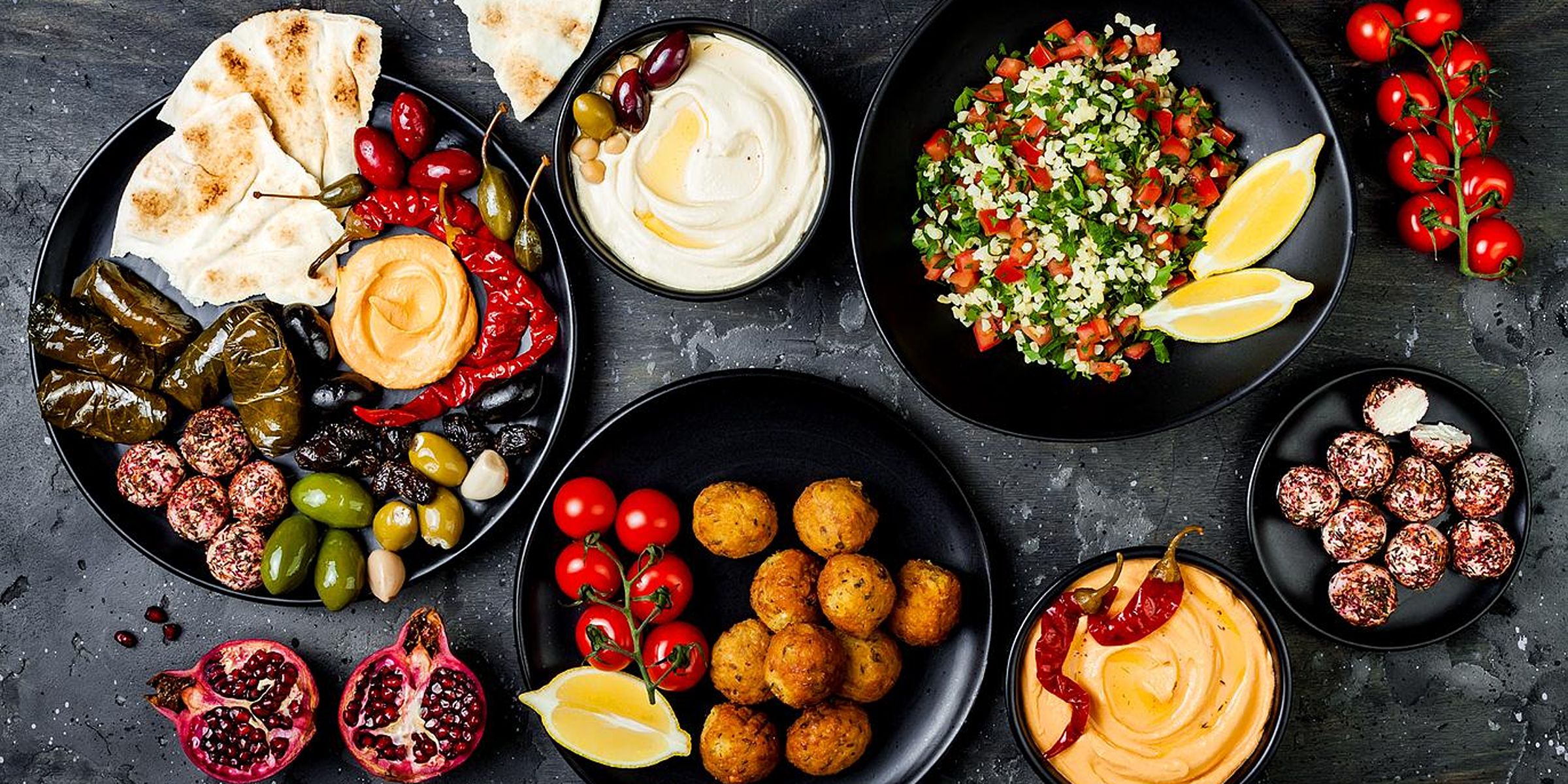
Legumes like chickpeas, lentils, and fava beans do the heavy lifting when it comes to plant-based protein. From creamy hummus to crispy falafel and herby tabbouleh, these humble ingredients prove that simplicity and versatility go hand in hand.
Want to understand what makes Mediterranean food so special? Check out our guide to its flavors and regions.
Lean proteins
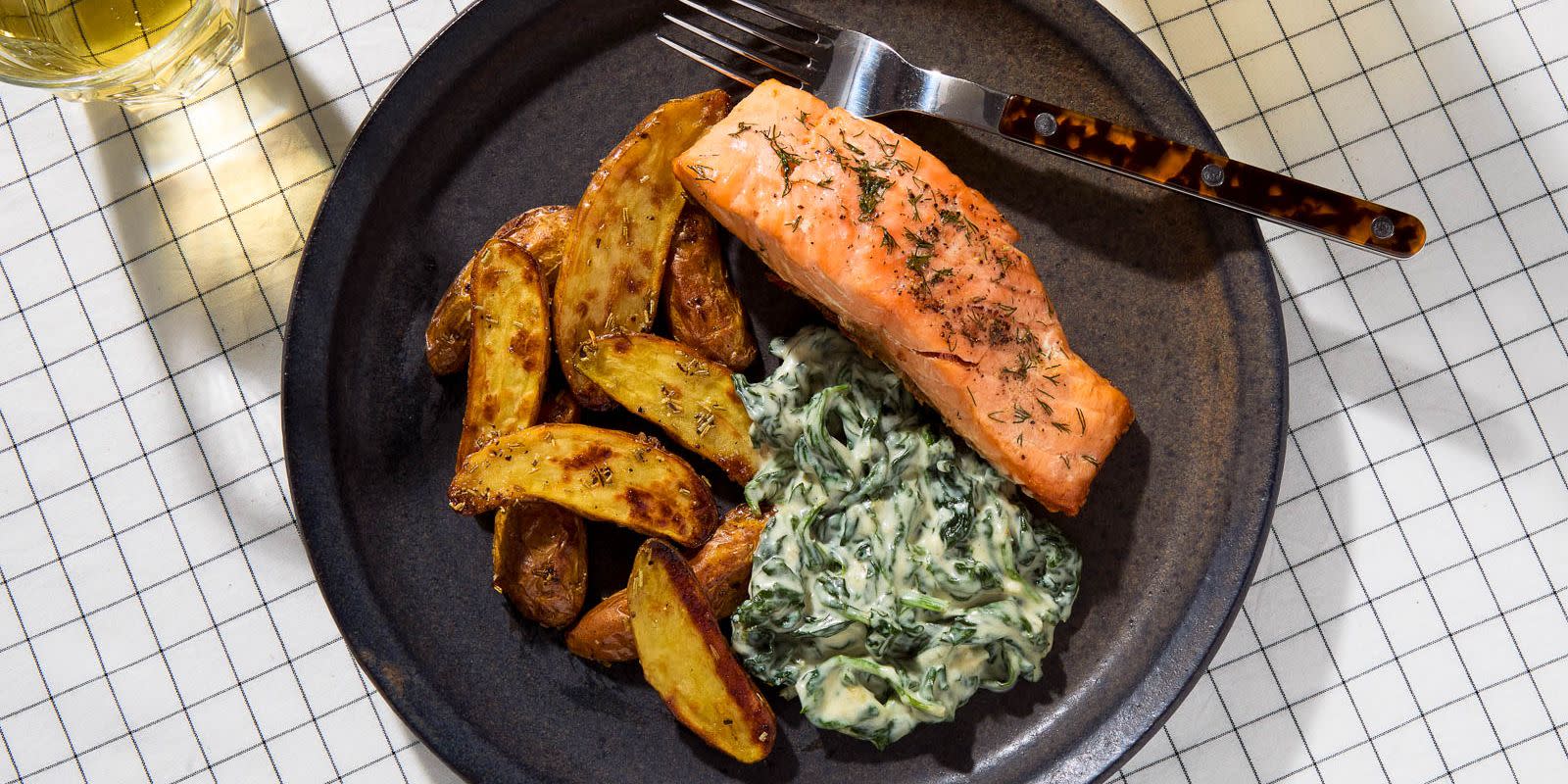
Seafood takes center stage along the Mediterranean coast, often prepared simply and grilled or roasted with olive oil, lemon, and herbs to let the freshness shine. Poultry and lean meats appear in smaller portions, while dairy favorites like yogurt, feta, and other soft cheeses bring creaminess and protein to the mix.
You’ll find that balance beautifully in Chef Fabio Viviani's Mediterranean Salmon, served with a vibrant couscous salad loaded with Kalamata olives, roasted peppers, artichoke hearts, spinach, and fresh basil. Finished with grilled salmon and a charred lemon for extra brightness, it’s a feel-good meal that captures the essence of traditional Mediterranean cooking—fresh, light, and full of flavor.
Techniques for authentic Mediterranean cooking
Mediterranean cooking techniques are all about doing more with less—keeping things simple, letting ingredients lead, and using methods that highlight rather than hide flavor. These traditions grew out of what was available: local harvests, coastal catches, and time-tested ways of cooking shaped by climate and culture.
The goal? To bring out the best in every seasonal ingredient, not to cover it up.
Grilling and roasting
Grilling over an open flame is one of the oldest and most iconic techniques in Mediterranean cooking, especially when done over wood or charcoal for that subtle, smoky depth. Roasting vegetables is another go-to, dialing up their sweetness and bringing out rich, caramelized flavor.
You’ll see both techniques in action with Chef Chris Ratel's Mediterranean Grilled Shrimp Grain Bowl. Marinated in lemon and herbs, the shrimp are grilled to perfection and served over farro, tricolor quinoa, and a zesty Greek salad with feta, olives, and baby spinach. A creamy avocado herb green goddess dressing ties it all together for a dish that’s bold, balanced, and unmistakably Mediterranean.
Want Mediterranean meals without the prep work? Explore our weekly menu, and select your meals.
Use of fresh herbs and sauces
Mediterranean cooking loves a fresh finish. That’s why herbs like basil, mint, or parsley are often added right before serving to keep their aroma bright and lively. Simple sauces like pesto, romesco, or tahini dressings bring bold flavor without stealing the spotlight.
To keep those flavors going year-round, chefs often lean on preservation techniques like drying herbs or infusing oils to capture the essence of the season and bottle it for later.
Balancing healthy fats
In Mediterranean cooking, olive oil is center stage. It’s the go-to for cooking, finishing, and adding richness without overpowering a dish. Instead of butter or processed oils, the region leans on flavorful, natural fats that let ingredients shine.
You’ll also find richness from nuts, seeds, and oily fish, along with creamy accents from yogurt and cheeses like feta, all used in just the right amounts to balance flavor and texture across the plate.
Popular Mediterranean meals across the region
Mediterranean cuisine is a tapestry of local traditions woven together by shared principles. Across the region, countries use many of the same core ingredients, like olive oil, grains, herbs, and seafood, but express them in wildly different (and delicious) ways.
Each place brings its own techniques, flavors, and stories to the table, creating a rich and varied culinary landscape that still feels deeply connected by its love of fresh, seasonal food.
Greek salads and tzatziki
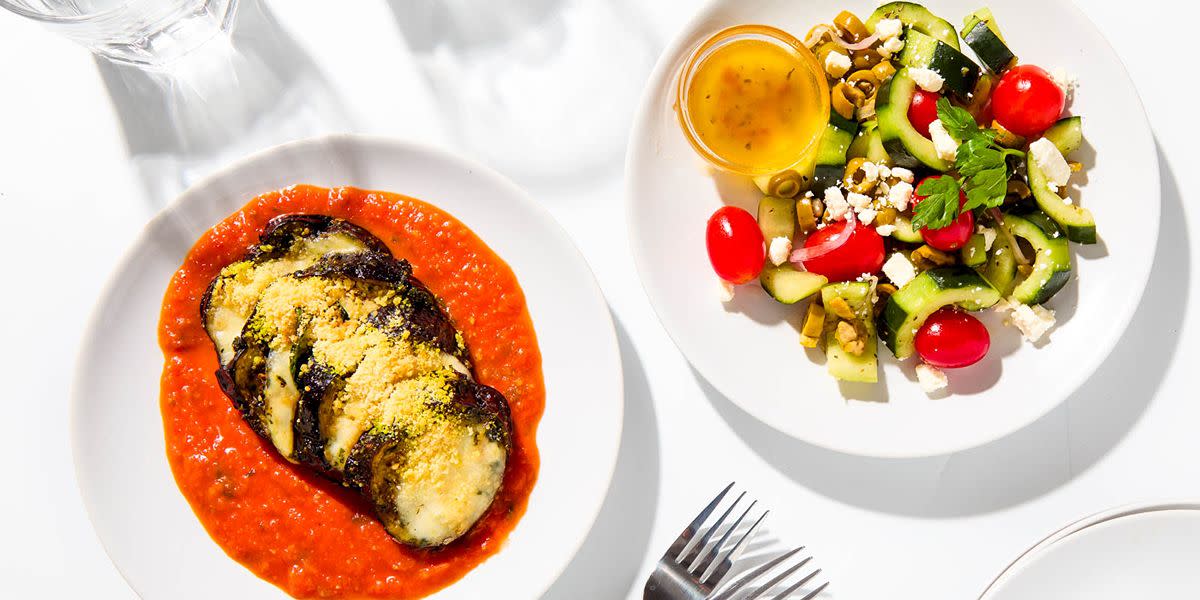
The authentic Greek salad—or horiatiki—keeps things simple and bold: ripe tomatoes, cucumbers, bell peppers, red onions, Kalamata olives, and creamy feta, all dressed in good olive oil. No lettuce, no frills. Just fresh ingredients doing their thing.
Another staple? Tzatziki—a cool, garlicky yogurt sauce with cucumber and herbs that shows up everywhere from grilled meats to mezze spreads.
You can taste these classics in Chef John DeLucie's Greek Salad, a crispy, zesty, texture-rich take topped with crumbled feta, green olives, and a punchy olive oil dressing. Finished with fresh dill and parsley, it’s the kind of tangy, vibrant side that plays perfectly with your favorite protein.
Italian pasta and risotto dishes
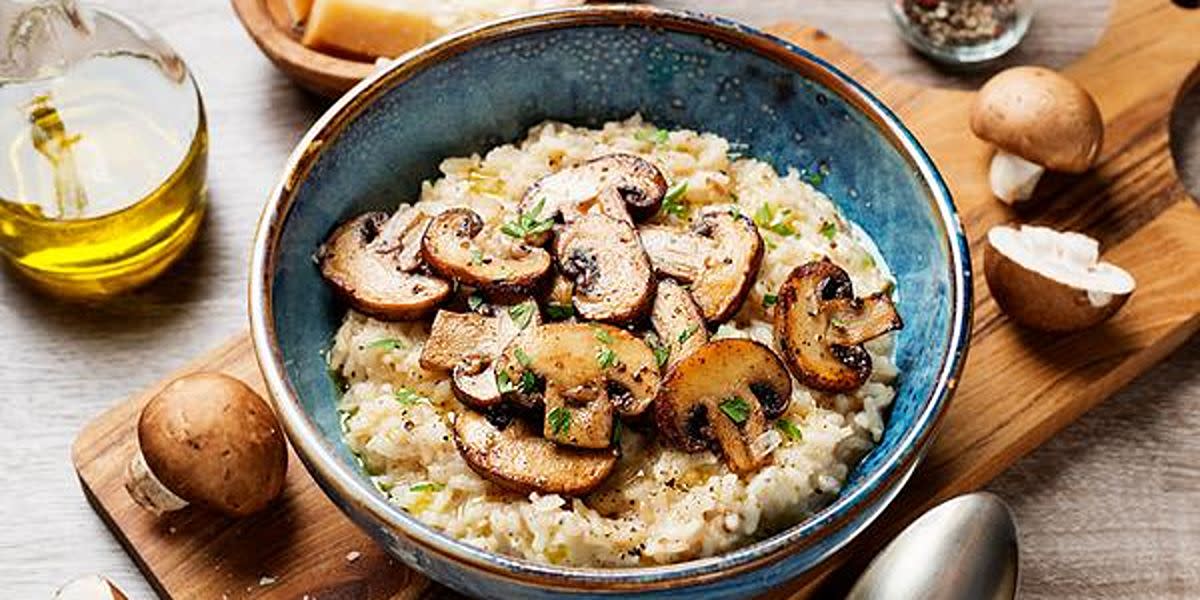
Italian regional cuisine takes its pasta seriously—pairing shapes and sauces with purpose, rooted in generations of tradition. Risotto, another beloved staple, is all about patience and precision: slowly stirred to coax out the starch and achieve that signature creamy texture.
Seasonality is everything in Italian cooking. Dishes shift with the harvest, often using just a few high-quality ingredients to let the flavors speak for themselves.
Craving that kind of Italian magic without starting from scratch? Explore our chef-crafted Italian meals—full of bold flavor, no prep required.
Spanish tapas and paellas
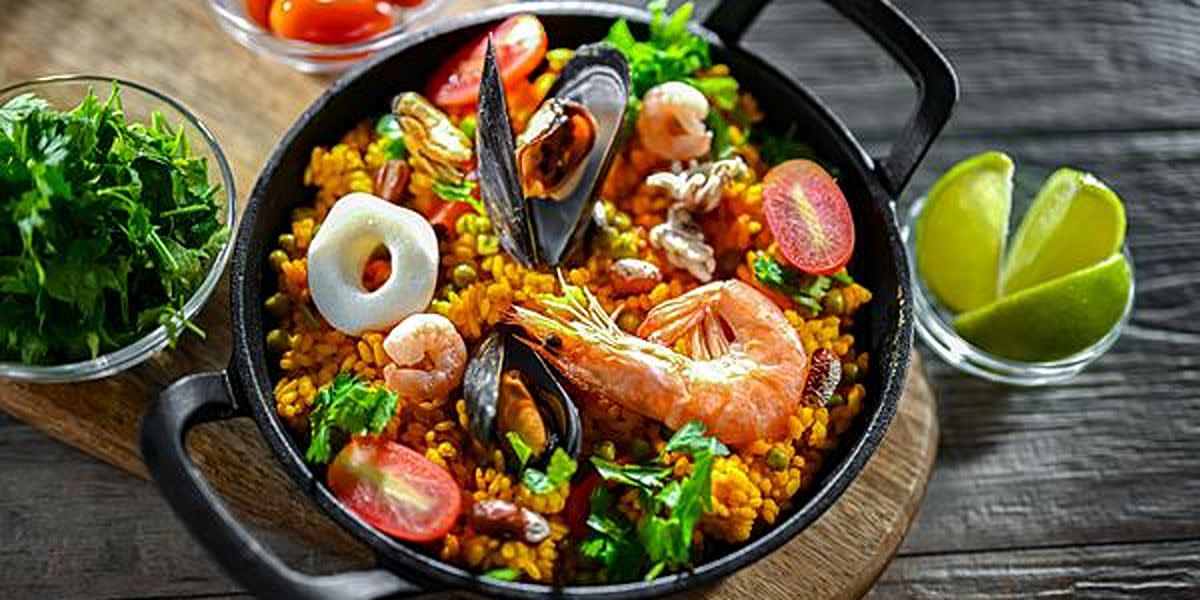
Spanish tapas culture turns mealtime into a shared experience—small plates passed around the table, each one offering a new flavor to explore. Crowd favorites include:
Patatas bravas (crispy potatoes with spicy sauce).
Gambas al ajillo (garlic shrimp).
Pan con tomate (bread rubbed with tomato and olive oil).
Authentic paella, born in Valencia, brings together saffron-scented rice, seasonal vegetables, and a mix of meats or seafood—all simmered in a wide, shallow pan that encourages perfectly crisped edges and deep, layered flavor.
North African tagines
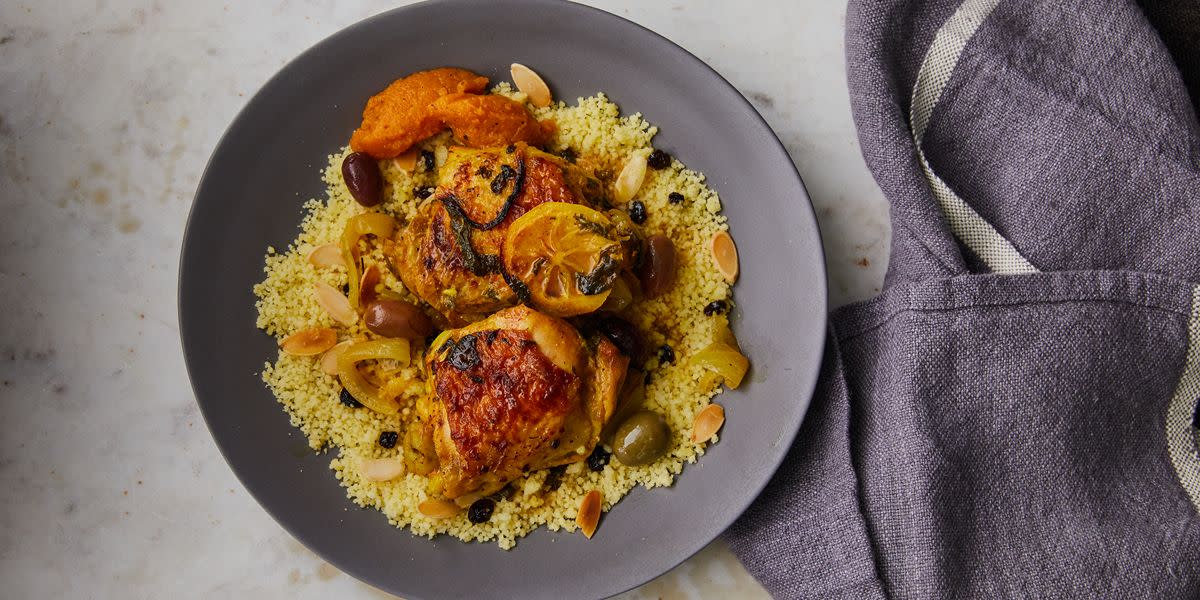
Tagine is both the name of the dish and the clay pot it’s cooked in, a North African classic that slow-simmers ingredients to tender perfection. The conical lid traps steam, creating deep flavor with very little added liquid.
Inside, you’ll often find lamb, chicken, or vegetables mingling with dried fruits, preserved lemons, olives, and warm, aromatic spices. It’s all about the balance—sweet, savory, and irresistibly spiced.
How to use Mediterranean spices
Spice in Mediterranean cooking is all about elevation, not disguise—bringing out the best in each ingredient rather than covering it up. Different regions have their own go-to blends, but the principle stays the same: bold, balanced, and intentional.
Knowing when to use whole spices versus ground can make all the difference, and a quick toast in the pan? That’s the secret to unlocking a deeper, more aromatic flavor.
Mediterranean spice guide:
Za'atar: Blend of dried thyme, sumac, sesame seeds — use on flatbreads, meats, vegetables.
Harissa: Spicy chili paste with garlic, coriander — use in stews, marinades, dips.
Ras el Hanout: Complex North African blend — use with meats, tagines, couscous.
Herbs de Provence: French herb blend — use with grilled meats, roasted vegetables.
That kind of layered, spice-forward cooking comes to life in Chef Marc Forgione's Mediterranean Spiced Shrimp with Saffron Farro. Dig into the Spanish Mediterranean flavors in every bite, where nutty farro meets crisp summer slaw, and a textured hazelnut romesco ties it all together. It’s a masterclass in how thoughtful spice and balance can elevate every element on the plate.
Mastering classic Mediterranean recipes
Mediterranean cooking isn’t just about following recipes, it’s about understanding the why behind the flavor. Once you get the core techniques and ingredient pairings down, you can riff, adapt, and create dishes that feel effortlessly authentic.
It all comes back to the basics: quality ingredients, thoughtful prep, and a natural sense of balance that lets every bite shine.
Building flavor with basic staples
Mediterranean cooking builds bold flavor from the ground up—starting with humble aromatics like onions, garlic, and herbs to set the stage for rich soups, stews, and sauces.
Slow-cooking brings out depth from the simplest ingredients, while a final drizzle of olive oil, a handful of fresh herbs, or a bright hit of lemon adds just the right lift at the finish. It’s depth without the fuss—and flavor that lingers.
Traditional vs. modern variations
Classic Mediterranean recipes have been passed down through generations, but they’re far from stuck in time. Modern takes often lighten up traditional dishes or add global twists—always with respect for the ingredients, techniques, and soul of the cuisine.
Want a modern take on a classic delivered to your door? Chef Einat Admony's Mediterranean Cauliflower Shawarma Bowl reimagines shawarma with bold, plant-based flair—featuring her signature cauliflower, marinated chickpeas, pickled cauliflower and onions, crunchy veggies, and a creamy tahini sauce. It’s everything you love about Mediterranean street food, refreshed and rebalanced for today.
Why embracing authenticity matters
Embracing the roots of authentic Mediterranean cuisine isn’t just about better flavor, it’s about honoring the culture, history, and hands that shaped each dish. When you understand the why behind the techniques and ingredients, you don’t just cook better, you also connect more deeply with the food.
And while there’s always room for personal twists, staying grounded in tradition keeps the soul of Mediterranean cooking intact, even as you make it your own.
Mediterranean cuisine key principles
Principle | Description | Example |
|---|---|---|
Fresh, seasonal ingredients | Using what's available locally | Summer tomatoes, spring artichokes |
Simple preparation | Letting quality ingredients shine | Grilled fish with olive oil and lemon |
Healthy fats | Emphasizing olive oil | Extra virgin olive oil as primary fat |
Plant-forward | Vegetables, grains, and legumes focus | Vegetable-centric meals with small portions of protein |
Communal eating | Sharing food and enjoying meals together | Meze platters and family-style service |
Want to give our Mediterranean chef specials a try? Explore our weekly menu, and select your meals.
Frequently asked questions about Mediterranean cuisine
What is the difference between Middle Eastern and Mediterranean food?
Mediterranean cuisine covers countries bordering the Mediterranean Sea, including parts of the Middle East, while Middle Eastern cuisine extends further east and includes more inland countries with distinct spice profiles and cooking techniques.
Is Mediterranean food Greek or Italian?
Mediterranean food encompasses cuisines from all countries bordering the Mediterranean Sea, including Greek and Italian cuisines, as well as Spanish, Moroccan, Lebanese, Turkish, and others.
How can I store fresh herbs to maintain flavor?
Store soft herbs like basil and parsley in a glass of water at room temperature or wrapped in damp paper towels in the refrigerator, while hardy herbs like rosemary and thyme can be kept in sealed containers in the refrigerator.
What are the traditional Mediterranean dishes everyone should try?
Essential Mediterranean dishes include Greek moussaka, Italian risotto, Spanish paella, Moroccan tagine, Lebanese tabbouleh, and Turkish kebabs – each showcasing the region's diverse culinary traditions.
Can I follow Mediterranean cuisine if I have dietary restrictions?
Mediterranean cuisine is highly adaptable for various dietary needs, offering abundant options for vegetarians, vegans, gluten-free diets, and those with other restrictions while maintaining authentic flavors.

Be the first to know about new offers
Multiorder discounts, free items and more.