Back
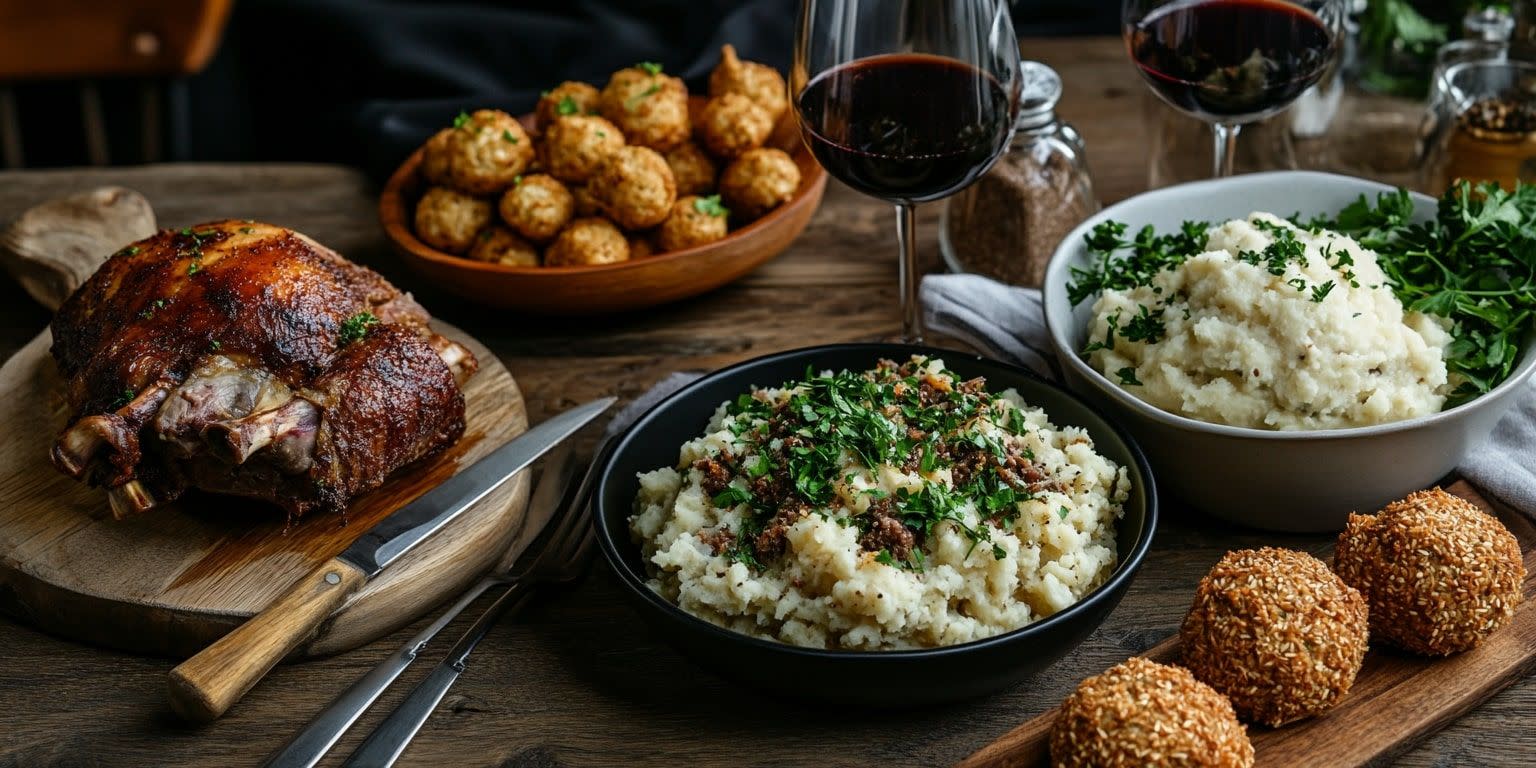
The ancient tradition of Passover brings families together around tables laden with symbolic foods that tell a story of freedom and perseverance. These traditional dishes not only nourish the body but also bring families together through shared culinary experiences passed down over time.
Key Takeaways:
Passover foods combine deep symbolism with delicious flavors, from the unleavened matzah representing hasty departure to sweet charoset symbolizing mortar used in slavery.
The seder plate holds specific symbolic items that guide participants through the Exodus story during the ritual meal. Modern interpretations of traditional dishes like flourless chocolate cake and quinoa pilaf make Passover meals accessible and enjoyable for all generations.
Many Passover recipes can be prepared ahead of time, allowing hosts to focus on the meaningful ritual aspects of the seder.
CookUnity offers a wide variety of chef-crafted meals that are perfect for Passover dinner—from slow-braised meats to vegetable-forward sides. Schedule your Passover meal delivery today.
What Is A Passover Seder?
A Passover Seder is a ritual feast that marks the beginning of the Jewish holiday of Passover. The word "seder" meaning "order" in Hebrew, refers to the specific sequence of foods, prayers, and storytelling during this special meal.
Passover commemorates the liberation of the Israelites from Egyptian slavery. When is Passover? It typically falls in March or April, with the date varying each year according to the Hebrew calendar.
When is Passover this year? Passover is observed in the spring, typically beginning at sundown and lasting for eight days according to the Hebrew calendar. During this time, observant Jews avoid leavened bread products (chametz) and instead eat matzah, a practice upheld by 71% of Israeli Jews according to the Israel Democracy Institute.
The sedar plate holds symbolic foods that help tell the Passover story. Each item represents an element of the Exodus narrative and serves as a physical reminder of the journey from slavery to freedom. Indeed, 81% of UK Jews attend a Seder, reflecting how integral this meal is within Jewish communities worldwide.
25 Classic Passover Foods For The Seder
Traditional Passover foods combine symbolic meaning with delicious flavors for the Passover seder meal. These 25 classics have graced seder dinner tables for generations, with many being kosher for Passover.
1. Matzah
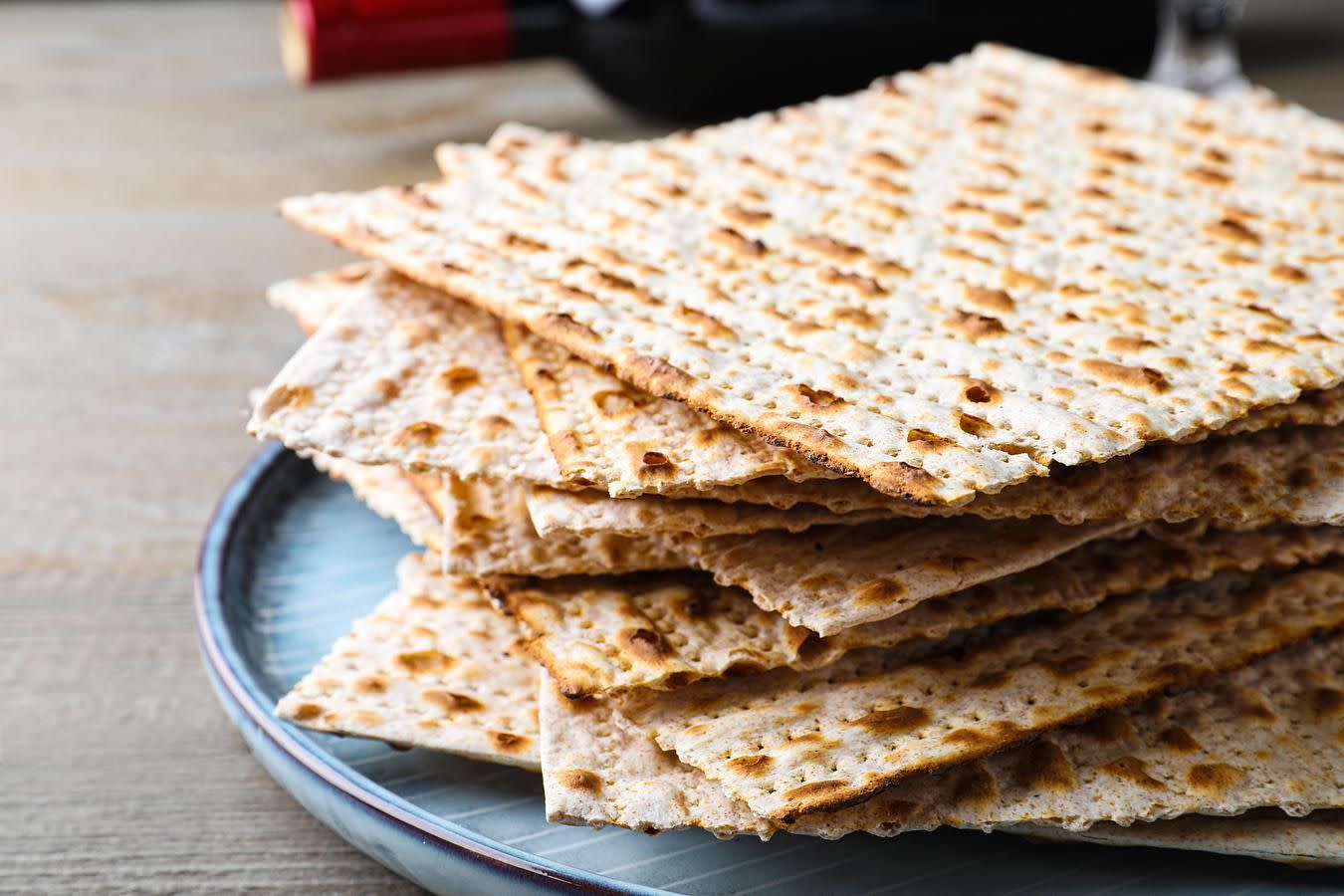
Matzah is the most essential Passover food, a simple unleavened flatbread made only from flour and water. This crisp cracker-like bread fulfills the biblical commandment to eat unleavened bread during Passover.
It commemorates how the Israelites fled Egypt with dough that had no time to rise. Matzah serves as both a standalone food and the foundation for many Passover recipes throughout the eight-day holiday.
2. Matzah Ball Soup
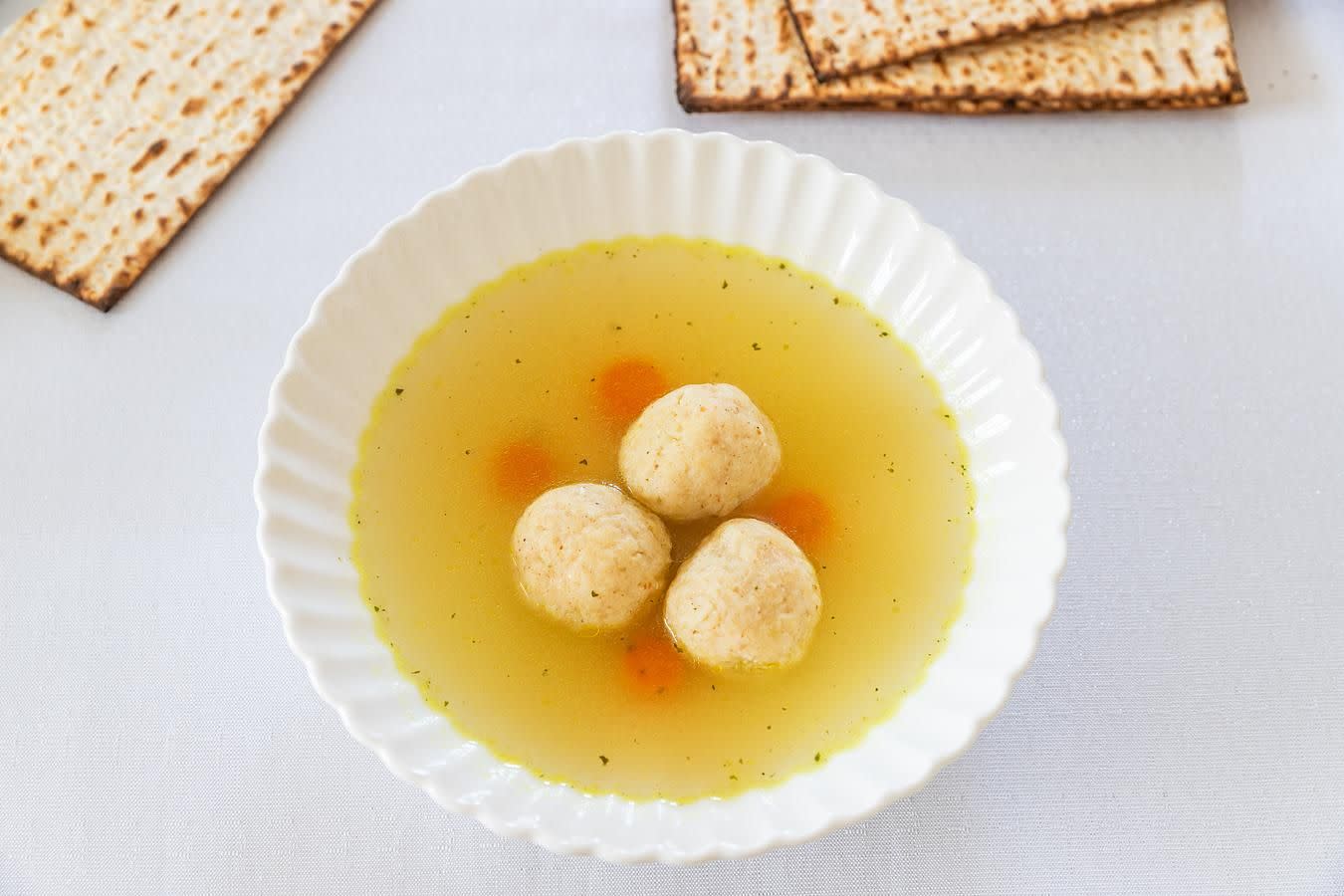
Matzah ball soup combines light, fluffy dumplings made from matzah meal floating in rich chicken broth. This soul-warming dish represents comfort and nourishment, making it a beloved starter at the seder meal.
The perfect matzah ball achieves the ideal balance between density and lightness. This often sparks friendly debates among family members about whether they should "sink or float" in the golden broth.
3. Charoset
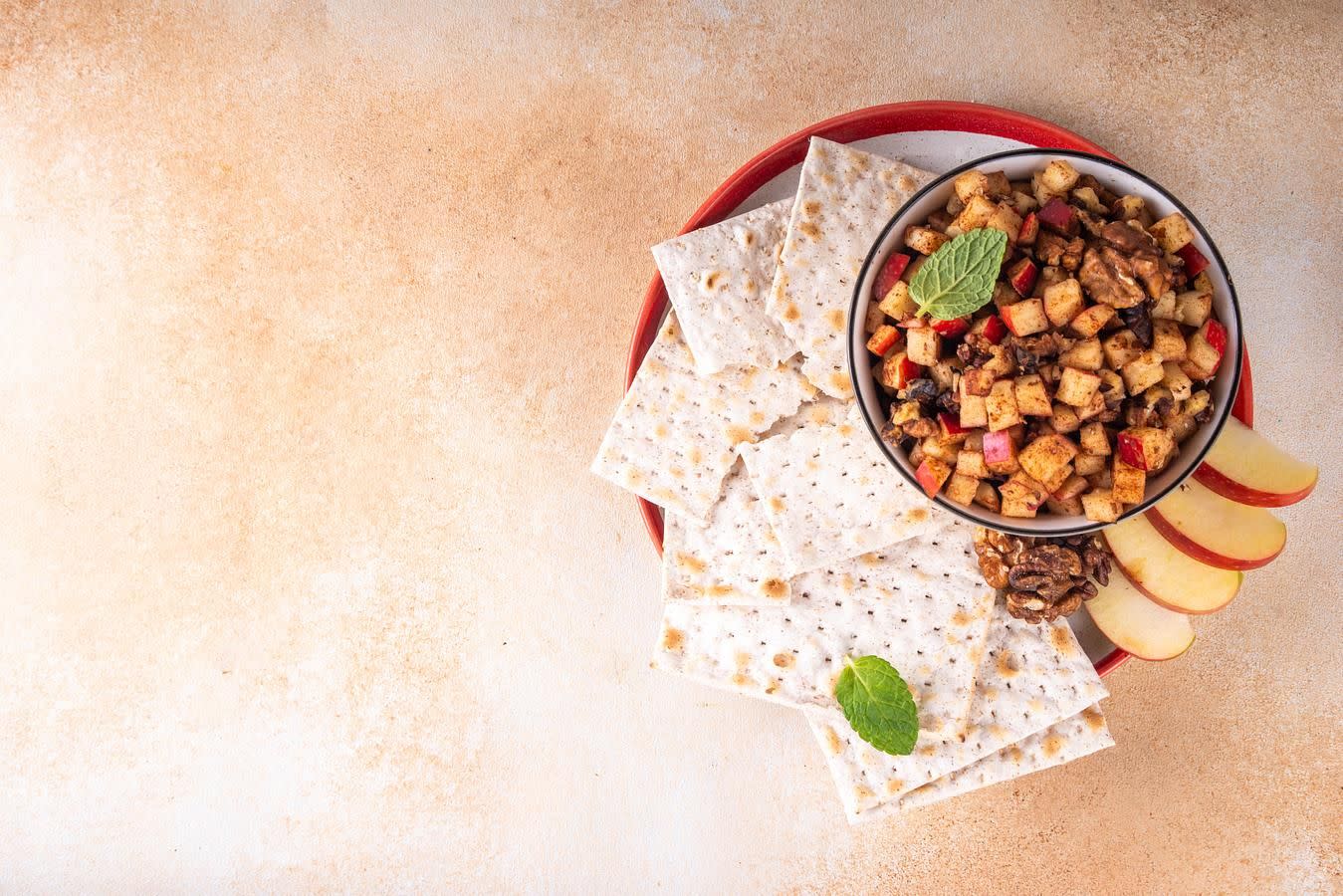
Charoset is a sweet, textured mixture typically made from chopped apples, walnuts, wine, and cinnamon. It symbolizes the mortar used by enslaved Israelites to build structures in ancient Egypt.
This delicious paste-like condiment offers a sweet counterpoint to other bitter elements on the sedar plate. Sephardic versions often include dates, figs, and other Mediterranean fruits for a different but equally meaningful take.
4. Maror (Bitter Herbs)
Maror, usually horseradish or bitter lettuce like romaine, represents the bitterness of slavery experienced by the Israelites in Egypt. This sharp, pungent food often brings tears to the eyes when eaten. Interestingly, medieval rabbis rarely mentioned horseradish as maror, highlighting how customs evolved over time.
During the Passover seder, maror is typically eaten with matzah, sometimes combined with charoset. This combination symbolizes how sweetness can temper life's bitter moments.
5. Brisket
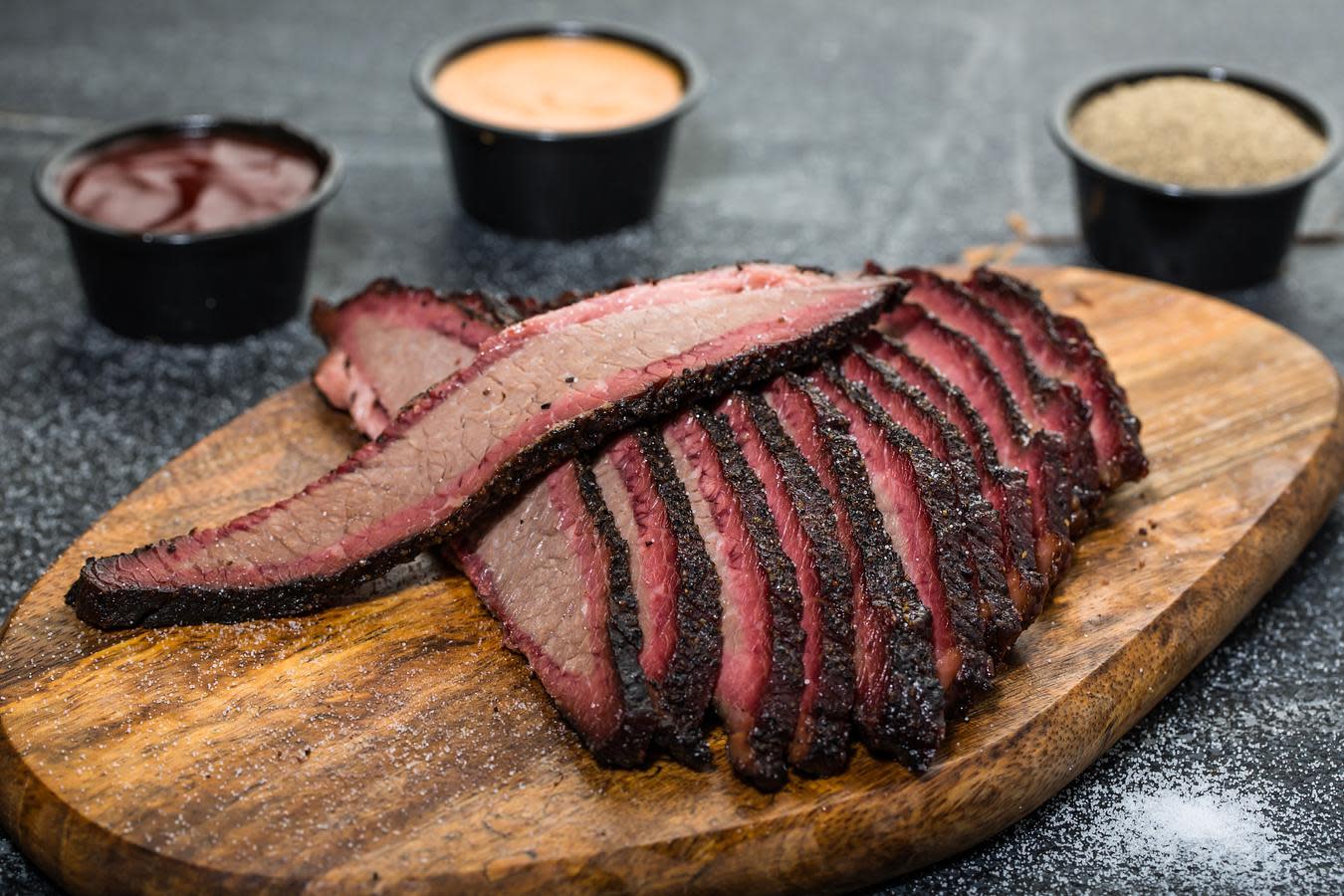
Brisket is a tender, slow-cooked beef dish that has become a centerpiece of many Passover dinner gatherings, especially among Ashkenazi Jewish families. This hearty main course requires hours of gentle cooking, allowing families to prepare it ahead of time.
The rich, savory flavors develop as the meat simmers with carrots, onions, and aromatic spices. This creates a satisfying entrée that feeds a crowd gathering for the sedar meal.
Chef Spotlight: Einat Admony With Passover-Friendly Meat Dishes
CookUnity's chef Einat Admony creates Middle Eastern-inspired dishes that honor traditional flavors while adding modern touches. Her slow-cooked meat dishes bring restaurant-quality Passover meals to your home table.

6. Roast Chicken
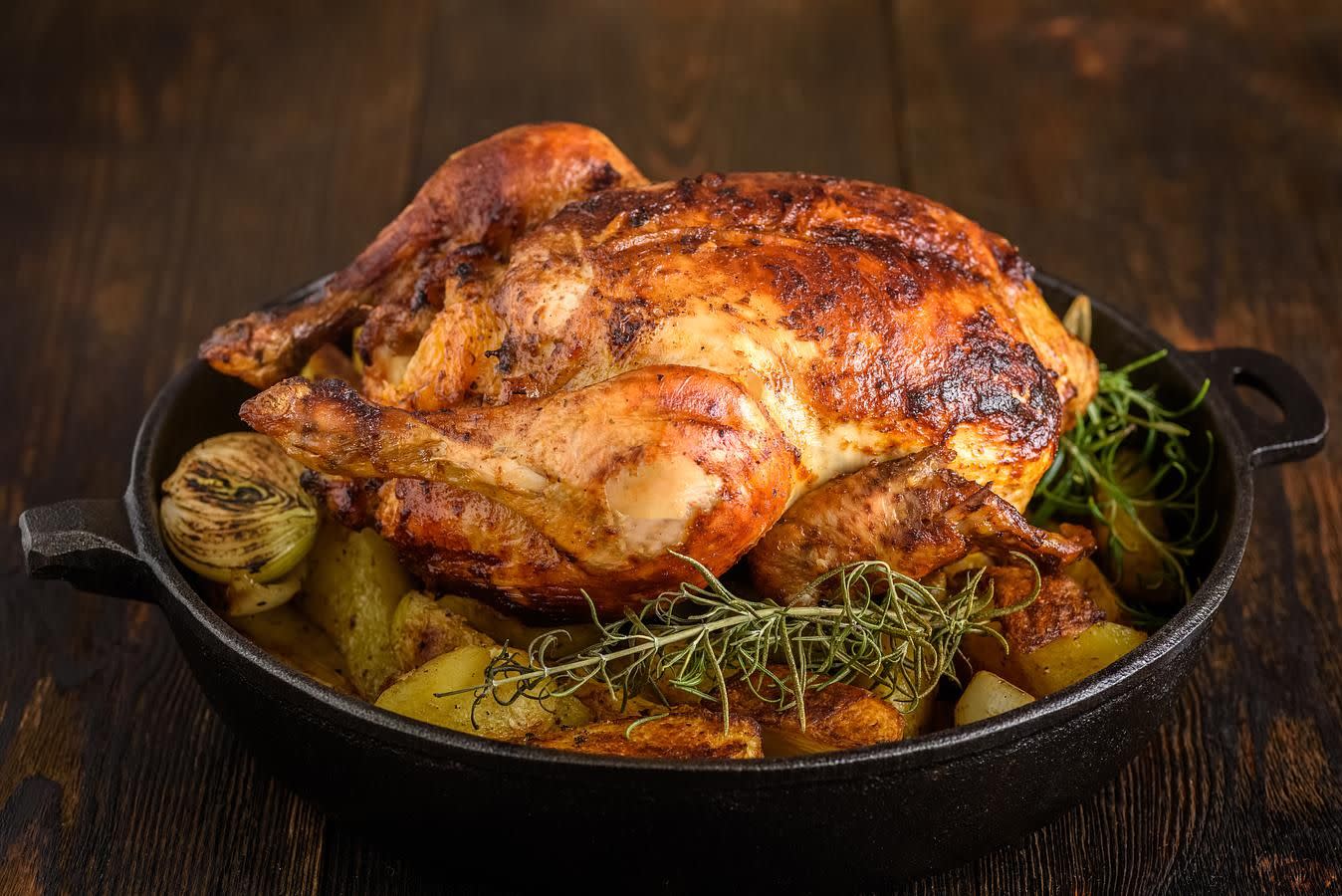
Roast chicken offers a simpler alternative to brisket as a Passover meal main dish. It delivers crispy skin and juicy meat that pairs beautifully with traditional sides.
This versatile protein can be seasoned with herbs like rosemary and thyme or prepared with Middle Eastern spices. Its relatively quick cooking time makes it practical for seder dinner preparations when there are many dishes to coordinate.
7. Lamb Shank (Zeroa)
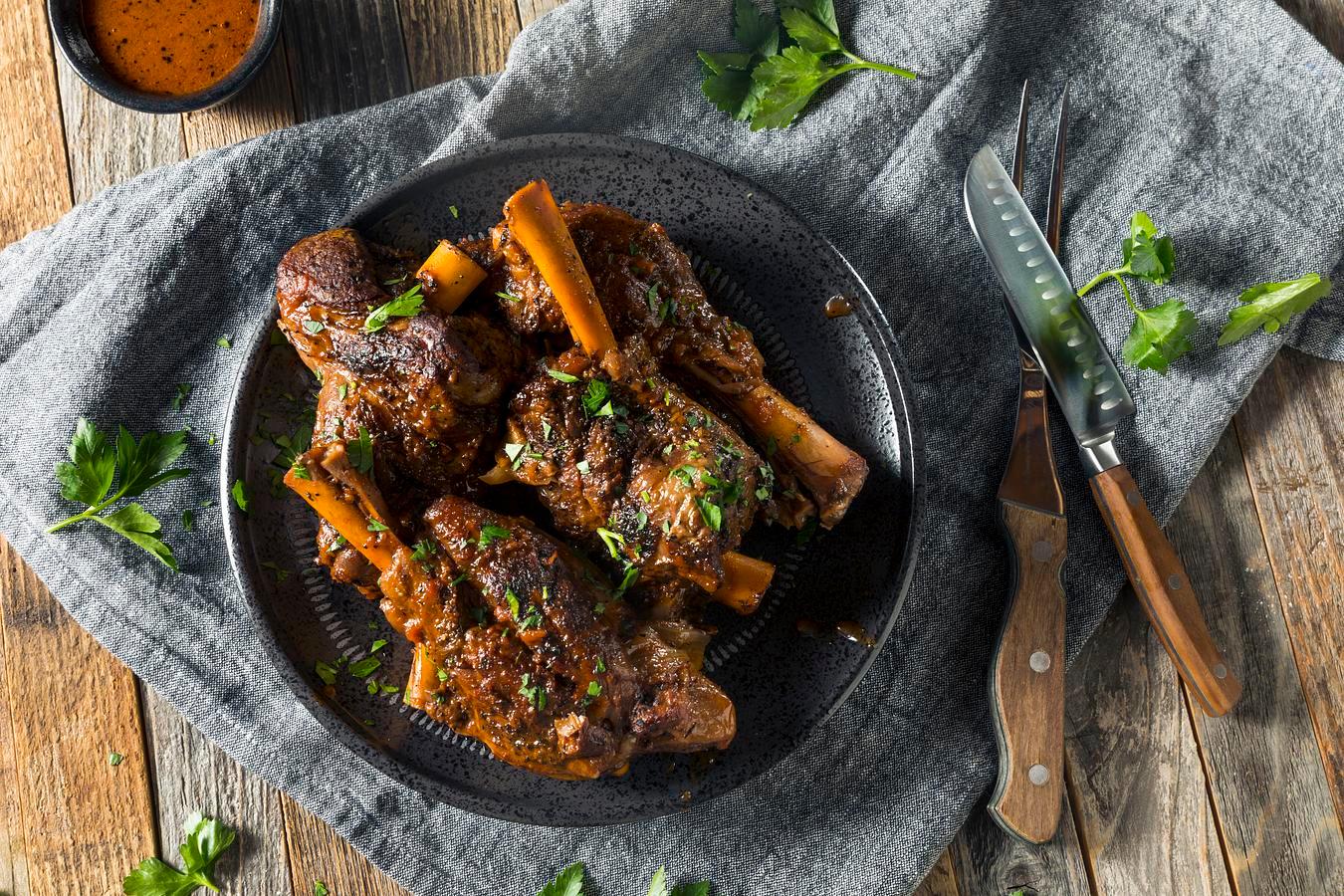
The lamb shank bone (zeroa) holds a place of honor on the seder plate. It symbolizes the Passover sacrifice offered in ancient times at the Temple in Jerusalem.
While the bone itself is not eaten during the seder, many families serve roasted lamb as the main course for the Passover dinner. The tender meat, often seasoned with garlic and herbs, connects diners to ancient traditions.
8. Gefilte Fish
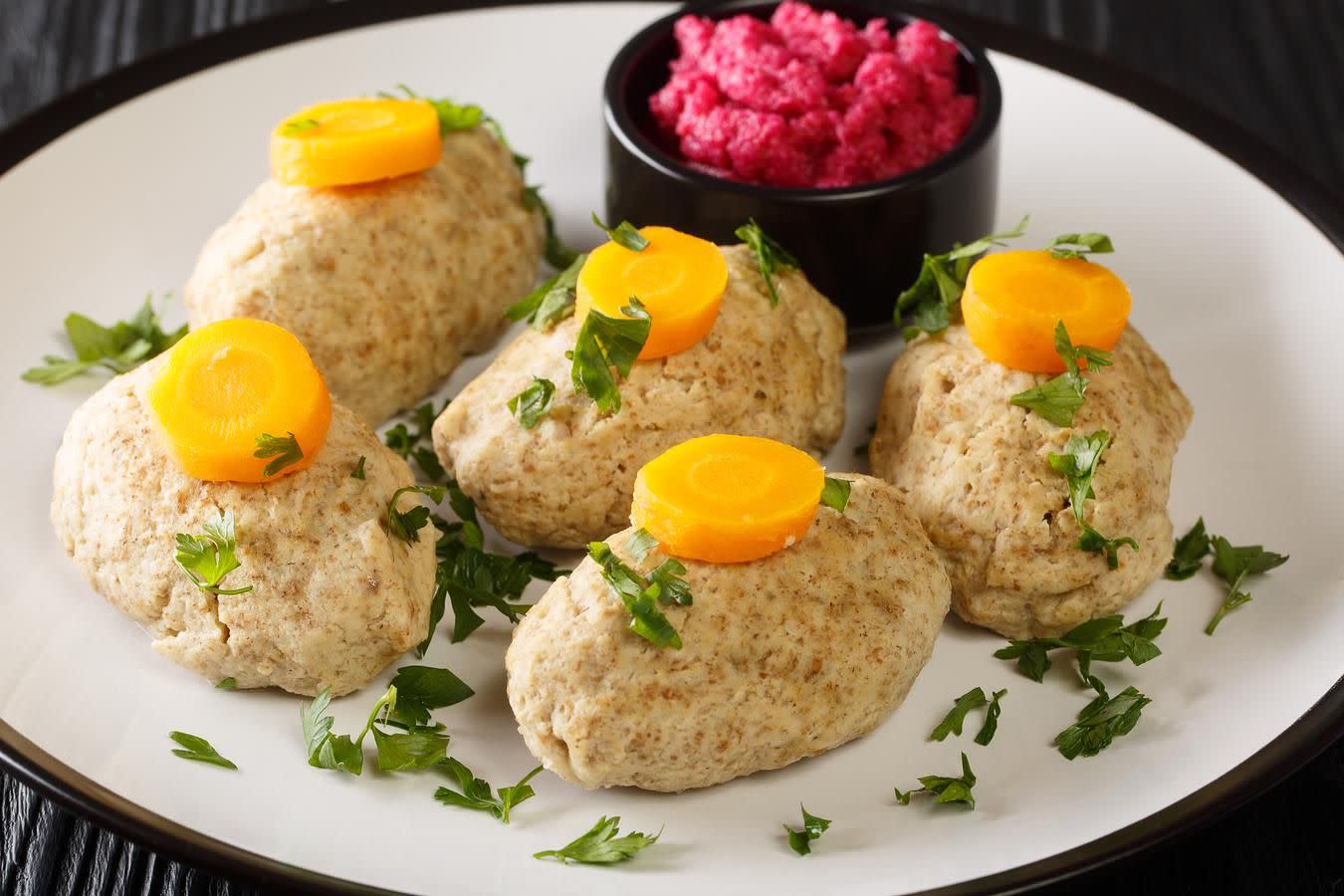
Gefilte fish, poached fish patties or loaves made from ground whitefish, serves as a traditional appetizer at many Ashkenazi Jewish seders. This dish originated as a practical solution for observing the prohibition against separating bones from fish on holidays.
Typically served chilled with horseradish, gefilte fish has a mild flavor that has become nostalgically associated with Passover celebrations. It's often the subject of good-natured jokes but remains a beloved tradition.
9. Matzah Brei
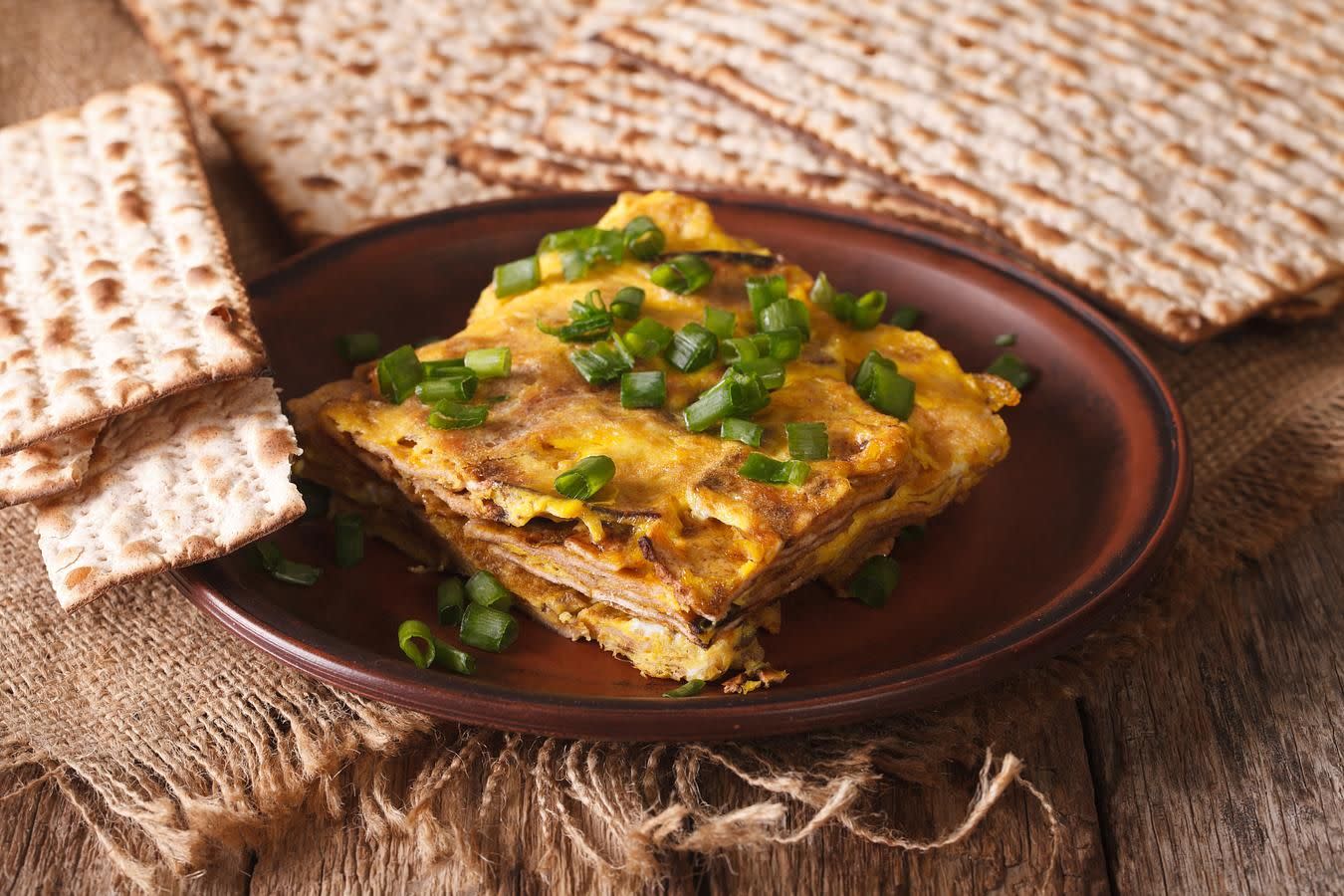
Matzah brei transforms simple matzah into a satisfying breakfast dish by soaking it in water, mixing with beaten eggs, and frying until golden. This versatile dish can lean sweet with cinnamon and honey or savory with onions and herbs.
Many families have their own special recipes passed down through generations. There are often heated debates about whether the proper texture should be scrambled or pancake-like.
10. Matzah Pizza
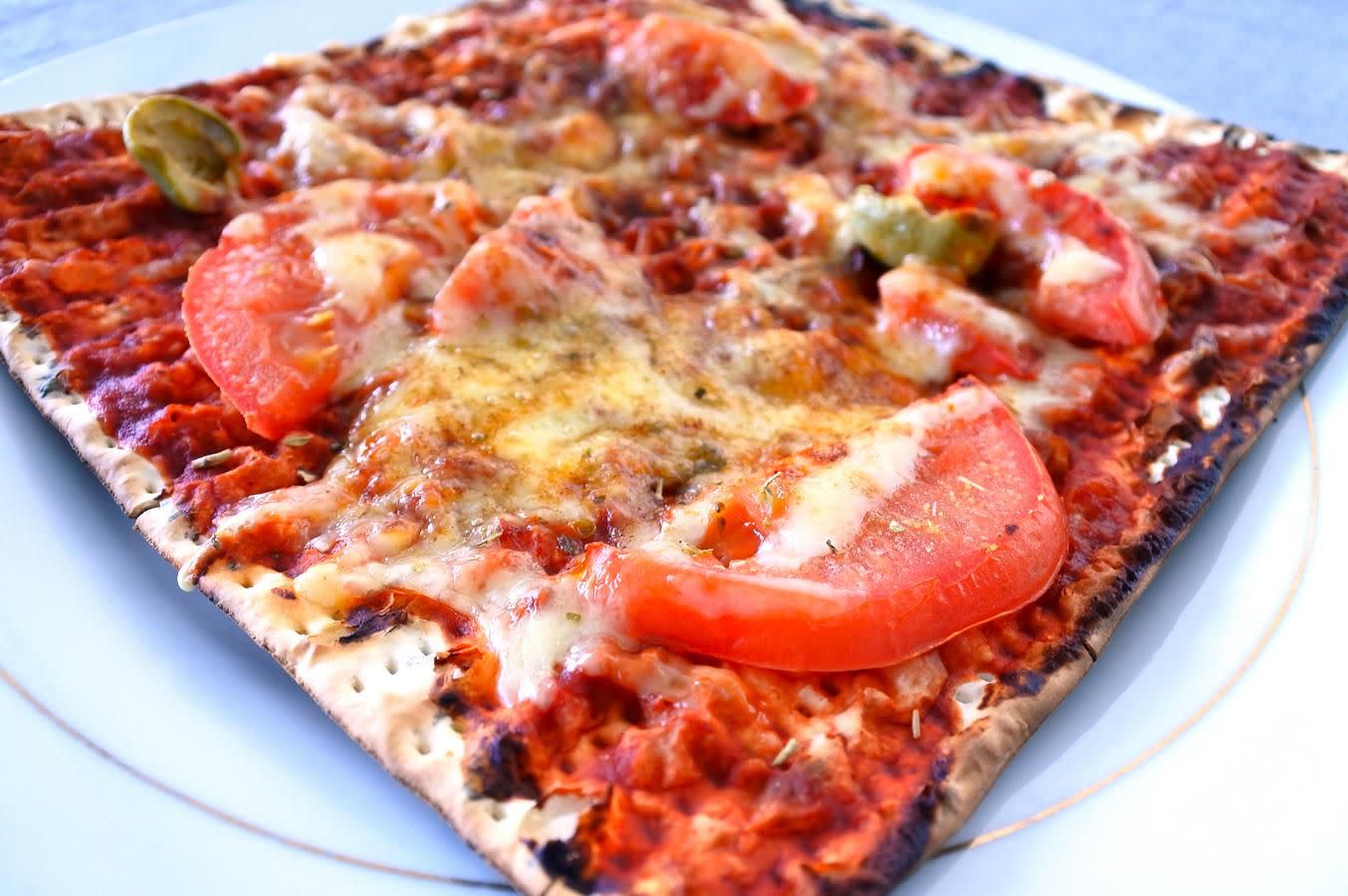
Matzah pizza offers a kid-friendly Passover meal that turns dietary restrictions into a fun cooking activity. This simple creation uses matzah as a crispy base topped with tomato sauce, cheese, and favorite toppings.
For families with children who might miss regular pizza during Passover, this creative adaptation helps keep the holiday feeling special rather than restrictive. It's a quick solution for casual meals during the eight-day holiday.
Try Something New This Passover Looking for inspiration beyond traditional recipes? Explore CookUnity's Passover meal delivery for complementary Passover dishes that can inspire your Passover menu with new flavors while honoring tradition.
11. Stuffed Cabbage
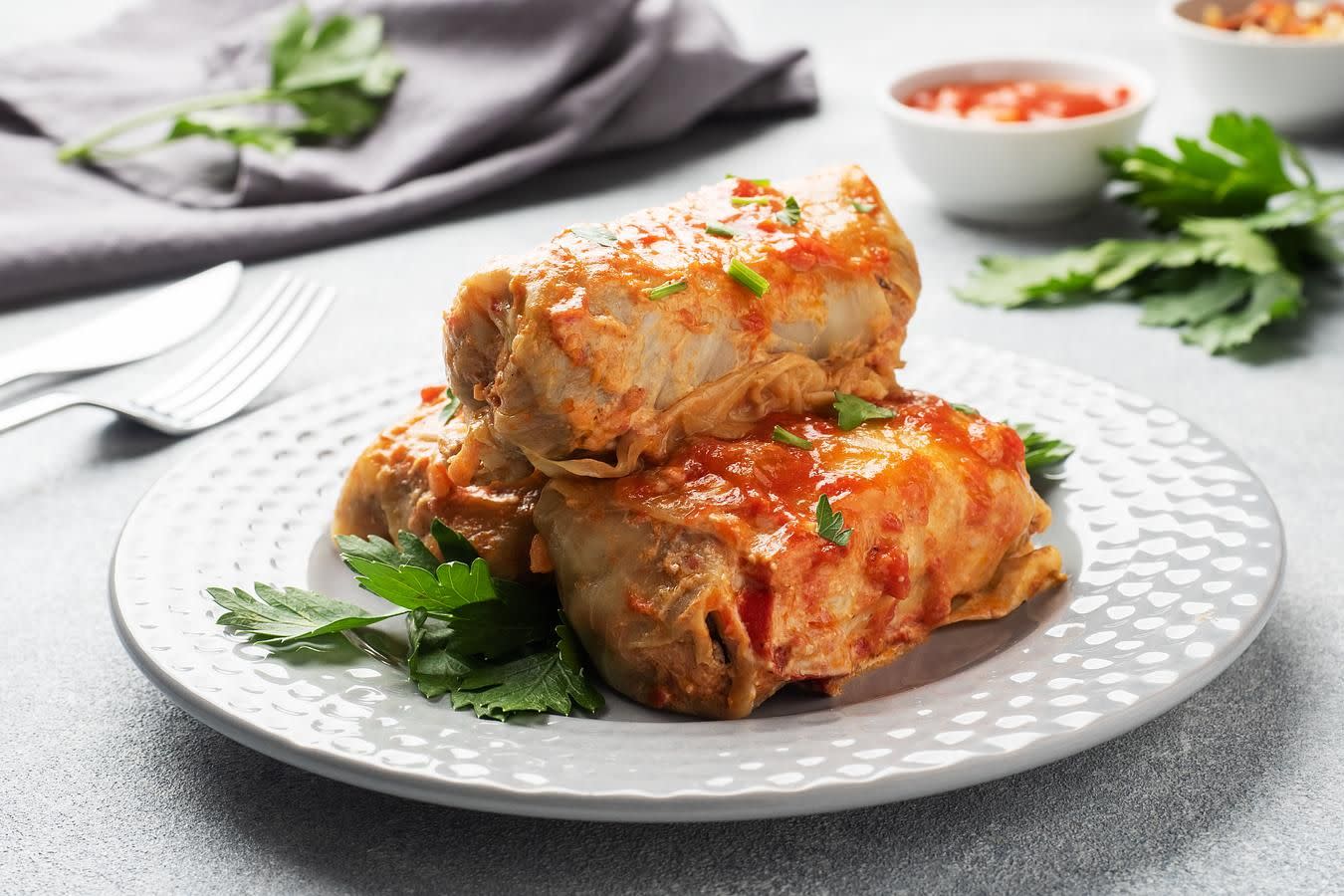
Stuffed cabbage rolls feature seasoned ground meat and rice or quinoa wrapped in tender cabbage leaves. They're simmered in sweet-and-sour tomato sauce for a hearty dish popular in Eastern European Jewish cuisine.
The slightly sweet sauce balances the savory filling, creating a comforting dish. This represents the blending of different culinary influences in Jewish cooking and offers make-ahead convenience for busy seder preparations.
12. Roast Vegetables
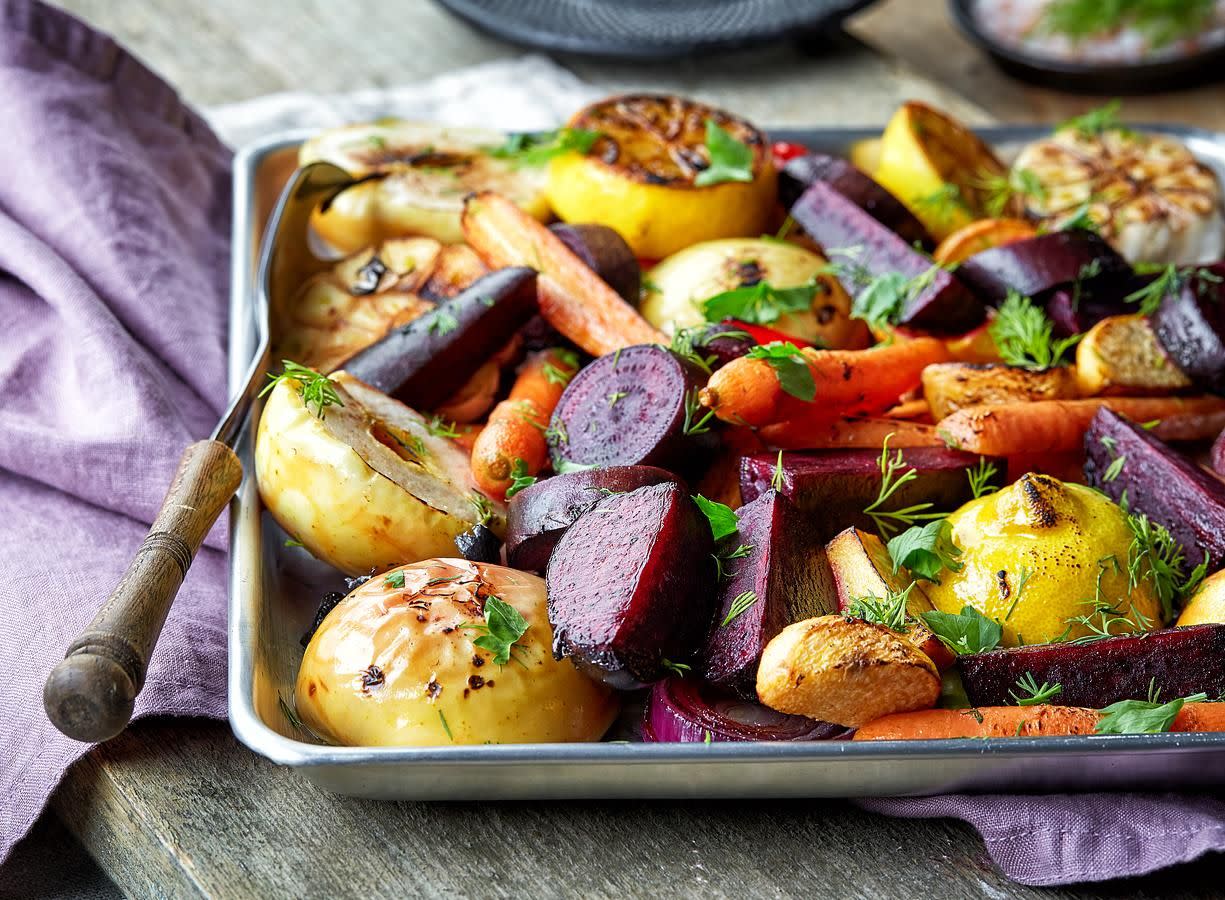
Roasted vegetables like carrots, potatoes, and parsnips provide colorful, flavorful sides that are naturally kosher for Passover. These simple dishes require minimal preparation—just tossing with olive oil, salt, and herbs before roasting until caramelized.
The natural sweetness that develops during roasting makes these vegetables particularly appealing. They're a welcome addition when many processed foods are avoided during the Passover season.
13. Potato Kugel
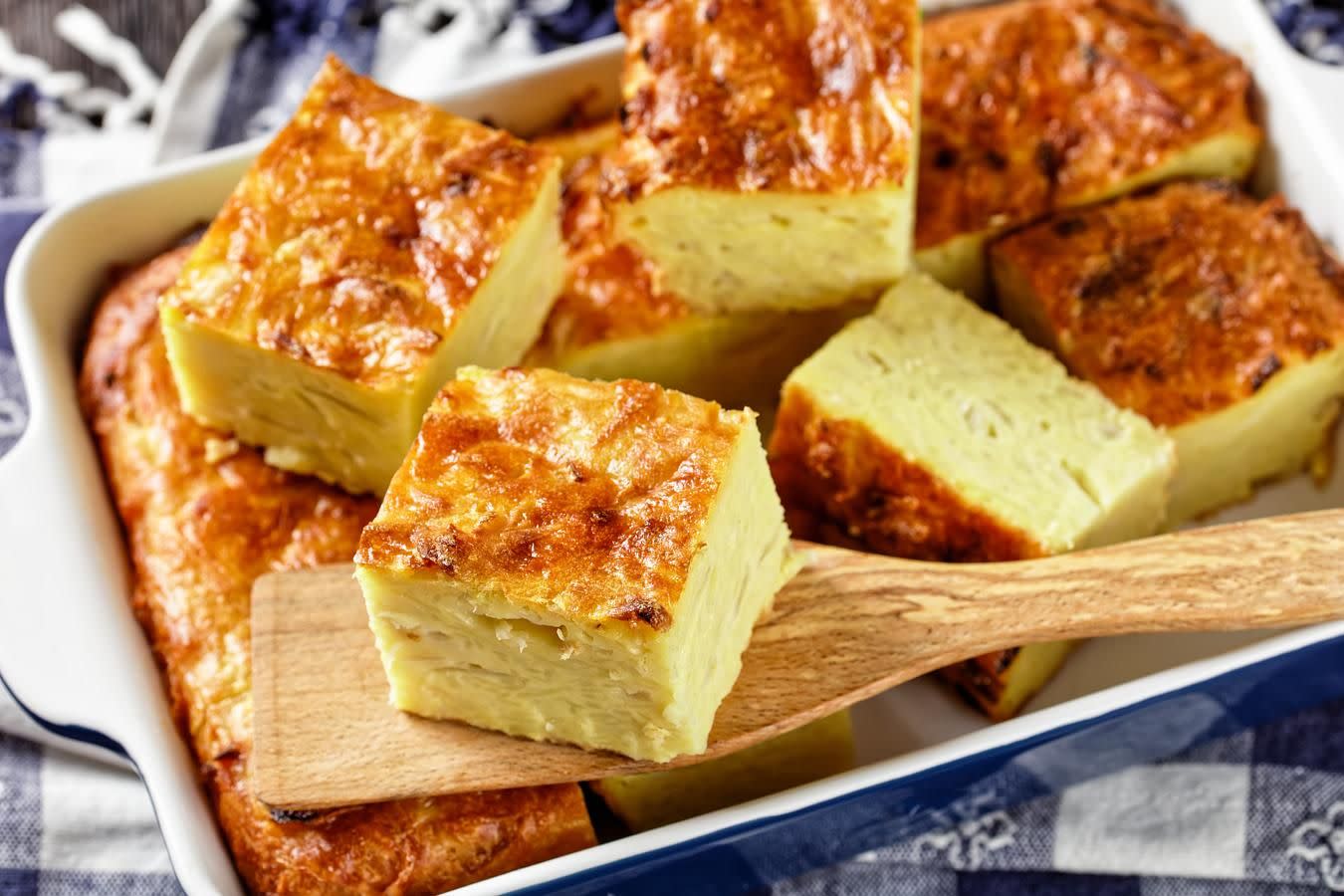
Potato kugel is a crispy-edged, creamy-centered casserole made from grated potatoes, onions, eggs, and oil. It serves as a beloved side dish at the Passover seder meal table.
This hearty comfort food originated in Eastern European Jewish communities. The ideal potato kugel achieves a delicate balance between a golden, crunchy exterior and a soft, savory interior.
14. Matzah Kugel
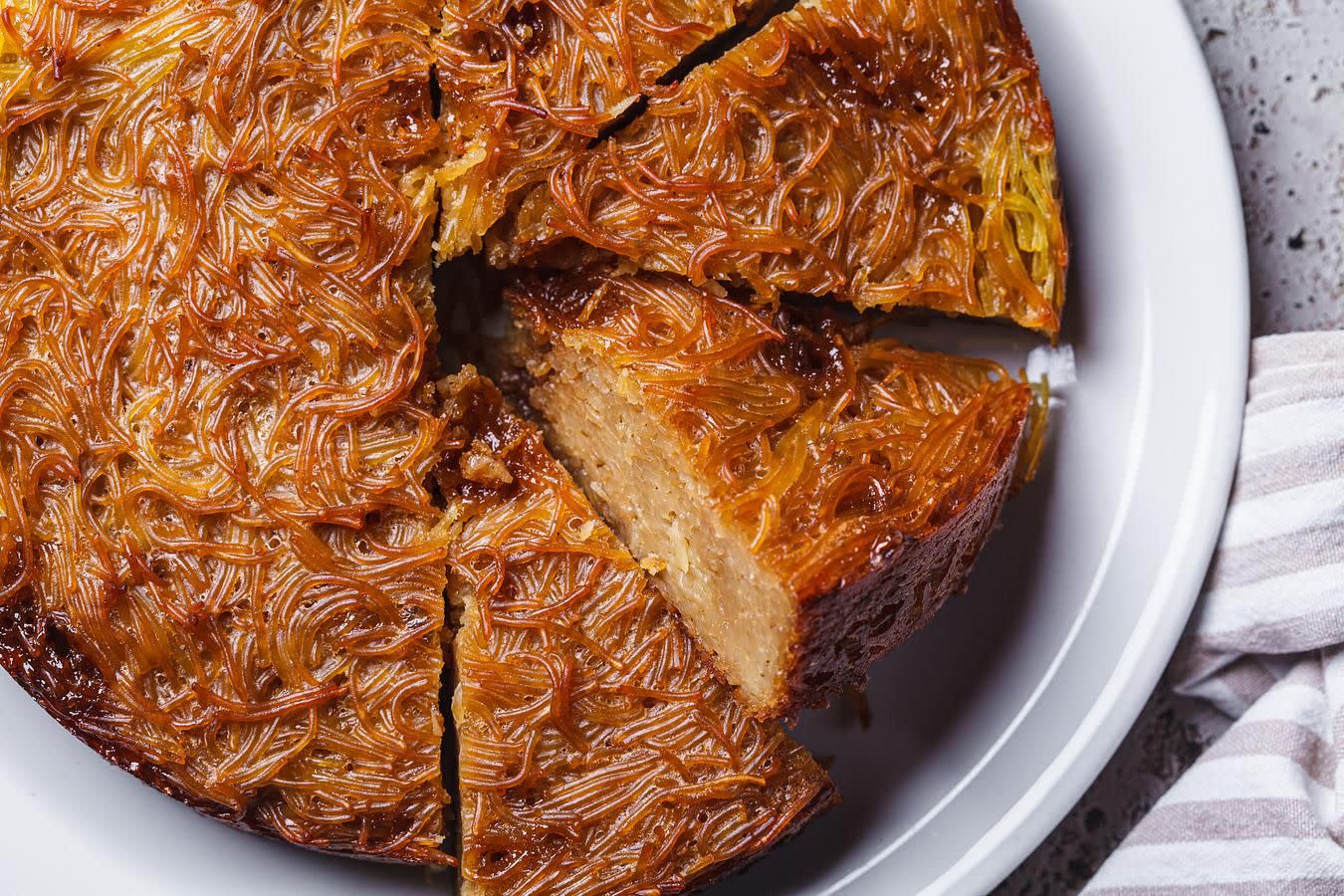
Matzah kugel adapts the traditional noodle pudding for Passover by substituting broken matzah pieces for pasta. This baked dish comes in both sweet and savory varieties.
Sweet versions include cinnamon, sugar, and dried fruits, while savory varieties might incorporate vegetables and herbs. This versatile casserole helps use up extra matzah while providing a satisfying side dish.
15. Tzimmes
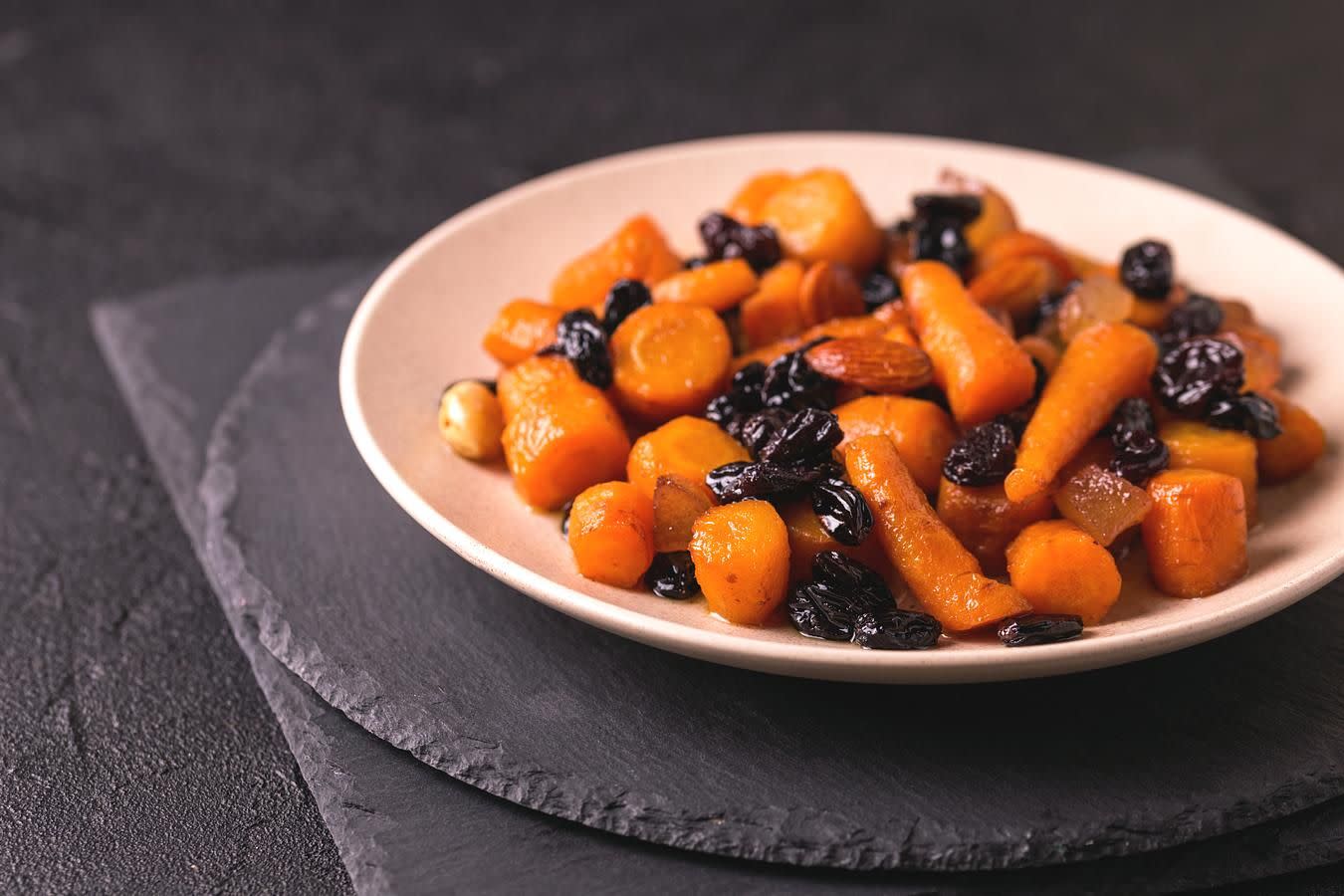
Tzimmes features sweet potatoes, carrots, and dried fruits slowly cooked with honey and warm spices. This traditional Ashkenazi recipe's name comes from the Yiddish word for "fuss," perhaps referring to the time it takes to prepare.
The natural sweetness of tzimmes is said to represent hopes for a sweet year ahead. This makes it especially meaningful at holiday gatherings and a colorful addition to the Passover dinner table.
Explore Our Menu for Passover Meals Let CookUnity's award-winning chefs prepare your Passover meals this year. From traditional favorites to creative interpretations, our chef-crafted dishes are ready to heat and enjoy. Explore the weekly menu for perfect Passover meal delivery.
16. Quinoa Pilaf
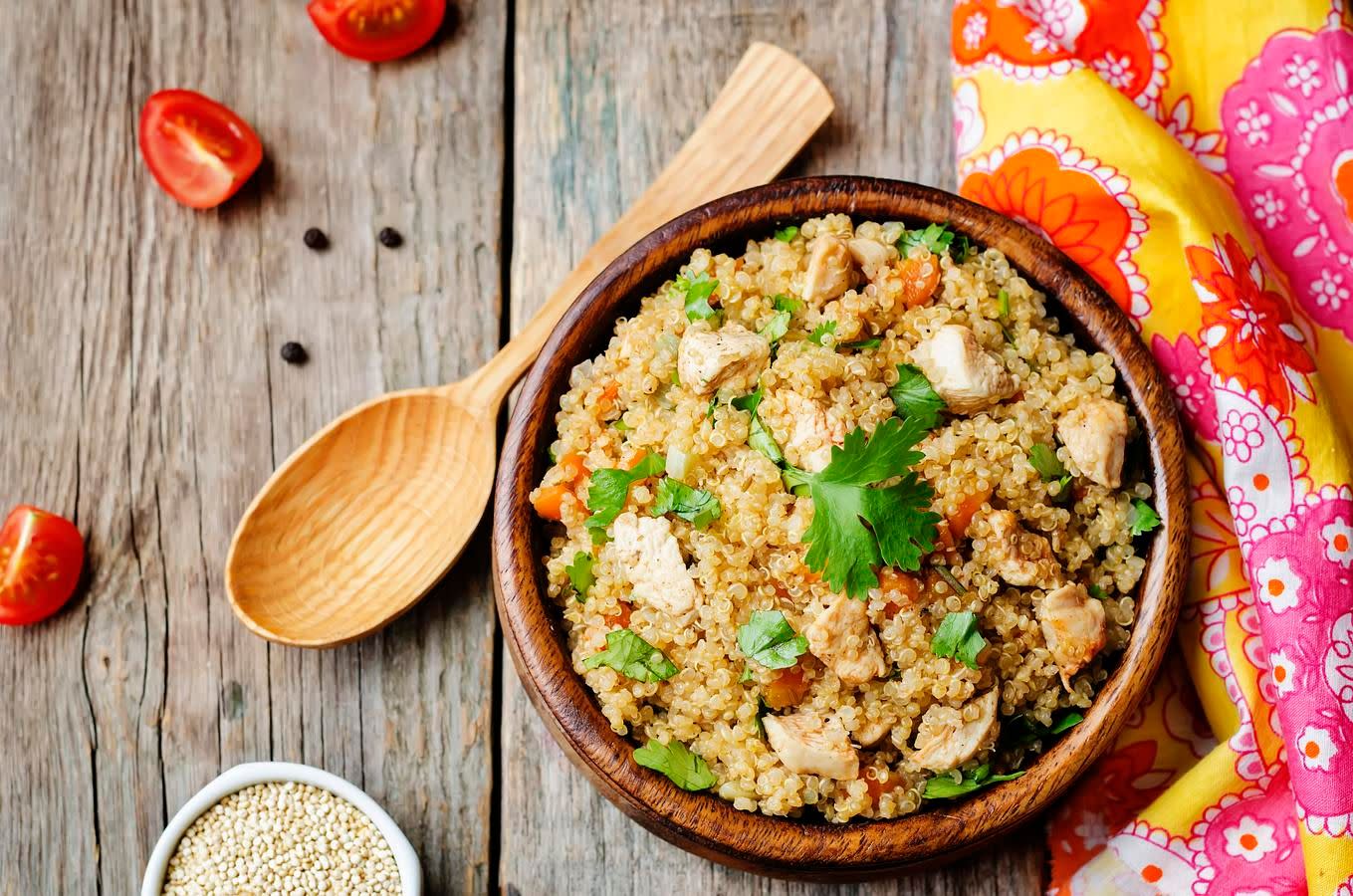
Quinoa pilaf offers a modern, nutritious addition to the Passover table. Quinoa has been deemed kosher for Passover by many rabbinical authorities.
This versatile grain-like seed can be prepared with:
Fresh herbs: Adding brightness and flavor
Dried fruits: Providing sweetness and texture
Toasted nuts: Contributing crunch and protein
For vegetarians attending a seder, quinoa provides valuable protein in a meal that often centers around meat dishes.
17. Sephardic-Style Lamb Tagine
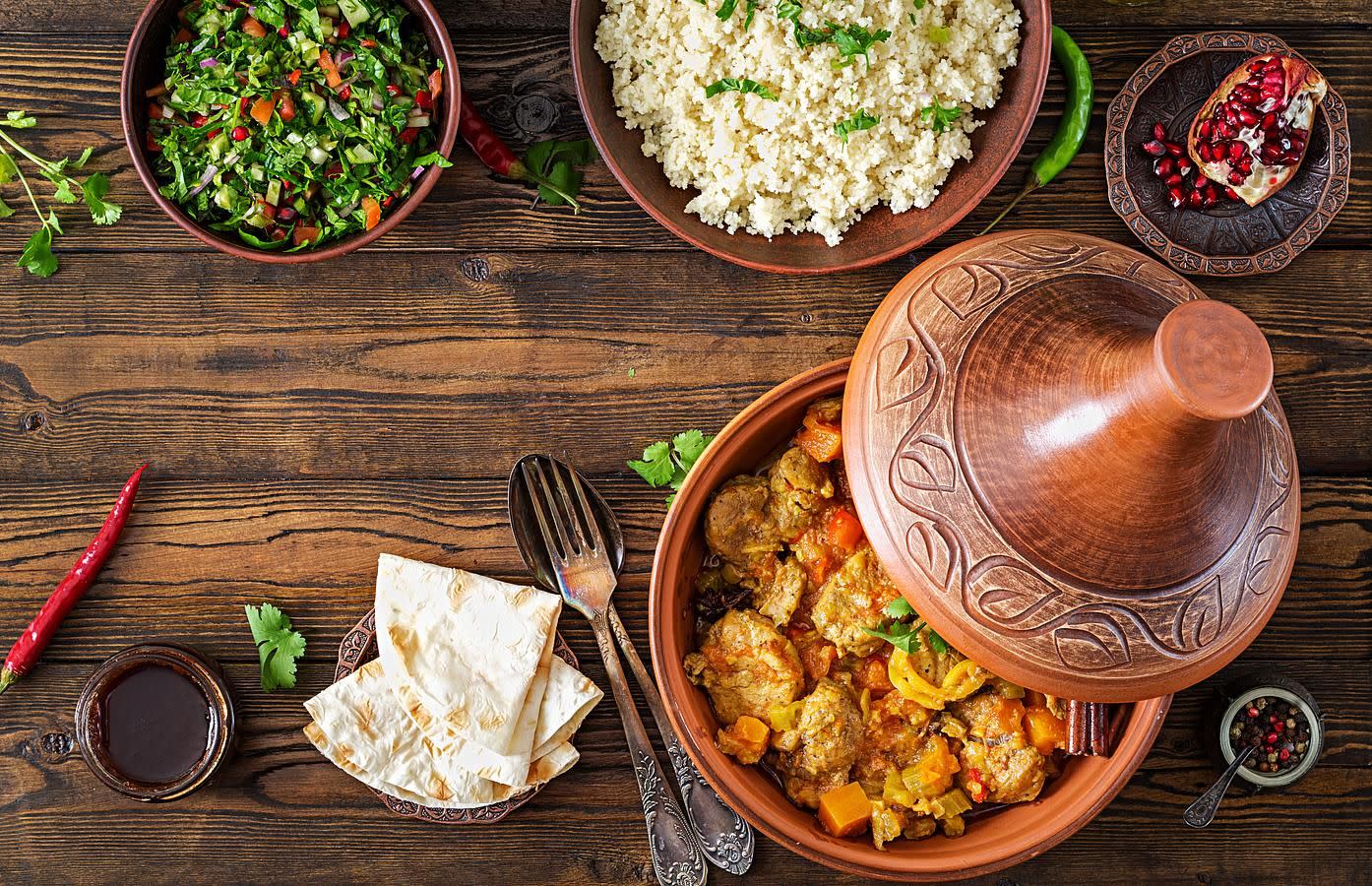
Sephardic-style lamb tagine brings the flavors of Mediterranean and Middle Eastern Jewish communities to the Passover table. Tender lamb is slowly simmered with dried fruits, honey, and aromatic spices.
This fragrant stew offers a delicious alternative to Ashkenazi classics like brisket. The complex flavor profile features cinnamon, cumin, and coriander, reflecting the rich culinary heritage of Sephardic Jewish communities.
18. Gefilte Fish Variations
Modern gefilte fish variations update the traditional recipe with fresh herbs, poaching in court bouillon, or using salmon for a more contemporary flavor profile. These adaptations help introduce younger generations to a traditional food.
Whether homemade or store-bought and doctored with fresh ingredients, these variations honor tradition while acknowledging evolving tastes. They maintain the convenience of a make-ahead dish that's ready to serve during the busy sedar meal.
19. Mina (Passover Lasagna)
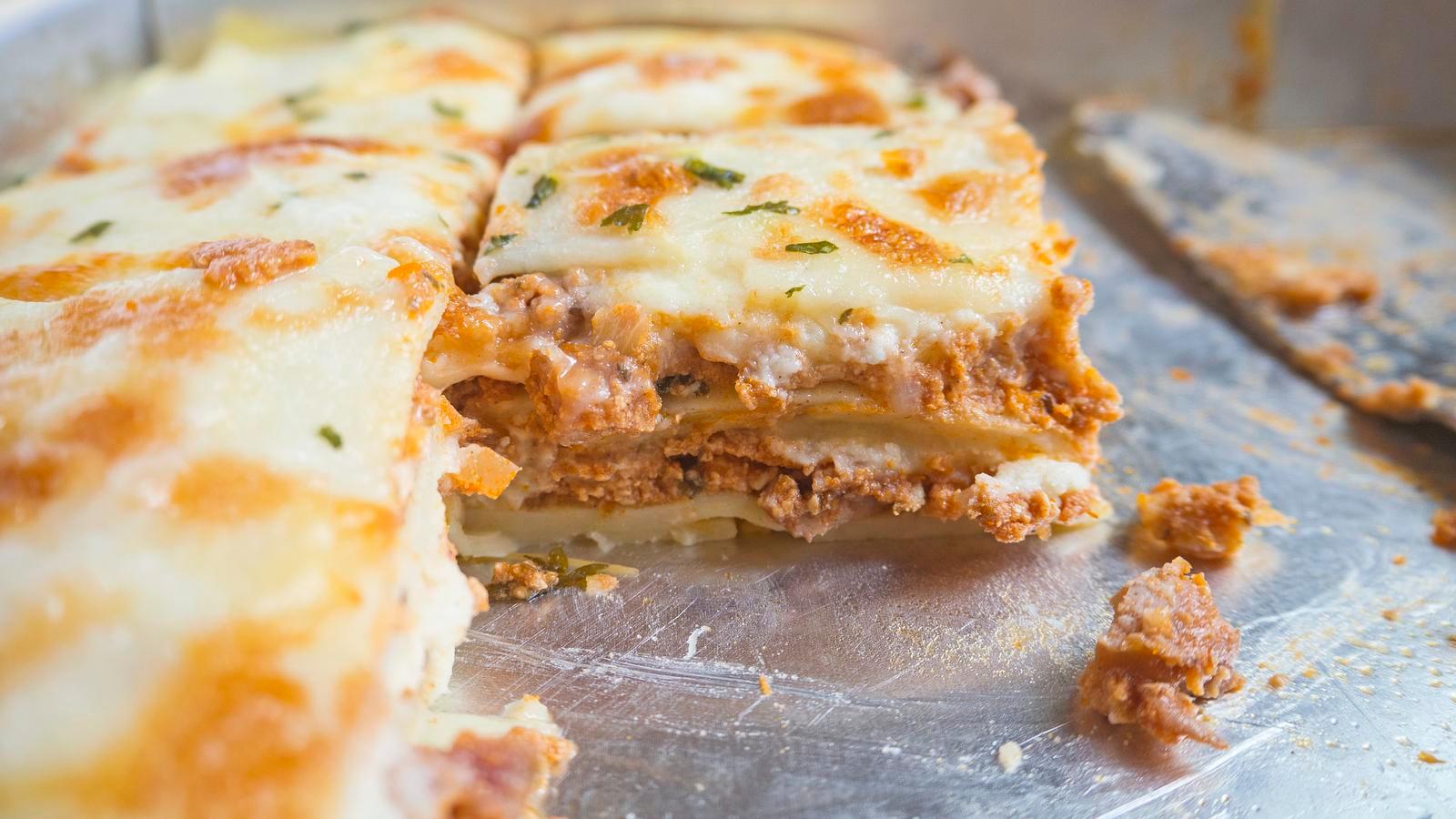
Mina, sometimes called "matzah lasagna," layers softened matzah with fillings like spinach, cheese, or ground meat. This Sephardic specialty offers a satisfying alternative to pasta during the Passover week.
Regional variations exist throughout Mediterranean Jewish communities. Some versions feature lamb and pine nuts while others showcase seasonal vegetables and herbs, making it adaptable to different tastes.
20. Kosher Wine Or Grape Juice

Kosher wine or grape juice plays a central role in the seder, as participants drink four cups throughout the ceremony. These represent the four expressions of redemption in the Exodus story.
Modern kosher wines have evolved far beyond the sweet concord grape varieties of the past. Excellent options are now available from Israel, California, and other wine regions, elevating the Passover seder experience. However, some wine manufacturers use fish-based clarifiers, which is critical for those with allergies to keep in mind.
21. Flourless Chocolate Cake
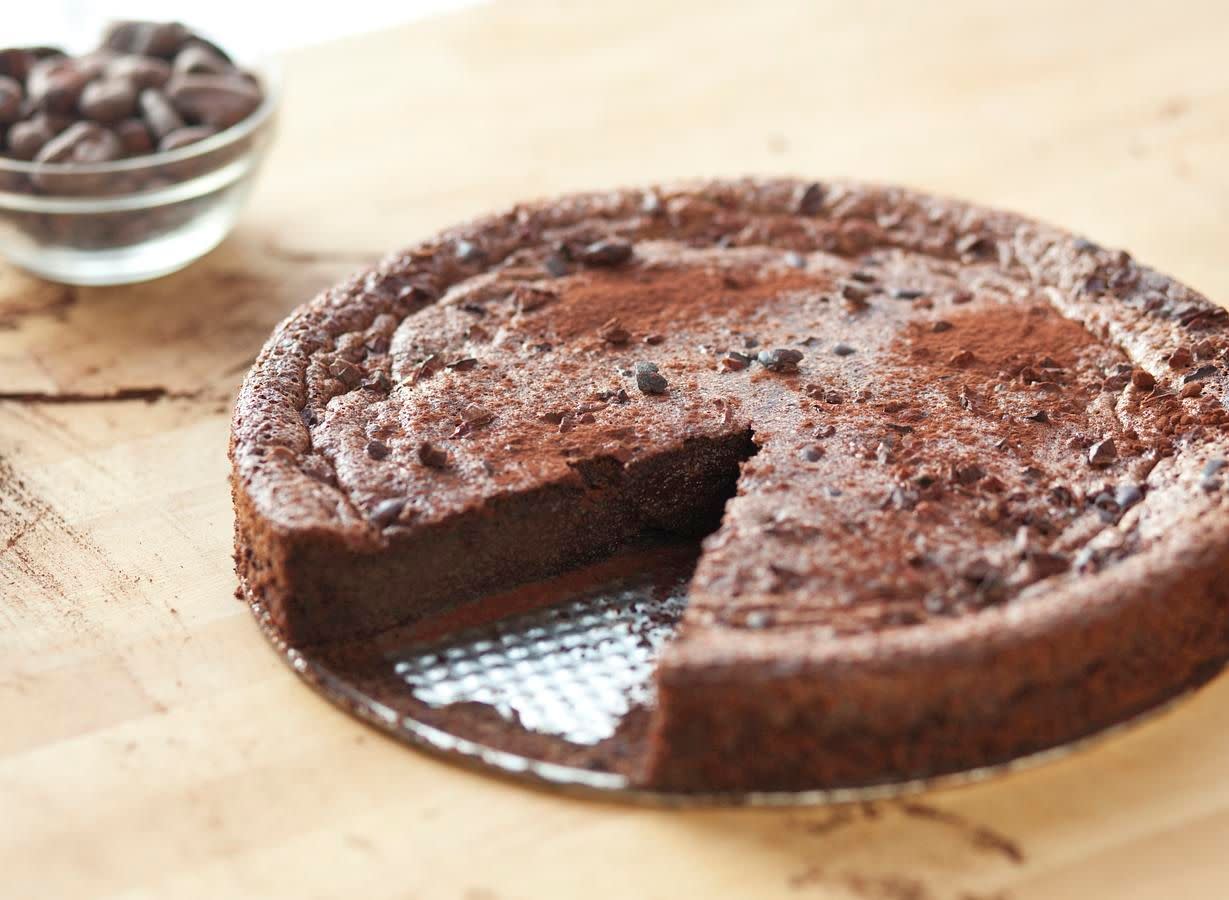
Flourless chocolate cake transforms simple ingredients—chocolate, eggs, sugar, and butter—into a decadent dessert perfect for Passover. This rich, fudgy cake satisfies chocolate cravings while adhering to Passover dietary restrictions.
Often topped with fresh berries or a dusting of cocoa powder, this elegant dessert proves that Passover desserts need not be compromised in flavor or presentation. It's a showstopping conclusion to the seder dinner.
22. Coconut macaroons
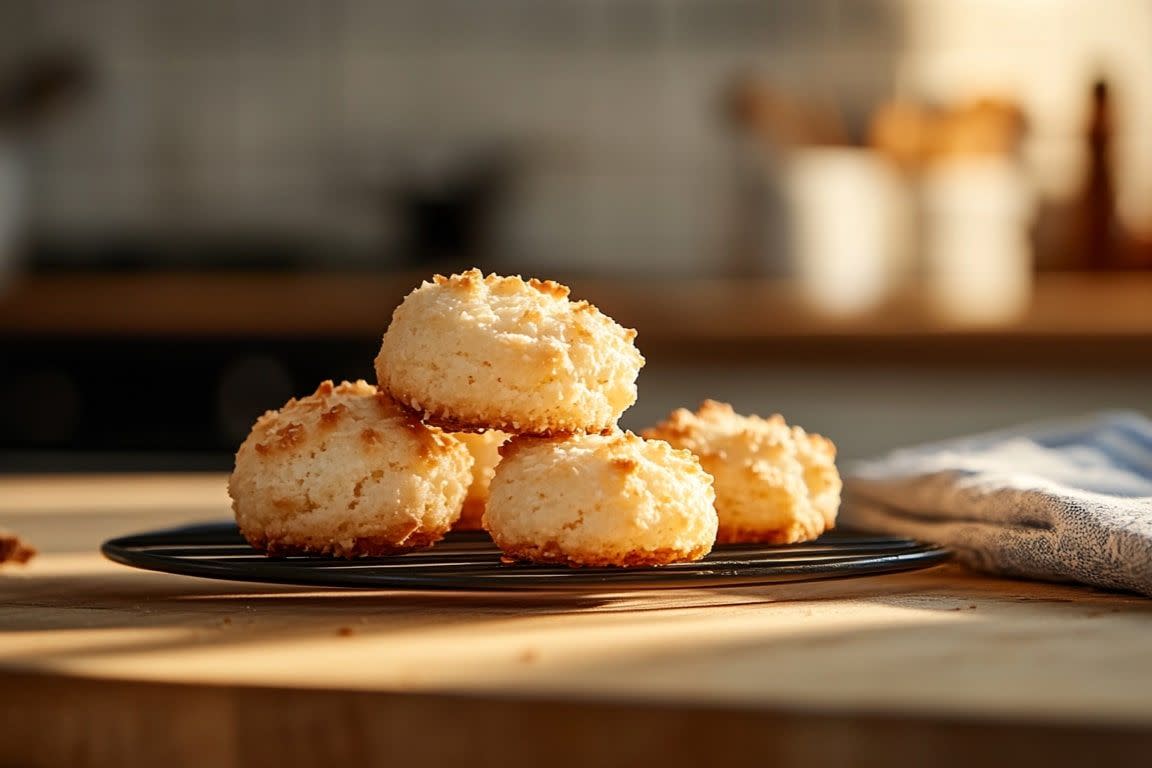
Coconut macaroons have become synonymous with Passover desserts due to their naturally flour-free recipe. These chewy treats are made from:
Shredded coconut: The main ingredient providing texture
Egg whites: Acting as a binder
Sugar: Adding sweetness
Optional chocolate dip: For an extra touch of indulgence
Their simple preparation and make-ahead convenience make them a practical choice for busy holiday preparations.
23. Chocolate-Covered Matzah
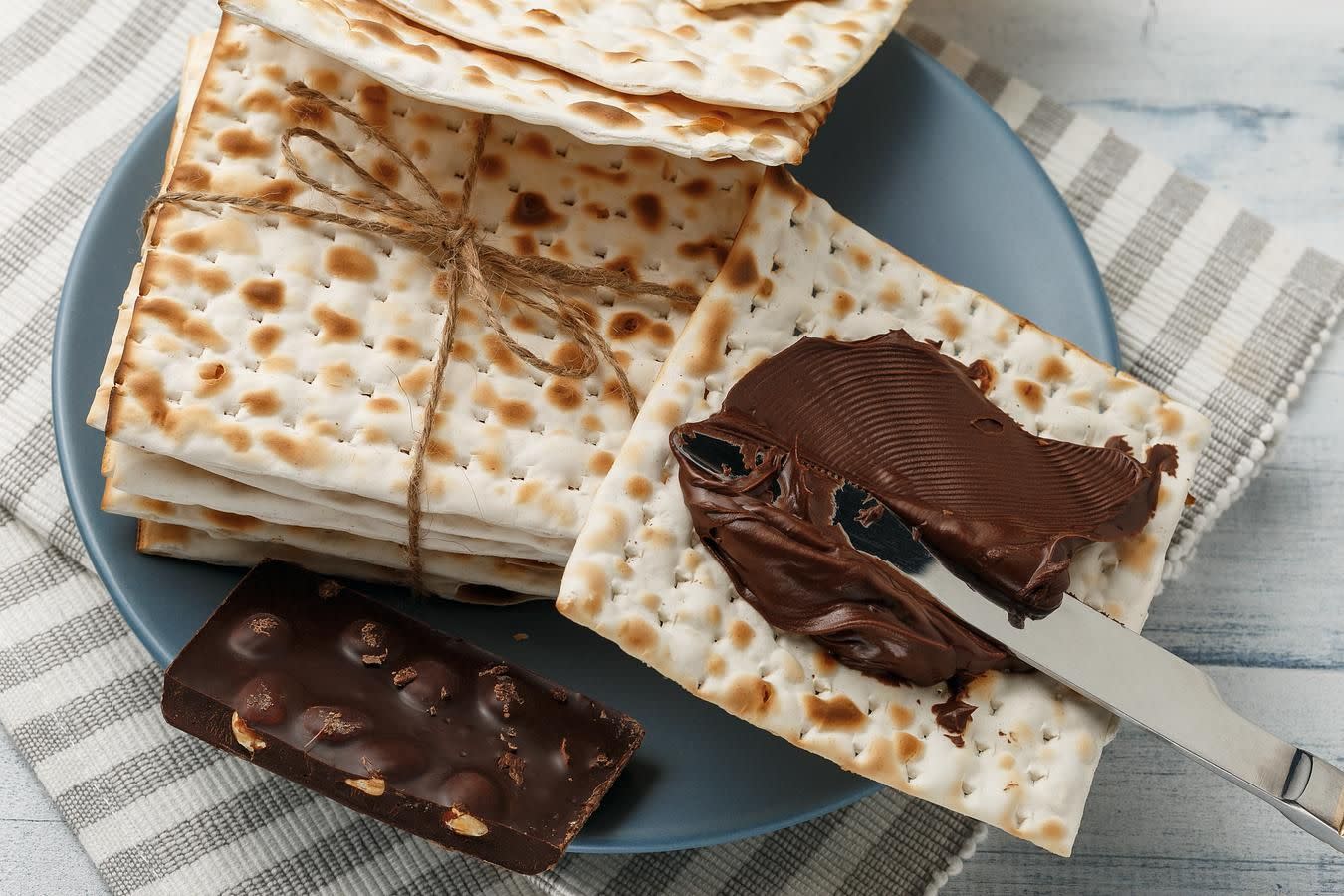
Chocolate-covered matzah transforms the plain bread of affliction into a crave-worthy treat. This simple dessert, sometimes called "matzah crack" for its addictive quality, offers a sweet conclusion to the Passover meal.
The contrast between the crisp matzah and smooth chocolate creates a satisfying textural experience. It helps use up extra matzah in the most delicious way possible and is easy enough for children to help prepare.
24. Meringue Cookies

Meringue cookies, made simply from whipped egg whites and sugar, create light, airy treats that are naturally kosher for Passover. These delicate confections can be flavored with vanilla, cocoa, or citrus zest for variety.
Their crisp exterior and slightly chewy interior make them a refreshing alternative to heavier Passover desserts. They're especially welcome after a substantial seder dinner meal.
25. Fruit Compote
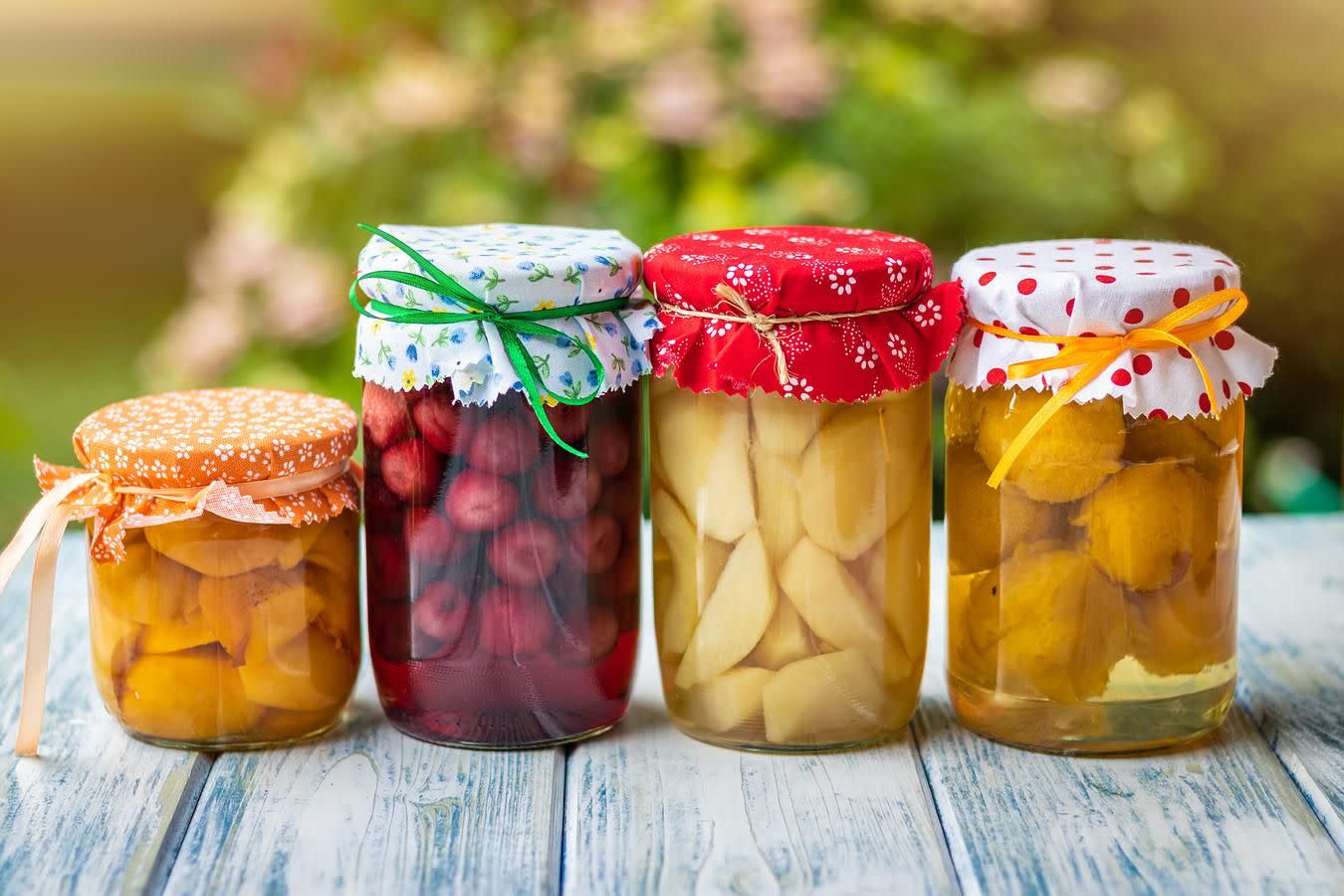
Fruit compote offers a lighter dessert alternative, featuring seasonal fruits gently simmered with honey, cinnamon, and perhaps a splash of kosher wine. This versatile dish can be served warm or chilled, making it practical for seder preparations.
The natural sweetness of fruits provides a refreshing conclusion to the meal. It still feels special enough for the holiday celebration while offering a healthier option among the Passover desserts.
Passover Menu Planning Tips
When planning your sedar meal, balance symbolic foods with practical considerations:
- Prep ahead: Many traditional dishes improve with time
- Consider dietary needs: Offer options for vegetarians and those with allergies
- Include make-ahead dishes: Focus on being present during the seder
- Balance flavors: Include both sweet and savory items
Make The Most Of Your Passover Celebration
Creating meaningful Passover meals connects us to centuries of tradition while allowing for personal touches. Whether you're hosting your first seder or continuing long-standing family traditions, focusing on the symbolic foods helps convey the holiday's messages.
For those looking to simplify preparations without sacrificing quality, CookUnity offers chef-crafted meals that can complement your Passover table. 35% of consumers sought more economical Passover options in 2025 due to inflation, underscoring the value of accessible meal solutions.
This Passover, consider which traditions matter most to your celebration. Whether you prepare everything from scratch or incorporate prepared elements, the most important ingredient is the meaning and connection shared around the seder dinner table.
Frequently Asked Questions About Passover Foods
Is the Passover Seder the same as a seder dinner?
Yes, the Passover Seder and seder dinner refer to the same ritual meal that takes place on the first one or two nights of Passover.
Are there kosher for Passover desserts that are easy to make?
Macaroons, flourless chocolate cake, and fruit compotes are simple desserts that naturally comply with Passover dietary restrictions.
What is a sedar meal?
A sedar meal (alternative spelling of "seder") is the ritual feast held at the beginning of Passover that includes specific foods, prayers, and the retelling of the Israelites' liberation.
When is Passover this year?
In 2025, Passover begins Apr 12, 2025 at sundown; ends at nightfall on Apr 20, 2025.

Be the first to know about new offers
Multiorder discounts, free items and more.