Back
Smart Fridges vs. Scheduled Delivery: Choosing the Right Meal Model for Industrial Facilities
CookUnity Individually Packaged Meals For Industrial Facility Employee
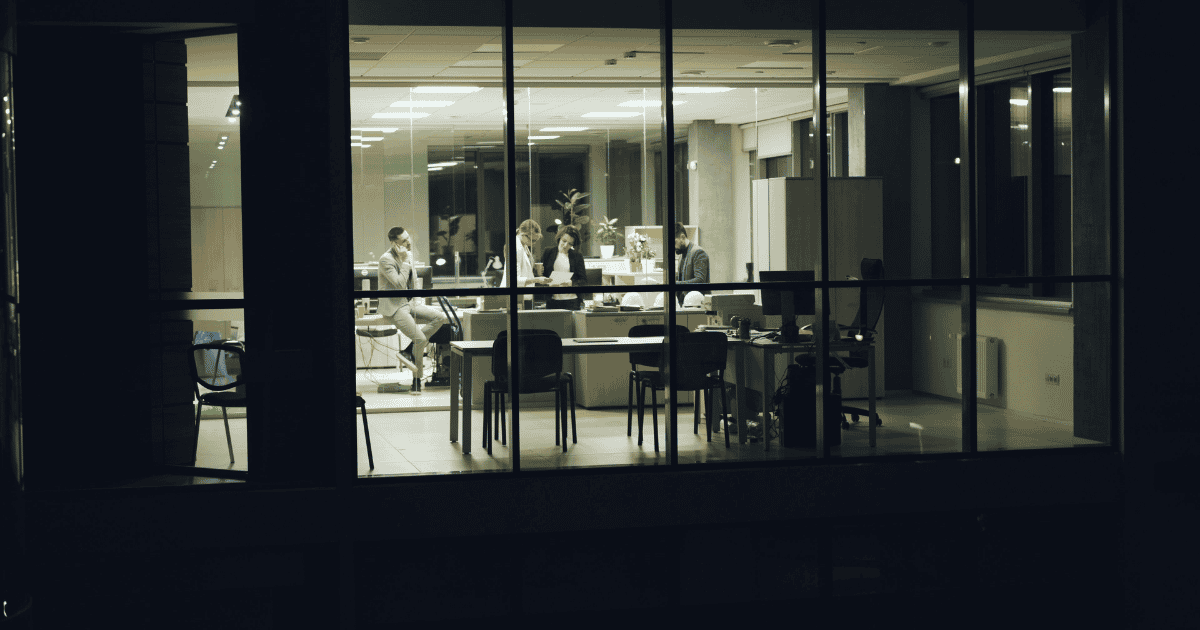
It is 2 a.m. at a plant that sits a long drive from the nearest restaurant. The cafeteria, if there is one, closed hours ago. An employee has a short break and nowhere to go. For human resources (HR) leaders at industrial facilities, this is the daily food problem for the people who keep operations running.
It is also a large group. According to the Bureau of Labor Statistics (BLS), 15 percent of wage and salary workers usually worked a non-daytime schedule in 2024-25. At a remote site, odd hours and distance combine, and employees often cannot step out to buy food.
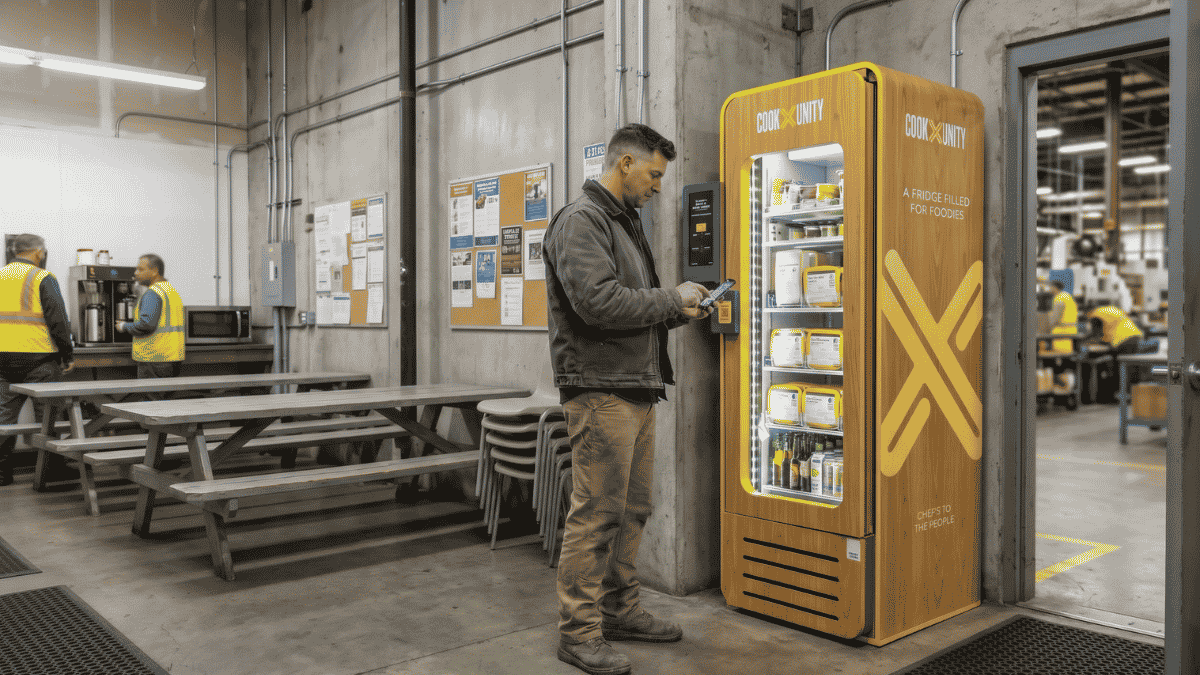
There are two practical ways to solve this without building a kitchen. A smart fridge keeps food and drinks stocked on site around the clock. Individually packaged meals, ordered in bulk when you need them, give you fresh food without keeping an appliance stocked all the time. This article focuses on individually packaged meals for industrial facility employees. It explains when each option fits and how to compare CookUnity with marketplace tools like ezCater and Uber Eats.
Key Takeaways
Employees on odd shifts at remote sites often cannot leave to buy food, so what the employer provides on site decides what they eat.
Individually packaged meals delivered in bulk suit facilities that need food from time to time. A smart fridge suits facilities that need food available at any hour.
Marketplace tools like ezCater and Uber Eats depend on restaurants and couriers near your site, so options can be thin in remote areas.
Compare total cost per employee meal, including fees, minimums, and lost break time, not just the menu price.
Why Is Food Access So Hard for Industrial Facility Employees?
Remote Sites and Odd Hours Remove the Option to Step Out
When the nearest restaurant is far away and shifts do not line up with restaurant hours, employees have limited choices: bring food from home, rely on vending machines, or skip the meal. An employer cannot control what people pack. It does control what is available on site.
What Does Research on Shift Workers Show?
The barriers show up in the research. A Safefood survey of 1,300 shift workers on the island of Ireland, reported by The Irish News, found that lack of breaks, shift patterns, poor availability of food, and tiredness from long working hours were the most common barriers to a healthier lifestyle. In manufacturing, 54% of workers reported skipping meals on workdays.
A qualitative study of 109 shift workers in hospitality, health care, and manufacturing named difficulty accessing healthy food and a lack of facilities for buying, storing, or preparing food among the main barriers. It also pointed to a supportive workplace environment as central to change.
This research comes from Ireland, but the barriers it describes are structural: short breaks, unpredictable schedules, and limited access to food.
What Are Individually Packaged Meals for an Industrial Facility?
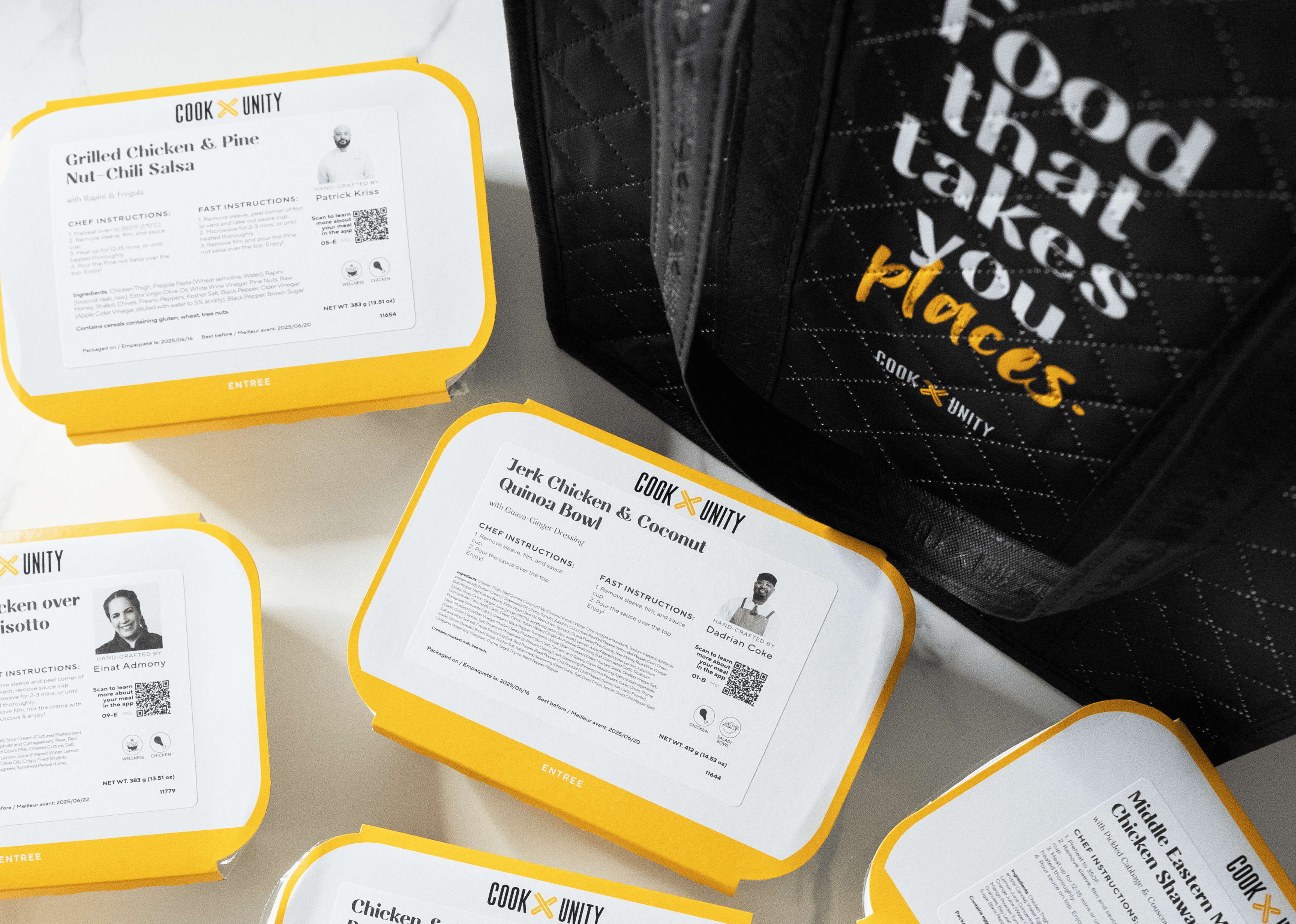
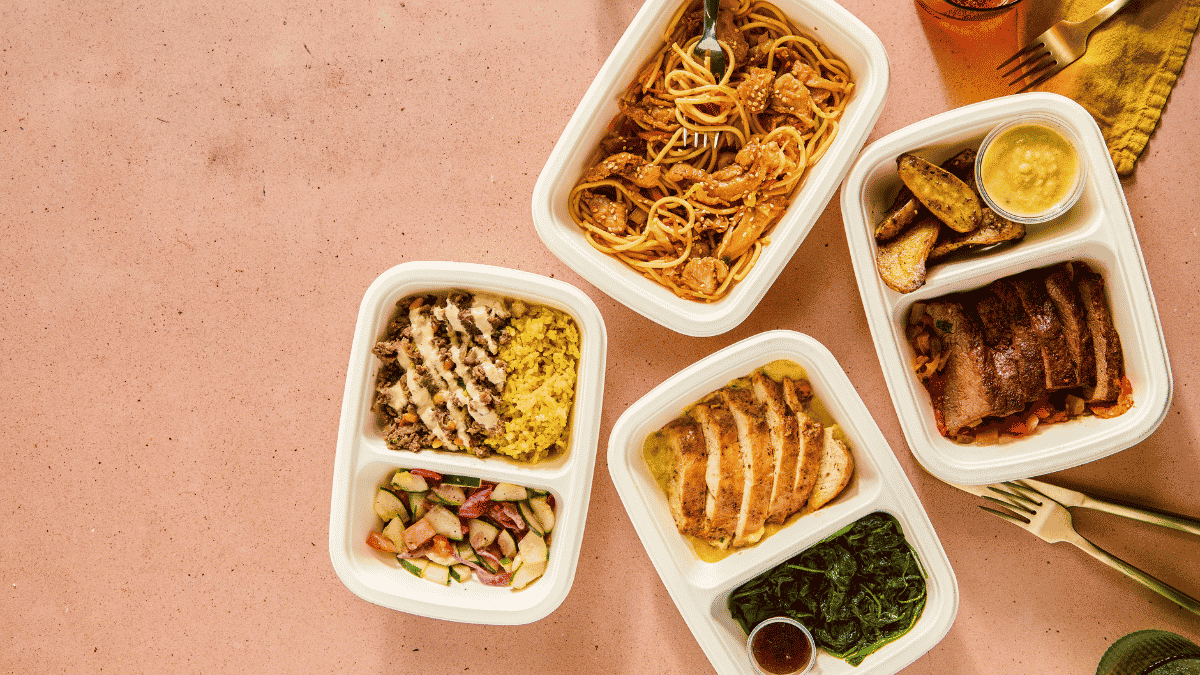
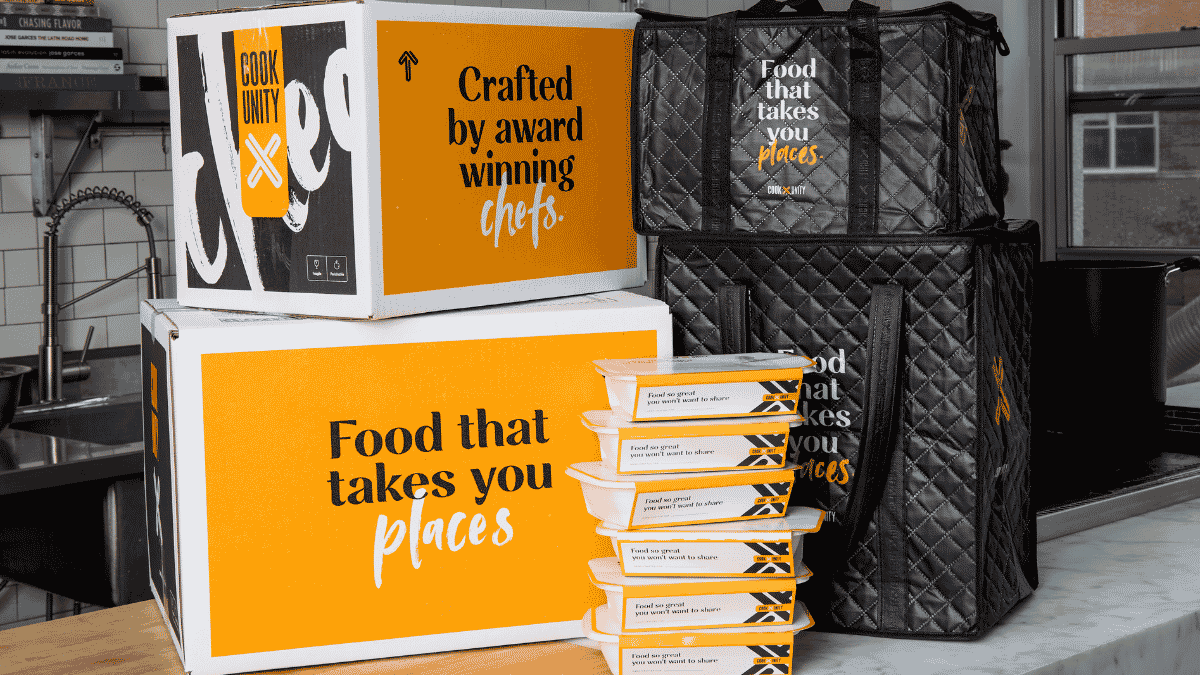
Individually packaged meals are fresh, chilled meals that arrive in single-serving containers. Each employee can take one, heat it, and eat when their break allows. CookUnity’s individually packaged meals arrive in insulated, recyclable packaging designed to stay fresh for 5 to 7 days, and the meals are reviewed by registered dietitians.
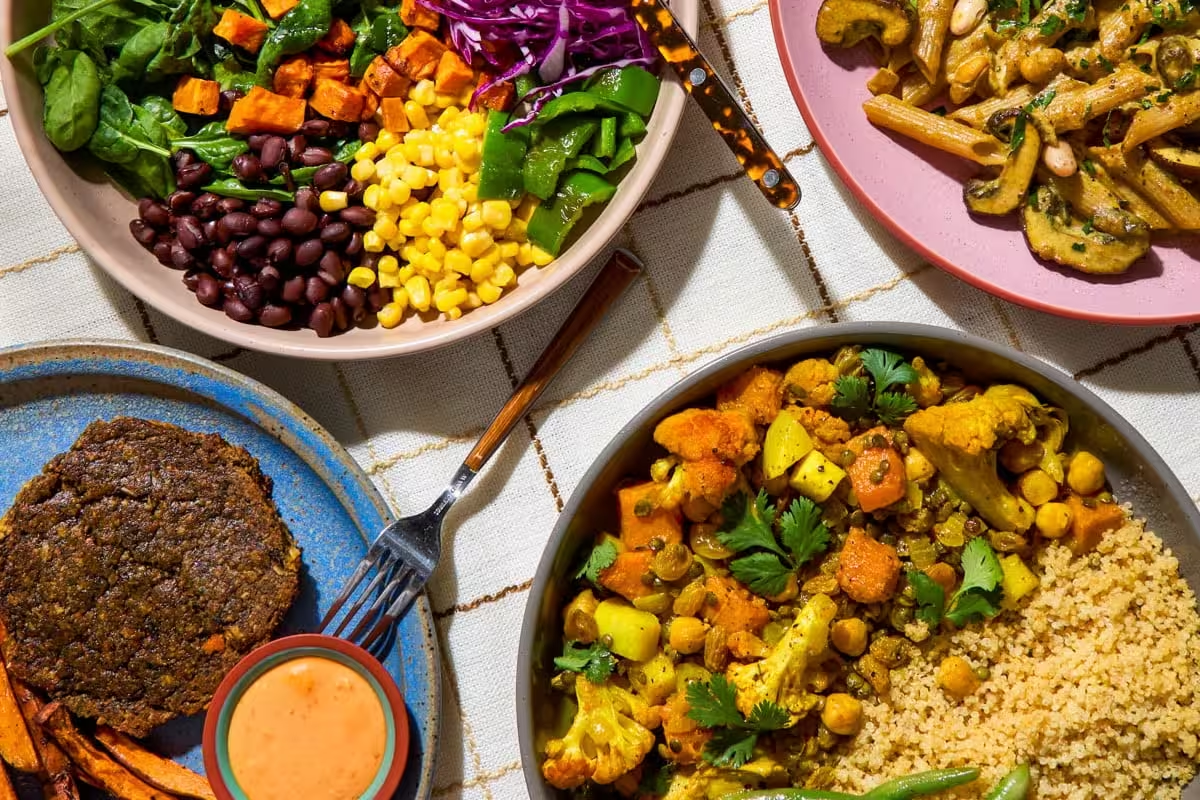
The meals come from award-winning chefs across 60+ cuisines and diets, so a workforce with different tastes and dietary needs has real choices. Orders range from 25 to 4,000+ meals, which means a small site and a large plant can both use the same model.
How Does a Bulk Order Work?
In general terms, the process looks like this:
Your team and CookUnity agree on the meal count, menu mix, and delivery date.
Meals arrive chilled, individually packaged, and labeled in one delivery.
Your site stores the meals in a refrigerator.
Employees heat a meal during their break.
You reorder when you need more.
What Do You Need on Site?
You need refrigerator space sized to your order and a way to heat meals, such as a microwave. Plan both before the first order, and ask your CookUnity account team to help size them for your facility.
Smart Fridge or Packaged Meals: Which Fits Your Facility?
CookUnity offers both. The Office Smart Fridge arrives stocked with food and drinks. CookUnity handles installation, stocking, and maintenance, and employees scan, grab, and go with no pre-orders. CookUnity describes it as a plug-and-play solution that needs no on-site staff, no kitchen build-out, and no reliance on local restaurants.
In CookUnity’s hospitality workplace case study, more than 25% of smart fridge purchases happened after 6 p.m. Employees there also saved about 30 minutes each on lunch. One employee said there was “literally nothing around our hotel” reachable within a break. That is the same problem remote industrial sites face.
Which one fits depends on how often your employees need food.
A smart fridge fits when:
Employees across several shifts need food at any hour.
Demand is steady from day to day.
You want usage data to adjust what is stocked.
Bulk packaged meals fit when:
You need food from time to time, such as a planned shutdown, a seasonal ramp-up, or a training day.
You would rather not keep a fridge stocked continuously.
You want to place an order only when the need arises.
How Do Individually Packaged Meals Compare With ezCater and Uber Eats?
Both ezCater and Uber Eats are well known, and both work well where restaurants are close. The question for a remote facility is how far each model reaches.
ezCater
ezCater is an online marketplace that connects businesses with local restaurants and caterers. According to ezCater’s customer FAQ, you enter your delivery address and date, then see the restaurants that serve your area. Restaurants set their own delivery prices, menus show each restaurant’s delivery fee and order minimum, and some restaurants add an automatic gratuity.
Uber Eats for Business
Uber for Business lets employers set up group orders or meal programs with time, day, budget, and location restrictions. Employees then order through Uber Eats. Uber notes that availability is subject to location, and that the organization is charged the usual costs of placing orders on Uber Eats.
Where Does a Single-Vendor Packaged Meal Program Differ?
Both tools rely on restaurants and couriers near your site, operating at the hours they keep. If your plant is far from the nearest restaurant, or your shift change falls at 3 a.m., you may find few or no options. A packaged meal program does not depend on a nearby restaurant being open. Meals are planned ahead, delivered in bulk, and stored on site, ready when employees are. Delivery is available across most of the US, so confirm coverage for your exact address before you commit.
What Does a Better and Cheaper Meal Service Really Mean?
The menu price rarely tells the full story. When you compare providers, build the cost per employee meal from every part:
The menu price per meal
Delivery fees and service fees
Tips or automatic gratuity
Order minimums
Meals ordered but not eaten
Break time employees lose if they have to leave the site to eat
A built-in cafeteria is another option, but it carries a different price tag. Modular Culinaire reports that commercial kitchen construction typically costs $250 to $500 per square foot, with equipment adding $40,000 to $200,000, and that construction can take 9 to 18 months.
Employers can fund programs anywhere from a $50 monthly subsidy to company-wide coverage. Ask every provider for an all-in per-meal price at your address, then compare.
What Should HR Leaders Ask Before Choosing a Provider?
Can you deliver to my exact address, and at what times?
What is the all-in cost per meal, including fees, minimums, and gratuity?
How are meals packaged and labeled, and how long do they stay fresh?
How do you handle dietary needs and allergens?
What do we need on site, such as refrigerator space and a way to heat meals?
How fast can we place a first order, and how do we reorder?
Who supports us when something goes wrong?
How Does CookUnity Support Industrial Facility Employees?
CookUnity is the first meal delivery led by world-class chefs, and its meal programs are built for workplaces that do not fit the usual office model. With 130+ chefs, up to 400+ weekly meals in the largest markets, 60+ cuisines and diets, and 7 kitchen locations, CookUnity gives employees real variety. Meals are fresh, never frozen, and delivery is available across most of the US with 98% on-time delivery.
Facilities can choose bulk packaged meals, an Office Smart Fridge, or a plan that fits their schedule. CookUnity handles the food side, so your HR and facilities teams do not have to run a food program. Request a tasting or explore our corporate meal programs to see what a program could look like for your facility.
Frequently Asked Questions
What are individually packaged meals for industrial facilities?
Individually packaged meals are fresh, chilled, single-serving meals delivered in bulk to a workplace. Employees take one from the refrigerator, heat it, and eat during their break. They suit facilities in remote areas or with odd shift hours, where employees cannot easily leave to buy food.
How long do CookUnity’s packaged meals stay fresh?
CookUnity’s corporate pages describe packaging designed to keep meals fresh for 5 to 7 days. Meals should be stored in a refrigerator and heated before eating.
How is a bulk meal order different from a smart fridge?
A bulk order delivers a set number of meals when you need them, which fits facilities that need food from time to time. A smart fridge is stocked with food and drinks that employees can take at any hour, which fits facilities with steady demand across several shifts. CookUnity handles installation, stocking, and maintenance for the smart fridge.
Can CookUnity deliver to a remote facility?
Delivery is available across most of the US. Coverage depends on your exact location, so ask your CookUnity account team to confirm delivery to your address and the delivery windows available.
How does CookUnity compare with ezCater and Uber Eats for a remote site?
ezCater and Uber Eats connect you with restaurants and couriers near your site, so options depend on what is nearby and open. CookUnity delivers planned, individually packaged meals in bulk from its own kitchens, so you are not relying on a local restaurant being open at the hour your employees need to eat.
How much do CookUnity corporate meals cost, and can employers subsidize them?
CookUnity corporate meals have flexible pricing, and orders range from 25 to 4,000+ meals. Employers can fund programs through a monthly subsidy or cover meals company-wide. Ask for an all-in quote for your address so you can compare total cost per meal.

Be the first to know about new offers
Multiorder discounts, free items and more.