Back
Traditional Southern cuisine from soul food to Cajun classics
Southern food is bold, soulful, and rooted in resilience. It’s where fried chicken sizzles with history, gumbo tells stories of cultural fusion, and cornbread soaks up every last drop of flavor. Born from African, European, and Indigenous traditions, Southern cuisine transforms humble ingredients into deeply comforting, unforgettable meals.
Below, you’ll explore the rich heritage of traditional Southern cooking—from soul food staples to Cajun classics—and discover how modern chefs are honoring (and reimagining) Southern American dishes today. We’ll dig into iconic dishes, regional specialties, and chef-crafted meals that bring authentic Southern flavor straight to your door.
Key takeaways:
Southern cuisine is rooted in the fusion of African, European, and Indigenous cooking traditions, resulting in bold, comforting dishes that reflect the region’s layered cultural history.
Soul food and Cajun cooking represent two cornerstone styles of Southern food, each with its own origins, techniques, and iconic dishes—from fried chicken to gumbo.
Regional flavors across the South—like Lowcountry seafood and Appalachian preservation—highlight how geography, climate, and local ingredients shape distinctive Southern styles.
Modern chefs are reinventing Southern comfort food with lighter techniques, plant-based twists, and global influences, all while preserving the soul of traditional Southern cooking.
How Southern cuisine became a cultural icon
Southern cuisine is more than a regional cooking style. It’s a culinary legacy shaped by resilience, creativity, and deep cultural roots. Over centuries, it evolved through the fusion of Indigenous American, African, and European food traditions, each bringing essential ingredients, techniques, and stories to the Southern table.
Enslaved Africans introduced key elements like slow-simmering methods and ingredients such as okra, black-eyed peas, and leafy greens. European settlers contributed frying, baking, and preserving techniques, along with pork, wheat, and dairy. Indigenous peoples shared knowledge of native crops including corn, squash, and beans, staples that continue to define Southern comfort food.
What emerged is a cuisine built on resourcefulness and bold flavor, where every dish reflects a history of adaptation and survival. Southern cooking has long embraced the idea of making the most of what is available, transforming humble ingredients into meals that are deeply satisfying and widely celebrated.
Signature soul food and Cajun favorites
Soul food and Cajun cuisine are two cornerstone traditions of Southern cooking, each with its own rich history and unmistakable flavors. While distinct in origin and style, both reflect the region’s resourcefulness and deep cultural roots.
Soul food grew out of African American communities in the South, where cooks turned limited resources into deeply satisfying meals. Techniques like slow braising, frying, and seasoning with smoked meats helped transform humble ingredients—collard greens, black-eyed peas, and cornmeal—into iconic Southern dishes still cherished today.
Cajun cuisine traces its roots to the French-speaking Acadians who resettled in Louisiana after being expelled from Canada. These settlers adapted their Old World techniques to the Gulf Coast’s ingredients, resulting in bold, rustic dishes built on staples like rice, seafood, sausage, and the aromatic “holy trinity” of onions, celery, and bell peppers.
Together, soul food and Cajun cooking showcase how cultural identity, local ingredients, and culinary ingenuity shaped Southern American dishes into the flavorful traditions we know today.
1. Fried chicken and smothered meats
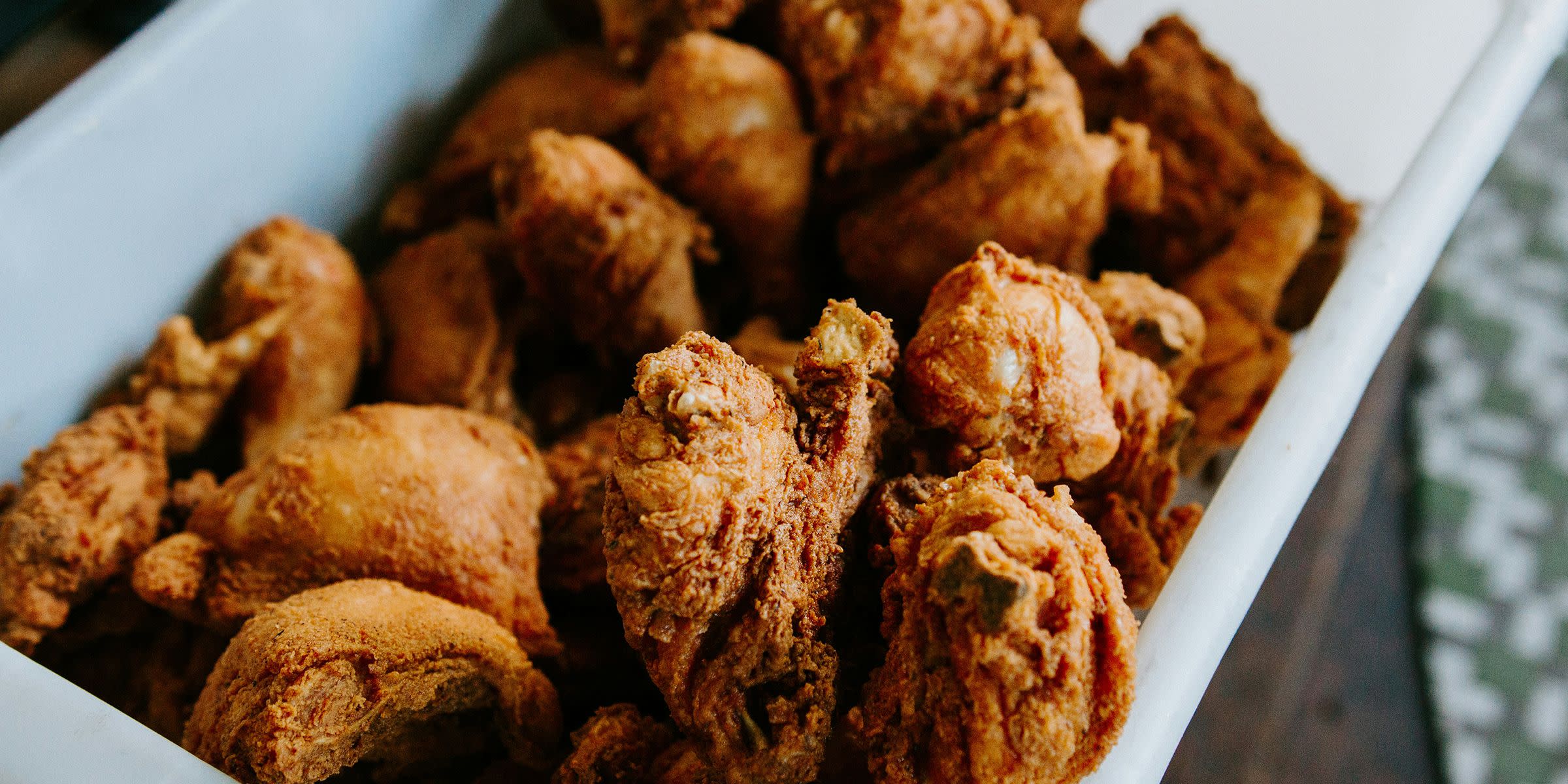
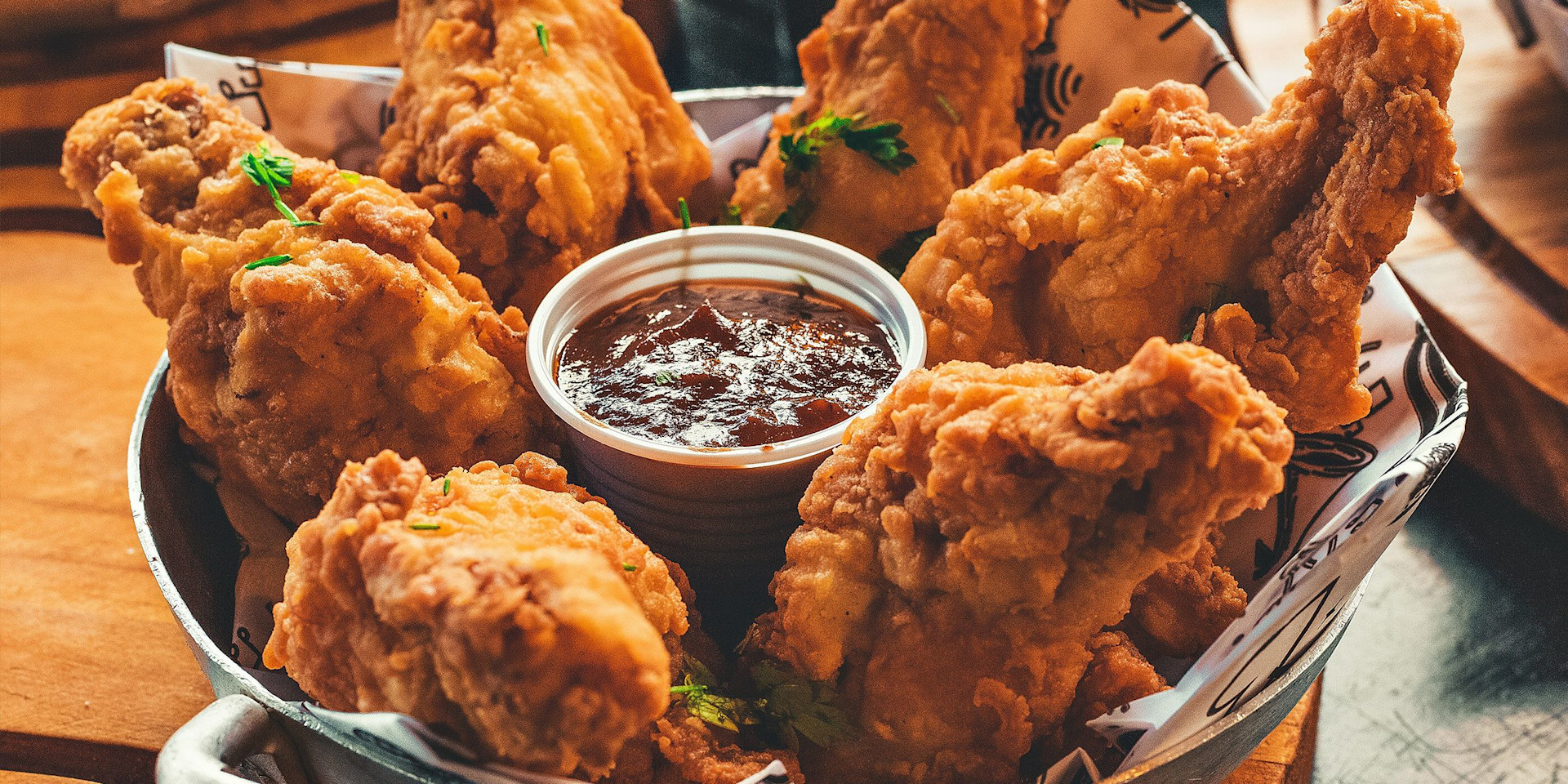
Southern fried chicken might just be the most iconic dish in Southern cooking—crispy on the outside, juicy on the inside, and packed with flavor. Traditionally, it starts with a buttermilk brine to tenderize the meat and infuse it with tang, followed by a coating of seasoned flour and deep frying to golden perfection.
Perfected by enslaved African American cooks, this technique turned humble ingredients into something extraordinary. Across the South, regional variations reflect local flair:
Spice blends like paprika, garlic powder, and onion powder
Heat elements including cayenne or a dash of hot sauce
Coating twists such as cornmeal mixed into the flour for added crunch
For a deep dive into the art of frying chicken just right, explore our guide to Perfect Southern Fried Chicken, where our chefs share their go-to techniques for mastering the crust, seasoning, and sizzle.
Want the flavor without the frying? Try Chef Chris Ratel’s Southern Fried Chicken with Spicy Honey, a chef-crafted twist on the classic. His signature spice rub brings the bold, the pan-fried crust brings the crunch, and the hot honey drizzle brings the sweet heat. Served with creamy buttermilk mashed potatoes, this is Southern comfort delivered straight to your door.
2. Gumbo and jambalaya
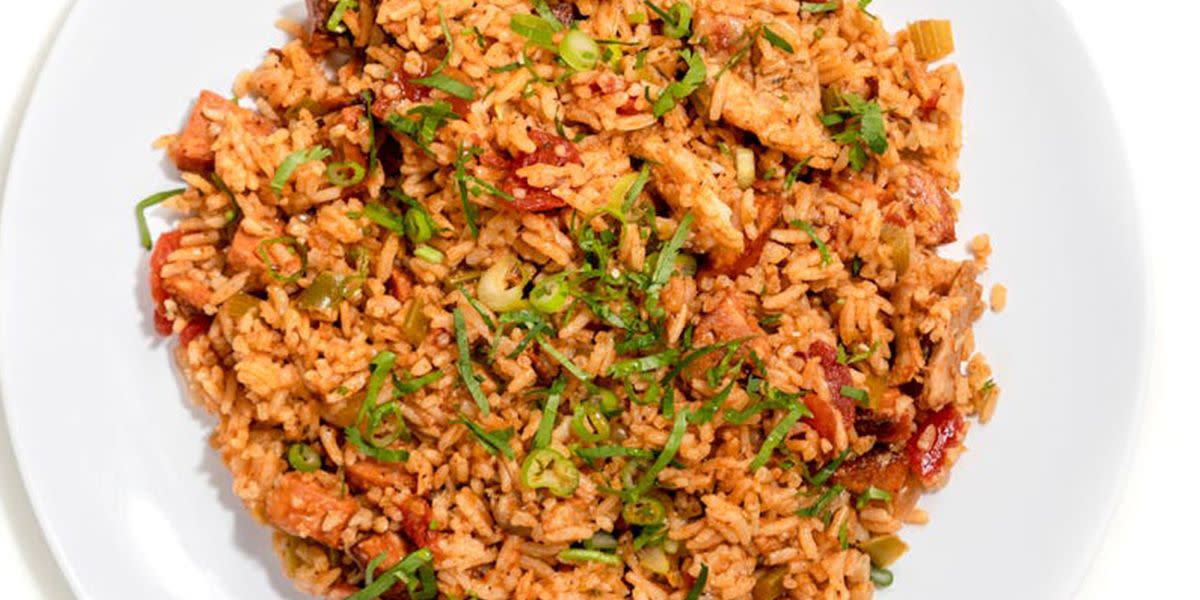
Gumbo and jambalaya are cornerstones of Louisiana cooking, each a flavorful reflection of the region’s multicultural heritage.
Gumbo begins with a roux—a slow-cooked mixture of fat and flour that adds depth and richness to the stew. The "holy trinity" of Cajun and Creole cooking—bell peppers, onions, and celery—builds aromatic complexity, while okra or filé powder (ground sassafras leaves) adds thickness and body. It’s hearty, soulful, and often loaded with shrimp, sausage, or chicken.
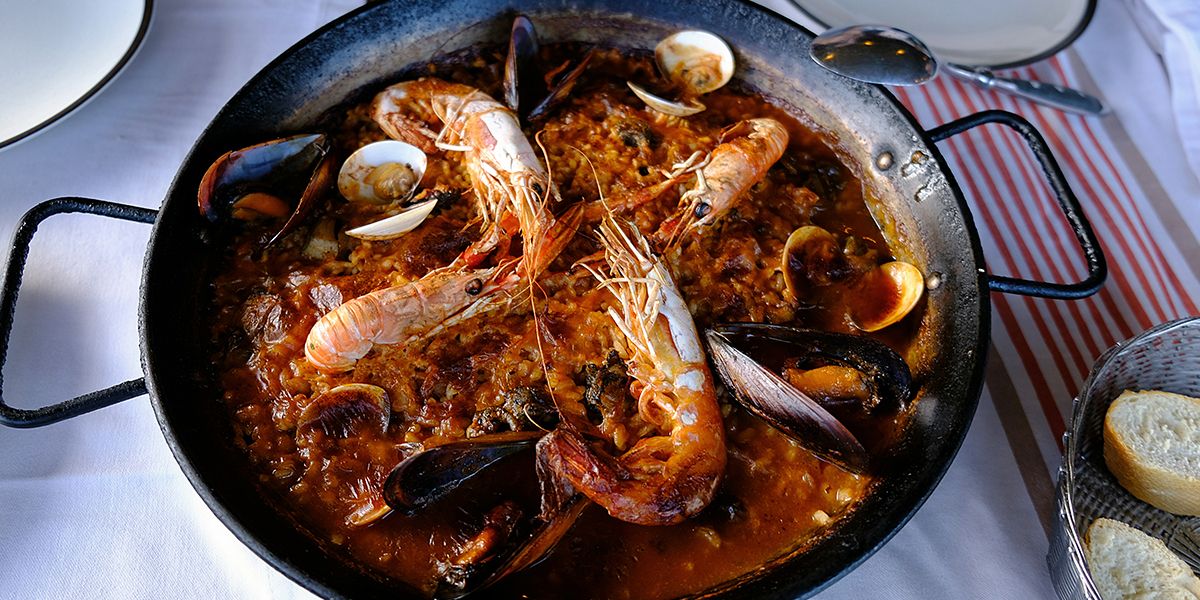
Jambalaya, on the other hand, is a rice-based one-pot meal that draws inspiration from Spanish paella. It blends the same aromatic base with long-grain rice and proteins like:
Andouille sausage
Chicken thighs
Seafood (shrimp, crawfish, oysters)
Both dishes showcase the South’s signature blend of African, European, and Indigenous cooking traditions—and both are endlessly adaptable based on what’s fresh, seasonal, or on hand.
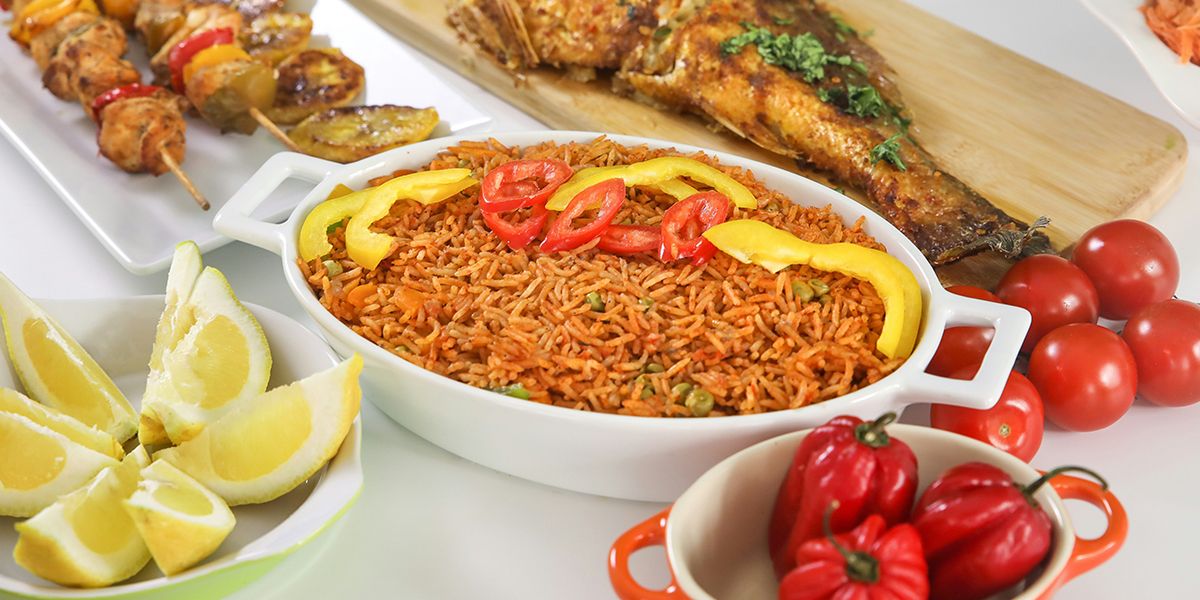
Want to taste this Louisiana classic without spending hours over the stove? Chef Chase Evans’ Creole Chicken & Andouille Sausage Jambalaya brings the bold flavors of the Gulf Coast right to your table. Made with tender jasmine rice, smoky sausage, juicy chicken, and the holy trinity, this dish is finished with roasted tomatoes for a balanced, savory depth. It’s a craveable taste of New Orleans—no plane ticket (or prep) required.
3. Collard greens and cornbread
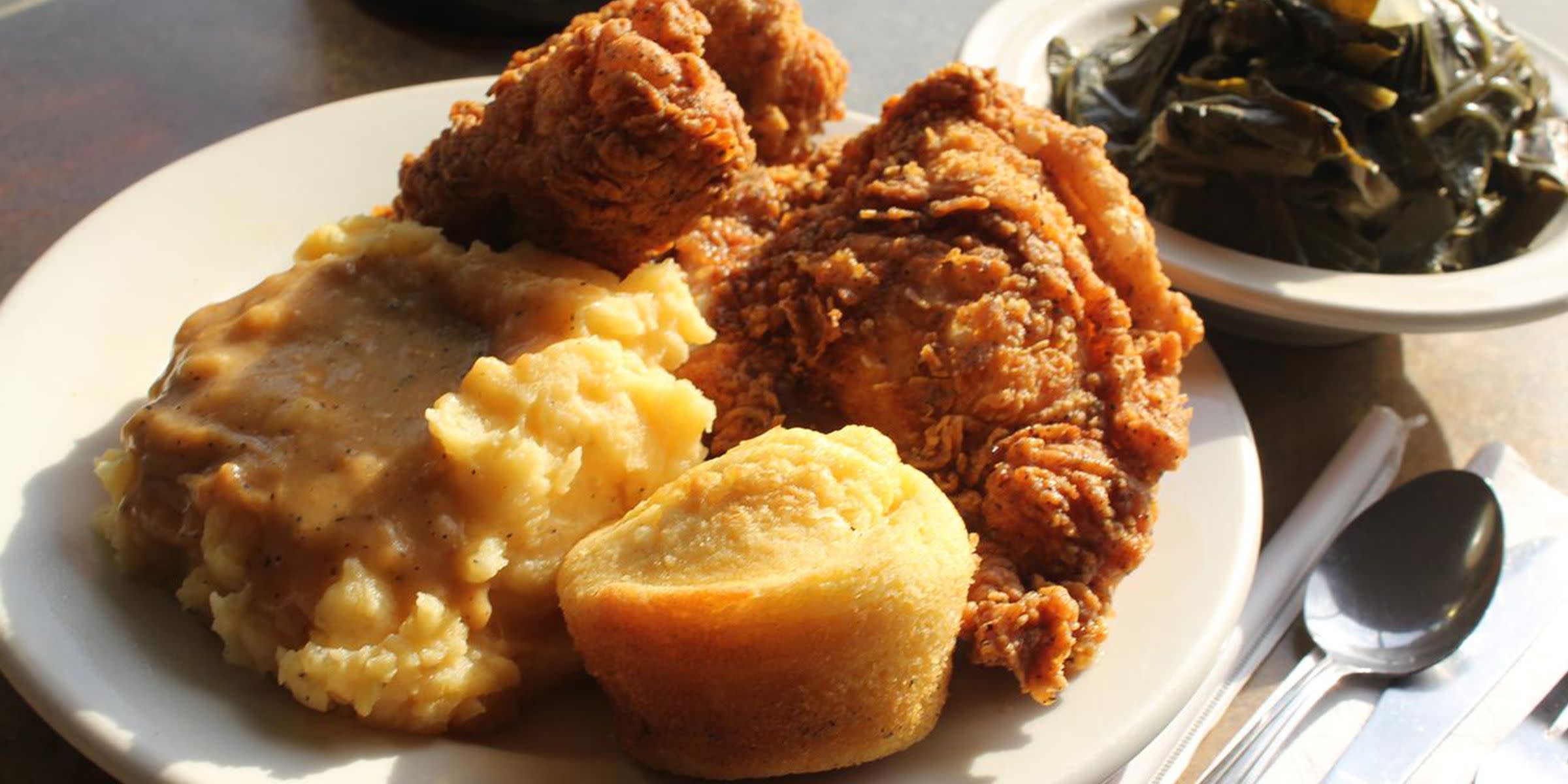
Few Southern dishes feel more rooted in tradition than collard greens and cornbread. Together, they reflect the ingenuity and resilience at the heart of Southern comfort food.
Collard greens, a hardy, nutrient-rich green similar to kale, became a staple in Southern kitchens thanks to their ability to thrive year-round. Traditionally, they’re simmered low and slow with pork—often ham hocks or salt pork—until meltingly tender. The result? A rich, savory broth known as pot liquor, prized for its depth of flavor and soaked up with a wedge of cornbread.
Cornbread, meanwhile, traces its roots to Indigenous American foodways. Made with stone-ground cornmeal and typically little or no sugar, Southern-style cornbread is often baked in cast iron for that golden, crisp edge. A splash of buttermilk gives it signature tang and tenderness.
Want to enjoy this soulful pairing without turning on the oven? Explore our weekly menu to discover chef-crafted Southern classics—from smoky greens to golden cornbread—delivered fresh and ready to savor.
How regions in the South shape flavor
Southern food isn’t one-size-fits-all. It’s a vibrant mosaic of regional traditions, each shaped by geography, local ingredients, and cultural heritage. From the seafood-rich Lowcountry to the smokehouses of the Deep South to the preservation-savvy kitchens of Appalachia, Southern cooking reflects the land and the people who’ve called it home. These regional differences give Southern cuisine its depth, diversity, and unmistakable flavor.
Region | Key ingredients | Signature dishes | Cooking methods |
|---|---|---|---|
Lowcountry | Seafood, rice | Shrimp and grits, Frogmore stew | Steaming, boiling |
Louisiana | Bell peppers, okra, cayenne | Gumbo, étouffée | Slow cooking, roux-based |
Appalachia | Beans, corn, pork | Soup beans, cornbread | Slow cooking, preserving |
Deep South | Pork, greens, sweet potatoes | Fried chicken, BBQ | Frying, smoking |
1. Lowcountry specialties
The Lowcountry region—stretching along the coasts of South Carolina and Georgia—is known for a distinctive cuisine built on seafood and rice. This culinary tradition took shape through the area’s tidal marshes, rivers, and Atlantic access, paired with the rice-growing knowledge brought by enslaved West Africans.
Rice became a cornerstone of Lowcountry cooking, showing up in beloved dishes like Hoppin’ John (a flavorful mix of rice and field peas) and creamy rice pudding. Seafood also plays a starring role, especially in shrimp and grits, where sweet local shrimp are served over buttery, stone-ground grits.
For a chef-crafted take on this coastal tradition, try Chef Santiago Lopez’s Southern Low Country Boil with Shrimp. His version blends plump shrimp, tender potatoes, corn, and classic Southern spices into a rich, comforting broth that delivers the flavor of the Lowcountry—no travel required.
2. Louisiana Creole influences
While Cajun and Creole cuisines are often mentioned together, they represent distinct Southern culinary traditions shaped by different cultural histories. Creole cuisine developed in New Orleans, a city defined by its cosmopolitan blend of French, Spanish, African, Caribbean, and Indigenous influences.
One key difference? Tomatoes. Creole dishes often feature them, setting them apart from their tomato-free Cajun counterparts. Signature Creole staples include:
Étouffée – A roux-thickened stew, often made with crawfish or shrimp
Red beans and rice – A Monday tradition using Sunday’s leftover ham bone
Creole jambalaya – A richly spiced, tomato-based rice dish with sausage, seafood, or chicken
These dishes showcase the complexity of Creole cooking—flavorful, layered, and rooted in community.
For a true taste of this tradition, try Chef Chase Evans’ Creole Chicken & Andouille Sausage Jambalaya. His take features tender chicken thighs, smoky Andouille sausage, and the classic “holy trinity” of bell pepper, celery, and onion, all simmered with rice in a bold tomato-based broth. It’s authentic Creole flavor delivered fresh to your table, no trip to the bayou required.
3. Appalachian comforts
Appalachian cuisine was born in the rugged mountain communities stretching from southern New York to northern Georgia, where isolation and limited resources shaped a food culture built on preservation, foraging, and ingenuity. This is Southern food at its most self-sufficient—and deeply comforting.
Beans and corn form the core of many Appalachian staples, with dishes like soup beans—pinto beans slow-cooked with ham hocks or salt pork—served alongside skillet-baked cornbread. Preservation techniques brought by Scottish, Irish, and German settlers—like canning, smoking, and pickling—remain central to the region’s culinary identity.
Foraged foods are another hallmark: ramps (wild leeks), morel mushrooms, and pawpaws (a native fruit with tropical notes) often make seasonal appearances in traditional recipes. Sweeteners like sorghum syrup—a molasses-like extract from a hearty grain—are used in everything from baked goods to glazes.
Rooted in necessity but rich with tradition, Appalachian cooking proves that humble ingredients, treated with care, can become something truly memorable.
Modern spins on Southern comfort food
Today’s chefs are breathing new life into traditional Southern comfort food, honoring its deep roots while reimagining it for modern tastes and lifestyles. From lighter cooking methods to plant-based swaps, these fresh takes prove that Southern cuisine is anything but stuck in the past.
Whether it’s baked instead of fried, loaded with seasonal produce, or crafted without meat or dairy, modern Southern food keeps the soul while evolving the form. This culinary evolution reflects both a respect for tradition and a spirit of innovation, core values in Southern cooking since the beginning.
If you’re craving the flavor without the flour-covered counters, explore our lineup of American comfort meals. They’re chef-crafted, comfort-packed, and delivered fresh to your door—so you can enjoy the best of Southern food without lifting a finger.
1. Lighter cooking approaches
Modern Southern cooking embraces tradition without the heaviness. Chefs across the South are lightening up beloved dishes while keeping the flavor—and the soul—intact.
Common updates include:
Baking instead of frying: Achieving golden, crispy textures with less oil
Reducing fats: Scaling back on butter or lard while preserving richness through herbs, spices, and slow-cooked techniques
Showcasing produce: Leaning into local, seasonal vegetables that bring freshness and balance to classic Southern plates
Southern cuisine has always been vegetable-forward. The long-standing “meat and three” tradition—one protein and three sides—highlights how greens, legumes, and root vegetables have been at the heart of Southern food for generations. Today’s chefs are simply building on that legacy in fresher, lighter ways.
2. Vegetarian or vegan adaptations
Southern food may have deep roots in meat-centric cooking, but today’s chefs are proving that comfort doesn’t have to come with a side of pork fat. Across the South, plant-based interpretations of classic Southern dishes are bringing bold flavor and creative flair to the table.
From smoky “pulled” mushroom BBQ to coconut milk–based grits and dairy-free mac and cheese, these dishes capture the essence of Southern comfort food while catering to modern, plant-forward diets.
Common swaps include:
Mushrooms or jackfruit in place of pulled pork or chicken for hearty texture and umami depth
Coconut or oat milk to replace dairy in rich sauces and baked goods
Smoked paprika, nutritional yeast, and tamari to layer in deep, savory flavor without meat
These reimagined dishes stay true to the soul of Southern cooking—resourceful, flavorful, and meant to be shared.
Sides and desserts that complete the meal
In Southern cuisine, sides and desserts aren't afterthoughts but essential components that complete the dining experience. These supporting dishes often showcase seasonal produce and preserved foods, reflecting the region's agricultural heritage.
1. Beloved side dishes
In Southern comfort food, the sides often shine just as brightly as the mains. These dishes highlight the region’s agricultural roots and reflect generations of culinary ingenuity.
Mac and cheese is a Southern staple with countless regional spins, from ultra-sharp cheddar in the Carolinas to green chiles added in Gulf Coast kitchens. Creamy, gooey, and often baked to golden perfection, it's a dish that rarely plays second fiddle.
Black-eyed peas, brought to the South through African food traditions, show up in classics like Hoppin’ John and Texas caviar. They're hearty, earthy, and packed with symbolic meaning, often eaten for good luck on New Year’s Day.
Okra—a true Southern staple—stars in dishes both humble and elevated:
Fried with a crisp cornmeal crust
Stewed with tomatoes for a rich, savory side
Pickled and served cold or as a garnish
Simmered in gumbo, where it adds both texture and thickening power
These sides aren’t just accompaniments. They’re central to the Southern table, offering comfort, color, and bold flavor in every bite.
2. Classic Southern sweets
No Southern meal feels complete without something sweet. And in Southern cooking, dessert is more than just a formality. It’s a warm welcome, a family tradition, and often the most anticipated part of the meal.
Sweet potato pie is a soul food classic. Its smooth, spiced custard filling, rooted in African American culinary tradition, brings warmth and depth with every bite.
Pecan pie, made with buttery pastry and a rich, syrupy filling, highlights one of the South’s most beloved native ingredients. Served at holidays and Sunday suppers alike, it’s a staple of Southern dessert tables.
And then there’s banana pudding, a layered dream of vanilla custard, cookies, and ripe bananas. It’s nostalgic, creamy, and endlessly comforting, often topped with a cloud of whipped cream or meringue.
Southern desserts reflect the region’s agricultural richness and deep hospitality.
Bringing it all together
Southern cuisine is more than a collection of recipes—it’s a living tradition shaped by resilience, regional identity, and cultural exchange. Rooted in African, European, and Indigenous foodways, it reflects the history and heart of the American South in every bite.
From coastal seafood boils to slow-simmered mountain stews, Southern food celebrates local ingredients, bold flavors, and the art of making something extraordinary out of what’s on hand. Each region adds its own twist, creating a rich, soulful mosaic of Southern cooking styles.
At CookUnity, we bring that diversity to your table with chef-crafted meals that honor tradition while embracing creativity. From Chef Chris Ratel’s crispy Southern Fried Chicken to Chef Chase Evans’ Creole Crawfish Étouffée, our weekly menu is filled with Southern classics reimagined by real chefs.
Craving comfort without the cooking? Explore the menu and let us deliver the best of the South—fresh, flavorful, and made with love—right to your door.
Frequently asked questions about traditional Southern cuisine
What are good substitutes for traditional Southern ingredients?
Use kale or Swiss chard instead of collard greens, smoked turkey or olive oil in place of pork fat, and gluten-free alternatives for cornmeal to accommodate dietary restrictions while maintaining authentic flavors.
How does climate affect Southern cooking methods?
The hot, humid Southern climate historically necessitated preservation methods like pickling, smoking, and frying, while supporting a long growing season that made fresh vegetables central to the cuisine.
Are there healthier versions of classic Southern dishes?
Many Southern classics can be made healthier by baking instead of frying, reducing salt and fat, incorporating more fresh vegetables, and focusing on herbs and spices for flavor.

Be the first to know about new offers
Multiorder discounts, free items and more.