Back
High-Protein Lunch Ideas for People Who Don’t Have Time to Cook
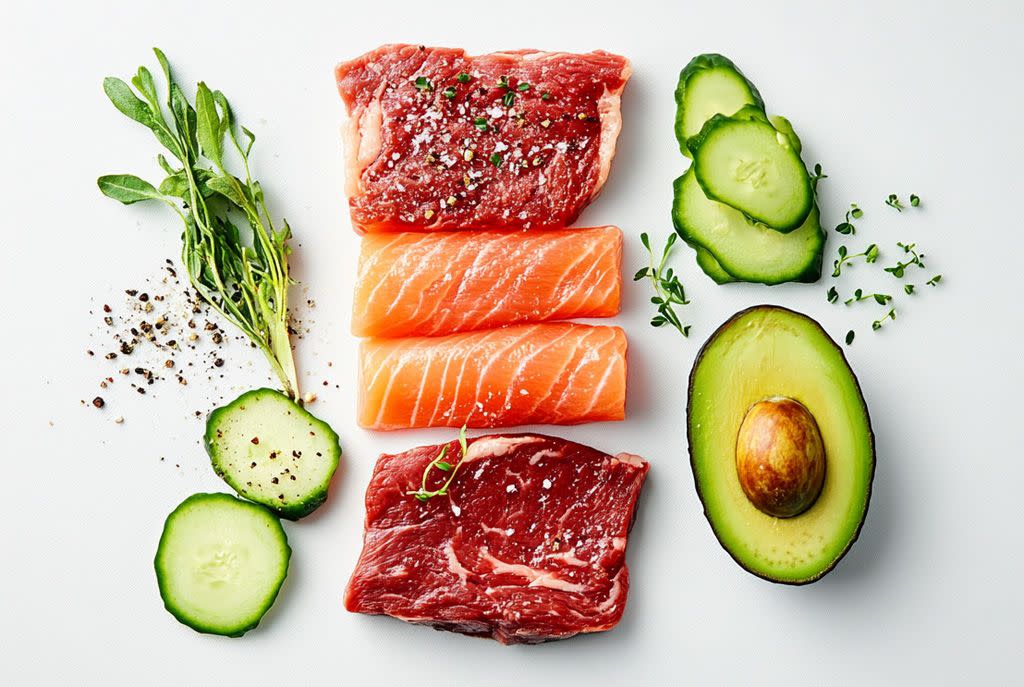
High-protein lunch ideas tend to fail at the same point: noon arrives, the calendar is rude, and the ingredients are still ingredients. A useful lunch plan has to survive that moment.
The options below start with foods you can open, portion, or reheat. They include no-cook lunches, 10-minute assemblies, desk-friendly combinations, and a way to compare prepared meals without guessing from the name or photo. Protein amounts are estimates; brands, recipes, and portion sizes vary, so check the label when the number matters.
Key takeaways
Count the protein in the amount you will eat, not the amount listed for an unfamiliar serving size.
Start with one substantial protein source, then add produce, grains, sauce, or crunch.
Keep two no-cook backups available for days when even 10 minutes is ambitious.
For a prepared meal, compare the full serving’s protein, ingredients, sodium, and heating instructions.
What makes a lunch high in protein?
There is no single lunch target that fits every person. Protein needs change with body size, age, activity, pregnancy, medical conditions, and the rest of the day’s food. The FDA Daily Value for protein is 50 grams for a 2,000-calorie diet, which is a label reference rather than a personal prescription.
Rather than guessing from the food's appearance, compare protein per serving with the FDA’s Nutrition Facts guidance and check typical ingredient amounts in USDA FoodData Central. Protein needs vary with age, activity and personal circumstances.
Use grams per serving as the practical comparison tool. A lunch with 25 grams of protein contributes half of that Daily Value. Someone following a clinician’s or dietitian’s plan may need a different amount.

Count the protein in the portion you actually eat
Serving math is where a protein-forward plan can quietly come undone. A yogurt may list 15 grams per cup while the container holds two-thirds of a cup. A pouch of tuna may be one serving; a larger can may contain more. A frozen meal’s panel may refer to the full tray or a partial serving.
Check three lines before you count anything:
serving size
servings per container
grams of protein per serving
Then match the label to your portion. If you eat half a two-serving package, count one serving. If you eat the whole package, count both. For unpackaged food, USDA FoodData Central is a useful reference, though preparation and water content can change the value.
Build around a protein source, then add sides
Start with the anchor. Three ounces of cooked poultry or fish, a cup of Greek yogurt, a cup of lentils, or a generous portion of tofu gives the lunch a clear center. Then choose sides for flavor, texture, and the kind of afternoon you have ahead.
A sturdy template looks like this:
Protein anchor: poultry, seafood, eggs, dairy, beans, lentils, tofu, tempeh, or edamame.
Base: bread, rice, quinoa, pasta, greens, or roasted vegetables.
Finish: dressing, salsa, herbs, citrus, nuts, seeds, or pickled vegetables.
The base may add more protein, but it should not be asked to do all the work. A few chickpeas scattered over greens are garnish. A measured cup of chickpeas is a protein source.
No-cook high-protein lunch ideas
These combinations use common portion sizes and land in a protein-forward range. Treat the estimates as planning numbers, then use the package labels in your kitchen.
Greek yogurt mezze bowl
Spoon 1 cup plain Greek yogurt into a bowl and top it with chopped cucumber, tomatoes, olive oil, za’atar, and 2 tablespoons of pumpkin seeds. Add whole-grain pita or crackers on the side. Depending on the yogurt and seed portions, the bowl often provides about 25 grams of protein.
Tuna and white bean salad
Mix one 5-ounce can or pouch of tuna with 1/2 cup rinsed white beans, lemon juice, parsley, black pepper, and a spoonful of olive oil. Eat it over arugula or with crispbread. This combination commonly clears 30 grams of protein and holds well in a sealed container.
Cottage cheese tomato toast
Spread 1 cup cottage cheese across two slices of whole-grain toast. Add tomato, cracked pepper, basil, and a splash of balsamic vinegar. The cottage cheese usually contributes most of the meal’s protein; bread adds a smaller amount. Check sodium if that is part of your plan because cottage cheese varies widely by brand.
Smoked salmon snack plate
Arrange 3 ounces smoked salmon, two hard-cooked eggs, cucumber, fruit, and rye crackers. The salmon and eggs together provide roughly 30 grams of protein. Smoked fish can carry substantial sodium, so compare labels rather than assuming every package is equivalent.
Edamame and tofu noodle jar
Combine 1 cup shelled edamame, 3 ounces baked tofu, shredded vegetables, and cooked rice noodles. Pack a sesame-lime dressing separately. This plant-based lunch can provide a sizeable protein boost without relying on a meat substitute.
Hummus needs a teammate
Hummus is useful, but a few tablespoons rarely carry an entire protein-forward lunch. Pair 1/3 cup hummus with 1 cup edamame, a bean salad, or two eggs. Add vegetables and flatbread after the protein math works.
High-protein lunches you can assemble in 10 minutes
Shortcuts are ingredients with a head start. Rotisserie chicken, frozen grains, canned beans, cooked lentils, bagged slaw, and refrigerated sauces can turn an empty container into lunch before the next meeting invite appears.
Rotisserie chicken grain bowl
Heat a microwaveable grain cup. Add 4 ounces shredded chicken, bagged slaw, and a yogurt-herb sauce. Use meat from the breast or thigh according to preference; the protein total will be similar enough for everyday planning, while fat and sodium may differ.
Lentil feta bowl
Warm one package of cooked lentils and divide it into two lunches. For each serving, add feta, chopped peppers, cucumber, parsley, and lemon. If the lentil portion alone falls short of your target, add two eggs or a side of Greek yogurt.
Turkey pesto wrap
Layer 4 ounces sliced turkey, a slice of cheese, greens, and pesto in a whole-grain wrap. Deli meat and cheese can push sodium upward, so compare products and keep the rest of the lunch relatively simple.
Microwave egg and rice bowl
Heat rice and frozen vegetables, then top with two precooked eggs or a microwaved egg scramble. Add 1/2 cup edamame for a larger protein boost. Chili crisp brings heat, but its sodium and serving size deserve a glance.
Sardine toast with white beans
Mash one tin of sardines with lemon and herbs. Pile it over toast with 1/2 cup white beans and sliced tomato. Tinned fish turns a pantry lunch into something with character and no chopping marathon.
Tempeh taco bowl
Warm precooked tempeh strips with microwaveable rice and black beans. Finish with cabbage, salsa, and lime. Tempeh has a firm bite that stands up to reheating and makes the bowl feel like lunch rather than a collection of worthy components.
High-protein lunch ideas for work
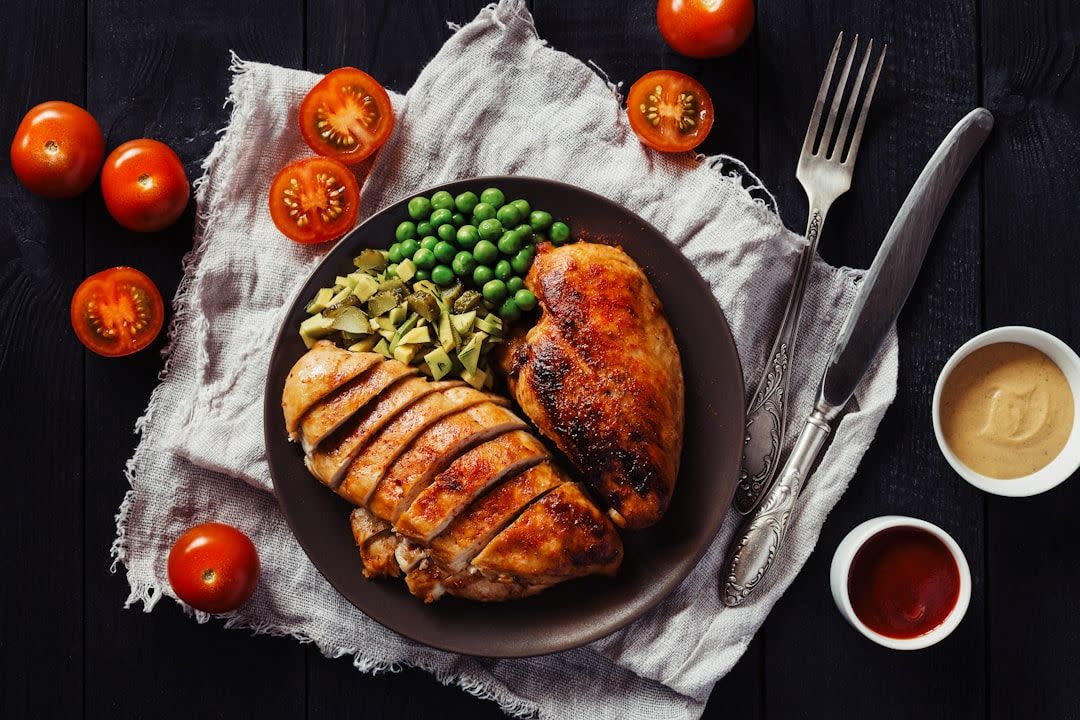
The best work lunch matches the equipment you have. A microwave meal that waits 12 minutes for the only office microwave is not convenient. A cold lunch that leaks dressing into a laptop bag is worse.
Lunches for an office microwave
Choose foods that reheat evenly and smell considerate in a shared room.
Chicken, quinoa, and roasted vegetable bowl with sauce packed separately
Turkey meatballs with microwaveable farro and greens
Lentil curry with rice and a spoonful of yogurt
Tofu stir-fry with frozen vegetables and noodles
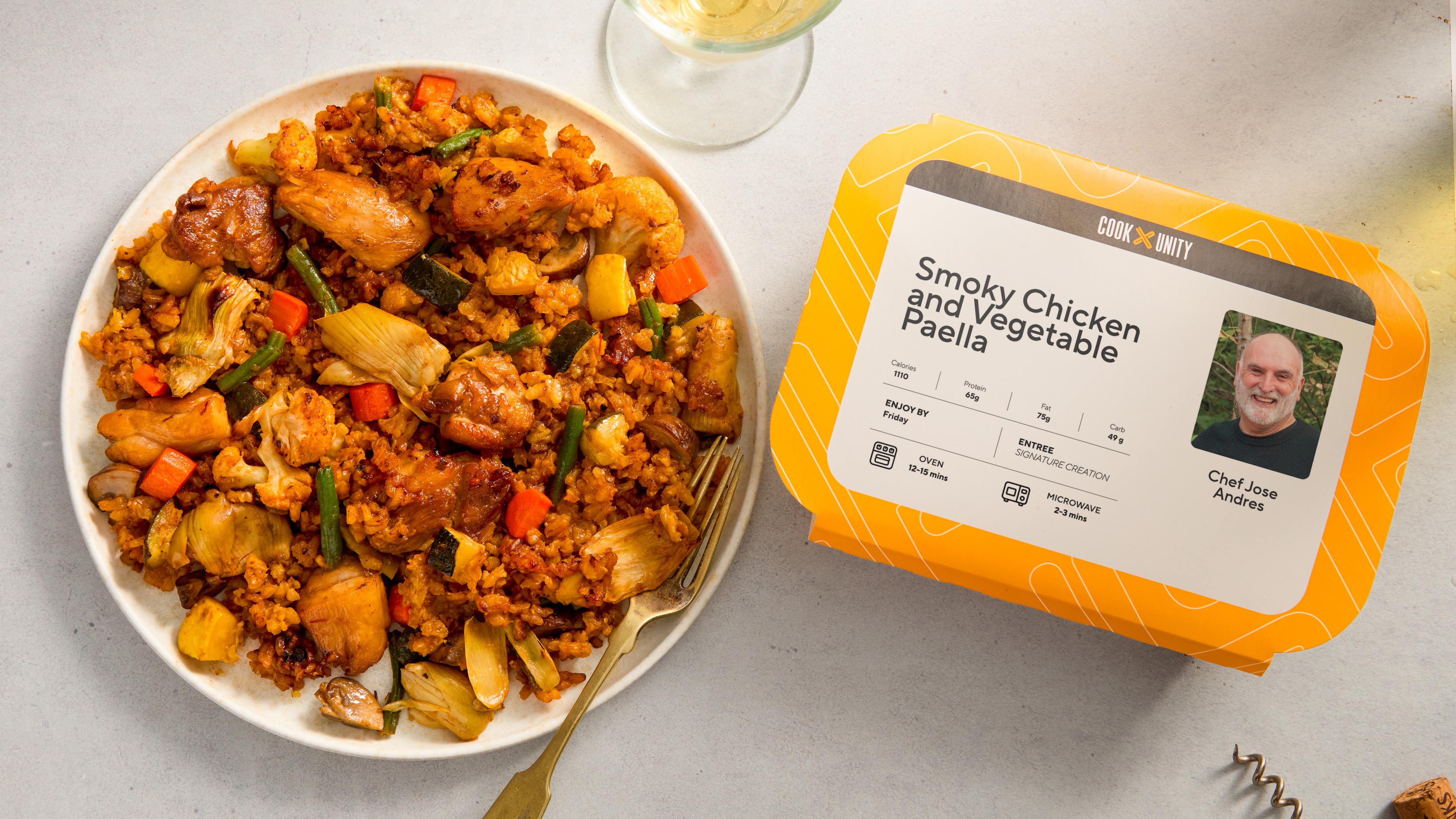
CookUnity meal with preparation instructions that fit your break
Pack a microwave-safe container and loosen the lid before heating. Stir halfway through when the directions allow it. Follow the meal’s heating instructions instead of relying on a universal two-minute rule.
Lunches you can enjoy cold
Cold lunches benefit from contrast: something creamy, something fresh, and a protein anchor with enough heft.
Greek yogurt chicken salad in a pita
Tuna, cannellini bean, and parsley salad
Soba noodles with edamame and baked tofu
Cottage cheese with tomatoes, cucumbers, seeds, and crackers
Egg and lentil salad with mustard vinaigrette
Use an insulated bag with a cold pack for perishable food. The USDA recommends keeping cold food at 40°F or below.
Keep a desk backup
A shelf-stable lunch backup can be plain and still save the day. Store a tuna pouch, roasted edamame, whole-grain crackers, and a piece of fruit. Nut or seed butter packets also work, though they provide less protein per calorie than tuna or soy foods. Replace the stash after using it; emergency food has an odd habit of becoming a historical exhibit.
How to plan several lunches without eating the same thing
Cook or buy two protein anchors, then change the format. Four ounces of chicken can become a grain bowl on Monday and a pesto wrap on Wednesday. Lentils can become a lemony salad, then a warm curry bowl.
Use the two-by-two method
Choose:
two protein anchors
two bases
two sauces or flavor directions
For example, buy chicken and lentils; rice and greens; salsa verde and tahini sauce. That small set creates a chicken rice bowl, lentil salad, chicken salad, and lentil rice bowl without requiring four separate recipes.
Prep components, not identical boxes
Identical containers look efficient on Sunday and feel punitive by Thursday. Store cooked protein, grains, vegetables, and sauces separately. Assemble each lunch the night before, when you know whether tomorrow calls for something warm, cold, crunchy, or soothing.
Make the no-cook option part of the plan
Do not reserve easy lunches for failure. Put tuna and bean salad or a yogurt bowl on the schedule. A plan with one intentionally effortless day is more realistic than five aspirational cooking sessions.
When there’s no time to prep: choosing a CookUnity lunch
CookUnity’s menu changes by week and location, so compare the individual meals available to you. In the ordering menu, the Diet & Lifestyle filters may include Protein Boost. You can also narrow by protein preference, cuisine, chef, and ingredients to avoid.
For a quick lunch rotation, compare Grilled Chicken & Quinoa Bowl, Chicken & Rainbow Quinoa Salad, and Roasted Salmon & Zucchini. They offer different ingredients and protein combinations; check the meal page for the actual portion and the current menu for availability. Explore lunch meals or browse Protein Boost meals when you want more choices.
Open the meal details and check:
Protein for the full meal, in grams.
Serving size and whether the panel covers the entire tray.
Ingredients and allergens.
Sodium and other nutrients that matter to your plan.
Refrigerated shelf life and preparation instructions.
The meal name is an invitation, not a nutrition panel. A chicken salad, pasta, and curry can each deliver a protein boost, but the complete serving tells you whether it fits your day.
For more options, browse CookUnity’s weekly menu or start with the Protein Boost collection when it is available in your area.
Frequently asked questions
What are easy high-protein lunch ideas that require no cooking?
Try Greek yogurt with seeds and vegetables, tuna with white beans, cottage cheese toast, smoked salmon with eggs, or edamame with baked tofu. Measure the main protein and check its label; a spoonful of hummus or a sprinkle of cheese usually needs a stronger partner.
How can I tell whether my lunch contains enough protein for my needs?
For the most current individual-meal values, CookUnity explains where to find the full meal nutrition panel in the ordering menu; public pages may show fewer nutrients.
Add the grams from the portions you will eat and compare the total with your personal daily plan. The FDA’s 50-gram Daily Value is a general label reference, not an individual prescription. A registered dietitian can help set a target for training, pregnancy, aging, or a medical condition.
What high-protein lunches work well for an office without a microwave?
Tuna and bean salad, chicken pita, tofu-edamame noodles, cottage cheese plates, and egg-lentil salad all work cold. Carry perishable food in an insulated bag with a cold pack.
How can I make a high-protein lunch without relying on chicken?
Use fish, eggs, Greek yogurt, cottage cheese, lentils, beans, tofu, tempeh, or edamame. Pair plant proteins in satisfying portions and count the complete meal instead of assuming “plant-based” means protein-forward.
How can I find CookUnity meals that fit my high-protein lunch goals?
Use the Protein Boost filter when it appears in your menu, then open each meal to review protein for the full serving. Check the ingredients, allergens, sodium, and heating directions before adding it to your order.

Be the first to know about new offers
Multiorder discounts, free items and more.