Back
Reviewed by Culinary Nutritionist | Kristy Del Coro, MS, RDN, LDN
Adopting a low-sodium diet is more than just skipping the salt shaker—it's a strategic approach to eating that can improve heart health, reduce the risk of hypertension, and support overall well-being. Whether you're following medical advice from a healthcare provider or simply aiming for a healthier lifestyle, understanding a low-sodium meal plan is key to success. In this guide, we’ll break down what a low-sodium diet is, when and why it’s necessary, who benefits the most, how to make it enjoyable, and even a few flavorful, low-sodium recipes to try. With the right knowledge and practical strategies, you can maintain a delicious and satisfying diet while keeping your sodium levels in check.
What is a Low-Sodium Diet?
A low-sodium diet is an eating plan designed to reduce the amounts of sodium we intake. So, how much sodium should you have on a low-sodium diet? Typically, this diet limits sodium intake to 1,500 mg per day and not exceeding 2,300 mg per day, depending on individual health needs. The primary goal of this diet is to help manage or prevent high blood pressure, heart disease, chronic kidney disease, and other conditions affected by excess sodium consumption. When asking “What is a low-sodium diet?”, the key answer is that it encourages the consumption of fresh vegetables, fruits, whole grains, and lean proteins while avoiding processed and high-sodium foods such as fast food, canned goods and salty snacks.
Potential Benefits of a Low-Sodium Diet
A low-sodium diet offers a range of health benefits, particularly for individuals looking to manage blood pressure, support heart health, and reduce the risk of chronic conditions. While sodium is an essential mineral, excessive intake can contribute to health complications, making it crucial to strike the right balance. Reducing sodium intake also has several scientifically backed health benefits. According to the Centers for Disease Control and Prevention (CDC) and the American Heart Association (AHA), a low-sodium diet can significantly improve overall health and lower the risk of various chronic conditions¹,². Here are some of the key advantages of adopting this diet:
Impact on Blood Pressure
One of the primary reasons for following a low-sodium diet is its direct impact on blood pressure. Excessive sodium intake causes the body to retain water, leading to increased blood volume and pressure on the arteries which causes high blood pressure. Studies have shown that reducing sodium levels can help lower blood pressure naturally, decreasing the risk of strokes and cardiovascular diseases³. Additionally, a balanced diet rich in fresh vegetables, whole grains, and lean proteins can further support blood pressure regulation because of their potassium content.
Reduced Risk of Heart Disease
A low-sodium diet can lower the risk of congestive heart failure, heart attacks, and other cardiovascular conditions. Excess sodium can contribute to heart strain, increasing the likelihood of hypertension-related diseases⁴. By focusing on salt restriction, individuals can improve their heart health and overall well-being. Research shows that even a moderate reduction in sodium intake can significantly reduce the risk of heart-related mortality⁴.
Potential Decrease in Cancer Risk
Research suggests that excessive sodium intake may be linked to an increased risk of stomach cancer⁵. High-sodium foods like processed meats and pickled items can irritate the stomach lining, potentially leading to chronic inflammation and cancer development. A low-sodium diet focused on fresh vegetables, fruits, legumes, and whole grains can help reduce this risk. Plus, maintaining a healthy gut microbiome through balanced nutrition can further minimize the chances of developing gastrointestinal issues related to high sodium consumption.
Improved Overall Diet Quality
Following a low-sodium diet menu encourages healthier eating habits. By replacing table salt and processed foods with a variety of foods rich in natural flavors, individuals are more likely to consume nutrient-dense meals that support long-term health. A diet filled with fresh ingredients, high-quality proteins, and fiber-rich grains contributes to better digestion, improved energy levels, and stronger immune function.
Foods to Include in a Low-Sodium Diet
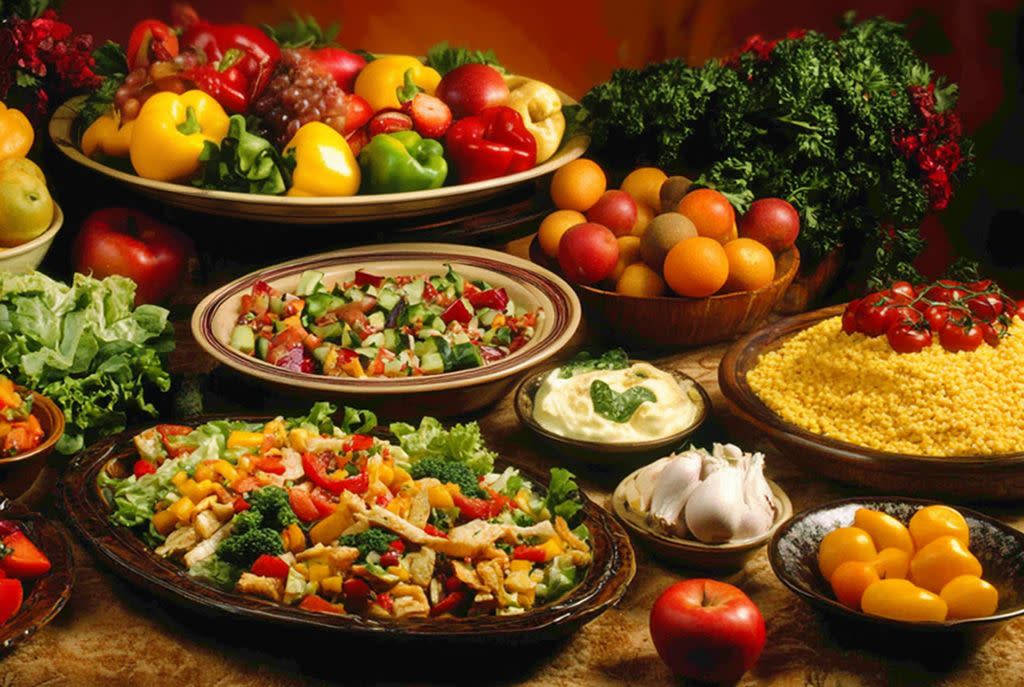
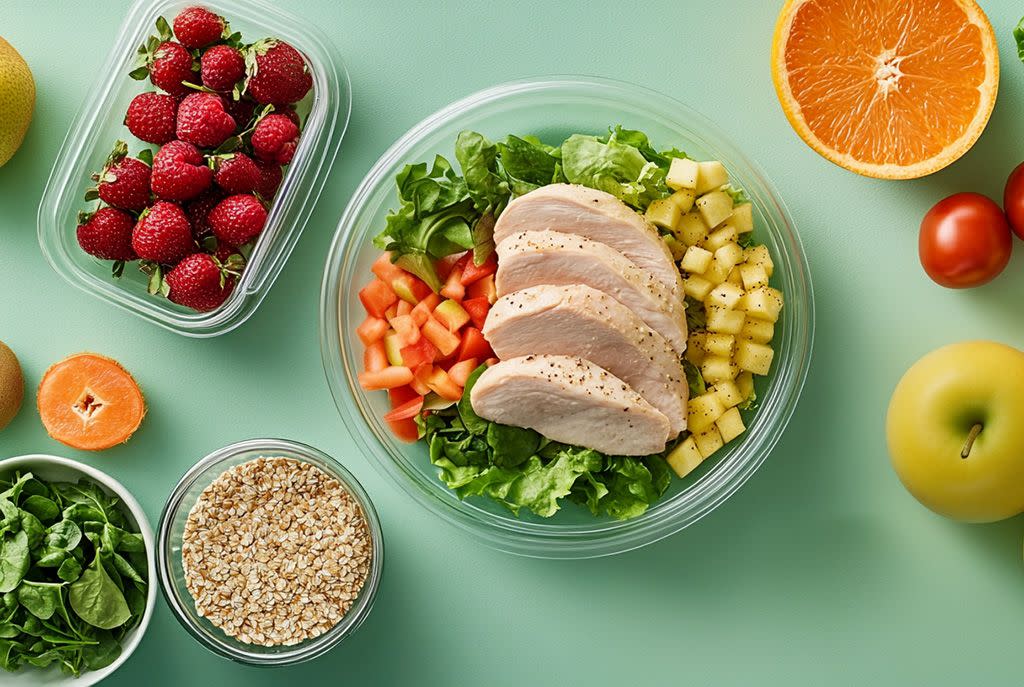
Eating well on a low-sodium diet doesn't have to be bland or restrictive. Many low-sodium diet foods offer delicious and nutritious alternatives. The key is to incorporate naturally low-sodium ingredients while using herbs, spices, and fresh ingredients to maximize flavor. Below are some of the best food categories to include in a low-sodium diet.
Fresh Fruits and Vegetables
Fresh fruits and vegetables play a vital role in maintaining overall health while helping to balance sodium levels in the body. They are natural, low-sodium foods that are packed with essential vitamins, minerals, fiber, and antioxidants.
Best fruits for a low-sodium diet: Apples, bananas, oranges, berries, grapes, melons, and pears are all naturally sodium-free and provide essential nutrients like potassium, which helps counteract the effects of sodium.
Best vegetables for a low-sodium diet: Leafy greens, carrots, bell peppers, cucumbers, zucchini, tomatoes, and sweet potatoes are excellent choices for maintaining a balanced diet.
Tips for maximizing flavor: Use fresh herbs, garlic, lemon juice, or balsamic vinegar to enhance the natural flavors of vegetables without relying on salt.
Opting for fresh, frozen, or no-salt-added canned vegetables ensures that sodium intake remains controlled while still providing variety and nutrition.
Whole Grains
Whole grains are excellent low-sodium diet foods and provide necessary fiber for digestive health. They're also an excellent source of vitamins and minerals. Whole grains provide long-lasting energy, support digestive health, and help regulate blood sugar levels. Here are some examples and suggestions—but be sure to check Nutrition Facts for sodium content:
Best whole grains for a low-sodium diet: Brown rice, quinoa, whole wheat pasta, oats, barley, farro, bulgur, and buckwheat.
Avoid instant or flavored grains: Pre-packaged rice and instant oatmeal often contain added sodium in seasoning packets, so it’s best to choose plain, unprocessed versions and season them naturally.
Cooking tip: Instead of cooking grains in salted water or store-bought broths, use homemade low-sodium or unsalted vegetable broth, garlic, or herbs for added depth of flavor.
Low-Sodium Proteins
Protein is an essential component of any diet, and there are plenty of low-sodium options to choose from. Selecting fresh, unprocessed protein sources helps maintain muscle health while keeping sodium intake in check. Lean meats, poultry, fish, and plant-based proteins can play a big part in a low-sodium diet menu plan. Here are some examples:
Best animal-based proteins for a low-sodium diet: Fresh, unseasoned chicken, turkey, lean beef, eggs, and fresh fish such as salmon, tilapia, and cod.
Best plant-based proteins: Lentils, beans, chickpeas, tofu, tempeh, and unsalted nuts and seeds.
Avoid processed meats: Deli meats, bacon, sausage, hot dogs, and canned meats are typically high in sodium due to preservatives and seasoning.
When preparing proteins, use fresh herbs, garlic, citrus, or salt-free spice blends instead of high-sodium marinades or sauces to enhance flavor naturally.
Dairy Alternatives
Traditional dairy products can contain hidden sodium, especially processed cheeses, flavored yogurts, and pre-packaged dairy items. Choosing low-sodium dairy or dairy alternatives can help keep sodium intake under control while still providing essential nutrients like calcium and vitamin D. Opt for light in sodium dairy options or plant-based alternatives. Examples include:
Best dairy options for a low-sodium diet: Plain yogurt, unsalted cottage cheese, and low-sodium or fresh mozzarella.
Dairy alternatives: Unsweetened almond milk, coconut milk, oat milk, cashew milk, and soy milk often contain less sodium than regular dairy, especially when choosing unflavored, no-salt-added varieties.
What to avoid: Processed cheeses, flavored yogurt, and pre-packaged dairy products often contain high amounts of sodium and should be limited.
Reading nutrition labels carefully is key when selecting dairy and plant-based alternatives, as some brands may add sodium for flavor and preservation.
Foods to Avoid in a Low-Sodium Diet
Reducing sodium intake involves making informed choices about the foods you eat daily. Many foods, especially processed and packaged items, contain high levels of sodium, often far exceeding recommended daily limits. To successfully follow a low-sodium diet, it's important to identify and minimize these high-sodium culprits. Below are key food categories to avoid or limit:
Processed Foods
Processed foods are among the highest sources of sodium in the modern diet. Manufacturers use sodium for flavor enhancement, preservation, and texture, making processed foods a hidden source of excessive salt intake. Common high-sodium processed foods to avoid include:
Deli meats and cured meats – Ham, bacon, salami, pepperoni, and packaged turkey or chicken slices are loaded with sodium due to curing and preservation processes.
Frozen meals – Even "healthy" or "low-calorie" frozen dinners can contain high levels of sodium to extend shelf life and enhance taste.
Snack foods – Chips, pretzels, crackers, and popcorn often contain excessive amounts of added salt.
Instant and packaged meals – Boxed pasta dishes, rice mixes, and instant noodles typically have high sodium content in their seasoning packets.
Fast food – Burgers, fried chicken, pizza, and other fast food items contain excessive sodium due to seasoning, sauces, and preservatives.
Breads and Wraps - Sandwich breads, wraps, and tortillas are often hidden sources of sodium. Pair that with deli meat, salty condiments, high sodium cheese, and pickles, and you can easily near the recommended daily amount of sodium in just one meal.
Instead of processed foods, reach for fresh, whole ingredients whenever possible. Cooking at home using fresh meats, vegetables, and whole grains allows better control over sodium intake.
High-Sodium Seasonings and Condiments
Many common seasonings and condiments are packed with hidden sodium, often overshadowing the benefits of an otherwise healthy meal. Some of the biggest sodium culprits include:
Soy sauce and teriyaki sauce – These popular sauces contain extremely high sodium levels, even in small amounts. Opt for low-sodium varieties or alternatives such as aminos.
Ketchup and barbecue sauce – While often used as simple condiments, these sauces can have surprisingly high sodium content per serving.
Salad dressings and marinades – Many bottled dressings, especially ranch, Caesar, and blue cheese, are loaded with sodium.
Bouillon cubes and soup bases – These concentrated flavor boosters are extremely high in sodium, making them a poor choice for a low-sodium diet.
Table salt and seasoning blends – Regular table salt, garlic salt, onion salt, and seasoning blends often contain significant sodium amounts.
Go for alternatives like fresh herbs, citrus juices, vinegar, salt-free spice blends, and low-sodium versions of sauces and condiments to enhance flavor without excess sodium.
Canned and Packaged Items
Canned and packaged foods are convenient, but they often contain high amounts of sodium to preserve freshness and enhance flavor. Some of the worst offenders in this category include:
Canned soups and broths – Even “healthy” or “low-fat” versions can have excessive sodium levels.
Canned vegetables and beans – While vegetables and beans are nutritious, canned varieties are often packed in high-sodium preservatives. Opt for unsalted or low-sodium varieties.
Canned meats and seafood – Items like canned tuna, sardines, and corned beef frequently contain added salt for preservation. Look for no salt added varieties if offered.
Packaged baking mixes – Pancake mix, biscuit mix, and cake mixes often contain hidden sodium in leavening agents.
Pre-packaged pasta sauces – Many store-bought pasta sauces are loaded with sodium to enhance taste and extend shelf life.
If using canned goods, select low-sodium or no-salt-added versions, and rinse canned vegetables and beans under running water to remove some excess sodium. When possible, choose fresh or frozen alternatives to better control sodium intake.
Practical Tips for Following a Low-Sodium Diet
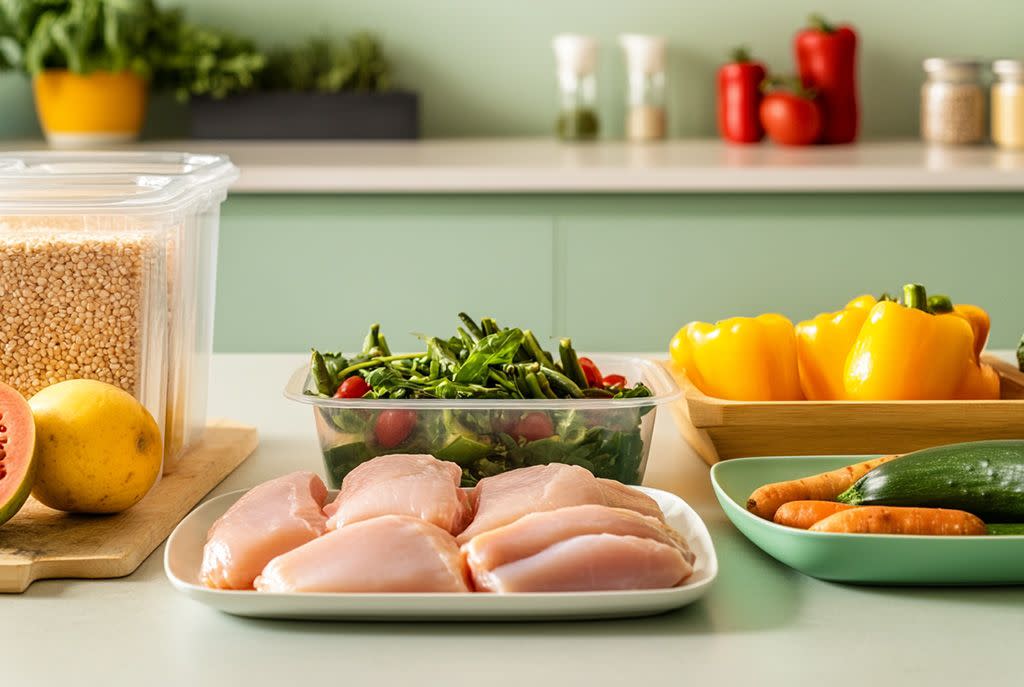
Transitioning to a low-sodium diet can feel overwhelming at first, but with the right strategies, it becomes much easier to maintain. The key is to take a proactive approach by preparing meals at home, learning to identify hidden sodium in packaged foods, and making smart choices when dining out.
Below are practical, actionable tips to help you successfully follow a low-sodium diet without sacrificing flavor or enjoyment.
Cooking at Home
Preparing meals at home is one of the most effective ways to control sodium intake. By using fresh ingredients and natural seasonings, you can create delicious meals without relying on processed, high-sodium products.
Use fresh herbs and spices – Basil, oregano, thyme, rosemary, cumin, and paprika add rich flavors without sodium.
Experiment with citrus and vinegar – Lemon juice, lime, balsamic vinegar, and apple cider vinegar enhance flavors naturally.
Make homemade broths and sauces – Store-bought soups, broths, and sauces are often loaded with sodium; making your own allows you to control salt levels.
Choose fresh or frozen vegetables over canned – If using canned vegetables and you cannot find unsalted versions, rinse them thoroughly under water to reduce sodium content.
Avoid pre-seasoned meats and marinades – Use fresh, unprocessed meats and season them yourself with salt-free spice blends.
Reading Food Labels
Sodium can hide in unexpected places, making it essential to read food labels carefully. Learning how to spot high-sodium ingredients helps you make informed choices while shopping.
Check the sodium content per serving – The FDA recommends limiting sodium intake to 2,300 mg of sodium per day, but for individuals on a low-sodium diet, 1,500 mg of sodium per day or less is ideal.
Look for “low-sodium” or “no-salt-added” options – These versions of canned goods, snacks, and condiments help reduce sodium intake.
Beware of hidden sodium names – Ingredients such as monosodium glutamate (MSG), sodium benzoate, sodium nitrate, baking soda, and disodium phosphate indicate added sodium.
Compare brands – Some brands have significantly lower sodium levels than others for the same product. Choosing lower-sodium versions can make a big difference over time.
Taking a few extra minutes to check food labels ensures that you're making healthier choices and avoiding unnecessary sodium in your diet.
Dining Out
Eating at restaurants can be challenging on a low-sodium diet since many dishes contain high levels of added salt. However, with a few mindful strategies, you can enjoy dining out while keeping your sodium intake in check.
Request modifications – Ask for meals to be prepared with little or no added salt, and request sauces or dressings on the side.
Opt for fresh, whole foods – Choose grilled, baked, or steamed options over fried or heavily seasoned dishes.
Avoid soups and sauces – Many restaurant soups, gravies, and sauces are high in sodium. Opt for oil-and-vinegar dressings or lemon juice instead.
Check nutrition information online – Many restaurants provide sodium content for their menu items, making it easier to plan ahead.
Watch out for high-sodium menu terms – Words like “smoked,” “cured,” “pickled,” and “brined” often indicate higher sodium content.
Other Potential Challenges and Risks
Switching to a low-sodium diet can be beneficial, but it does come with challenges. Here are a few suggestions for dealing with these:
Flavoring: One of the biggest adjustments is getting used to food with less salt. Since sodium enhances flavor, meals may initially seem bland. However, the American Heart Association notes that taste buds adapt over time, making low-sodium foods more enjoyable with continued exposure. Cooking with fresh herbs, citrus, garlic, salt substitutes, and umami-rich ingredients like tomatoes and mushrooms can help ease this transition.
Cravings: Another common hurdle is craving salty foods, especially in the early stages of dietary change. The National Kidney Foundation suggests staying hydrated and incorporating potassium-rich foods, like bananas and avocados, to help counterbalance sodium and maintain electrolyte balance. Satisfying crunch cravings with fresh vegetables or unsalted nuts can also reduce dependence on salty snacks.
Risk of Inadequate Hydration: Reducing sodium can affect the body’s fluid balance, sometimes leading to dehydration if adjustments aren’t made. Sodium helps regulate water retention, and when intake drops suddenly, the body may excrete more fluids than usual. The Centers for Disease Control and Prevention (CDC) recommends staying properly hydrated by drinking plenty of water and eating water-rich foods like cucumbers, watermelon, and citrus fruits. Monitoring electrolyte levels, especially in active individuals, can also help prevent dizziness, fatigue, and muscle cramps that may arise from fluid imbalances.
Nutritional Deficiencies
While reducing sodium is beneficial, eliminating too much without proper dietary adjustments can lead to nutritional gaps. Here are some tips to know:
Iodized Salt: This is a primary source of iodine for many people, which is essential for thyroid function. The National Institutes of Health (NIH) recommends incorporating iodine-rich foods like seafood, seaweed, dairy, and eggs to compensate for reduced table salt intake.
Potassium: An essential mineral that helps balance fluids and counteract sodium's effects, potassium can sometimes be overlooked in a low-sodium diet. The American Heart Association emphasizes the importance of consuming potassium-rich foods such as leafy greens, sweet potatoes, and beans to support heart health and prevent imbalances.
Calcium: Its absorption can also be affected by sodium intake, as excess sodium may contribute to bone loss. The NIH advises maintaining a calcium-rich diet with dairy products, fortified plant-based milks, and leafy greens to support bone strength. Additionally, magnesium and zinc, often found in processed foods, should be replenished with whole grains, legumes, and lean proteins.
A Few Final Notes from Our Nutritionist
Learn how to read a food label and pay attention to the serving size to understand how much sodium you are likely to consume.
Make as much food from scratch as possible and when eating out, look for low-sodium indicators on menus or opt for food that is simply prepared and ask for sauces on the side.
When grocery shopping, look for labels that say no salt added, unsalted, low sodium, or reduced sodium.
In addition to reducing your intake of sodium, prioritize increasing your intake of potassium by eating at least 4-5 servings of fruit and 4-5 servings of vegetables per day.
Boost the flavor of foods with herbs, spices, salt-free seasonings, and acid such as vinegar and lemon juice.
Final Thoughts
Whether you're following medical advice or making a proactive change for better health, embracing a low-sodium diet is an investment in long-term wellness. Making informed choices, staying creative, and focusing on whole, unprocessed foods can help you enjoy a flavorful, heart-healthy diet that aligns with your health goals.
Ultimately, transitioning to a low-sodium diet doesn't mean sacrificing taste or variety. If you’re looking for a low-sodium diet menu plan and need a quick, delicious way to achieve your diet goals, CookUnity offers chef-crafted meals that cater to your health needs without compromising flavor.
Explore our extensive selection of low-sodium meals, and see how we can make healthy eating effortless by bringing fresh, prepared dishes straight to your door.
FAQs About Low-Sodium Diets
How much sodium is in a low-sodium diet?
A low-sodium diet typically limits intake to 1,500–2,300 mg per day, with 1,500 mg recommended for those managing high blood pressure (American Heart Association).
What can I eat on a low-sodium diet?
Focus on fresh, whole foods like fruits, vegetables, whole grains, lean proteins, unsalted nuts, and healthy fats. Use herbs, citrus, and vinegar instead of salt for flavor.
What can’t you eat on a low-sodium diet?
Avoid processed meats, canned soups, frozen meals, fast food, salty snacks, and high-sodium condiments like soy sauce and salad dressings.
Does a low-sodium diet reduce blood pressure?
Yes. Reducing sodium lowers fluid retention and relaxes blood vessels, helping to lower blood pressure (CDC).
What are the worst foods for sodium?
Fast food, processed meats (deli slices, bacon), canned soups, frozen meals, pizza, and packaged snacks (chips, pretzels) are among the highest-sodium culprits.
What is considered a low-sodium diet for high blood pressure?
For hypertension, a 1,500 mg per day sodium limit is recommended, following the DASH diet, which emphasizes fresh, unprocessed foods (AHA).
Can I eat eggs on a low-sodium diet?
Yes. Eggs are naturally low in sodium (~70 mg per egg), but avoid adding processed cheese, butter, or salty meats.
Is pasta OK on a low-sodium diet?
Yes. Plain pasta is low in sodium, but avoid instant noodles and salty sauces. Opt for homemade, no-salt-added versions, and always check the nutrition facts label.
What meat is lowest in sodium?
Fresh poultry, fish, lean beef, and pork are best. Avoid deli meats, bacon, and pre-seasoned or canned meats.
What are three common high-sodium foods?
Deli meats, canned soups, and packaged snacks are among the biggest sources of excess sodium.
Sources
About Sodium and Health - CDC, 2023.
Get the Scoop on Sodium and Salt - AHA, 2022.
Reducing sodium intake to reduce blood pressure and risk of cardiovascular diseases in adults - WHO, 2023.
How Much Salt is Too Much? - healthmatters.nyp.org, 2024.

Be the first to know about new offers
Multiorder discounts, free items and more.