Back
Back7-Day Low-Sodium Meal Plan: Easy, Healthy, and Delicious
Reviewed by Culinary Nutritionist | Kristy Del Coro MS, RDN, LDN
Thinking about starting a low-sodium diet but not sure what to expect? You’re in the right place. This easy 7-day low-sodium diet meal plan is designed to help you cut back on salt without sacrificing flavor. From simple recipes to heart-friendly food ideas, we’ll walk you through a full week of meals that are as satisfying as they are healthy.
Overview of the Low-Sodium Diet
So, what is a low-sodium diet? Essentially, it’s an eating strategy that lowers salt consumption and reduces foods high in sodium. Reducing sodium in your diet can be effective for managing diet-related chronic diseases like kidney disease and heart disease. A low-sodium diet can also reduce blood pressure, support bone health, and to improve overall diet quality. By understanding exactly what a low-sodium diet entails and who it benefits the most, you can make informed choices about the foods you eat.
Potential Benefits of a Low-Sodium Diet
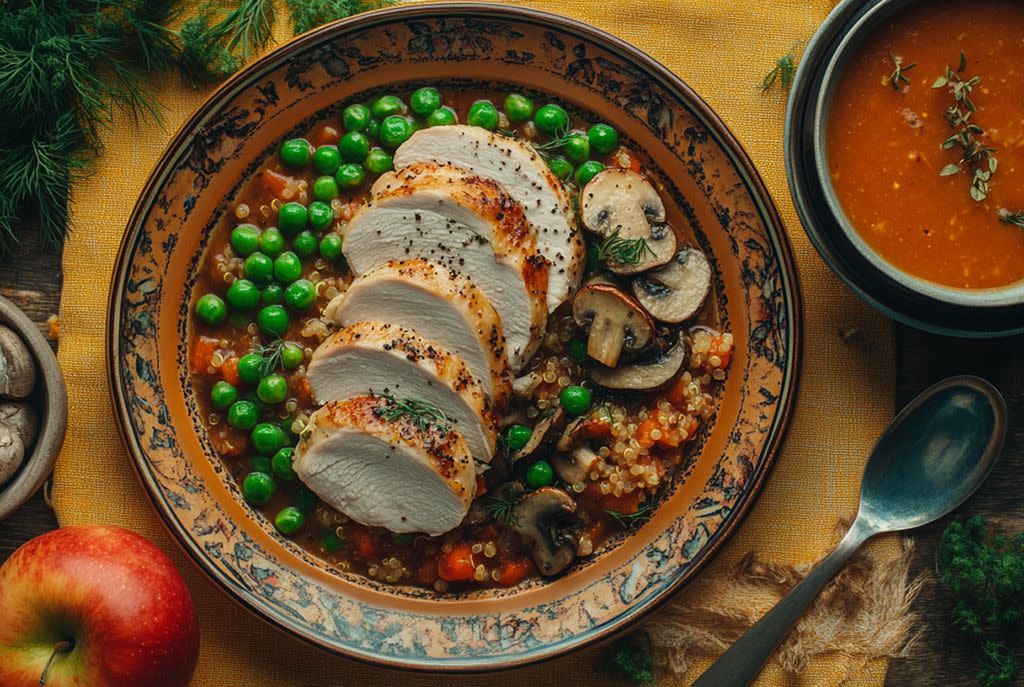
A low-sodium diet and enjoying heart-healthy meals comes with a lot of benefits. For starters, it’s one of the most effective ways to lower blood pressure, which helps reduce the risk of heart disease and stroke. According to the American Heart Association (AHA), nine out of ten Americans consume too much sodium¹.
Why does this matter? Too much sodium can increase your risk of several health issues, including heart disease, kidney disease, osteoporosis, stomach cancer, and even unwanted water retention. Choosing low-sodium foods can help lower the chances of developing these chronic conditions and support better management of issues like heart failure, osteoporosis, and stomach cancer.
Who Should Consider a Low-Sodium Diet?
According to the AHA, a low-sodium diet is important to heart health and can be especially beneficial for individuals managing hypertension or anyone predisposed to high blood pressure². Limiting salt consumption may also support kidney function, which is why the National Kidney Foundation recommends a reduced-sodium plan for those with chronic kidney disease³. Additionally, older adults, those who are salt-sensitive, or individuals with a family history of high blood pressure may benefit from reducing sodium in their meals.
If you fall into any of these categories—or if you’re simply aiming to maintain optimal health—consulting a healthcare provider is crucial. They can help determine the right level of sodium intake for your specific needs and ensure that a low-sodium diet is safe and effective for you. However, generally speaking, the recommendations for daily sodium intake based on US Dietary Guidelines is less than 2,300 mg of sodium per day for anyone 14 and older⁴. The American Heart Association recommends an even lower intake of 1,500 milligrams, stating this is the ideal threshold for heart health. In fact, the AHA estimates that if Americans consumed an average of 1,500 milligrams of sodium per day, it could result in an over 25% decrease in high blood pressure and over $26 billion in health care savings².
7-Day Low-Sodium Meal Plan & Meal Prep Strategies for Success
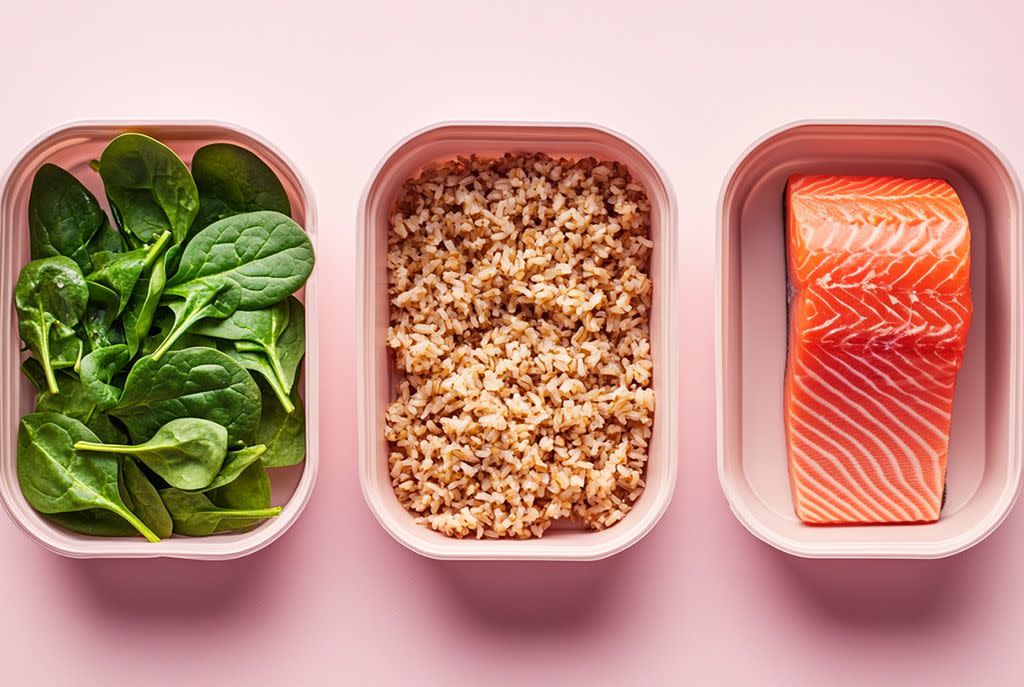
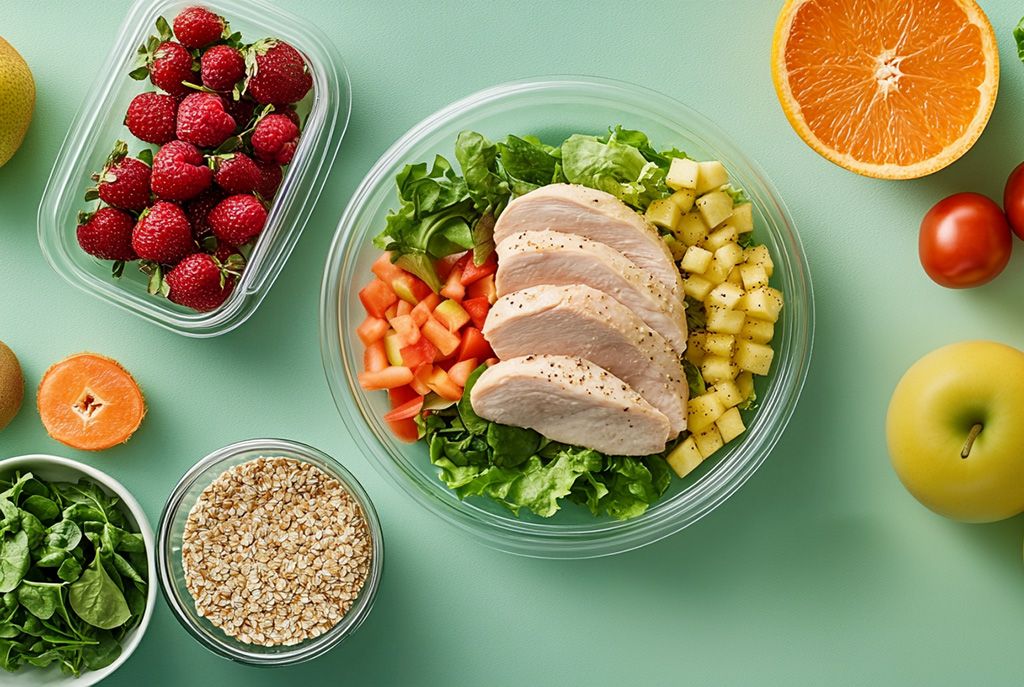
Cooking more meals at home and basic meal prep are key to sticking to a low-sodium diet. Begin by cooking large portions of foundational foods that you can use to build meals from, such as grains, beans, roasted vegetables, and a variety of proteins with variable serving sizes to use throughout the week. Have some fresh leafy greens on hand—and fresh herbs to add to meals right before eating. Use herbs, spices, and sodium-free seasonings like vinegar and lemon juice to add flavor without salt. Preparing at-home substitutes for simple sauces and salad dressings allows you to control the sodium content rather than buying pre-made versions. Storing meals in clear, labeled containers can make it easier to grab and go.
Pro Tip: Cook food in batches and utilize your freezer to make your meal prep last even longer.
Here is our 7-day low-sodium diet meal plan, so you can incorporate meal prep strategies for successful outcomes:
Day 1
Kick off your low-sodium journey with a day of nutrient-rich, delicious meals that make healthy eating effortless.
Breakfast: Steel-cut oats served with a topping of fresh blueberries and a dash of cinnamon.
Lunch: Lemon-herb grilled chicken over a bed of quinoa and spinach salad.
Dinner: Fettuccine with salmon and a side of steamed asparagus.
Snacks: Crunchy baby carrots with a smooth hummus dip or a crisp apple.
Day 2
Experience the flavors of simplicity with these easy, wholesome meals for your second day.
Breakfast: Low-fat Greek yogurt topped with sliced bananas and a touch of natural honey.
Lunch: Sesame-ginger tofu poke bowl made with pickled cabbage, protein-rich forbidden rice, and nutrient-dense vegetables.
Dinner: Sautéed veggies and herbs, crispy tofu, and side of jasmine rice.
Snacks: A handful of raw almonds; cool slices of cucumber sprinkled with lime juice.
Day 3
Midweek brings comforting meals that are as satisfying as they are healthy.
Breakfast: A vibrant green smoothie made with spinach, frozen pineapple, mango, and almond milk.
Lunch: Lentil soup made with low sodium vegetable stock.
Dinner: Grilled flank steak accompanied by mashed sweet potatoes and garlic-sautéed green beans.
Snacks: A juicy orange or a small bowl of air-popped popcorn seasoned with nutritional yeast or spice mix in place of salt.
Day 4
Enjoy a day of fresh, energizing meals that keep your spirits and health in perfect harmony.
Breakfast: Scrambled eggs with sautéed tomatoes and spinach on whole-grain toast.
Lunch: A refreshing quinoa salad tossed with chickpeas, cucumbers, red onions, and a tangy lemon-tahini dressing.
Dinner: Oven-baked cod with a garnish of roasted Brussels sprouts and a side of herb-seasoned new potatoes.
Snacks: A serving of Greek yogurt with flaxseeds or a ripe pear.
Day 5
Friday's meals are all about bold flavors and satisfying your hunger with healthy, low-sodium choices.
Breakfast: Chia pudding made with coconut milk and topped with fresh kiwi.
Lunch: Homemade canned tuna, no salt added, with olive oil and lemon juice and dried herbs. Add raw veggies and low sodium whole grain crackers or low sodium sliced bread.
Dinner: A colorful roasted chicken bowl with a medley of fresh vegetables over a bed of barley.
Snacks: A bowl of mixed fresh berries or a hard-boiled egg for a protein boost.
Day 6
Savor the weekend with these tasty, low-sodium diet recipes that don’t skimp on flavor.
Breakfast: No salt added cottage cheese paired with fresh peach slices and a sprinkle of nutmeg.
Lunch: Homemade falafel with a crisp tabbouleh salad.
Dinner: Turkey meatballs with a side of glazed carrots and a quinoa pilaf.
Snacks: Sticks of celery filled with natural, unsalted peanut butter, and a small handful of raisins.
Day 7
Conclude your week with a day full of creative, appetizing meals that make sticking to a low-sodium diet a breeze.
Breakfast: Whole wheat pancakes topped with fresh strawberries and a light drizzle of agave syrup.
Lunch: A grilled veggie and hummus lettuce wrap.
Dinner: Aromatic, low-sodium seafood paella rich with a variety of finfish, shrimp, peas, and fragrant saffron rice.
Snacks: A banana for a quick energy boost; a few unsalted cashews for a crunchy treat.
Low Sodium Diet Grocery List: Essentials for the Week
Here is a weekly grocery list for a low-sodium diet:
Fresh or frozen fruits and vegetables
Fresh or frozen cuts of meat and fish (avoid processed or cured meats as they are typically high in sodium)
Eggs and low-sodium dairy products
Whole grains like brown rice, whole wheat pasta, and quinoa
Legumes such as beans, lentils, and peas
Herbs and spices to enhance flavor without adding table salt
When buying canned goods, go for unsalted or low-sodium versions (if those aren’t available, rinse and drain them to cut down on the sodium)
Pro-Tip: More than 70% of the sodium Americans eat comes from packaged, prepared and restaurant foods — —not from table salt⁵. The most effective way to lower sodium in your diet is by cooking more meals from scratch and choosing low-sodium versions of processed and prepared foods.
Tips for Making the Most of Your Low-Sodium Diet
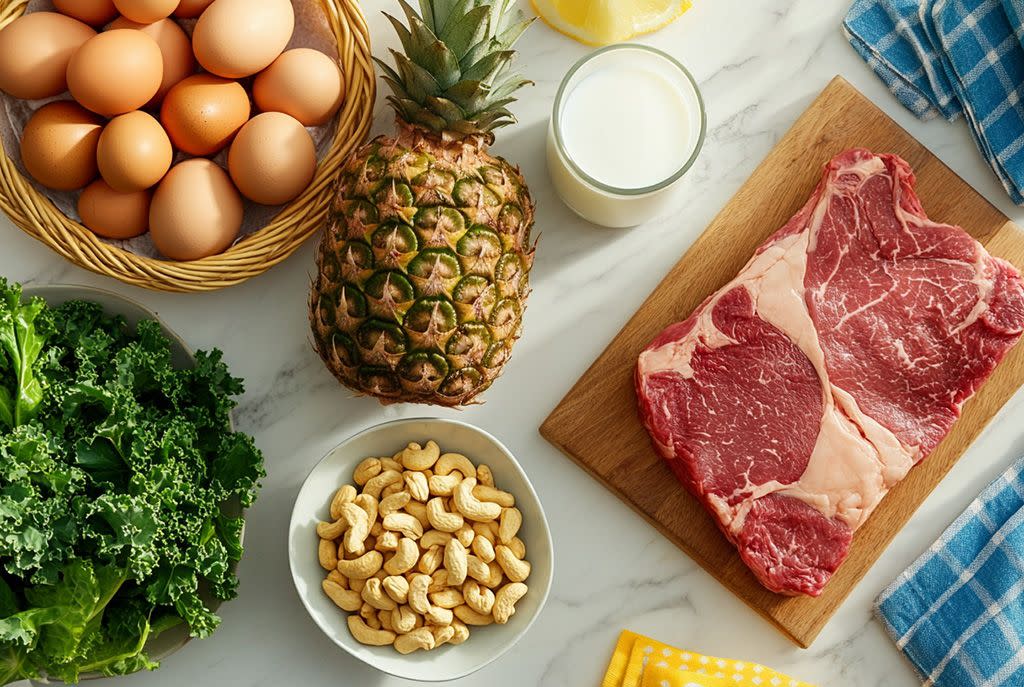
To maximize the benefits of your low-sodium diet, focus on incorporating a variety of nutrient-dense foods that naturally contain low sodium levels. Reach for whole foods like fruits, vegetables, lean proteins, and whole grains.
Also, experiment with fresh herbs, spices, and citrus to enhance flavors without pouring on the table salt. Be vigilant about reading food labels to avoid hidden sodium in processed foods. And engage in regular physical activity, while staying hydrated, to help optimize the health benefits of your low-sodium diet.
Our in-house nutritionist shares some additional expert tips for success:
Snack Ideas to Stay Satisfied
Snacking on a low-sodium diet doesn't have to be dull.
Opt for fresh fruits like apples, bananas, or berries for a sweet treat without added sodium.
Vegetable sticks such as carrots, celery, or bell peppers are excellent with dips like hummus or yogurt-based dressings.
Unsalted nuts and seeds provide a satisfying crunch and are packed with healthy fats.
Air-popped popcorn is a whole-grain, fiber-rich snack that’s naturally low in sodium—just skip the salt and try adding a sprinkle of nutritional yeast or your favorite salt-free spice blend for flavor.
Beverages to Complement Your Low-Sodium Diet
Picking the right drinks is key when you're on a low-sodium diet. Water is always the best go-to—it keeps you hydrated without adding to your sodium intake. Herbal teas are another great option if you want something warm and comforting, plus they’re naturally free of caffeine and sodium.
If you’re craving something more flavorful, try infusing water with slices of fruit or cucumber for a refreshing twist. Watch out for sports drinks and sodas—they can be surprisingly high in sodium and other additives. Fresh, homemade smoothies made with low-sodium ingredients are another great way to stay hydrated and complement your meals.
Enhancing Nutritional Value Without Sodium
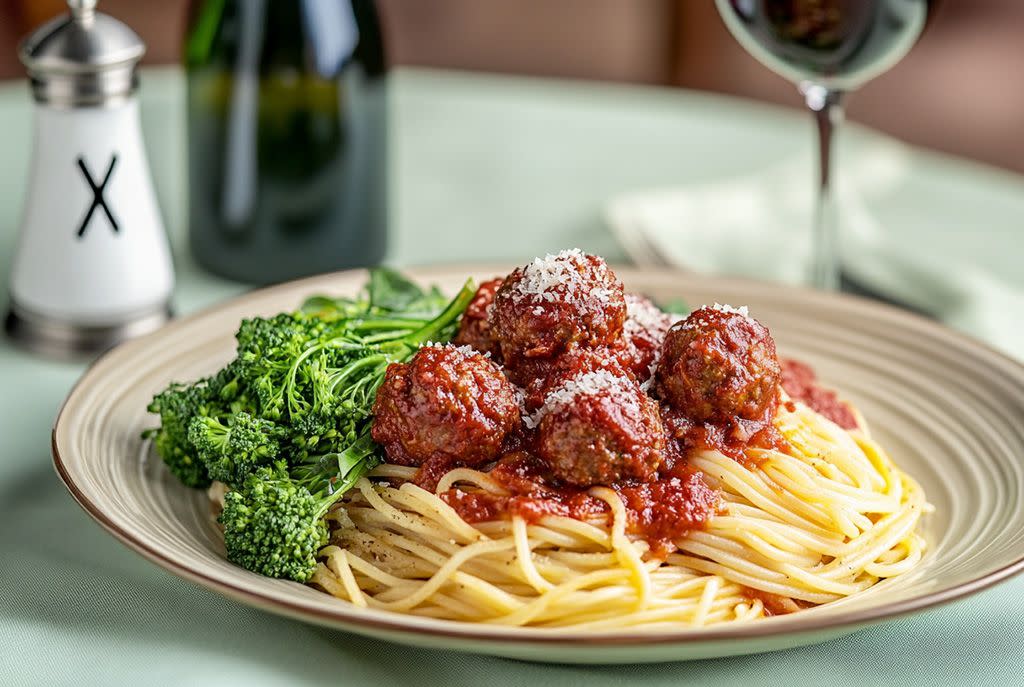
Boosting the nutritional value of your meals without adding sodium is easier than it sounds. Start with high-quality, fresh ingredients that have plenty of natural flavor. Cooking techniques like roasting, grilling, and steaming bring out those flavors even more—no salt needed.
For flavor, try using a mix of spices like turmeric, cumin, cinnamon, and paprika—all of which offer potential health benefits. Adding a variety of vegetables and fresh fruits to your meals also helps you get plenty of vitamins, minerals, and antioxidants to support overall health.
Budgeting on a Low-Sodium Diet
Eating healthy on a budget is totally doable—even on a low-sodium diet. Start by planning your meals for the week and making a grocery list to help avoid impulse buys. Try to stick with whole foods like fruits, vegetables, whole grains, legumes, and minimally processed proteins, which are naturally low in sodium. Buying in bulk can save you money over time, especially on staples like brown rice and dried beans. Also, keep an eye out for sales and coupons, and think about cooking bigger batches to freeze for later—it's a great way to cut down on spending and skip pricey pre-packaged low-sodium options.
The Role of a Dietitian in Your Diet Journey
A registered dietitian can be a crucial partner in your low-sodium diet journey. They provide personalized nutritional advice, helping to tailor your diet to meet your specific health needs and goals. A dietitian can help you understand food labels, make informed choices about the foods you eat, and develop strategies for dining out without exceeding your sodium limits.
A dietitian can also offer support in managing health conditions such as hypertension, kidney disease, or heart failure through dietary adjustments. Consulting with a dietitian ensures your diet remains balanced and nutritionally adequate while you reduce your sodium intake.
Resources for the Low-Sodium Meal Diet
Navigating a low-sodium diet does imply making changes, but it doesn't have to be a drudge to stick to this health-minded diet. Here are some valuable resources that will make your newly adopted culinary lifestyle easier to maneuver:
Start A Healthier Lifestyle With Delicious Meals
Adopting a lower-sodium diet might seem slightly restrictive. But when you choose the right low-sodium ingredients and make adjustments, you can have a world of taste and variety. Here are five delicious meals that perfectly fit into a 7-day meal plan low in sodium, with each offering unique flavors and health benefits:
Black Bean Burrito Bowl
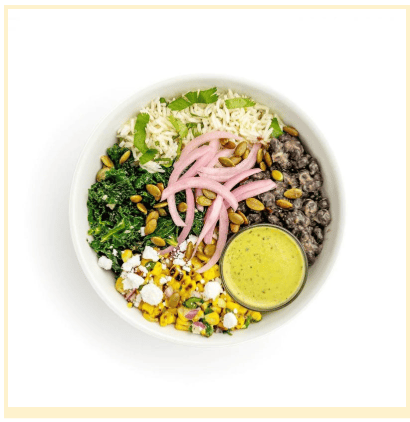
A burrito bowl with black beans as the core ingredient is a powerhouse of protein and fiber, without any added sodium. You can enrich it with layers of fresh vegetables, brown rice, and tangy homemade salsa, making it both filling and flavorful. A burrito bowl is customizable, allowing you the flexibility to incorporate various vegetables and toppings, without increasing your sodium intake. No time to cook? No problem. Order our scrumptious Black Bean Burrito Bowl from Chef Emily Peck, which is loaded with low-sodium Mexican flavors.
Pesto Chicken Breast
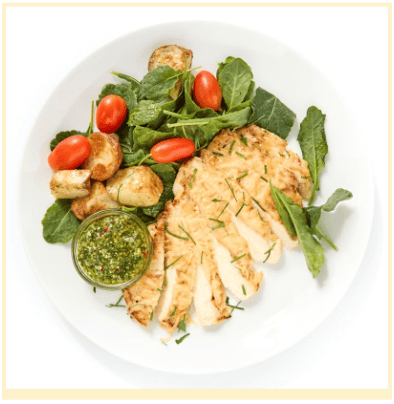
Lean and protein-rich, chicken breast serves as an excellent base for a variety of dishes. When topped with a vibrant, homemade pesto made from fresh basil, garlic, pine nuts, and olive oil, it transforms into a delectably hearty meal. A dish like this can be cooked in bulk and enjoyed throughout the week, whether it's sliced over salads, stuffed into sandwiches, or served as a main course. Save yourself time cooking and cleaning in the kitchen by getting our popular Pesto Chicken Breast from Chef Ruben Garcia, which comes with roasted potatoes and a green salad.
Spicy Rigatoni
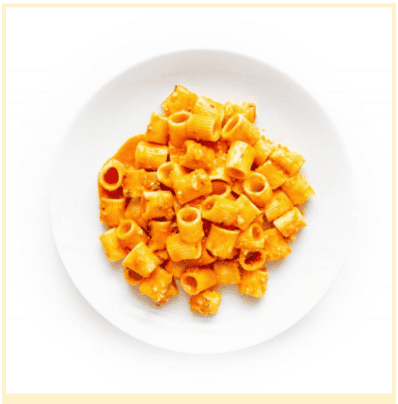
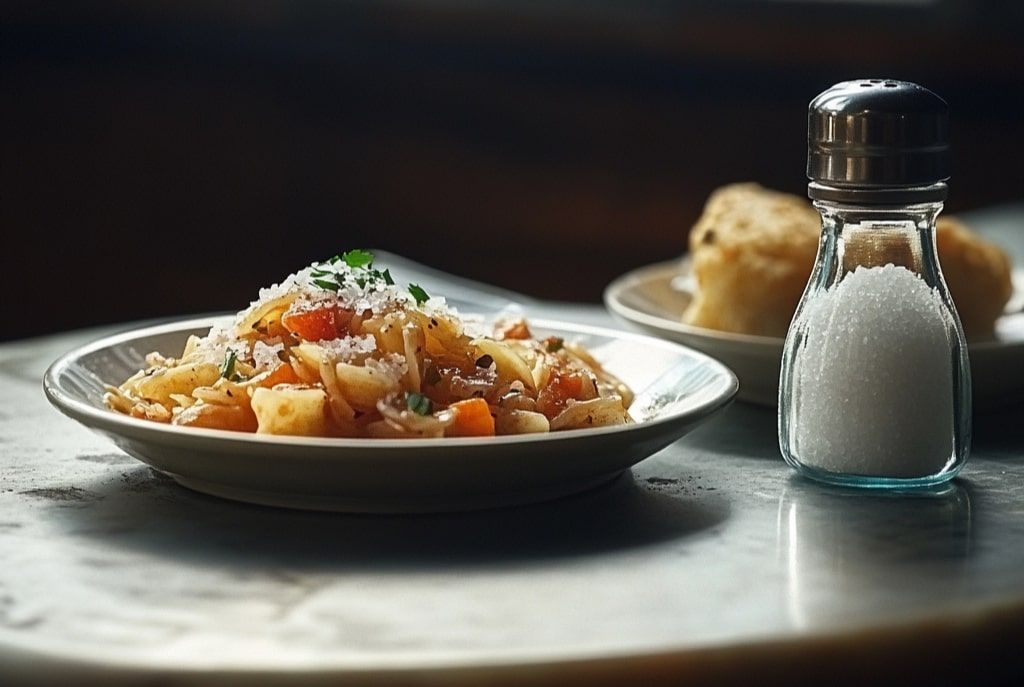
Perfect for pasta lovers, spicy rigatoni is a satisfying dish that doesn’t skimp on flavor. Toss the pasta in a homemade spicy tomato sauce crafted with fresh tomatoes, aromatic garlic, and a kick of chili flakes. A meal like this proves you can enjoy bold flavors on a low-sodium diet with minimal prep—and without sacrificing taste. Skip the line at the grocery store and opt for our popular Spicy Rigatoni from Chef Marc Forgione, which comes topped with crispy breadcrumbs and parmesan. (Yes, we promise it’s low-sodium!)
Cauliflower Mash
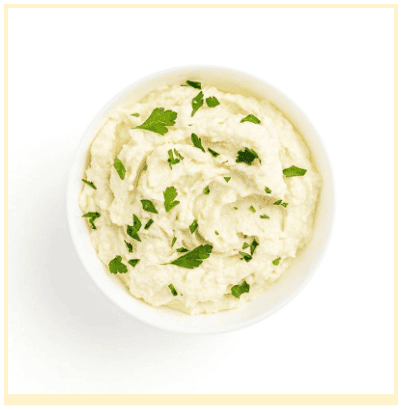
As a fantastic low-carb, low-sodium alternative to traditional mashed potatoes, cauliflower mash is both nutritious and delicious. When you infuse it with herbs, garlic, and whip it to perfection, it becomes an excellent side that can complement a variety of mains. Its creamy texture and rich flavor profile make it a versatile accompaniment to any meal, enhancing your dining experience without the added salt. Too busy to make your own mash? Try our Three-Cheese Cauliflower Mash from Chef Kristy Flores for a smashing (and low-sodium) side that compliments any meal.
Roasted Salmon
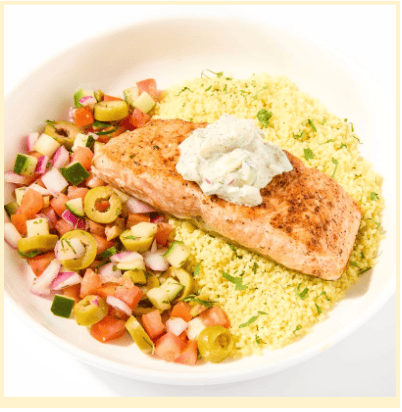
Salmon is naturally flavorful and packed with healthy fats, making it a staple in any diet focused on wellness. When you simply roast it with herbs and a hint of lemon, it maintains its moist texture and rich flavors. Roasted salmon is especially beneficial for its omega-3 fatty acids and can be paired with a wide array of sides, such as steamed vegetables or a fresh salad, for a complete, nutritious meal. Simplify your low-sodium diet by having our sensational Greek Roasted Salmon Bowl from Chef Ruben Garcia delivered right to your door for a healthy, delicious, reduced-salt meal.
Final thoughts: Make Meal Planning Super Easy
Starting your low-sodium diet has never been easier, thanks to the delicious and diverse meal options available from CookUnity. With hundreds of chef-prepared, low-sodium meals to choose from, you can enjoy a wide range of flavors and cuisines without the hassle of meal planning and preparation. Whether you're looking to manage your sodium intake for health reasons or simply aiming to eat healthier, we make it simple with an easy ordering process and meals delivered right to your door.
When you incorporate CookUnity into your 7-day low-sodium diet meal plan, you're conveniently getting diverse and delightful meals that are nutritious and aligned with your dietary needs. Start your new health-conscious lifestyle the easy way with us to help you maintain a low-sodium diet effortlessly and with superior flavor.
FAQs About a Low-Sodium Diet
How much sodium for a low-salt diet?
A low-salt diet typically involves consuming less than 2,300 milligrams of sodium per day.
Can a low-sodium diet cause hyponatremia?
Yes, a diet excessively low in sodium or a diet excessively high in water intake, can lead to hyponatremia (low sodium levels in the blood). There is increased risk of hyponatremia in those with heart, liver, or kidney disease, those with hormone issues, or in endurance athletes who don’t properly replenish electrolytes while rehydrating.
Can a low-sodium diet cause muscle cramps?
Yes, inadequate sodium intake can potentially lead to muscle cramps due to electrolyte imbalances, especially if combined with heavy sweating or excessive fluid intake.
Can a low-sodium diet cause weight loss?
A low-sodium diet may lead to short-term weight loss by reducing fluid retention and encouraging other healthy eating habits—but results can vary from person to person.
Can a low-sodium diet cause constipation?
No, a low-sodium diet itself is not typically a direct cause of constipation.
Can a low-sodium diet cause dehydration?
Not usually, but sodium is a critical electrolyte to help deliver water to your body’s cells so a diet too low in sodium can increase your risk of dehydration. Staying properly hydrated regardless of your diet is essential.
Can a low-sodium diet cause dizziness?
Yes, if sodium levels drop too low, it can lead to dizziness due to reduced blood volume and blood pressure.
Is a low-sodium diet healthy?
Yes, for most people, a low-sodium diet can help improve heart health and reduce the risk of hypertension.
Can I eat eggs on a low-sodium diet?
Yes, eggs are naturally low in sodium and can be included in a low-sodium diet.
Can I eat pizza on a low-sodium diet meal plan?
Traditional pizza is often high in sodium, but you can make it more low-sodium-friendly by using low-sodium cheese and sauce and skipping processed toppings.
Sources
Effects of Excess Sodium - AHA, 2022
Get the Scoop on Sodium and Salt - AHA, 2022
Sodium and Your CKD Diet - National Kidney Foundation, 2021
Dietary Guidelines for Americans, 2020-2025 and Online Materials - Dietary Guidelines for Americans, 2020-2025
Sodium Reduction in the Food Supply - FDA, 2024

Be the first to know about new offers
Multiorder discounts, free items and more.