Back

Low-sodium breakfast ideas have more range than plain oatmeal and a solemn banana. The morning meal becomes easier to manage once you know where sodium tends to hide: bread, cheese, cured meat, bottled sauces, seasoning blends, and portions that quietly double the label.
The combinations below use flexible ingredients and label math rather than a rigid menu. “Low sodium” is an FDA-regulated food claim, so this article uses lower-sodium and sodium-smart for meal ideas unless a product meets the formal criteria.
Key takeaways
Calculate sodium for the complete breakfast, including bread, toppings, sauces, and drinks.
Compare similar products; bread, yogurt, cheese, and plant-based alternatives can vary widely.
Eggs, yogurt, unsalted nuts, beans, tofu, and minimally seasoned leftovers can provide protein without breakfast meat.
For a prepared meal, review sodium for the full serving and how it fits the rest of your day.
Where sodium can add up at breakfast
The FDA Daily Value for sodium is less than 2,300 milligrams per day. A product labeled “low sodium” must meet specific criteria; for many individual foods, that means 140 milligrams or less per serving. Meals and main dishes have additional rules based on weight.
You do not need to memorize every threshold to make a sodium-smart breakfast. You do need to read the serving size.
Bread and baked goods
Bread may not taste salty, yet two slices can contribute a meaningful amount. Bagels, English muffins, tortillas, pancakes, muffins, and pastries vary by brand and size. Compare labels at the same serving and account for how many pieces you eat.
Breakfast meats
Bacon, sausage, ham, and smoked salmon are concentrated sources of sodium in many breakfasts. A smaller portion lowers the total, but the simplest routine is to rotate in eggs, yogurt, tofu, beans, or unsalted nuts.
Cheese and sauces
Cheese, salsa, hot sauce, ketchup, and bottled dressing can shift a breakfast quickly. Measure the amount at least once. The teaspoon on a label and the freehand pour over eggs may not be close relatives.
Packaged cereals and instant foods
Some cereals, flavored oatmeal packets, frozen sandwiches, and breakfast bars contain more sodium than their sweet flavor suggests. Compare them with plain oatmeal, unsweetened yogurt, or a less seasoned option.
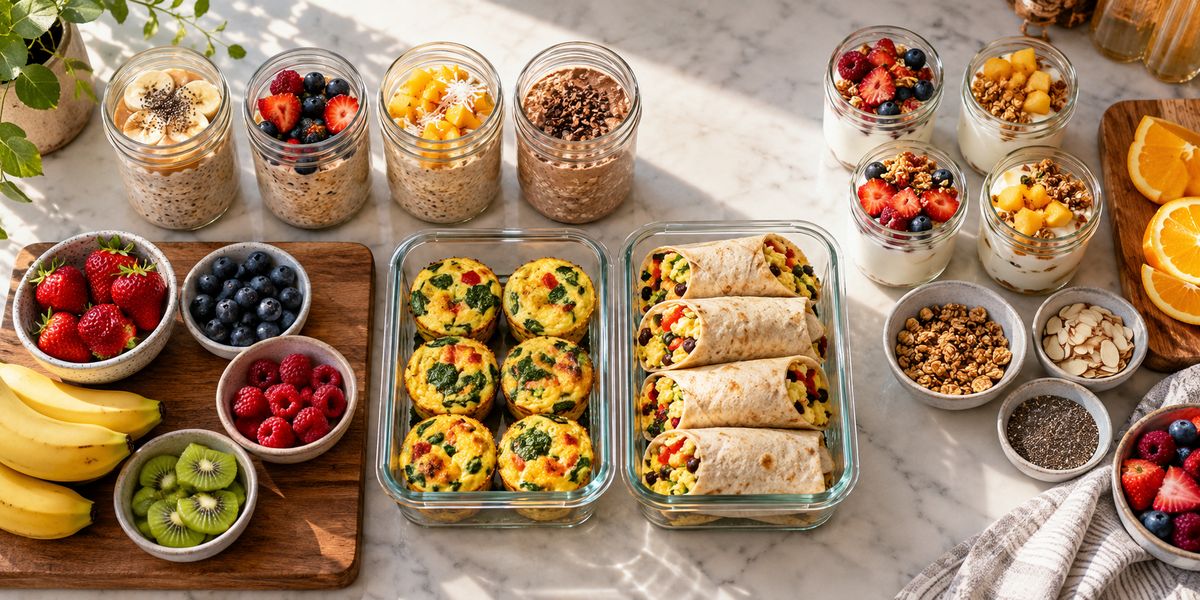
How to compare breakfast foods using nutrition labels
Start with serving size
The FDA’s sodium guidance explains the 2,300 mg Daily Value and how to compare sodium per serving. Its Nutrition Facts reference is especially useful when calculating a breakfast from multiple packaged ingredients.
Find the serving size and servings per container. If one frozen breakfast contains two servings and you eat the full package, double the sodium and every other listed nutrient.
Use milligrams and percent Daily Value
Milligrams show the amount. Percent Daily Value shows how much one serving contributes to the daily reference. The FDA considers 5% Daily Value or less low and 20% or more high for a nutrient per serving.
Compare bread with bread, yogurt with yogurt, and breakfast sandwiches with sandwiches. A food with fewer milligrams per serving may not be the better choice if its serving is much smaller.
Calculate the complete meal
Add each item:
bread or grain
eggs, yogurt, tofu, or another protein
cheese
sauce or seasoning
beverage, if it contains sodium
A breakfast can include a lower-sodium core and still climb once cheese, meat, and sauce join the plate.
Quick lower-sodium breakfast combinations
Use products that fit your own sodium plan. Figures vary by brand, so the combinations are frameworks rather than guaranteed nutrient claims.
Oatmeal and other grain-based breakfasts
Plain oatmeal with yogurt and berries
Cook plain rolled oats with water or milk. Add plain Greek yogurt, berries, cinnamon, and unsalted nuts. This avoids the seasoning packet and adds protein through yogurt.
Overnight oats with chia and pear
Mix oats, milk or a fortified soy beverage, chia seeds, and chopped pear. Refrigerate overnight. Check plant-beverage labels because sodium and protein vary.
Quinoa breakfast bowl
Warm leftover quinoa with milk, cinnamon, fruit, and unsalted seeds. Quinoa offers more protein than many grains, though the milk or yogurt can do more of the protein work.
Toast with unsalted nut butter and fruit
Choose a bread after comparing labels, then add unsalted peanut or almond butter and sliced banana or berries. The bread is often the largest sodium source in this combination.
Yogurt and fruit combinations
Greek yogurt with fruit and seeds
Use plain Greek yogurt, fresh fruit, and unsalted pumpkin seeds. Add oats for chew. Flavored yogurts may contain more added sugar; sodium also varies, so read both lines if they matter to you.
Savory yogurt bowl
Top plain Greek yogurt with cucumber, tomato, herbs, olive oil, and black pepper. Add a lower-sodium whole-grain toast or unsalted crackers. The bowl feels like breakfast for someone who has declined to begin the day with dessert.
Cottage cheese with fruit
Cottage cheese provides protein but can be sodium-dense. Compare brands and use a product that fits your plan. Pair it with peaches, berries, or pear and unsalted nuts.
Egg-based breakfasts with measured additions
Eggs with spinach and tomatoes
Scramble two eggs with spinach, tomatoes, herbs, and black pepper. Serve with a bread chosen by its label. Eggs contain some natural sodium; most of the adjustable amount comes from seasoning and sides.
Egg and bean breakfast bowl
Combine eggs with no-salt-added beans, avocado, tomato, and corn tortillas. Rinse canned beans when appropriate and compare tortilla labels.
Vegetable frittata cups
Bake eggs with peppers, mushrooms, spinach, and herbs in a muffin tin. Skip or measure cheese. Store them according to USDA refrigeration guidance and reheat as needed.
Tofu scramble
Crumble tofu with turmeric, black pepper, nutritional yeast, and vegetables. Choose a salt-free spice blend or check the label on a packaged blend. Nutritional yeast also varies in sodium by brand.
How to include protein without relying on processed breakfast meats
Eggs and egg whites
Whole eggs contribute protein and other nutrients. Egg whites can increase protein with less fat, though carton products should be checked for added ingredients and sodium.
Plain Greek yogurt
Greek yogurt works in sweet or savory breakfasts and can replace a salty sauce. Compare protein and sodium across brands.
Beans and tofu
Beans make a satisfying breakfast bowl; tofu can become a scramble or sandwich filling. Choose no-salt-added beans when available and rinse canned beans if the recipe allows.
Unsalted nuts and seeds
Nuts and seeds add some protein and texture. They are more effective as a supporting ingredient than the only protein source in a high-protein breakfast.
Leftover poultry or fish
Breakfast does not require breakfast meat. A small portion of home-cooked chicken, salmon, or tofu can join eggs, rice, or vegetables. The seasoning from dinner still counts.
Breakfast ingredients you can prepare ahead
Cook a plain grain
Make oats, quinoa, or brown rice without salty broth. Reheat portions with fruit, yogurt, eggs, or vegetables.
Bake egg cups
Use vegetables and herbs, then add cheese only after checking how it fits the sodium budget. Freeze extras if you will not use them within the refrigerated storage window.
Portion yogurt toppings
Divide berries, oats, and unsalted seeds into small containers. Keep yogurt cold and combine at breakfast.
Chop one set of vegetables
Peppers, mushrooms, tomatoes, and greens can move through scrambles, grain bowls, and savory yogurt. Store cut produce safely and discard it when quality or timing is uncertain.
How to evaluate CookUnity breakfast options
CookUnity breakfast availability varies by week and ZIP code. Use the Breakfast category, then open each item’s details.
Browse the breakfast selection to compare dishes such as Caramelized Onion & Goat Cheese Quiche, Bacon, Egg & Cheese Quiche, and Leek and Mushroom Breakfast Quiche. These are examples of breakfast offerings, not verified low-sodium recommendations. Check the full sodium amount for the portion you plan to eat, or browse the low-sodium collection for options to evaluate.
Review:
sodium for the full serving
serving size and servings per container
protein, fiber, and other nutrients relevant to your plan
complete ingredients and allergens
preparation instructions
The ordering menu may include a Sodium Wise filter or a sodium range. Use it to narrow the menu, then verify the individual panel. Do not assume every breakfast item qualifies as low sodium under FDA rules.
Browse the current CookUnity menu and compare the breakfast choices available for your delivery week.
Frequently asked questions
What are quick breakfast ideas for someone trying to reduce sodium?
Try plain oatmeal with yogurt and fruit, eggs with vegetables, overnight oats, a tofu scramble, or toast with unsalted nut butter. Compare labels for bread, yogurt, plant beverages, and packaged toppings.
How can I include protein in breakfast while keeping sodium lower?
For the most current individual-meal values, CookUnity explains where to find the full meal nutrition panel in the ordering menu; public pages may show fewer nutrients.
Use eggs, plain Greek yogurt, tofu, no-salt-added beans, unsalted nuts, or minimally seasoned leftovers. Cottage cheese can work when you choose a brand that fits your sodium plan.
Which breakfast ingredients should I check for hidden sodium?
Check bread, bagels, tortillas, cereal, instant oatmeal, breakfast meat, cheese, cottage cheese, sauces, seasoning blends, and frozen sandwiches.
How do I calculate sodium in a breakfast with several ingredients?
Match each ingredient to the portion you use, add the milligrams, and account for multiple servings. Include condiments and beverages when they contain sodium.
How can I check whether a CookUnity breakfast fits my sodium target?
Open the meal details and review sodium for the entire serving. Compare that amount with the daily target supplied by your clinician or the FDA Daily Value, and consider the rest of the day’s meals.

Be the first to know about new offers
Multiorder discounts, free items and more.