Back
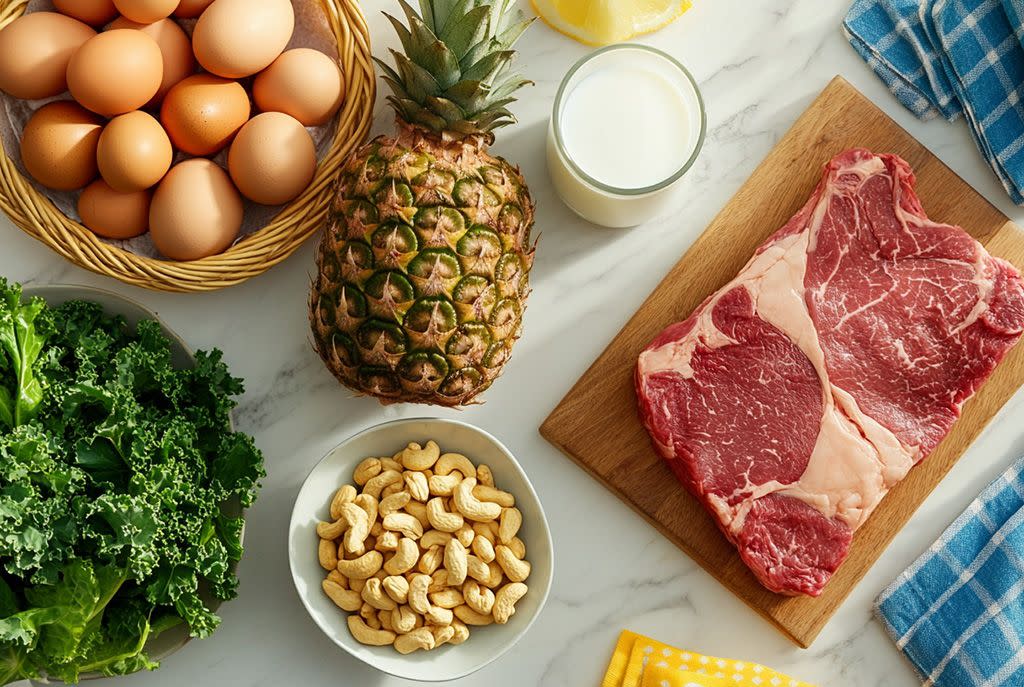
Low-sodium lunch ideas do not have to begin and end with undressed greens. A grain bowl with a sharp lemon sauce, a carefully built sandwich, or last night’s roasted vegetables folded into warm rice can all fit a sodium-smart plan.
The useful move is to count the whole lunch. Bread, cheese, deli meat, canned food, condiments, seasoning blends, and sides all contribute. “Low sodium” is an FDA-regulated claim, so the meal ideas below use lower-sodium or sodium-smart unless a specific product meets the formal standard.
Key takeaways
Add sodium from every component, including sauces, bread, toppings, and sides.
Use herbs, citrus, vinegar, aromatics, and browning to build flavor before reaching for salt.
Choose one flexible base and change the protein, sauce, or texture across the week.
For prepared meals, use the sodium filter as a starting point and verify the full serving.
What to check when planning a lower-sodium lunch
The FDA Daily Value for sodium is less than 2,300 milligrams per day. Personal targets can be different, especially for people following clinical guidance.
The FDA’s sodium guide recommends comparing serving sizes and accounting for sauces and condiments; its Nutrition Facts reference explains % Daily Value. For cooked lunches stored for later, use USDA safe food-handling guidance.
Count the complete serving
A sandwich includes more than filling. Add the sodium in two slices of bread, meat or beans, cheese, mustard, pickles, and the side. A grain bowl includes the grain, broth, protein, vegetables, sauce, and crunchy topping.
Match each label to the portion you use. If a condiment lists a teaspoon and you add a tablespoon, count three servings.
Compare similar products
Bread, tortillas, canned beans, tuna, broth, cheese, and sauces vary widely. Compare items within the same category using similar serving sizes. “Natural,” “artisan,” and “homestyle” do not indicate sodium content.
Know what the claim means
For many individual foods, “low sodium” means 140 milligrams or less per serving. Meals and main dishes have additional criteria based on weight. “Reduced sodium” means at least 25% less sodium than an appropriate reference food; it does not necessarily mean the food is low in sodium.
Lower-sodium lunch ideas for work
Grain bowls with flexible toppings
Cook grains in water or a sodium-smart broth chosen by its label. Add a minimally seasoned protein, vegetables, and a bright sauce.
Lemon chicken and barley bowl
Use home-cooked chicken, barley, roasted carrots, arugula, parsley, and lemon-olive oil dressing. Toasted unsalted seeds add texture.
Tofu rice bowl with ginger-lime sauce
Pair browned tofu with rice, cabbage, cucumber, and edamame. Make sauce with lime, ginger, rice vinegar, sesame oil, and a measured amount of lower-sodium soy sauce if it fits your plan.
Lentil quinoa bowl
Combine lentils, quinoa, roasted peppers, cucumber, herbs, and tahini-lemon sauce. Use no-salt-added lentils or cook them from dry when practical.
Sandwiches with carefully chosen ingredients
Bread, deli meat, cheese, pickles, and condiments can stack sodium quickly. Keep the format and edit the components.
Chicken and avocado sandwich
Use sliced home-cooked chicken, avocado, tomato, greens, and lemon on bread selected by its label. Mustard is optional and measured.
White bean smash
Mash no-salt-added white beans with lemon, olive oil, black pepper, and herbs. Add cucumber and arugula. The filling is creamy without cheese or deli meat.
Egg and roasted pepper pita
Fill a pita with sliced eggs, roasted peppers, greens, and yogurt-herb sauce. Compare the pita and jarred pepper labels; some roasted peppers are packed with substantial sodium.
Leftovers assembled into a different meal
Leftovers are more appealing when their format changes.
Roast chicken becomes a wrap with cabbage and yogurt sauce.
Brown rice becomes a bowl with eggs, edamame, and ginger.
Roasted vegetables become whole-wheat pasta with white beans.
Baked salmon becomes a potato and green bean salad.
Count the seasoning from the original dinner. Leftovers do not reset their nutrition at midnight.
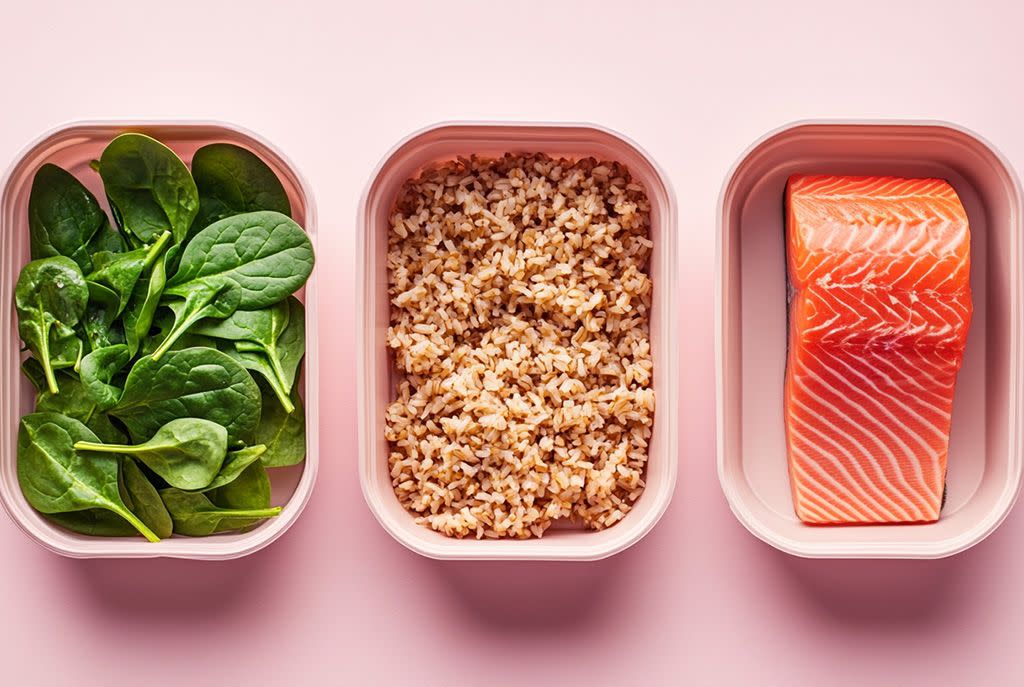
Lunch combinations you can assemble with minimal cooking
No-salt-added tuna and bean bowl
Choose tuna and beans by their labels, drain them, and combine with tomatoes, cucumber, parsley, lemon, and olive oil. No-salt-added tuna is not available everywhere; compare the options you have.
Cottage cheese plate
Use a cottage cheese brand that fits your sodium plan. Add fruit, cucumber, unsalted nuts, and whole-grain crackers chosen by their label.
Microwave sweet potato with black beans
Split a cooked sweet potato and top it with no-salt-added black beans, avocado, lime, and cumin. Add plain Greek yogurt for creaminess and protein.
Greek yogurt chicken salad
Mix home-cooked chicken with plain Greek yogurt, celery, grapes or apple, herbs, and black pepper. Serve in lettuce cups, on bread, or with crackers after comparing sodium.
Peanut soba noodles
Toss cooked soba with edamame, cabbage, carrots, and a sauce of unsalted peanut butter, lime, ginger, and a measured amount of soy sauce. Buckwheat content and sodium vary by noodle brand.
How to add flavor with less salt
Salt is one tool. Lunch has others.
Use acid at the end
Lemon, lime, and vinegar sharpen flavors when added after cooking. Keep wedges or a small dressing cup with work lunches.
Brown ingredients well
Roasted vegetables, seared tofu, toasted grains, and browned chicken develop deeper flavor. Crowded pans steam food; give ingredients room when possible.
Build around aromatics
Garlic, ginger, scallions, onion, shallot, celery, and chiles create a savory base. Use fresh herbs for a final lift.
Choose single spices or salt-free blends
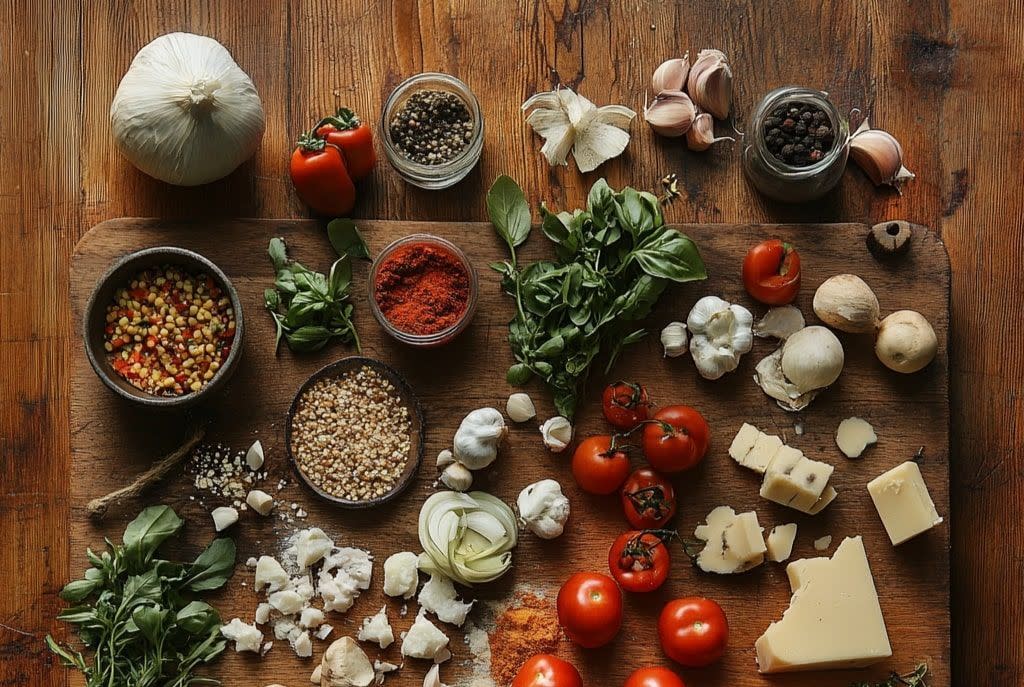
Smoked paprika, cumin, coriander, fennel, turmeric, black pepper, and chile flakes add direction. Check seasoning blends: garlic salt and many all-purpose mixes may contain salt as a leading ingredient.
Use concentrated ingredients carefully
Parmesan, olives, capers, miso, soy sauce, and cured meat can deliver strong flavor in a small amount. Measure them and let them be the salty accent rather than one of several salty components.
How to prep several lunches without repeating the same meal
Choose one grain, two proteins, and two flavor directions
Cook brown rice. Prepare chicken and lentils. Make lemon-herb dressing and ginger-lime sauce.
That produces a lemon chicken bowl, ginger chicken bowl, lentil herb salad, and warm lentil rice bowl. Add different vegetables and textures to keep the meals distinct.
Keep sauces separate
Pack dressing in a small container. This protects greens and lets you control the amount after tasting the food.
Freeze part of the batch
If you prep five lunches on Sunday, freeze the portions that tolerate it well, such as grain bowls without fresh greens. Thaw in the refrigerator and follow USDA storage guidance.
Keep one assembly lunch
Plan a bean sandwich, yogurt plate, or sweet potato bowl for the busiest day. Meal prep works better when one meal barely asks to be prepped.
How to compare CookUnity meals for a lower-sodium lunch
CookUnity’s menu may include a Sodium Wise filter or a sodium range inside Diet & Lifestyle. Availability varies by delivery week and ZIP code.
Consider the ingredients and sodium panels of Grilled Chicken & Quinoa Bowl, Tarragon-Roasted Chicken Salad, and Roasted Salmon & Zucchini as examples to compare—not automatically low-sodium choices. Start with the lunch meals and low-sodium collection pages, then verify the complete meal's nutrition for your delivery week.
After filtering, open each meal and review:
sodium for the full serving
serving size
protein, fiber, and other nutrients important to your plan
complete ingredient list and allergens
included sauces and sides
preparation instructions
Prepared food can fit a sodium plan when the individual meal fits the numbers you are using. Do not assume every salad, vegetable bowl, or “clean” collection item meets the FDA definition of low sodium.
Browse CookUnity’s current weekly menu, apply the available nutrition filters, and compare the meals on your delivery date.
Frequently asked questions
What are easy low-sodium lunch ideas besides salads?
Try a lemon chicken grain bowl, tofu rice bowl, white bean sandwich, egg pita, sweet potato with beans, or yogurt-based chicken salad. Choose each packaged ingredient by its label.
How can I make a lower-sodium sandwich for work?
For the most current individual-meal values, CookUnity explains where to find the full meal nutrition panel in the ordering menu; public pages may show fewer nutrients.
Compare breads, replace deli meat with home-cooked chicken, eggs, or mashed beans, and limit cheese, pickles, and salty condiments. Use avocado, tomato, herbs, and lemon for moisture and flavor.
How can I add flavor to lunch while using less salt?
Use citrus, vinegar, garlic, ginger, chiles, herbs, toasted spices, and browning. Measure salty accents such as soy sauce, capers, cheese, or olives.
What should I check when buying a prepared lower-sodium lunch?
Check serving size, sodium for the full package, sauces and sides, ingredients, and the meaning of any front-label claim. “Reduced sodium” and “low sodium” have different FDA definitions.
How can I choose CookUnity lunches that fit my daily sodium allowance?
Use Sodium Wise or the sodium range when available, then open each meal’s full nutrition panel. Compare the full-serving sodium with your daily plan and the other meals you expect to eat.

Be the first to know about new offers
Multiorder discounts, free items and more.