Back
Back
Reviewed by Culinary Nutritionist | Kristy Del Coro, MS, RDN, LDN
More than 3.3 million Americans consider themselves vegan, according to the 2023 independent Gallup poll on consumption habits in the nation[1]. So, it shouldn’t be a surprise that many households are considering healthier, plant-based options as they sit down for meals.
Veganism is often misunderstood, sometimes being linked to political causes and ethical debates. However, researchers — as evidenced by a recent study published in the National Library of Medicine — repeatedly prove that it is one of the best diets to avoid obesity, diabetes, and cardiovascular diseases. For this reason alone, it’s worth learning more about it.
What is a Vegan Diet?
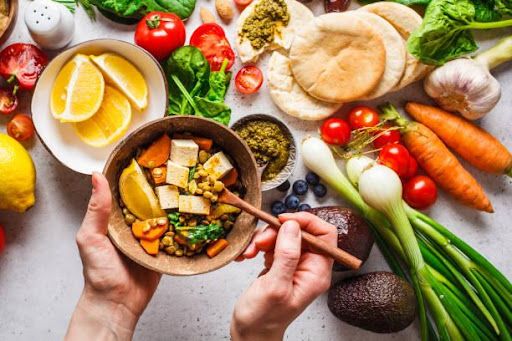
A vegan diet is a way of eating that excludes the consumption of all animal products and byproducts. This means neither meat, dairy, fish, eggs, and sometimes not even honey, grace the plates of vegans. Instead, they focus on getting nutrition from vegetables, plants, grains, nuts, beans, and legumes.
If you’re struggling to differentiate vegan vs vegetarian vs plant-based vs pescatarian, you’re not alone! Pescatarians include fish in their diet and avoid meat-based foods, plant-based eaters emphasize plant foods but don’t necessarily exclude all animal products from their diet, and vegetarian diets exclude all meat, poultry, and fish but may include dairy products, eggs, and other animal-derived foods. A vegan diet is generally the most strict form of plant-based diets³.
These all vary from the typical omnivorous diets, which integrate meat, fish, seafood, and other animal foods along with fruits and vegetables.
Harvard researchers also report that some people who follow certain plant-based diets may sometimes include animal products or byproducts. An example are “Beegans,” which is a name for people who follow a vegan diet but still eat honey.
As a rule, vegan diets strictly adhere to eating plant-based foods only. If you’re considering trying this out, check out some common changes you can make to your meal prep plan below.
Different Types of Vegan Diets
A recent Oxford University study found that vegan diets are naturally low in saturated fat and high in dietary fiber. This helps to explain why it’s considered so healthy.
However, the reality is that not every vegan eats the same. Different vegan diets offer varying health benefits.
Whole-Food Vegan
A whole-food vegan diet is centered on consuming only whole, unprocessed plant-based foods. These foods include whole fruits, vegetables, whole grains, and legumes. Vegans who focus on whole foods choose an apple over a cup of apple juice, steel-cut oats over presweetened cereal, sprouted whole grains over processed carbohydrates.
Raw Vegan
A raw vegan is plant-based, but foods are consumed raw or only minimally cooked below a temperature of 118°F, according to Healthline. This method of eating often involves dehydrating foods, juicing, and sprouting seeds.
People who choose a raw vegan diet usually believe that cooking destroys natural enzymes and reduces the nutritional content of the food. It is the ideal vegan diet for weight loss and achieving a lower body mass index.
Essential Vegan Food List
It’s clear what vegans don’t eat. But it turns out there is plenty to eat without choosing meat.
Vegan Foods to Include
To fill up your grocery cart with plant-based foods, head straight to the produce section. There, you can find a variety of fruits and vegetables to create delicious meals. You’ll find delicious vegan protein sources in the aisles of almost any grocery store as well. Foods to add to your vegan shopping list include:
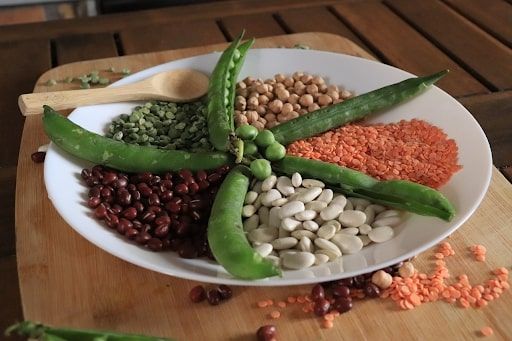
• Legumes, like lentils and chickpeas
• Beans, such as black-eyed peas and pinto beans
• Whole grains, including quinoa and oats
• Nuts, like macadamia nuts, almonds, and cashews
• Seeds, such as chia seeds, flaxseed, sunflower seeds, and pumpkin seeds
• Plant-based oils, like avocado oil and olive oil
• Plant-based milk, including oat milk and soy milk
Non-Vegan Foods to Avoid
When searching for vegan foods, many are surprised by the animal products that are added to some processed foods, such as many crackers, breakfast cereals, and snack foods. Read labels carefully to avoid:
• Meat
• Poultry
• Dairy products, including whey protein (animal protein)
• Eggs
• Honey
• “Natural flavorings”, can contain animal products
• Tallow, rendered animal fat
• Casein, a binding agent used in cheese
• Gelatin, which includes bone char
• Beeswax
It is tricky to know if some ingredients are derived from animals. For example, L-cysteine is an amino acid used to soften pre-baked bread. It’s usually made from poultry feathers. The People for the Ethical Treatment of Animals published a list of animal-based ingredients worth reviewing.
Key Nutrients in a Vegan Diet
While vegans get plenty of vitamins, minerals, and fiber from whole fruits and vegetables, some nutrients simply aren’t found in plant-based foods. That’s why it’s important to eat enough vegan protein, too.
Vitamin B12 Sources
Vitamin B12 is only naturally found in animal products, and low levels can result in anemia, nervous system damage, heart disease, and pregnancy complications. For this reason, most vegans will take a B12 supplement daily. Also, look for fortified foods and include nutritional yeast as a B12-rich Parmesan cheese substitute with a delicious, nutty flavor, according to the Vegan Society.
Vegan Sources of Iron
Iron is an important mineral that the body needs for growth and development. However, it is often found in low levels in vegans. To get enough iron, eat plenty of leafy greens, legumes, tofu, and even potatoes.
Plus, caffeine consumption can impact the body’s ability to absorb plant-based iron. Vegans who eat plenty of iron-rich foods may benefit from drinking less coffee and tea during the day.
Calcium Sources for Vegans
A misconception is that vegans cannot get enough calcium. There are plenty of calcium-rich foods beyond dairy. They include:
• Soy foods like tofu
• White beans
• Almonds
• Chia seeds
• Seaweed
• Leafy greens
• Figs
Also, many foods, like plant milks, are fortified with calcium.
Omega-3 Fatty Acid Alternatives
Omega-3 fatty acid is commonly found in fish and fish oils, but there are many options for vegans to get this important lipid, according to the Physicians Committee for Responsible Medicine. Flax seed oils, as well as many nuts, edamame, and beans, are all great plant-based options too.
Benefits of a Vegan Diet
Here are the main reasons why people choose to follow a vegan diet.
Health Benefits
A vegan diet can be a healthy way to eat when people focus on consuming adequate amounts of vitamins, nutrients, and minerals from whole foods as well as taking supplements when necessary. ¹⁰
A vegan diet can lower risk of chronic diseases, such as the risk of heart disease and type 2 diabetes. Vegans tend to have lower blood pressure and better heart health ¹¹
Environmental Benefits
Beyond the individual health benefits, a vegan diet is also considered environmentally responsible.
The University of Colorado in Boulder found that raising livestock for human consumption contributes almost 15% of the total greenhouse gas emissions. It takes 2,500 gallons of water to produce one pound of beef, 477 gallons of water for eggs, and nearly 900 gallons to make cheese, the Colorado scientists reported.
Interested in climate-friendly food choices? Explore our selection of delicious meals that are good for you and better for the planet - Order from our Green Eating Menu today!
Ethical Considerations
Another noteworthy benefit to adopting a vegan diet is that those who avoid animal products aren’t contributing to an industry that often overlooks animal suffering. Vegans, who refuse to buy leather products as well, reduce the demand for such cruel market-driven conditions. Many vegans believe that animals raised for food should be treated the same way as a pet dog or cat.
Maintaining a Balanced Vegan Diet
The reality is that excluding animal products and byproducts from all meals may require extra effort at first. Like most new things, a focus on consuming adequate nutrients will be a greater challenge at the beginning. It’s a good idea to schedule comprehensive blood work with a doctor every year to ensure you're maintaining a balanced diet.
Tracking Nutrient Intake
Few people can accurately estimate the percentage of vitamins and minerals in their food. When you are first educating yourself about the benefits of eating different plant-based, consider downloading food-tracking apps like MyFitnessPal to get a nutritional baseline.
If extra support is needed, reach out to a dietitian who is educated on the benefits of a vegan diet. These health professionals should be able to suggest plant-based options to address any concerns.
Supplement Options
Bloodwork results may unveil a need for specific supplementation. As mentioned above, all vegans will benefit from a daily vitamin B12 supplement, according to research published in the National Library of Medicine. Look for a B12 pill that dissolves under the tongue or is administered in a liquid. These are the most easily absorbed.
Vegans may also wish to add an Omega-3 supplement, such as flax seed oil, to their daily routine. Sometimes, people who follow a vegan diet also lack adequate levels of vitamin D. Sun exposure for five to 30 minutes is ideal, according to the American Journal of Lifestyle Medicine. Or, a vitamin D supplement can help, too.
Vegan Meal Ideas
Many people who shift to a totally plant-based diet are pleasantly surprised by the delicious meals that require no meat. For those who enjoy cooking, try going to the produce section of the local market and choose a few new fruits or vegetables. Look up recipes online, or invest in a vegan cookbook, such as Mollie Katzen’s Still Life with Menu.
Quick and Easy Meals
For those who don’t enjoy cooking or would like to try more complex meals created by a professional chef, CookUnity has plenty of creative, flavor-packed entrees. To find these meals easily in our app, simply select the “vegan” filter to see what pops up in your weekly menu.
Here are two favorites worth trying:
Vegan 'Chorizo' Chili Mac and Cheese with Parmesan Bread Crumbs & Pico De Gallo: Created by Chef Ivy Stark, this spicy dish stands out for having a long ingredient list consisting only of foods you can recognize and pronounce!
Mediterranean Vegan Farro Bowl with Marinated Tofu & Roasted Eggplant: Farro is a heritage grain that few integrate into their kitchens, but Chef Einat Admony does. This balanced bowl is packed with protein and vegetables that are sure to satisfy.
Embracing a Vegan Lifestyle
The vegan diet can offer many benefits, but always consult your healthcare provider before adopting a new diet.
Especially when you first start, it’s important to track your nutrition. Nutritionists suggest “eating the rainbow”, or eating a variety of colorful foods, will help you feel your best every day.
Many people jump into the vegan diet right away, but others take time to learn new versions of beloved classic dishes that normally include meat. One way to try your hand at plant-based eating is to commit to one meat-free day, like ‘Meat Free Mondays’ advocates. From there, it’s easier to get comfortable with this change — especially once you start to feel so much better.
It's also easier to change eating habits when you include the people in your household or friends. Discuss your plans with your loved ones and encourage them to join you. Trade recipes, host vegan potluck dinners, and share ideas for a healthier lifestyle.
Another way to make a vegan diet easier is to let someone else do the work. When you join CookUnity, you can enjoy small-batch, vegan meals made by top culinary talent delivered to your door each week. From a Sesame-Ginger Tofu Poke Bowl to a White Bean Korma Curry, there’s always something delicious (and plant-based) from which to choose. Learn more about CookUnity’s vegan options today.
Pro-Tips from our Nutritionist:
• Variety is key: there are many plant foods that contain an array of nutrients important for vegan diets but not all of them will be excellent sources so eating a combination of them and getting good variety in your diet is important.
• Be intentional about protein: many plant based sources of protein lack all of the essential amino acids for your body, so eating a combination of protein sources throughout the day is important.
• Just because it is vegan does not mean it’s healthy! Don’t make assumptions about the healthfulness of a dish simply because it does not contain animal products. Remember, it is still important to focus on whole foods first.
Frequently Asked Questions About Vegan Diets
What foods are included in a vegan diet?
A vegan diet avoids all animal products and byproducts, but there are many more foods beyond that. All fruits and vegetables, legumes and beans, nuts and seeds are all part of a balanced plant-based diet. Many vegans will also incorporate plant milk, like soy or almond, or vegan products, such as coconut yogurt or dairy-free ice cream.
Avoid ultra-processed vegan foods that may contain excess amounts of added sugar and sodium, instead focus on whole foods that contain plenty of fiber. When you avoid pre-packaged food, it’s easier to eat vegan on a budget, too¹⁷.
You’ll need to make a habit of looking at the ingredient list for all packaged items, especially crackers, cereals, and desserts. With time, you’ll be able to identify the vegan brands and products you enjoy.
What are the 3 most important 'rules' of a vegan diet?
You likely already know the obvious rule of a vegan diet: Avoid all animal products and byproducts! Here are five lesser-known rules you may wish to implement:
Fill up on fiber: You can’t go wrong with eating fruits and vegetables, nuts, seeds, and whole grains to fill up and feel satisfied and keep things moving. Aim for 25-30g of fiber daily.
Prioritize protein: You don’t need to plan your meals around protein, but try to add beans, legumes, tofu, quinoa, and other protein-rich options whenever possible.
Remember to supplement when necessary: Get your bloodwork checked regularly and consider taking a multivitamin, omega-3 supplement, and/or B12 supplement to fill any gaps. If you have any doubts about whether or not you are meeting your needs through your diet, consult with a Registered Dietitian.
Is vegan really healthier?
When vegans eat balanced whole foods, the health results are nothing short of amazing. A Stanford University study found a vegan diet can improve a person’s cardiovascular health in as little as eight weeks. LDL cholesterol levels dropped, along with insulin fasting levels and even weight.
What is an example of a vegan diet?
Meal planning is a good way to ensure a vegan diet is balanced with proper nutrition and delicious. Some vegan breakfast ideas include:
Oatmeal with nut butter and fruit
Tofu scramble with vegetables
Homemade granola
Toast with stir-fried beans and vegetables
Vegan lunches could include:
Squash soup
Pasta salads
Barbecued tempeh sandwiches
Hummus with wholegrain crackers and sliced vegetables
Vegan dinners could include:
Chili sin carne
Meat-free shepherd’s pie
Chickpea curry
Still hungry? Vegan snack ideas, include nuts, dates, apple slices with peanut butter, and vegetable juices. Also, don’t forget to stay hydrated.
SOURCES:
[Meat Free Mondays[(https://meatfreemondays.com/)

Be the first to know about new offers
Multiorder discounts, free items and more.