Back
Reviewed by Culinary Nutritionist | Kristy Del Coro, MS, RDN, LDN
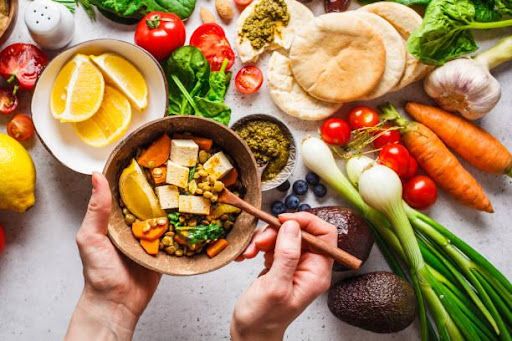
Thinking about going plant-based? We get it. Whether you’re chasing the health benefits of a cleaner plate, cutting out animal products for ethical reasons, or just vibing with the idea of eating with purpose, a vegan meal plan can be a powerful move. And let’s be honest—it’s not just about what’s on your plate. A vegan diet is a full-on lifestyle shift that feeds your body, your values, and the planet. From glowing skin to a lighter carbon footprint, the perks of a plant-based diet are hard to ignore. If you're even a little curious, stick with us—we're diving into the top reasons a vegan diet meal plan could be your next big upgrade.
Potential Benefits of a Vegan Diet
Following a vegan diet guide comes with a range of benefits that go beyond just food choices—it can enhance your health, reduce your environmental footprint, and align with ethical values. Let’s take a closer look at how a vegan meal plan can positively impact your well-being, the planet, and animal welfare.
Improved Health and Well-being
A vegan diet is packed with nutrient-dense, plant-based foods that fuel your body and support long-term health. Studies show that those following vegan meal plans tend to see health benefits such as lower cholesterol, reduced risk of heart disease, improved digestion, and better weight management.¹ Focusing on wholesome meals rich in fiber, vitamins, and antioxidants can support immune function, increase energy levels, and even enhance your skin’s radiance.
Additionally, a vegan weight loss meal plan can be highly effective since non-animal-based foods are naturally lower in calories but high in satiating fiber and nutrients. Swapping processed foods for nutritious meals like black beans and rice with roasted veggies can help you maintain a healthy weight while feeling satisfied and nourished.
Environmental Impact
What you eat affects your body and the planet. Vegan meals have a significantly smaller carbon footprint than diets that rely on animal products. By choosing plant-based foods, you reduce greenhouse gas emissions, water consumption, and deforestation—all of which contribute to a more sustainable future.
For example, producing vegan meals like lentil stew or black bean chili requires far fewer natural resources than raising livestock for meat. The livestock industry is one of the leading contributors to deforestation and climate change, making a shift toward vegan dishes an easy and impactful way to support environmental conservation. Simply put, every delicious meal you enjoy on a vegan diet is a step toward protecting the Earth’s future.
Ethical Considerations
One of the strongest motivators for adopting veganism is the ethical stance against animal cruelty and exploitation. Industrial farming practices often involve inhumane conditions that many individuals find deeply troubling. Choosing a vegan diet meal plan aligns with the philosophy of compassion, kindness, and respect for all living beings.
Beyond animal welfare, supporting a vegan lifestyle also means advocating for fairer and more sustainable food systems. The demand for plant-based alternatives continues to grow, paving the way for more ethical food production practices worldwide. Whether your motivation is animal rights, sustainability, health benefits, or personal values, a vegan meal plan allows you to align your diet with your ethics while still enjoying flavorful, fulfilling meals.
One-Week Vegan Meal Plan Overview
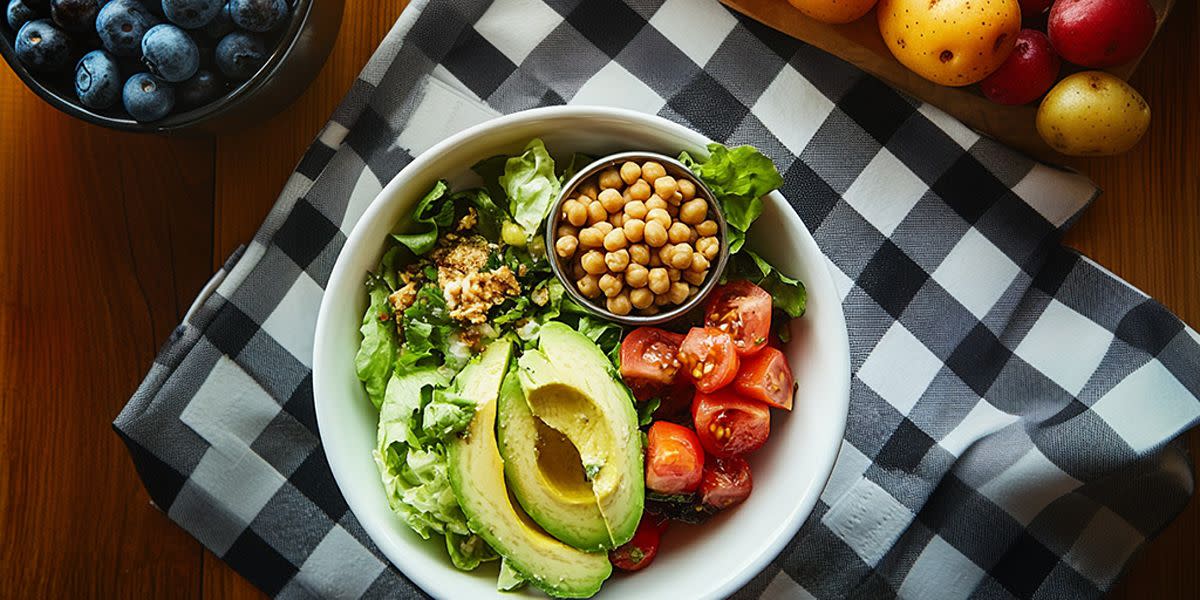
If you're new to plant-based eating and feeling overwhelmed, this easy-to-follow vegan meal plan is designed to take the guesswork out of your meals. Whether you're transitioning to veganism for health, ethical, or environmental reasons, the key to success is structure and simplicity.
This one-week plan lays out exactly what to eat each day, ensuring your meals are nutrient-dense, satisfying, and affordable. You’ll follow a daily meal structure with breakfast, lunch, dinner, and snacks, using a straightforward grocery shopping list that keeps things flexible while ensuring you have everything you need.
By the end of this week, you’ll feel confident in your ability to maintain a long-term vegan diet without stress or confusion.
Daily Meal Structure
To make vegan eating simple and repeatable, each day follows this basic structure:
Breakfast: Start with a high-fiber, protein-packed meal to keep you full and energized.
Lunch: A hearty, well-balanced meal featuring whole grains, vegetables, and plant-based protein to sustain you through the day.
Dinner: A nutrient-dense, flavorful meal that ensures you end the day fully satisfied.
Snacks: Light, nutritious options to keep hunger at bay and maintain energy.
Grocery Shopping Suggestions
Stocking up on staple ingredients makes it easy to prepare meals without last-minute stress. Here’s what to look for when shopping:
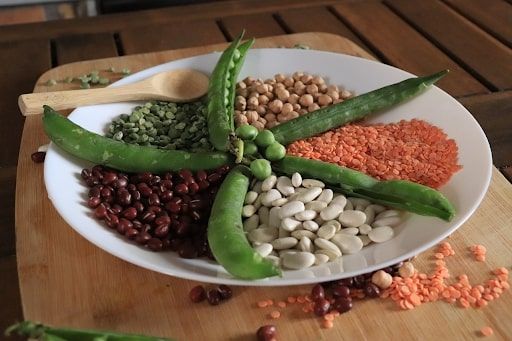
For pantry items, stock up on whole grains (quinoa, brown rice, vegan bread), legumes (black beans, chickpeas, lentils), and nuts/seeds (almonds, chia seeds, flaxseeds) to create nutritious, affordable meals.
For fresh produce, choose a variety of whole foods to add color, texture, and vitamins to your meals.
For plant-based protein, consider tofu, tempeh, seitan, and high-protein legumes to keep meals filling and balanced.
For flavor and variety, have spices, nutritional yeast, flavorful oils and vinegars, and vegan sauces on hand to enhance your meals without extra effort.
With these versatile, budget-friendly ingredients, you’ll be able to mix and match meals while following the structured plan below.
7-Day Vegan Meal Plan
This step-by-step, day-by-day meal plan lays out exactly what to eat so you never have to guess. Follow it as written, or swap meals based on your preferences. Either way, you’ll have a clear path to making vegan eating simple and sustainable.
Day 1
Breakfast: Chia pudding with non-dairy milk, cinnamon, and fresh berries
Lunch: Black bean and corn taco salad with avocado and a lemon dressing
Dinner: Vegan burrito bowl with brown rice, roasted sweet potatoes, black beans, and salsa
Snacks: Carrot sticks with hummus
Day 2
Breakfast: Wholemeal toast with avocado and a sprinkle of sunflower seeds
Lunch: Chickpea and cucumber salad wrap with fresh herbs
Dinner: Lentil soup with whole meal bread and a side of sautéed greens
Snacks: Apple slices with nut or seed butter
Day 3
Breakfast: Smoothie with spinach, banana, non-dairy milk, and chia seeds
Lunch: Quinoa and roasted vegetable salad with a simple tahini dressing
Dinner: Mushroom and chickpea stir-fry with brown rice
Snacks: Roasted chickpeas with sea salt
Day 4
Breakfast: Overnight oats with almond butter and chopped dates
Lunch: Lentil and vegetable stuffed red peppers
Dinner: Vegan tofu noodles with sautéed mushrooms and garlic-ginger sauce
Snacks: A handful of almonds and dark chocolate
Day 5
Breakfast: Whole grain pancakes topped with fresh fruit (such as blueberries) and a drizzle of maple syrup
Lunch: Vegan Caesar salad with crispy chickpeas and homemade cashew dressing
Dinner: Sweet potato and black bean chili with brown rice
Snacks: Pita bread with tahini dip
Day 6
Breakfast: Chia pudding with oat milk and a handful of walnuts
Lunch: Roasted chickpea and kale salad with a lemon vinaigrette
Dinner: Eggplant and chickpea curry served with basmati rice
Snacks: Cucumber slices with hummus
Day 7
Breakfast: Vegan toast with nut butter and banana slices
Lunch: Vegan minestrone soup with a side of garlic toast
Dinner: Vegan stew with lentils, tomatoes, carrots, and rice cakes
Snacks: Roasted sunflower seeds
Meal-Prepping Techniques
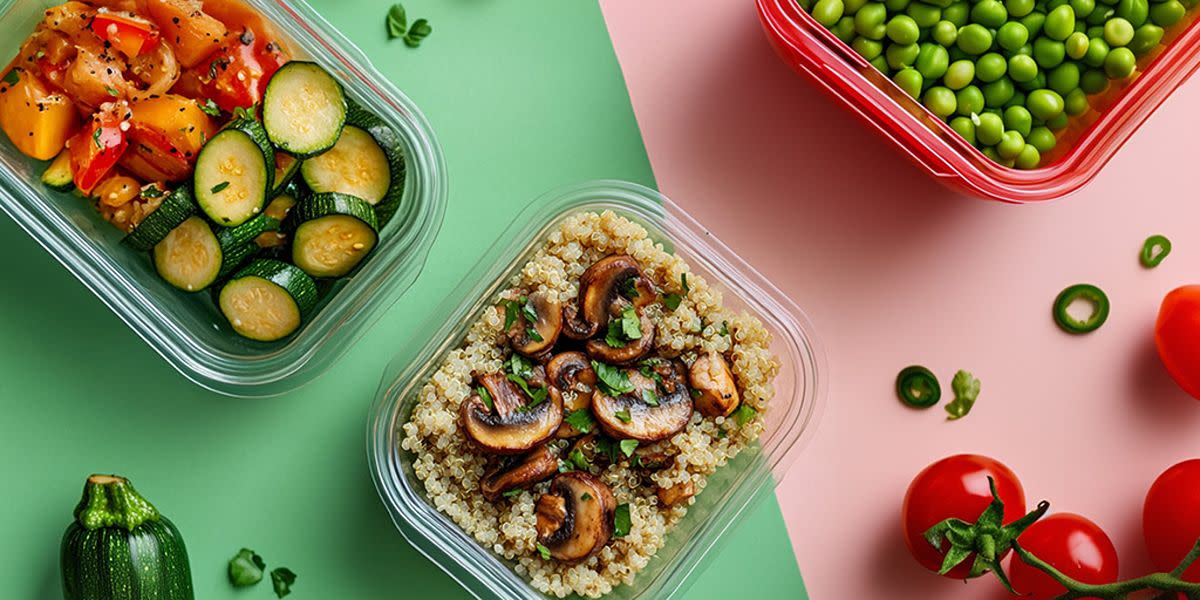
If you want to make sticking to a vegan meal plan effortless, meal prepping is the key. Prepping meals in advance saves time, money, and stress, ensuring you always have nutritious meals ready to go, even on busy days. By dedicating just a few hours a week to meal prep, you’ll have everything you need to stay on track without last-minute scrambling.
Here’s how to meal prep effectively for your vegan diet meal plan:
Plan your weekly menu. Before grocery shopping, decide which vegan recipes you’ll prepare. Stick to simple, repeatable meals that use overlapping ingredients to cut down on waste and cost.
Prep ingredients in bulk. Chop vegetables, cook grains, soak legumes, and portion out nuts and seeds in advance to make mealtime effortless.
Use storage containers wisely. Store prepared ingredients separately in airtight containers so you can mix and match them throughout the week for variety.
Make versatile bases. Cook a large batch of quinoa, farro, rice, black beans, or lentils that can be used in different dishes, like salads, soups, and grain bowls.
Schedule a prep day. Choose one or two days a week to batch-cook and portion meals, ensuring that you always have a ready-to-eat meal when needed
Batch Cooking
Batch cooking is one of the most effective ways to keep your vegan diet meal plan running smoothly. Instead of cooking from scratch every day, prepare large portions of staple meals that you can enjoy throughout the week. This approach saves time and effort, making 100% vegan eating more manageable and consistent.
What to Batch Cook?
Some meals store well and taste even better over time. Consider making:
Soups and stews: Dishes like vegan stew or lentil soup are hearty, nutritious, and easy to reheat.
Grains and legumes: Cooking quinoa, brown rice, lentils, and beans in bulk gives you a solid base for multiple meals.
Roasted vegetables: Roast a variety of veggies at once to use in salads, grain bowls, and wraps.
Homemade sauces and dressings: A good tahini dressing or homemade hummus can transform simple meals into something flavorful and satisfying.
How to Batch Cook Efficiently?
Choose multi-use ingredients. Cook large portions of foods that can be repurposed into multiple dishes.
Use the oven and stove simultaneously. While grains are cooking on the stove, roast vegetables or bake tofu in the oven.
Portion and store. Divide meals into individual portions so they’re easy to grab and heat.
Freeze for later. If you don’t eat everything within a few days, freeze half your batch for another week.
Storing and Reheating Meals
Proper storage and reheating techniques keep your meals fresh and delicious while preventing waste. A well-organized fridge and freezer make it easy to stick to your vegan meal plan without worrying about spoiled food.
Best Ways to Store Your Meals
Refrigeration: Store prepped ingredients separately (like cooked grains, beans, and roasted vegetables) in airtight glass or BPA-free plastic containers to keep them fresh for 3–5 days.
Freezing: For longer storage, freeze soups, stews, and cooked grains in portion-sized containers. Always label them with dates to track freshness.
Use mason jars for salads: Layer ingredients in jars with dressing at the bottom and leafy greens at the top to keep them crisp until you’re ready to eat.
Best Ways to Reheat Your Meals
Stovetop: For the best texture, reheat stews, stir-fries, and roasted vegetables in a pan with a little water or broth.
Oven: Reheat bulk-prepared items like roasted vegetables or tofu at 350°F for 10–15 minutes to restore crispness.
Microwave: While convenient, microwaving can sometimes dry out food. Cover meals with a damp paper towel or add a splash of water before heating.
Nutritional Guidance for Vegans
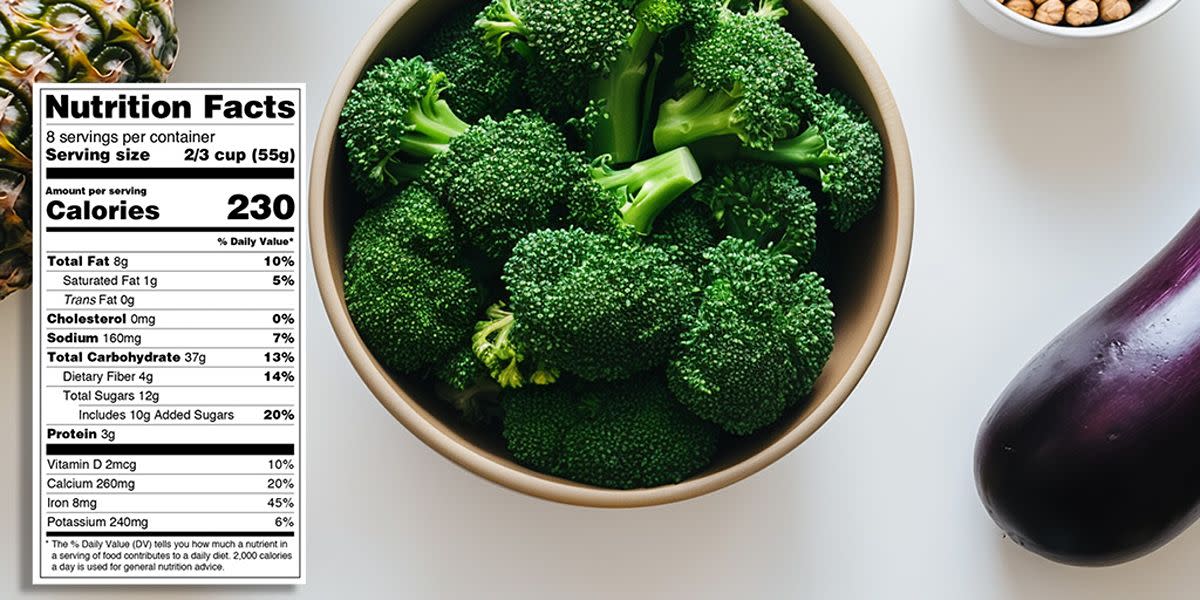
Switching to a vegan diet meal plan is one of the best decisions you can make for your health, but it’s essential to ensure you’re getting all the necessary nutrients to maintain energy, strength, and overall well-being. A well-balanced vegan diet provides everything the body needs when planned correctly, but understanding key nutrients, their sources, and potential gaps is crucial for long-term success.
This guide will walk you through the essential nutrients to focus on, how to obtain them naturally through plant-based food, and when supplements might be necessary to maintain optimal health.
Essential Nutrients to Consider
A nutritious meal is about balance. While veganism can provide plenty of health benefits, some nutrients require special attention to ensure you’re getting enough. Seeking advice from a registered dietitian can help to offer clarity on which meal choices will be the most nutritious for your individual needs.
Protein
Plant-based proteins help with muscle repair, metabolism, and immune function. Instead of relying on animal products, focus on these protein-rich vegan foods:
Legumes: Black beans, chickpeas, lentils
Whole grains: Quinoa, brown rice, oats, barley
Soy-based foods: Tofu, tempeh, edamame
Nuts and seeds: Chia seeds, hemp seeds, almonds
Iron
Iron is crucial for oxygen transport and energy levels, and while plant-based sources are abundant, they are best absorbed when paired with vitamin C-rich foods.
Iron-rich foods: Lentils, chickpeas, pumpkin seeds, spinach
Boost absorption: Pair with citrus fruits, bell peppers, or tomatoes
Vitamin B12
B12 is essential for nerve function and red blood cell production, but it’s not naturally found in plant-based foods. Since deficiency can lead to fatigue and neurological issues, fortified foods or supplements are recommended.
Best sources: Fortified plant milk, nutritional yeast, B12 supplements
Omega-3 Fatty Acids
Omega-3s support brain function and heart health and are commonly found in fish, but vegans can get them from:
Flaxseeds, chia seeds, walnuts, and algae-based supplements
Calcium
Calcium is important for bone health and is found in more than just dairy. Many plant-based foods provide sufficient calcium, including:
Leafy greens (kale, bok choy), fortified plant milk, tahini, almonds
Zinc
Zinc plays a key role in immune function, wound healing, and metabolism. Since plant-based zinc sources are less bioavailable than animal sources, it’s important to eat a variety of:
Pumpkin seeds, chickpeas, lentils, cashews, tofu
Supplements for a Balanced Diet
While a well-planned vegan diet meal plan can provide most essential nutrients, some vitamins and minerals are more challenging to obtain solely from vegan-certified food. For long-term nutritional balance, these key supplements may be necessary:
Vitamin B12
Since B12 is not naturally present in plant-based foods, all vegans should take a B12 supplement or consume fortified foods regularly.
Recommended dosage: 250–500 micrograms per day (cyanocobalamin form is best absorbed).
Vitamin D
Vitamin D supports bone health, immune function, and mood stability. Since sun exposure is inconsistent for many people, a supplement may be needed.
Best options: Vegan D3 supplement (derived from lichen) or fortified plant-based milk.
Omega-3 (DHA & EPA)
Plant-based omega-3 sources like flaxseeds and walnuts provide ALA (alpha-linolenic acid), but the body converts it inefficiently into DHA and EPA, which are vital for brain function and heart health.
Best option: Algae-based omega-3 supplements.
Iron (If Needed)
Vegans can usually meet iron needs through diet, but if you experience fatigue or low energy, an iron supplement paired with vitamin C can help.
Iodine
Iodine is critical for thyroid function, but since it’s primarily found in seafood, vegans should either consume iodized salt or take an iodine supplement if needed.
Tips for Success
As you make preparations to become a vegan and start drafting a solid vegan diet meal plan, you might experience a period of adjustment, but the transition doesn’t have to be overwhelming. Whether you’re making the transition for health, environmental, or ethical reasons, the key is to take a practical approach that fits your lifestyle. The goal isn’t perfection—it’s about making sustainable choices that lead to long-term success.
A successful transition to a vegan lifestyle happens when you:
Start at your own pace. Some people go vegan overnight, but for most, gradual change is easier. You can begin by eliminating animal products meal by meal or adopting a vegan meal plan a few days a week before going fully plant-based.
Focus on addition, not restriction. Instead of feeling like you’re giving things up, focus on discovering delicious new meals, flavors, and ingredients.
Use familiar foods as a base. Keep meals simple and familiar. Replace animal products with vegan alternatives in your favorite dishes—try vegan burrito bowls, pasta with veggie-based sauces, or grain bowls packed with vegetables and legumes.
Get comfortable reading labels. Learning to spot hidden animal ingredients and finding vegan-friendly substitutes makes grocery shopping much easier.
Meal prep to stay on track. Having nutritious, easy-to-reheat meals on hand means you always have a healthy option on hand, reducing the temptation to revert to old habits.
Starting a vegan diet meal plan may feel overwhelming at first, but these beginner-friendly tips will help you stay motivated, nourished, and confident as you adjust.
Find Vegan Versions of Your Favorite Foods
You don’t have to give up the meals you love—just “veganize” them. Swap dairy for plant-based alternatives, use black beans or lentils instead of meat, and try nutritional yeast for a cheesy flavor.
Keep Meals Simple
You don’t need elaborate recipes to eat well. Build wholesome meals using these three basics:
A plant-based protein (tofu, lentils, black beans)
A whole grain (quinoa, brown rice, wholemeal bread)
Colorful vegetables (spinach, bell peppers, carrots)
Learn to Cook Staple Vegan Dishes
Master a few easy go-to meals like vegan stew, tofu stir-fries, hearty grain bowls, and vegetable-based pasta dishes. Once you have a few favorites, meal planning becomes second nature.
Stock Up on Vegan Staples
Having a well-stocked pantry makes it easier to throw meals together. Keep whole grains, legumes, nuts, seeds, and plant-based proteins on hand, so you’re always ready to cook.
Plan Ahead When Eating Out
Many restaurants offer vegan-friendly options, but it’s always good to check menus in advance. Look for dishes with vegetables, grains, and legumes, or ask for simple modifications.
Be Kind to Yourself
Mistakes happen—if you accidentally eat something non-vegan, don’t get discouraged. Focus on progress, not perfection. Every choice makes a difference for your health and the planet.
Overcoming Common Challenges
Transitioning to a vegan diet comes with a few hurdles, but with the right mindset and strategies, you can easily overcome them. Here’s how to handle common obstacles:
“What About Protein?”
Many people worry about getting enough protein on a vegan diet, but there are plenty of vegan sources:
Lentils, chickpeas, and black beans
Tofu, tempeh, and seitan
Nuts, seeds, and whole grains
A well-planned vegan diet meal plan easily meets your protein needs without relying on animal products.
“I Don’t Have Time to Cook”
Meal prep is the solution. Batch-cooking vegan selections means you can quickly assemble meals throughout the week without daily cooking. Keep quick vegan staples like hummus and nut butter on hand for easy meals. You can also shop from our extensive selection of vegan meals, all of which are delivered right to your door, solving your time-crunch problems with the click of a button.
“Vegan Food Is Too Expensive”
Vegan eating can actually be budget-friendly when you focus on whole, non-animal-based ingredients like beans, lentils, rice, oats, and seasonal vegetables. Buying in bulk and cooking at home saves even more money.
“I Crave Cheese, Meat, or Dairy”
Cravings are normal, especially in the beginning. Try alternatives, like nutritional yeast for a cheesy taste, smoked tofu for a savory bite, and cashew-based sauces for creamy textures. Over time, your taste buds adjust, and cravings decrease.
“My Family and Friends Don’t Get It”
Navigating social situations can be tough, but focus on leading by example. Offer to bring a delicious vegan dish to gatherings, share why this choice matters to you, and remember that you don’t need everyone’s approval to make the best choice for yourself.
“Eating Out Is Hard”
Many restaurants now offer vegan-friendly options, but when in doubt, stick to simple, earth-grown foods like salads, grain bowls, stir-fries, and veggie-based dishes. Most places are willing to modify meals—just ask!
More Meals to Get You Started and Keep You Going
When transitioning to a vegan diet meal plan, it helps to have a few go-to meals that are easy to prepare, packed with flavor, and completely satisfying. These dishes are perfect for beginners, using accessible ingredients while proving that vegan meals can be just as hearty, comforting, and delicious as their non-vegan counterparts.
Here are five essential meals to get started:
Vegan Chili
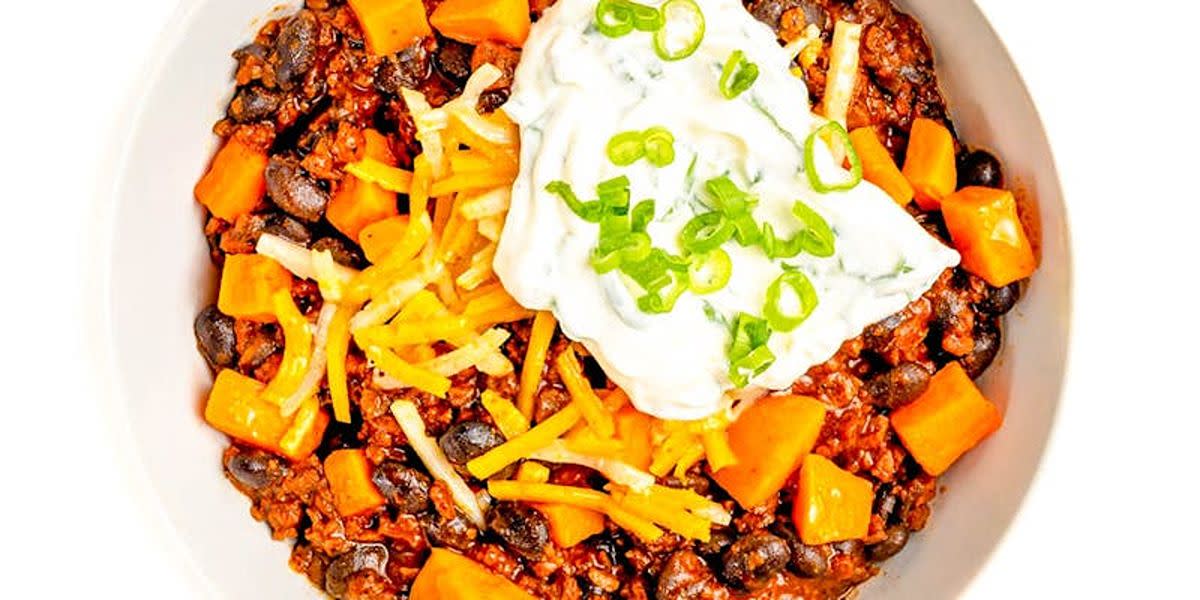
A bowl of vegan chili is the ultimate hearty and nourishing meal, packed with protein-rich black beans, kidney beans, and lentils simmered in a rich tomato base with warming spices like cumin, smoked paprika, and chili powder. Serve it with brown rice for a complete, satisfying dish that’s perfect for batch cooking and meal prep. If that sounds super-tempting to you, but you don’t have the time to cook, check out our Vegan ‘Chorizo’ and Black Bean Chili.
Vegan Mac ‘n Cheese
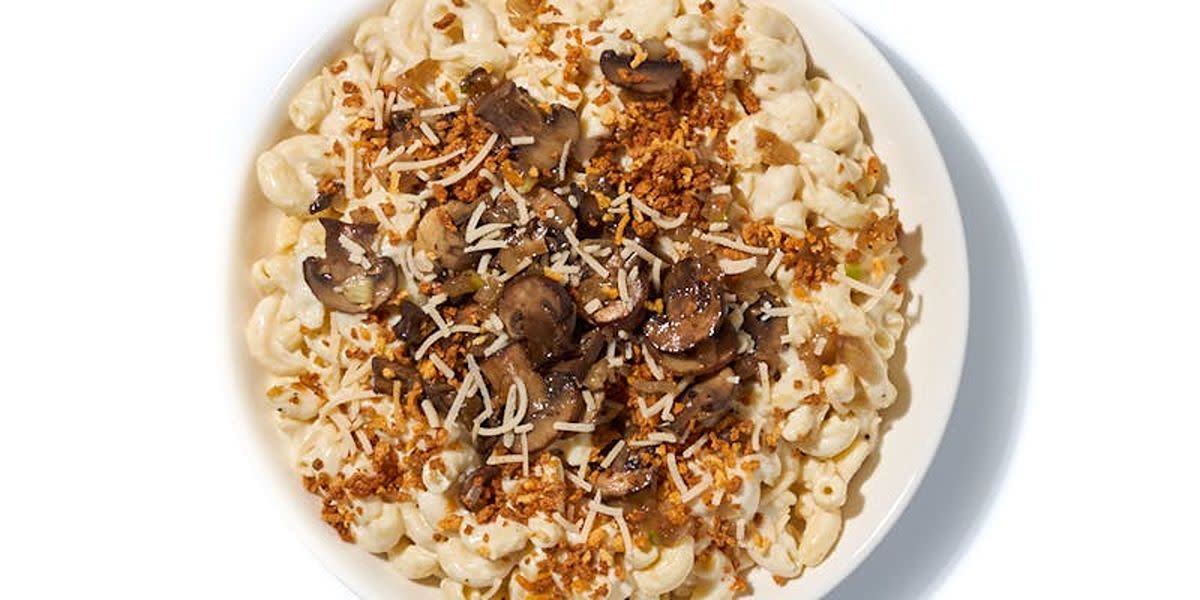
Craving comfort food? This creamy, indulgent vegan mac ‘n cheese delivers all the cheesy goodness you want—without any dairy. The velvety sauce can be made from cashews, nutritional yeast, and plant-based milk, so it coats every bite of rigatoni or whole wheat pasta, creating a wholesome meal that’s both familiar and satisfying. No time to shop for ingredients? No problem. Try our Vegan Truffle Mac ‘n Cheese for a smashingly satisfying meal.
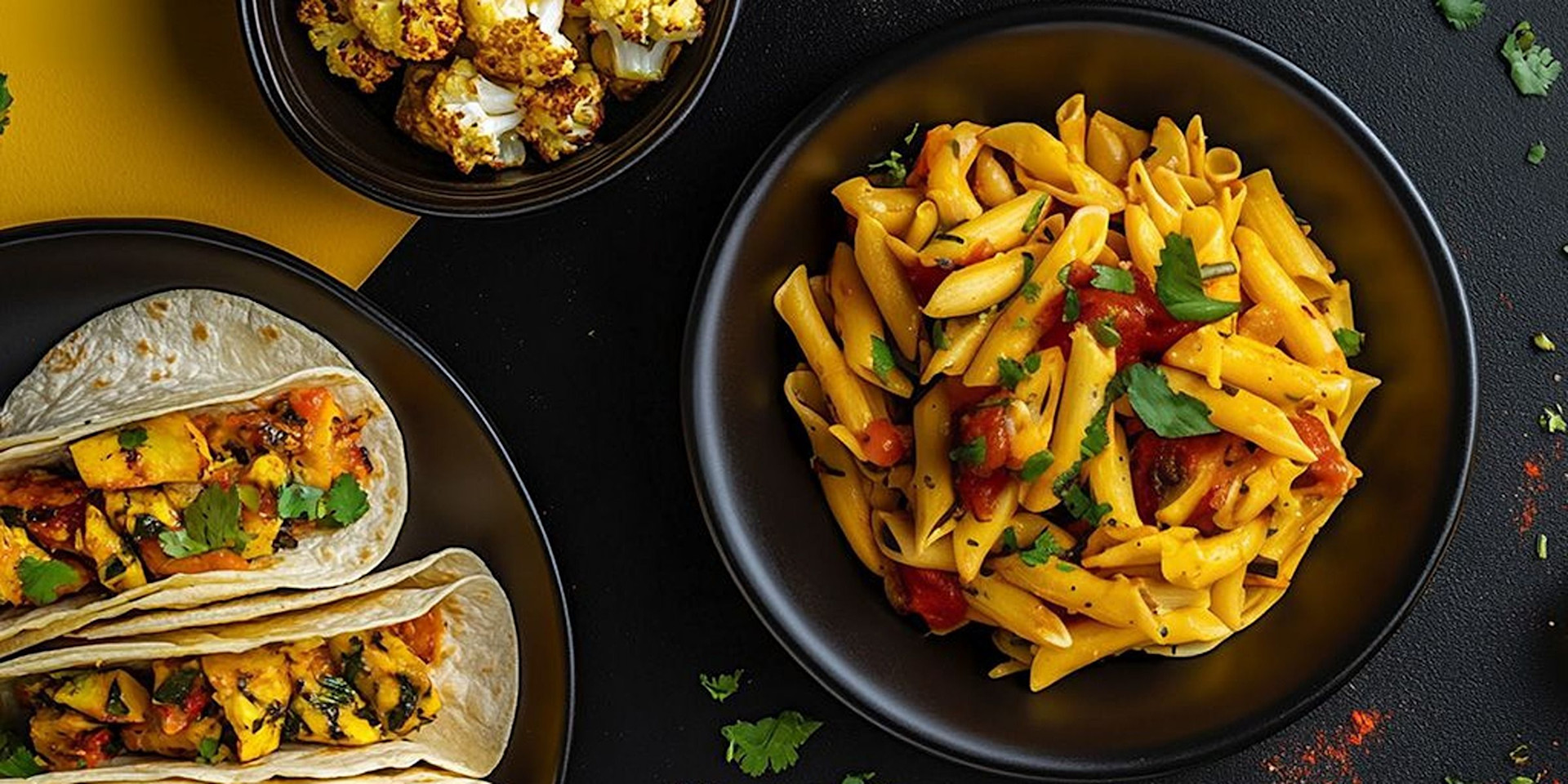
Vegan Al Pastor Tacos
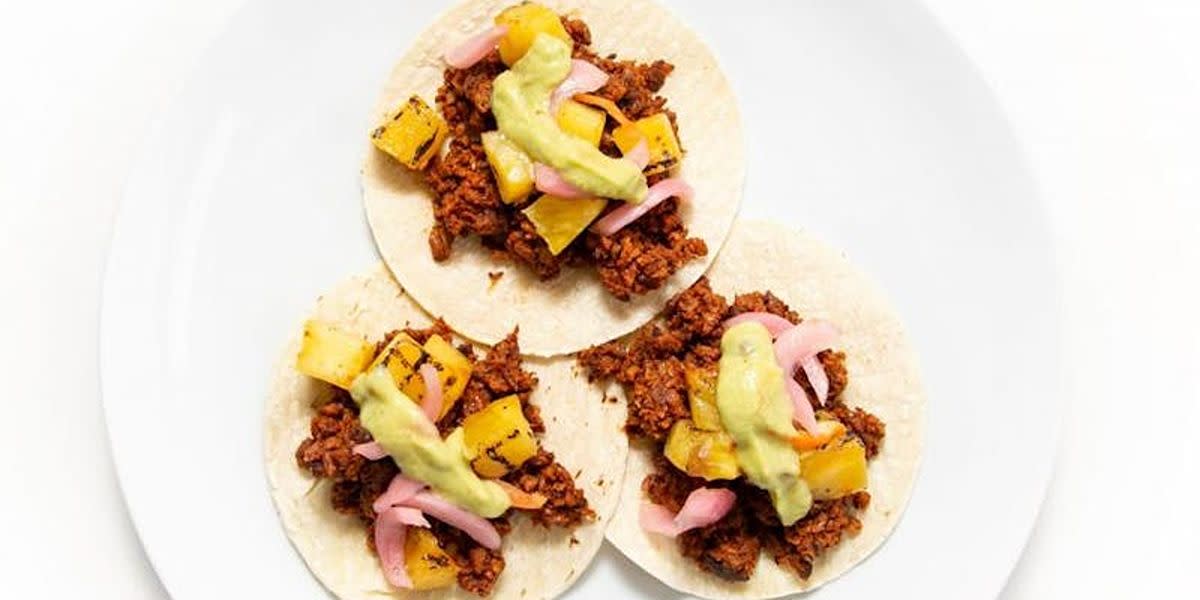
These flavor-packed tacos bring bold, smoky flavors without the meat. Marinated jackfruit or tofu is seasoned with a blend of chipotle, pineapple juice, and Mexican spices and then pan-seared to achieve a perfectly caramelized texture. Serve with warm corn tortillas, avocado slices, and fresh cilantro for a vibrant and delicious meal. If you’re too busy to make it yourself, you can order our mouthwatering Vegan Al Pastor Tacos with Beyond Meat®.
Tofu Tikka Masala
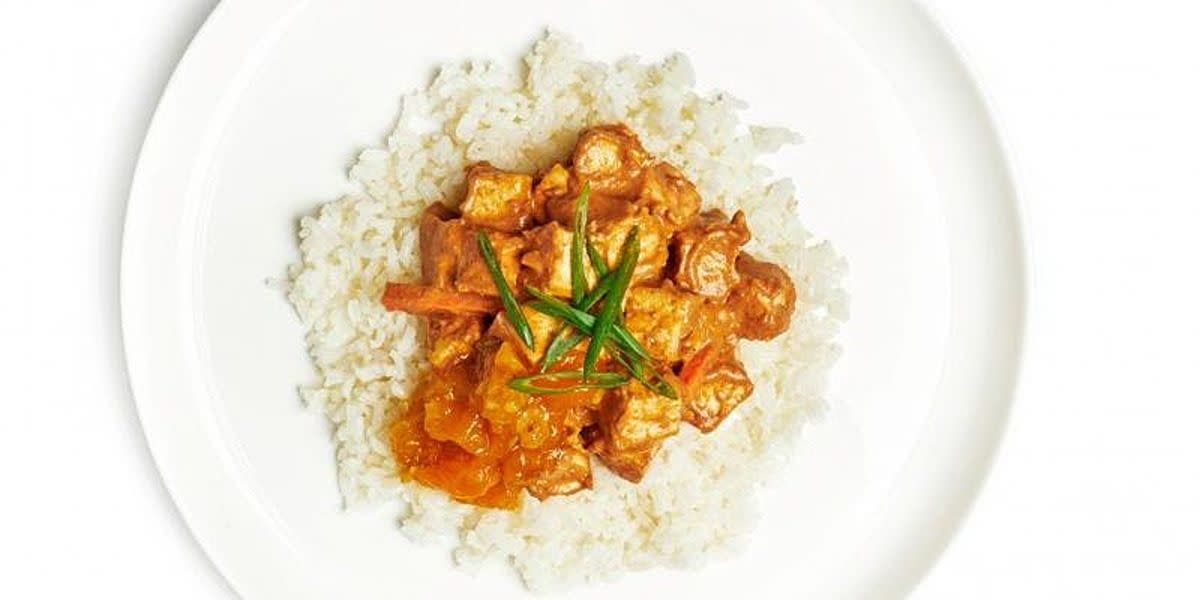
A non-animal-based twist on a classic Indian dish, tofu tikka masala features marinated tofu cubes cooked in a creamy, spiced tomato sauce infused with garlic, ginger, cumin, coriander, and garam masala. This rich, flavorful dish pairs perfectly with steamed basmati rice or whole-meal bread for a well-rounded, nutritious meal. Skip the cleanup in the kitchen, and let us deliver our popular Tofu Tikka Masala over rice right to your door.
Vegan Rigatoni
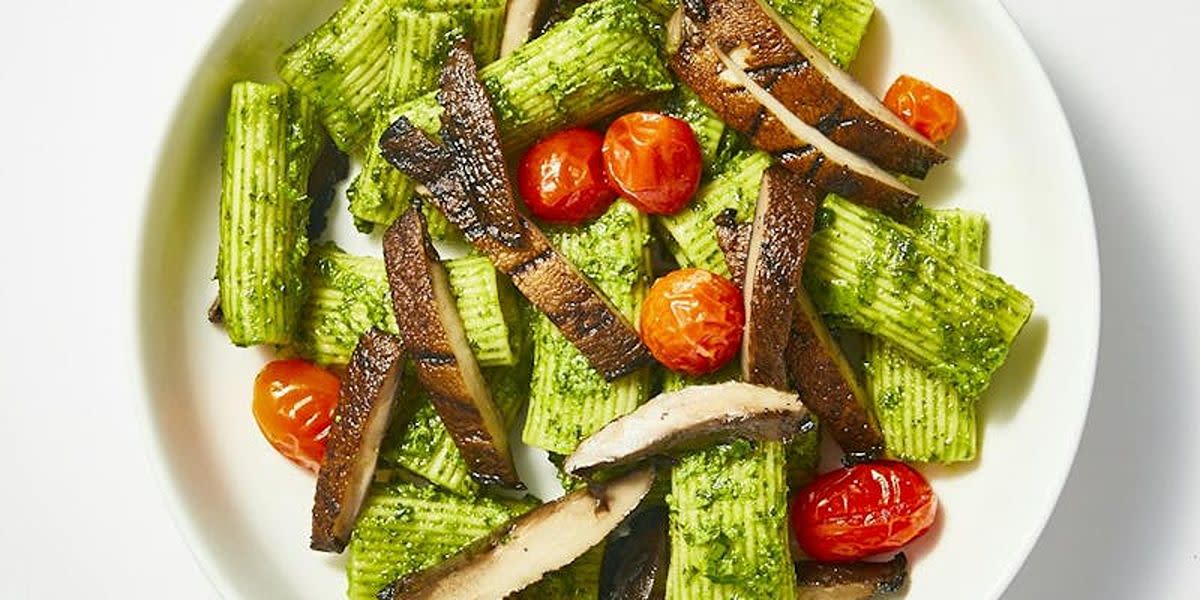
This simple yet satisfying pasta dish is all about bold flavors and wholesome ingredients. Rigatoni pasta is tossed in a garlic-infused tomato sauce with sautéed mushrooms, spinach, and fresh basil. A sprinkle of nutritional yeast adds a savory, cheesy touch, making this an easy, go-to dish that’s great for quick weeknight dinners. Not in the mood to cook? Leave it to us. Our Vegan Rigatoni with Kale Pesto gives you no-fuss, no-muss deliciousness.
Final Thoughts: Meal Prep Is for Winners
Starting a vegan diet meal plan doesn’t have to be complicated. With the right structure, nutritious ingredients, and a variety of delicious meals, you can easily transition to a plant-based lifestyle that supports your health, the environment, and your personal values.
If you’re looking for an effortless way to enjoy chef-prepared vegan dishes, our meal delivery service make it easier than ever. With a robust menu of flavorful, plant-based meals, we take the guesswork out of meal planning and deliver fresh, ready-to-eat vegan meals right to your door. Simply browse our menu, select your favorites, and enjoy high-quality, chef-crafted meals without the hassle of cooking.
Ready to simplify your vegan meal plan? We make it easy to dive into chef-crafted, plant-based meals tailored to your lifestyle—just pick your favorites and we’ll handle the rest.
FAQs About the Vegan Diet Lifestyle
Is the vegan diet healthy?
Yes, a well-planned vegan diet is healthy and provides all essential nutrients. Along with an overall healthy lifestyle, it may reduce the risk of heart disease, high blood pressure, and certain cancers while supporting overall well-being.
Are Oreos vegan?
Technically, Oreos do not contain animal-derived ingredients, but they are processed in facilities that handle dairy, so cross-contamination is possible.
Are bagels vegan?
Some bagels are vegan, but others may contain eggs, milk, or honey. Always check the ingredients or choose bagels labeled vegan.
Are kids who are raised vegan shorter?
No, children raised on a well-balanced vegan diet grow at a normal rate. Proper nutrition, including sufficient protein, iron, calcium, and B12, is key to healthy growth.
Is honey vegan?
Technically, no. Honey is an animal product made by bees. Vegans typically avoid it and use alternatives like maple syrup or agave nectar.
Are Sour Patch Kids vegan?
No. Sour Patch Kids contain gelatin made from animal connective tissue or bones. Check the ingredient list for clarification, or look for vegan candy options to satisfy your sweet tooth.
How can I get protein on a vegan diet?
Vegans get protein from foods like lentils, beans, chickpeas, quinoa, tofu, tempeh, nuts, seeds, and whole grains. A balanced vegan diet provides ample protein.
Is whey protein vegan?
No, whey protein is derived from dairy. Vegan protein options include pea protein, rice protein, hemp protein, and soy protein.
Can a vegan diet make you sick?
A poorly planned vegan diet lacking essential nutrients like B12, iron, and omega-3s can lead to deficiencies. A well-balanced vegan diet is safe and healthy.
Can eating meat after being vegan make you sick?
Yes, some people experience digestive discomfort when reintroducing meat after a long time without it, as the body may take time to adjust.
Sources
A Look at Plant-Based Diets - NIH, 2021

Be the first to know about new offers
Multiorder discounts, free items and more.