Back
Complete guide to Filipino cuisine: History, flavors, and techniques
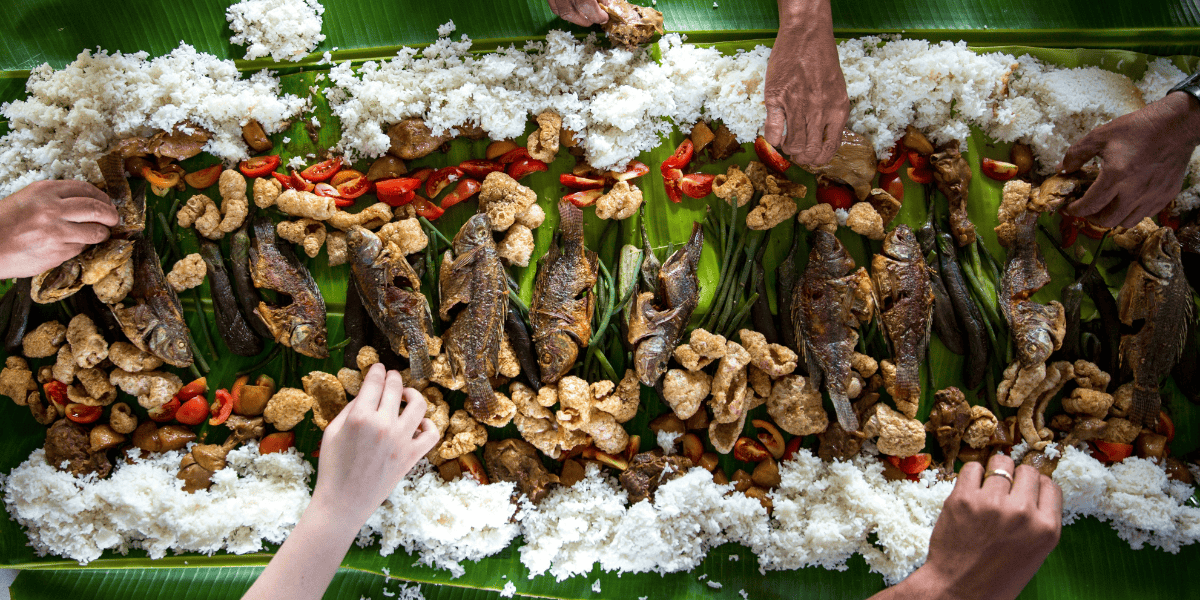
Filipino cuisine reflects a rich tradition of cultural fusion, where sour, sweet, and savory flavors come together in vibrant harmony. From Spanish-influenced adobo to Chinese-inspired pancit, every Filipino dish reveals centuries of culinary evolution shaped by geography, trade, and the Filipino talent for transforming humble ingredients into extraordinary meals.
Key takeaways:
Filipino cuisine balances contrasting flavors—sour, sweet, salty, and umami—often in the same dish, creating complex taste experiences unlike any other Asian cuisine.
Rice forms the foundation of Filipino meals, while fermented condiments like bagoong and patis provide the distinctive umami depth that defines authentic Filipino flavor.
Regional diversity across the Philippines' thousands of islands has created countless variations of classic dishes, from the fiery coconut stews of Bicol to the Chinese-influenced noodle dishes of Manila.
Modern Filipino cuisine continues to evolve through fusion with other culinary traditions while maintaining its distinctive flavor profiles and cooking techniques.
What is Filipino cuisine?
Filipino cuisine is a vibrant culinary tradition that blends indigenous cooking methods with Spanish, Chinese, American, and other Asian influences. It features a distinctive balance of sweet, sour, and salty flavors, with extensive use of vinegar, fermented ingredients, and rice as the foundation of most meals.
Filipino food celebrates bold taste combinations and contrasting textures, creating dishes that are simultaneously familiar yet unique. The cuisine spans thousands of regional variations across the Philippines' 7,000+ islands, making it one of Southeast Asia's most diverse culinary landscapes.
Discover authentic Filipino flavors delivered to your doorstep with our Filipino meal delivery service, featuring dishes crafted by award-winning chefs using traditional techniques and premium ingredients.
How Filipino cuisine developed through the ages
Pre-colonial roots
Before foreign influences, indigenous Filipinos developed cooking methods centered around preservation and local ingredients. Kinilaw (similar to ceviche) showcased the early mastery of "cooking" with acids rather than heat.
Early Malay settlers and Chinese traders introduced techniques like stir-frying and ingredients such as soy sauce that remain fundamental to Filipino cooking today.
Traditional cooking methods:
Fire and smoke: Open flame cooking imparted distinctive flavors to meats and fish
Fermentation: Created complex flavors and preserved foods without refrigeration
Acid-based cooking: Used vinegar and citrus to "cook" and preserve fish and meat
Clay pot cooking: Slow-cooked dishes in earthenware retained moisture and flavor
Spanish colonial influence
Spain's 300-year colonization dramatically transformed Filipino cuisine with new ingredients like tomatoes, garlic, and onions. Many Filipino dishes retain Spanish names but feature distinctly Filipino flavor profiles and adaptations.
This period saw the evolution of adobo, which incorporated Spanish vinegar-based preservation methods with local ingredients and techniques. The Spanish introduced new cooking methods like braising and stewing that expanded the Filipino culinary repertoire.
American and other foreign impacts
The American occupation introduced canned goods, fast food concepts, and convenience cooking to the Philippines. This period saw the rise of Filipino-American fusion dishes like Filipino-style spaghetti with its distinctively sweet sauce.
Japanese occupation and trade with India and Middle Eastern countries further diversified the culinary landscape with new techniques and flavor combinations. Today's Filipino cuisine reflects this complex history of cultural exchange and adaptation.
Essential Filipino ingredients and flavor profiles
Native spices and sour elements
Sourness stands at the heart of Filipino cuisine, providing both flavor and preservation properties. Vinegar varieties like sukang iloco (sugarcane vinegar) form the base of many dishes.
Calamansi, a native citrus fruit, adds bright acidity to dishes and dipping sauces, while tamarind contributes a deeper, more complex sourness. These souring agents are essential to authentic Filipino foods and create the cuisine's characteristic tangy profile.
Fermented sauces and condiments
Umami-rich fermented condiments form the backbone of Filipino flavor. Bagoong (fermented shrimp or fish paste) adds depth to dishes like kare-kare and serves as a dipping sauce for green mangoes.
Patis (fish sauce) provides savory saltiness, while toyomansi (soy sauce with calamansi juice) creates a perfect balance of salty, umami, and sour notes. These condiments are essential to achieving authentic Filipino flavor profiles. However, a recent study estimates that the Filipino diet can average 12 grams of sodium¹ per day, well above recommended guidelines.
Condiment | Description | Common uses |
|---|---|---|
Bagoong | Fermented shrimp or fish paste | Kare-kare, green mango dipping sauce |
Patis | Clear, amber-colored fish sauce | Seasoning, dipping sauce with calamansi |
Suka | Various types of vinegar | Adobo, dipping sauces, kinilaw |
Toyomansi | Soy sauce with calamansi juice | Dipping sauce for grilled meats |
Popular Filipino main dishes
1. Adobo variations
Adobo is both a cooking technique and the unofficial national dish of the Philippines. Meat is marinated and simmered in vinegar, soy sauce, garlic, and peppercorns, creating a perfectly balanced savory-sour flavor.
Regional variations include the turmeric-yellow adobo sa dilaw from the Visayas and the coconut milk-enriched adobo sa gata from Bicol. This versatile cooking method can be applied to chicken, pork, seafood, and even vegetables.
For an authentic taste of this Filipino classic, try Chef Stacy Bareng's Filipino Adobo Pork Ribs, featuring tender pork ribs braised in the traditional vinegar-soy marinade with aromatic spices.
2. Kare-kare
This rich stew features oxtail, tripe, or other meats slow-cooked in a thick peanut sauce with vegetables like eggplant and banana blossoms. Traditionally served with bagoong (fermented shrimp paste), the contrasting flavors create a complex taste experience.
Kare-kare is often reserved for special occasions due to its labor-intensive preparation. The dish exemplifies the Filipino love of contrasting flavors, with the rich, creamy peanut sauce balanced by the salty, funky bagoong.
3. Lechon
Lechon, a whole roasted pig with crispy skin and tender meat, stands as the centerpiece of Filipino celebrations. Regional variations include Cebu lechon, seasoned with lemongrass and spices stuffed inside the cavity, and Manila lechon, served with liver sauce.
This dish represents Filipino hospitality and the importance of communal feasting during significant gatherings. The contrast between the crispy skin and succulent meat exemplifies the textural complexity prized in Filipino dishes.
Filipino cuisine shares similarities with other Southeast Asian food traditions while maintaining its distinctive character. For more regional flavors, explore Asian meal delivery options that showcase the diverse culinary landscape of the region.
4. Sinigang
This sour soup features meat or seafood with vegetables in a tamarind-based broth. The perfect balance of sourness marks a well-made sinigang, with regional variations using different souring agents like guava or green mango.
This comfort food adapts to seasonal vegetables and available proteins, making it a versatile staple in Filipino homes. Sinigang exemplifies how sourness defines much of Filipino cuisine and provides a counterpoint to rich, fatty dishes.
5. Sisig
Originally created in Pampanga as a way to use pig parts that would otherwise be discarded, sisig has evolved into one of the Philippines' most popular dishes. Chopped pig's face and liver are seasoned with calamansi, chili peppers, and onions, then served on a sizzling plate.
This dish exemplifies Filipino ingenuity in transforming humble ingredients into crave-worthy food. Now a popular bar food (pulutan), sisig represents the Filipino talent for creating delicious dishes from economical ingredients.
6. Inihaw and grilled favorites
Filipino barbecue features distinctive sweet-savory marinades typically made with soy sauce, banana ketchup, and lemon. Skewered meats like chicken and pork are grilled over charcoal, creating caramelized, smoky flavors.
These grilled dishes are staples at street corners throughout the Philippines and at family gatherings. The marinade's signature sweetness distinguishes Filipino barbecue from other grilled traditions.
Chef Armando Litiatco's Filipino Style BBQ Chicken showcases the sweet-savory marinade that makes Filipino barbecue distinctive, paired with sesame noodles for a complete meal experience.
Rice, soups, and stews in Filipino meals
1. Steamed rice staples
Rice serves as the foundation of every Filipino meal, with different varieties preferred in various regions. Garlic rice (sinangag) transforms leftover rice into a fragrant breakfast staple.
Many Filipinos consider a meal incomplete without rice, which serves as both a neutral counterpoint to strongly flavored dishes and a way to extend more expensive proteins. Rice is so central to Filipino cuisine that the word for "to eat" (kain) is derived from the word for cooked rice.
2. Comforting Filipino soups
Filipino soups range from light, clear broths to rich, hearty stews that serve as complete meals. These dishes often combine contrasting flavors and textures in a single bowl.
For a taste of Filipino comfort food, try Chef Vincent Gerard's Filipino Beef Stew Mechado. While different from traditional bulalo, this hearty stew similarly features tender beef in a rich tomato-based sauce with vegetables.
Popular Filipino soups include:
Bulalo: Beef marrow soup with corn and vegetables
Tinola: Ginger-infused chicken soup with green papaya and moringa leaves
Arroz Caldo: Filipino-style rice porridge with chicken and ginger
Kansi: Visayan specialty combining sour soup with beef shanks and jackfruit
Filipino desserts and sweet treats
1. Colorful Filipino sweets
Filipino desserts showcase unique ingredients like purple yam (ube), glutinous rice, and coconut in creative ways. Many desserts reflect Spanish influence but incorporate native ingredients and techniques.
Halo-halo, meaning "mix-mix," combines shaved ice, sweetened beans, fruits, jellies, purple yam, and ice cream in a tall glass. Each spoonful offers different flavor combinations, making it a refreshing treat during hot weather.
Popular Filipino desserts:
Bibingka: Rice cake cooked in banana leaf-lined clay pots
Puto: Steamed rice cakes in various flavors and colors
Ube halaya: Purple yam jam often used in pastries and ice cream
Leche flan: Caramel custard with a silky texture
Street food, snacks, and party favorites
Filipino street food features affordable, portable bites with bold flavors. Fish balls, kwek-kwek (battered quail eggs), and isaw (grilled chicken intestines) demonstrate the Filipino preference for using all parts of an animal.
Pulutan dishes, designed to accompany alcoholic beverages, showcase bold flavors and interesting textures. Popular options include sisig, crispy pata (deep-fried pork knuckles), and chicharrón (pork rinds).
Filipino celebrations always center around abundant food that can feed many guests. Dishes like lechon (roasted pig), pancit (noodles symbolizing long life), and lumpia (spring rolls) are standard at gatherings.
Chef Stacy Bareng's Pancit Palabok features rice noodles topped with a flavorful ground pork sauce, a festive dish commonly served at Filipino celebrations and gatherings.
Regional Filipino dishes
The Philippines' geography creates distinct regional cuisines across the archipelago. Northern Luzon features Ilocano dishes like pinakbet (vegetable stew with bagoong) and bagnet (crispy pork belly).
Bicolano cuisine showcases fiery chilies and coconut milk in dishes like Bicol Express and laing (taro leaves in coconut milk). The Visayas offers unique dishes like La Paz Batchoy (noodle soup with pork offal) and Chicken Inasal (grilled chicken marinated in annatto).
Southern Mindanao features Muslim Filipino cuisine with stronger spices and coconut influence. Dishes like rendang (spiced beef in coconut sauce) and satti (local satay) show Malaysian and Indonesian influences.
Modern twists on Filipino cuisine
Contemporary Filipino chefs combine traditional techniques with global influences and modern presentations. Filipino-Mexican fusion tacos, Filipino-inspired burgers, and Filipino flavors in French cooking techniques demonstrate how the cuisine continues to evolve.
Chef Stacy Bareng's Filipino-Style Spaghetti Bolognese exemplifies Filipino fusion cuisine with its distinctively sweet sauce and addition of hot dogs – a beloved adaptation that has become a Filipino celebration staple.
Traditional recipes are being adapted for modern diets, including healthier versions, plant-based alternatives, and upscale presentations. These adaptations make Filipino cuisine more accessible to health-conscious diners and those with dietary restrictions.
Savoring Filipino cuisine in everyday life
Filipino cuisine's bold flavors, comforting qualities, and adaptability make it perfect for everyday enjoyment. The cuisine's emphasis on contrasting flavors and textures creates memorable Filipino meals that satisfy on multiple levels. Additionally, Filipino Americans² have a higher prevalence of cardiometabolic disorders, underscoring the need for mindful approaches to traditional Filipino dishes.
Award-winning chefs at CookUnity bring authentic Filipino flavors to homes across America through carefully crafted recipes that honor tradition while embracing innovation. These chef-prepared Filipino dishes offer a convenient way to experience complex flavors without extensive preparation.
Filipino cooking techniques like adobo (vinegar-based braising) can be applied to various proteins and vegetables, making them versatile additions to any home cook's repertoire. The cuisine's resourcefulness and creativity with ingredients offer valuable lessons for sustainable cooking practices.
FAQs about Filipino cuisine
Are these meals safe for those with severe dietary allergies, such as dairy, soy, and nuts?
While our meals are crafted without certain ingredients, they're prepared in kitchens where cross-contamination may occur. If your allergy is life-threatening, we recommend reviewing ingredient labels carefully before eating.
How do you properly store leftover Filipino dishes to maintain their flavor and quality?
Filipino dishes are often well-suited for refrigeration, and many can develop deeper flavors over time as the ingredients continue to marinate together in storage.
What substitutes work best when traditional Filipino ingredients aren't available?
Lemon juice can replace calamansi, white vinegar can substitute for Filipino vinegars, and regular soy sauce can stand in for Filipino soy sauce in most recipes with minor adjustments to quantities.
How can you find authentic Filipino ingredients if you live outside the Philippines?
Asian markets, international food sections in supermarkets, and online specialty stores typically carry essential Filipino ingredients like calamansi, ube, and Filipino vinegars.
Sources:

Be the first to know about new offers
Multiorder discounts, free items and more.