Back
BackWhat is paella? Here's the story behind Spain's rice dish
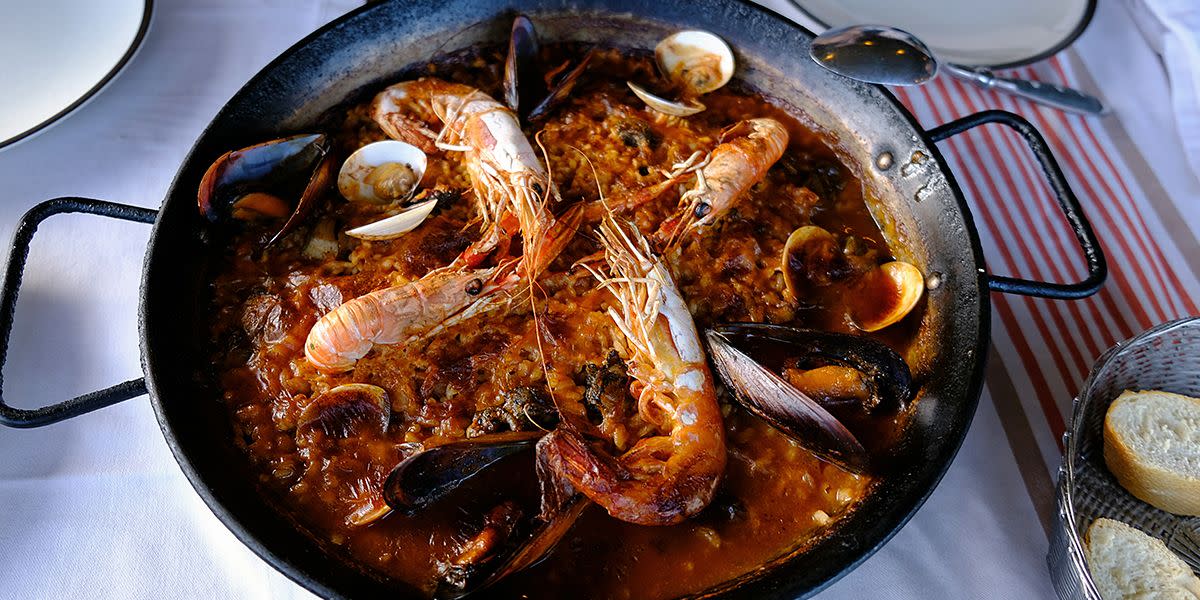
Spain's most iconic dish wasn't born in fancy restaurants but in humble farmworkers' fields, where hungry laborers created a meal that would eventually captivate the world's taste buds. This vibrant rice dish, cooked in a wide pan with its signature golden hue, tells the story of Spanish culture, regional ingredients, and timeless tradition in every aromatic bite.
In this guide, you will learn what paella is, where it comes from, the essential ingredients and tools for authentic preparation, and how to make it at home while avoiding common mistakes.
Key takeaways:
Authentic paella originated in Valencia as a farmer’s meal, traditionally made with rabbit, chicken, and seasonal vegetables rather than seafood.
Its golden color comes from saffron threads, while the prized crispy bottom layer (socarrat)¹ develops through careful heat control.
Bomba rice is the preferred variety for traditional paella because it absorbs flavorful broth without becoming mushy.
Regional variations exist across Spain, but the most authentic results come from using a proper sofrito base and following the no-stirring rule during cooking.
What is paella?
Paella is a traditional Spanish rice dish prepared in a wide, shallow pan with saffron, vegetables, and a variety of proteins. It originated as a humble farmer’s lunch in the countryside near Valencia, a region in eastern Spain with a long history of rice cultivation. The name comes from the cooking vessel itself, the paellera, which allows the rice to cook in a thin, even layer for maximum flavor.
Authentic paella is known for its golden color, achieved with saffron threads, and for the socarrat—the crispy, caramelized layer of rice at the bottom of the pan. While many international versions feature seafood, traditional paella valenciana uses rabbit, chicken, and seasonal vegetables.
Over time, this Spanish rice dish has evolved from its rural roots into Spain’s national dish and an enduring symbol of Spanish culture.
For a true taste of Spain at home without the labor-intensive process, explore chef-prepared Spanish meal delivery options that respect traditional techniques while adding fresh, modern touches.
Where did paella originate?
Early beginnings in Valencia
Paella was born in the rural areas surrounding Valencia in eastern Spain² during the 18th century. Farm laborers would cook rice in a wide, flat pan over an open fire for their midday meal, using ingredients readily available in the countryside, originally a rural, communal meal³.
The Moors, who once ruled parts of Spain, are credited with introducing rice cultivation to the Valencia region. The marshy Albufera lagoon provided ideal conditions for growing rice, which became a staple crop in the area.
Farmers and laborers combined this local rice with whatever proteins were available—typically rabbit, snails, and seasonal vegetables.
Etymology of the word “paella”
The word "paella" comes from the Old French word "paelle," which derived from the Latin "patella," meaning "pan." This etymology directly connects the dish to the distinctive wide, shallow cooking vessel used to prepare it.
Some scholars suggest an alternative theory that the name comes from the Arabic word "baqiyah," meaning "leftovers," reflecting the dish's humble origins.
Key paella terminology includes:
Paellera: The traditional wide, shallow pan with handles
Socarrat: The prized crispy layer of rice at the bottom of the pan
Sofrito: The sautéed base of aromatics that forms the flavor foundation
Essential ingredients and tools
Choosing the right rice
The soul of paella lies in the rice. Short-grain varieties are essential for authentic texture and flavor absorption. Bomba rice, grown in Spain's eastern regions, is considered the gold standard for paella.
This special variety can absorb three times its volume in liquid without becoming mushy, allowing it to soak up the rich flavors of the broth while maintaining distinct grains.
For those interested in Spanish-inspired rice dishes, Chef Ruben Garcia’s Roasted Salmon and Couscous Bowl offers Mediterranean flavors in a convenient format.
Rice type | Absorption capacity | Texture when cooked | Best for |
|---|---|---|---|
Bomba | 3x liquid volume | Firm, separate grains | Traditional paella |
Calasparra | 2.5x liquid volume | Creamy yet distinct | Seafood paella |
Arborio | 2x liquid volume | Creamy, soft | Risotto, substitute |
Regular short grain | 2x liquid volume | Soft, can become sticky | Quick versions |
Must-have seasonings
Essential paella ingredients include saffron, which provides both the distinctive golden color and subtle floral aroma. These delicate red threads come from the Crocus sativus flower and are traditionally hand-harvested to preserve their quality and aroma.
Spanish paprika (pimentón) adds depth and a subtle smokiness to the dish. Fresh garlic forms the foundation of the sofrito base, while fresh herbs like rosemary add aromatic notes to the finished dish.
Experience the distinctive flavor of saffron in Chef Andres Mendez's Pan-Seared Salmon with Saffron Aioli, which captures the essence of this precious spice in a Mediterranean-inspired dish.
Looking to master the art of authentic paella at home? Visit our comprehensive paella guide for expert tips, traditional recipes, and step-by-step instructions from professional chefs.
Equipment essentials
The paellera—a wide, shallow carbon steel pan with handles—is the traditional vessel for cooking paella. Its design serves specific purposes: the large diameter allows rice to spread in a thin layer, promoting even cooking and maximum flavor absorption.
The shallow depth (typically 1-2 inches) ensures proper evaporation and helps form the coveted socarrat at the bottom.
For home cooks without a specialized pan, a wide skillet with low sides can substitute, though achieving authentic socarrat becomes more challenging.
Popular variations of the dish
Paella valenciana
Paella valenciana represents the original, authentic version of this iconic dish. This inland variation features rabbit, chicken, and sometimes snails (caracoles) as the primary proteins.
Traditional vegetable components include:
Green beans (bajoqueta): Adds freshness and texture
Artichokes: Used when in season for earthy flavor
White beans (garrafón): Provides creaminess and protein
Rosemary sprigs: Adds aromatic depth
Valencia natives consider this the only "true" paella, with all other variations being rice dishes but not authentic paella. The Valencian government officially declared the ingredients of authentic paella valenciana in 2011 to preserve culinary heritage.
Seafood paella
Seafood paella (paella de mariscos) developed in coastal regions of Spain as the dish spread beyond Valencia. This popular variation features various seafood like shrimp, mussels, clams, and sometimes squid or fish.
The broth typically uses fish stock rather than chicken stock for a deeper seafood flavor. This seafood-centric version has become the most internationally recognized form of paella, especially in tourist areas and restaurants outside Spain.
For seafood lovers, Chef Cedric Nicolas's Pulpo a la Gallega offers another classic Spanish seafood preparation featuring tender octopus with pickled mustard seed chimichurri.
Mixed and modern twists
Paella mixta combines elements of both traditional Valencian and seafood variations, featuring both meat and seafood in the same dish. This popular hybrid satisfies diverse preferences and has become common in restaurants catering to varied tastes.
Modern interpretations continue to evolve the paella tradition:
Vegetarian versions with mushrooms and artichokes
Vegan adaptations using plant-based ingredients
Black paella (arroz negro) with squid ink
International fusion versions with local ingredients
These creative interpretations might include non-traditional additions like chorizo (controversial among purists), different spice profiles, or alternative grains.
How to make paella at home
1. Preparing the sofrito
The sofrito forms the essential flavor foundation of any authentic paella. This aromatic base begins with olive oil heated in the paella pan, followed by finely chopped onions cooked until translucent.
Minced garlic and diced bell peppers join next, cooking until softened and fragrant. Grated tomato adds moisture and acidity, cooking down until most of the liquid evaporates and the mixture deepens in color.
For a taste of Mediterranean flavors built on a similar aromatic base, try Chef Chris Ratel's Mediterranean Grilled Shrimp Grain Bowl, which features a flavorful foundation similar to paella's sofrito.
2. Incorporating the rice
How to make paella properly involves specific techniques for adding rice. First, stir the rice into the sofrito to coat each grain with oil, which helps maintain distinct grains in the finished dish.
This brief toasting (1-2 minutes) adds a subtle nuttiness and prepares the rice to absorb the flavorful broth. The saffron-infused broth should be hot when added to maintain the cooking temperature.
Bomba rice is known for its ability to absorb a generous amount of liquid while maintaining a firm texture, making it ideal for paella. After adding the broth, proteins and vegetables are arranged decoratively across the surface.
Explore our weekly menu to discover chef-crafted Spanish and Mediterranean-inspired dishes delivered fresh to your door.
3. Achieving the socarrat
The socarrat—the crispy, caramelized layer of rice at the bottom of the pan—is considered the crowning achievement of a well-made paella. This prized texture develops during the final minutes of cooking through careful heat management.
As the rice finishes absorbing liquid, listen for a subtle crackling sound indicating the bottom layer is beginning to crisp. Increase the heat slightly for the final 1-2 minutes to encourage socarrat formation without burning the rice.
For those who appreciate crispy textures and Mediterranean flavors, Chef John DeLucie's Seared Branzino with Panzanella Salad offers a delicious alternative with perfectly crisped fish skin.
Avoiding common mistakes
Undercooking or overcooking rice
Achieving perfectly cooked rice requires attention to both timing and visual cues:
Undercooked rice: Hard center when bitten, too much liquid remaining
Perfectly cooked rice: Tender but firm (al dente), distinct grains, all liquid absorbed
Overcooked rice: Mushy texture, broken grains, burnt rather than crispy bottom
The cooking time depends on several factors, including the type of rice used, the size of the pan, and the intensity of the heat applied. It's important to monitor the texture of the rice and ensure all liquid is absorbed to determine when it's properly cooked.
Skipping saffron or key flavors
Authentic flavor development depends on including all traditional components. Saffron stands as the most essential and irreplaceable ingredient in paella.
The sofrito base cannot be rushed or skipped, as it provides the fundamental flavor foundation. Quality stock or broth significantly impacts the final flavor.
Experience Mediterranean flavors done right with Chef Ludo Lefebvre’s Pan-Seared Branzino with Ratatouille, which demonstrates the importance of proper seasoning and traditional techniques.
Stirring too much
The no-stirring rule represents one of the most important techniques in paella cooking. Unlike risotto, which requires constant stirring to release starches and create creaminess, paella develops its characteristic texture when left undisturbed after the initial mixing phase.
Stirring during cooking breaks down the rice grains, releasing excess starch that creates a sticky, porridge-like consistency rather than the distinct grains prized in authentic paella.
The only acceptable stirring occurs at the very beginning when coating the rice with sofrito. After adding the broth, arrange the proteins and vegetables decoratively on top, then leave the paella untouched until cooking is complete.
Seafood paella traditionally features an array of ocean treasures. Explore our selection of fresh seafood meals created by award-winning chefs for a taste of the Mediterranean at home.
Exploring today’s paella culture
Dietary adaptations
Modern dietary preferences have inspired creative adaptations of traditional paella:
Vegetarian paellas: Mushrooms provide umami depth, seasonal vegetables take center stage
Vegan versions: Olive oil instead of butter, nutritional yeast for added depth
Gluten-free options: Naturally gluten-free when made traditionally
Low-carb adaptations: Cauliflower "rice" variations (non-traditional)
For those seeking Mediterranean flavors in a lighter format, Chef Cedric Nicolas’s Chicken Paillard with orzo pasta salad offers a delicious alternative that maintains the Mediterranean spirit.
Serving suggestions
Traditional paella is served directly from the cooking pan, placed at the center of the table for communal dining. This family-style presentation honors the dish's origins as a shared meal among workers and emphasizes the social aspect of Spanish dining culture.
Wooden spoons were historically used to eat directly from the communal pan, with each person eating from the section directly in front of them. Modern service often includes individual plates while still presenting the paella in its cooking vessel for visual impact.
For a convenient way to enjoy Mediterranean flavors at home, Chef Chris Massiah's Pan-Seared Cod with Couscous offers a delicious option through Spanish delivery.
Savoring Spain's iconic rice dish
Paella is more than just a meal. It is a culinary emblem of Spanish identity, blending tradition, technique, and a deep connection to regional ingredients. What began as a humble farmworker’s lunch in Valencia has grown into an internationally celebrated dish, yet it still relies on the same principles: quality rice, saffron, fresh vegetables, and skillful preparation.
Across Spain and beyond, paella continues to evolve, with regional and modern variations reflecting local flavors and creative twists. Still, authentic paella remains grounded in time-honored methods like preparing a rich sofrito and achieving the coveted socarrat.
For those who want the essence of Spanish cooking without hours at the stove, our award-winning chefs create Spanish-inspired dishes that capture the flavors of paella—from saffron-infused sauces to expertly cooked seafood—delivered fresh and ready to enjoy.
Frequently asked questions about paella
Can paella be made without seafood?
Yes, the original Valencian paella contains no seafood but rather features chicken, rabbit, and vegetables.
Which sides pair best with paella?
Simple green salads with vinaigrette dressing and crusty bread complement paella perfectly without overwhelming its complex flavors.
How do I store leftover paella?
Refrigerate leftover paella within two hours and reheat in a skillet with a splash of broth to restore moisture and crispness.
What makes authentic paella yellow?
The distinctive yellow color comes from saffron threads, the world's most expensive spice harvested from crocus flowers.
Is paella difficult for home cooks to make?
While traditional paella requires specific ingredients and techniques, simplified versions can be successfully made at home with the right rice and a wide pan.
Sources:

Be the first to know about new offers
Multiorder discounts, free items and more.