Back
Back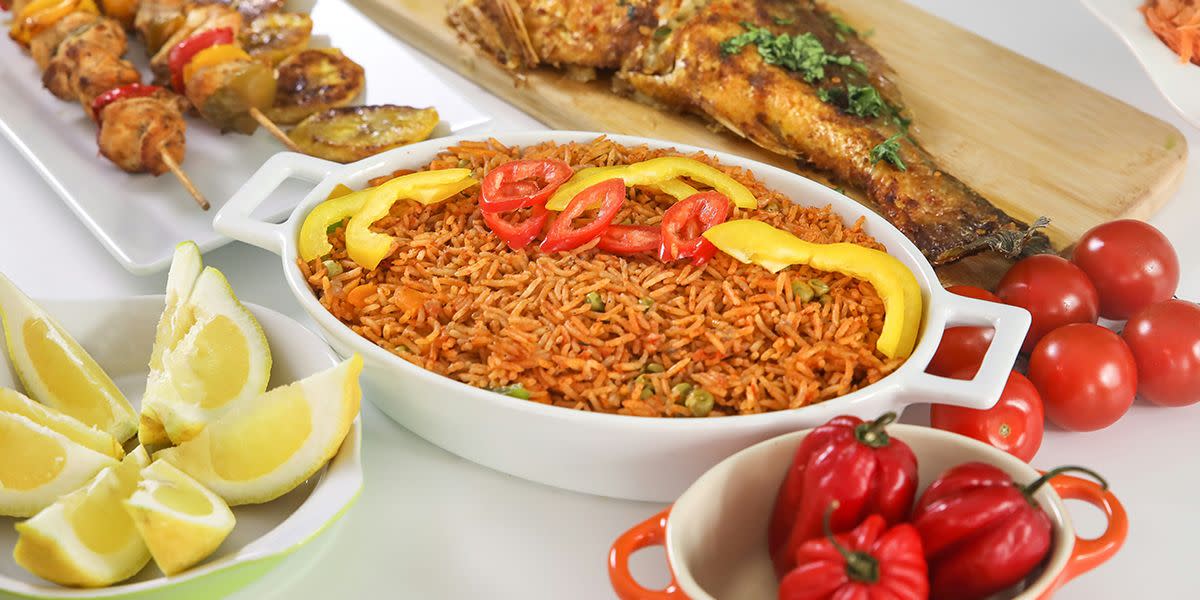
Ghanaian food is as vibrant as the country’s culture itself. Each dish tells a story of community, tradition, and creativity, passed down through generations. From the rhythm of pounding fufu to the playful rivalry of the “Jollof Wars,” Ghanaian cuisine celebrates flavor and heritage in every bite.
In this guide, you’ll discover the essential Ghanaian dishes that define daily life and festive occasions. We’ll explore their ingredients, cultural roots, and why food in Ghana is more than just sustenance—it’s a way of honoring family, history, and identity.
Key takeaways:
Ghanaian cuisine is built on hearty staples like cassava, maize, yams, and plantains, often paired with rich soups and stews.
Signature Ghanaian dishes carry deep cultural meaning, connecting modern kitchens to ancestral traditions.
Meals in Ghana are communal and often eaten by hand, reinforcing togetherness through shared food.
Regional variations shape Ghanaian food, from seafood-rich coastal cooking to grain-based northern specialties.
What is Ghanaian cuisine?
Ghanaian cuisine is hearty, flavorful, and rooted in tradition. At its foundation are starchy staples like cassava, plantains, and yams, which are paired with rich soups, stews, and sauces to create deeply satisfying meals.
The food in Ghana reflects a mix of influences. Indigenous West African cooking techniques blend seamlessly with flavors and methods from European, Middle Eastern, and neighboring African cultures.
Traditional preparation methods such as slow simmering, grilling over open fire, and fermenting help build the bold, layered flavors that define Ghanaian dishes. Most meals center around a starchy base accompanied by a protein-rich soup or stew, often made with groundnuts (peanuts), palm oil, fresh fish, or meat.
Spices play an essential role too. Ginger, garlic, chili peppers, and aromatic herbs give Ghanaian foods their signature heat and complexity. Regional variations highlight the country’s diversity, with seafood-rich specialties along the coast and grain-based meals like millet and sorghum in the north.
Key staple foods in the Ghanaian diet
Staple ingredients form the backbone of Ghanaian food, shaping the flavors and textures that define everyday meals. In Ghanaian cuisine, starches like maize, cassava, yams, and plantains are transformed into versatile bases for soups, stews, and sauces. These foods represent tradition, community, and the agricultural abundance of the land. Understanding these staples is the first step to appreciating the depth and diversity of Ghanaian dishes.
Maize, cassava, and yam
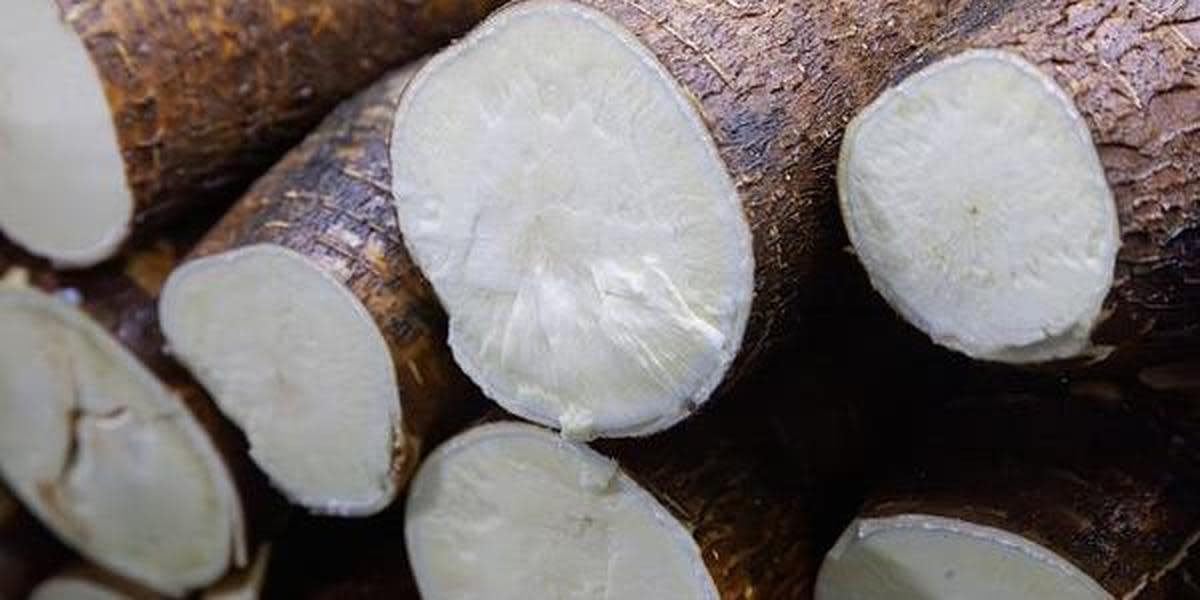
Maize, cassava, and yam form the foundation of Ghanaian cuisine, serving as the carbohydrate base for countless traditional meals. Each of these staples is prepared in unique ways that reflect both practicality and cultural pride.
Cassava is one of the most versatile ingredients in Ghanaian food. It can be processed into gari, a fermented cassava granule often eaten with beans, or pounded into smooth, stretchy fufu.
Yams carry deep cultural meaning. Beyond being a dietary staple, they play a central role in ceremonies such as the annual Homowo Festival celebrated by the Ga people.
Maize is woven into everyday life across the country, appearing in porridges, breads, and fermented dishes that highlight its adaptability.
Together, these staples represent prosperity, sustenance, and a strong connection to the land, grounding Ghanaian dishes in both flavor and tradition.
Plantains and beans
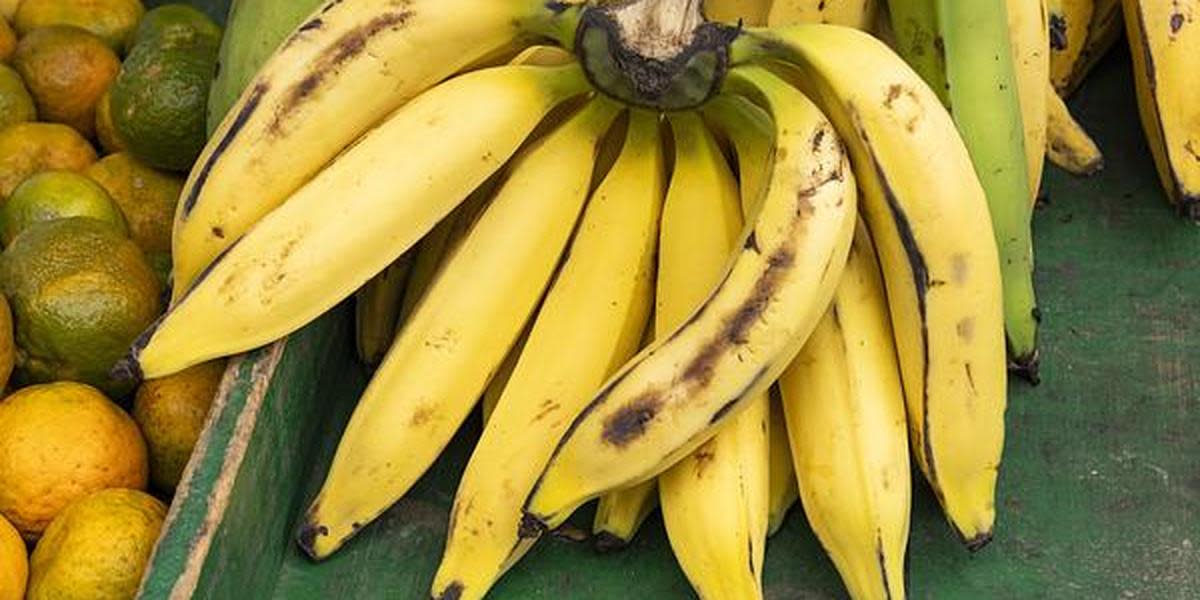
Plantains are a cornerstone of Ghanaian cuisine, appearing in countless forms from kelewele (spiced fried plantains) to fufu when combined with cassava. Both ripe and unripe plantains are used, each bringing different flavors and textures to Ghanaian dishes.
Beans also play a central role in the Ghanaian diet, particularly black-eyed peas and bambara beans. They provide essential protein and appear in beloved dishes like red-red, a bean stew often paired with fried plantains, and tubani, a steamed bean pudding.
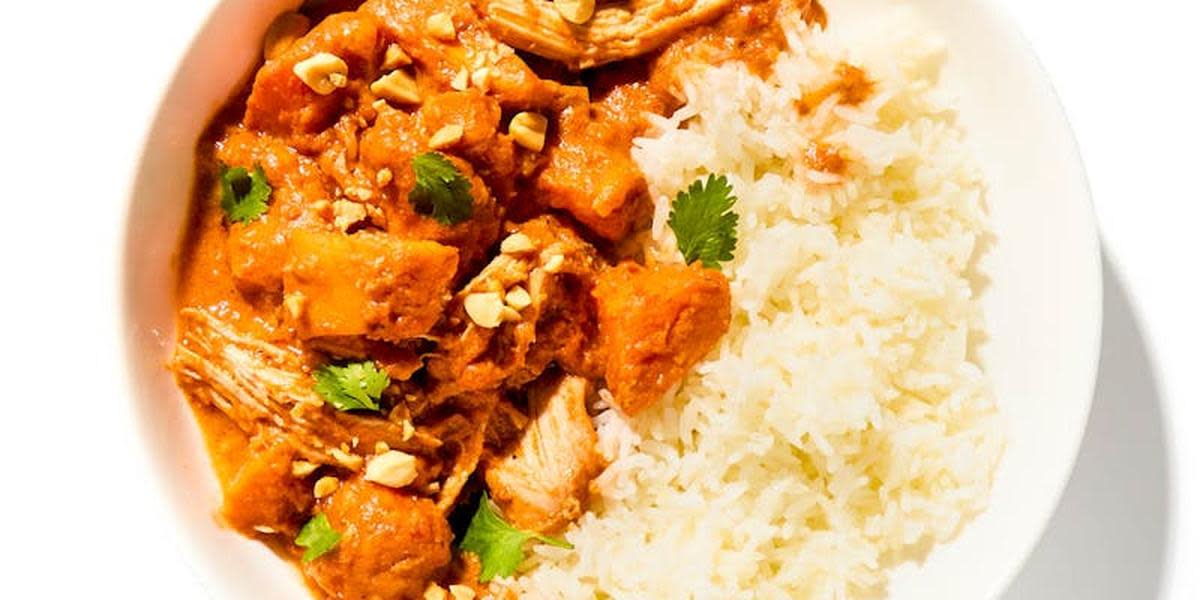
Want these flavors delivered to your door? Chef Miriam Milord’s Ghanaian Chicken Peanut Stew with sweet potatoes and rice highlights the balance of hearty starches, beans, and rich peanut sauce that define West African cooking.
10 traditional Ghana dishes and their cultural significance
Traditional Ghanaian food is more than flavor on a plate. Each dish carries meaning, connecting everyday meals to history, community, and celebration. From soups that bring families together to street foods that fuel bustling markets, Ghanaian cuisine reflects the spirit of the people who prepare and share it.
In this section, we’ll explore 10 of the most iconic Ghanaian dishes, uncovering their ingredients, origins, and the cultural roles they continue to play in modern life.
Peanut soup (Nkatie Nkwan)
Peanut soup, known locally as Nkatie Nkwan, is a creamy, protein-rich dish made by simmering ground peanuts with tomatoes, onions, and peppers. It is typically served with fufu or rice, creating a hearty and deeply satisfying meal. As one of the most beloved Ghanaian dishes, it highlights the importance of groundnuts in Ghanaian cuisine.
In Ghanaian culture, peanut soup represents both comfort and community. It is often prepared for family gatherings and special occasions, with regional variations across the country. In the north, for example, the soup is made thicker and spicier, reflecting local taste preferences.
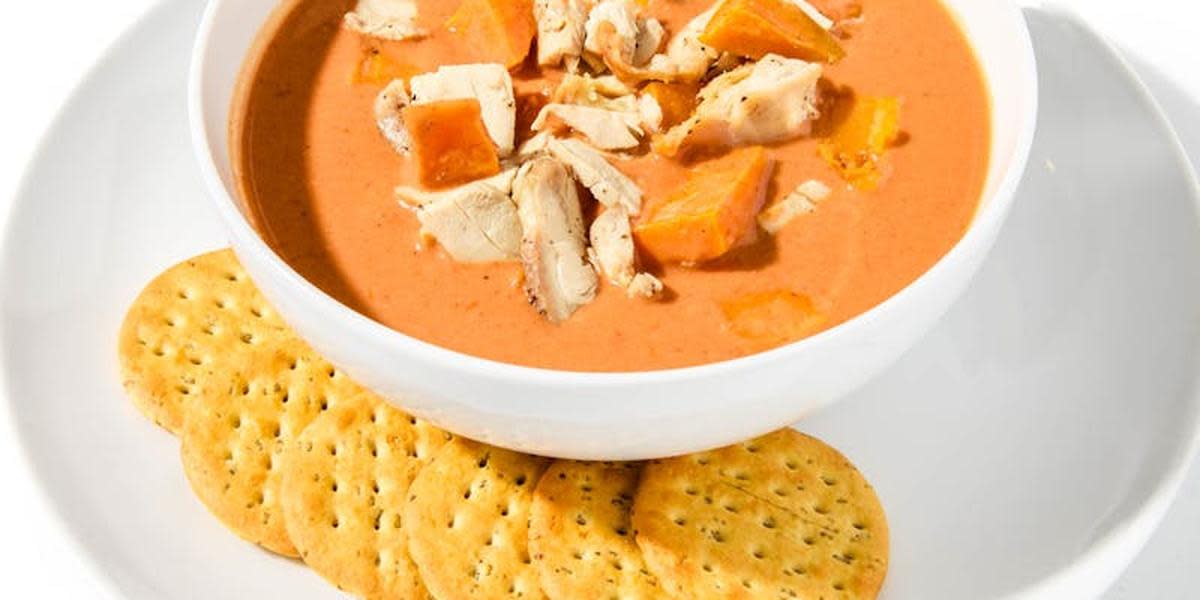
Craving these flavors at home? Chef Miriam Milord's Ghanaian Chicken Peanut Soup combines the nutty richness of ground peanuts with aromatic spices, offering a delicious taste of this traditional favorite.
Fufu and light soup
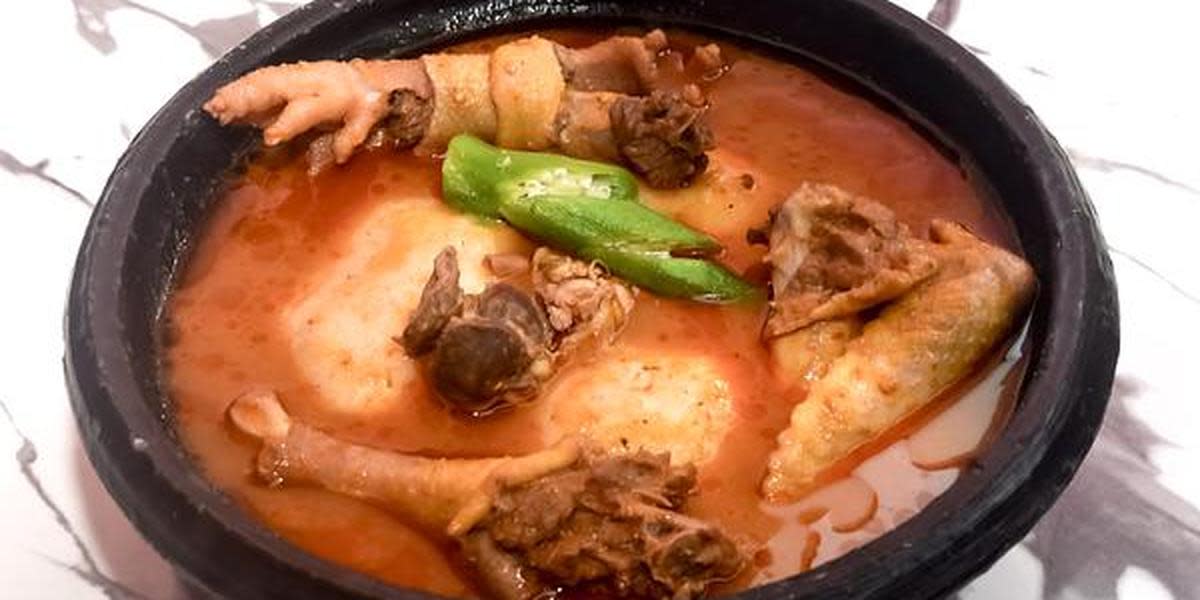
Fufu is one of the most iconic Ghanaian dishes, a smooth, stretchy dough made by pounding boiled cassava and plantains together. The process requires skill, rhythm, and teamwork, traditionally done with a wooden mortar and pestle. While modern kitchens may use food processors, the cultural significance of pounding fufu remains strong.
Light soup, often paired with fufu, is a richly flavored broth made with meat or fish, tomatoes, peppers, and herbs. Despite its name, this soup is full-bodied and aromatic, offering the perfect contrast to the neutral, comforting texture of fufu.
Eating fufu and light soup follows custom. Diners pinch off a small piece of fufu with their right hand, shape it into a ball, and use it to scoop the soup. For generations, the sound of fufu being pounded echoed through neighborhoods each evening, serving as a communal dinner bell and a reminder of the dish’s central place in Ghanaian food culture.
Banku and tilapia
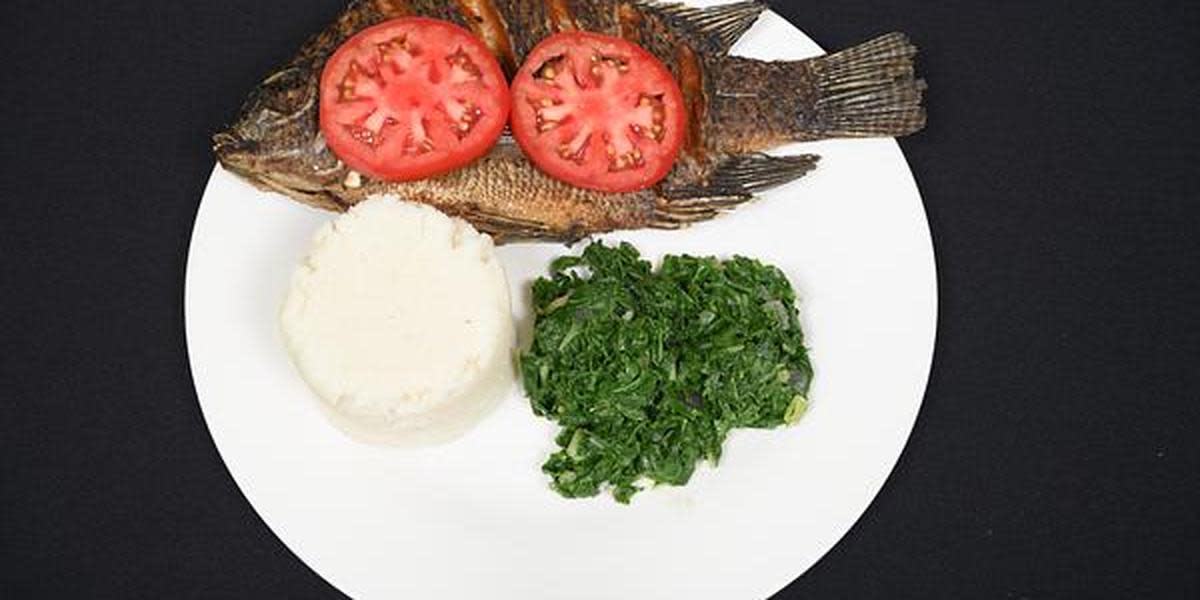
Banku is a fermented dough made from corn and cassava, cooked until it forms a smooth, slightly sour ball with a stretchy texture. The fermentation process gives banku its distinctive tang, making it the perfect match for grilled tilapia and pepper sauce, known locally as shito.
This pairing is especially popular in Ghana’s coastal communities, where fresh fish is central to daily life. Together, banku and tilapia symbolize the harmony of land and sea in Ghanaian cuisine: the fermented dough reflects agricultural traditions, while the fish honors the country’s rich fishing heritage.
Jollof rice
Jollof rice is one of the most famous Ghanaian dishes and a beloved staple across West Africa. This one-pot meal is made by simmering rice in a spiced tomato sauce until every grain absorbs the rich, savory flavors. Ghanaian jollof typically includes meat, vegetables, and aromatic spices, giving the rice its signature orange-red color.
Beyond its flavor, jollof rice holds cultural importance. No Ghanaian celebration is complete without it, and its role in the playful “Jollof Wars” with Nigeria and Senegal shows just how much pride surrounds the dish.
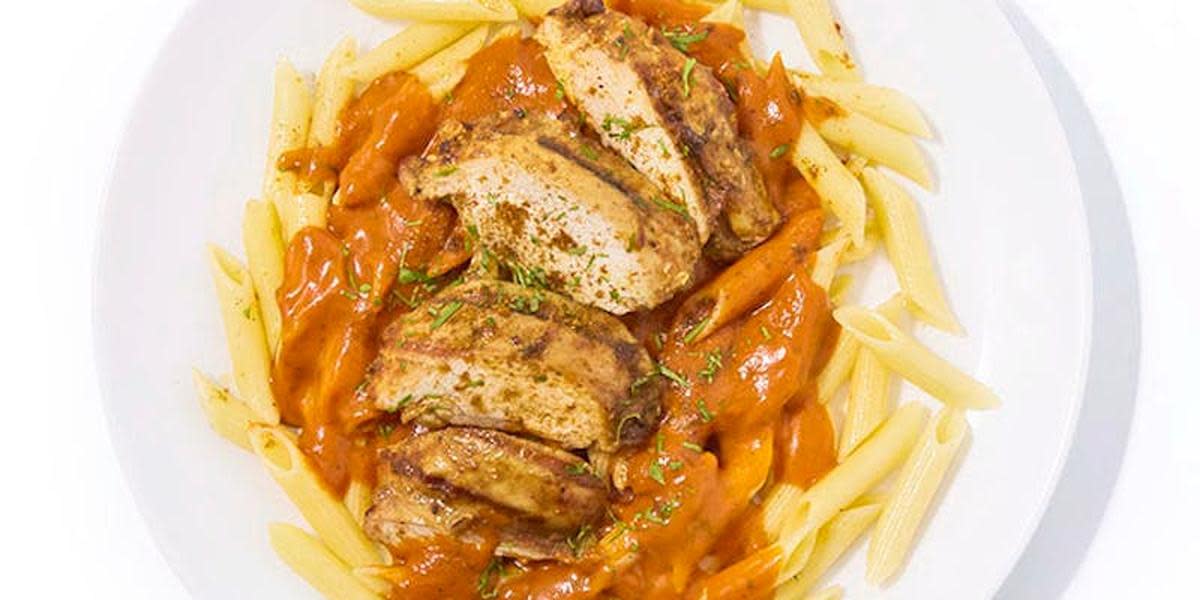
Looking for a chef-crafted spin on tradition? Chef Pierre Thiam's Jollof Pasta with Grilled Chicken Suya takes the beloved tomato-spice base and pairs it with pasta instead of rice, offering a creative twist on a West African classic.
Waakye
Waakye (pronounced “waa-chay”) is a beloved Ghanaian dish made by cooking rice and beans together with dried sorghum leaves, which give the dish its signature reddish-brown color. Often sold as street food, waakye is typically served with an array of accompaniments such as spaghetti, gari, fried plantains, and boiled eggs.
As one of Ghana’s most popular breakfast and lunch options, waakye is both affordable and nourishing. It reflects Ghana’s ability to create balanced, flavorful meals that provide lasting energy and bring people of all backgrounds together.
Want to enjoy these flavors at home? Explore our West African meal delivery, where award-winning chefs craft dishes inspired by the rich culinary traditions of Ghana.
Red red
Red red is one of the most iconic Ghanaian dishes, known for its vibrant color from red palm oil and tomatoes. The dish combines black-eyed peas stewed with palm oil, onions, and tomatoes, and it is traditionally served with fried ripe plantains. Naturally vegan and protein-rich, it highlights the plant-based ingredients that have long been part of Ghanaian cuisine.
As an everyday meal, red red embodies the wisdom and resourcefulness of Ghanaian cooking. Its affordability and simplicity make it accessible across communities, while its hearty flavor ensures it remains a favorite at family tables and street food stalls alike.
Kelewele
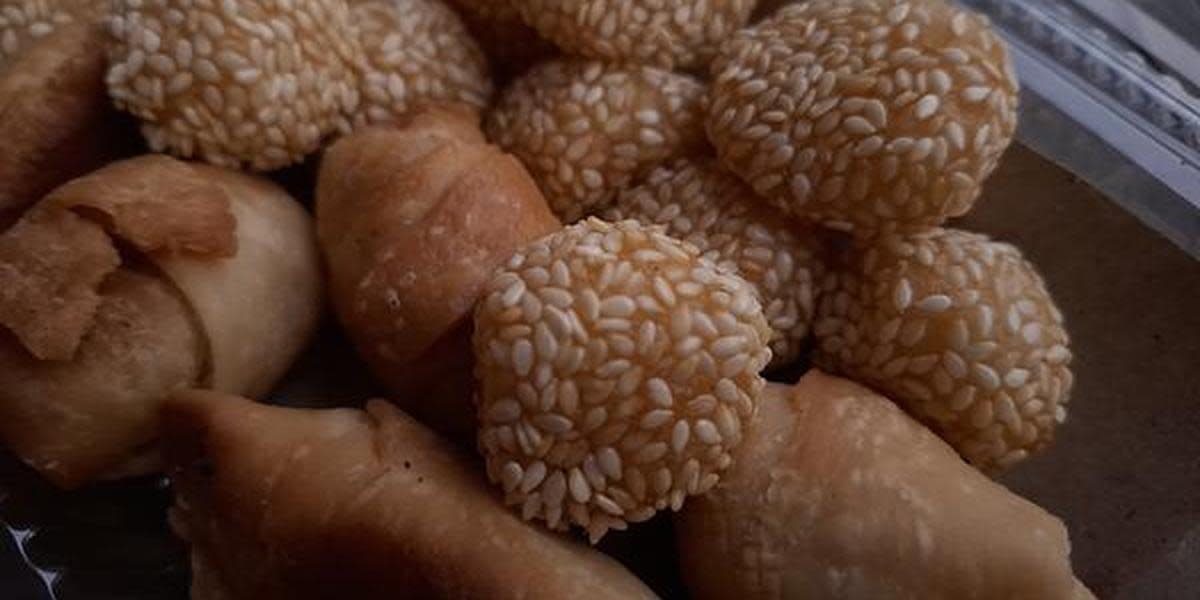
Kelewele is a beloved Ghanaian street food made from ripe plantains cut into cubes, marinated with ginger, garlic, cayenne pepper, and sometimes anise, then deep-fried until golden and caramelized. It is sold by vendors at markets and roadside stalls, often enjoyed late into the night as a snack, appetizer, or side dish.
The dish captures Ghana’s talent for transforming simple, everyday ingredients into bold and memorable flavor experiences. The natural sweetness of the plantains pairs perfectly with the fiery, spiced marinade, creating a balance that is both satisfying and addictive.
Kenkey and fried fish
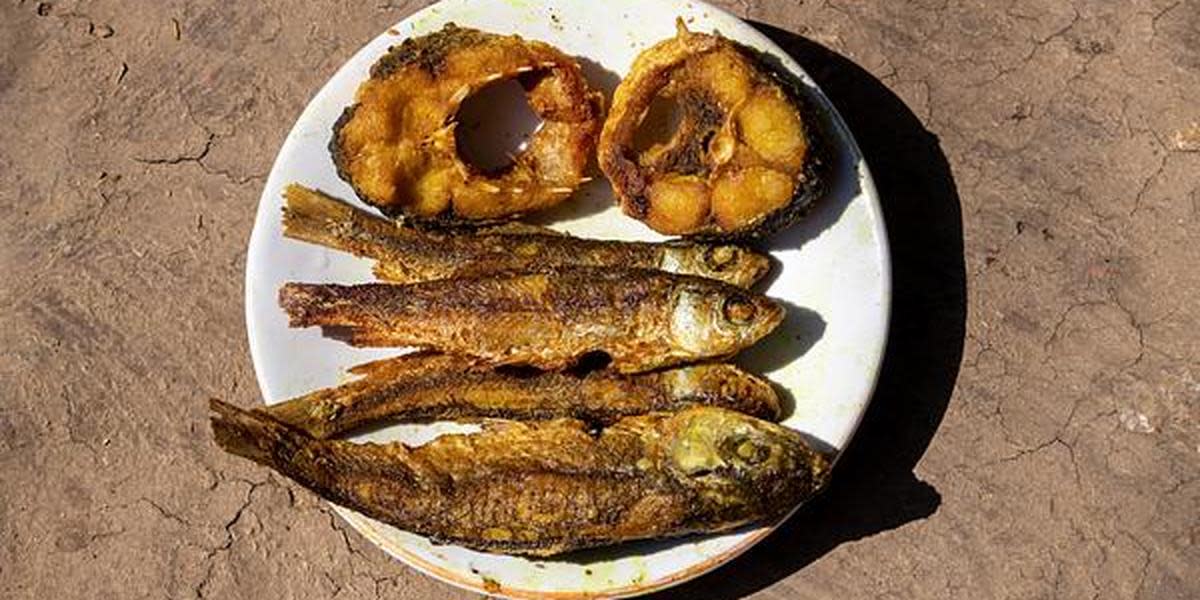
Kenkey is a traditional Ghanaian dish made from fermented corn dough that is wrapped in corn husks or banana leaves and steamed. It comes in two main varieties:
Ga kenkey, slightly sour, from the Greater Accra region
Fante kenkey, milder in flavor, from the Central and Western regions
This portable, filling staple is most often served with fried fish, fresh pepper sauce, and sometimes shito, a spicy pepper sauce. The fermentation and wrapping process reflects indigenous food preservation techniques developed long before refrigeration, showing the ingenuity of Ghanaian cuisine.
Tuo zaafi
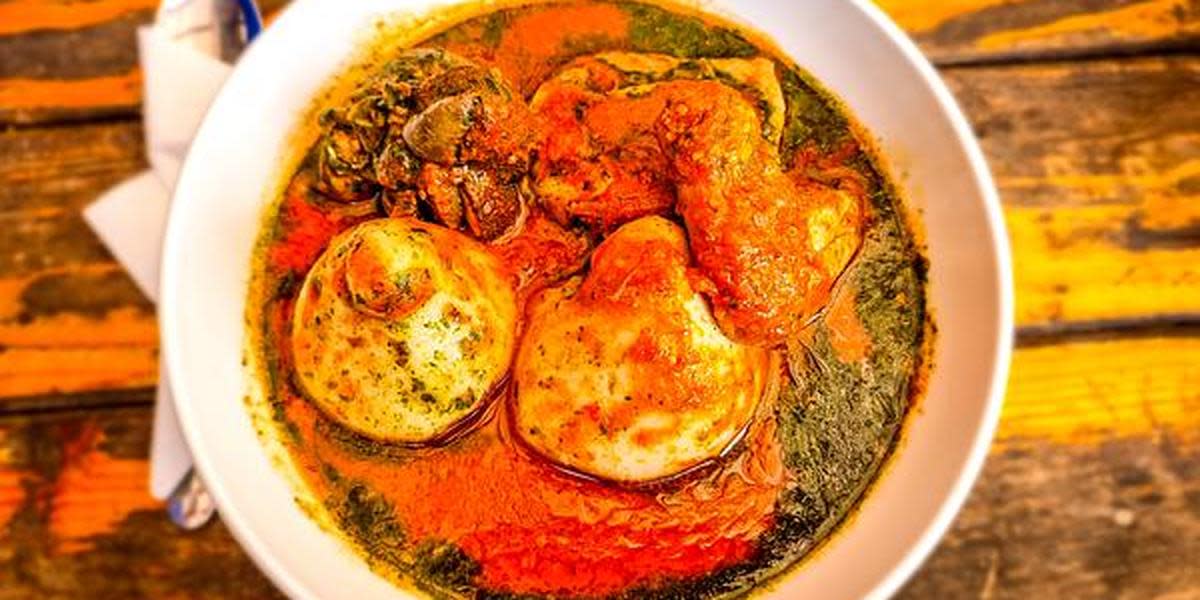
Tuo zaafi is a traditional dish from northern Ghana, made from millet, corn, or cassava flour that is cooked into a thick, smooth porridge. It is typically served with ayoyo, a soup made from jute leaves, or with okro soup, both of which add a distinctive earthy flavor and texture.
This hearty meal is a staple among northern ethnic groups such as the Dagomba and Mamprusi. Preparing tuo zaafi requires both skill and endurance, as the porridge must be stirred continuously to achieve the right consistency. Beyond its role as nourishment, the dish holds deep cultural significance, representing identity, resilience, and the agricultural heritage of northern Ghanaian cuisine.
Okra soup
Okra soup is a classic in Ghanaian cuisine, loved for its distinctive slippery texture, often called “draw.” It is prepared with fresh or dried okra combined with fish or meat, palm oil, and aromatic spices. The soup’s unique consistency makes it an ideal pairing for starchy sides like banku or fufu.
Beyond flavor, okra soup has long been valued for its medicinal properties. It reflects the holistic nature of food in Ghanaian culture, where meals nourish both the body and overall well-being.
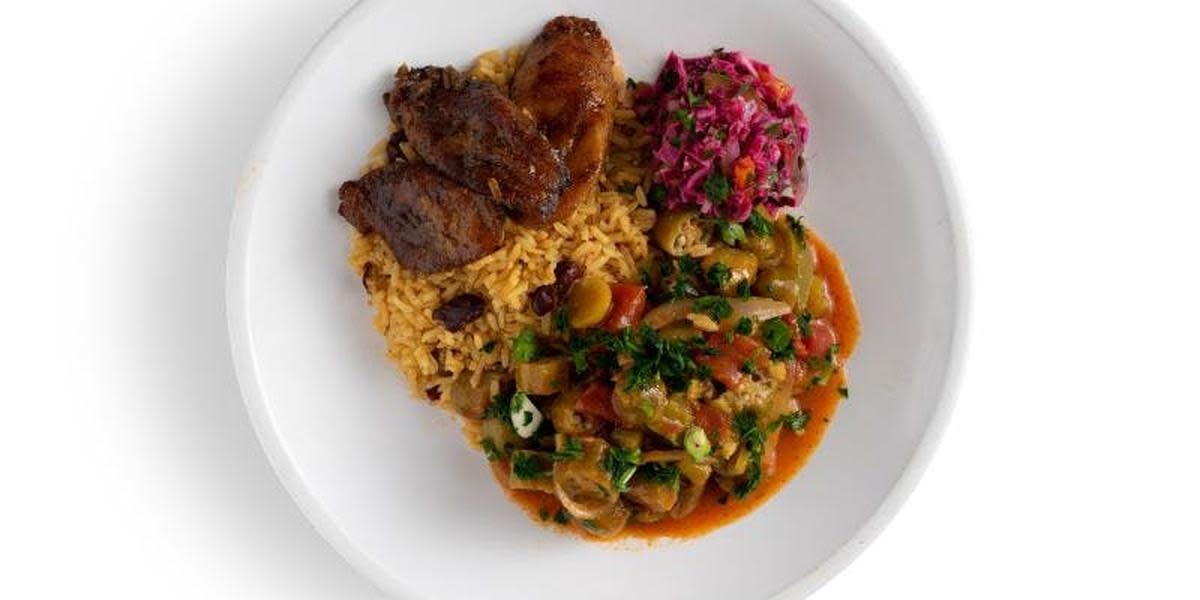
Curious to taste a chef’s spin on this tradition? While not strictly Ghanaian, Chef Nahika Hillery's Caribbean Stewed Okra with Red Beans and Rice highlights the same bold flavors and techniques found in West African okra dishes.
Honoring Ghanaian heritage through food
Food in Ghana is more than daily nourishment. It serves as a living archive of cultural heritage, with recipes carefully passed down through generations. During life events such as naming ceremonies, weddings, and festivals, specific Ghanaian dishes are prepared to connect present celebrations with ancestral traditions.
As Ghanaian cuisine grows in global popularity, diaspora communities continue to share these food traditions, introducing wider audiences to staples like kenkey, waakye, and kelewele. Top chefs around the world are also embracing Ghanaian flavors, weaving them into fusion dishes that highlight their versatility and depth.
For Ghanaians living abroad, recreating traditional meals is a way to stay connected to home and identity. At the same time, modern Ghanaian chefs are reimagining classics, creating innovative interpretations of Ghanaian food that honor heritage while embracing new techniques.
Frequently asked questions about Ghanaian food
Are these meals safe for those with severe dietary allergies, such as dairy, soy, and nuts?
While our meals are crafted without certain ingredients, they're prepared in kitchens where cross-contamination may occur. If your allergy is life-threatening, we recommend reviewing ingredient labels carefully before eating.
Where is fufu believed to originate from and how long has it been part of Ghanaian cuisine?
Fufu holds a special place in Ghanaian and West African cuisine, commonly served as part of traditional meals and often enjoyed with soups and stews.
Which Ghanaian food is best for breakfast and what makes it suitable for morning meals?
Typical Ghanaian breakfast foods include kooko (millet porridge) with koose (bean cakes), hausa koko (spiced millet porridge), or waakye with eggs and sauce, all providing sustained energy for the day ahead.
How do I adapt Ghanaian dishes for a lighter diet without losing authentic flavors?
Reduce palm oil quantities, substitute light broths for heavier soups, and increase vegetable portions while decreasing starchy components to create lighter versions of traditional Ghanaian dishes.

Be the first to know about new offers
Multiorder discounts, free items and more.