Back
Reviewed by Culinary Nutritionist | Kristy Del Coro, MS, RDN, LDN
More than one-third of Americans are trying to avoid gluten, according to New York University researchers¹. Some are part of the more than 3 million people diagnosed with celiac disease (about 1% of the population). While others may not have been diagnosed with celiac disease but may have non-celiac gluten sensitivity (about 6% of the population).²
Still others may not have a diagnosis of gluten intolerance but notice avoiding it helps them feel better or are interested in the connection between a gluten-free diet and weight loss. While the reasons for adopting a gluten free diet vary, the increasing interest in this way of eating is undeniable.
NYU researchers report that 83% of people with celiac disease are undiagnosed. The disease is four times more prevalent today than in the 1950s, but no one has yet to prove any theory as to why¹. One idea is that we are simply eating too much wheat³. If that's the case, adopting a gluten-free diet, even temporarily, may benefit many people.
With this rise in attention, there are plenty of questions that come with investigating the benefits of gluten-free diet plans. In this guide, you’ll learn the basics about gluten, tips for embarking on a gluten-free diet, meal plan options, and more.
What Is Gluten?
According to the Celiac Disease Foundation, gluten is the name for proteins found in all forms of wheat, as well as in rye, barley, and a lesser-known grain called triticale⁴. It’s responsible for the elasticity and chewy texture in baked goods—essentially acting as the “glue” that holds food together. Gluten, which is naturally occurring, is also extracted and added to foods to enhance texture, protein content, and flavor.
Why Follow a Gluten-Free Diet?
While many people digest gluten without issue, for others it can trigger a range of health concerns—from mild digestive upset to serious autoimmune responses. Understanding why people avoid gluten starts with distinguishing between three common conditions: celiac disease, non-celiac gluten sensitivity, and wheat allergy.
Celiac Disease
Celiac disease is an autoimmune disorder where consuming gluten causes the immune system to attack the small intestine. Over time, the small intestine becomes inflamed, damaging the lining and preventing the absorption of other nutrients by the body which can lead to serious long-term health issues.
While some people demonstrate no symptoms for years, others suffer markedly from intestinal damage.
Common Symptoms Include⁵:
Diarrhea or constipation
Abdominal pain and bloating
Fatigue
Joint pain
Headaches
Brain fog, neurological issues
Anxiety or depression
Skin rashes, like dermatitis herpetiformis
Numbness in hands or feet
Bloating or weight loss
Anemia
Some people with celiac disease are asymptomatic but still experience internal damage. Diagnosis typically involves blood tests while gluten is still present in the diet—so it’s essential to talk to a doctor before removing gluten from your diet⁶.
Some people with celiac disease may also be allergic to avenin, a protein found in oats. An allergic reaction to avenin is known as an oat allergy, which results in a similar immune response and symptoms as a gluten allergy.
Currently, there is no cure for celiac disease. People with this health condition must follow a strict gluten-free diet, be cautious of cross-contamination, and monitor their health closely for nutritional deficiencies.
Non-Celiac Gluten Sensitivity
If someone’s tests for celiac disease come back negative but they still feel negative side effects when they eat gluten, they may have a non-celiac gluten sensitivity or gluten intolerance. These terms describe people who have similar symptoms to celiac disease but don’t have the same antibodies found in those with celiac disease⁷.
Unlike celiac disease, non-celiac gluten sensitivity (NCGS) doesn’t involve an autoimmune response or intestinal damage. However, the symptoms can be very real and uncomfortable. Typically, symptoms appear within hours or sometimes days after gluten has been consumed. People with NCGS may experience bloating, fatigue, brain fog, or stomach pain after eating gluten-containing foods.
Key Differences:
No antibodies or intestinal damage
Symptoms typically appear shortly after eating gluten
Often managed with an elimination diet
Avoiding gluten, along with other foods that have high FODMAP ratings can help alleviate the discomfort⁸. There are no tests to diagnose gluten sensitivity, but doctors agree the best treatment is to focus on eating gluten-free foods as much as possible. People with an intolerance to gluten often do not need to have the same concerns about cross-contamination and trace amounts of gluten as those with celiac.
Wheat Allergy
A wheat allergy is an immune response to proteins found in wheat, not just gluten. A wheat allergy causes the body’s immune system to attack a foreign substance. There are actually four proteins in wheat: albumin, globulin, gliadin, and gluten. It’s possible to develop an allergy to any of these.
Allergies have some similarities to celiac autoimmune disease symptoms, but the body reacts differently when consuming wheat. All symptoms appear faster; what may take hours or days for someone with a gluten sensitivity could take minutes for someone with an allergy.
Reactions range from mild (itchiness, hives) to severe (anaphylaxis). While some people with a wheat allergy may suffer from gastrointestinal pain, diarrhea, or vomiting, there are other symptoms.
Symptoms May Include:
Skin rash or hives
Nasal congestion
Headaches
Nausea or vomiting
Breathing difficulties
Unlike celiac disease or NCGS, wheat allergy is typically diagnosed with skin or blood allergy tests, and those affected must avoid all forms of wheat—not just gluten. It’s more common in children but can develop at any age.
If you suspect you have a gluten-related issue, consult a doctor before starting a gluten-free diet. Testing for celiac disease requires the presence of gluten in your system, and removing it prematurely can lead to inaccurate results⁶.
If a doctor prescribes a gluten-free diet, it must be followed strictly. Those with celiac disease and other serious autoimmune concerns or allergies related to wheat and gluten must carefully avoid the protein in order for their gut lining to heal properly.
Some people choose to avoid gluten for reasons other than the health concerns listed above. Before starting a gluten-free diet or adopting a new diet, it is important to talk to a healthcare professional and/or registered dietitian first.
Gluten-Containing Foods to Avoid
Following a gluten-free diet isn’t as simple as just avoiding bread. Gluten is a surprising ingredient in many foods, including⁹:
Bread baked with wheat or self-rising flour
Pasta
Baked goods
Crackers
Couscous
Soy sauce
Hydrolyzed vegetable protein
Many canned soups and sauces
Meat products, like hot dogs
Some dairy products, like ice cream
Malt flavoring or extract
Beer, dessert wines, and wine coolers made from malt
Other common ingredients like gelatinized starch, modified food starch, and vegetable gum
A gluten-free diet for beginners often involves careful label reading, as the learning process is as enlightening as it is frustrating. A safe rule is to presume a processed food contains gluten unless the label bears the U.S. Food and Drug Administration’s Gluten-Free label, which means it contains less than 20 ppm of gluten.
It’s also a good idea to learn the other traditional names for wheat, all of which must be avoided¹⁰:
Durum
Einkorn
Emmer
Kamut
Spelt
Farina
Graham flour
Semolina
Some medications also contain gluten. Talk with your doctor or pharmacist to ensure your medicines are safe.
Gluten-Free Foods to Include in Your Diet
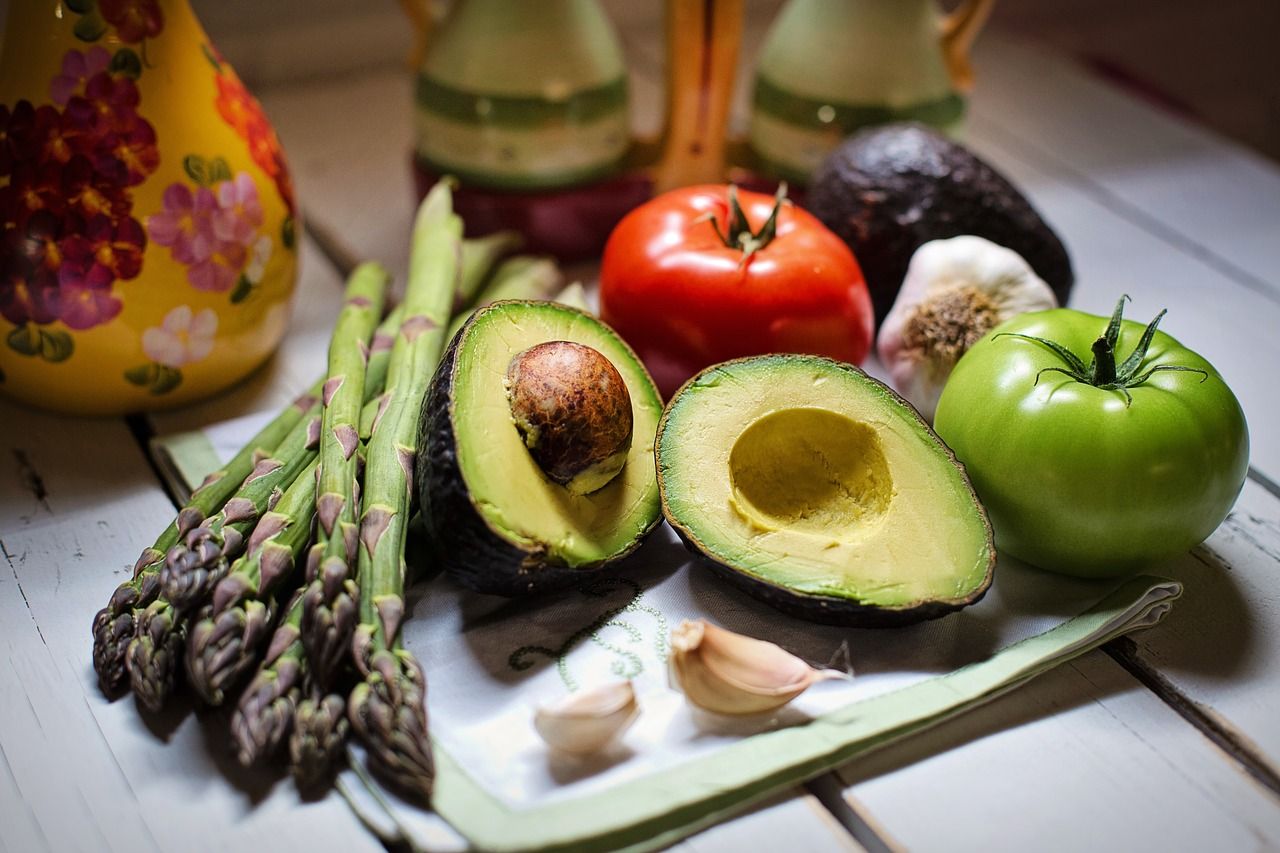
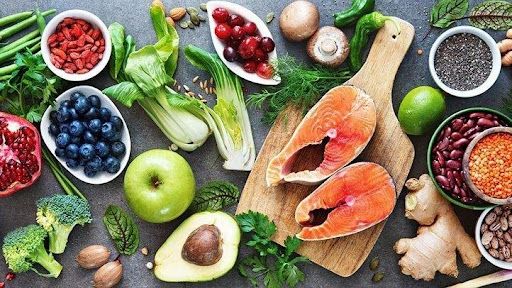
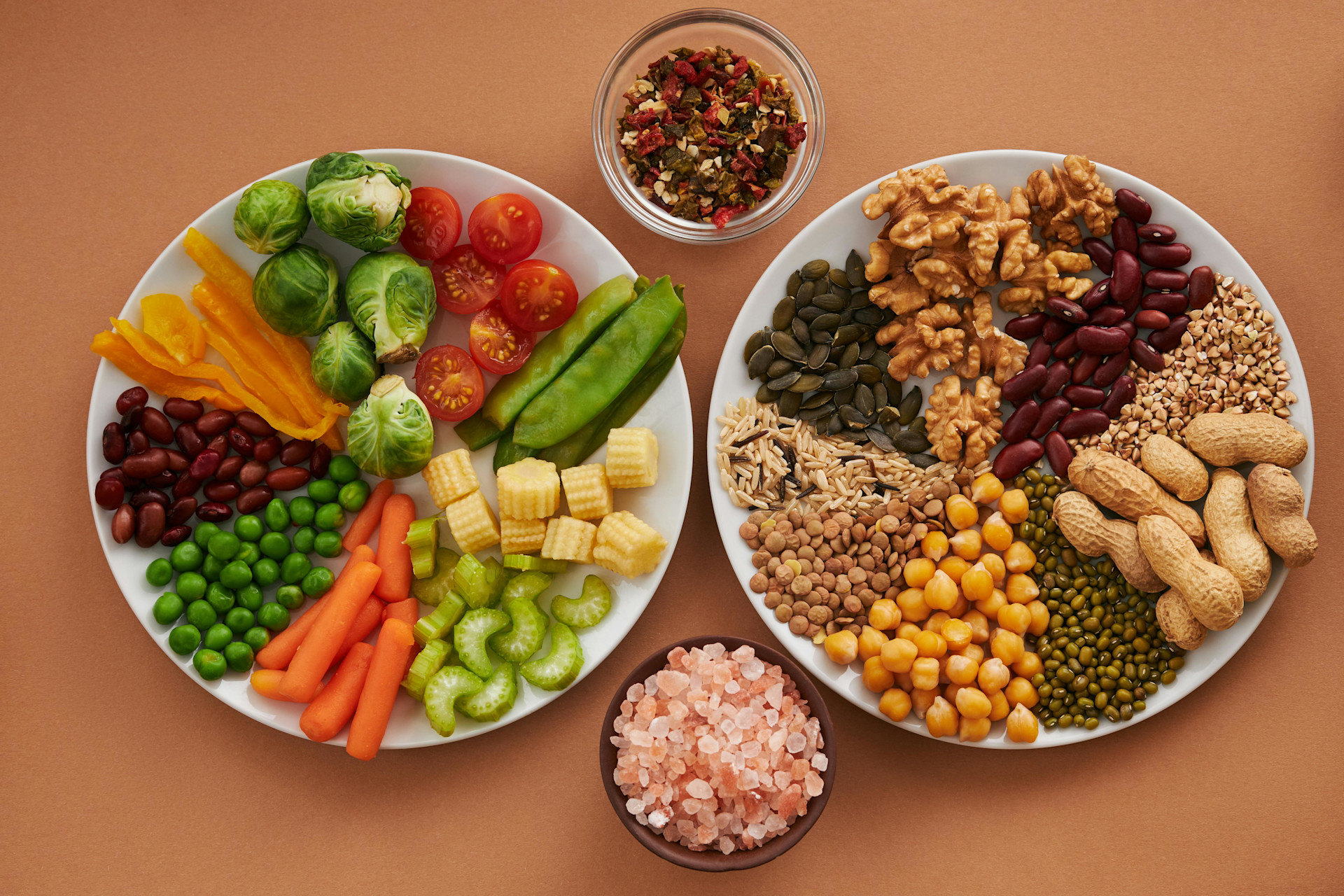
There’s plenty of focus on the foods to avoid, but luckily, there are many gluten-free products and whole foods that are naturally gluten-free¹¹. They include:
Fruits
Vegetables, including potatoes, yucca, cassava, and corn
Animal Protein (like un-seasoned chicken, turkey, steak, and fish)
Dairy
Legumes
Beans
Nuts
Rice
Soy
Chia
Gluten-free grains like buckwheat, millet, quinoa, sorghum, teff and amaranth
Beverages like juices, sodas, and sports drinks
Gluten-free beer
Gluten-free bread (made without wheat flour and other gluten-containing ingredients)
Gluten-free flours (like almond flour, arrowroot flour, and coconut flour)
Gluten-free candy (like Jelly Belly beans, Gin Gin chews, and Smarties!)
Gluten-free oats
Oats don’t naturally contain gluten, but they are often contaminated by other gluten-containing grains during production. While most people with celiac disease can tolerate a half-cup of pure rolled oats a day, you can find oats that bear the “Gluten-Free” label and are safe from cross-contamination¹².
Today, many packaged foods without gluten will highlight this on the label. So always double check for the “Gluten-Free” label if you’re not sure.
Benefits of a Gluten-Free Diet
Some research suggests that those with non-celiac gluten sensitivity may be able to heal their gut with a gluten-free diet. The Mayo Clinic reports that many patients are encouraged to follow the diet for one or two years, and then schedule a retest of gluten sensitivity¹⁰. However, people with celiac disease will need to follow a gluten-free diet for the rest of their lives.
Overall, following a gluten-free diet will help to alleviate the symptoms of celiac disease, gluten sensitivity, and wheat allergies. However, people who follow this way of eating also report elevated energy levels and other signs of improved health.
Improved Digestive Health
If gluten causes gastrointestinal pain, bloating, and inability to properly digest food, avoiding it will help dramatically. Avoiding gluten in the foods you eat should address constipation, nausea, and diarrhea.
What’s more, when your body isn’t attacking itself in an autoimmune response, the small intestine can do its job. It can absorb the nutrients from other foods you eat, helping address anemia, joint pain, osteoporosis, and cognitive impairment that are also common symptoms of celiac disease¹³.
Reduced Inflammation
For those with allergies and sensitivities to gluten and wheat, avoiding gluten can help to reduce inflammation throughout the body. This is also true for those diagnosed with celiac disease.
Inflammation is the body’s way of handling what it considers foreign threats. Specific cells of the immune system travel to where they’re needed to begin the healing process. This works well when the foreign threat is a bacterial or viral infection. The problem is when the body mistakes another substance — like gluten — as an attack.
Chronic inflammation, which occurs if the body is constantly fighting the presence of gluten, can cause great harm. Eating a whole-food diet and avoiding gluten will go a long way to reducing inflammation and helping sensitive individuals feel much better¹⁴.
Weight Management
While Harvard University researchers report no link between following a gluten-free diet and weight loss, many people adopt the diet for just that reason¹⁵. Gluten doesn’t cause weight gain, but avoiding it can support healthier eating patterns.
White flour, just like sugar, alcohol, and tobacco, is considered an addictive substance, according to Scientific American¹⁶. That means people who have trouble stopping after just one cookie or tend to binge on the breadbasket before dinner arrives might do well to avoid flour altogether.
If baked goods feel impossible to resist, then it’s likely that cutting them out of your diet will help with weight management. It’s easier to tell people you follow a gluten-free diet instead of getting into these other, more personal reasons.
Pro-Tip from our Nutritionist: Be mindful that you are choosing gluten free foods that are nutritious whole foods; many gluten free packaged foods can be very high in added sugar, calories or unhealthy fats; just because they are labeled gluten free, does not make them inherently healthy.
Practical Tips for Gluten-Free Living
Like other specialty diets, starting a gluten-free lifestyle can be challenging at first. The trick is to educate yourself about ingredients, products, and foods containing gluten.
Reading Labels and Certifications
The FDA “Gluten-Free” label is a voluntary rule adopted in 2013 to help people with celiac disease and other gluten intolerances navigate the food aisles more easily⁴. In 2020, they expanded the rule to include fermented foods like yogurt, pickles, and cheese. If a food has this label, you can be assured that it meets the criteria for being safe for a gluten-free diet.
There are also many gluten-free certifications, all designed to provide an added level of confidence. These certification programs include BRCGS Global Standard Gluten-Free Certification, the Gluten-Free Food Program Certification, and the Gluten-Free Certification Organization ¹⁸, ¹⁹, ²⁰.
Of course, the fact that these labels are voluntary means that many products don’t have one. You’ll have to look at the ingredient list for anything that may contain gluten. If the food doesn’t have a label — such as fruits, vegetables, dried beans, nuts, and other whole foods — figuring out what’s safe may be easier.
Avoiding Cross-Contamination
As mentioned earlier with oats, cross-contamination is a major concern of people following a gluten-free diet, particularly if they are following it to manage celiac disease. For example, rolled oats do not naturally contain gluten, but they are often manufactured in facilities processing other gluten-containing grains.
This is where those certifications and labels make a difference. You may not see any gluten on the label, yet later experience symptoms as if you ingested gluten. Always look for these labels when shopping at the grocery store. It’s also very important that you communicate your dietary needs at restaurants when eating out, especially if you have celiac disease.
At home, you must be aware of cross-contamination, too. Store gluten-free foods in different places and keep cooking areas clean. You may wish to invest in a second toaster for gluten-free breads¹⁰.
When eating out, it’s a best practice to call the restaurant ahead to look for gluten-free options or discuss your concerns. Often, it’s best to eat out earlier or later when the restaurant isn’t so busy and is more likely to accommodate special requests.
Meal Planning for Success
To ensure you always have healthy and delicious gluten-free meals, consider creating a meal plan for the week ahead. Many people who follow a gluten-free diet spend one day a week cooking and freezing meals that are ready when they are hungry. You’ll be less likely to grow “hangry” when you’ve planned and prepared your meals already.
Meal planning and preparation can also help you save money and time during the busy week. Home-cooked or professionally prepared meals also make it easier to eat a nutritionally balanced diet.
Don’t have time to meal prep? Stick to your diet and enjoy fresh meals crafted by award-winning chefs with CookUnity Marketplace. Meal planning and dieting never has to be boring again. Try one of our no-gluten-added dishes today:
Rustic Humita with Butternut Squash by Chef Maia Bengochea
Grilled Chicken Suya with Roasted Green Beans and Jollof Rice by Chef Pierre Thiam
Sesame Noodle Bowl by Chef Andrew Corrigan
Final Thoughts
For those who have been diagnosed with celiac disease, gluten sensitivity, or wheat allergy, a gluten-free diet is a non-negotiable. All that effort to learn the foods to avoid and buy will pay off, thankfully, with fewer digestion problems, less inflammation, and other symptoms. An added benefit often includes weight loss and more energy!
Best of all, with some planning and awareness, this diet can be both healthy and enjoyable — especially once you discover CookUnity’s no-gluten-added options. When you join, you can get delicious and healthy meals created by professional chefs delivered each week to your home. Log on, learn more, and start feeling better today. Please note, our meals are not certified gluten-free due to risk of cross-contamination.
Frequently Asked Questions about the Gluten Free Diet
What food can you eat on a gluten-free diet?
While there are plenty of foods to avoid, many foods are naturally gluten-free. All fruits, vegetables, legumes, beans, and many whole grains, such as quinoa, are fine to enjoy. For packaged foods, look for the FDA “Gluten-Free” label to ensure it’s safe for a gluten-free diet.
What foods are not allowed on a gluten-free diet?
Any food that contains gluten should be avoided on a gluten-free diet. These foods include wheat of all kinds, baked goods, pasta, and soy sauce. Many soups and sauces contain gluten as a thickening agent. Most beers, dessert wines, and wine coolers made with malt contain gluten, too.
Are there gluten-free meal delivery services?
CookUnity offers no-gluten-added meals like pesto chicken breast with roasted potatoes and baby kale salad and white bean korma curry with basmati rice. Try different options to get inspired. Note: these meals are NOT certified gluten-free.
What happens when you cut out gluten?
If you do not have a gluten intolerance or sensitivity, you may not notice anything different if you avoid gluten.
However, if you have addictive food habits with white flour or have been diagnosed with celiac disease, gluten sensitivity, or a wheat allergy, you’ll notice a big difference. Cutting out gluten can dramatically alleviate symptoms such as digestive issues, inflammation, and even neurological conditions.
SOURCES

Be the first to know about new offers
Multiorder discounts, free items and more.