Back
7-day low-sugar diet plan: An expert-crafted guide
Sugar sneaks into more foods than you might expect, from pasta sauce to salad dressing. Over time, those hidden sugars can impact your energy, cravings, and overall health. Shifting to a low-sugar diet is a simple but powerful way to take back control. It can help steady your energy throughout the day, reduce inflammation, and support a more balanced, nourishing way of eating.
Key takeaways:
A low-sugar diet limits added sugars to less than 25g daily for women and 36g for men while focusing on whole foods.
Hidden sugars can appear under many different names on food labels, so reading ingredient lists carefully is important.
The 7-day meal plan provides a realistic framework with both home-prepared options and chef-crafted meals.
Many individuals report feeling more energized and experiencing fewer cravings after making consistent efforts to reduce their sugar intake.
What is a low-sugar diet?
A low-sugar diet focuses on reducing added sugars while still enjoying nutrient-dense whole foods. It’s not about cutting out all sweetness, but rather minimizing processed sugar to support better energy, balance, and long-term wellness.
According to the American Heart Association, added sugar intake should stay under 25 grams per day for women and 36 grams for men. This approach also aligns with the World Health Organization’s guidelines for a healthy, sustainable diet.
Benefits of eating low sugar can include more consistent energy, easier weight management, reduced inflammation, and improved dental health.
Want a delicious example of how satisfying low sugar can be? Chef Anne Thornton’s Keto Roasted Salmon features perfectly cooked salmon in a tangy lemon herb cream sauce, paired with tender, lightly seasoned broccoli. It’s clean, comforting, and crafted to nourish without added sugar.
How to identify hidden sugars in foods
Sugar doesn’t always go by “sugar” on the label. It often shows up under different names, making it easy to overlook. Learning how to recognize these hidden sources is key to staying on track with a low-sugar meal plan and making more informed food choices.
Check nutrition facts
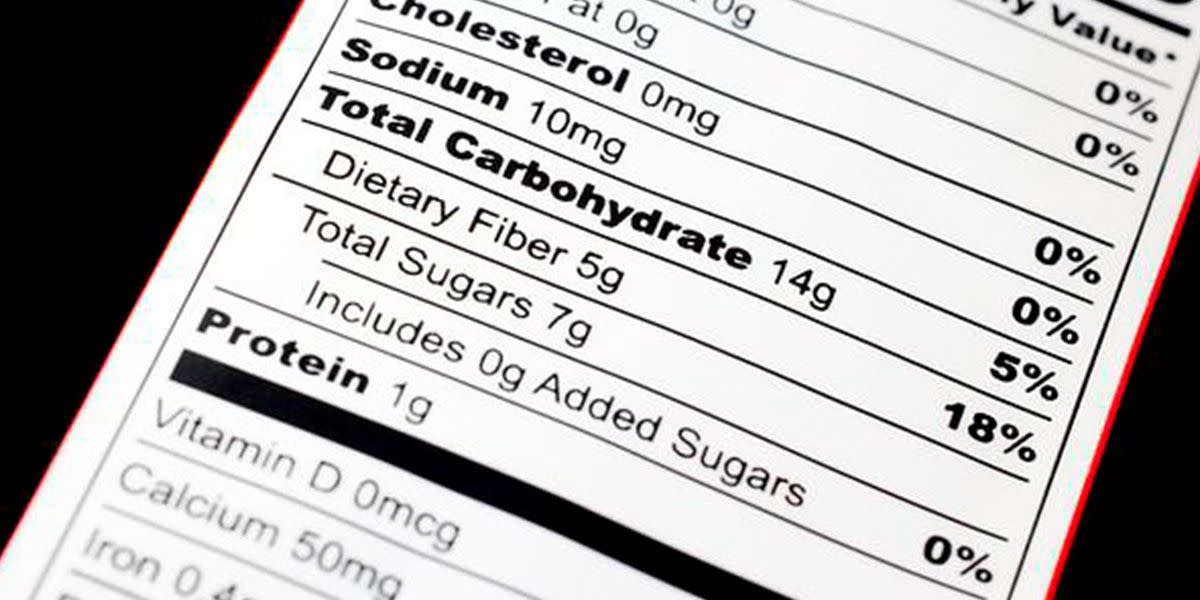
When reading labels, pay close attention to both Total Sugars and Added Sugars. Total sugars include everything, both naturally occurring sugars from foods like fruit and dairy, and any sugars added during processing. The Added Sugars line is what matters most on a low-sugar diet, since it shows how much sweetener was added to the product, not what’s naturally part of the ingredient. The lower, the better.
Recognize alternate names for sugar

Sugar can disguise itself under dozens of names on ingredient lists, which makes label reading a must. Some of the most common aliases include:
Corn syrup and high-fructose corn syrup
Dextrose, maltose, and sucrose
Cane juice or evaporated cane juice
Fruit juice concentrate
Molasses and honey
Barley malt and rice syrup
In fact, there are over 60 different names for sugar used in packaged foods. Getting familiar with these terms helps you spot added sugars, even when they’re not obvious.
Scan ingredient lists for syrups and sweeteners

Ingredients are listed in order of weight, so if you see sugar or syrup near the top, it’s a major part of the product. Look for common sweeteners like corn syrup, agave, or anything ending in “-ose” such as fructose or glucose—these are all forms of added sugar.
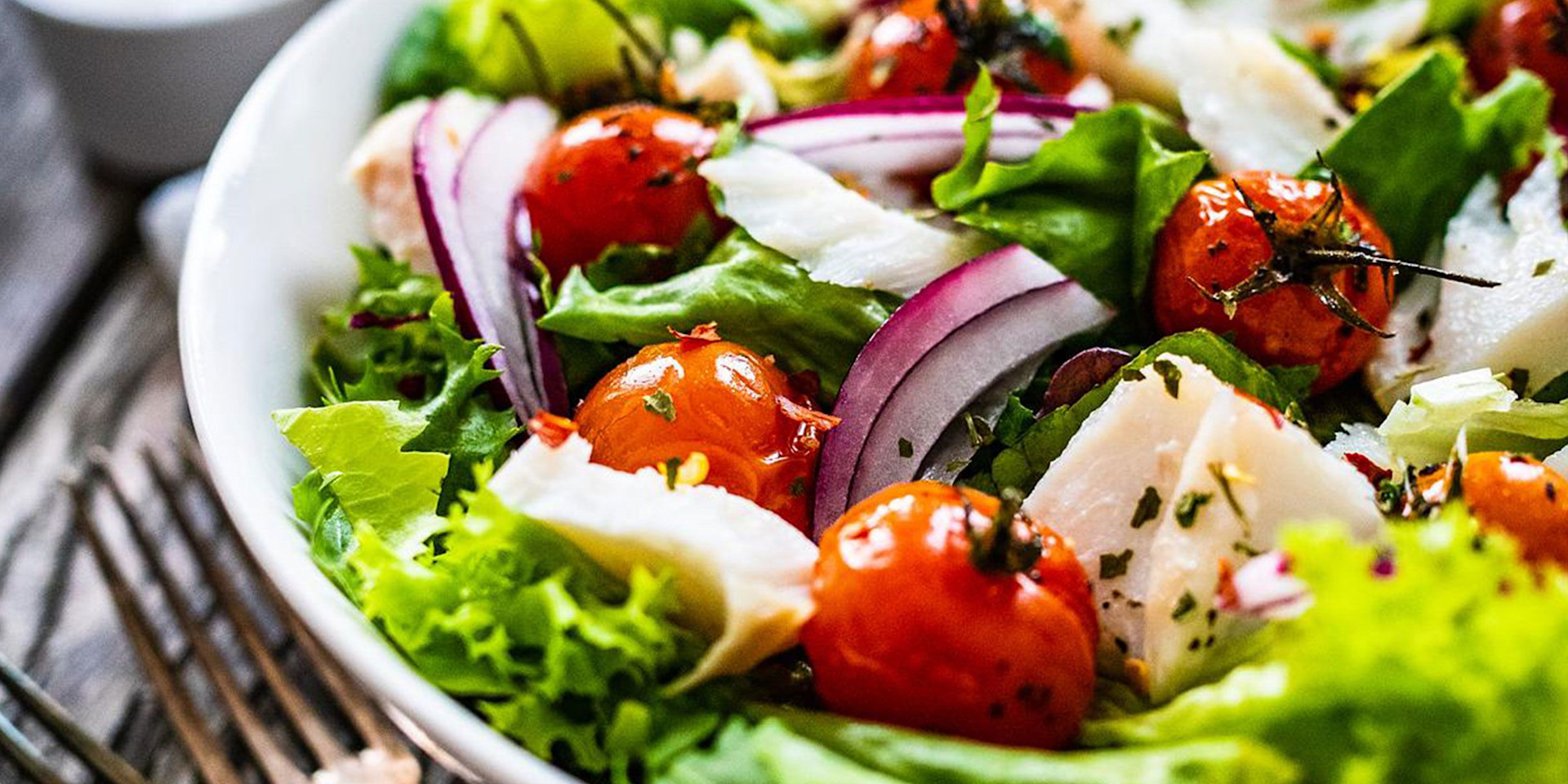
For a delicious example of how flavorful a no-added-sugar meal can be, try Mediterranean Baked Cod by Chef Roberto Vergara. Tender cod is baked with cherry tomatoes and briny olives, then finished with a drizzle of olive oil and fresh herbs. It’s light, satisfying, and full of natural flavor.
Foods to eat and avoid for lower sugar intake
Creating a sustainable low sugar diet means knowing which foods support your goals and which work against them.
Foods to eat

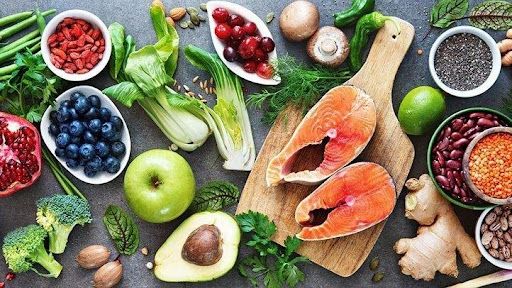
A low-sugar diet is built around whole, nutrient-dense foods that offer flavor and satisfaction without added sweeteners. Focus on ingredients that naturally support balanced blood sugar and lasting energy.
Go-to options include:
Vegetables: Non-starchy picks like leafy greens, broccoli, and cauliflower
Proteins: Lean sources such as chicken, fish, tofu, and eggs
Fats: Healthy fats like avocado, olive oil, nuts, and seeds
Fruits: Low-sugar varieties such as berries, green apples, and grapefruit
Grains: Whole grains like quinoa, brown rice, and oats in moderation
One easy way to bring it all together is with Grilled Chicken Shawarma Bowl by Chef Dustin Taylor. This dish features spiced chicken with couscous, chickpeas, grilled zucchini, cabbage, and tomatoes, all topped with a zesty yogurt tzatziki. It’s a flavorful, well-balanced meal that fits perfectly into a low-sugar lifestyle.
Foods to avoid

To stay on track with a low-sugar lifestyle, it’s important to minimize foods that are high in added sugars or overly processed. These items can lead to energy crashes and cravings that make it harder to stick with your goals.
Try to limit:
Packaged or processed foods with added sugars
Sweetened beverages like soda, energy drinks, and fruit juice
Candy, cookies, pastries, and other desserts
Sugary breakfast cereals
Flavored yogurts with added sweeteners
Condiments and sauces such as ketchup, BBQ sauce, and sweet dressings
Checking labels and choosing simpler, whole-food alternatives can make a big difference.
Beverages to choose

Sugary drinks are one of the biggest contributors to added sugar in the diet, but the good news is there are plenty of flavorful, sugar-free options to keep you refreshed and satisfied.
Try these low-sugar sips:
Water – plain, or infused with citrus slices, cucumber, or fresh herbs
Unsweetened tea and coffee – enjoy them hot or iced
Sparkling water – check the label to make sure it's free of sweeteners
Herbal teas – naturally caffeine-free and full of flavor
These choices help you stay hydrated without the blood sugar spikes that come with sweetened beverages.
Looking for chef-crafted meals that align with your low-sugar goals? Explore our Sugar Savvy meal options and save 50% on your first week!
Beverages to skip

Some drinks may seem harmless, but they can be packed with added sugars that quickly exceed daily limits. Keeping an eye on your beverage choices can make a big impact on your overall sugar intake.
Try to avoid:
Soda and soft drinks
Sweetened coffee drinks like flavored lattes and bottled options
Fruit juices with added sugar (even “natural” ones can spike blood sugar)
Sports and energy drinks
Sweetened alcoholic beverages, including sugary cocktails and mixers
Choosing low- or no-sugar alternatives helps keep your energy stable and supports a more balanced approach to hydration.
Meal prep tips for the week
Planning ahead is one of the best ways to stick with a low-sugar lifestyle. With a few simple strategies, meal prep becomes easier, more sustainable, and far less stressful.
Choose your recipes ahead of time: Pick 3–5 low-sugar meals you can rotate throughout the week. Focus on meals built around lean proteins, vegetables, and whole grains.
Batch-cook basics: Prep staples like roasted veggies, grilled chicken, or quinoa in larger portions so they’re ready when you need them.
Pack balanced meals: Combine a protein, a healthy fat, and fiber-rich carbs to keep blood sugar levels steady.
Space out meals thoughtfully: Try to leave 2–3 hours between meals to help support more stable energy and glucose levels throughout the day.
With the right prep, healthy eating becomes automatic—even on your busiest days.
Weekend prep strategy
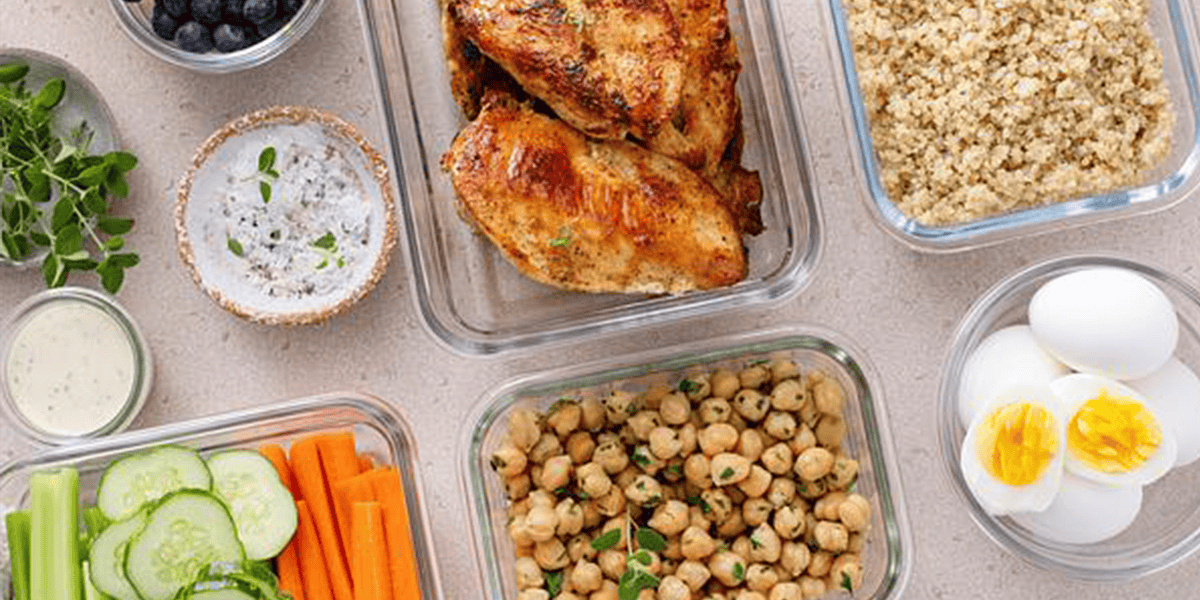
Spending just 1–2 hours on the weekend can set you up for a low-sugar week with less stress and more ease. Focus on prepping versatile components you can mix and match into satisfying meals.
Protein prep: Batch-cook lean proteins like grilled chicken, hard-boiled eggs, or baked fish for quick grab-and-go options.
Vegetable prep: Roast a tray of non-starchy vegetables or steam a few varieties to have easy, nutrient-rich sides ready to go.
Grain prep: Make a big batch of whole grains such as quinoa or brown rice for a fiber-filled base you can use all week.
Fresh prep: Wash, chop, and store fresh vegetables for salads, bowls, or easy snacking.
A little effort on the weekend makes weekday meals faster, easier, and far more enjoyable.
Smart grocery shopping

A well-planned grocery trip makes it easier to stick with your low-sugar goals all week long. Keep your list focused on whole, minimally processed foods and take a few extra moments to scan nutrition labels.
Tips to shop smarter:
Stick to the perimeter of the store where fresh produce, meat, and dairy are found
Read ingredient lists and nutrition labels to catch hidden sugars
Opt for plain versions of yogurt, nut butters, and grains instead of flavored or sweetened ones
Choose fresh, seasonal fruits and vegetables for maximum flavor and nutrition
When time is tight and cooking isn’t in the cards, Chef Chase Evans’ Herb Grilled Chicken Caprese Salad is a fresh, ready-to-enjoy option. Juicy grilled chicken meets sweet cherry tomatoes, fresh mozzarella, arugula, and bright basil pesto for a light, satisfying meal that doesn’t sacrifice flavor—or your low-sugar goals.
Meal planning doesn't have to be complicated. Explore the weekly menu and select your meals to make low sugar eating even easier.
7-day low-sugar menu plan
Ready to put your low-sugar goals into action? This realistic, feel-good meal plan is built around whole foods, balanced nutrition, and minimal added sugars. Each day features meals that keep energy steady, cravings low, and flavor front and center. Because healthy should never mean boring.
Day 1

Breakfast: Veggie omelet with spinach, bell peppers, and a sprinkle of cheese
Lunch: Grilled chicken salad with mixed greens, cucumber, and olive oil vinaigrette
Dinner: Roasted Mediterranean Salmon by Chef Chase Evans
Snacks: Plain Greek yogurt with berries; handful of almonds
Day 2
Breakfast: Overnight oats made with unsweetened almond milk or soy milk and cinnamon
Lunch: Grilled Chicken Kale Caesar by Chef John DeLucie
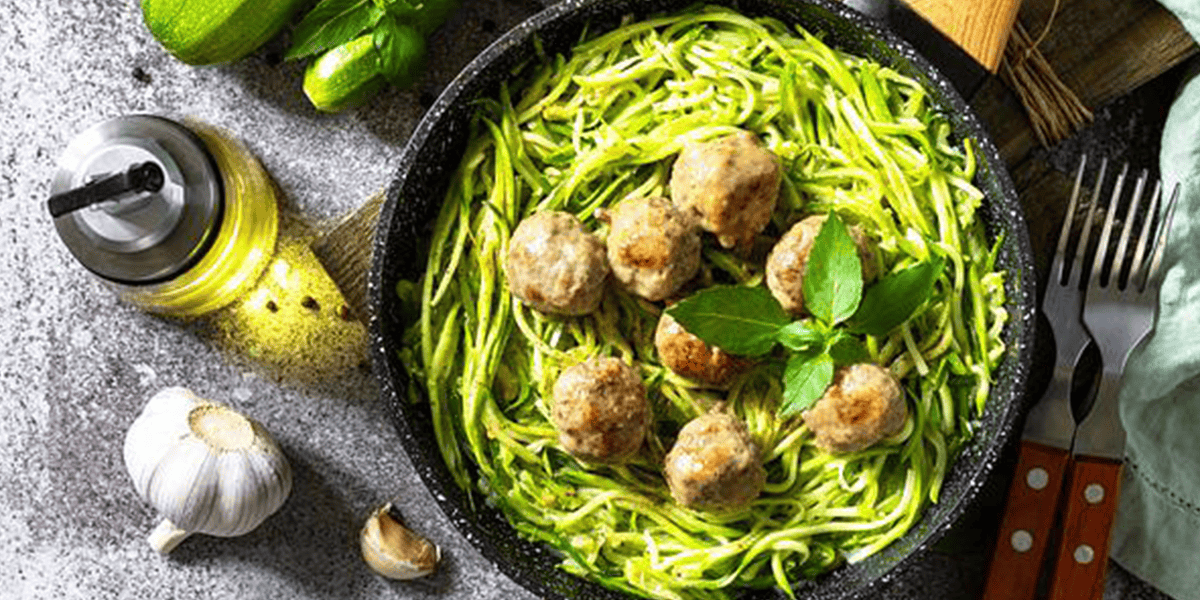
Dinner: Zucchini noodles with turkey meatballs and marinara sauce
Snacks: Celery with unsweetened almond butter; hard-boiled egg
Day 3
Breakfast: Smoothie with spinach, avocado, unsweetened protein powder, and unsweetened almond milk or soy milk
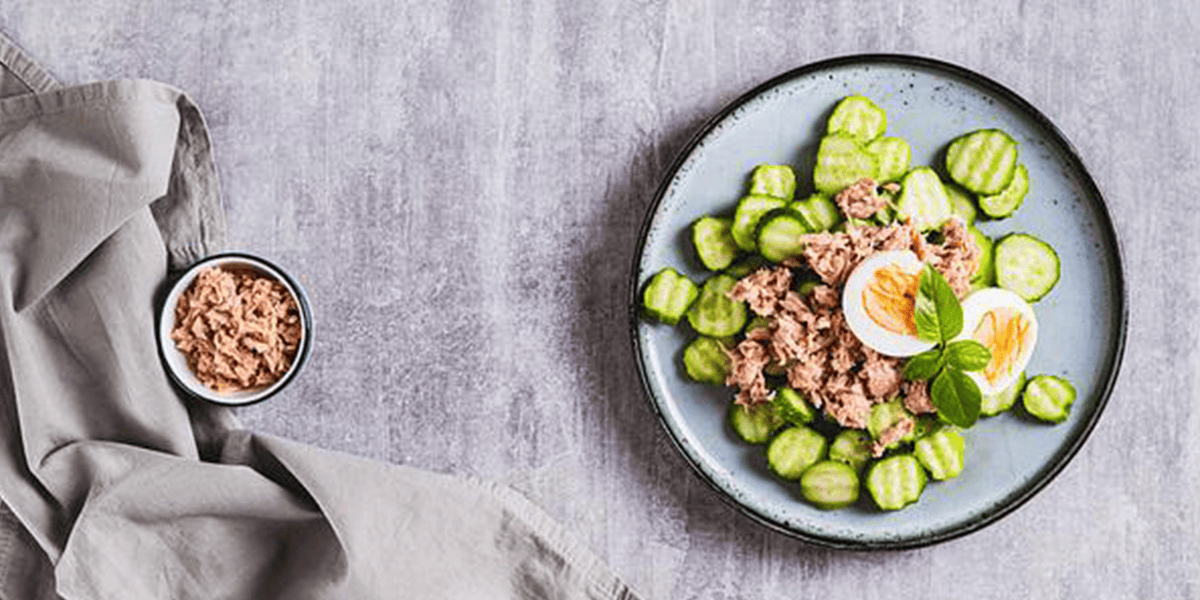
Lunch: Tuna salad (made with Greek yogurt instead of mayo) on cucumber slices
Dinner: Southern Low Country Boil by Chef Santiago Lopez
Snacks: Bell pepper strips with hummus; string cheese
Day 4
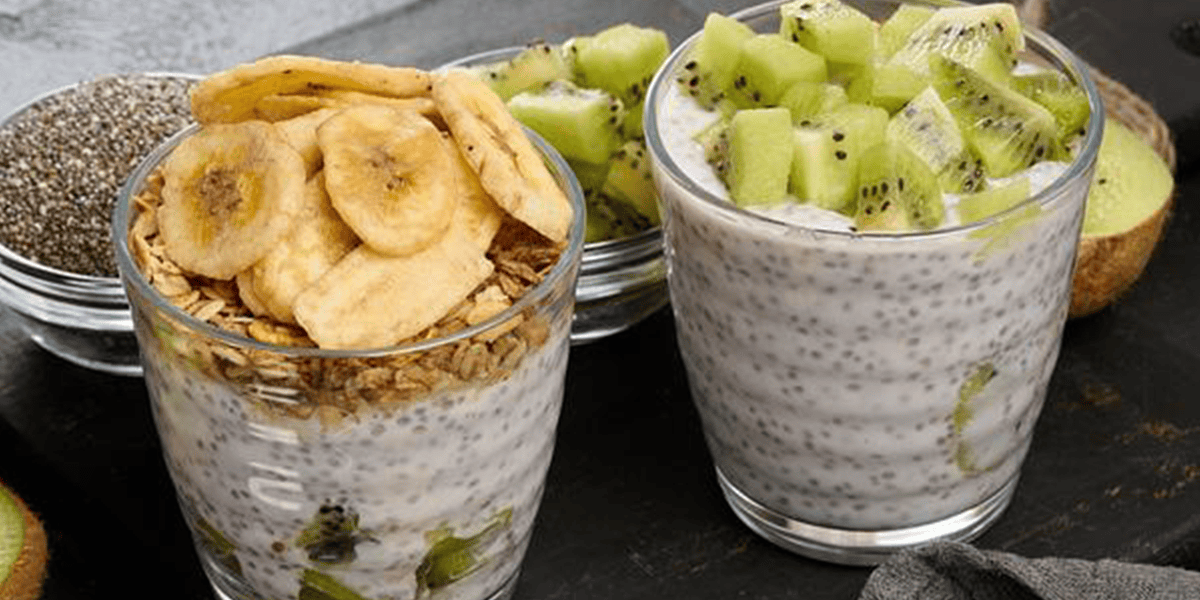
Breakfast: Chia seed pudding made with unsweetened coconut milk
Lunch: Leftover zucchini noodles with turkey meatballs
Dinner: Grilled NY Steak in Lemon Soy Gravy by Chef Armando Litiatco
Snacks: Handful of macadamia nuts; cucumber slices
For more healthy eating approaches that complement a low-sugar lifestyle, check out our carb cycling meal plan guide.
Day 5
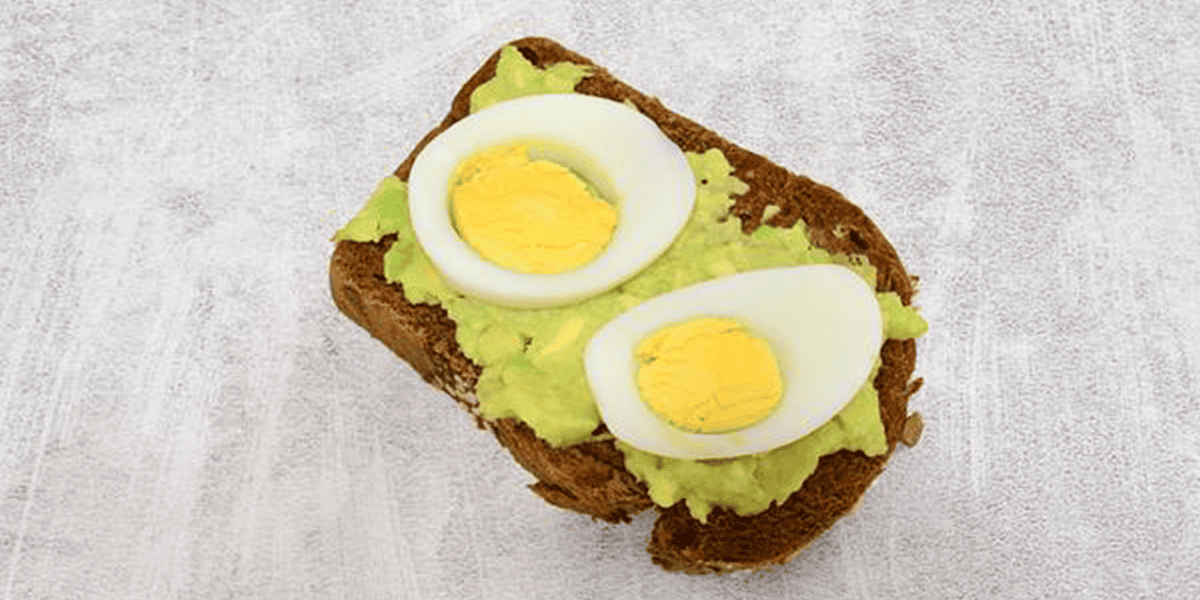
Breakfast: Two hard-boiled eggs with sliced avocado
Lunch: Mason jar salad with grilled chicken, mixed greens, and olive oil dressing
Dinner: Seared Citrus Garlic Herb Salmon by Chef Cat Cora
Snacks: Olives; small apple with unsweetened almond butter or peanut butter
Day 6
Breakfast: Plain Greek yogurt with a small handful of berries and chia seeds
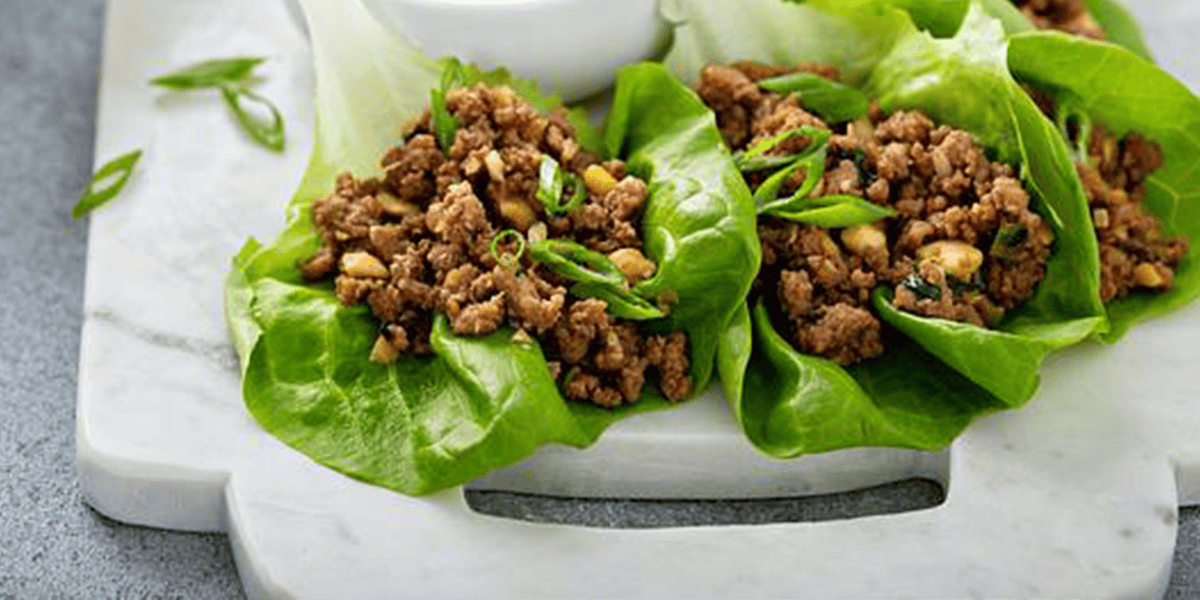
Lunch: Lettuce wraps with ground turkey, avocado, and salsa
Dinner: Chicken in White Wine Sauce by Chef Angelia Cole
Snacks: Beef jerky (no added sugar); sliced bell peppers
Day 7

Breakfast: Scrambled eggs with spinach and mushrooms
Lunch: Leftover protein from previous dinner with fresh salad
Dinner: Greek Chicken Couscous Bowl by Chef Fabiola Rivera
Snacks: Guacamole with cucumber slices; small handful of berries
Sugar cravings and how to quit sugar for good
Sugar cravings have both physiological and psychological components. When we consume sugar, our brains release dopamine, creating a reward response that can lead to cravings.
Gradually reducing sugar intake rather than eliminating it completely helps minimize withdrawal symptoms. WHO advises against using NSS for weight management, so focusing on whole foods and natural flavors is generally recommended. This approach increases long-term success and makes the transition easier.
Healthy substitutes for sweet cravings:
Fresh berries or a small piece of fruit
Dark chocolate (70%+ cacao)
Cinnamon added to foods for natural sweetness
Vanilla or maple extract in baked goods, smoothies, overnight oats, or yogurt parfaits
Roasted sweet potatoes
Herbal teas with natural sweetness
Creating new habits is crucial for long-term success. Replace sugar-centered routines with new ones, like having herbal tea instead of dessert after dinner or taking a walk when cravings hit.
Low-sugar snacks and desserts
Smart swaps can make all the difference when cravings hit. Stocking your kitchen with satisfying, low-sugar snacks and treats means you’ll always have something tasty on hand, without the sugar crash.
Snack ideas
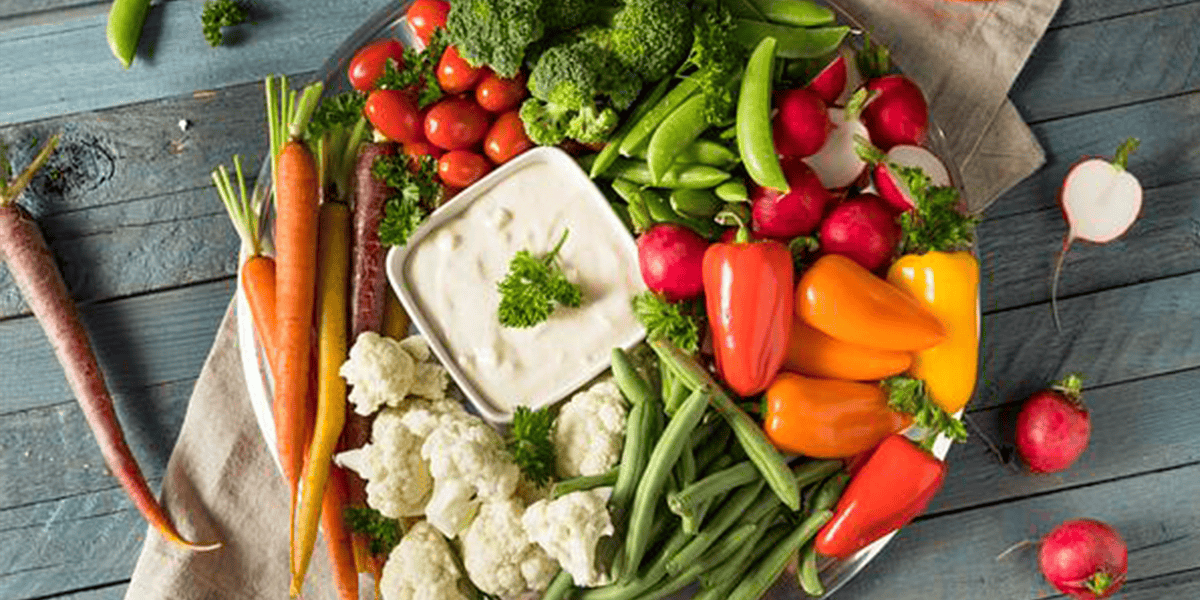
These low sugar snacks keep hunger at bay without spiking blood sugar:
Protein-rich: Hard-boiled eggs, cheese stick with cucumber (0g sugar)
Fiber-rich: Vegetable sticks with hummus, roasted chickpeas (0-1g sugar)
Healthy fats: Avocado with sea salt, small handful of mixed nuts (0-1g sugar)
Slightly sweet: Plain Greek yogurt with berries (5-7g sugar, mostly from berries)
Dessert ideas

Satisfy your sweet tooth with these lower-sugar alternatives:
Dark chocolate (70%+ cacao) (2-3g sugar per square)
Baked apple with cinnamon (12g natural sugar)
Frozen berries (5-7g natural sugar)
Chia pudding with unsweetened almond milk (0-1g added sugar)
Whipped ricotta with lemon zest (0-1g sugar)
Frozen yogurt bark with vanilla extract or peanut butter, dark chocolate drizzle, and berries or pomegranate seeds (0-5g added sugar)
Achieving sustainable results without added sugar
Consistency matters more than perfection when it comes to long-term success on a low-sugar diet. Many people notice better energy and fewer cravings within the first week or two, while visible changes like weight loss often appear after three to four weeks.
Track your progress by more than just the scale. Improvements in sleep, mood, skin clarity, and steady energy levels are powerful indicators of progress—and often more motivating than numbers alone.
Flexibility is key. The occasional indulgence won’t undo your progress as long as the majority of your meals stay low in added sugar.
And for those hectic days when cooking isn’t an option, chef-crafted meals can help you stay on track. Chef Chris Ratel’s Lemon Grilled Chicken Grain Bowl is a balanced, ready-to-enjoy option that features herb-marinated chicken, a fresh Greek salad, fiber-rich grains, and avocado-based green goddess dressing. All with minimal added sugars.
Frequently asked questions about the low-sugar diet
Are these meals safe for those with severe dietary allergies, such as dairy, soy, and nuts?
While our meals are crafted without certain ingredients, they're prepared in kitchens where cross-contamination may occur. If your allergy is life-threatening, we recommend reviewing ingredient labels carefully before eating.
What is considered a low-sugar diet?
A low sugar diet typically limits added sugars to less than 25g (women) or 36g (men) daily while focusing on whole foods that naturally contain minimal sugar.
How do you wean yourself off sugar without experiencing severe cravings?
Gradually reduce sugar intake over 2-3 weeks while increasing protein and healthy fats to help manage cravings and give your taste buds time to adjust.
Is it safe to eliminate all added sugar from your diet immediately?
While eliminating added sugar isn't dangerous, a gradual approach is more sustainable and helps prevent intense cravings that may lead to rebound sugar consumption.
How long does it take to see health improvements after reducing sugar intake?
Most people notice improved energy levels and reduced cravings within 1-2 weeks, while weight changes and other health benefits typically become apparent after 3-4 weeks of consistent low sugar eating.

Be the first to know about new offers
Multiorder discounts, free items and more.