Back
How to Eat High-Protein Meals Without Meat Every Day
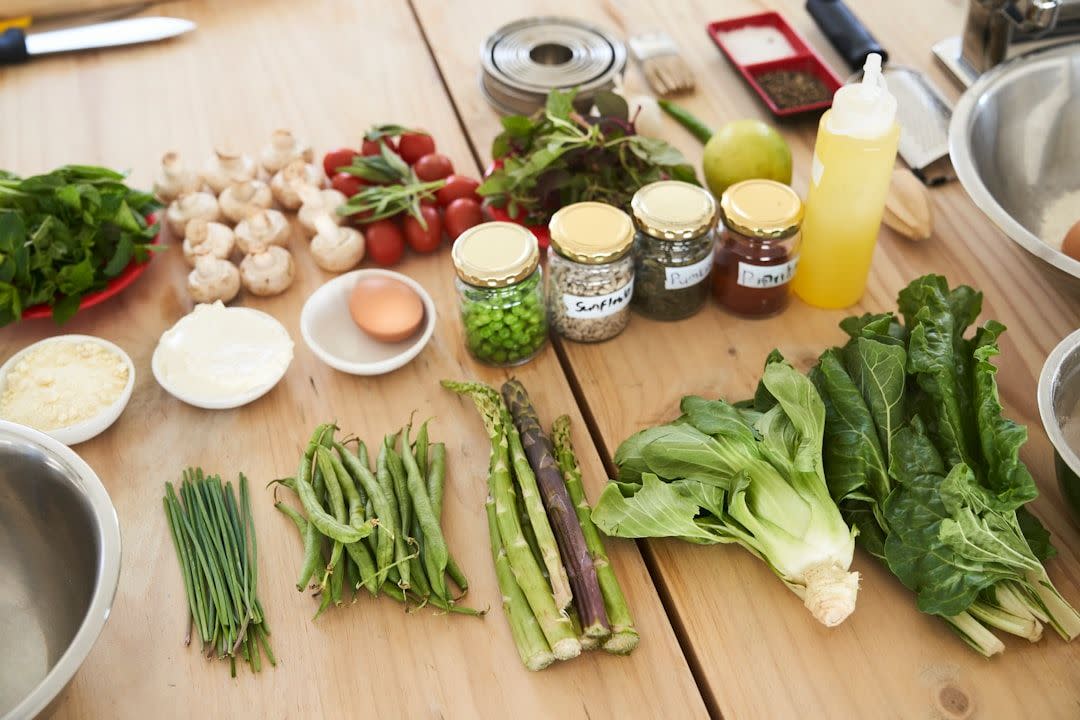
High protein vegetarian meals need a meaningful protein source, not a larger pile of vegetables. Lentils, tofu, tempeh, beans, Greek yogurt, cottage cheese, and edamame can all carry a meal, but their protein counts vary sharply by portion. The easiest approach is to choose one anchor with 15–25 grams of protein, add a supporting source, then build the vegetables, grains, sauce, and crunch around it.
Key takeaways
Start with a protein anchor and count the portion you will eat.
A cup of lentils contributes far more protein than a spoonful scattered over a salad.
Pairing two vegetarian sources can move a meal into the 25–30 gram range.
Change the cuisine, cooking method, and texture before changing your whole grocery list.
CookUnity’s high-protein menu and vegetarian filters can help on nights when cooking is off the table.
Why a vegetable-heavy meal can still be short on protein
Vegetables contribute useful nutrients and some protein, but most do not supply enough to anchor a high-protein meal. A bowl with greens, roasted peppers, cucumber, and vinaigrette may be substantial in volume while containing only a modest amount of protein. A garnish of chickpeas or a few tofu cubes may not change that much.
The portion is the hinge. One cup of cooked lentils is a protein source. Two tablespoons of lentils are a topping. Half a block of tofu can anchor dinner. Three cubes cannot.
This is why some meatless high protein meals look convincing in a photo but fall short when you calculate the bowl. Roasted vegetables, avocado, brown rice, and tahini can make a substantial meal, yet the protein total may remain modest unless beans, lentils, tofu, tempeh, dairy, or another concentrated source appears in a useful amount. Build from the anchor outward instead of trying to repair the plate with garnishes at the end.
Protein quality also differs. Soy foods and dairy contain all nine essential amino acids in useful proportions. Most individual plant foods are lower in one or more essential amino acids. You do not need to combine complementary proteins at every sitting. Eating a varied mix of beans, lentils, soy foods, nuts, seeds, and grains across the day can cover those amino acids.
Vegetarian protein sources in realistic portions
Food | Practical serving | Approx. protein | Approx. calories | Hands-on prep |
Cooked lentils | 1 cup | 18 g | 230 | 2 min if pre-cooked |
Cooked chickpeas | 1 cup | 15 g | 270 | 2 min if canned |
Firm tofu | 6 oz | 18–22 g | 180–240 | 5–10 min |
Tempeh | 3 oz | 15–17 g | 160–190 | 5–10 min |
Shelled edamame | 1 cup | 18 g | 190 | 5 min |
Plain nonfat Greek yogurt | 1 cup | 20–23 g | 120–140 | 1 min |
Cottage cheese | 1 cup | 24–28 g | 180–240 | 1 min |
Seitan | 3 oz | 18–22 g | 110–150 | 5 min |
Use the package label when precision matters. Tofu firmness, yogurt straining, cottage cheese fat level, and commercial seitan recipes can change both protein and calories.
Preparation time also deserves a realistic reading. Dried beans and lentils require advance cooking, while canned beans, refrigerated lentils, frozen edamame, and baked tofu are closer to assembly ingredients. A practical vegetarian meal plan can use both: cook one ingredient on the weekend, then keep two ready-to-use vegetarian protein sources for busier nights.
A repeatable way to reach 25–30 grams
Choose an anchor, then close the gap with one supporting ingredient.
You can apply the same method to a high protein vegetarian lunch or dinner. First choose the anchor and portion. Next add a second source only if the first leaves a meaningful gap. Finish with vegetables, a grain or starchy vegetable, and a sauce that makes the complete meal appealing. This sequence reduces the odds of ending up with a large bowl that still needs a separate snack an hour later.
Lentil pasta with ricotta and spinach
Use a serving of lentil pasta, a spoonful of ricotta, wilted spinach, lemon, and black pepper. Check the pasta label because protein varies by brand. This combination works because the pasta carries the meal while ricotta adds richness without requiring a separate entrée.
Tofu with edamame and rice
Six ounces of firm tofu plus half a cup of shelled edamame can pass 25 grams before the rice, vegetables, or sauce enter the bowl. Sear the tofu hard enough to create a crust. Add the sauce after browning so the surface stays crisp.
Greek yogurt with oats, seeds, and fruit
A cup of Greek yogurt can supply most of the protein. Oats and seeds bring more, but measure the seeds with a spoon. They are compact and calorie-dense.
Cottage cheese tostadas
Spread cottage cheese over crisp corn tortillas and add black beans, salsa, cabbage, and lime. The cool curds, hot beans, and crunchy shell give the meal more range than another soft grain bowl.
Four cuisines that make the same ingredients feel new
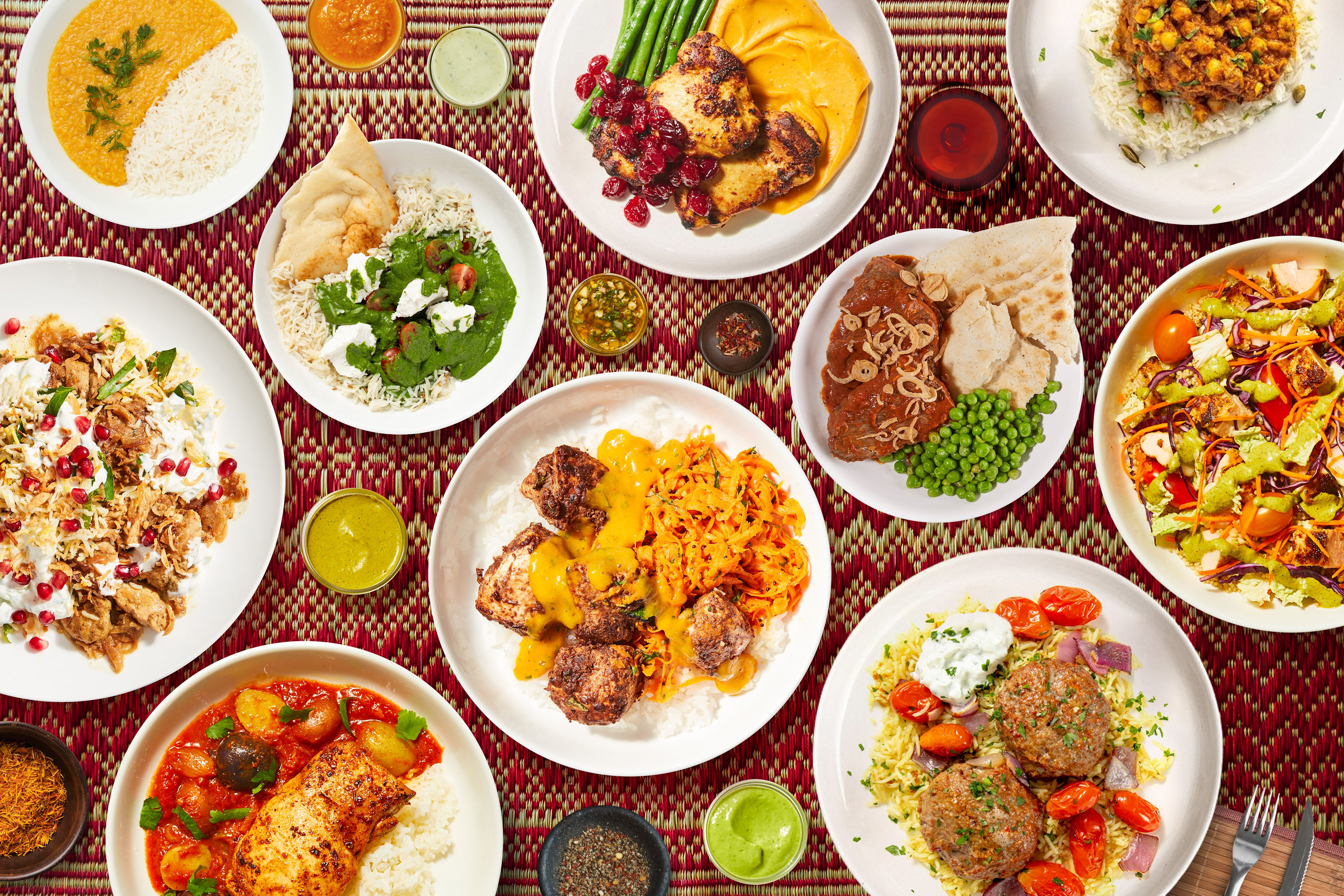
Mediterranean
Pair lentils or chickpeas with lemon, herbs, feta, tahini, cucumber, and roasted vegetables. Keep one element crisp and one sharp. A lemony cabbage salad can wake up a soft lentil-and-grain base.
Indian
Use lentils, chickpeas, paneer, tofu, or yogurt with toasted spices and a fresh chutney. Dal becomes a fuller meal with yogurt and a side of roasted cauliflower. Tofu can take the place of paneer in a tomato-forward curry.
East and Southeast Asian
Tofu, tempeh, and edamame work with miso, ginger, sesame, chile, herbs, and pickled vegetables. Vary the treatment: crisp tofu one night, crumble it into a basil stir-fry the next, then simmer it in a brothy curry.
Latin American
Build around black beans, pinto beans, lentils, cheese, pepitas, and thick yogurt in place of crema. Try bean tostadas, lentil picadillo, or a roasted vegetable bowl with black beans and a pumpkin-seed salsa.
How to stop repeating tofu bowls
Change at least two of these five elements each week: cuisine, cut, cooking method, sauce, and texture. Cubed tofu with rice and a creamy sauce will feel similar even when the seasoning changes. Tofu torn into rough pieces, roasted until craggy, and served with a sharp salad lands differently.
A practical rotation could look like this:
Monday: lentil pasta with mushrooms and ricotta
Tuesday: tempeh tacos with cabbage and salsa verde
Wednesday: chickpea curry with yogurt and rice
Thursday: tofu sisig with jasmine rice
Friday: Greek yogurt mezze plate with warm pita and spiced beans
Variety does not require five unrelated grocery lists. One batch of lentils can become a Mediterranean salad, an Indian-inspired dal, and a Latin American picadillo across the week. Tofu can be roasted, crumbled, or simmered. Changing the cut and cooking method gives vegetarian meal ideas a different texture before you buy another specialty ingredient.
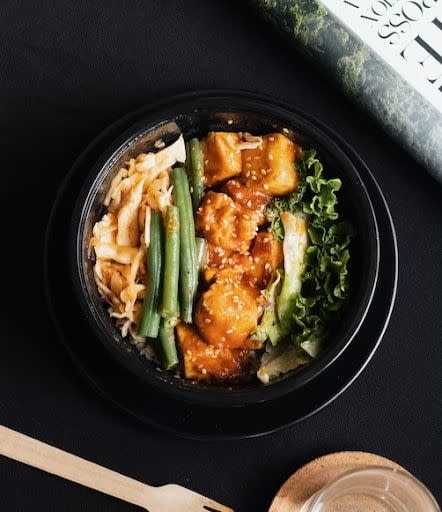
CookUnity offers several meatless dishes with nutrition displayed on the meal page. At the time of research, the Tofu and Quinoa Forest Bowl listed 27 grams of protein and 630 calories, Teriyaki Tofu listed 21 grams and 390 calories, and Vegetarian Lentil Stew listed 21 grams and 370 calories. Check your account for current nutrition, allergens, and availability. If 25 grams is your threshold, pair a 21-gram meal with a small yogurt, edamame, or another food that fits your needs.
High protein vegetarian meals when time is thin
About 30–45 minutes
Roast tofu and vegetables on one pan while quinoa cooks. Simmer red lentils with canned tomatoes and spices. Bake tempeh strips while you assemble slaw and warm tortillas. These meals ask for cooking, but the active work can stay contained.
About 10 minutes
Use canned beans, microwaveable grains, pre-washed greens, refrigerated lentils, and a sauce you want to eat. Greek yogurt can become a savory base with lemon and herbs. Frozen shelled edamame heats quickly and adds protein without another pan.
Ready in minutes
Browse CookUnity’s high-protein meals, then combine the Protein Boost and vegetarian or vegan filters in your ordering menu. Public meal pages show protein, carbohydrates, fat, calories, ingredients, and allergens; full sodium and other label details are available in the account menu.
Ready-made food works best when it is treated as part of the same planning system. Choose two dishes with different cuisines and textures, then keep a simple side or snack available for meals that sit below your personal protein target. Review every label rather than assuming that a vegetarian tag and a Protein Boost tag always appear together.
FAQs
What vegetarian meal has the most protein?
Meals built around seitan, tempeh, tofu, lentils, Greek yogurt, or cottage cheese tend to provide more protein than vegetable-only dishes. The final amount depends on the portion and supporting ingredients, so check the label or calculate the complete recipe.
How can vegetarians get 30 grams of protein in a meal?
Combine a substantial anchor with a smaller supporting source. Examples include tofu plus edamame, lentil pasta plus ricotta, or Greek yogurt plus oats and seeds.
Is tofu a complete protein?
Yes. Soy protein contains all nine essential amino acids. Protein quantity still depends on how much tofu is in the meal.
Do I need to combine beans and rice at every meal?
No. You can meet amino acid needs by eating varied protein foods across the day. Beans and rice remain a useful pairing because they taste good together and contribute different nutrients.
Are CookUnity vegetarian meals high in protein?
Some are, while others fall below a particular target. Review each meal’s protein amount and use the vegetarian or vegan filter together with Protein Boost when available.
Where to find high protein meals online?
Start with CookUnity’s high-protein meal page, then use vegetarian or vegan filters in the ordering menu. Open each individual meal page to compare protein, calories, ingredients, and allergens before choosing. Menu availability varies by ZIP code and delivery week.

Be the first to know about new offers
Multiorder discounts, free items and more.