Back
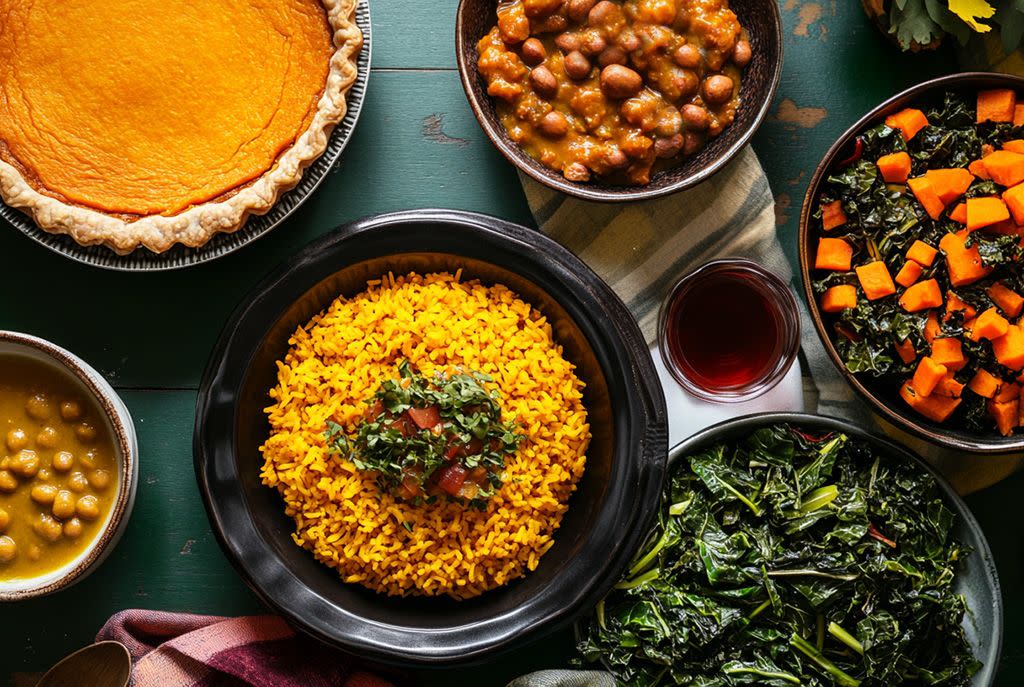
Black History Month food is a commemoration and celebration of resilience, brilliance, and cultural contributions that have shaped the world. While history books tell the stories of Black trailblazers, food carries those stories to the table, one flavorful bite at a time. From the communal stews of West Africa to the soul-warming dishes that defined the American South, Black cuisine is a tapestry woven with history, struggle, and triumph.
Every Black History Month food item holds a narrative, a testament to ingenuity, adaptation, and perseverance. When you prepare a meal with deep roots in Black culinary traditions, you’re not just cooking - you’re keeping history alive right at the dinner table because many of these dishes have become beloved American meals. This guide will take you on a delicious journey through the history of Black food, offering dishes that honor the past while tantalizing your taste buds. Get ready to explore soul food recipes for Black History Month, Black History Month party food, and more as we celebrate culture one plate at a time.
Understanding Black History Month
Black History Month takes place in February. It’s a time to honor the achievements, struggles, and cultural legacies of Black individuals throughout history. But let’s be clear—Black history isn’t confined to a single month. It’s woven into the very fabric of society, influencing everything from politics and art to music and, of course, food. Established by historian Carter G. Woodson in 1926 as “Negro History Week,” the celebration expanded into a month-long observance in 1976. February was chosen to coincide with the birthdays of abolitionist Frederick Douglass and President Abraham Lincoln, both pivotal figures in Black history.
The best food for Black History Month is about storytelling on a plate. Every dish carries whispers of ancestors, blending flavors from Africa, the Caribbean, and the American South. Whether it’s a Black History Month cultural food feast or a humble home-cooked meal, food fosters connection, resilience, and remembrance. Gathering around the table to enjoy Black History Month traditional food is about indulging in delicious flavors and honoring those who came before while savoring the legacy they left behind. So, as you cook your way through this month, know that every bite is a tribute to history, heritage, and the enduring power of community.
The Importance of Food in Black History
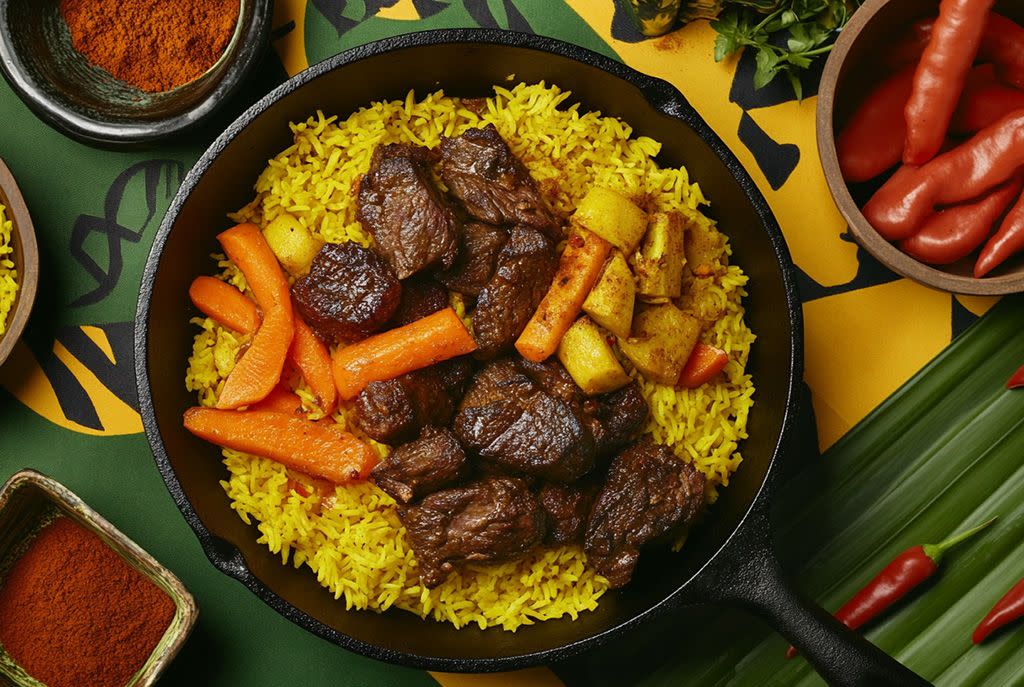
Food in Black history is certainly about flavor - but it's also about survival, adaptation, and the unbreakable spirit of a people who turned necessity into culinary mastery. In African cultures, meals have always been communal, a time for storytelling, connection, and tradition. That communal spirit endured through the horrors of the transatlantic slave trade, where enslaved Africans carried their food knowledge across the ocean, planting the seeds of what would become Black History Month soul food and other celebrated culinary traditions.
During slavery, ingenuity in the kitchen became an act of resilience. Scraps were transformed into rich, nourishing meals, and food became a silent form of resistance—sustaining bodies and preserving identity. Post-emancipation, Black chefs, home cooks, and culinary innovators expanded these traditions, creating dishes that now define the distinctive cuisines of soul food and the South.
Today, whether it’s food to make for Black History Month, a Sunday family dinner, or a Juneteenth barbecue, Black food culture continues to bring people together. It reminds us where we’ve been and where we’re going. Every bite of cornbread, every forkful of collard greens—it all carries the weight of history, love, and the enduring legacy of a people who turned struggle into sustenance and survival into celebration.
Popular Foods for Black History Month
When it comes to food that represents Black History Month, every ingredient tells a story. The backbone of Black cuisine is built on resilience, ingenuity, and the blending of African, Caribbean, and Southern traditions. Staple ingredients like rice, okra, collard greens, sweet potatoes, beans, and cornmeal have been central to Black culinary history for centuries, adapting across generations and geographic landscapes.
From Africa to the Americas: The Evolution of Black Cuisine
In West Africa, dishes were rich in grains, root vegetables, and legumes, seasoned with bold spices, and cooked over open flames. Enslaved Africans carried these flavors and techniques with them, even as they were forced to adapt to new environments. Rice, a fundamental ingredient in West African diets, became the foundation for Lowcountry dishes like red rice and jambalaya. Okra, brought over from Africa, thickened stews and gave birth to iconic meals like gumbo. Cornmeal, used in African porridge, was transformed into hush puppies and cornbread.
Caribbean influences further shaped Black cuisine, especially in regions where enslaved Africans worked on sugarcane and spice plantations. Dishes like jerk chicken, curry goat, and callaloo reflect the flavors of Africa merged with the tropical produce of the Caribbean. When the Great Migration took place, Black families brought Southern traditions to Northern cities, leading to the rise of easy Black History Month food ideas in American kitchens like smothered pork chops, macaroni and cheese, and candied yams.
Regional Food Traditions Across the Black Diaspora
The beauty of Black History Month traditional food lies in its diversity. In the American South, soul food reigns supreme—think collard greens slow-cooked with smoked turkey, crispy fried chicken, and sweet potato pie. In Louisiana, Creole and Cajun flavors shine through dishes like jambalaya, étouffée, and beignets. Up North, where Black migrants sought opportunity, hearty stews, and baked goods became go-to dishes.
Black cuisine reflects survival, celebration, and home across the African diaspora, from Nigerian jollof rice to Jamaican patties. A Black History Month food menu is more than just delicious—it’s a reminder of the cultural fusion and deep-rooted pride that make Black food traditions so special. Whether you’re whipping up soul food recipes for Black History Month or discovering new flavors, you're going to love the following recipes for your celebration.
Top 4 Black History Month Appetizers
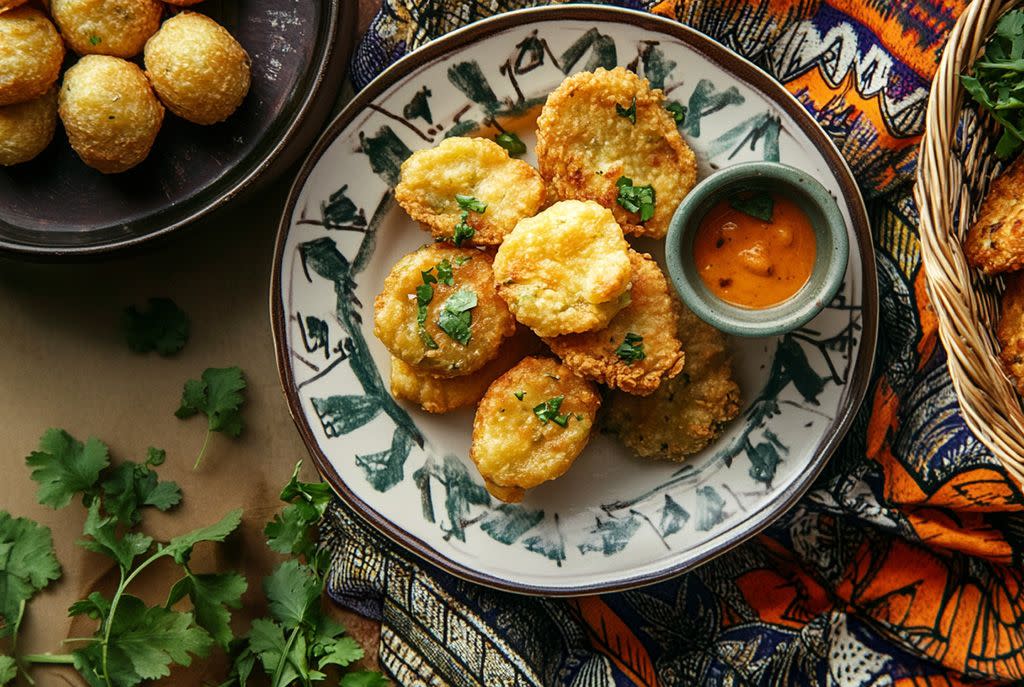
Kicking off a Black History Month cultural food feast with the right appetizers sets the tone for a meal steeped in history, flavor, and tradition. These small bites are delicious starters, and they also serve as ideal snacks for Black History Month due to their shareable, bite-sized nature. From the golden crunch of hush puppies to the tangy crisp of fried green tomatoes and the soft, comforting bite of sweet potato biscuits, each dish pays homage to the ingenuity of Black cooks throughout history.
Fried Green Tomatoes
Fried green tomatoes may be a Southern favorite, but their place in Black culinary history is undeniable. Black cooks perfected this dish, using unripe tomatoes to avoid waste and enhance flavor. The crunchy, golden coating gives way to a tangy, juicy bite, making fried green tomatoes a Black History Month party food essential. Add a spicy remoulade for an extra burst of flavor!
Recipe Ingredients:
3 medium green tomatoes, sliced ¼ inch thick
1 teaspoon salt
½ teaspoon black pepper
½ teaspoon cayenne pepper
½ cup cornmeal
½ cup all-purpose flour
½ cup buttermilk
1 egg, beaten
Oil for frying
Instructions:
Sprinkle tomato slices with salt and let sit for 10 minutes to draw out moisture. Pat dry.
Mix cornmeal, flour, black pepper, and cayenne in a shallow dish.
In another bowl, whisk together buttermilk and egg.
Dip each tomato slice into the buttermilk mixture, then dredge in the cornmeal flour coating.
Heat oil in a skillet to 350°F. Fry tomatoes in batches for 2-3 minutes per side until golden brown.
Remove and drain on paper towels. Serve with remoulade sauce.
Hush Puppies
Hush Puppies have deep roots in Black History Month soul food traditions. Enslaved Africans, skilled in corn-based cooking, crafted this dish out of necessity. Some legends even suggest the name came from cooks throwing bits of fried dough to quiet barking dogs. Crispy on the outside, soft and fluffy inside, hush puppies are the perfect companion to fried fish, seafood boils, or hearty stews. Their golden, slightly sweet flavor with a hint of spice makes them a Black History Month finger food favorite.
Recipe Ingredients:
1 cup cornmeal
½ cup all-purpose flour
1 teaspoon baking powder
½ teaspoon salt
½ teaspoon sugar
½ teaspoon onion powder
½ teaspoon cayenne pepper (optional)
¾ cup buttermilk
1 egg, beaten
½ cup finely chopped onion
1 tablespoon melted butter
Oil for frying
Instructions:
In a large bowl, whisk together cornmeal, flour, baking powder, salt, sugar, onion powder, and cayenne pepper.
Stir in buttermilk, beaten egg, chopped onion, and melted butter until combined.
Heat oil in a deep skillet or fryer to 350°F.
Drop small spoonfuls of batter into the hot oil, frying in batches for about 2-3 minutes per side until golden brown.
Remove with a slotted spoon and drain on paper towels. Serve warm.
Sweet Potato Biscuits
Sweet potatoes were a staple food for enslaved people due to their nutritional value and availability. Over time, they became a cherished ingredient in Black History Month food items, appearing in everything from pies to biscuits. These biscuits are soft, slightly sweet, and perfect alongside savory dishes or topped with butter and honey. A perfect Black History Month-themed food to bring warmth and comfort to the table.
Recipe Ingredients:
1 cup mashed sweet potatoes
2 cups all-purpose flour
1 tablespoon baking powder
½ teaspoon salt
¼ cup sugar
½ teaspoon cinnamon
½ cup unsalted butter, cold and cubed
½ cup buttermilk
Instructions:
Preheat oven to 400°F and line a baking sheet with parchment paper.
In a large bowl, whisk together flour, baking powder, salt, sugar, and cinnamon.
Cut in the cold butter using a pastry cutter or your hands until the mixture resembles coarse crumbs.
Stir in mashed sweet potatoes and buttermilk until a soft dough forms.
Roll out dough on a floured surface to about ½-inch thickness and cut into biscuits.
Place biscuits on the baking sheet and bake for 12-15 minutes until golden brown. Serve warm with honey butter.
Cornbread
Cornbread is a cornerstone of Black History Month traditional food and a beloved staple in Southern cuisine. Originally inspired by Native American cooking techniques, it became a dietary essential for enslaved Africans due to the abundance of cornmeal in the South. Over time, Black cooks infused it with creativity and flavor - commonly pairing it with greens, stews, and BBQ dishes.
Recipe Ingredients:
1 cup cornmeal
1 cup all-purpose flour
1 tablespoon baking powder
½ teaspoon salt
¼ cup sugar (optional for sweetness)
1 cup buttermilk
2 eggs, beaten
½ cup unsalted butter, melted
1 cup corn kernels (optional for added texture)
Instructions:
Preheat the oven to 400°F and grease a baking dish or cast-iron skillet.
In a large bowl, whisk together cornmeal, flour, baking powder, salt, and sugar.
In another bowl, combine buttermilk, beaten eggs, and melted butter.
Gradually add the wet ingredients to the dry ingredients, stirring until just combined. Fold in corn kernels if desired.
Pour the batter into the prepared dish and bake for 20-25 minutes, or until golden brown and a toothpick inserted in the center comes out clean.
Allow to cool slightly, then slice and serve warm with butter or honey.
Black History Month Stews & Soups
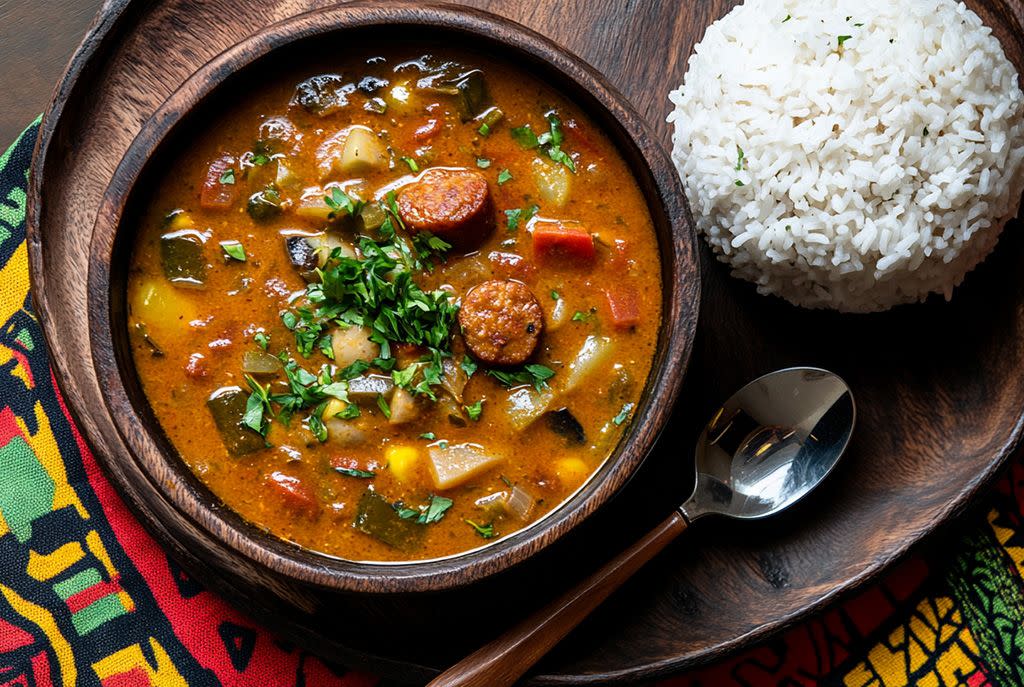
Few things warm the soul like a rich, hearty stew, and in Black culinary traditions, soups and stews are more than just comfort food—they're history in a bowl. These dishes carry the flavors of Africa, the Caribbean, and the American South, blending cultures and culinary techniques that have been passed down for generations. Whether you’re simmering a pot of Black History Month traditional food or seeking food to make for Black History Month that’s both flavorful and deeply meaningful, these stews and soups tell the stories of resilience, migration, and celebration.
Gumbo
Gumbo is a true fusion dish, bringing together West African, French, and Spanish influences that reflect the cultural blending in Louisiana’s Black communities. The use of okra, a vegetable native to Africa, connects this dish directly to its roots. Rich, smoky, and packed with bold flavors, gumbo is a Black History Month food item that brings warmth and togetherness. Every spoonful is a mix of deep history and satisfying comfort.
Recipe Ingredients:
½ cup vegetable oil
½ cup all-purpose flour
1 onion, diced
1 bell pepper, diced
2 celery stalks, chopped
4 cloves garlic, minced
1 pound andouille sausage, sliced
1 pound shrimp, peeled and deveined
1 teaspoon smoked paprika
1 teaspoon thyme
½ teaspoon cayenne pepper (optional)
1 can (14 oz) diced tomatoes
4 cups chicken broth
1 bay leaf
1 cup sliced okra
Salt and black pepper to taste
Cooked white rice for serving
Instructions:
Make the Roux: In a large pot, heat vegetable oil over medium heat. Whisk in flour and stir constantly for 10-15 minutes until the mixture turns a deep brown color.
Sauté the Vegetables: Add onion, bell pepper, and celery, cooking until softened. Stir in garlic and cook for another minute.
Add Proteins & Spices: Stir in sausage, smoked paprika, thyme, cayenne, and diced tomatoes. Pour in chicken broth and add the bay leaf.
Simmer & Add Okra: Let the gumbo simmer for about 30 minutes, then stir in okra and shrimp. Cook for another 10 minutes until shrimp are fully cooked.
Serve: Remove the bay leaf and serve over white rice.
Red Red (Ghanaian Black-Eyed Pea Stew)
Black-eyed peas are a significant ingredient in Black History Month soul food, often eaten on New Year’s Day for good luck. This West African dish connects directly to Southern traditions like Hoppin’ John, showing how African flavors influenced African American cuisine. Savory, slightly sweet, and packed with protein, Red Red is nourishing and deeply satisfying. The addition of fried plantains brings an irresistible caramelized sweetness to the dish.
Recipe Ingredients:
2 cups dried black-eyed peas, soaked overnight
2 tablespoons palm oil or vegetable oil
1 onion, chopped
2 tomatoes, diced
1 teaspoon ginger, grated
2 cloves garlic, minced
1 teaspoon smoked paprika
½ teaspoon cayenne pepper
1 plantain, sliced and fried (for garnish)
Salt and black pepper to taste
Instructions:
Cook the Beans: In a pot, boil soaked black-eyed peas in fresh water until tender, about 40 minutes. Drain and set aside.
Sauté the Base: Heat palm oil in a large skillet, then sauté onions until soft. Add tomatoes, ginger, garlic, smoked paprika, and cayenne pepper. Cook for about 10 minutes.
Combine & Simmer: Stir in the cooked black-eyed peas and simmer for another 10 minutes, allowing the flavors to meld.
Serve: Garnish with fried plantains and serve with rice or bread.
Skip the trip to the market and the all-day chore of cooking by getting our classic Hoppin’ John Braised Black Eyed Peas with Rice.
Peanut Stew (Groundnut Stew)
West African peanut stew influenced many Southern peanut-based dishes, including peanut soup, an old standby in the early Black American diet. Its migration across the Atlantic showcases the endurance of African culinary traditions. Creamy, nutty, and packed with warming spices, this dish is a comforting bowl of history. The combination of sweet potatoes, greens, and peanut butter creates a rich and satisfying balance of flavors.
Recipe Ingredients:
2 tablespoons vegetable oil
1 onion, chopped
2 cloves garlic, minced
1 teaspoon ginger, grated
1 teaspoon cumin
1 teaspoon smoked paprika
½ teaspoon cayenne pepper
1 can (14 oz) diced tomatoes
½ cup natural peanut butter
3 cups vegetable or chicken broth
1 sweet potato, diced
1 cup chickpeas or shredded chicken
2 cups spinach or collard greens
Salt and black pepper to taste
Cooked rice for serving
Instructions:
Sauté the Aromatics: Heat oil in a pot and sauté onions until soft. Add garlic, ginger, cumin, smoked paprika, and cayenne, cooking for 1 minute.
Add Tomatoes & Peanut Butter: Stir in diced tomatoes and peanut butter, mixing well to create a thick, flavorful base.
Simmer with Vegetables: Pour in broth, then add diced sweet potatoes and chickpeas. Simmer for about 20 minutes until the sweet potatoes are tender.
Finish with Greens: Stir in spinach or collard greens, cooking for another 5 minutes. Adjust seasoning with salt and black pepper.
Serve: Ladle over rice and enjoy!
Make life easier for yourself. Try our Ghanaian Chicken Peanut Stew for all the flavors you crave without all the fuss.
7 Black History Month Main Dishes
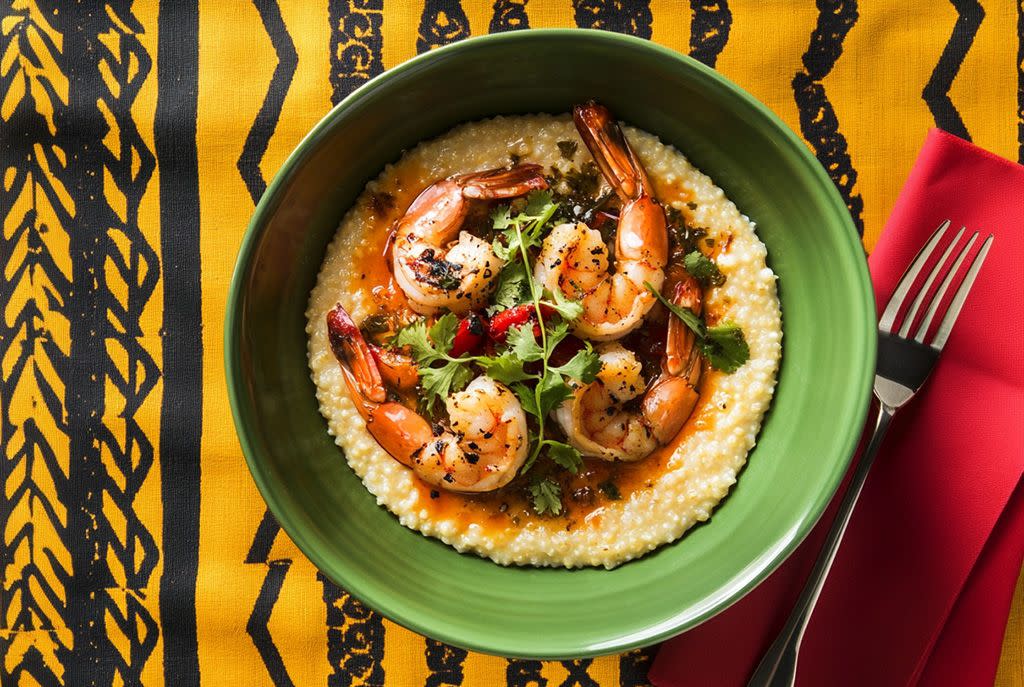
No Black History Month cultural food feast is complete without a lineup of show-stopping main courses. These dishes aren’t just satisfying—they tell the story of Black resilience, creativity, and culinary brilliance. From the creamy decadence of shrimp and grits to the spice-laden richness of Jollof rice and the iconic pairing of crispy chicken and fluffy waffles, each dish represents the cultural intersections that have shaped Black cuisine. Whether you're looking for food to cook for Black History Month or just want to dive into deeply rooted flavors, these dishes will take your taste buds on a historical journey.
Shrimp and Grits
Grits have deep roots in Black culinary history. Originally a survival food for enslaved Africans, they later dominated Southern and soul food cooking. What was once a necessity is now a gourmet dish that graces the menus of high-end restaurants. Creamy, buttery grits topped with juicy, smoky shrimp create a perfect balance of textures and flavors. It’s comfort food at its finest, making it one of the best foods for Black History Month celebrations.
Recipe Ingredients:
For the Grits:
1 cup stone-ground grits
4 cups water (or half water, half milk for creaminess)
½ teaspoon salt
2 tablespoons butter
½ cup shredded sharp cheddar cheese (optional)
For the Shrimp:
1 pound large shrimp, peeled and deveined
4 slices bacon, chopped
½ cup onion, finely diced
½ cup bell pepper, diced
2 cloves garlic, minced
1 teaspoon Cajun seasoning
½ teaspoon smoked paprika
Juice of 1 lemon
2 tablespoons butter
Chopped green onions for garnish
Instructions:
Cook the Grits: In a pot, bring water and salt to a boil. Gradually whisk in grits, reduce heat to low, and cook for about 20 minutes, stirring occasionally. Stir in butter and cheese, then set aside.
Prepare the Shrimp: In a skillet, cook bacon until crispy, then remove and set aside. In the same pan, sauté onions and bell peppers until soft.
Add garlic, Cajun seasoning, and smoked paprika. Stir for 30 seconds, then add shrimp. Cook shrimp for about 2 minutes per side.
Deglaze the pan with lemon juice, stir in butter, and mix in the cooked bacon.
Serve: Spoon grits into a bowl, top with shrimp mixture, and garnish with green onions.
If this dish is your go-to favorite, you’ll want to stock up on our Blackened Shrimp and Creamy Grits - it’s one of our most popular meals!
Fried Catfish
Golden, crispy, and packed with flavor, fried catfish is a must-have for any Black History Month food menu. Rooted in both African and Southern cooking techniques, catfish became a vital source of sustenance for enslaved Africans and later for Black communities living near rivers and lakes. Over time, this humble fish evolved into a symbol of community gatherings, family cookouts, and resilience in the face of adversity. Serve it with classic sides like hush puppies, cornbread, or collard greens, and don’t forget to add a splash of hot sauce.
Recipe Ingredients:
4 catfish fillets
1 cup cornmeal
½ cup all-purpose flour
1 teaspoon salt
½ teaspoon black pepper
1 teaspoon paprika
½ teaspoon cayenne pepper (optional for heat)
1 teaspoon garlic powder
1 teaspoon onion powder
1 cup buttermilk
Oil for frying
Lemon wedges and hot sauce (for serving)
Instructions:
Prepare the Fish: Rinse catfish fillets under cold water and pat dry with paper towels. Soak the fillets in buttermilk for at least 30 minutes to tenderize and remove any fishy odor.
Make the Coating: In a shallow dish, mix cornmeal, flour, salt, black pepper, paprika, cayenne pepper, garlic powder, and onion powder.
Dredge the Fish: Remove fillets from buttermilk, allowing excess liquid to drip off, and coat them thoroughly in the cornmeal mixture.
Fry: Heat oil in a deep skillet or fryer to 350°F. Carefully add the fillets and fry for 3-4 minutes per side until golden brown and crispy.
Drain and Serve: Place the cooked fillets on a paper towel-lined plate to drain excess oil. Serve hot with lemon wedges and a dash of hot sauce.
Jollof Rice
Jollof rice is one of the most beloved dishes across West Africa, influencing Creole jambalaya and other Southern rice-based dishes. Its migration through the diaspora highlights the interconnectedness of Black culinary traditions. This dish is packed with bold flavors and vibrant colors, making it a perfect choice for Black History Month traditional food celebrations. It’s savory, spicy, and deeply satisfying.
Recipe Ingredients:
2 cups long-grain parboiled rice
2 tablespoons vegetable oil
1 onion, finely chopped
1 red bell pepper, diced
2 cloves garlic, minced
1 teaspoon thyme
1 teaspoon curry powder
½ teaspoon smoked paprika
1 teaspoon salt
1 teaspoon black pepper
1 can (14 oz) diced tomatoes
2 cups chicken or vegetable broth
1 bay leaf
1 Scotch bonnet pepper (optional for heat)
½ cup peas or mixed vegetables (optional)
Instructions:
Heat oil in a large pot and sauté onions and bell peppers until soft. Add garlic, thyme, curry powder, smoked paprika, salt, and black pepper. Stir for about 30 seconds.
Pour in diced tomatoes and cook until the sauce thickens - about 10 minutes.
Rinse rice and add it to the pot. Stir to coat, then add broth and bay leaf. Cover and simmer on low for 25 minutes.
Remove bay leaf, fluff rice with a fork, and stir in peas if using. Serve hot.
Don’t feel like making it yourself? Try our Jollof Rice with Grilled Chicken Yassa and Sweet Plantains.
Oxtails & Rice
Slow-braised until the meat falls off the bone, oxtails are cooked in a deeply seasoned gravy and served over a bed of fluffy rice, making every bite of a traditional oxtails and rice meal a melt-in-your-mouth experience that embodies the heart of Black History Month soul food traditions. Originating from a time when enslaved Africans made the most of discarded cuts of meat, oxtails were transformed into tender, flavorful meals that have remained a symbol of resourcefulness and resilience. Over time, this humble cut became a delicacy, celebrated in Caribbean, Southern, and West African cuisines for its depth of flavor and cultural significance.
Recipe Ingredients:
3 pounds oxtails
1 tablespoon salt
1 teaspoon black pepper
1 teaspoon paprika
1 teaspoon garlic powder
2 tablespoons vegetable oil
1 onion, diced
2 carrots, sliced
2 stalks celery, sliced
4 cloves garlic, minced
1 tablespoon tomato paste
4 cups beef broth
2 teaspoons thyme (fresh or dried)
2 bay leaves
1 Scotch bonnet pepper (optional, for heat)
1 tablespoon Worcestershire sauce
2 cups cooked white rice (for serving)
Instructions:
Season the Oxtails: In a large bowl, season the oxtails with salt, black pepper, paprika, and garlic powder. Let sit for 15 minutes.
Brown the Meat: In a large pot or Dutch oven, heat oil over medium-high heat. Brown the oxtails on all sides, working in batches if necessary. Remove and set aside.
Sauté Vegetables: In the same pot, sauté onions, carrots, and celery until soft. Stir in garlic and cook for another minute.
Add Flavor: Stir in tomato paste, then return oxtails to the pot. Add beef broth, thyme, bay leaves, Scotch bonnet pepper (if using), and Worcestershire sauce.
Simmer: Cover and simmer on low heat for 3-4 hours, or until the meat is tender and falling off the bone. Stir occasionally and add more broth if needed.
Serve: Remove bay leaves and pepper before serving. Plate the oxtails over white rice, and drizzle with the rich gravy.
Smothered Pork Chops
Rooted in Southern cooking, smothered pork chops emerged from the ingenuity of Black cooks who transformed affordable cuts of meat into tender, flavorful masterpieces. The word “smothered” refers to the slow-cooking technique used to tenderize the pork chops while infusing them with rich, savory flavors from homemade gravy, onions, and spices. Served over creamy mashed potatoes, rice, or buttery grits, every bite is a reminder of the deep-rooted traditions that bring families together around the dinner table during celebrations like Black History Month cultural food feasts.
Recipe Ingredients:
4 bone-in pork chops (¾ to 1 inch thick)
1 teaspoon salt
1 teaspoon black pepper
1 teaspoon garlic powder
1 teaspoon onion powder
1 teaspoon paprika
½ teaspoon cayenne pepper (optional for heat)
1 cup all-purpose flour (for dredging)
3 tablespoons vegetable oil
1 large onion, sliced
3 cloves garlic, minced
2 cups chicken broth
1 cup whole milk
1 tablespoon Worcestershire sauce
1 teaspoon thyme (fresh or dried)
2 tablespoons butter (optional for extra richness)
Fresh parsley for garnish
Instructions:
Season and Dredge the Pork Chops: Season pork chops on both sides with salt, pepper, garlic powder, onion powder, paprika, and cayenne (if using). Dredge each chop in flour until coated evenly.
Brown the Pork Chops: Heat oil in a large skillet over medium-high heat. Sear pork chops for 3-4 minutes per side until golden brown, then remove and set aside.
Make the Gravy: In the same skillet, sauté onions until soft and translucent. Add garlic and cook for another minute. Stir in 2 tablespoons of flour from the dredging mixture and cook for 1-2 minutes to form a roux.
Simmer: Gradually whisk in chicken broth, milk, Worcestershire sauce, and thyme. Bring to a simmer, allowing the gravy to thicken.
Smother the Pork Chops: Return the pork chops to the skillet, spoon gravy over the top, and cover. Reduce heat to low and cook for 30-40 minutes, or until the pork chops are tender.
Serve: Garnish with fresh parsley and serve over mashed potatoes, rice, or grits for a complete meal.
Fried Chicken and Waffles
Chicken and waffles emerged during the Great Migration when Black families brought their Southern cooking traditions to urban centers like Harlem. Restaurants popularized this dish as a sweet-and-savory combination that became an instant classic. The crispy, juicy chicken paired with soft, buttery waffles is an unforgettable combination. It’s indulgent, nostalgic, and the ultimate Black History Month party food.
Recipe Ingredients:
For the Fried Chicken:
4 bone-in, skin-on chicken thighs (or boneless if preferred)
1 cup buttermilk
1 cup all-purpose flour
1 teaspoon salt
½ teaspoon black pepper
½ teaspoon garlic powder
½ teaspoon paprika
½ teaspoon cayenne pepper
Oil for frying
For the Waffles:
2 cups all-purpose flour
1 tablespoon sugar
1 teaspoon baking powder
½ teaspoon salt
2 eggs
1 ½ cups milk
¼ cup melted butter
1 teaspoon vanilla extract
Instructions:
Marinate the Chicken: Soak chicken in buttermilk for at least 2 hours (overnight is best).
Coat and Fry: Mix flour, salt, black pepper, garlic powder, paprika, and cayenne in a bowl. Dredge chicken in flour mixture, then fry in hot oil (350°F) for about 10 minutes per side until golden and crispy. Drain on paper towels.
Make the Waffles: In a bowl, whisk flour, sugar, baking powder, and salt. In another bowl, beat eggs with milk, melted butter, and vanilla. Combine wet and dry ingredients. Cook in a preheated waffle iron until golden brown.
Serve: Place fried chicken on top of waffles, drizzle with maple syrup, and enjoy!
Macaroni & Cheese
While its roots trace back to Europe, Black cooks in the American South transformed it into the creamy, baked masterpiece loved all over the globe today. With its creamy, cheesy center and crispy, golden top, baked macaroni and cheese has become a must-have at every Black History Month cultural food celebration. Whether served as a side with fried chicken or as the star of the table, it’s a rich, indulgent symbol of family, community, and culinary creativity.
Recipe Ingredients:
16 oz elbow macaroni
4 tablespoons unsalted butter
4 tablespoons all-purpose flour
3 cups whole milk
1 cup heavy cream
4 cups shredded sharp cheddar cheese (divided)
1 cup shredded mozzarella cheese
½ teaspoon salt
½ teaspoon black pepper
1 teaspoon garlic powder
1 teaspoon paprika
½ teaspoon mustard powder (optional)
½ cup grated Parmesan cheese (optional, for topping)
Fresh parsley for garnish
Instructions:
Cook the Pasta: Boil the macaroni according to package instructions until al dente. Drain and set aside.
Make the Cheese Sauce: In a large saucepan, melt butter over medium heat. Whisk in flour and cook for 1-2 minutes to form a roux. Slowly add milk and cream, whisking constantly until thickened.
Add Cheese and Seasonings: Stir in 3 cups of cheddar cheese and mozzarella until melted. Add salt, black pepper, garlic powder, paprika, and mustard powder (if using).
Combine: Mix the cooked pasta into the cheese sauce until fully coated.
Bake: Pour the mixture into a greased baking dish. Top with the remaining cheddar cheese, and sprinkle parmesan cheese on top if desired. Bake at 375°F for 25-30 minutes or until bubbly and golden on top.
Serve: Garnish with fresh parsley and serve hot.
4 Black History Month Desserts
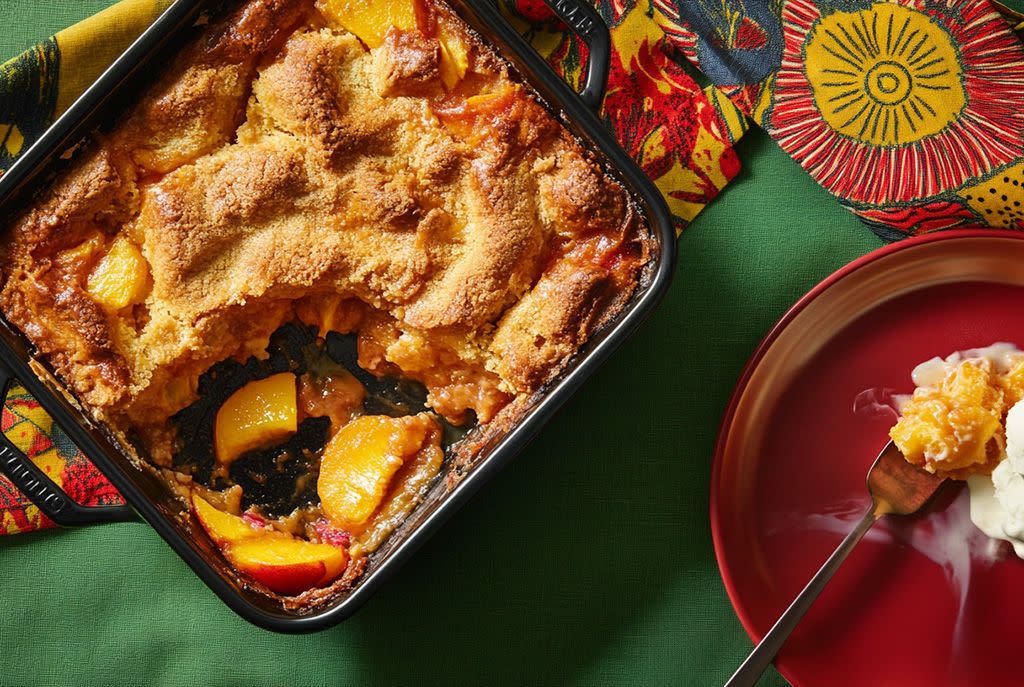
No Black History Month food menu is complete without desserts that tell a story. Black culinary traditions have always celebrated ingenuity, resourcefulness, and flavor, and nowhere is that more evident than in the sweet treats that have been passed down through generations. From the creamy richness of sweet potato pie to the bubbling comfort of peach cobbler and the crispy, nutty crunch of benne wafers, these desserts aren’t just delicious—they’re edible history. Whether you’re whipping up Black History Month foods for school or simply treating yourself, these desserts honor tradition in the most delightful way.
Peach Cobbler
Cobbler was born out of necessity. Enslaved cooks used whatever fruits and grains they had access to, often baking desserts in cast-iron skillets. Over time, peach cobbler became a soul food must-have, symbolizing creativity and resilience in Black culinary history. The gooey, cinnamon-spiced peaches paired with a crisp, buttery crust make this a dessert that brings people together. It’s the ultimate Black History Month party food, guaranteed to be a crowd-pleaser.
Recipe Ingredients:
4 cups fresh or canned peaches, sliced
1 cup sugar
1 teaspoon cinnamon
½ teaspoon nutmeg
1 tablespoon lemon juice
1 tablespoon cornstarch
1 cup all-purpose flour
1 cup sugar (for topping)
1 teaspoon baking powder
½ teaspoon salt
1 cup milk
½ cup unsalted butter, melted
Instructions:
Prepare the Filling: In a saucepan, cook peaches, sugar, cinnamon, nutmeg, lemon juice, and cornstarch over medium heat until the mixture thickens.
Make the Batter: In a separate bowl, whisk together flour, sugar, baking powder, and salt. Stir in milk and melted butter until smooth.
Assemble and Bake: Pour the batter into a greased baking dish and spoon the peach mixture evenly over the top. Bake at 375°F for 40-45 minutes until golden brown.
Serve: Let cool slightly and serve warm with ice cream or whipped cream.
Forgo all the cooking and cleaning and opt for our Mixed Berry Crumble for a sweet ending to your Black History Month celebration.
Sweet Potato Pie
Sweet potatoes have been essential foods in Black culture since West African ancestors relied on similar root vegetables. Over time, they became a beloved ingredient in Black History Month traditional food, especially in Southern households where sweet potato pie took the place of pumpkin pie. Velvety, sweet, and spiced to perfection, this pie is a warm hug in dessert form. The buttery crust and fragrant filling make it a must-have for any Black History Month cultural food feast.
Recipe Ingredients:
1 ½ cups mashed sweet potatoes (about 2 medium sweet potatoes)
1 cup sugar
½ cup unsalted butter, melted
½ cup evaporated milk
2 eggs, beaten
1 teaspoon vanilla extract
1 teaspoon cinnamon
½ teaspoon nutmeg
¼ teaspoon salt
1 unbaked pie crust
Instructions:
Prepare the Sweet Potatoes: Boil or bake sweet potatoes until soft. Mash until smooth.
Mix the Filling: In a large bowl, combine mashed sweet potatoes, sugar, melted butter, evaporated milk, eggs, vanilla, cinnamon, nutmeg, and salt. Whisk until smooth.
Bake: Pour mixture into an unbaked pie crust and bake at 350°F for 50-55 minutes until the center is set.
Cool and Serve: Let the pie cool before slicing. Serve with whipped cream if desired.
Candied Yams
Rooted in West African culinary traditions, where yams were a dietary essential, this dish evolved in the American South using sweet potatoes (a close relative of African yams). With their tender, caramelized texture and warm notes of cinnamon and nutmeg, candied yams offer the perfect balance of sweetness and spice.
Recipe Ingredients:
4 large sweet potatoes, peeled and sliced into rounds
1 cup brown sugar
½ cup granulated sugar
½ cup unsalted butter, melted
1 teaspoon ground cinnamon
½ teaspoon ground nutmeg
½ teaspoon vanilla extract
¼ teaspoon salt
1 tablespoon maple syrup (optional for extra richness)
Instructions:
Preheat the Oven: Set the oven to 375°F and grease a baking dish.
Prepare the Yams: Arrange the sliced sweet potatoes in an even layer in the baking dish.
Make the Syrup: In a bowl, mix together brown sugar, granulated sugar, melted butter, cinnamon, nutmeg, vanilla extract, salt, and maple syrup (if using).
Coat the Yams: Pour the syrup mixture evenly over the sweet potatoes, ensuring every slice is coated.
Bake: Cover the dish with foil and bake for 45 minutes. Remove the foil, baste the yams with the syrup, and bake uncovered for an additional 15-20 minutes until tender and caramelized.
Serve: Let cool slightly before serving. Enjoy warm as a dessert or a sweet side dish.
Benne Wafers
Benne wafers are a Gullah Geechee tradition, tracing back to West African sesame seeds (known as "benne" in Bantu languages). Enslaved Africans brought benne seeds to the Americas, where they became a key ingredient in Black History Month food items like these crunchy, nutty cookies. Thin, crispy, and packed with a toasted sesame flavor, benne wafers are the perfect Black History Month finger food. Whether enjoyed as a snack or dessert, they offer a bite-sized taste of history.
Recipe Ingredients:
½ cup sesame seeds
¼ cup unsalted butter, melted
½ cup brown sugar
1 egg
½ teaspoon vanilla extract
¼ teaspoon salt
½ cup all-purpose flour
¼ teaspoon baking powder
Instructions:
Toast the Sesame Seeds: In a dry skillet, toast sesame seeds over medium heat until fragrant. Let cool.
Mix the Batter: In a bowl, combine melted butter and brown sugar. Stir in egg, vanilla, and salt. Add flour, baking powder, and toasted sesame seeds, mixing until smooth.
Bake: Drop small spoonfuls of batter onto a parchment-lined baking sheet. Bake at 375°F for 6-8 minutes until golden and crisp.
Cool and Serve: Let the wafers cool before enjoying.
Celebrating Black History Month Through Food
We hope these recipes and ideas on how to celebrate Black History Month with food are a welcome inspiration as you recognize this important month. Every dish—from Black History Month soul food to global flavors of African cuisine - every bit tells a story of heritage and triumph. Cooking these meals is a powerful way to honor the past, but supporting Black-owned restaurants and food businesses also ensures these traditions thrive.
If time is tight, let CookUnity.com bring hundreds of chef-prepared meals to your table inspired by Black culinary traditions. Skip the cooking and cleanup while still savoring rich, flavorful dishes so you can fully embrace Black History Month with family and friends. Subscribing is easy, so you can focus on celebrating the history, culture, and community—one delicious bite at a time.
FAQs About Black History Month Food
What is the traditional food for Black History Month? Traditional Black History Month food includes soul food staples like collard greens, cornbread, black-eyed peas, fried chicken, sweet potatoes, and dishes with deep African, Caribbean, and Southern influences.
What is the most famous Black food? Soul food classics like fried chicken, macaroni and cheese, collard greens, and cornbread are among the most famous. Dishes like Jollof rice, gumbo, and oxtail stew also hold global significance in Black culinary history.
What are some Black soul foods? Soul food includes dishes like fried catfish, smothered pork chops, hush puppies, candied yams, red beans and rice, and peach cobbler—foods rooted in African American history and the Deep South.
What is a good soul food menu? A classic soul food menu could include fried chicken, collard greens, cornbread, black-eyed peas, mac and cheese, and sweet potato pie, bringing together the rich flavors of Black culinary tradition.
What is Africa’s favorite food? Africa is incredibly diverse, but some beloved dishes include Jollof rice (West Africa), injera with doro wat (Ethiopia), fufu with peanut stew (Central and West Africa), and bobotie (South Africa).
What is the Black History Month fruit? While no official fruit represents Black History Month food, watermelon, okra (a fruit by botanical definition), and citrus fruits have strong ties to Black agricultural and culinary history.
What did Black slaves eat in America? Enslaved Africans relied on rations like cornmeal, rice, beans, and salted pork, but they also cultivated small gardens and incorporated African foods like okra and black-eyed peas into their meals.
What is Black African food? Black African cuisine includes a vast range of dishes like Jollof rice, egusi soup, suya (spiced grilled meat), pounded yam with groundnut stew, and akara (black-eyed pea fritters), deeply rooted in indigenous African cultures.
What do you celebrate during Black History Month? Black History Month honors the contributions, history, and achievements of Black individuals in all aspects of society, from civil rights to arts, culture, and food.
Why is food so important to Black culture? Food in Black culture represents history, resilience, and community. It connects generations, preserves ancestral traditions, and serves as a powerful tool for storytelling, celebration, and resistance.

Be the first to know about new offers
Multiorder discounts, free items and more.