Back
Back
Reviewed by Culinary Nutritionist | Kristy Del Coro, MS, RDN, LDN
A low-fat diet is often used as a type of dietary management to heart health, weight loss, and overall wellness. It focuses on reducing fat intake, particularly trans fats and saturated fats, while prioritizing low-fat foods like lean meats, whole grains and cereals, vegetables, and fatty fish in moderation. Whether your goal is to reduce the risk of heart disease, manage calorie intake, or simply make healthier food choices, understanding how to build a sustainable low-fat diet program can set you on the path to long-term well-being.
What Is a Low-Fat Diet?
So, what is a low-fat diet, anyway? It’s a diet where fat intake is less than 30% of daily calorie intake.¹ Some stricter plans reduce grams of fat to 10-15% of total calorie intake, however that is not recommended for the average person looking for a balanced diet. The primary focus is reducing high-fat animal products and processed foods that are high in saturated fat while incorporating nutrient-rich, whole foods. The result? Healthy, often low-calorie meals that maintain energy levels and support heart health. While the American Heart Association doesn’t recommend a low-fat diet, they do recommend limiting saturated fat and focusing on eating more whole or minimally processed, plant-based foods to naturally lower your intake of fat, rather than restricting overall fat intake.²
Potential Benefits of a Low-Fat Diet
A balanced, low-fat diet program has been shown to offer numerous advantages, from weight management to reducing the risk of chronic diseases like diabetes and heart disease.
Weight Management
Since fats contain more than twice the calories per gram compared to carbohydrates and proteins, reducing fat intake naturally supports calorie deficit and might help some maintain a healthy weight. When considering a high-fat keto diet vs calorie deficit for weight loss, a low-fat diet works by limiting high-fat foods, making it easier to control calorie intake without excessive restriction.
Heart Health
A low-fat diet can help regulate LDL cholesterol (the "bad" cholesterol) and blood pressure³. Studies show that reducing saturated fats—found in processed meats, fried foods, and palm oil—can improve cardiovascular health by preventing plaque buildup in arteries. However, this is most effective when sources of saturated fat are replaced with monounsaturated fats and polyunsaturated fats. If fats are replaced with high amounts of refined carbohydrates, this can actually raise triglycerides, contribute to inflammation, and increase the risk of heart disease⁴.
Lower Risk of Chronic Diseases
High-fat diets, particularly those rich in saturated fats and trans fats, are linked to inflammation and insulin resistance, increasing the likelihood of type 2 diabetes and other metabolic issues⁵. A low-fat diet meal plan that includes whole foods and plant-based proteins can reduce these risks while promoting overall longevity.
Potential Disadvantages
While a low-fat diet can be beneficial for certain health goals, it's not all sunshine and salads. Here are some key cons to a low-fat diet:
Missing Out on Healthy Fats
Not all fats are villains! Healthy fats—like those from avocados, nuts, olive oil, and fatty fish—are essential for brain function, hormone production, and absorbing fat-soluble vitamins (A, D, E, K). Cutting too much fat can leave your body running on empty in these areas. More on healthy fats later.
Can Lead to Overeating Carbs
When fat gets the boot, people often load up on carbs to feel satisfied. This can lead to blood sugar spikes, crashes, and increased cravings—aka, the dreaded energy rollercoaster.
Feeling Less Satisfied
Fat adds flavor and helps you feel full longer. Without it, meals can feel... well, a little sad. This can lead to constant snacking or feeling like you're always hungry.
Potential Nutrient Deficiencies
Without enough fat, your body struggles to absorb key vitamins like the fat-soluble vitamins (A, D, E, K) mentioned above. Healthy fats also deliver essential fatty acids that our bodies can’t make on their own⁶. Long-term, a very low-fat diet could lead to nutritional deficiencies, negatively impacting everything from your immune system to bone health.
Negative Impact on Mood & Hormones
Fats play a role in regulating mood and hormones. Extremely low-fat diets have been linked to irritability, fatigue, and even hormonal imbalances⁷.
Outdated "Fat is Bad" Mentality
Modern nutrition science has moved past the blanket fear of fats. Diets too focused on being low-fat may still lean into outdated thinking, ignoring the benefits of balanced, whole-food-based eating.
Understanding Fats: The Good and the Bad
Not all fats are harmful. Good fats are essential for brain function, hormone production, and cell health, while bad fats increase the risk of chronic diseases⁵.
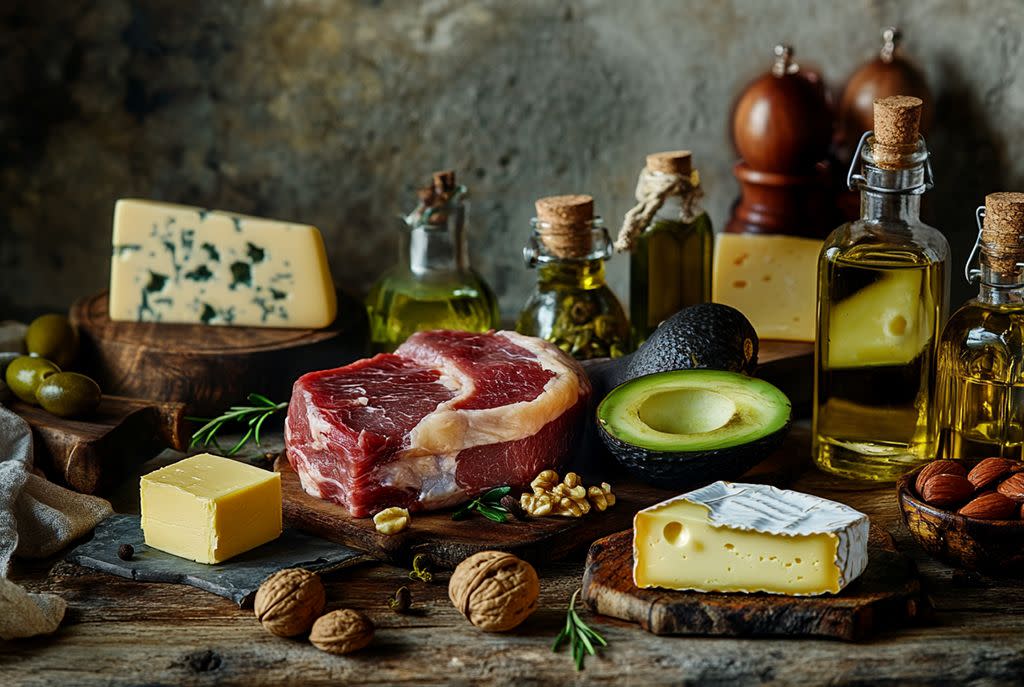
Types of Dietary Fats
Saturated Fats: Found in butter, cheese, fatty cuts of meat, and palm oil, these fats can raise LDL cholesterol and should be limited.
Trans Fats: Present in processed foods and fried snacks, trans fats increase the risk of heart disease, obesity, and diabetes. The Harvard T.H. Chan School of Public Health notes that they are largely banned in the U.S. but still present in some packaged goods.
Monounsaturated Fats: Found in olive oil, avocados, and nuts, these support heart health by reducing inflammation, and improving cholesterol levels such as lowering LDL and raising HDL “good” cholesterol.
Polyunsaturated Fats: Omega-3 and omega-6 fatty acids, found in vegetable oils, fatty fish, walnuts, chia, and flaxseeds, are essential for brain function and reducing inflammation.
Making Smart Fat Choices
Good Fats: Avocados, nuts, seeds, olive oil and fatty fish support heart health and overall well-being but should be consumed in moderation.
Bad Fats: Processed and fried foods, baked goods such as doughnuts that include trans fats are best to limit from your regular eating plan due to their associations with chronic disease risk. Look at high-protein meal prep ideas that opt for lean meats, plant-based proteins, and whole foods while monitoring food labels for hidden unhealthy fats.
What’s Important in a Low-Fat Diet?
A low-fat diet meal plan should emphasize nutrient-dense foods while limiting portions of high-fat items
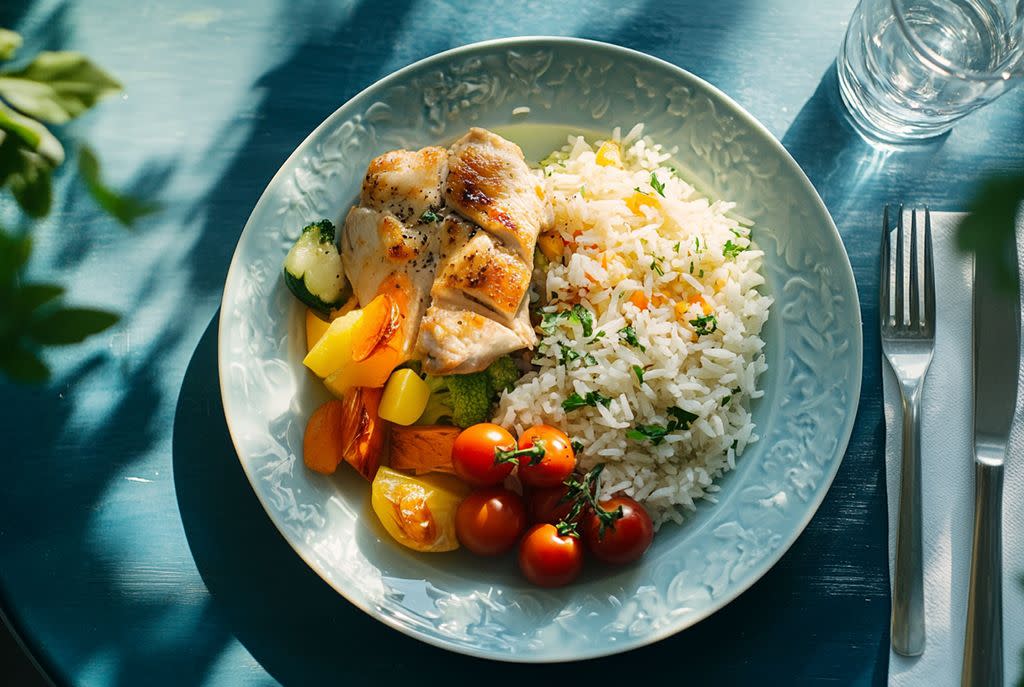
Low-fat Foods to Include
While planning low-fat meals, here are ideal foods to include in your regimen:
Fruits & Vegetables: Low in fat, packed with fiber, vitamins, and antioxidants.
Lean Proteins: Chicken breast, turkey breast, fish, and plant-based proteins provide essential nutrients with low fat content.
Whole Grains: Brown rice, quinoa, and oats offer fiber and sustained energy.
Low-Fat Dairy Products: Reduced-fat milk, Greek yogurt, and cottage cheese provide calcium, protein, and often probiotics without high dietary fat intake. Some fat is beneficial to optimize the absorption of fat-soluble vitamins such as Vitamin D.
High-Fat Foods to Avoid
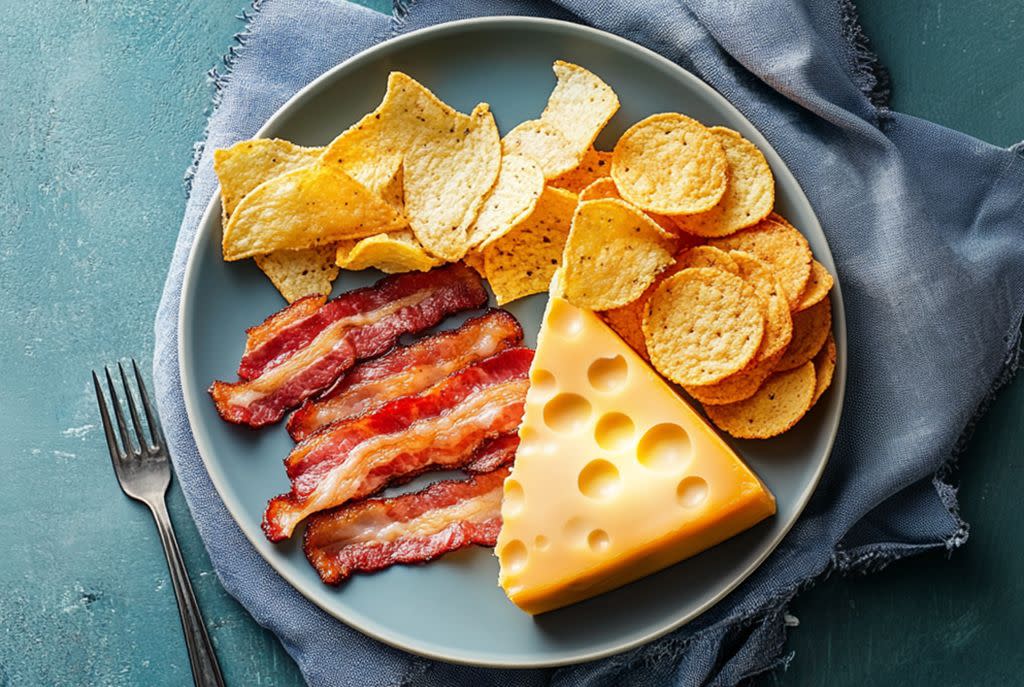
A diet low in fat isn’t restrictive, necessarily, but here are some foods to avoid or limit:
Fried and Processed Foods: Often contain trans fats and hidden saturated fats.
Full-Fat Dairy: Whole milk, cheese, and butter all contain high amounts of saturated fat and have been thought to contribute to raising cholesterol however some research suggests that the saturated fat from dairy products may not have the negative effects on heart health as previously thought⁸. However if you have heart disease, it is still wise to limit intake of these foods in order to keep your total saturated fat intake under the recommendations.
Fatty Cuts of Red Meat: Bacon, sausage, and processed meats are high in saturated fat and sodium.
Packaged Snacks: Many chips, cookies, and baked goods contain partially hydrogenated oils and high concentrations of sodium which can contribute to inflammation, plaque build up, and high blood pressure.
Sample Low-Fat Meal Plan
A well-planned, low-fat diet balances protein, whole grains, legumes, and vegetables. Here’s what a day in the life of eating a low-fat diet could look like to inspire healthy eating:
Breakfast: Oatmeal with berries & soy milk
Lunch: Grilled chicken salad with balsamic dressing
Dinner: Baked salmon with steamed vegetables & quinoa
Dessert/Snack: Reduced fat Greek yogurt with honey & almonds
Don’t have time to make it yourself? Try our low-fat Grilled Chicken Paillard with a Mediterranean Citrus & Carrot Salad as a refreshing side.
Pro Tips from Our In-House Nutritionist
Our in-house nutritionist, Kristy Del Coro, MS, RDN, LDN gives you some tips to start with a low-fat diet.
Focus on the types of fat more than total fat; the healthiest low-fat diet is a low saturated fat diet. Replace sources of saturated fat with unsaturated fats to get the most health benefits.
If you reduce your fat intake, be mindful about what you are consuming in place of those calories. If you end up eating more refined carbs or a lot of fat-free foods that contain added sugars, synthetic ingredients, and are low in beneficial nutrients, this could do more harm than good.
Spread your fat intake out throughout the day to make your meals more satisfying rather than “saving” your fat intake for a single heavy meal.
More Tips for Success
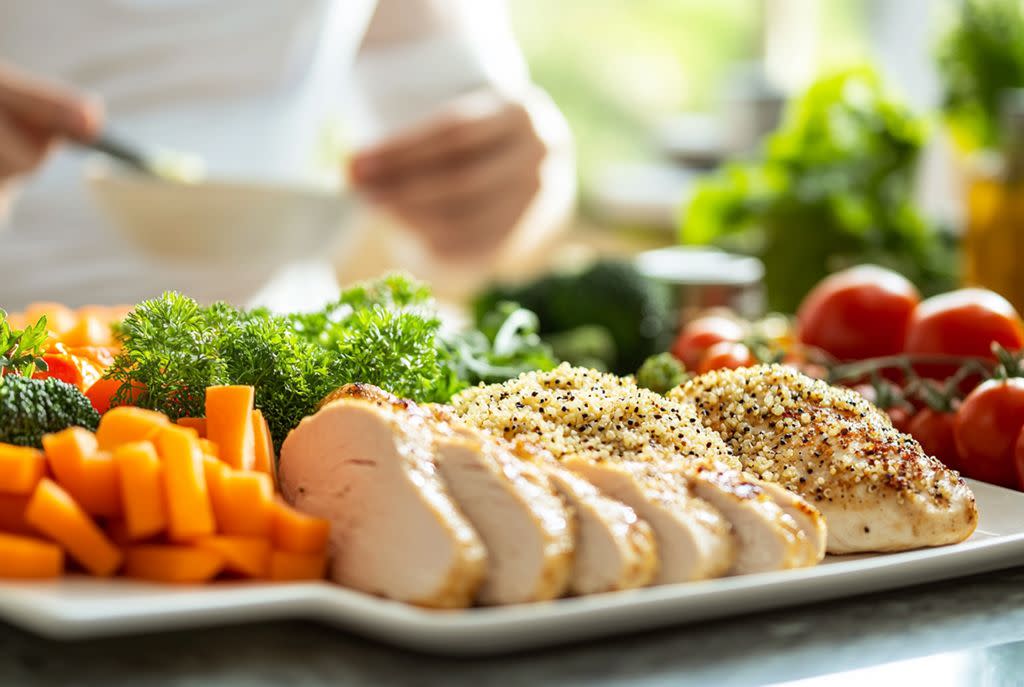
Consulting Health Professionals
Working with a Registered dietitian can help personalize a low-fat diet program to meet nutritional needs while ensuring long-term sustainability. Always consult a healthcare professional before making changes to your diet.
Practice Mindful Eating
According to the National Institutes of Health, mindful eating helps individuals recognize fullness cues and supports better digestion. Try:
Eating slowly to avoid overeating.
Limiting distractions to enjoy meals fully.
Listening to hunger cues rather than eating out of habit.
Make Informed Dietary Choices
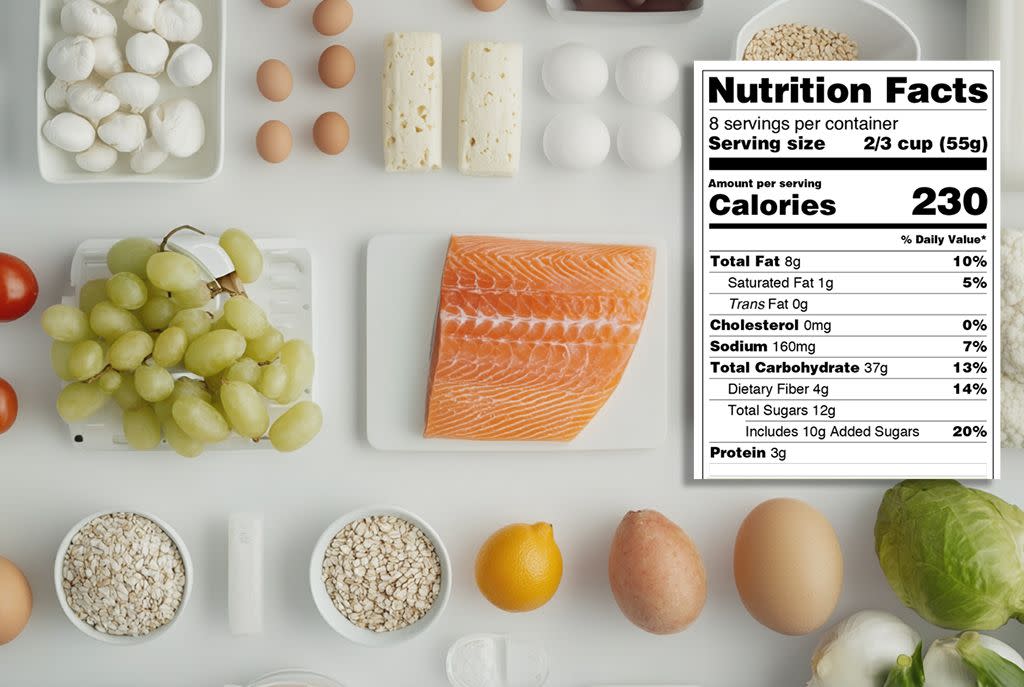
The quest to answer the question, “What is the best diet?” largely boils down to making good choices. Let’s take a look at some key takeaway points to answer that question and summarize how a low-fat eating strategy might be a good fit for specific outcomes.
Balance is key: If you choose to follow a low-fat diet, don’t cut out all fat. Prioritize eating whole foods and food fats to maintain a balanced diet rich in essential nutrients.
Reading food labels matters: Identifying hidden trans fats, like partially hydrogenated oils, can help maintain a healthy low-fat lifestyle. Be aware of foods labeled low-fat that may include unhealthy fat substitutes, synthetic stabilizers, or may be higher in added sugar or sources of sodium to compensate for that low fat content.
Smart meal planning makes eating well easier: Batch-preparing lean proteins, whole grains, and vegetables makes healthy eating more accessible.
Professional guidance enhances success: Any diet program is most effective when tailored to individual needs.
Let CookUnity Do the Work for You
Who said eating healthy has to be boring? At CookUnity, we toss out the rulebook (and the bland chicken breast). Our award-winning chefs are busy crafting low-fat meals that don’t just “fit your lifestyle”—they elevate it. Think vibrant, restaurant-quality dishes, made with the kind of high-quality ingredients that make your taste buds dance—and yes, they show up right at your doorstep.
No cooking.
No guesswork.
Just unforgettable meals designed to keep things light, without ever feeling light on flavor.
Ready to turn your low-fat lifestyle into a daily celebration? Dive into a low-fat menu where every bite feels like a chef’s kiss—because it literally is. Order now, and let’s make “eating well” the best part of your day.
Final Thoughts: The Last Bite
A low-fat diet doesn’t have to mean flavorless meals or complicated planning—it’s all about smart choices, balance, and a little creativity in the kitchen (or better yet, letting our chefs handle that part). By focusing on nutrient-dense foods and understanding the role of healthy fats, you’re setting yourself up for a heart-happy, energized life without feeling deprived.
FAQs About Low-Fat Diets
What foods to eat for a low-fat diet?
A low-fat diet should include low-fat foods like lean meats (chicken breast, turkey, fish), whole grains (brown rice, quinoa, oats), fatty fish (in moderation for heart health), low-fat dairy (skim milk, Greek yogurt, cottage cheese), and plenty of fruits and vegetables.
What is typically in a low-fat diet?
A low-fat diet meal plan focuses on reducing fat intake, particularly saturated and trans fats while incorporating nutrient-dense foods like whole grains, plant-based proteins, lean meats, and low-fat dairy. Avoiding fried foods, fatty cuts of red meat, creamy salad dressings, large quantities of full-fat dairy, and processed snacks is key.
What is a healthy low-fat breakfast?
A nutritious, low-fat breakfast could include oatmeal with fresh berries and soy milk, egg whites with whole-grain toast and avocado, or a smoothie with banana, spinach, and low-fat Greek yogurt.
Can you eat pasta on a low-fat diet?
Yes! Whole wheat or whole grain pasta is a good choice on a low-fat diet, especially when paired with vegetables, lean proteins like grilled chicken, and tomato-based sauces or a drizzle of olive oil instead of creamy, high-fat options.
What is the best diet to get low body fat?
A low-fat diet program that emphasizes whole foods, lean proteins, fiber-rich grains, and regular exercise may help reduce body fat while maintaining energy levels. Pairing a calorie deficit with balanced nutrition and physical activity is essential for long-term success.
Can you eat eggs on a low-fat diet?
Yes, eggs are packed with nutrients - including high quality protein, vitamin D, choline, and carotenoids - and most of these are in the yolk. The American Heart Association recommends a serving of up to 1 whole egg per day to manage saturated fat intake. If using several eggs such as making an omelette, use a mix of egg whites and whole eggs. Pairing eggs with whole grains and vegetables makes for a well-rounded meal.
What is the best low-fat diet plan?
The best low-fat diet meal plan includes a variety of whole foods, portion control, and mindful eating practices. A sustainable low-fat diet program should align with individual health needs and lifestyle choices.
What is an example of a low-fat meal?
A low-fat meal could be a vegetable stir-fry with brown rice, lentil soup with whole grain toast, or a salad with beans, chickpeas, and lemon vinaigrette. If you don’t have time to cook, try a no-hassle, low-fat meal with our Moroccan Chickpea & Lentil Stew.
Can you eat bread on a low-fat diet?
Yes, whole grain or whole wheat bread is a better option than refined white bread. It provides fiber and sustained energy without added fats, making it a good addition to a low-fat diet meal plan.
What snacks are low in fat?
Some great low-fat snack options include air-popped popcorn, fresh fruit, vegetable sticks with hummus, Greek yogurt with honey, whole-grain crackers, and rice cakes with 1 Tablespoon of peanut butter.
Sources
Low Fat Diet - NIH, 2023.
A heart-healthy diet doesn't need to be low in fat - Harvard, 2023.
How to lower your cholesterol - NHS, 2022.
Saturated fat, carbohydrate, and cardiovascular disease - NIH, 2010.
The truth about fats: the good, the bad, and the in-between - Harvard, 2022.
Fat: the facts - NHS, 2023.
Food and mood: how do diet and nutrition affect mental wellbeing? - NIH, 2020.
Full-fat dairy foods and cardiovascular disease: Is there a connection? - Mayo Clinic, 2024

Be the first to know about new offers
Multiorder discounts, free items and more.