Back
Back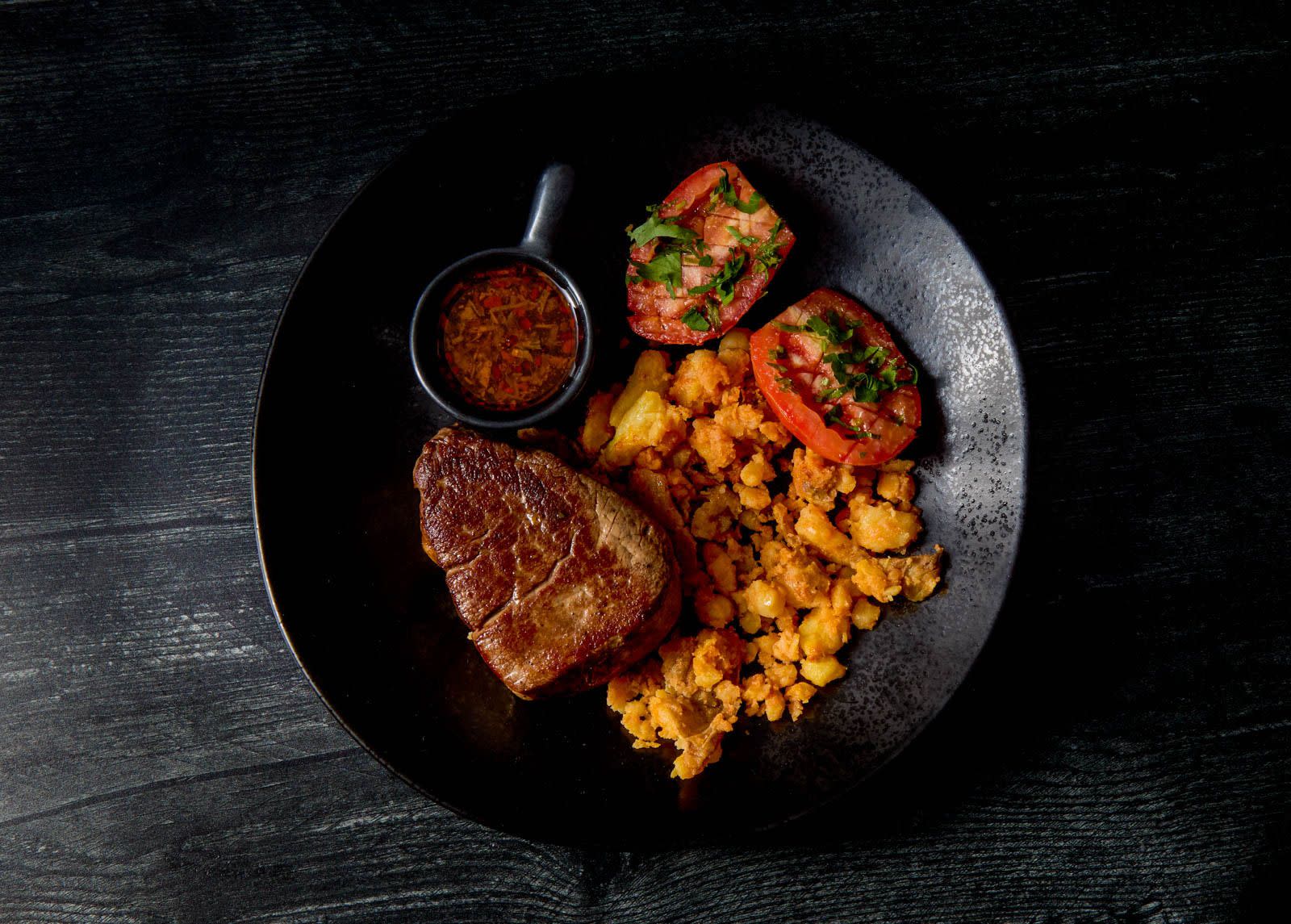
Reviewed by Culinary Nutritionist | Kristy Del Coro, MS, RDN, LDN
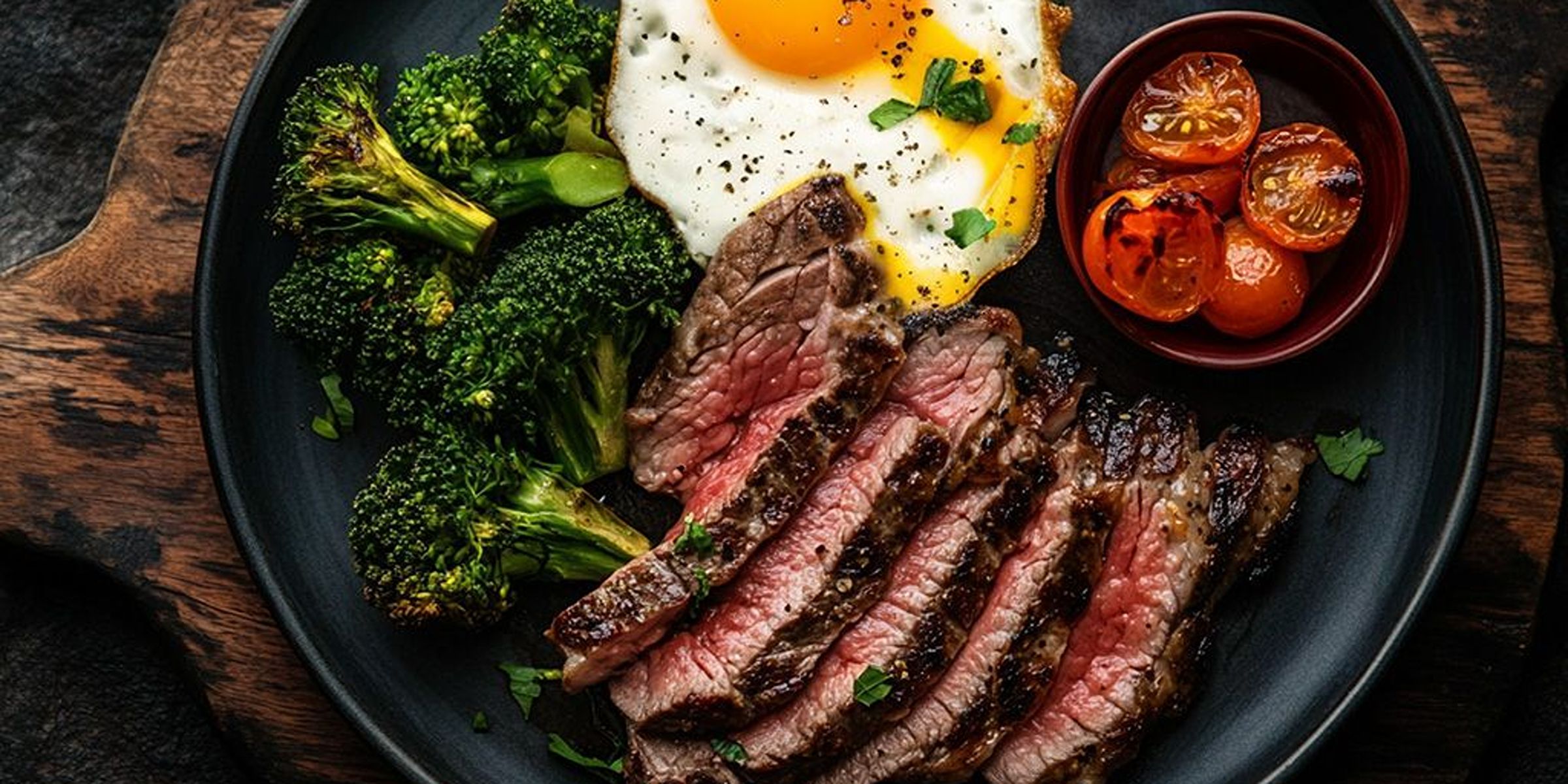
When you think of the paleo diet, images of giant tomahawk steaks or turkey legs might pop into your mind. But in reality, this diet is all about getting back to basics as it mirrors the wholesome eating habits of our prehistoric ancestors. So what do you eat? And how did this diet get started? We're here with answers. This guide delves into everything you need to know about the paleo diet, including its pros and cons and how to get the most out of it if you do decide to adopt it.
From its historical roots to a detailed paleo diet meal plan, we’ve compiled everything you need to know about this popular diet, one that emphasizes fresh fruits, lean meats and proteins, and other natural ingredients. Whatever your goals are, our comprehensive guide will equip you with the insights and tools to integrate the paleo diet into your daily routine successfully.
What is the Paleo Diet?
The paleo diet, also known as the paleolithic diet, hunter-gatherer diet, stone age diet, or caveman diet, is centered around the way of eating as our ancestors did thousands of years ago. This means focusing on foods that could be obtained through hunting and gathering—primarily whole, unprocessed foods.
The core principle of this diet is to eliminate modern processed foods in favor of meats, fish, nuts, leafy greens, regional veggies, and seeds. This shift not only aims to improve health by reducing the intake of sugars and preservatives, but it is also intended to support healthy eating for sustained energy levels and weight loss.
Origins of the Paleo Diet
The concept of the paleo diet was introduced in the 1970s, coined by gastroenterologist Walter Voegtlin and rooted in the eating habits of the Paleolithic era. It was popularized in the late 1980s and 1990s by scientists like Boyd Eaton and Loren Cordain, who studied the dietary patterns of Paleolithic humans.
Their research suggested that modern humans are genetically adapted to the diet of their Paleolithic ancestors and that human genetics have scarcely changed since the dawn of agriculture. Thus, they argued, one of the best ways to promote good health is to return to the diet for which our bodies are naturally designed.
This approach is based on the hypothesis that many modern diseases stem from the Western diet's reliance on processed foods and that by reverting to a diet filled with foods that our ancestors consumed, we could avoid many of today’s chronic diseases. The paleo diet encourages eating as ancient hunter-gatherers did before the advent of agriculture, with the understanding that fresh fruits, vegetables, and meats contain essential nutrients that are often missing in today's fast-food culture.
Core Principles of the Paleo Diet
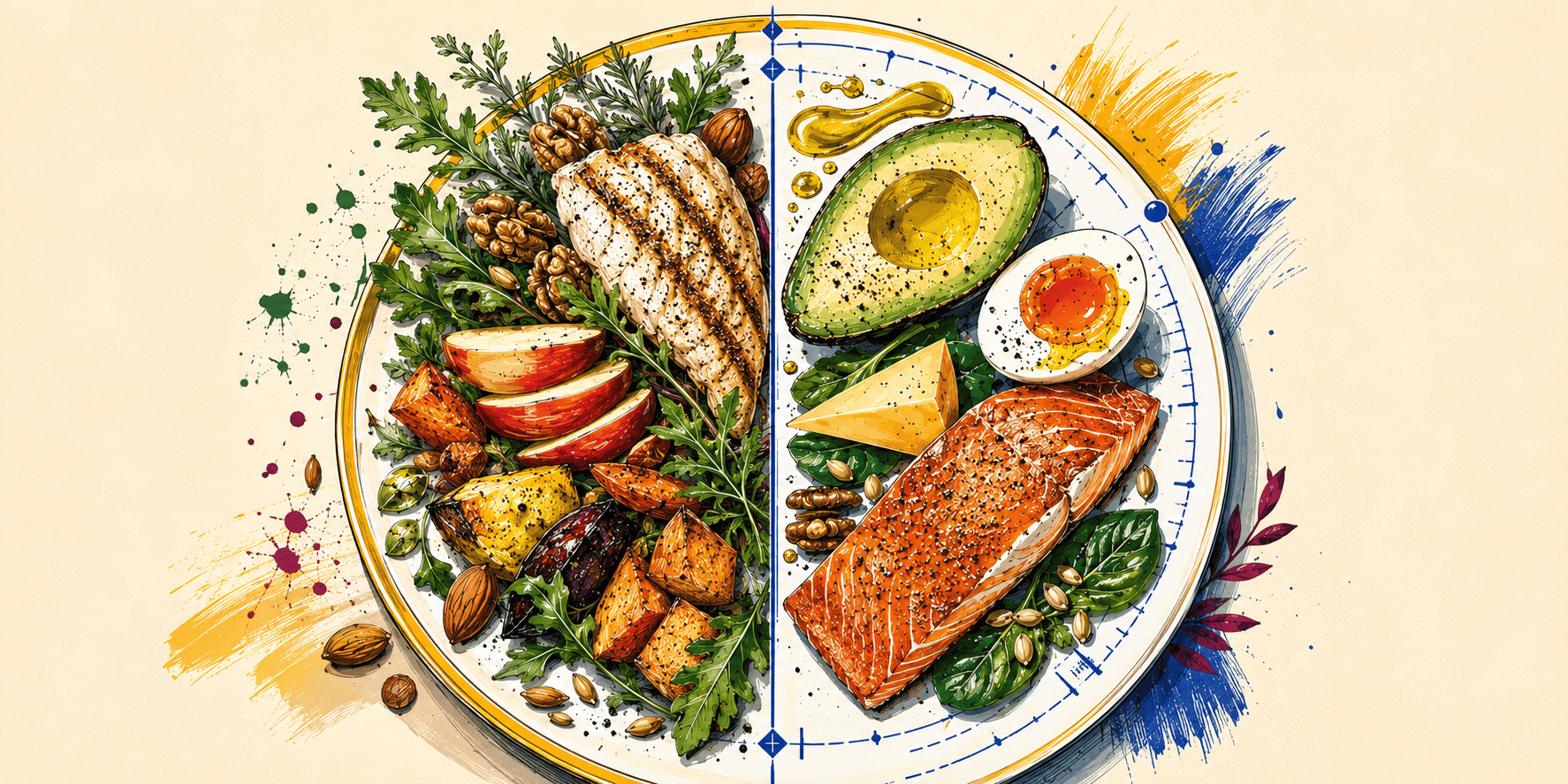
So, what does following the paleo diet look like when it comes to what to eat, what not to eat, and general guidelines? Here are a few paleo principles that set this lifestyle apart from other popular diets.
Focus on Whole Foods
At the heart of the paleo diet is a strong emphasis on whole, healthy foods, meaning foods that are unrefined and unprocessed and as close to their natural state as possible. Fresh fruits and vegetables, nuts, seeds, and minimally processed oils (like olive oil and coconut oil) are staples of this diet.
These foods are rich in vitamins, minerals, and antioxidants that help reduce inflammation and support overall health. Essentially, whole foods give your body the nutrients it needs to work well, help with digestion, and keep your immune system strong.
Elimination of Processed Foods
A key part of this way of eating is staying away from processed foods—anything packaged and made with artificial ingredients or additives like preservatives, colors, or flavors.
The paleo diet encourages eating foods that are minimally processed so they keep their natural nutrients. Eliminating processed foods found in modern diets helps reduce the intake of sugars and unhealthy fats, such as saturated fats, which are linked to a variety of health issues, including obesity, diabetes, and heart disease.
Avoidance of Grains and Legumes
Grains and legumes are excluded from the paleo diet because they weren’t part of the Paleolithic human diet. Supporters of the diet also argue that these foods contain anti-nutrients—like lectins and phytates—that can block mineral absorption and cause digestive issues. On the other hand, critics point out that while grains and legumes weren’t eaten during Paleolithic times, they’ve been part of human diets for thousands of years and provide important nutrients like fiber, phytochemicals, and plant-based protein.
Inclusion of Lean Proteins
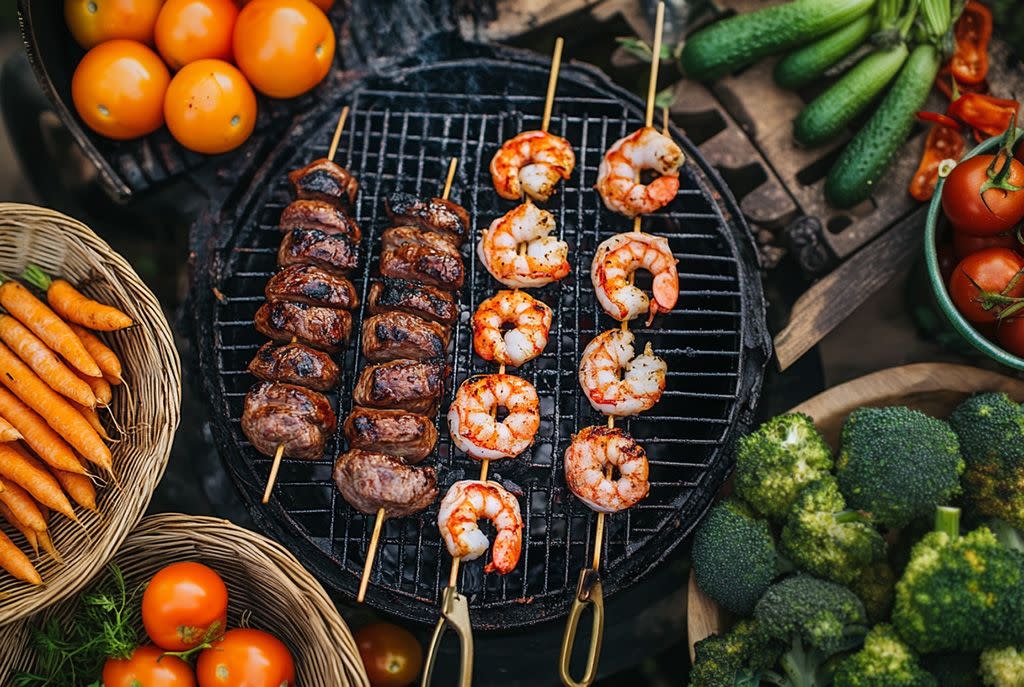
Lean proteins are a key part of the paleo diet, since they come from foods that could have been hunted or fished by early humans. This includes meat from grass-fed animals, wild-caught fish, and free-range poultry.
Paleo-friendly protein sources are richer in omega-3 fatty acids, less fatty, and free from the antibiotics and hormones found in conventionally raised meat. They may support building and repairing muscles and aiding in a feeling of fullness after meals, which can be helpful for those looking to manage or lose weight.
Potential Benefits of the Paleo Diet
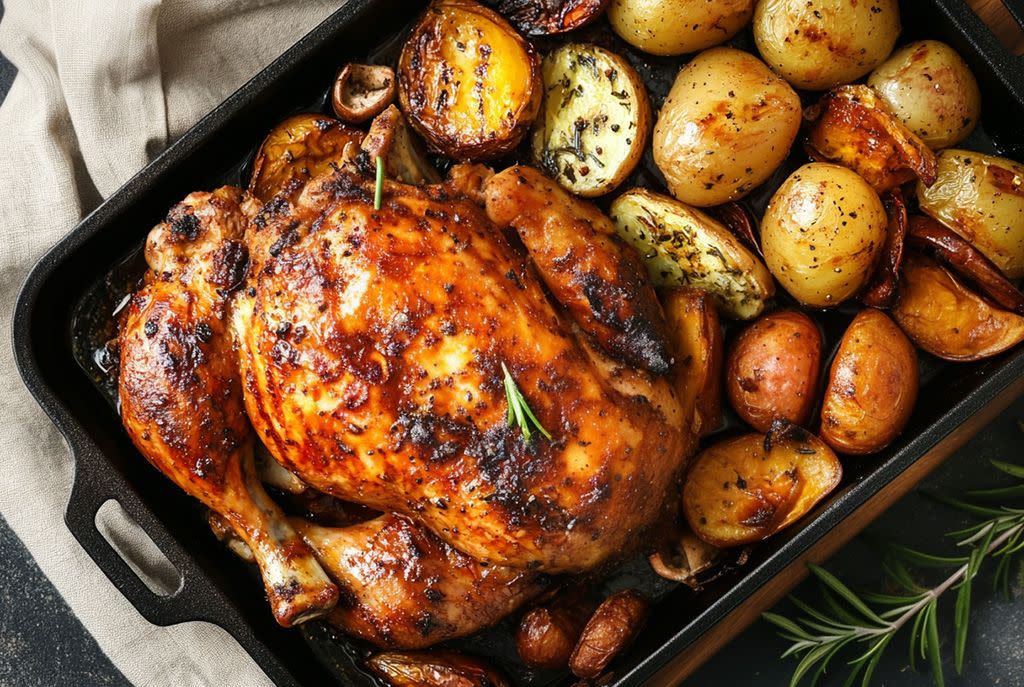
Going paleo is linked to several health benefits, thanks to its focus on natural, whole foods and the elimination of processed products. Supporters say it can improve physical health and may also boost mental clarity and emotional balance. Let’s take a closer look at some of the key benefits.
Weight Loss and Management
One of the primary benefits reported by followers of the paleo diet is weight loss and effective weight management. Focusing on high-protein and fiber-rich foods results in reduced appetite and increased satiety, which helps control calorie intake without the need to count calories.
Studies have shown that diets rich in protein and low in processed foods can lead to significant weight loss, compared to other diet plans. One published in the American Journal of Clinical Nutrition found that participants on paleo lost more weight and abdominal fat than those on other diets, showing it may be an effective approach to weight management.
Blood Sugar Control
This eating strategy may also contribute positively to blood sugar control, thanks to its low glycemic load. Foods with a low glycemic index, such as non-starchy vegetables and fruits that are permitted on the paleo diet, have a minimal impact on blood glucose levels. This is particularly beneficial for individuals with type 2 diabetes or those at risk of developing the condition.
A 2017 study found that following a paleo diet improves insulin sensitivity and glycemic control in those with type 2 diabetes, regardless of their exercise regimen. However, this was a small study, so more research among larger population groups needs to be conducted to establish a definitive conclusion.
Heart Health Improvement
The paleo diet can lead to improvements in heart health, primarily through the reduction of risk factors such as high blood pressure, cholesterol, and triglyceride levels. Its high intake of lean proteins, healthy fats from fish and nuts, and abundant fruits and vegetables helps to improve the lipid profile by decreasing LDL (bad) cholesterol and increasing HDL (good) cholesterol. However, you should be careful not to eat too much high-fat red meat on the paleo diet, since that could end up doing more harm than good for your heart.
Support for Autoimmune Conditions
There is emerging evidence that going paleo may offer benefits for those with autoimmune conditions such as rheumatoid arthritis, Crohn’s disease, and ulcerative colitis. The paleo diet’s strict elimination of processed foods, which are believed to irritate the gut lining and trigger immune responses, may reduce inflammation and help manage autoimmune symptoms.
Some preliminary studies have found that diets similar to paleo may help reduce inflammation and ease symptoms in people with autoimmune conditions. This points to its potential as a helpful dietary approach.
Possible Drawbacks of the Paleo Diet
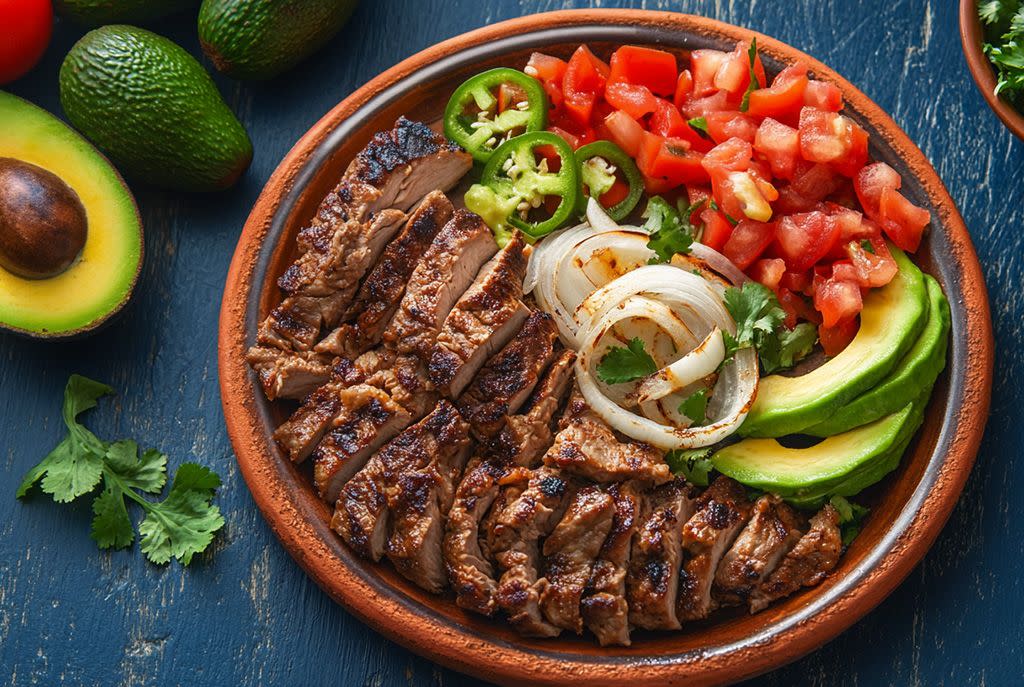
While the paleo diet boasts numerous health benefits, it's important to think about potential drawbacks that may accompany this restrictive eating pattern. Here are a few considerations:
Nutritional Deficiencies
One of the significant concerns associated with the paleo diet is the risk of nutritional deficiencies. By excluding whole groups of foods such as grains, legumes, and dairy, adherents might miss out on the essential nutrients these foods provide.
For example, dairy products are a primary source of calcium and vitamin D, crucial for bone health, which the paleo diet does not adequately compensate for. Similarly, grains and legumes are rich in B vitamins, prebiotic fiber, and plant based protein, important for metabolic health and digestive function. The American Heart Association notes that the exclusion of these food groups can lead to deficiencies unless carefully managed by incorporating a variety of other nutrient-dense foods. Seeking advice from a dietitian when starting the paleo diet can help to ensure you are able to meet all of your nutritional needs.
Limited Long-Term Evidence
Another concern is the limited long-term evidence supporting this particular diet. While some short-term studies have highlighted its benefits for weight loss and improved metabolism, there is a lack of long-term research studies that assess the sustainability and health impacts over many years. This makes it difficult to definitively say how effective or safe the paleo diet is in the long term.
Health professionals often warn that restrictive diets aren’t right for everyone, and sticking to them long-term can cause health problems if they aren’t carefully managed and balanced with a variety of foods.
Sustaining the Paleo Diet as a Lifestyle
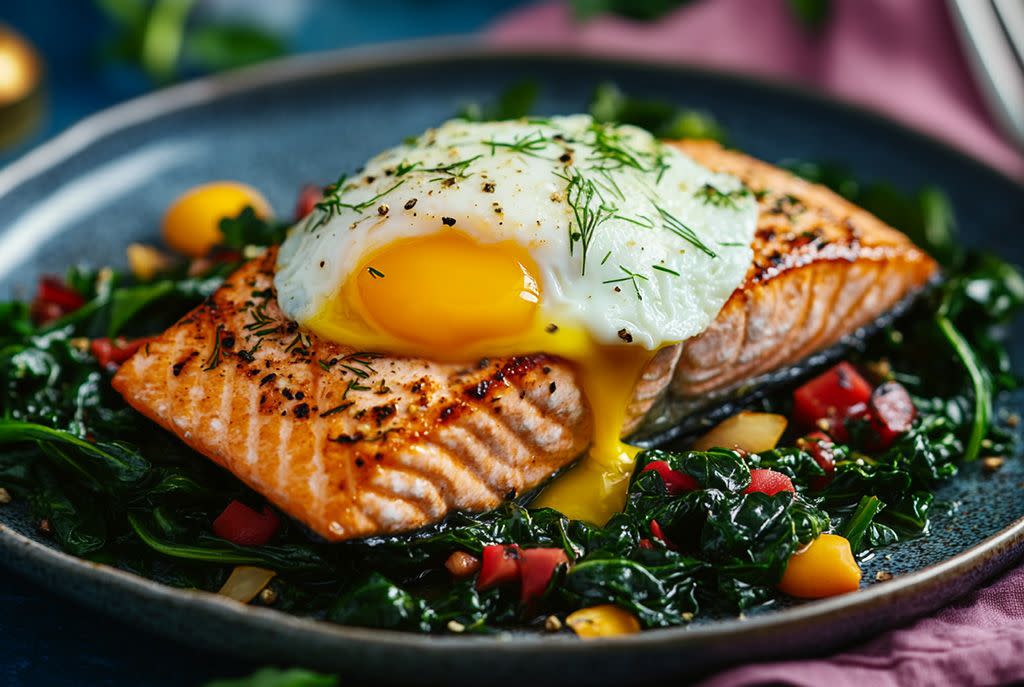
One of the most important aspects of adopting a paleo eating strategy is to follow a sustainable and practical approach to the diet.
To sustain a paleo diet, we suggest planning meals, phasing out non-paleo foods over time, finding the support of the greater paleo community, and more. You can find all our suggestions in “Sustaining a Paleo Diet - Tips, How to Get Started, and a 7-Day Meal Plan.”
Starting a paleo diet can take a lot of planning, and that might feel overwhelming at first. That’s why we’ve put together helpful tips and a simple meal plan to make it easier—including guidance for getting started, making shopping lists, and connecting with the paleo community.
Our Favorite Meals and Recipes for the Paleo Diet
While meal prepping and planning is key to sustaining the paleo diet, finding a quality mix of meals and recipes can be a challenge. Luckily, CookUnity has collected some of our favorite paleo meals and recipes to follow and add to your weekly meal plan.
Some of our favorite dishes for this diet plan include combinations of fresh fruits and vegetables including Beef and Sweet Potato Coconut Curry and Berbere Spiced Salmon with Asparagus, a paleo-friendly spin on ratatouille. For more, check out our collection of paleo-friendly meals and recipes.
Final Thoughts
The paleo diet focuses on whole, unprocessed foods and offers a healthy way of eating inspired by how our ancestors lived. But it can be challenging to stick with, since it often takes extra time and effort to prepare meals using only whole-food ingredients.
That's where CookUnity comes in. Ordering is simple, making it incredibly easy to maintain your paleo lifestyle. With our chef-prepared meal delivery service, sticking to the paleo diet has never been easier. CookUnity offers the convenience of having hundreds of different paleo-friendly meals delivered right to your door, so you can focus on what truly matters in your life. Try CookUnity today and get 50% off your first week.
FAQs About the Paleo Diet
Is the Paleo Diet healthy?
The paleo diet can be healthy because it focuses on whole foods, lean proteins, fruits, vegetables, and healthy fats—all of which support overall health. But it also cuts out whole grains, legumes, and dairy, which offer their own benefits, so it may be too restrictive if followed long term.
Is the Paleo Diet gluten-free?
Yes, the paleo diet is naturally gluten-free because it cuts out all grains, including wheat, barley, and rye—the main sources of gluten.
Is honey on the Paleo Diet?
Yes, honey is allowed on the paleo diet in moderation. It’s considered a natural sweetener that would have been available to early humans.
Is the Paleo Diet safe?
The paleo diet is generally safe for most people, but since it cuts out food groups like dairy and grains, it’s important to make sure you're still getting a balanced mix of nutrients.
Can you have rice on the Paleo Diet?
No, rice isn’t allowed on the paleo diet because it’s a grain—and all grains are excluded.
What is the difference between the Ketogenic Diet and Paleo?
The ketogenic diet is high in fat, moderate in protein, and very low in carbs to trigger a state called ketosis. In contrast, the paleo diet focuses on eating whole, unprocessed foods that mimic what early humans might have eaten, without aiming for specific fat, protein, or carb ratios
Are sweet potatoes on the Paleo Diet?
Yes, sweet potatoes are allowed. They are considered a nutrient-dense source of carbohydrates.
Is corn on the Paleo Diet?
No, corn isn’t allowed on the paleo eating plan because it’s considered a grain, and all grains are excluded.
Are eggs on the Paleo Diet?
Yes, eggs are included as a source of high-quality protein.
Is hummus on the Paleo Diet?
Traditional hummus made from chickpeas isn’t part of the paleo diet because legumes are excluded. However, paleo-friendly alternatives—like versions made with cauliflower—can be enjoyed instead.
Sources
[Influence of Paleolithic diet on anthropometric markers in chronic diseases: systematic review and meta-analysis] (https://pmc.ncbi.nlm.nih.gov/articles/PMC6647066/), NIH, 2019.
Paleolithic nutrition for metabolic syndrome: systematic review and meta-analysis, NIH, 2015.
Efficacy of the Autoimmune Protocol Diet for Inflammatory Bowel Disease, NIH, 2017.
10 popular diets scored for heart-healthy elements; some need improvement, Heart Attack and Stroke Symptoms, 2023.

Be the first to know about new offers
Multiorder discounts, free items and more.