Back
Reviewed by Culinary Nutritionist | Kristy Del Coro, MS, RDN, LDN
If you're looking for a simple way to eat clean, nourish your body, and enjoy delicious meals, a paleo diet meal plan might be exactly what you need. Inspired by the diets of our early ancestors, the paleo approach prioritizes unprocessed foods, lean meats, fresh fruit, and nutrient-dense ingredients to promote better health. Whether you're new to this lifestyle or just need a structured plan to follow, this guide will help you with an easy, satisfying paleo diet weekly meal plan that supports your health goals.
In this beginner-friendly guide, you'll first learn what the paleo diet is and why it's beneficial, then explore a practical, paleo diet seven-day meal plan tailored for success. You’ll get expert tips on making this way of eating sustainable and enjoyable for the long haul. Let's dive into the health benefits, food choices, and meal strategies that make this lifestyle work!
Understanding the Paleo Diet
So, what is the paleo diet meal plan, exactly? It’s based on the idea of eating foods that closely resemble what our ancestors consumed during the Paleolithic era—long before processed foods and artificial additives became part of modern diets. By focusing on whole, natural ingredients, the paleo approach encourages higher energy levels, better digestion, weight management, and improved blood pressure.
At its core, the paleo meal plan eliminates refined sugars, grains, legumes, dairy, and processed oils. Instead, it emphasizes grass-fed meat, wild-caught fish, fresh fruit, vegetables, nuts, seeds, and healthy fats like olive oil. The goal is to provide the body with the essential nutrients it thrives on while avoiding inflammatory foods that can lead to chronic health issues.
Whether you're drawn to the paleo diet for its health benefits or simply want to adopt a more natural, whole-food approach, this way of eating can be flexible, satisfying, and easy to maintain with the right plan.
Key Principles of the Paleo Diet
Adopting a paleo diet weekly meal plan doesn’t mean just cutting out processed foods—it’s about reconnecting with a more natural way of eating that fuels your body optimally. Here are the key principles that define this lifestyle:
1. Eat Whole, Unprocessed Foods
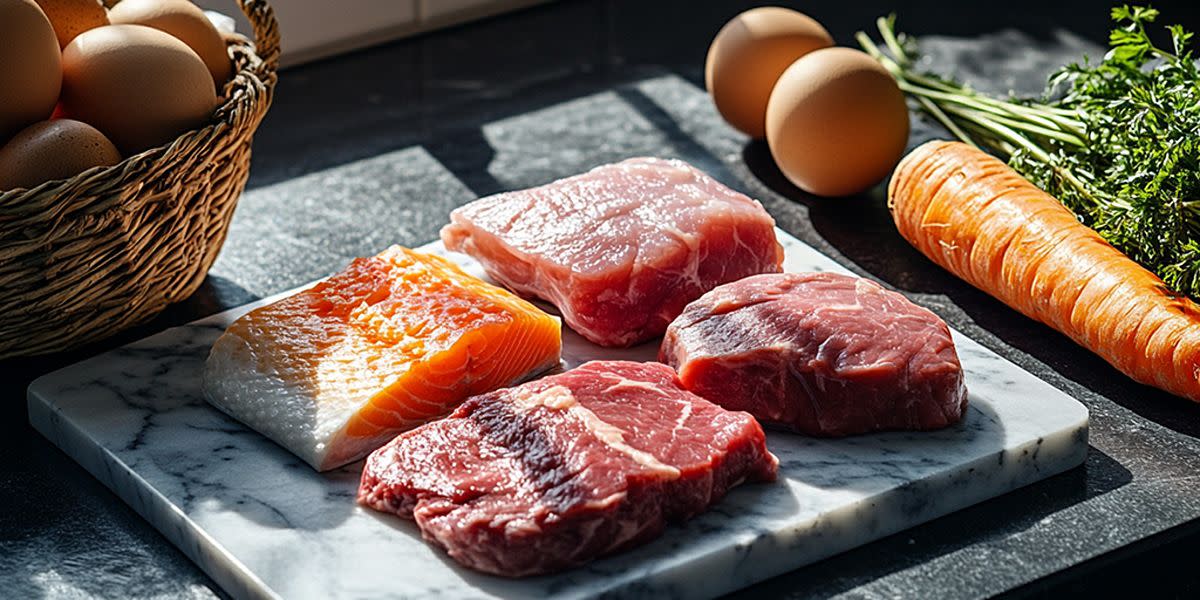
The foundation of any paleo meal is real, nutrient-rich foods. Prioritize:
Lean meats (especially grass-fed meat)
Fresh fruit and vegetables
Wild-caught fish and seafood
Plant-based fats like olive oil, coconut oil, and avocado as well as animal fats
Nuts and seeds in moderation
2. Avoid Processed and Inflammatory Foods
A true paleo diet meal plan eliminates foods that weren’t available to our ancestors. Say goodbye to:
Processed sugars and artificial sweeteners
Dairy products
Grains (including wheat, rice, and corn)
Legumes (such as beans, peanuts, and soy)
Industrial seed oils (like soybean and canola oil)
3. Prioritize High-Quality Protein
Protein plays a vital role in muscle health, metabolism, and satiety. When following a paleo diet, many proponents opt for grass-fed beef, pasture-raised poultry, wild-caught fish, and cage-free eggs believing these are richer in nutrients and lower in unhealthy fats compared to conventionally farmed options. However these products are often more expensive than conventionally farmed options; it’s still possible to adhere to a paleo diet consuming conventional meats if this is your preference.
4. Focus on Healthy Fats
Not all fats are bad! The paleo diet embraces heart-healthy fats that support brain function, hormone balance, and overall well-being. Include olive oil, avocado, nuts and seeds in your daily meals to keep your body fueled and satisfied. Coconut oil in moderation is also acceptable just keep in mind it’s higher in saturated fat compared to other plant-based oils.
5. Balance Your Macros Naturally
Unlike strict diet programs that emphasize calorie counting, the paleo diet meal plan encourages eating intuitively. By focusing on nutrient-dense paleo foods, you naturally balance protein, fats, and carbohydrates in a way that promotes energy and overall health.
6. Stay Hydrated and Listen to Your Body
Water is essential in any diet, but even more so when consuming high-protein meals. Drink plenty of water, herbal teas, and natural broths to stay hydrated. Also, practice mindful eating—listen to your hunger and fullness cues rather than restricting or overeating.
Paleo Meal Plan
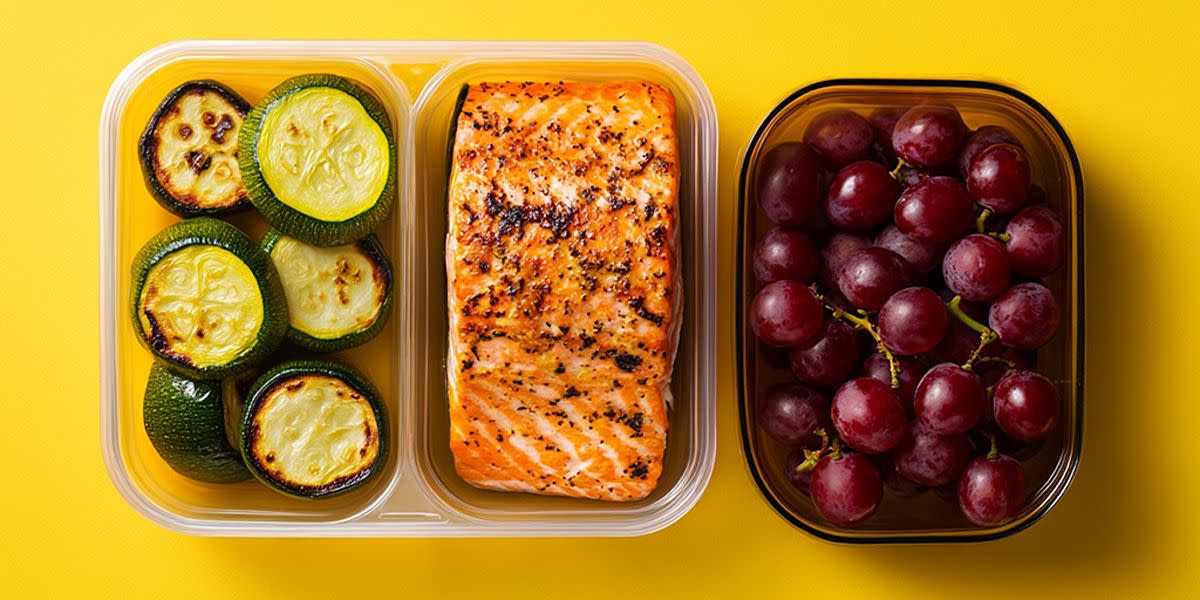
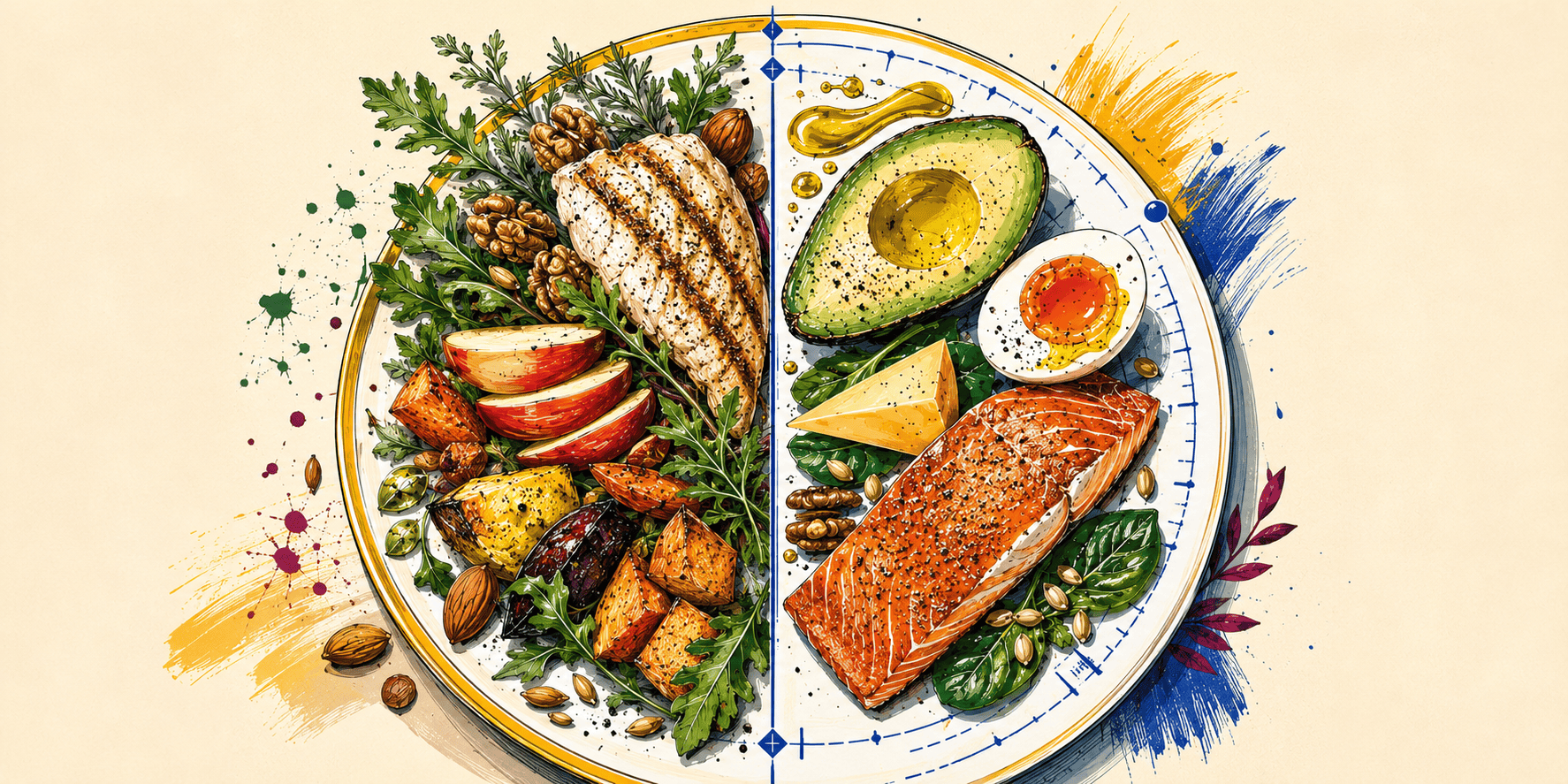
A well-balanced paleo diet meal plan focuses on lean proteins, fresh fruit, vegetables, and healthy fats while keeping meals simple, nutritious, and satisfying. Below is a paleo diet seven-day meal plan that provides variety while staying true to paleo foods.
Each meal is designed to maximize health benefits, support energy levels, and ensure you’re getting the nutrients needed for a sustainable paleo lifestyle.
Day 1
Breakfast: Scrambled eggs with sautéed spinach and avocado, served with fresh berries
Lunch: Grilled chicken salad with mixed greens, olive oil, and walnuts
Dinner: Roasted salmon with roasted sweet potatoes and steamed asparagus
Day 2
Breakfast: Almond flour pancakes with fresh fruit and a drizzle of raw honey
Lunch: Turkey and avocado lettuce wraps with a side of sliced cucumbers
Dinner: Grass-fed steak with garlicky green beans and mashed cauliflower
Day 3
Breakfast: Chia seed pudding with coconut milk and fresh fruit
Lunch: Grilled shrimp with a mixed green salad and olive oil dressing
Dinner: Braised short ribs with sautéed zucchini and butternut squash
Day 4
Breakfast: Scrambled eggs with smoked salmon and sliced avocado
Lunch: Paleo chicken soup with carrots, celery, and fresh herbs
Dinner: Grilled bison burger (lettuce-wrapped) with roasted sweet potato fries
Day 5
Breakfast: Coconut yogurt with sliced bananas and a handful of almonds
Lunch: Tuna salad with mixed greens, olive oil, and a side of fresh fruit
Dinner: Pork chops with garlic-roasted cauliflower and sautéed kale
Day 6
Breakfast: Omelet with bell peppers, onions, and mushrooms, served with fresh berries
Lunch: Spiced chicken with avocado salsa and a side of roasted carrots
Dinner: Seared scallops with roasted asparagus and mashed sweet potatoes
Day 7
Breakfast: Scrambled eggs with bacon and a side of fresh fruit
Lunch: Grass-fed beef meatballs with sliced cucumbers and olives
Dinner: Baked salmon with steamed broccoli and cauliflower rice
Foods to Eat on the Paleo Diet
The paleo diet meal plan focuses on unprocessed foods that provide essential nutrients, energy, and health benefits. By prioritizing lean meats, fresh fruit, vegetables, seafood, nuts, and healthy oils, you can create a paleo diet weekly meal plan that is both nutritious and satisfying. Below, we’ll cover the top paleo-friendly foods and why they’re ideal for this lifestyle.
Meats and Proteins
Pastured meat and poultry is a key part of a paleo meal plan, offering lean protein, essential amino acids, and omega-3s for muscle support and balanced blood pressure. Conventional meat is also allowed on paleo but grass-fed beef is preferred due to its better nutrient profile compared to conventional.
Prioritize:
Grass-fed beef
Pasture-raised poultry (chicken, turkey, duck)
Bison, venison, and organ meats
Pork
Eggs
Seafood
Wild-caught seafood is a top protein source in the paleo diet, loaded with omega-3s for heart health and inflammation control. Farmed seafood is also allowed but proponents of the paleo lifestyle tend to prefer wild due to its ancestral origins. The best choices include:
Salmon, mackerel, sardines
Shrimp, lobster, scallops, and crab
Cod, halibut, and trout
Fruits
Fresh fruit supplies natural sugars, fiber, and antioxidants to keep energy levels steady. Choose low-glycemic options like:
Berries (blueberries, raspberries, strawberries)
Apples, pears, and citrus fruits
Bananas and melons in moderation
Vegetables
Packed with fiber, vitamins, and minerals, vegetables are the backbone of a paleo diet weekly meal plan. Prioritize:
Leafy greens (spinach, kale, lettuce)
Cruciferous veggies (broccoli, cauliflower, Brussels sprouts)
Root vegetables (carrots, beets, sweet potatoes)
Nuts and Seeds
Great for healthy fats, protein, and minerals, nuts and seeds add crunch and nutrition. Choose:
Almonds, walnuts, macadamia nuts
Pumpkin, flax, and chia seeds
Limit peanuts (they’re legumes, not nuts)
Healthy Oils
Fats are essential in a paleo diet meal plan, with a focus on natural, plant-based oils like:
Olive oil for salads and low-heat cooking
Coconut oil for high-heat cooking
Avocado oil for all-purpose use
Nut oils for finishing
Foods to Avoid on the Paleo Diet
A successful paleo diet meal plan is about what you eat and it’s also about what you leave out. The paleo diet eliminates grains, legumes, and processed foods, which paleo followers believe contribute to inflammation, blood sugar spikes, and digestive issues. Removing these foods helps your body focus on nutrient-dense, unprocessed foods that support better energy, digestion, and overall health. Below are the main categories of foods to avoid and why they don’t fit into a paleo diet weekly meal plan.
Grains
While grains are a staple in many modern diets, they are off-limits in a paleo meal plan because they contain gluten, lectins, and phytic acid, which may interfere with nutrient absorption and digestion. The paleo diet focuses on low-inflammatory, whole foods, without including grains, so you should avoid:
Wheat, barley, rye (and anything made from flour)
Rice, corn, oats, and quinoa
Pasta, bread, cereal, and tortillas
Instead of grains, the paleo diet encourages vegetables and root crops as natural carbohydrate sources for sustained energy.
Legumes
Legumes—including beans, peanuts, lentils, and soy—aren’t in the paleo diet meal plan because they contain antinutrients like lectins and phytic acid that can disrupt digestion. While legumes provide protein and fiber, the paleo diet prioritizes grass-fed meat, seafood, and nuts as superior protein sources and fiber from fruits and vegetables. While on the paleo diet, you should avoid:
Beans (black beans, kidney beans, chickpeas, etc.)
Lentils and peas
Peanuts and peanut butter
Soy-based foods (tofu, soy milk, edamame)
Instead, reach for healthy fats, nuts, seeds, and animal proteins to meet your nutritional needs without the gut-irritating effects of legumes.
Processed Foods
One of the biggest principles of the paleo diet is eating unprocessed foods—anything highly refined or packed with artificial ingredients is not paleo-friendly. Processed foods can lead to blood sugar imbalances, weight gain, and inflammation, which is why they have no place in a paleo diet weekly meal plan. For these reasons, you should avoid:
Packaged snacks, candy, chips, and crackers
Sugary drinks, sodas, and artificial sweeteners
Processed meats (hot dogs, deli meats)
Refined vegetable oils (canola, soybean, corn oil)
Additional Paleo Diet Plan Considerations
Beyond just meals, a well-rounded paleo diet meal plan involves careful food choices, meal prep strategies, and flexibility to ensure long-term success. Here are some key considerations to keep in mind:
Meal prep for success: Planning ahead makes it easier to stick to paleo foods. Batch-cook proteins, chop veggies in advance and have paleo-friendly snacks on hand.
Portion control and balanced macros: While the paleo diet doesn’t require calorie counting, ensuring a good balance of protein, healthy fats, and fresh fruit or vegetables keeps energy levels stable.
Eating out on paleo: Choose grilled meats, fresh vegetables, and healthy fats when dining out. Avoid sauces, dressings, and sides that contain grains, legumes, or processed oils.
Hydration and electrolytes: Drinking plenty of water is key, especially when cutting processed foods that often contain added sodium. Coconut water and herbal teas are good hydration options.
Flexibility and adaptation: Strict adherence isn’t always necessary. Some people incorporate small amounts of dairy, dark chocolate, or even occasional grains, depending on their health goals.
Snacks and Desserts on the Paleo Diet
Following a paleo diet meal plan doesn’t mean giving up snacks and desserts—it just means choosing unprocessed foods that align with the paleo lifestyle.
Paleo-Friendly Snacks:
Hard-boiled eggs with avocado
Fresh fruit with almond butter
Nuts and seeds (in moderation)
Beef jerky (no added sugars or preservatives)
Veggie sticks with guacamole
Paleo-Friendly Desserts:
Coconut milk chia pudding with fresh berries
Dark chocolate (70% or higher, minimal sugar)
Almond flour banana bread
Baked apples with cinnamon and nuts
These options keep blood sugar stable while still satisfying cravings in a way that aligns with a paleo diet weekly meal plan.
Potential Benefits of the Paleo Diet
The paleo diet is designed to support optimal health, energy, and overall well-being by focusing on whole, unprocessed foods. Some of its key potential health benefits include¹:
Improved digestion: Cutting out grains, legumes, and processed foods reduces bloating and supports gut health.
Balanced blood sugar: The paleo diet meal plan helps regulate insulin levels by eliminating refined sugars.
Weight management: Eating lean meats, fresh fruit, and healthy fats naturally curbs hunger and supports a healthy metabolism.
Reduced inflammation: Removing processed foods, dairy, and artificial additives can lead to lower inflammation and better overall health.
Heart health: The paleo diet encourages olive oil, nuts and seeds, and wild-caught fish, all of which promote cardiovascular health.
These health benefits make the paleo diet seven-day meal plan a great choice for those looking to improve their energy, digestion, and long-term wellness.
Downsides and Considerations of the Paleo Diet
While the paleo diet has many benefits, it’s important to be aware of potential challenges¹:
Eliminating entire food groups: Cutting out grains, dairy, and legumes can make it harder to get certain nutrients like calcium and fiber. Consult a dietitian about paleo recipes that ensure you get the nutrition that you need.
Cost and accessibility: Grass-fed meat, wild-caught seafood, and organic produce can be expensive and not always available.
Strictness and social challenges: Dining out or attending social gatherings can be tricky, as many standard meals contain grains or dairy.
Meal prep time: The paleo diet meal plan requires more cooking and planning since most convenient packaged foods are off-limits.
Sustainability: Some people find strict adherence difficult in the long run, so incorporating flexibility may be necessary.
Tips for Integrating the Paleo Diet Into Daily Life
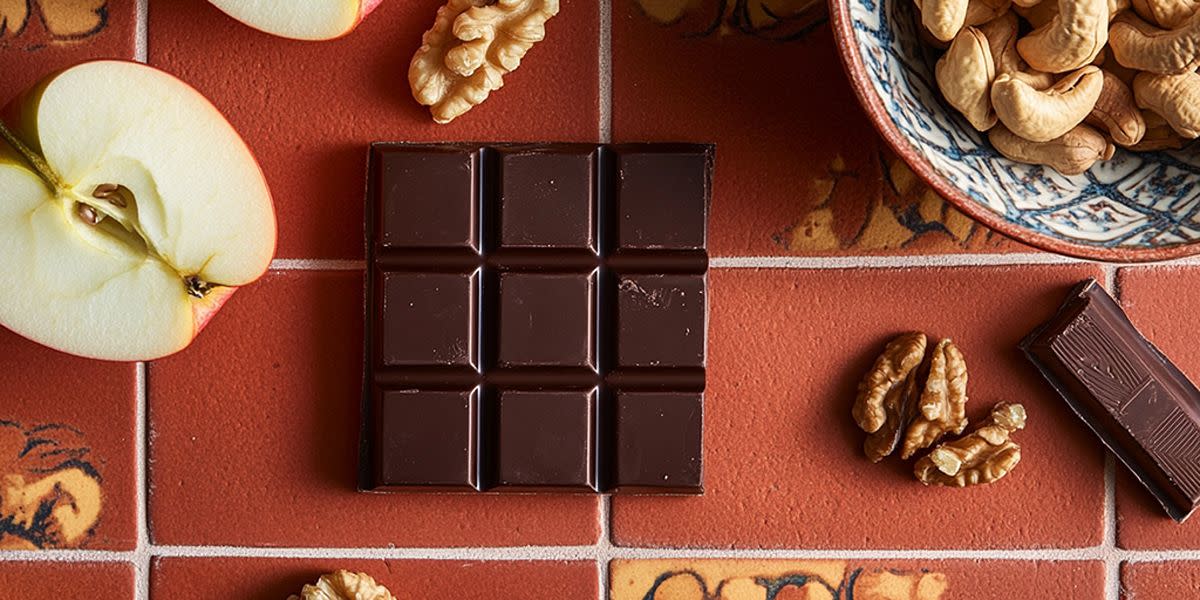
Transitioning to a paleo diet meal plan doesn’t have to be drudgery. With a few strategic steps, you can make this way of eating feel natural, enjoyable, and sustainable. Here are key tips to help you successfully incorporate the paleo diet into your daily routine:
Start With a Transition Phase
Rather than overhauling your diet overnight, ease into a paleo diet weekly meal plan by gradually removing processed foods, grains, and legumes while increasing whole, unprocessed foods like lean meats, fresh fruit, and vegetables.
Pro-Tips From a Nutritionist
Our in-house nutritionist, Kristy Del Coro, says, “Cooking from scratch is essential for the paleo diet, so planning ahead can save time and stress.” Her recommendation is to:
Batch-cooking grass-fed meats and roasted veggies for quick meals.
Chopping produce in advance for easy access.
Keeping paleo-friendly snacks (like nuts and hard-boiled eggs) on hand.
Include fruits and veggies with every meal to help meet your fiber needs
Keep It Simple
A paleo diet meal plan doesn’t require elaborate recipes—focus on whole, nutrient-dense foods. Stick to grilled proteins, roasted vegetables, and fresh fruit for simple, balanced meals.
Stock Your Kitchen With Paleo Foods
Make healthy eating effortless by filling your pantry and fridge with paleo-approved ingredients like:
Healthy fats: Olive oil, avocado, nuts oils
Lean proteins: Grass-fed beef, poultry, wild-caught seafood
Fresh produce: Leafy greens, berries, cruciferous vegetables
Nuts and seeds: Almonds, walnuts, chia seeds
Be Mindful When Eating Out
Restaurants often use processed oils and added sugars, so choose grilled meats, steamed vegetables, and fresh salads. Ask for olive oil-based dressings and skip the bread.
Listen to Your Body
The paleo diet isn’t just about food—it’s about feeling your best. Pay attention to how your body responds to different foods, and adjust your paleo diet meal plan to suit your energy levels, digestion, and cravings.
Stay Hydrated and Maintain Electrolytes
Cutting out processed foods means lower sodium intake, so staying hydrated is crucial. Drink plenty of water, and include electrolyte-rich foods like avocados, leafy greens, and bone broth.
Allow for Flexibility
A paleo diet weekly meal plan should be sustainable, not restrictive. If needed, incorporate small allowances like dark chocolate or occasional dairy to make the diet more realistic for your lifestyle.
Our Most Popular Paleo Diet Dishes
Creating a paleo diet meal plan doesn’t mean sacrificing flavor. With the right ingredients and cooking methods, you can enjoy delicious meals that are both satisfying and aligned with the paleo diet. Here are some of the most popular paleo-friendly dishes that highlight lean meats, fresh vegetables, and healthy fats, making them perfect for any paleo diet weekly meal plan.
Garlic Parsley Cod
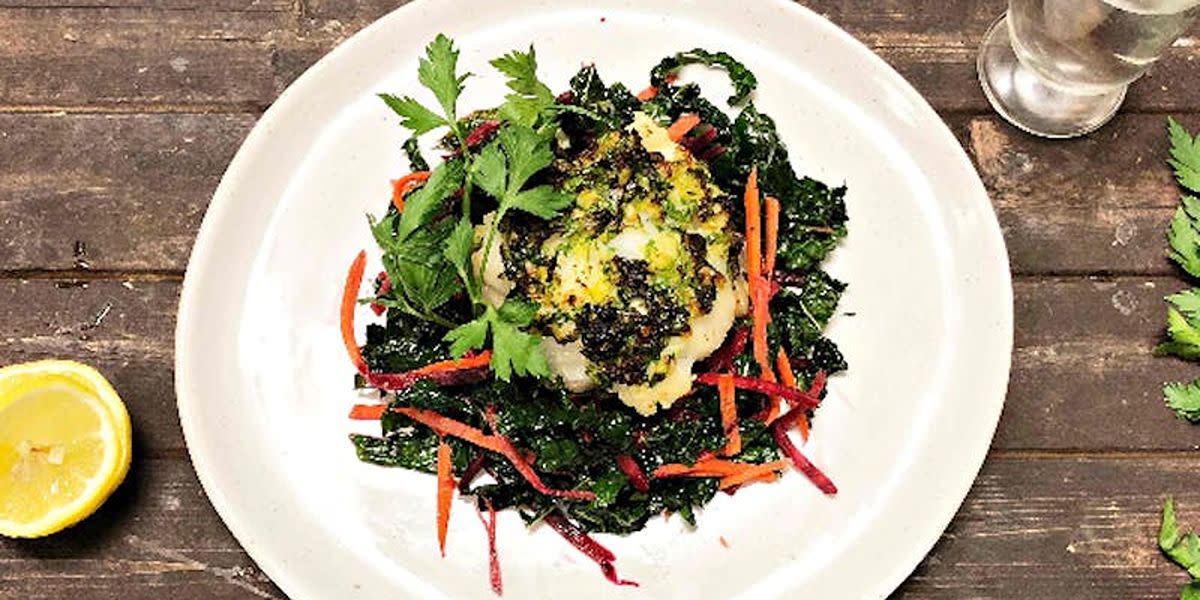
Light, flaky, and packed with omega-3s, this wild-caught seafood dish is a staple in the paleo diet. Cod is pan-seared with olive oil, garlic, and fresh parsley, creating a simple yet flavorful dish. Serve it with steamed asparagus or cauliflower rice for a nutrient-rich, low-carb meal. No time to make it yourself? No problem. Order our Garlic Parsley Cod and get it delivered right to your door.
Herbed Grilled Skirt Steak
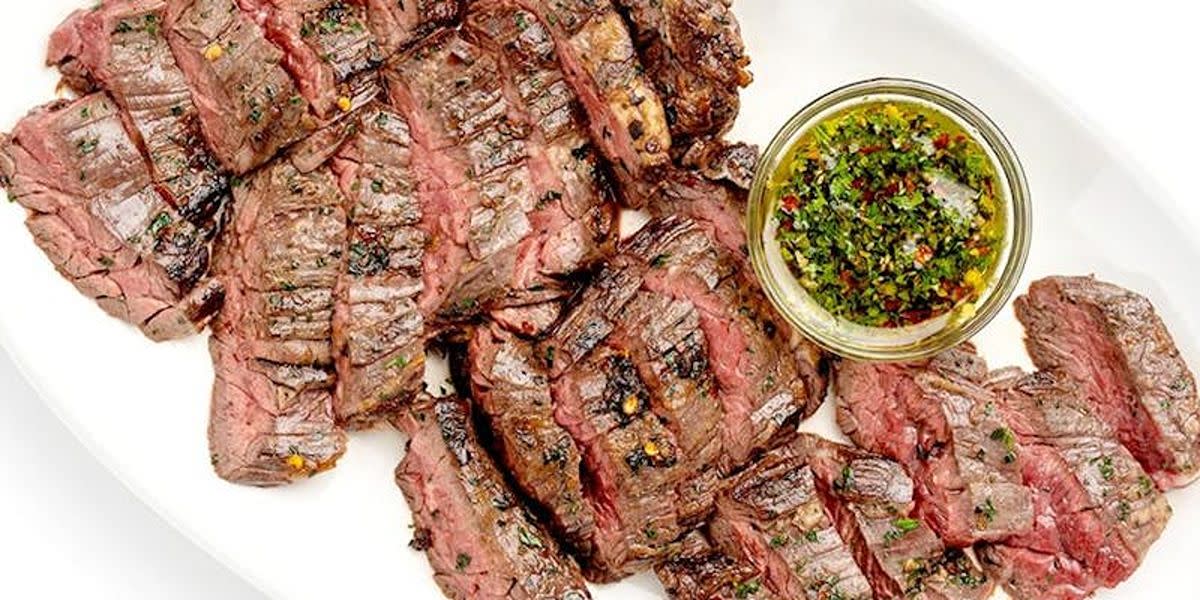
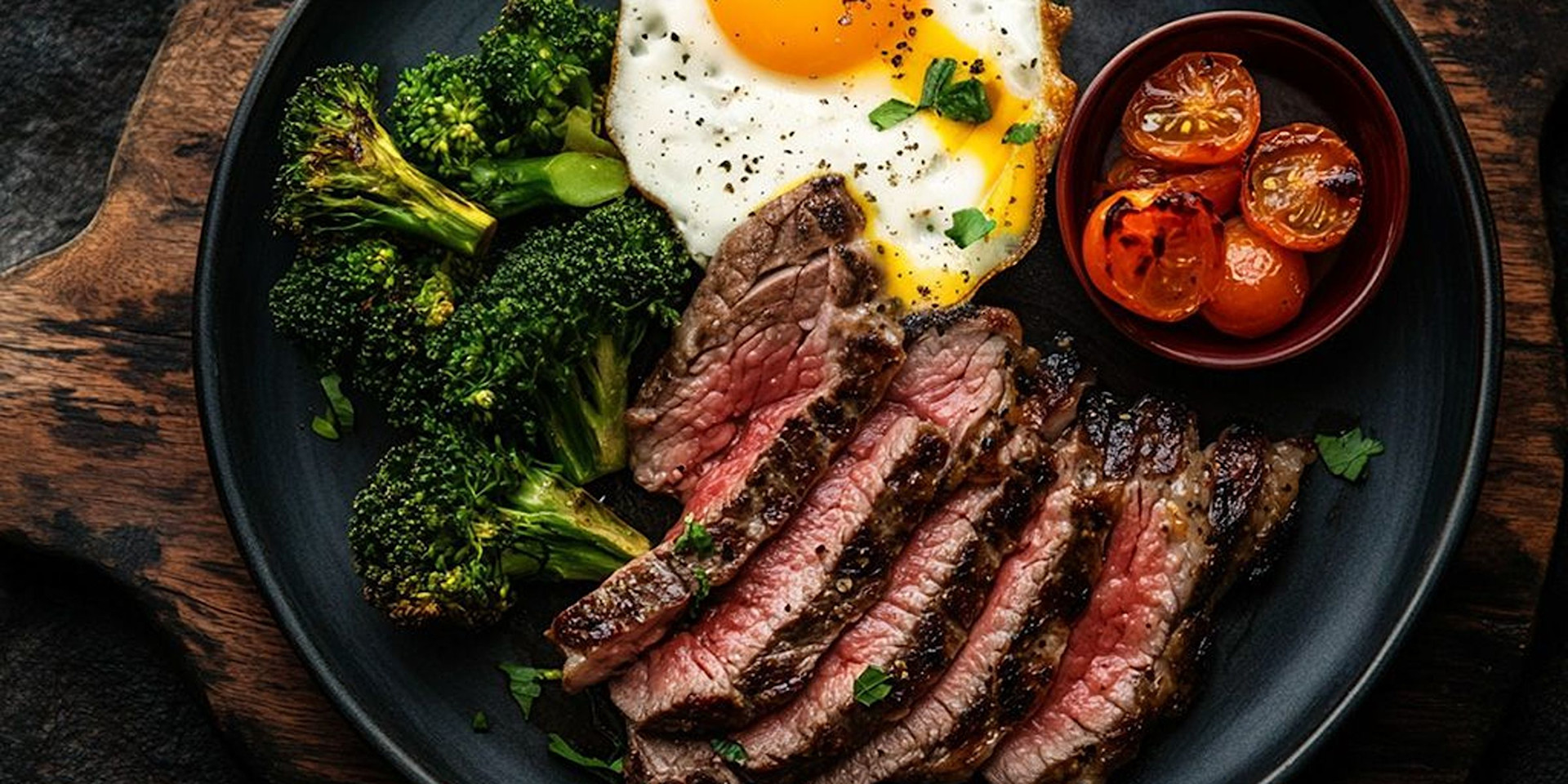
Nothing says “paleo” like a perfectly grilled grass-fed steak. Marinated with fresh herbs and garlic, this tender skirt steak is flame-grilled for a bold, smoky char, then finished with a vibrant chimichurri of parsley, garlic, and Fresno chile. Pair it with roasted brussels sprouts or mashed sweet potatoes for a balanced plate. Skip the hassle of cooking and try our Herbed Grilled Skirt Steak for a fuss-free, fabulous paleo meal.
Paleo Chicken Cabbage
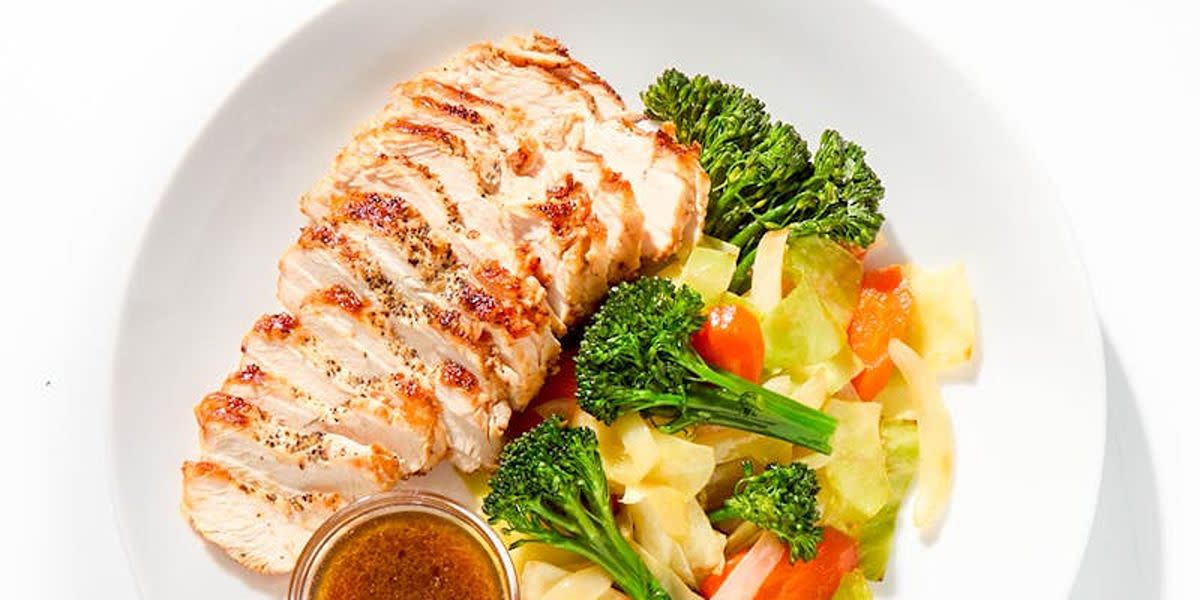
This dish combines lean chicken breast with shredded cabbage, sautéed in coconut oil and fresh herbs for a simple yet hearty meal. High in fiber and vitamins, it’s a great addition to any paleo diet weekly meal plan while keeping meals light yet satisfying. If you don’t feel like shopping for all the ingredients, get instant satisfaction with our popular Paleo Chicken Cabbage Stir Fry.
Pan-Fried Salmon
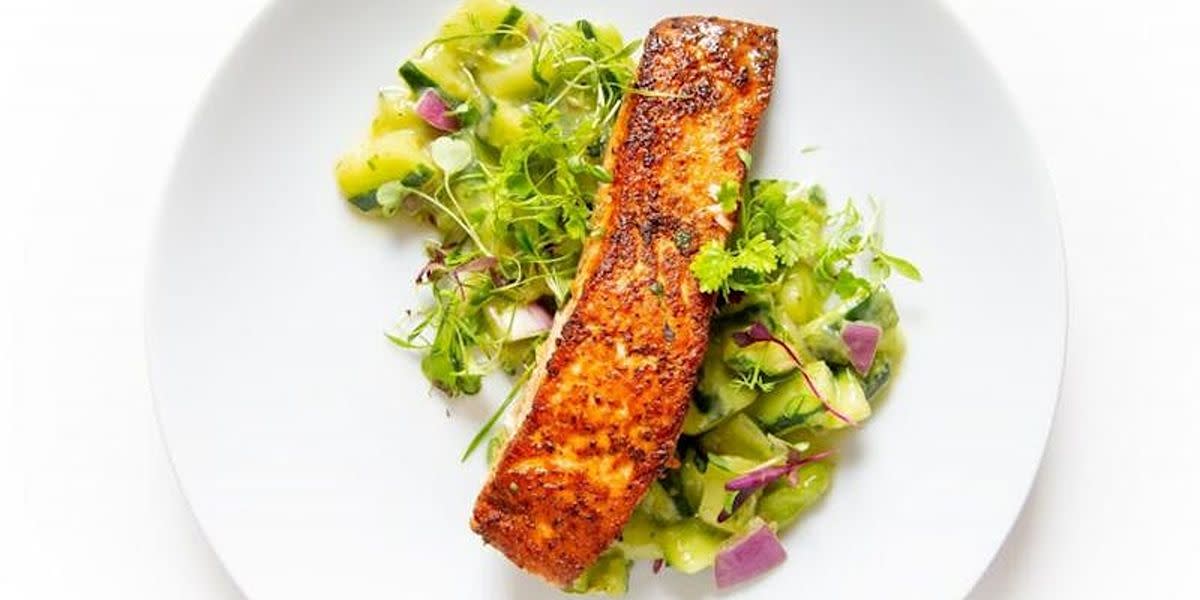
Rich in heart-healthy fats, this wild-caught salmon is seared to crispy perfection in olive oil and finished with fresh lemon juice. Serve it over sautéed kale or roasted carrots to maximize the health benefits of this dish. Like spice? Try our Crispy Pan-Fried Cajun Salmon for a sensational kick to your paleo regimen.
Beef Tenderloin
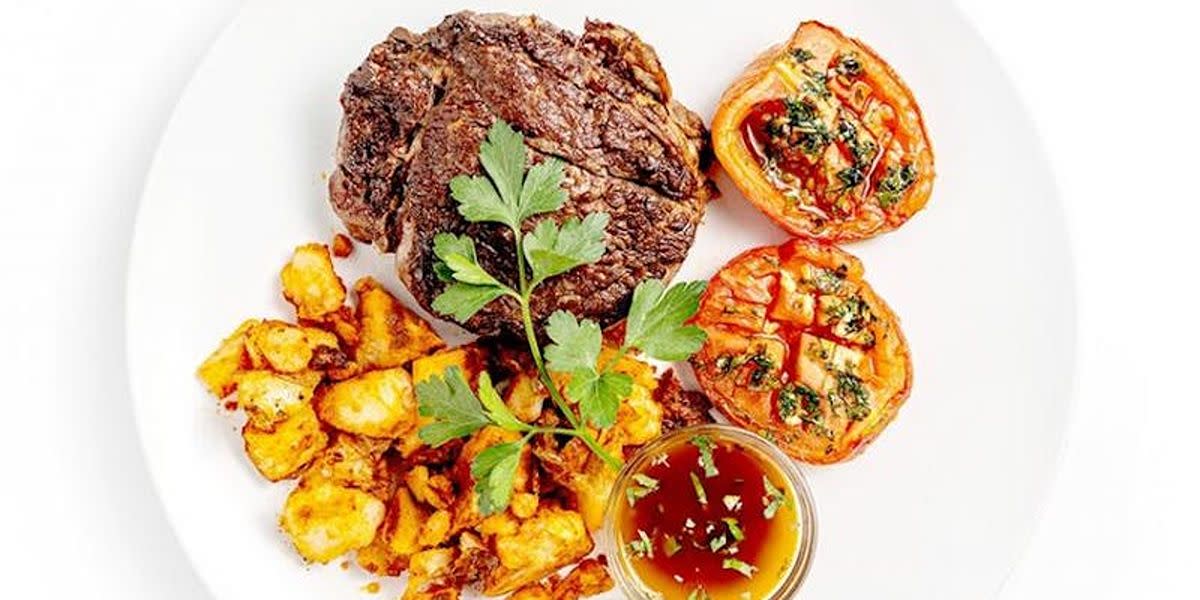
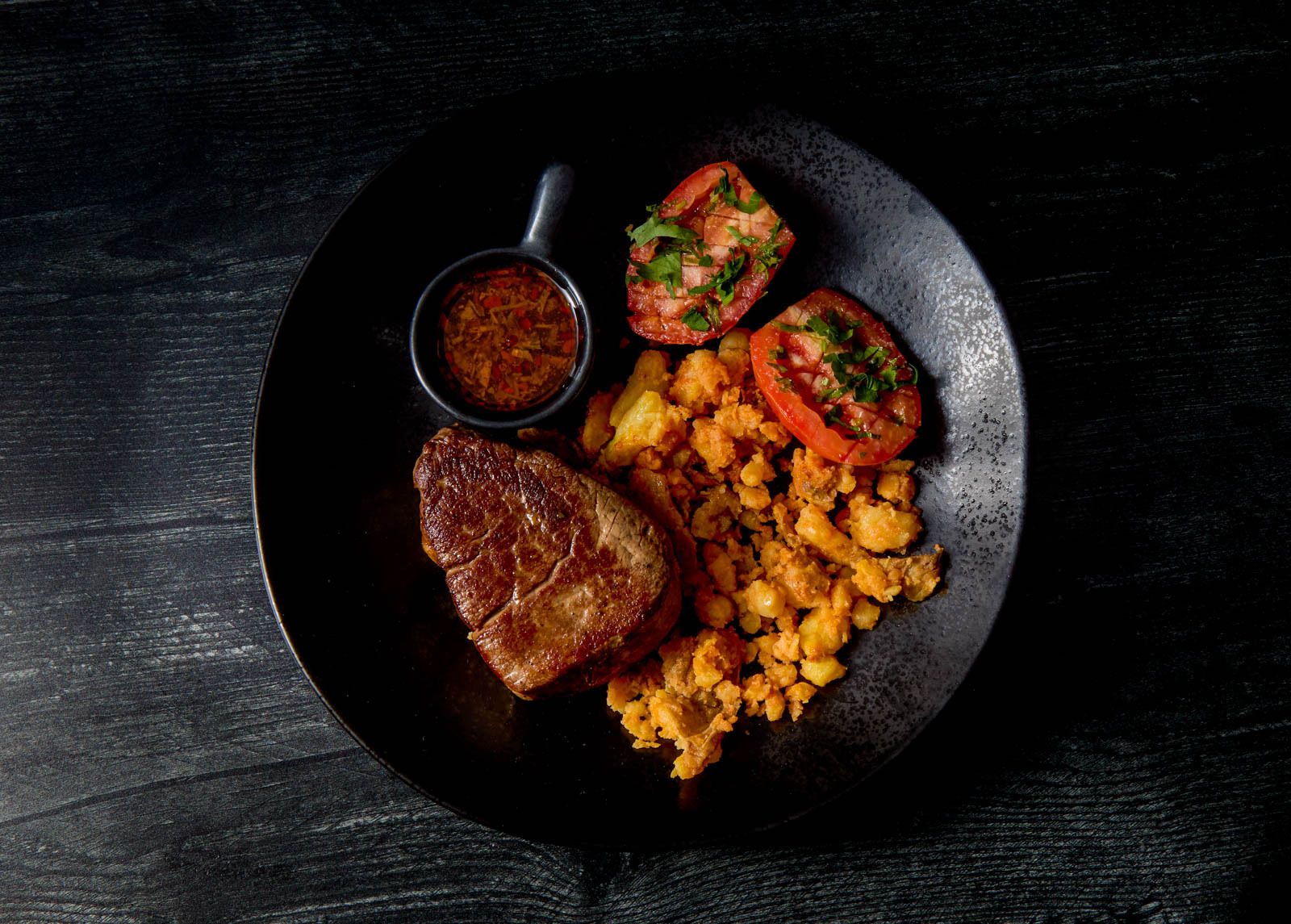
A premium cut of grass-fed beef, beef tenderloin is known for its tender texture and rich flavor. Seasoned with sea salt, cracked pepper, and garlic, then roasted to perfection, it’s a satisfying protein-packed dish. Serve alongside roasted cauliflower or garlic spinach for a complete paleo meal. Too busy to cook a paleo family meal? We’ve got you covered with our Grilled Beef Tenderloin with Chimichurri—it’s certain to be a smash hit at the dinner table.
Cauliflower Rice
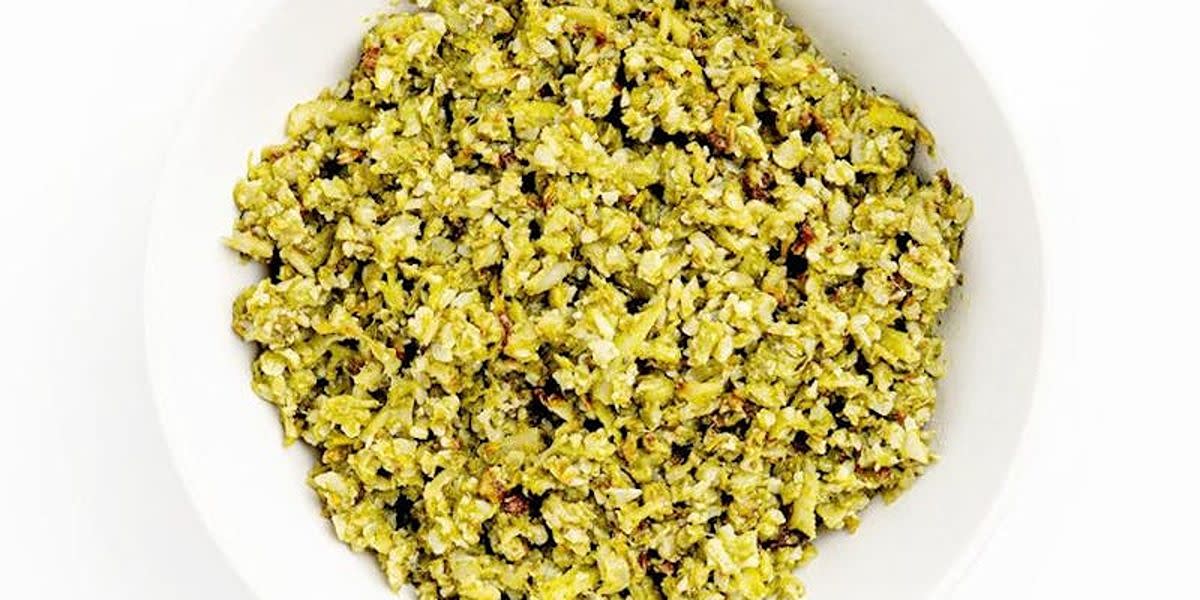
A paleo food alternative to grains, cauliflower rice is low in carbs and high in fiber. Lightly sautéed in olive oil with garlic and fresh herbs, it pairs well with any paleo diet meal plan and can be used as a base for stir-fries, protein bowls, or hearty side dishes. Stock up on our Herbed Cauliflower Rice so you’ll always have a paleo-friendly side dish on hand.
Final Thoughts: You Don’t Gotta Do It Alone
Sticking to a paleo diet meal plan is simple when you focus on lean proteins, fresh produce, and healthy fats while avoiding processed foods. But let’s face it—cooking every meal from scratch can be time-consuming.
That’s where we come in. Our chef-prepared paleo meals are made with high-quality, unprocessed ingredients and delivered straight to your door. We make it easy to dive into chef-crafted, plant-based meals tailored to your lifestyle—just pick your favorites and we’ll handle the rest.
If you want a no-brainer way to stay on track, let us handle the cooking with our paleo meal delivery service—so you can focus on feeling your best.
FAQs About the Paleo Diet Meal Plan
Is the paleo diet a basic meal plan?
The paleo diet meal plan is simple yet nutrient-dense, focusing on whole, unprocessed foods like lean meats, fresh fruit, vegetables, and healthy fats while eliminating grains, dairy, and processed foods.
Is the paleo diet healthy?
Yes! The paleo diet emphasizes whole, nutrient-rich foods, which can support better digestion, balanced blood sugar, reduced inflammation, and weight management when followed properly however it also eliminates some major food groups so may not be recommended for everyone.
Is paleo the healthiest diet?
While no diet is universally "the healthiest," the paleo diet is a clean, whole-food approach that eliminates processed ingredients, making it a great choice for many people seeking improved health and wellness however it’s more restrictive than other approaches to wellness.
Are bananas allowed on the paleo diet?
Yes, bananas are paleo-friendly, as they are a natural, unprocessed fruit rich in potassium and fiber. However, they are higher in natural sugars, so some people eat them in moderation.
Are eggs allowed on the paleo diet?
Absolutely! Eggs are a staple in the paleo diet, offering high-quality protein, healthy fats, and essential nutrients. Opt for pasture-raised or organic eggs for the best nutritional value.
Is the paleo diet gluten-free?
Yes! The paleo diet meal plan naturally eliminates grains, including wheat, barley, and rye, making it a completely gluten-free lifestyle.
What is the difference between keto and paleo?
Both diets focus on whole, unprocessed foods, but keto is high-fat and low-carb, emphasizing ketosis, while paleo is more balanced, allowing healthy carbs from fruits and starchy vegetables.
Can you have rice on the paleo diet?
No, rice is a grain, so it’s not considered paleo. However, cauliflower rice is a popular paleo-friendly substitute.
Is the paleo diet good for heart disease?
Yes, the paleo diet encourages unprocessed foods, lean proteins, and heart-healthy fats like olive oil, avocado, and wild-caught fish, which may support heart health when followed correctly. Be mindful of portions of red meat and choose leaner cuts.
Can the paleo diet make you sick?
Some people experience temporary fatigue or digestive adjustments when transitioning to a paleo diet meal plan, but these typically subside as the body adapts to a whole-food-based diet.
Sources
Paleolithic Diet - NIH, 2025

Be the first to know about new offers
Multiorder discounts, free items and more.