Back
Reviewed by Culinary Nutritionist | Kristy Del Coro, MS, RDN, LDN
The pescatarian diet is a popular and flexible outlook on eating that combines the health benefits of plant-based foods with the lean protein and essential nutrients found in seafood. If you’ve ever wondered what is a pescatarian diet, it is simply a way of eating that focuses on seafood rather than land-based meats. Many people turn to this diet for its potential to improve heart health, help with weight management, and support efforts to reduce environmental impacts such as greenhouse gas emissions compared to meat-heavy diets. Whether you're considering the switch for health reasons, ethical concerns, or personal preference, this guide offers an in-depth look at the benefits, potential challenges, and practical tips for adopting a pescatarian lifestyle.
Key Principles of the Pescatarian Diet
The pescatarian diet is a hybrid approach to eating that leans heavily on plant-based foods while welcoming seafood as its main source of animal protein. It bridges the gap between vegetarian and omnivorous diets, offering a wide variety of nutrients from the ocean and the earth—think vibrant vegetables, hearty whole grains, nourishing legumes, and fresh-caught fish. While not as restrictive as a vegan diet, this balanced approach makes it an appealing choice for those looking to enjoy the health perks of a mostly plant-based lifestyle while still reaping the benefits of seafood’s high-quality protein and essential omega-3 fats. Let’s take a closer look at what this diet includes.
What is the Pescatarian Diet?
A pescatarian diet is mostly plant-focused but makes an exception for seafood, skipping out on poultry and red meat. Unlike vegetarians, who steer clear of all animal flesh, pescatarians enjoy fish and shellfish, giving them access to a powerhouse of lean protein, omega-3 fatty acids, and other key nutrients. This approach strikes a balance—offering the benefits of a plant-heavy diet while still incorporating the nutritional perks of seafood.
Compared to an omnivorous diet, pescatarians emphasize seafood and plant-based foods while reducing their intake of land-based animal products. Some common types of fish in this eating plan include salmon, cod, tuna, and shrimp.
Foods Included in the Pescatarian Diet
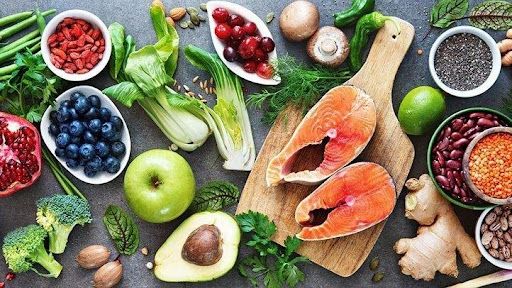
Individuals who follow a pescatarian dietary pattern enjoy a wide variety of nutritious foods, including:
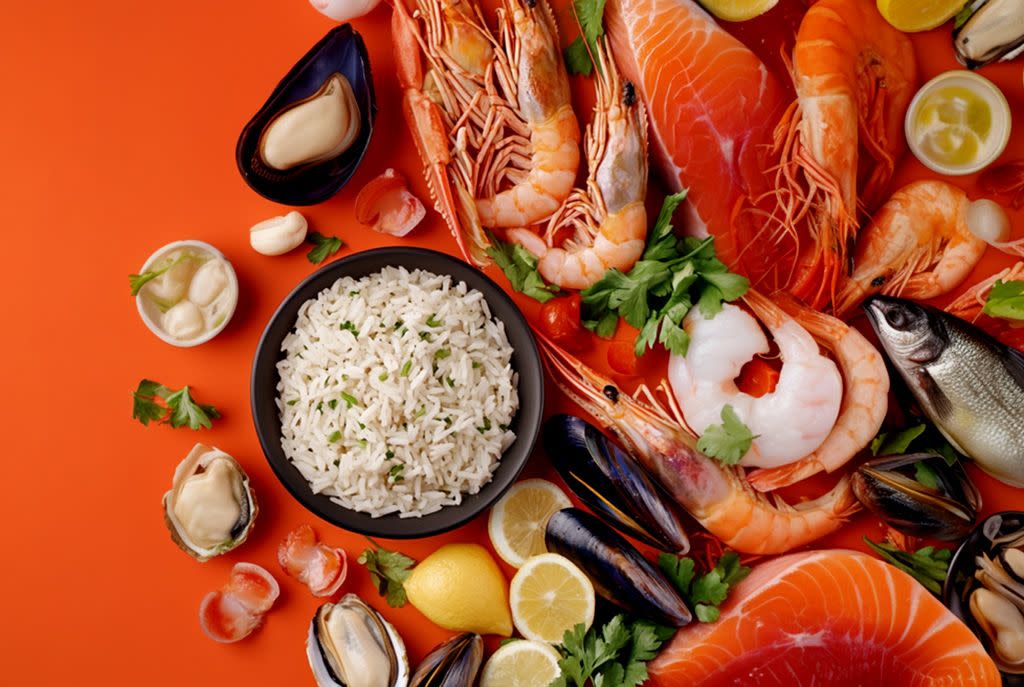
Seafood: A mix of lean and fatty fish such as salmon, cod, tuna, pollock, and trout and shellfish like shrimp, scallops, clams and mussels. Seafood provides protein, good fats, and essential minerals such as iron, zinc, calcium, and potassium, among others.
Vegetables and Fruits: A core component of the diet, a mix of veggies and fruits offer fiber, vitamins, and antioxidants.
Nuts and Seeds: Peanuts, almonds, pistachios, walnuts, chia and more, nuts and seeds provide great sources of plant-based protein and healthy fats.
Legumes and Whole Grains: Edamame, chickpeas, lentils, brown rice, quinoa, barley, and whole wheat products add fiber, micronutrients, and plant-based protein.
Dairy Products and Eggs (Optional): Some pescatarians choose to include dairy and eggs, making their diet similar to a lacto-ovo vegetarian diet with seafood.
Foods Included in the Pescatarian Diet
There is a wealth of different foods pescatarians can eat on this diet, but these are the following food items to avoid:
Red Meat: Beef, pork, lamb, and other red meats are not included.
Poultry: Chicken, turkey, and other birds are omitted.
Processed Meats: Bacon, sausage, and deli meats are not part of the diet.
Potential Benefits of a Pescatarian Diet
Before we dive into the pescatarian diet benefits, it’s important to note how focusing on seafood and plant-based foods can offer a variety of health perks, from boosting heart function to improving overall metabolic balance. By focusing on nutrient-dense seafood, fresh produce, and whole grains, pescatarians can nourish their bodies while lowering the risk of several chronic diseases—and may also lower the risk of type 2 diabetes in the process.
Improved Heart Health
Seafood, particularly fatty fish like salmon and mackerel, is loaded with omega-3 fatty acids. Specifically, the EPA type of omega-3 fatty acids found in fatty fish is well absorbed by the body (in comparison to the plant-based ALA type of omega-3). These fatty acids are known to support cardiovascular health and help improve certain markers of cardiovascular disease1. According to the American Heart Association, eating fish twice a week can help lower triglycerides, reduce inflammation, maintain balanced cholesterol levels, and help manage blood pressure, all of which can support a healthier heart and a potentially lower risk of heart disease.
Enhanced Metabolic Function
A well-rounded pescatarian diet, rich in lean proteins, fiber, and essential vitamins, can help keep metabolism running efficiently. Whole grains, legumes, and plant-based proteins work alongside seafood to provide lasting energy, aiding in weight management, cardiovascular health, and keeping blood sugar levels stable throughout the day3. Many people also explore the pescatarian diet and weight loss synergy for better body composition and overall health. Moreover, this balanced approach may help lower the risk of metabolic syndrome over time4.
Reduced Cancer Risk
According to Harvard Health, plant-based diets are associated with a lower risk of certain cancers, specifically prostate and colon cancer5. Combining seafood with antioxidant-rich vegetables and whole grains further enhances this protective effect. Omega-3 fatty acids are also anti-inflammatory which may help reduce cancer risk6.
Nutritional Benefits of Omega-3 Fatty Acids
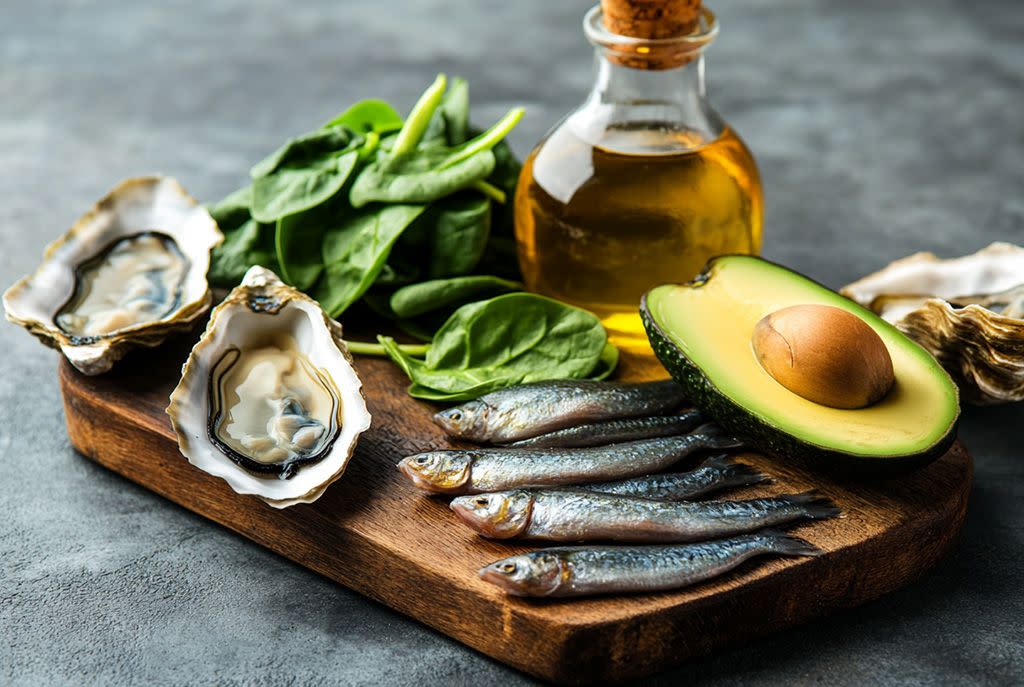
Omega-3 fatty acids are crucial for brain health, joint health, and overall wellness. These acids are found in fatty fish such as salmon, sardines, and trout, and research shows they can potentially help reduce inflammation, support cognitive development and function, and contribute to overall cardiovascular health7.
Seafood is also a primary source of protein in the Mediterranean diet which is touted for its health benefits. To learn more about this diet and it’s similarities and differences, check out our Guide to The Mediterranean Diet.
Potential Drawbacks of the Pescatarian Diet
While the pescatarian diet offers many health advantages, it is essential to consider potential challenges.
Mercury Exposure in Fish
Certain fish, such as swordfish and king mackerel, contain high levels of mercury, which can be harmful in large quantities, particularly if pregnant or breastfeeding. To minimize exposure, the FDA recommends choosing low-mercury options such as salmon, cod, tilapia, and shrimp.
Nutritional Deficiencies
Since pescatarians exclude red meat, they are at risk of eating less iron and vitamin B12 compared to meat-eaters. To counteract this, they can prioritize other good sources of these nutrients, including eggs, dairy, fortified plant-based foods, and supplements if necessary. Eating seafood twice per week should also reduce the risk of these deficiencies since fish and shellfish do contain iron and Vitamin B12, just lower amounts than red meat.
Ethical and Environmental Considerations
Overfishing and unsustainable seafood practices are concerns for pescatarians. To make ethical choices, look for certified sustainable seafood from organizations like the Best Aquaculture Practices (BAP), Marine Stewardship Council (MSC) or the Aquaculture Stewardship Council (ASC).
Pescatarian Diet Meal Planning Tips
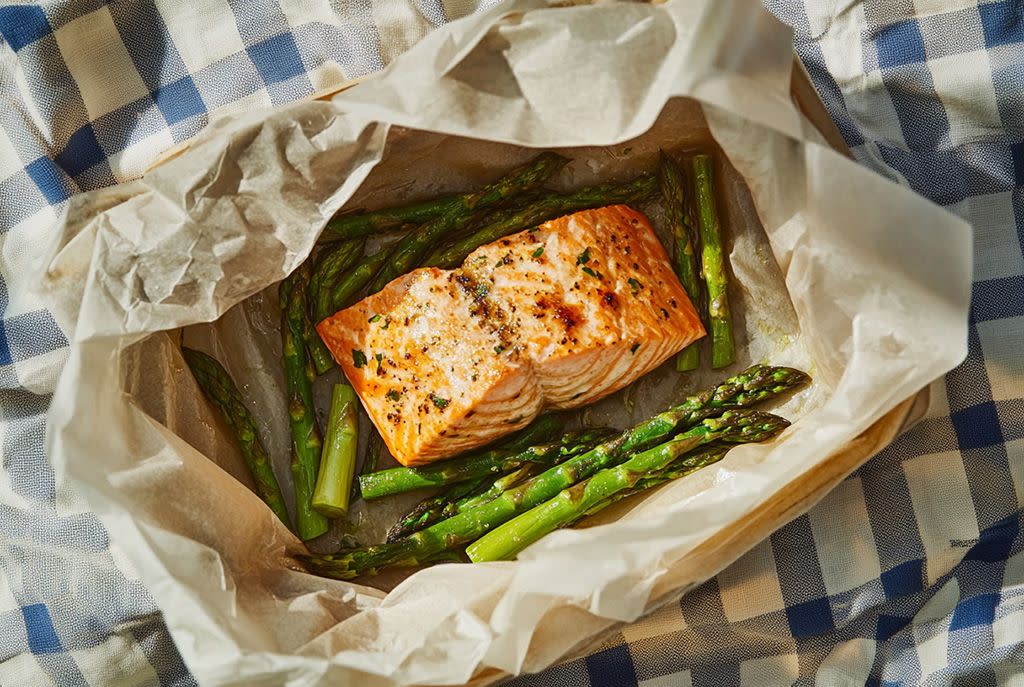
A well-balanced pescatarian diet ensures proper nutrition while maintaining variety and flavor. When developing pescatarian meal plans, be sure to incorporate a wide range of fresh produce, whole grains, legumes, and different seafood options.
Tips for Choosing Seafood
Selecting high-quality seafood is essential for maintaining both a nutritious diet and a sustainable food system. Here are some important tips to help you make the best choices:
Opt for wild-caught or sustainably farmed seafood. Wild-caught fish tend to have a more natural diet and fewer contaminants if sourced from clean water, while sustainably farmed seafood is raised in controlled environments designed to reduce environmental impact.
Check for certifications such as BAP, MSC or ASC on labels. These labels ensure that the seafood has been sourced responsibly:
BAP (Best Aquaculture Practices): This certification is the only aquaculture certification program in the world that certifies every step of the production chain, prioritizing environmental responsibility, animal health & welfare, food safety, and social accountability.
MSC (Marine Stewardship Council): This certification guarantees that the seafood was caught in a way that secures the long-term health of fish populations and the marine ecosystem.
ASC (Aquaculture Stewardship Council): This label applies to farmed seafood and indicates that the fish were raised in farms that meet high environmental and social responsibility standards.
Buy from reputable sources. Shop at trusted seafood markets or grocers that prioritize quality and sustainability.
Choose lower-mercury options. Opt for fish like sardines, salmon, tilapia, shrimp, and cod, which contain lower mercury levels compared to larger species like swordfish and king mackerel.
Pay attention to freshness. Fresh seafood should have a clean ocean scent, firm flesh, and bright, clear eyes if purchasing whole fish. Don’t overlook frozen seafood: when well sourced, from a reputable company, frozen seafood is often higher quality than fresh at a supermarket.
Sample Meal Ideas
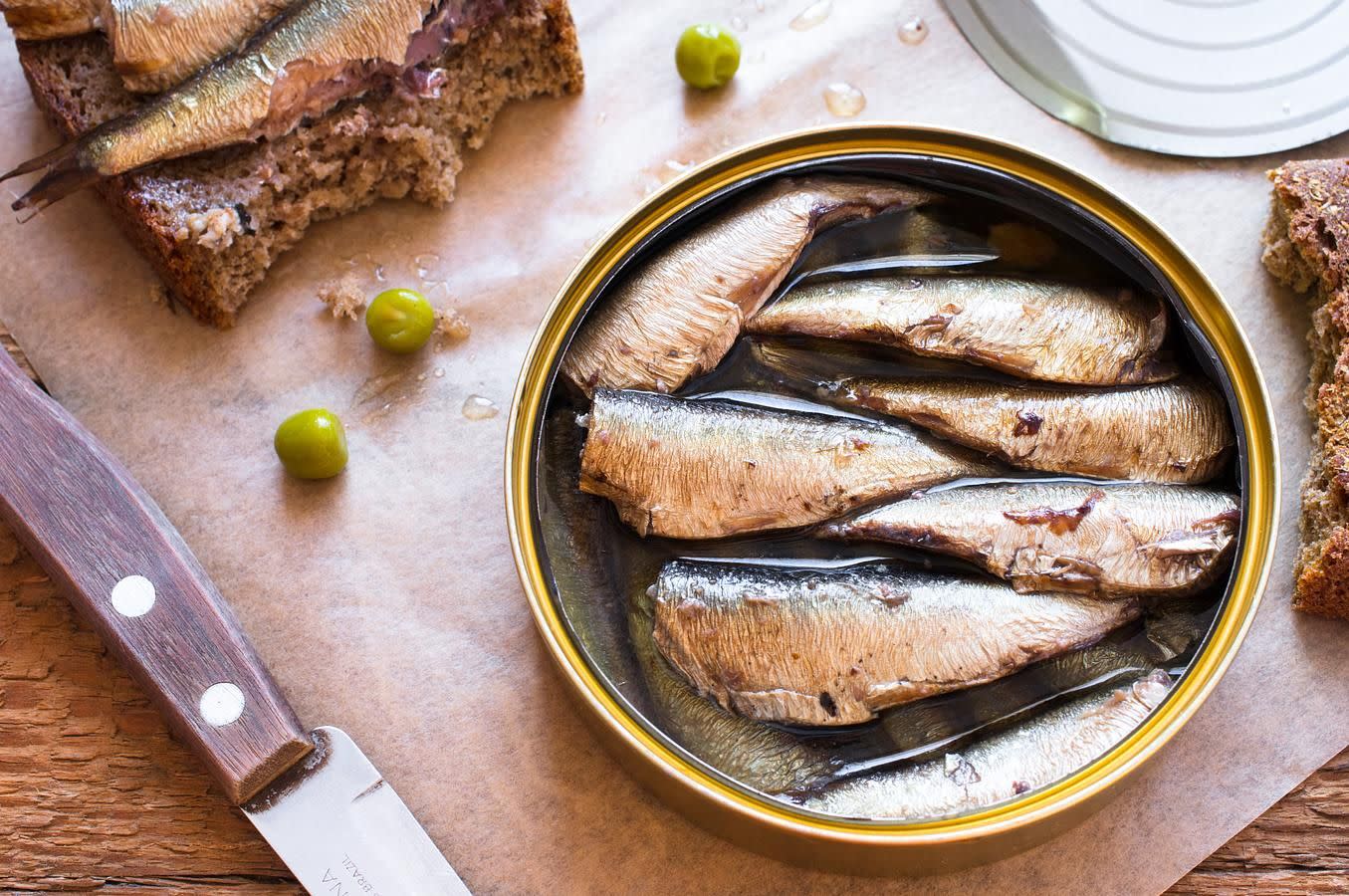
Eating a pescatarian diet doesn’t have to be complicated—there are plenty of delicious, balanced meals that incorporate seafood, whole grains, and plant-based ingredients. Here are some easy meal ideas to get you started:
Breakfast:
Avocado Toast with Smoked Salmon – A classic combination of creamy avocado, smoked salmon, and a sprinkle of everything bagel seasoning on whole grain toast.
Greek Yogurt with Honey and Nuts – A protein-packed breakfast with natural sweetness and crunch.
Spinach and Feta Omelet – A nutrient-rich option featuring eggs, spinach, feta cheese, and a side of whole wheat toast.
Lunch:
Quinoa Salad with Grilled Shrimp – A refreshing and filling salad with quinoa, grilled shrimp, cherry tomatoes, cucumbers, and a lemon vinaigrette.
Tuna and White Bean Salad – A high-protein, fiber-rich meal with canned tuna, white beans, red onion, and a light olive oil dressing.
Sushi Bowl with Brown Rice – A deconstructed sushi dish featuring brown rice, seaweed, cucumbers, avocado, and fresh sashimi-grade fish.
Dinner:
Grilled Salmon with Fresh Asparagus and Brown Rice – A simple yet nourishing meal rich in omega-3s and fiber.
Grilled Mahi-Mahi Tacos – Soft corn tortillas filled with grilled mahi-mahi, shredded cabbage, fresh salsa, and a drizzle of lime crema.
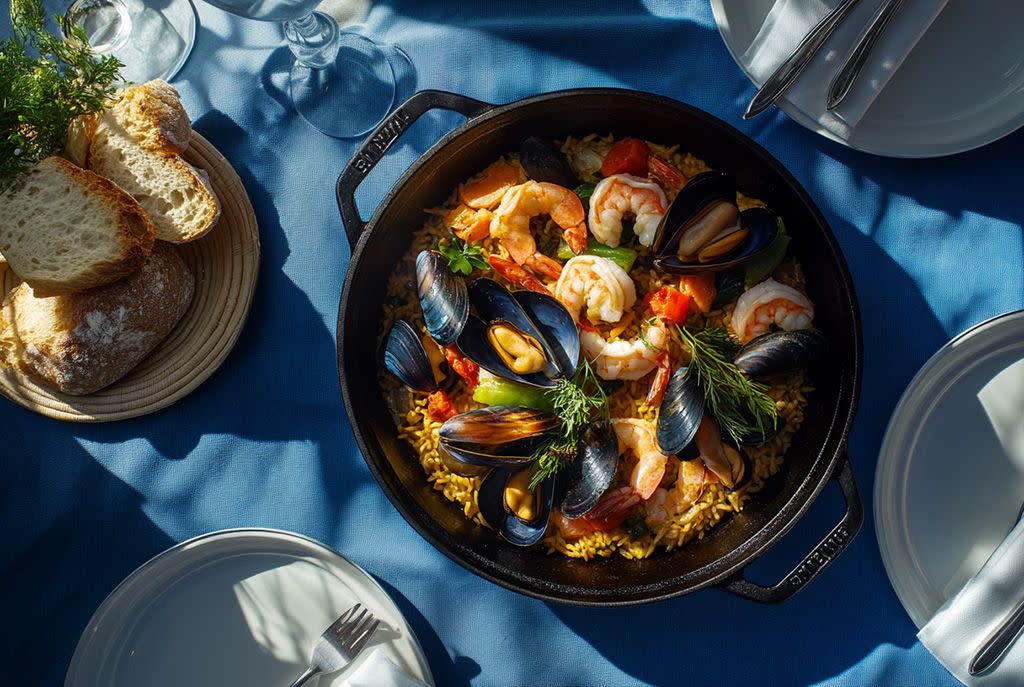
Paella – A vibrant Spanish-inspired dish with saffron-infused rice, shrimp, mussels, and vegetables. Try these Paella recipe tips for customizations to include various vegetables and shellfish to suit your taste.
Exotic Swai Fish – A light and flavorful fish that is both versatile and yummy, perfect for a quick and effortless dinner. Don’t want to make it yourself? Try our Ponzu Baked Swai Fish for a delicious, easy meal.
These meal ideas make it easy to enjoy a well-rounded pescatarian diet without sacrificing flavor or variety.
Tips for Beginners from Our Nutritionist
Our in-house Nutritionist, Kristy Del Coro, MS, RDN, LDN gives you some tips to start with the Pescatarian Diet.
To successfully adopt a pescatarian diet, start gradually by incorporating more seafood into your meals. Begin with one seafood-based meal per week and gradually increase the frequency.
Common Challenges and Solutions
Adapting to new cooking methods: Experiment with meals with fish, such as baked, grilled, or steamed dishes.
Finding affordable seafood: Explore frozen or canned options for cost-effective solutions. Be open to trying less common species that are just as nutritious but may not be as familiar.
Final Thoughts
The pescatarian diet offers a balanced approach to healthy eating, incorporating seafood and plant-based foods. While it has numerous benefits, it also requires mindful choices regarding seafood selection and nutrient intake. If you prioritize cardiovascular health, sustainable food choices, and plant-based nutrition, this diet may be an excellent fit.
Ready to simplify your pescatarian journey? Eating a pescatarian diet has never been easier with CookUnity. With hundreds of menu items crafted by professional chefs, you’ll always have fresh, flavorful meals that fit your lifestyle. Whether you’re craving a light seafood dish, a hearty grain bowl, or a vibrant plant-based option, CookUnity delivers chef-prepared meals straight to your door—so you can enjoy delicious, nutritious eating without the hassle of meal prep. Skip the stress, savor the flavor, and let CookUnity take care of your pescatarian meal plan today!
Pescatarian Diet FAQs
What foods can pescatarians eat?
Pescatarians primarily eat seafood, vegetables, fruits, whole grains, legumes, nuts, and seeds. Some also include dairy and eggs.
Is pescatarian a healthy diet?
Yes! A pescatarian diet is packed with essential nutrients, including omega-3 fatty acids, lean protein, fiber, and antioxidants and is generally lower in saturated fat and cholesterol. It supports heart health, brain function, and overall well-being.
What is the difference between a pescatarian diet and a flexitarian diet?
A pescatarian diet does not include any red meat or poultry while a flexitarian diet is predominantly plant-based but still includes meat, just in smaller portions and less frequently.
What are the disadvantages of a pescatarian diet?
Potential downsides include mercury exposure from certain fish, the need to find alternative iron and vitamin B12 sources, and the environmental concerns surrounding the sustainability of seafood. However if you eat fish or other types of seafood twice per week along with a varied diet of plant based foods, nutritional deficiencies are unlikely.
Can you lose weight by being a pescatarian?
Absolutely! A well-balanced pescatarian diet, rich in lean proteins and fiber from whole foods, can support weight loss by promoting satiety and maintaining a healthy metabolism.
What is the best source of protein for Pescatarians?
Fatty fish like salmon and tuna, shellfish, eggs, dairy (if included), legumes, nuts, seeds, and tofu are excellent protein sources.
What does a pescatarian eat for breakfast?
Options include oatmeal with nuts and fruit, Greek yogurt with granola, avocado toast with smoked salmon, or an omelet with vegetables and cheese.
Why do Pescatarians eat fish but not meat?
Many pescatarians choose this diet for health benefits, ethical reasons, or environmental concerns, believing fish is a more sustainable or nutritionally beneficial protein source compared to land-based meats.
Can pescatarians drink alcohol?
Yes, pescatarians can drink alcohol, but like any diet, moderation is key. Choices like red wine, which contains antioxidants, can complement a health-conscious lifestyle.
What is a pollo pescetarian?
A pollo-pescetarian is someone who eats both fish and poultry but avoids red meat.
Can pescatarians eat chocolate?
Yes! Most chocolate adheres to a plant-based diet regime, so chocolate is acceptable on a pescetarian eating plan. However, pescatarians should check labels if avoiding dairy or animal-derived additives.
Sources
Fatty acids in cardiovascular health and disease: A comprehensive update - NIH, 2023.
Eating fish twice a week reduces heart, stroke risk - American Heart Association, 2018.
Cardio-Metabolic Benefits of Plant-Based Diets - NIH, 2017.
Specialized diet gets high marks for preventing cancer - Harvard, 2018.
High Omega-3, Omega-6 Levels May Lower Cancer Risk - AJMC, 2024.
Omega-3 Fatty Acids - NIH, 2024.
Advice about Eating Fish - FDA, 2024.

Be the first to know about new offers
Multiorder discounts, free items and more.