Back
What spring fruits are in season? 12 fresh favorites to enjoy now
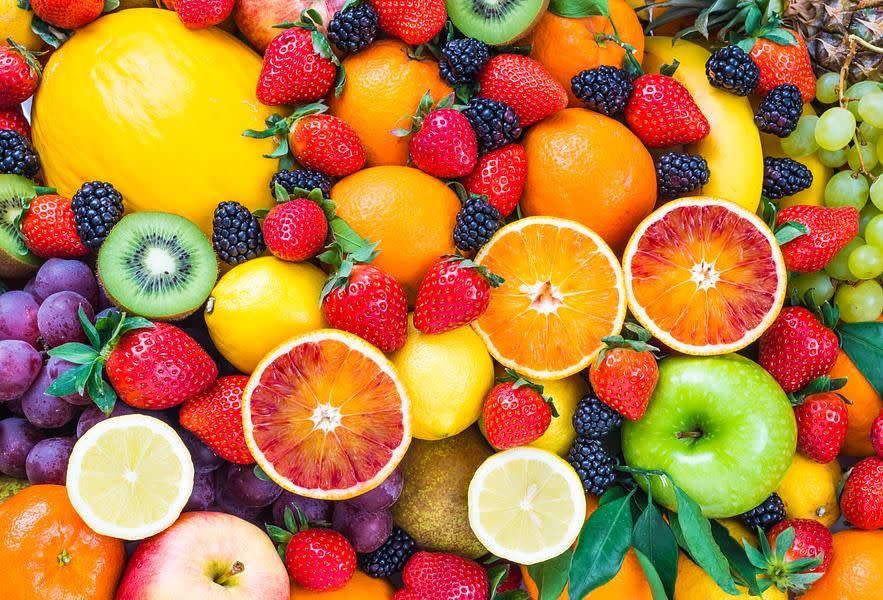
That grocery store strawberry you bought in January? That grocery store strawberry you bought in January? It was likely picked before peak ripeness and spent days in transit, arriving less flavorful than one harvested in season. Spring changes everything, flooding markets with fruits so ripe and vibrant they barely make it home before you start snacking.
Key takeaways:
Spring fruits peak between March and May, delivering better flavor, more nutrients, and lower prices than their out-of-season counterparts.
This season's lineup goes far beyond strawberries, including tropical favorites like mangoes and lychees, plus hidden gems like loquats and mulberries.
Knowing how to select, store, and use seasonal produce helps you get the most out of spring's short but spectacular harvest.
Chef-crafted meals built around fresh, seasonal ingredients make it easy to enjoy spring flavors without the prep work.
What does spring fruit mean
Spring fruits are fruits that reach peak ripeness and flavor between March and May. If you're wondering what fruit is in season right now, the answer shifts by region, but the spring harvest generally includes berries, stone fruits, tropical varieties, and a few wildcards like rhubarb and loquats.
Eating produce in season isn't just a trendy move. Fruits picked at peak ripeness taste sweeter, carry more nutrients, and travel shorter distances to your plate since nutrients are lost after harvest¹.
Peak season: March through May in most U.S. regions
Regional variations: Southern states see earlier harvests; northern climates may extend into early June
Cost: In-season produce is typically more affordable because supply is abundant, and seasonal eating is budget-friendly².
Which fruits are in season in spring
The list of fruits available during spring is surprisingly diverse. Here's a quick look at what fruits are in season now, organized by category:
Berries: Strawberries, mulberries
Stone fruits: Cherries, apricots, plums
Tropical fruits: Pineapples, mangoes, passion fruit, lychees
Unique picks: Rhubarb, loquats, kiwis
Not every fruit appears at the same time. Early spring leans tropical, while late spring ushers in berries and stone fruits. Shopping at local farmers markets is one of the easiest ways to know exactly which fruits in season now are freshest in your area.
Looking for more ways to work fruit into a balanced diet? Explore our guide to 15 high-protein fruits to boost your healthy diet.
Twelve fresh spring favorites
Here's the complete list of fruits worth seeking out this spring, with tips on flavor, nutrition, and how to pick the best ones.
1. Strawberries
Strawberries are the unofficial mascots of spring, arriving as early as April and sticking around through June. They're packed with vitamin C³, fiber, and antioxidants.
Choose firm, fragrant berries with a deep red color and no white patches near the stem. Store them unwashed in the refrigerator and rinse just before eating.
2. Cherries
Sweet varieties like Bing and Rainier start appearing in May, while tart Montmorency cherries follow close behind. They're rich in antioxidants and naturally contain melatonin⁴.
Look for firm flesh and green, attached stems. Refrigerate immediately to preserve freshness.
3. Apricots
Apricots bring a sweet-tart, honey-like flavor that peaks between May and June. They deliver generous amounts of vitamin A, potassium, and fiber.
A ripe apricot yields slightly to gentle pressure without feeling mushy. Eat within a few days of purchase since they bruise easily.
4. Pineapples
Pineapples hit their stride from March through May, offering tropical sweetness and tang. They're an excellent source of vitamin C and bromelain⁵, an enzyme that supports digestion.
The ripeness test is simple: flip the pineapple over and smell the base. A sweet, fragrant aroma means it's ready.
5. Mangoes
Few fruits announce spring quite like a perfectly ripe mango. Peak season runs April through June, and the creamy flesh is loaded with vitamins A and C.
Don't judge by color alone. A ripe mango yields slightly when squeezed and smells sweet near the stem.
Fun fact: While there are many types of mangoes around the world, popular varieties like Ataulfo, Tommy Atkins, and Kent are among those most often found in U.S. grocery stores.
6. Kiwis
Don't let the fuzzy brown exterior fool you. Kiwis deliver a tangy-sweet punch with more vitamin C per ounce than oranges. They peak in late spring and are also rich in fiber.
Ripe kiwis give slightly when pressed, similar to a ripe avocado. If yours are still firm, leave them on the counter for a few days.
7. Mulberries
Mulberries are the spring fruit you probably haven't tried yet. These sweet, slightly earthy berries ripen in May and June and are loaded with antioxidants, vitamin C, and iron.
You won't find them in most grocery stores because they spoil quickly. Farmers markets and backyard trees are your best bet.
8. Rhubarb
Rhubarb is technically a vegetable, but its tart, tangy stalks have earned a permanent spot in the fruit world. It peaks April through June and provides fiber, vitamin K, and calcium.
Choose firm, brightly colored stalks. Important: only eat the stalks. Rhubarb leaves contain oxalic acid⁶ and are toxic.
9. Loquats
Loquats are small, golden fruits with a flavor that dances between peach and citrus. They ripen in April and May and are high in vitamin A.
Look for them at Asian grocery stores or specialty markets. Choose firm, unblemished fruit with a warm golden hue.
10. Lychees
Lychees bring a floral, perfumed sweetness unlike anything else on this list. They arrive in late spring and deliver a solid dose of vitamin C and B vitamins.
The shell should be bright pinkish-red and free of cracks. Peel away the bumpy skin to reveal translucent, juicy flesh inside.
11. Passion fruit
Wrinkled skin on a passion fruit is actually a good sign, meaning the fruit is ripe. Peak season runs March through May, and the tart, aromatic pulp is rich in fiber and antioxidants.
Cut it in half and scoop out the seeds and pulp with a spoon. The seeds are edible and add a satisfying crunch.
12. Plums
Plums bridge the gap between spring and summer, with early varieties arriving in May. They offer a sweet-tart flavor along with antioxidants and vitamins C and K.
A ripe plum yields slightly to pressure and has a natural powdery coating called bloom. That coating is a sign of freshness, not something to wash off early.
Craving meals that celebrate seasonal produce without the prep work? Explore the weekly menu and select your meals. Award-winning chefs craft every dish with fresh, seasonal ingredients.
How to select and store your spring produce
Choosing ripe fruits
A few universal cues help you pick the best produce, no matter the variety:
Color: Vibrant, uniform hues indicate ripeness
Texture: Firm with slight give for stone fruits and tropicals; plump for berries
Aroma: A sweet smell at the stem or base is one of the most reliable indicators
Appearance: Skip anything with bruises, mold, or soft spots
Storing to maximize freshness
Fruit type | Storage method | Shelf life |
|---|---|---|
Berries | Store unwashed in the refrigerator and rinse just before eating | Best enjoyed fresh |
Stone fruits | Let ripen at room temperature, then move to the fridge to enjoy within a few days |
|
Tropical fruits | Keep at room temperature until ripe, then transfer to the fridge to enjoy them at their best |
|
Kiwis and passion fruit | Let ripen at room temperature, then move to the fridge to maintain freshness |
|
Rhubarb | Wrap in a damp cloth and store in the refrigerator to help maintain freshness |
|
Never wash berries until you're ready to eat them. Moisture accelerates mold growth faster than almost anything else.
Simple ways to enjoy seasonal fruits
Fresh snacks and salads
Sometimes the best approach is the simplest. A handful of cherries, sliced mango, or ripe apricots make effortless snacks that need zero embellishment.
Strawberries + spinach + balsamic: A classic spring salad
Mango + avocado + lime: A refreshing tropical bowl
Loquats + arugula + shaved parmesan: An unexpected sweet-savory combination
Baking and desserts
Spring fruits shine in baked goods where their natural sweetness does the heavy lifting. Strawberry shortcake remains a seasonal classic, and rhubarb crisp with a buttery oat topping is the kind of dessert that earns second helpings.
Cherry clafoutis, a simple French custard baked with whole cherries, is another crowd-pleaser requiring minimal effort.
Preserving for later
Freezing is the simplest way to capture spring's bounty year-round, and frozen produce often remains nutritionally equivalent⁷ to fresh. Spread berries or sliced stone fruits on a baking sheet, freeze until solid, then transfer to airtight bags.
Strawberry-rhubarb jam is a springtime tradition worth trying at least once. The tartness of rhubarb balances the sweetness of strawberries beautifully.
Following a keto lifestyle and wondering which spring fruits fit your macros? Check out our guide to what fruits are keto-friendly for nine healthy options.
Enjoying spring's best produce and next steps
Spring produce doesn't stick around forever, and that fleeting quality is part of what makes it special. The window for peak strawberries, cherries, and apricots is measured in weeks, not months.
If you love seasonal eating but don't always have time to shop, prep, and cook, that's where CookUnity comes in. Top, real chefs craft meals using fresh, seasonal ingredients and deliver them ready to heat. No grocery runs, no chopping, no cleanup.
Whether you're biting into your first strawberry of the year or discovering loquats for the first time, spring rewards the curious eater. Say yes to something new. Taste everything.
Explore the weekly menu and select your meals.
FAQs about spring fruits
What is the best way to freeze ripe spring fruits at home?
Spread washed, dried fruit in a single layer on a parchment-lined baking sheet, freeze until firm, then store in airtight freezer bags to help avoid clumping.
Are loquats and mulberries available at regular grocery stores?
Most conventional grocery stores don't stock loquats or mulberries because both fruits are extremely perishable. Your best sources are local farmers markets, Asian grocery stores, or backyard trees.
How do spring fruits differ nutritionally from winter fruits?
Spring fruits like berries and stone fruits tend to be higher in antioxidants and vitamin C, while winter fruits like citrus and pomegranates are richer in certain flavonoids and vitamin A. Eating a variety across seasons supports a well-rounded diet.
Can people with food allergies safely eat uncommon spring fruits like lychees and passion fruit?
If you have known fruit allergies, especially to latex-related fruits⁸, introduce new varieties like lychees and passion fruit cautiously and consult your doctor before trying them for the first time.
Sources:

Be the first to know about new offers
Multiorder discounts, free items and more.