Back
Back15 high-protein fruits to add to your healthy diet
Reviewed by Culinary Nutritionist | Kristy Del Coro, MS, RDN, LDN
Whether you're dashing between meetings or just powering through your day, plant-based proteins are your secret weapon—and fruits might just be the most unexpected ally in your lineup.
While meat, eggs, and dairy often dominate the conversation around protein intake, they’re not the only game in town. For those skipping animal products—or simply craving something different—protein-rich fruits offer a fresh, flavorful alternative that’s as satisfying as it is surprising.
The idea that fruit can be a meaningful source of protein might seem like a stretch, but trust us: some of nature’s sweetest treats are hiding serious muscle. In addition to being packed with essential nutrients like vitamins, minerals, and antioxidants, these fruits deliver on the protein front too.
Adding more plant-based proteins to your plate doesn’t have to be complicated—or boring. With these 15 fruits, you can satisfy your sweet tooth and give your body the fuel it needs to thrive.
Keep reading to discover the 15 fruits with the most protein—and how to sneak them deliciously into your daily routine.
Key takeaways:
Protein is essential in repairing your cells, building muscles, and maintaining a healthy immune system.
While not the ultimate high-protein food, some fruits, such as avocados, pomegranates, apricots, and berries, contain sufficient protein to supplement your diet.
There are numerous ways to enjoy fruit—from eating it plain, to adding it to your cereal, blending it into amazing smoothies, or even using it as a spread on toast.
What is protein?
Protein isn’t just about building muscle—it’s made up of amino acids, the mighty building blocks your body uses to repair cells, strengthen tissues, and keep everything humming from the inside out. Whether you're chasing fitness goals or just trying to feel your best, getting the right amount of protein intake is key to unlocking real health benefits.
Everyone’s needs are different—there’s no one-size-fits-all formula here. That’s why it’s always a smart move to check in with your doctor or a registered dietitian to figure out what your body truly needs. Because when your protein game is on point, your overall health gets a serious upgrade.
The top 15 high-protein fruits for a balanced diet
Not all fruits are created equal—some sneak in more protein than you’d ever expect. We’ve rounded up the most protein-rich foods from the fruit world to help you level up your snack game with delicious, natural plant-based proteins.
Curious which fruits pull double duty as sweet treats and protein boosters? Here’s our juicy list of the top 15 high-protein fruits to keep your cravings (and your muscles) satisfied.
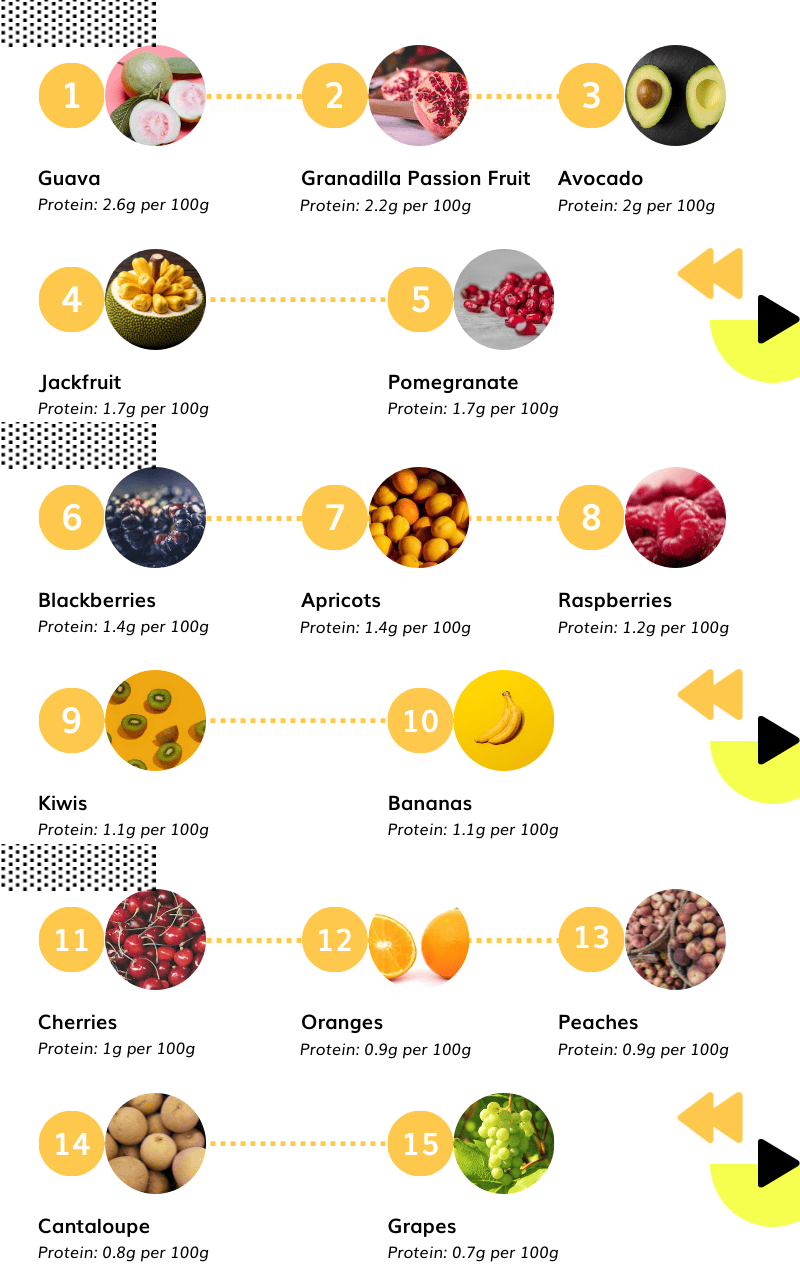
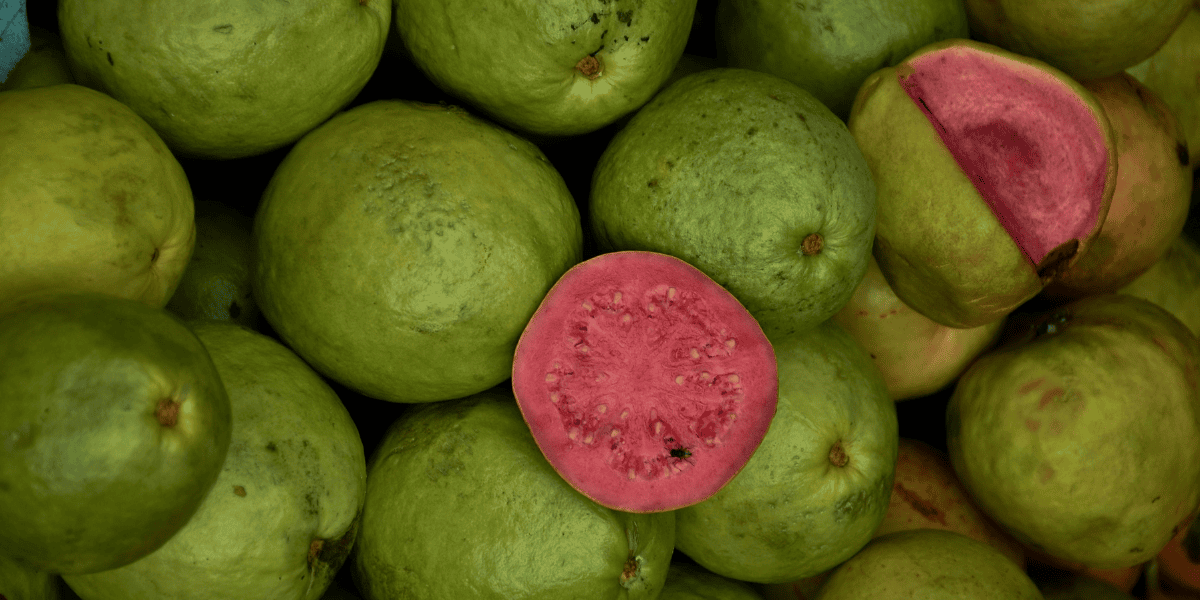
1. Guavas – 2.6grams of protein per 100-gram serving
Guava is one of the most protein-rich fruits. It also contains a high quantity of vitamin C and fiber. You can simply bite into it (like an apple), and the best part is that all of it is edible—even the seeds. This is not all you can do with it, though. Guavas can be added to drinks and smoothies, salads, and even cooked into jams or jellies. 1 guava fruit is about 55 grams, so roughly 2 servings provides 2.6 grams of protein while a one-cup serving will equal 4 total grams of protein.
2. Granadilla passion fruit – 2.2 grams of protein per 100-gram serving
This round, purple tropical fruit has a high protein content. While slightly difficult to eat, as its pulp is intermixed with crispy seeds, passion fruit is a popular addition to juices and smoothies. 1 cup of granadilla contains around 5 grams of protein.
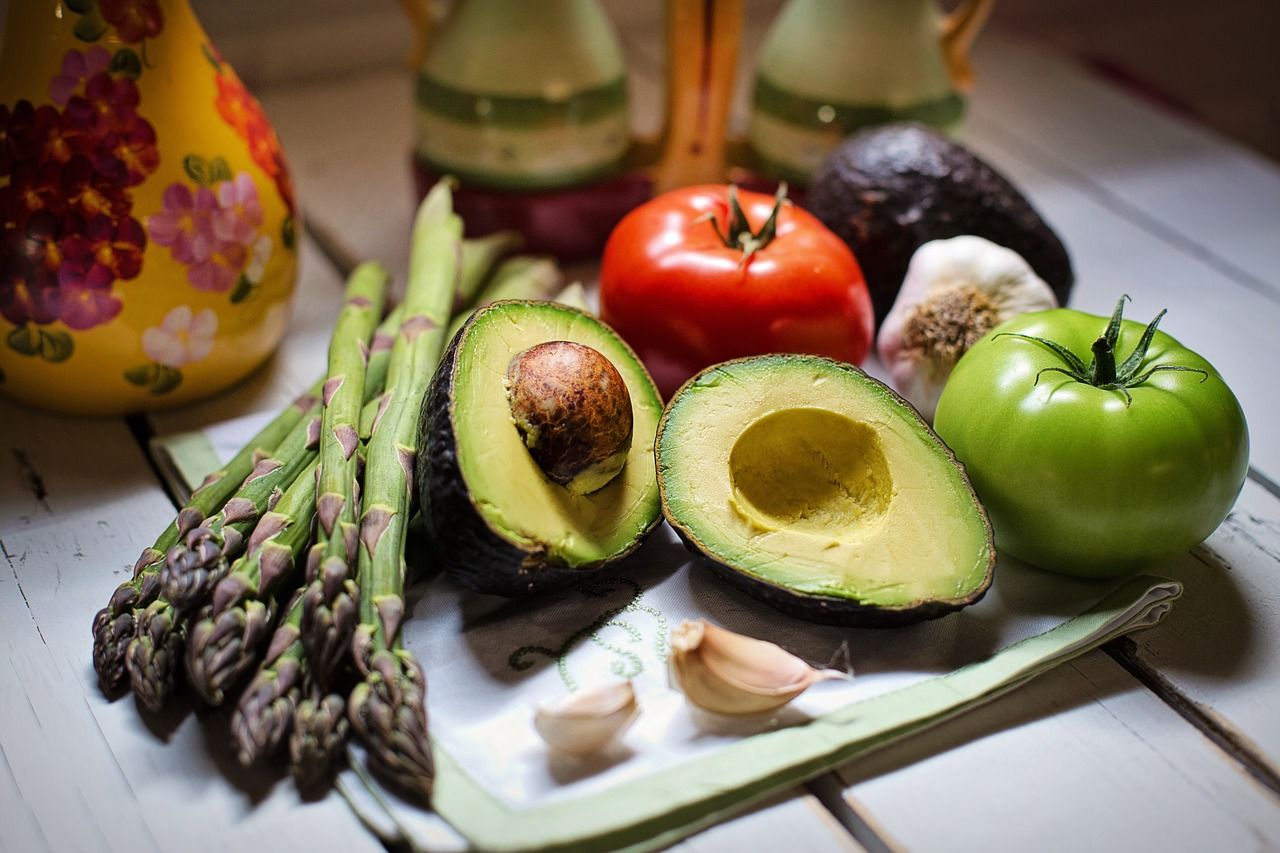
3. Avocados – 2 grams of protein per 100-gram serving
Avocados, the main ingredient in guacamole, are a popular fruit that contain healthy fats and some protein. They are also an excellent source of fiber, potassium, and vitamin E. Avocados are delicious additions to salads, as a spread on a sandwich, and even plain, sprinkled with a bit of lemon juice, salt, and pepper. One medium avocado weighs about 136 grams and contains about 2.7 grams of protein.
4. Jackfruit – 1.7 grams of protein per 100-gram serving
Often used as a vegan meat substitute, jackfruit is a large, spiky fruit that is often sold canned or cut. The canned variety contains young jackfruits that are usually used as a meat substitute in various cooked dishes. Jackfruit works great in stir-fries or curries because it absorbs flavor very well. Note that canned jackfruit with syrup will contain less protein than the fresh fruit. 1 cup, or 165 grams, of jackfruit contains about 2.8 grams of protein.
Try these Jackfruit Stuffed Poblano Peppers by Chef Nahika Hillery.
5. Pomegranates – 1.7 grams of protein per 100-gram serving
Highly popular in Middle Eastern cuisine, pomegranates come packed with vitamins, antioxidants, and elements essential for your health. Its ruby-like seeds are a wonderful and creative addition to salads and even stews or vegetable ragouts. Just separate them from the membrane and sprinkle as much as you need over your plate. Not only will your meal look lovely, the sweet-sour taste is very pleasant, too. 1 pomegranate is about 282 grams and provides about 4.7 grams of protein.
6. Blackberries – 1.4 grams per 100-gram serving
With their slightly sour flavor, blackberries are often included in various berry mixes. Adding them to your cereal or mixing them into smoothies with other berries are all great ways of getting their protein benefits. 1 cup of blackberries, or 144 grams, provides about 2 grams of protein.
7. Apricots – 1.4 grams per 100-gram serving
The apricot is another example of a high-protein fruit that’s also delicious. Tasty on their own, you can always slice them and put them on toast, or even add them to salads. Dried apricots contain an even higher amount of protein than the fresh fruit. They make a great snack, especially alongside nuts. Also, don't forget that the kernels of apricots contain B17, a vitamin that has proven antioxidant properties. 1 cup of apricots, or 155 grams, contains about 2.2 grams of protein.
8. Raspberries – 1.2 grams per 100-gram serving
Raspberry is another berry variety with a high amount of protein. Summer-y and sweet, they are the perfect addition to breakfast foods like yogurt parfaits. They also make an entirely effortless snack (step aside, potato chips). As an excellent source of fiber, they are also great for managing blood sugar levels. A 1 cup serving of raspberries, or 123 gram, provides about 1.5 grams of protein.
9. Kiwis – 1.1 grams per 100-gram serving
The sour-sweet kiwi fruit contains protein, as well as vitamin C. It’s a great addition to smoothies and other refreshing drinks, and it can also be cut and eaten plain. If you like sour fruits, slice the kiwi when it’s still hard on the outside. The longer you let it sit, the sweeter it'll become. 1 cup of kiwi, or 180 grams, provides about 2.1 grams of protein.
10. Bananas – 1.1 grams per 100-gram serving
Bananas pair well with peanut butter, yogurt, and other fruits, like berries. They are also great in smoothies because of their deliciously creamy texture. Bananas make an excellent quick, nutritious snack for those on the go. 1 large banana, or 136 grams, contains about 1.5 grams of protein.
Try these Fluffy Banana Pancakes by Chef John DeLucie, or this Matcha Banana Smoothie Bowl by Chef Raymundo Agrazal.
11. Cherries – 1 grams per 100-gram serving
Cherries are a familiar favorite that many people associate with summer. They make a wonderful snack and can be added to smoothies if you buy them frozen and pitted. Dried cherries are also available, but some dried fruits are sold sweetened, so watch out if you don’t want to increase your sugar intake. 1 cup of pitted cherries, or 155 grams, contains about 1.6 grams of protein.
12. Oranges – 0.9 grams per 100-gram serving
Although best known for their high vitamin C content, oranges are also relatively protein-rich. A glass of fresh squeezed orange juice or raw oranges cut and added to your fruit salad can be a great supplementary source of plant-based protein. 1 orange is about 100 grams and contains almost 1 gram of protein.
13. Peaches – 0.9 grams per 100-gram serving
The peach is a sweet and tasty summer fruit. They also contain protein, just like their close relative, the nectarine. Peaches are wonderful on toast with some cream cheese, a sweet addition to cottage cheese, in summer salads, and even cooked and paired with meats. 1 medium peach, or 147 grams, contains about 1 gram of protein.
14. Cantaloupe – 0.8 grams per 100-gram serving
This large, orange melon has a distinctively smooth taste, and is rich in nutrients such as vitamin C, vitamin A, and folate. You can always cut it into smaller pieces and add it to other fruit for a delicious fruit salad. Alternatively, you can have it in smoothies or even homemade melon ice cream. 1 cup of cantaloupe contains about 1.5 grams of protein.
15. Grapes – 0.7 grams per 100-gram serving
Both white and red grapes contain relatively high amounts of protein, and they can be a mouth-watering snack. In addition to eating them plain, grapes pair well with crackers and various cheeses, such as cottage cheese (another great high-protein snack). Their wrinkly elders, raisins, are packed with protein as well! 1 cup of grapes, or 150 grams, contains about 1.1 grams of protein. Half a cup of raisins contains about 2.5 grams of protein.
If you're aiming to maintain a high-protein diet without the hassle of cooking, we make it easy. We offer chef-prepared meals that incorporate high-protein fruits like avocado and guava, providing a convenient way to enjoy nutritious meals. Skip the meal prep and have fresh, healthy dishes delivered right to your door. Try CookUnity and save 50% on your first week and 10% on the next three today!
What fruit has the most protein?
The fruits highest in protein include avocados, which contain nearly 3 grams of protein per medium avocado, and jackfruit, which contains about three grams of protein per cup. But the star of high-protein fruits is the guava. This tropical fruit contains a whopping four grams of protein per cup, more than four times the amount of protein in fruits like apples or honeydew melon.
Looking for creative ways to add guava to your diet? For breakfast, try this Greek Yogurt Parfait with Guava Puree. For lunch or dinner, this Trio of Empanadas: Beef, Spinach, and Guava will have you dreaming about the next time you can eat it.
Practical tips for adding high-protein fruits to meals
Who says protein has to be boring?
High-protein fruits are a delicious way to power up your day—and working them into your routine is easier (and tastier) than you think. Slice up an avocado for your sandwich, or toss some juicy guava into your morning smoothie for a tropical, protein-packed twist.
There’s no wrong way to fruit. Mix them into vibrant salads, layer them on toast for a breakfast worth waking up for, or blend your favorites into a refreshing smoothie that hits just right. Protein goals, meet flavor goals.
Making a good fruit snack doesn’t have to be complicated—just start with a mix of your favorite fruits. Go for a blend of flavors (think sweet meets tangy) and slice them into bite-sized pieces for easy snacking.
Want to take things up a notch? Add a handful of nuts or seeds for a hit of plant-based protein, or toss in some crisp veggies for extra crunch. If dairy’s in your diet, a few bites of mozzarella or your go-to cheese can turn this into a bold, crave-worthy snack—or even a light, satisfying meal.
Pro-tips for adding fruit to help you meet your protein goals
A single fruit might not pack a huge amount of protein on its own—but when you enjoy the recommended 1.5 to 2 cups a day (yes, fruit lovers, that's your green light), those grams start to add up. Pair your picks with high-protein vegetables, and suddenly your plant-powered plate is doing some serious heavy lifting for your daily protein goals.
Here are some tips for incorporating some fruits on this list into your daily meals:
Substitute meat for jackfruit; this is great in tacos or tossed with BBQ sauce.
Add fresh cut high-protein fruits like guavas or avocados to a salad, smoothie, or oatmeal.
Snack on a fresh fruit bowl in between meals or as dessert.
Spread avocado onto toast for a snack or mini-meal any time of day.
Blend several different high-protein fruits together to make a smoothie bowl. Top with other plant-based protein sources like shaved almonds or chia seeds. And mix in your favorite protein powder. Including sources of additional nutrition provokes overall wellness benefits while still striving for a highest protein intake. If you’re interested in expanding your palate but feel overwhelmed by the options, you can trust us to deliver healthy, high-protein meals created by celebrated chefs and suitable for a variety of diets.
Check out our delicious and fruity meal options: This summery Peach Yogurt Parfait, our savory and protein-rich Jack Fruit Tacos, or a simple but healthy Fresh Fruits Bowl.
Here’s how it works: Select your food and diet preferences, pick the meals you want, and wait for chef-crafted, restaurant-quality meals to be delivered to your doorstep.
Check out our menu, and get ready to enjoy fresh, delicious meals that meet your protein needs.
Recent advancements in plant-based protein
Animal products like meat, fish, and eggs are often cited as the best sources of protein, because of the high bioavailability of the protein in animal products (meaning it is absorbed by the body very efficiently).
However, animal products can be environmentally sustainable, are associated with certain health risks such as chronic inflammation and heart disease, and are often less affordable than plant products, leading many people to pursue plant-based diets. Plant-based proteins—such as beans, nuts, and high-protein fruits and vegetables—are widely available, and when eaten with other plant-based protein foods that complement each other’s amino acid profile, can provide complete protein pairings. For example, pairing beans with whole grains provides you with all nine essential amino acids. Plus, recent advancements in fortified foods have made a plant-based diet high in protein even more attainable.
Protein fortification in fruit-based snacks
Here’s where things get juicy: to unlock new sources of plant-based proteins, researchers are exploring ways to turn the seeds of high-protein fruits—like avocados and jackfruit—into nutrient-dense powders that can be used in supplements. Others are cooking up ways to boost the protein content in fruit-based snacks like fruit leather and juices.
Why all the buzz? Because globally, protein-fortified foods are already a $67 billion market—and it’s only going up. The future of food is functional, and fruit is stepping into the spotlight.
Regulatory updates on protein labeling
When it comes to nutrition labels, the Food and Drug Administration (FDA) is the one calling the shots. They require packaged foods to list key info about macronutrients, including the all-important protein content—so you can better understand how each bite fits into your daily protein needs.
But here’s the catch: raw fruits and veggies don’t always come with labels. So if you’re curious about what’s really inside that mango or kale, head over to the USDA’s FoodData Central. It’s a treasure trove of data on everything from protein content to fiber, vitamins, minerals, and beyond—basically, your backstage pass to what makes real food powerful.
FAQs about high-protein fruits
Is banana high in protein?
For a fruit, bananas contain a fair amount of protein: one medium banana contains 1.29 grams of protein. Bananas are also a healthy snack and a good source of fiber, potassium, and magnesium.
How can I increase my protein?
The easiest way to increase your protein intake is to seek a variety of foods with protein, such as meat, fish, eggs, beans, nuts, and some fruits and vegetables.
What are seven foods rich in protein?
Seven foods rich in protein include:
Eggs
Lean meat
Dairy
Legumes
Nuts
Seeds
Certain fruits and vegetables, like guavas, avocados, and brussels sprouts
How much protein should I eat per day?
The minimum amount of protein you need each day is 0.8 grams per kilogram of your weight, or 0.36 per pound. It’s easy to calculate how much protein you need: Simply multiply your body weight by 0.36 (for pounds) or 0.8 (for kilograms). You can also use a protein intake calculator.
How much fruit should you eat per day?
Most nutritionists agree that an adult person needs 2 to 3 servings of fruit per day. So, it's a good idea to include some fruit with each meal you eat.
Which fruit has the least carbs?
Olives and avocados contain the least carbohydrates. There are several other low-carb fruit types if you're on the keto diet, such as blackberries and raspberries.
Which vegetable is high in protein?
Many vegetables bring the heat when it comes to protein—think lentils, spinach, beans, asparagus, broccoli, cauliflower, and Brussels sprouts. Want the full rundown? Explore our guide to 15 High-Protein Vegetables You Should Add to Your Diet, and start building a plate that works just as hard as you do.
Final Thoughts
Whether you’ve decided to go plant-based or you simply want to add more variety to your diet, you’ve got a lot of protein sources to experiment with! As our list shows, there are many high protein fruits that are both delicious and contain the nutrients our bodies need to function. Get creative with these different protein-rich fruits to make meeting your daily protein intake a little easier and more delicious.
Check out these Easy High Protein Meal Prep Ideas: Plant & Animal-Based, or skip the prep work and get fresh and delicious chef-crafted meals tailored to your dietary needs, delivered straight to your door: Explore our menu.
Ready to make healthy eating effortless? Our fresh, ready-to-eat meals cater to various dietary needs, including high-protein diets, and are delivered right to your door. Try us today, and save 50% on your first week and 10% on the next three!
More power foods to add to your rotation
If high-protein fruits are your new favorite flex, don’t stop here. These guides go deeper into protein-packed foods and prep strategies that’ll keep you energized and satisfied from morning to meal prep:
Easy High-Protein Meal Prep Ideas: Plant & Meat-Based Recipes
20 Carnivore Diet Snacks: Animal-Based, Easy, On-the-Go Options
Carnivore Diet Meal Plan: 7-Days of Breakfast, Lunch, & Dinner
Sources

Be the first to know about new offers
Multiorder discounts, free items and more.