Back
Two of the biggest names in low-carb eating are battling for attention: keto and the carnivore diet. Both promise weight loss, mental clarity, and reduced inflammation by cutting carbs, but their approaches couldn’t be more different. Keto allows low-carb vegetables, nuts, and seeds, while carnivore eliminates all plant foods entirely.
So which diet works better? And where does the rising ketovore diet—a flexible mix of keto and carnivore—fit in?
In this guide, we’ll break down what the carnivore diet is, highlight the key differences in carnivore vs keto, share carnivore diet benefits, and help you decide which eating style makes the most sense for your lifestyle.
Key takeaways:
The carnivore diet eliminates all plant foods, while keto allows low-carb vegetables, nuts, and seeds.
Both diets can support weight loss, blood sugar control, and inflammation management by reducing carbohydrates.
The ketovore diet blends both approaches, focusing on animal foods while allowing small amounts of plant foods.
Keto vs carnivore comes down to preference. Keto is more flexible, carnivore is more restrictive, and ketovore sits in the middle.
The best diet is the one you can maintain long term and that aligns with your health goals.
What is the carnivore diet?
The carnivore diet is a zero-carb approach that focuses entirely on animal products. That means meat, fish, eggs, and sometimes dairy. It also means no vegetables, fruits, grains, nuts, or seeds. It sits at the most restrictive end of the low-carb spectrum and is often described as an elimination diet.
Supporters highlight several potential carnivore diet benefits, including reduced inflammation, improved autoimmune symptoms, and easier digestion by removing plant-based foods. Others are drawn to its simplicity, since meal planning becomes straightforward when your options are limited to animal foods.
The diet has gained attention through advocates such as Dr. Shawn Baker and Jordan Peterson, both of whom have shared personal success stories. While research is still emerging, many followers report weight loss, better energy, and improved focus when shifting to a carnivore lifestyle.
Core principles
The carnivore diet is built on one simple idea: eat only animal products and cut out everything else. Advocates believe this mirrors how early humans may have eaten before agriculture and argue that it can simplify nutrition while reducing common irritants found in plant foods.
Here are the main principles of the carnivore diet:
Zero plants: No vegetables, fruits, grains, nuts, seeds, or plant oils.
Animal-focused: Centered on meat, fish, eggs, and sometimes dairy.
High-protein: Delivers complete proteins with all essential amino acids.
Nutrient density: Often includes organ meats for vitamins and minerals.
Simplicity: Removes the need for calorie counting or detailed tracking.
For many people, the appeal lies in its straightforwardness. Fewer food choices make it easier to stay consistent, and some report better digestion and energy once plants are removed. These are among the most cited carnivore diet benefits.
Curious about starting a carnivore diet? Check out our comprehensive carnivore diet meal plan with breakfast, lunch, and dinner ideas to make the transition easier.
Strict vs. flexible approaches
The carnivore diet isn’t one-size-fits-all. People often adapt it based on their health goals, tolerance for certain foods, and lifestyle. Some follow a very strict version, while others take a more flexible approach that adds small allowances.
Here are the most common styles:
Strict carnivore: Meat, fish, and eggs only.
Standard carnivore: Adds in some dairy like butter or cheese.
Flexible: Allows minimal extras, such as herbs, spices, or the occasional low-carb plant food.
The benefit of this sliding scale is that it gives people the chance to experiment. While strict versions maximize simplicity, more flexible approaches can make the diet easier to sustain over time. Both options still deliver many of the reported carnivore diet benefits, from weight loss to improved energy.
What is the keto diet?
The ketogenic diet, or keto, is a high-fat, moderate-protein, very low-carbohydrate way of eating. The goal is to shift your body’s metabolism from burning glucose to burning fat for fuel, a state known as ketosis. To get there, carb intake is usually limited to about 20 to 50 grams per day.
Unlike the carnivore diet, keto allows a variety of plant foods, as long as they fit within your daily carb limit. Non-starchy vegetables, nuts, seeds, and even small amounts of berries are all part of a typical keto meal plan. This flexibility makes keto more approachable for people who want dietary variety while still enjoying the fat-burning benefits of ketosis.
Originally developed to treat epilepsy, keto is now popular for weight management and metabolic health. Many followers report increased energy, improved focus, and more stable blood sugar.
The ketovore diet has also emerged as a middle ground between keto and carnivore. It prioritizes animal foods but allows limited low-carb plant options, making it less restrictive than carnivore while still lower in carbs than standard keto.

Example: Our Keto Chicken Carnitas Bowl by Chef Ruben Garcia demonstrates how keto meals can include vegetables while maintaining low-carb counts.
Core principles
The keto diet is built around carefully balancing macronutrients to maintain ketosis. This requires limiting carbohydrates, prioritizing fats, and keeping protein at a moderate level. The goal is to train your body to use fat as its primary fuel source.
Here are the main principles of the keto diet:
Carb restriction: Limit carbs to about 20–50 grams per day to reach and maintain ketosis.
Fat as fuel: Aim for 70–80% of calories from healthy fats.
Moderate protein: Keep protein steady to avoid disrupting ketosis.
Plant flexibility: Include low-carb vegetables, nuts, seeds, and small amounts of berries.
Tracking intake: Monitor macros to ensure consistency and results.
Compared to the carnivore diet, keto allows much more variety. While carnivore is about simplicity and strict elimination, keto focuses on precision and balance. Both diets can support fat burning, but many find keto easier to follow long term since it includes more options and everyday keto diet staples.
Not sure about the difference between net carbs and total carbs? Learn why this distinction matters for ketosis in our guide that breaks down the difference between keto net carb and total carb.
Foods allowed for each diet
Understanding what you can eat on each plan is key to success. The carnivore diet is more restrictive and focuses only on animal products, while the keto diet allows a wider range of foods as long as they are low in carbs.
Here’s how they compare:
Food category | Carnivore diet | Keto diet |
|---|---|---|
Meats | All types (beef, pork, poultry, lamb) | All types |
Fish & Seafood | All types | All types |
Eggs | Yes | Yes |
Dairy | Some versions allow | Most types (full-fat only) |
Vegetables | No | Non-starchy vegetables |
Fruits | No | Limited berries in small amounts |
Nuts & Seeds | No | Yes (in moderation) |
Oils & Fats | Animal-derived only | Animal fats plus plant oils |
Sweeteners | No | Some artificial sweeteners |
Beverages | Water, bone broth | Water, unsweetened coffee/tea |
Keto offers more variety, but requires careful tracking. Carnivore is simpler to follow but limits food choices to a smaller set of carnivore diet staples. The ketovore diet combines both approaches by focusing on animal foods while allowing a few low-carb plant options, giving followers a little more flexibility without moving fully back to keto.
Carnivore-friendly foods

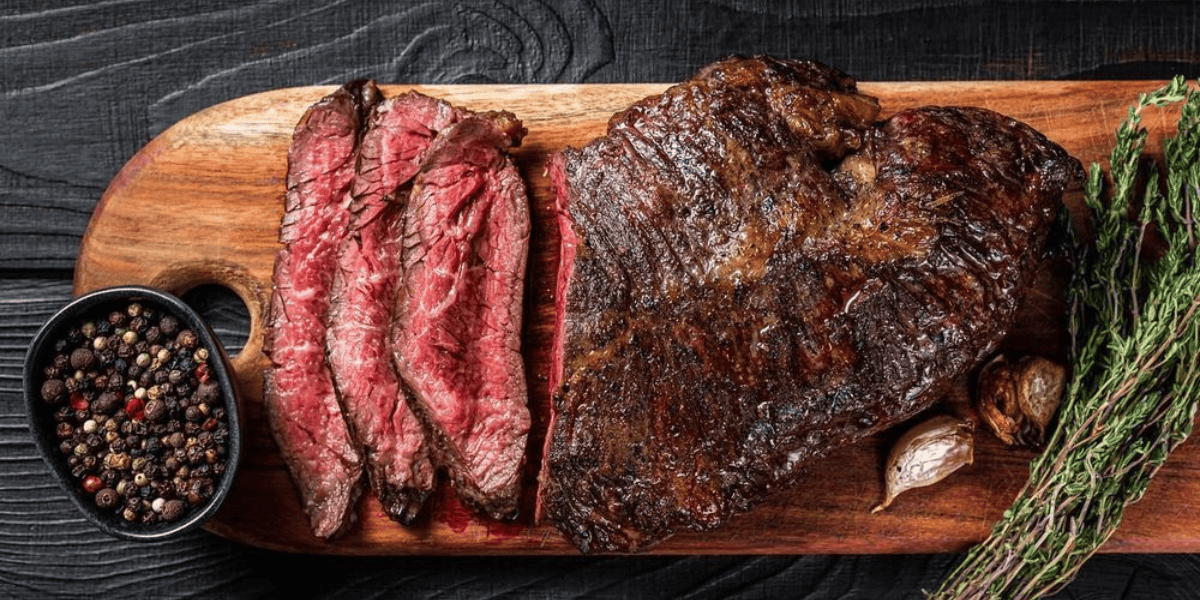
The carnivore diet relies on a focused but nutrient-dense list of foods. Followers often choose fattier cuts to provide enough energy since carbs are completely removed. These staples form the foundation of most carnivore diet foods lists:
Ribeye, strip, and chuck steaks
Organ meats such as liver, heart, and kidney
Fatty fish like salmon and mackerel
Eggs
Bone marrow and bone broth
Full-fat dairy, if tolerated
Many people highlight the simplicity of eating this way as one of the core carnivore diet benefits. With fewer decisions to make, meal planning feels easier, even if variety is limited.
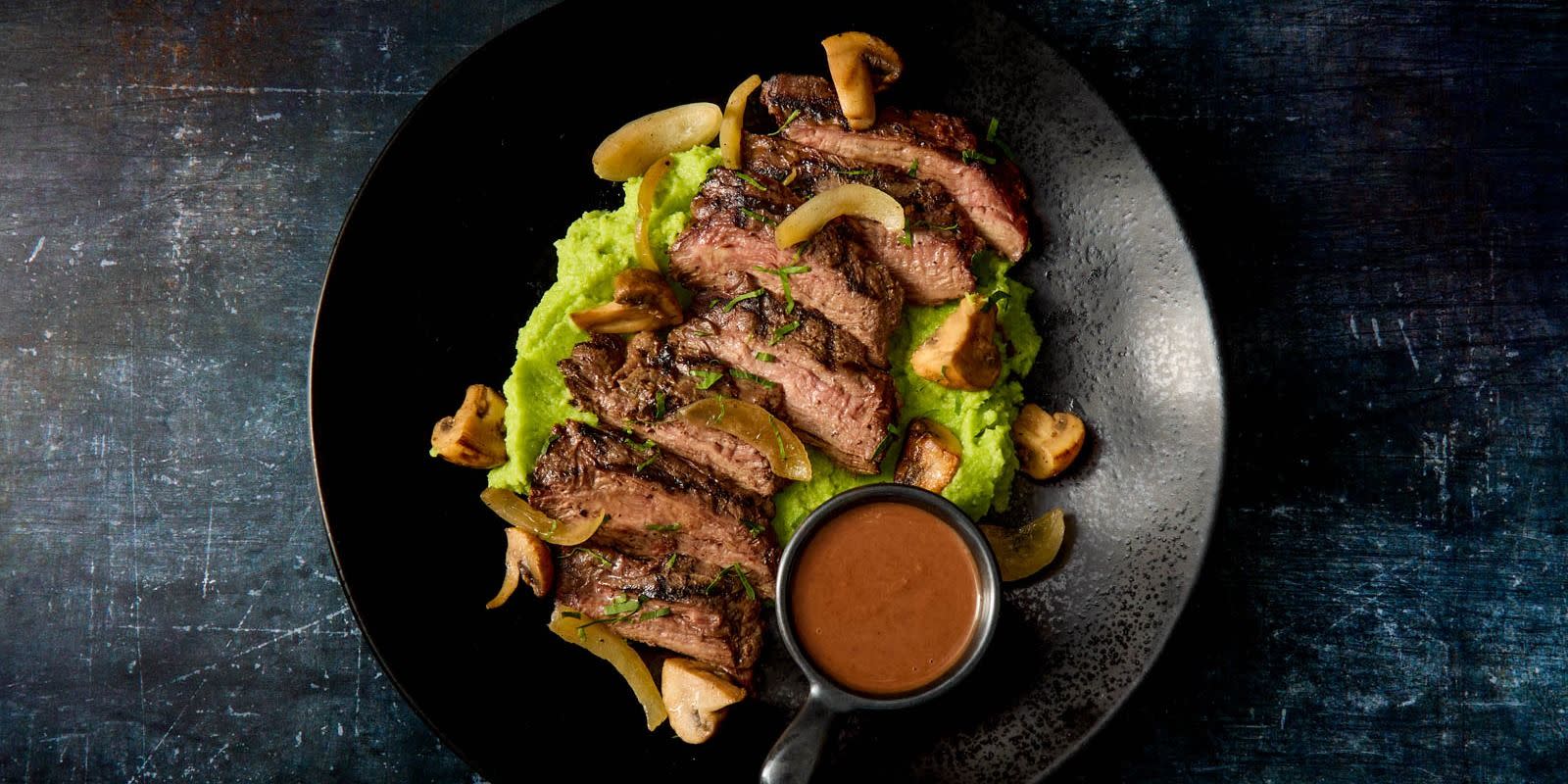
Example: Our Grilled Ribeye Steak from Chef Dustin Taylor showcases the type of high-fat, high-protein meal that forms the foundation of a carnivore diet.
Carnivore diet staples:
Rib eye, strip, and chuck steaks
Organ meats (liver, heart, kidney)
Fatty fish (salmon, mackerel)
Eggs
Bone marrow and bone broth
Full-fat dairy (if tolerated)
For a full list of carnivore diet-friendly foods, check out our carnivore diet food list.
Keto-friendly foods
The keto diet offers more variety than carnivore, thanks to its allowance for certain low-carb plant foods. This flexibility makes it easier to customize meals, balance nutrition, and keep things interesting while staying in ketosis.
Here are some common keto diet staples:
Protein: Beef, pork, poultry, lamb, seafood, and eggs
Low-carb vegetables: Cauliflower, broccoli, zucchini, spinach, kale, and other non-starchy options
Healthy fats: Olive oil, avocado oil, coconut oil, butter, and ghee
Nuts and seeds: Almonds, walnuts, chia seeds, flaxseeds, and pumpkin seeds (in moderation)
Dairy: Cheese, heavy cream, plain Greek yogurt, and other full-fat varieties
Low-sugar fruits: Berries in small amounts
This variety makes keto more adaptable to everyday life. For people who want some plant-based flexibility without fully leaving animal focus, the ketovore diet bridges the gap by combining carnivore’s protein-rich base with small amounts of vegetables and herbs.

Example: Our Loaded Cauliflower Casserole by Chef Tracey Bloom demonstrates how keto meals can incorporate vegetables while maintaining the high-fat, low-carb profile.
Explore our weekly menu featuring chef-crafted keto and carnivore-friendly meals, delivered fresh to your door. Browse the menu, and discover how delicious these specialized diets can be when prepared by award-winning chefs.Potential Health Benefits Compared
Potential health benefits compared
Both keto and the carnivore diet have passionate advocates who report improved health outcomes. While clinical research is still developing, many followers share similar benefits when reducing carbs and focusing on nutrient-dense foods.
Weight loss potential
Both diets can be effective for weight loss, though they work a little differently.
Carnivore advantage: Higher protein intake can increase satiety and make overeating less likely. By removing all plant-based carbs, the diet also reduces water retention, which can lead to faster initial results.
Keto advantage: Offers more food variety while still promoting ketosis and fat burning. This flexibility often makes it easier to sustain long term.
Shared benefit: Both limit processed foods and refined carbohydrates, which supports lower insulin levels and fat utilization.
Blood sugar management
Both diets may help people with insulin resistance, type 2 diabetes, or metabolic syndrome by stabilizing blood glucose. The near absence of carbohydrates reduces spikes and crashes, helping many followers report steadier energy.

Example: Our Keto Philly Cheesesteak Bowl by Chef Angelia Cole provides high protein with minimal carbs, which can help maintain stable blood sugar levels.
Heart and metabolic health
Debate continues over red meat, saturated fat, and cholesterol, but emerging data suggests the picture is more nuanced. Some people experience lower triglycerides, improved HDL (“good”) cholesterol, and even reduced inflammation markers on both diets. This is part of why carnivore diet benefits are increasingly discussed alongside keto in health research.
So, carnivore vs. keto isn’t always about which is healthier overall. The answer often depends on your body, goals, and how sustainable the diet feels for you.
Critics often cite concerns over red meat and heart disease, but clinical data reveals a more nuanced picture: some people experience lower triglycerides, higher HDL (“good”) cholesterol, and a more favorable HDL:LDL ratio on these diets. Additionally, reduced inflammation markers and even lower blood pressure have been observed in select populations following low-carb, high-protein eating patterns¹.
For a complete opportunity cost analysis of the carnivore diet, head over to our guide explaining the benefits and risks of the carnivore diet
Potential drawbacks compared
No eating plan is without challenges, and both the keto and carnivore diets come with potential downsides. Understanding these helps set realistic expectations.
Nutrient considerations
Carnivore: By cutting out all plant foods, followers may need to plan for vitamin C, fiber, and certain antioxidants. This is one of the biggest questions people raise when asking is the carnivore diet healthy.
Keto: While more balanced, keto often requires supplementation of electrolytes like sodium, potassium, and magnesium. Many people rely on a few key keto diet staples to cover gaps.
Both: Benefit from a focus on nutrient-dense choices, such as organ meats on carnivore or leafy greens on keto.
Social and lifestyle factors
Both diets can make everyday situations more complicated. Dining out, family meals, and social events may require extra planning. Carnivore is simpler in food choices but harder in social flexibility, while keto offers more variety but requires macro tracking.
Cost and accessibility
High-quality animal products, supplements, or specialty ingredients can increase food costs. Some find this a barrier, especially on strict carnivore.
Sustainability
Many people eventually gravitate toward the ketovore diet as a middle ground. It maintains the animal-based foundation of carnivore but allows limited vegetables and seasonings, which often makes it easier to sustain long term.
Want to get an idea of what your meals can look like? Here's 17 carnivore diet recipes that keep you committed.
Which diet is right for you?
Deciding between keto vs carnivore comes down to your health goals, food preferences, and lifestyle. Neither diet is universally better. The best plan is the one you can maintain consistently and that supports your overall well-being.
Consider keto if you:
Prefer more variety in your meals
Enjoy vegetables, nuts, and seeds
Need flexibility for social events or family meals
Want an approach that may be easier to sustain long term
Consider carnivore if you:
Struggle with autoimmune conditions or digestive issues linked to plant foods
Want maximum simplicity in meal planning
Have tried keto but still experience inflammatory symptoms
Are curious about potential carnivore diet benefits like improved energy or mental clarity
Consider ketovore if you:
Like the idea of carnivore but want small allowances of vegetables and seasonings
Need a balance between nutrient density and sustainability
Want an approach that can bridge keto vs carnivore for weight loss
Ultimately, your choice depends on what feels sustainable and what works best for your body. Keep in mind, we aren’t sharing medical advice, and you should always consult your doctor or a Registered Dietitian Nutritionist (RDN) before making any changes to your diet.
The ketovore diet: finding the middle ground
The ketovore diet has become a popular compromise between strict carnivore and traditional keto. It maintains the animal-food foundation of carnivore but allows small amounts of low-carb plants for added nutrients and variety.
Core characteristics of the ketovore diet:
Base: Primarily animal foods (about 80–90% of daily intake).
Flexibility: Includes select low-carb vegetables, herbs, and spices.
Carb limit: Typically under 20 grams per day, lower than standard keto.
Focus: Prioritizes nutrient density while keeping carb intake very low.
Many people find ketovore more sustainable than carnivore while still enjoying many of the same carnivore diet benefits like steady energy and reduced cravings. It can work as a long-term eating style for those who want simplicity without complete restriction, or as a stepping stone for anyone moving between carnivore vs keto approaches.
Final thoughts: the real winner is you
When it comes to carnivore vs keto, there’s no single winner. Both diets can support weight loss, better blood sugar control, and reduced inflammation, but success depends on which approach you can sustain.
Some thrive on the simplicity of carnivore, others prefer the flexibility of keto, and many settle happily into the ketovore diet as a balance between the two. Each style offers potential benefits, but the best choice is always the one that fits your goals, lifestyle, and body.
Remember, we aren’t sharing medical advice, and you should always consult your doctor or a Registered Dietitian Nutritionist (RDN) before making any changes to your diet.
And if you’d like to try either approach without the stress of planning and prepping, we make it easy. Our rotating menu includes chef-crafted keto and carnivore-friendly meals designed to be flavorful, balanced, and ready to enjoy.
Sign up for CookUnity, explore our weekly menu, select your meals, and get them delivered home.
Frequently asked questions about the carnivore and keto diets
What is the carnivore diet in simple terms?
The carnivore diet is an eating plan focused entirely on animal products like meat, fish, eggs, and sometimes dairy. It eliminates all plant-based foods, making it one of the most restrictive low-carb diets.
Can you eat vegetables on the carnivore diet?
No. The carnivore diet excludes vegetables, fruits, grains, nuts, and seeds. Keto, by contrast, allows non-starchy vegetables in moderation.
Can both diets include vegetables?
Yes, but only on keto. Carnivore eliminates all plant foods, while keto includes vegetables, berries, nuts, and seeds as long as they fit within daily carb limits.
Does the carnivore diet put you into ketosis?
Yes. Most people enter ketosis on carnivore due to the near-zero carb intake. Very high protein levels, however, can sometimes reduce ketone production.
Do you lose weight quicker on keto, or carnivore?
Initial weight loss is often faster on carnivore due to water loss and simplicity. Long-term results depend on individual metabolism, adherence, and lifestyle fit.
What is the ketovore diet?
The ketovore diet is a hybrid approach that blends keto and carnivore. It is mostly animal foods but allows small amounts of low-carb vegetables, herbs, or spices.
Which is more effective for weight loss, keto, or carnivore?
Carnivore often produces faster short-term results, while keto’s flexibility may make it more sustainable. Both can be effective depending on your goals.
Why do people quit the carnivore diet?
Common reasons include social restrictions, limited food variety, higher costs, or difficulty finding quality animal products.
Why do people quit keto?
Many stop keto due to cravings for carbs, the challenge of tracking macros, social pressures, or because they reach their weight goals and transition into maintenance.
Choosing between keto and carnivore? Start here.
If you’re torn between keto complexity and carnivore simplicity, these guides can help you cut through the noise and choose what’s best for you (though you should consult a health provider before making a final decision):
20 Carnivore Diet Snacks: Animal-Based, Easy, On-the-Go Options
Carnivore Diet Meal Plan: 7-Days of Breakfast, Lunch, & Dinner
Sources

Be the first to know about new offers
Multiorder discounts, free items and more.