Back
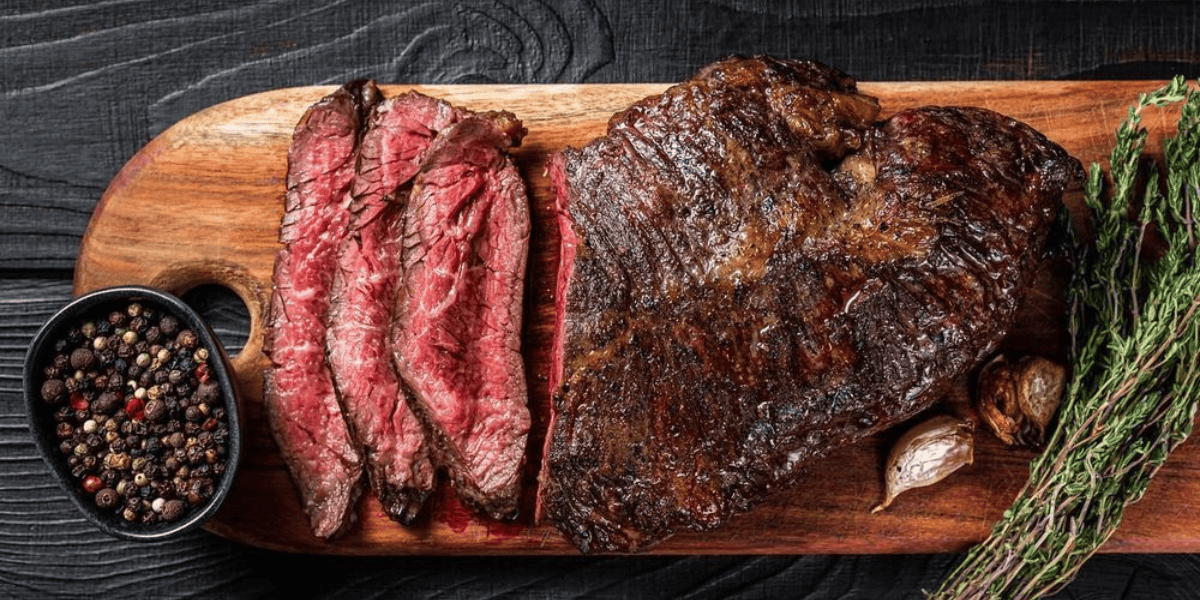
If you’re going carnivore, you’re probably wondering: What can I actually eat on this diet? Our comprehensive food list will help clarify your options, and hopefully, make meal planning easier.
Key features of the carnivore diet:
The carnivore diet centers on animal products (meat, fish, eggs), while excluding all plant foods.
Red meat is the cornerstone of most carnivore diets, with organ meats offering exceptional nutrient density.
Eggs and certain dairy products are commonly included, though preferences around dairy may vary.
Incorporating a variety of animal proteins, cooking methods, and cuts can keep your meals interesting and help ensure a broad nutrient intake.
What can I eat on a carnivore diet?
Simply put: meat, fish, eggs, and—depending on your approach—some limited dairy.
The carnivore diet eliminates all plant foods and is made up entirely of animal products.
It’s a zero-carb approach focused on nutrient-dense animal foods that offer complete proteins, healthy fats, and highly bioavailable vitamins and minerals. Many who follow the diet believe it mirrors the way our ancestors ate—and may help reduce inflammation or eliminate plant-based compounds that cause sensitivity in some people. That said, no controlled studies¹ have analyzed the diet's long-term health effects.
For a structured approach to implementing this diet, check out our Carnivore Diet Meal Plan, which includes ideas for breakfast, lunch, and dinner.
Essential red meat options
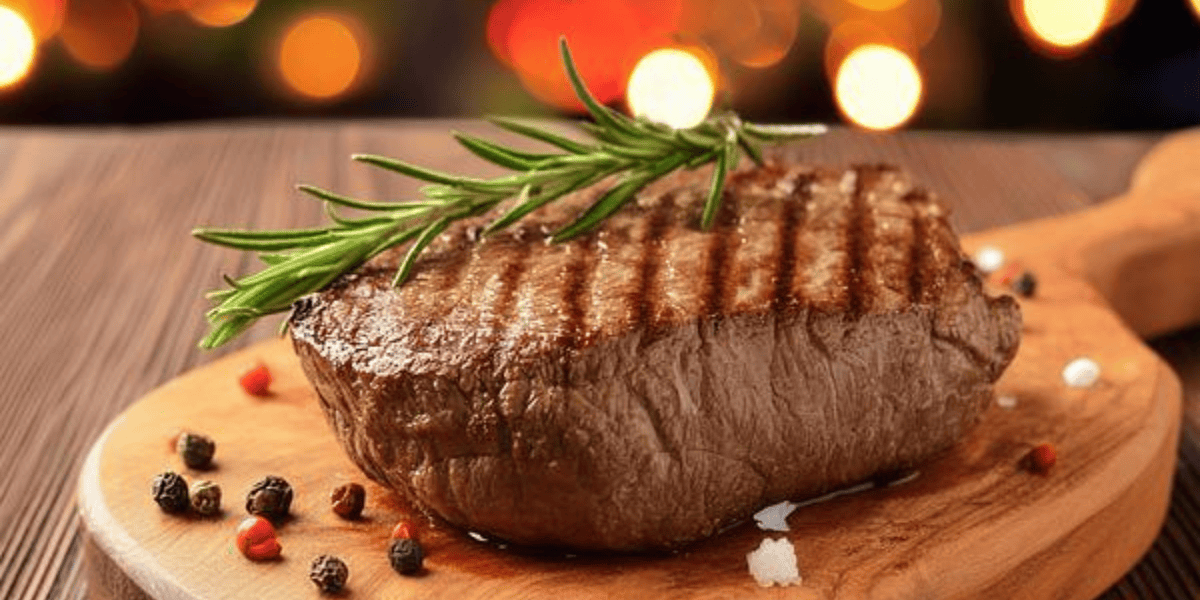
Red meat forms the foundation of most carnivore diets, with beef reigning as the most popular choice. Thanks to their high fat content, ribeye steaks are full of flavor and packed with nutrients.
Other excellent beef options include:
Ground beef: Versatile for various preparations
Chuck roast: Perfect for slow cooking
New York strip: Balance of tenderness and flavor
Brisket: Rich in collagen and flavor
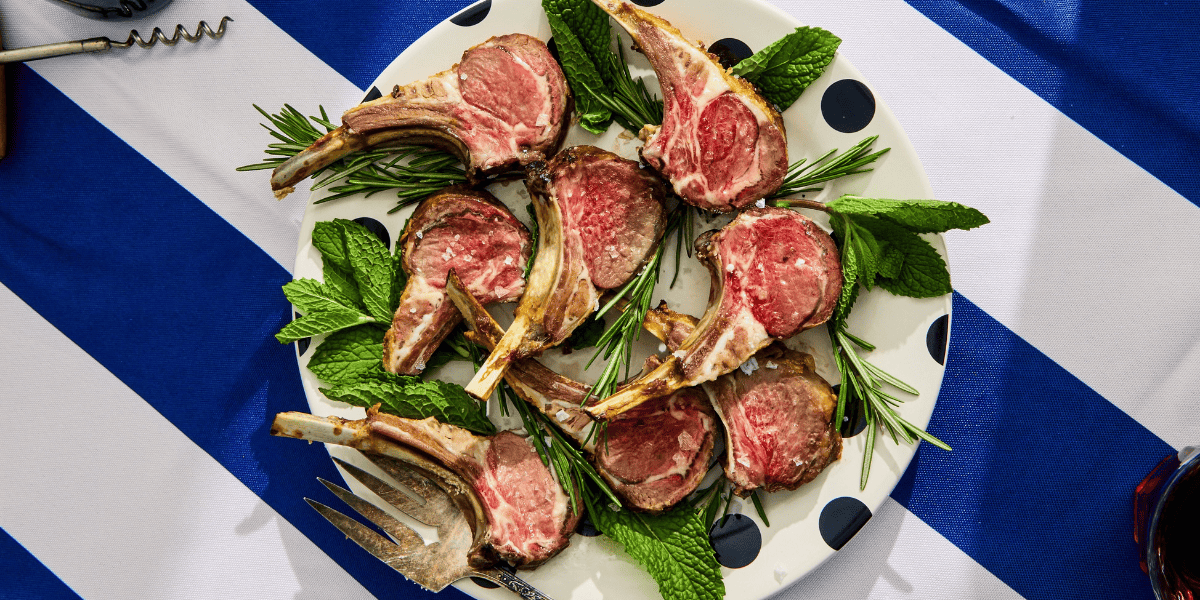
Beyond beef, lamb brings a richer flavor and a different nutrient profile, while bison is a leaner option with a subtle sweetness. Game meats like venison and elk offer bold, earthy flavors and typically have less fat than conventional beef.
When choosing red meat, go for fattier cuts. They’re more satisfying and provide the energy your body needs. Fat delivers essential calories and helps prevent what's known as “protein poisoning,” which can happen when you eat too much lean meat without enough fat to balance it out.
Organ meats and their benefits
Organ meats are nutritional powerhouses in any animal-based diet. Liver, often called "nature's multivitamin," contains high amounts of vitamin A, B vitamins, iron, copper, and CoQ10.
Heart meat provides abundant CoQ10 and B vitamins while offering a milder flavor than other organs. Kidney delivers high amounts of selenium and B12, supporting detoxification pathways and energy production.
Chef's tip: If you’re new to organ meats, try mixing a small amount of ground liver with ground beef to mellow the flavor while still reaping the nutritional benefits.
Other valuable organ meats include:
Tongue: Rich in healthy fats and calories
Brain: High in omega-3 fatty acids
Sweetbreads: Thymus or pancreas, containing valuable zinc and selenium
For first-timers, start with small amounts and gradually increase how much you eat to build both tolerance and taste for organ meats.
Poultry options on the carnivore diet

Poultry adds variety to a carnivore diet, with flavors and nutrients that differ from red meat. When it comes to chicken, fattier cuts like thighs and wings are often favored over leaner breast meat for their richness and better satiety.
Duck offers a fattier alternative with a rich, distinctive flavor. Many carnivore dieters especially enjoy the crispy skin and rendered fat for their high calorie content and satisfying mouthfeel.
When choosing poultry, skin-on, bone-in cuts offer more fat and nutrients. Plus, the leftover bones are perfect for making nutrient-rich bone broth, helping you get the most out of every purchase.
Carnivore dieters typically use poultry as a complement to fattier red meats, not as a primary protein source. This approach keeps fat intake up without sacrificing flavor, texture, or enjoyment.
Pork products for carnivore eating
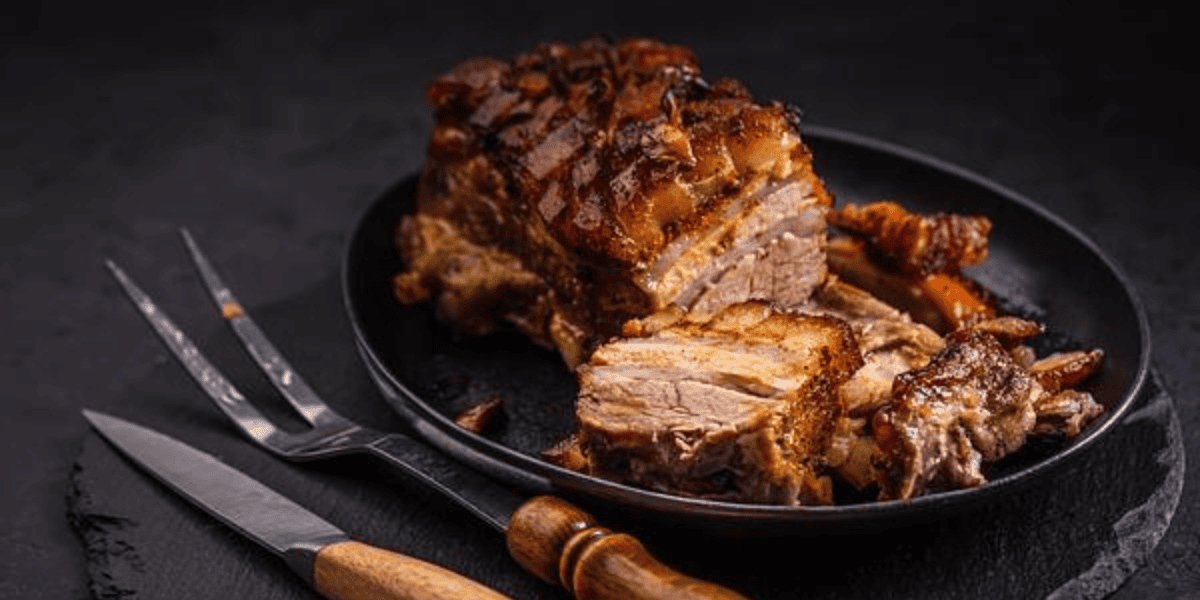
Pork brings plenty of variety to the carnivore diet. For many, bacon is the gateway. With its rich fat content and craveable flavor, pork is a staple that’s hard to beat.
Other excellent pork options include:
Pork belly: Excellent fat-to-protein ratio
Ribs: Satisfying combination of meat, fat, and collagen
Shoulder: Versatile cut for slow cooking
Chops: Quick-cooking option with good fat content
Looking to explore different protein sources? Our Easy High-Protein Meal Prep Ideas guide offers both plant and meat-based options for varied nutrition.
When selecting pork products, quality becomes especially important. Look for options without added sugars, nitrates, or other additives, particularly in processed items like bacon and sausage.
Rendered pork fat (lard) serves as an excellent cooking medium with a high smoke point and neutral flavor. Traditional cultures valued lard not only for cooking but also as a primary source of vitamin D.
Seafood and fish varieties
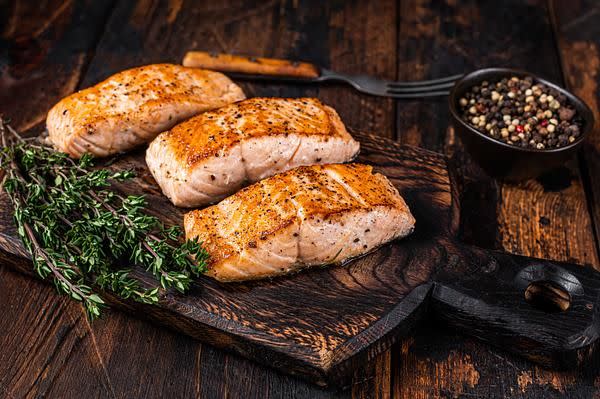
Seafood adds valuable variety to the carnivore diet, along with unique nutrients like the omega-3s EPA and DHA. Fatty fish such as salmon, mackerel, and sardines offer the richest sources of these heart-healthy fats.
Shellfish represent some of the most nutrient-dense options available on an animal-based diet food list. Oysters contain exceptional levels of zinc, copper, and vitamin B12, while mussels and clams provide iron and other minerals.
Crustaceans like shrimp, crab, and lobster offer high-quality protein with moderate fat content. These options provide valuable variety in texture and flavor for carnivore dieters.
When selecting seafood, sourcing becomes particularly important. Wild-caught fish typically contain better fatty acid profiles and fewer contaminants than farmed varieties, though quality farmed options are increasingly available. For more responsibly farmed seafood options, check out our Clean Line, which features meals with minimally processed ingredients.
Eggs and dairy considerations

Eggs represent a nearly perfect food for carnivore dieters, offering complete protein, healthy fats, and essential nutrients like choline and lutein. The yolks contain most of the nutrients and fats, while the whites provide additional protein.
Many carnivore dieters consume eggs daily, appreciating their versatility, affordability, and nutrient density. And don’t forget, quality matters: Pasture-raised eggs typically contain more nutrients than conventional ones.
Dairy remains controversial within the carnivore community. Some dieters include certain dairy products, while others eliminate them entirely due to potential sensitivities.
For those who include dairy, the following hierarchy is often recommended:
Butter and ghee: Highest fat, lowest lactose and casein
Hard cheeses: Lower lactose, aged varieties are often better tolerated
Heavy cream: Moderate fat content with some lactose
Full-fat yogurt: Contains beneficial bacteria but more lactose
If your go-to breakfast usually involves eggs, check out these Bacon & Mozzarella Egg Bites from Livvy’s All-Day cafe.
Animal fats for cooking and flavor
Animal fats serve as both cooking mediums and flavor enhancers on the carnivore diet. Tallow (rendered beef fat) provides a high smoke point and rich flavor, making it ideal for high-heat cooking methods.
Lard (rendered pork fat) is versatile because of its neutral flavor profile and excellent cooking properties. Duck fat delivers a distinctive taste that enhances the flavor of various meats, particularly when used for roasting.
These traditional fats have been used for centuries before the introduction of processed vegetable oils. They provide essential fatty acids and help the body absorb fat-soluble vitamins from other foods.
Many carnivore dieters render and save fat from the meat they cook, making the most of every cut and cutting down on waste. These fats can be stored in the refrigerator or freezer for extended periods.
Bone broth and collagen sources
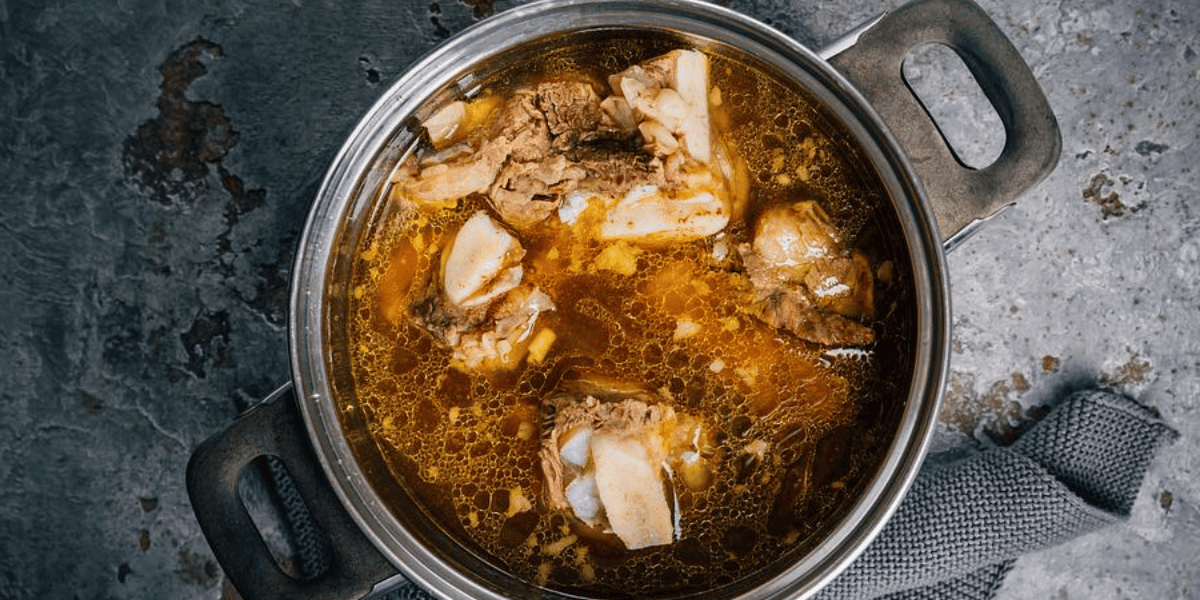
Packed with gelatin, collagen, and minerals, bone broth is one of the most nourishing (and soothing) additions to a carnivore diet. Simmered low and slow with bones and connective tissue, it draws out nutrients that help support gut, joint, and skin health.
Making bone broth is simple: Simmer bones (especially those with joints and connective tissue) in water with a bit of salt until it reaches your desired flavor and consistency. Longer cooking times extract more nutrients and create a richer broth.
Did you know? Bone broth contains glycine, an amino acid that balances the methionine found in muscle meat, potentially creating a more complete amino acid profile when both are consumed.
Beyond broth, other collagen-rich parts include chicken feet, oxtail, shanks, and cheeks. These cuts contain significant amounts of connective tissue that break down during cooking to provide collagen.
For carnivore dieters, bone broth often serves as a transition food when beginning the diet. It provides electrolytes and easy-to-digest nutrients that help during the adaptation phase.
Processed meats and considerations
Processed meats can add convenience and variety to a carnivore diet—but they do call for a careful eye. Jerky, biltong, and pemmican are great shelf-stable, portable options that don’t need refrigeration.
Deli meats like salami, prosciutto, and roast beef offer quick fixes, but quality varies a lot. Your best bet? Keep it simple: just meat, salt, and spices—no added sugars, fillers, or synthetic preservatives.
When considering processed meats, understand the terminology:
Cured: Preserved using salt, sometimes with nitrates or nitrites
Uncured: Typically uses celery powder (natural nitrates) instead of synthetic ones
Smoked: Flavored and preserved through smoke exposure
Air-dried: Preserved through controlled dehydration (prosciutto, bresaola)
Most carnivore experts suggest keeping processed meats as an occasional add-on, not an everyday staple. For the bulk of your nutrition, stick to fresh, minimally processed animal foods.
Beverages allowed on the carnivore diet
Water is the primary drink on a carnivore diet, especially strict versions. With fewer carbs, your body retains less water, which can mean adjusting how much you drink.
Bone broth, while technically a food, often serves as a beverage for many carnivore dieters. Its mineral content helps maintain electrolyte balance, particularly during the transition phase.
Coffee and tea occupy a gray area in the carnivore world. Purists avoid them as plant products, while more moderate dieters include them if well-tolerated.
For those who include coffee, black is the standard approach. (No plant-based milk alternatives, sugar, or other additives.) Some dieters add butter, heavy cream, or egg yolks to their coffee for additional fat.
Sample carnivore diet grocery list
Creating a practical carnivore diet grocery list helps streamline shopping and meal planning. This comprehensive list covers all the essential categories:
Beef options:
Ribeye steaks
Ground beef (80/20 or fattier)
Chuck roast
Short ribs
Brisket
Other red meats:
Lamb chops and shoulder
Venison steaks
Bison ribeye or ground
Organ meats:
Beef liver
Heart
Kidney
Bone marrow
Pork products:
Bacon (sugar-free)
Pork belly
Pork shoulder
Ribs
Poultry:
Chicken thighs (bone-in, skin-on)
Duck breasts
Turkey legs
Chicken wings
Seafood:
Wild-caught salmon
Sardines (in water)
Oysters
Shrimp
Eggs and dairy (optional):
Pasture-raised eggs
Butter
Ghee
Hard cheeses
Fats:
Tallow
Lard
Duck fat
Want to try the carnivore diet without cooking? CookUnity offers chef-crafted, carnivore-friendly meals fresh to your door.
Budget-friendly options include ground meats, organ meats, chuck roasts, and whole chickens. Buying in bulk, utilizing freezer storage, and sourcing directly from farms can reduce costs significantly.
Final thoughts: Enjoying variety while staying carnivore
Mixing things up within the carnivore diet helps prevent boredom and supports a broader range of nutrients. That said, going without fiber can cause digestive issues for some people. Rotating between different animal proteins—beef one day, fish the next, eggs for breakfast—adds variety in both nutrients and flavor.
Exploring various cooking methods transforms the same ingredients into entirely different experiences:
Grilling: Imparts smoky flavors
Slow-cooking: Tenderizes tougher cuts
Searing: Creates delicious caramelization
Sous vide: Ensures perfect doneness
Organ meat exploration offers perhaps the greatest opportunity for variety and nutrient density. Starting with milder options like heart before advancing to stronger-flavored organs helps develop new taste preferences.
At CookUnity, we offer an easy solution for carnivore dieters seeking variety without extensive cooking. Our chef-crafted meals include numerous carnivore-friendly options like Rack of Lamb with Red Wine Sauce from Chef John DeLucie and Grilled Grass-Fed Ribeye Steak from Chef BK Prime.
Frequently asked questions about the carnivore diet food list
What can you eat on the carnivore diet?
The carnivore diet includes all animal products—like red meat, poultry, fish, eggs, and some dairy—while cutting out all plant foods, including vegetables, fruits, grains, nuts, and seeds. That said, some experts advise caution³ for individuals with certain health conditions.
Are organ meats required on the carnivore diet?
Organ meats aren’t strictly necessary, but they’re highly recommended for their impressive nutrient density. Even small amounts of liver, heart, or kidney can go a long way in boosting the overall nutrition of a carnivore diet.
Can I eat cheese on the carnivore diet?
Cheese falls into a gray area on the carnivore diet. Some people include hard, aged cheeses, while others avoid dairy altogether due to potential sensitivities or inflammatory effects.
What can I eat on the carnivore diet for snacks?
On the carnivore diet, snack options include hard-boiled eggs, additive-free beef jerky, pork rinds, cold cuts, canned fish, and cheese (if tolerated). These foods deliver protein and fat without any plant ingredients.
How do I create an animal-based diet food list for beginners?
Create an animal-based diet food list starting with familiar meats like steak, ground beef, chicken thighs, and eggs. Then, gradually incorporate more variety with seafood, organ meats, and bone broth as you adapt to the diet.
Now that you know what to eat…
A food list is your foundation—but the real magic is in how you use it. These helpful reads show you what’s possible with carnivore foods:
20 Carnivore Diet Snacks: Animal-Based, Easy, On-the-Go Options
Carnivore Diet Meal Plan: 7-Days of Breakfast, Lunch, & Dinner
Sources

Be the first to know about new offers
Multiorder discounts, free items and more.