Back
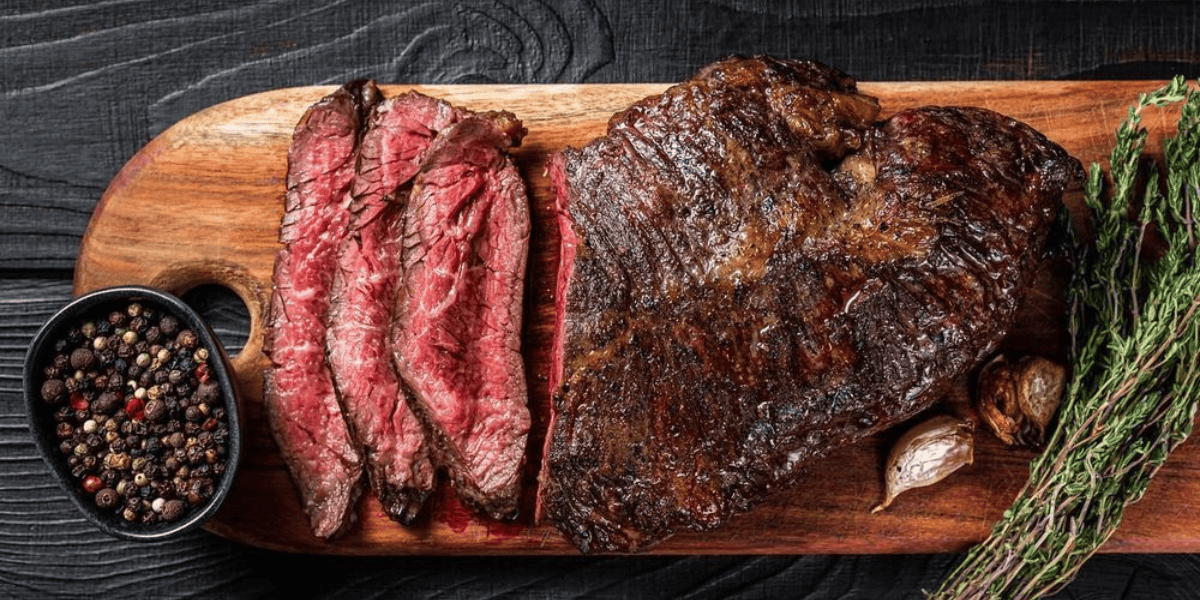
Let’s be real. No one wakes up craving less bacon. Well, unless you don’t eat pork. But the carnivore diet takes that impulse to its logical extreme: What if we just... only ate animals and skipped plants entirely? No kale, no quinoa, no pretending cauliflower is rice. Just steak, eggs, and the glorious simplicity of a plate that never makes you ask, "Is this healthy enough?"
This meat-only approach has become the ultimate rebellion against diet culture, with followers swearing by benefits like³:
Bye-bye brain fog (hello, ribeye-induced clarity)
Vanishing inflammation (joints that don’t creak like a haunted house door)
Meal prep so easy it feels like cheating (because cooking ground beef requires zero culinary skills)
But let’s be clear: We’re food lovers, not doctors. If you’re tackling serious health issues, talk to a professional before going full lion mode.
The carnivore diet for beginners
What is a carnivore diet? The carnivore diet is a restrictive eating plan that consists only of animal products and excludes all plant-based foods. Also called the "all-meat diet" or "zero-carb diet," it focuses exclusively on meat, fish, eggs, and sometimes dairy.
The diet has gained popularity through advocates like Dr. Shawn Baker¹ and Jordan Peterson², who report benefits ranging from weight loss to reduced inflammation. Traditional cultures like the Inuit have historically consumed predominantly animal-based diets. Additionally, in the late 1700s, Scottish military surgeon John Rollo successfully used a meat-only diet³ to treat diabetes patients, reportedly lowering their blood sugar levels.
The carnivore diet is essentially the opposite of veganism: instead of avoiding all animal products, you avoid all plant products.
How the carnivore diet works
The carnivore diet works by shifting your body's fuel source from carbohydrates to fat and protein³. Without carbs, your liver produces ketones from fat to supply energy to your brain and body—a metabolic state called ketosis.
Your body also creates necessary glucose from protein through gluconeogenesis. This combination allows carnivore dieters to function without dietary carbohydrates.
1. Fat adaptation
When beginning the carnivore diet, your body transitions from using carbohydrates to utilizing fat for fuel. This adaptation typically takes between two and four weeks and often includes temporary symptoms known as "carnivore adaptation" or "keto flu."
Timeline | What's happening | Common experiences |
|---|---|---|
Days 1-3 | Glycogen depletion | Hunger, cravings, fatigue |
Days 4-7 | Early ketosis begins | Headaches, irritability |
Weeks 2-3 | Increasing fat adaptation | Energy levels stabilizing |
Week 4+ | Full adaptation | Consistent energy, reduced hunger |
Staying hydrated and ensuring adequate salt intake can help minimize adaptation symptoms.
2. Keto vs. carnivore
While both ketogenic and carnivore diets induce ketosis, they differ significantly in food choices:
Ketogenic diet: Allows some plant foods (low-carb vegetables, berries), moderate protein (20% of calories), high fat (70-80% of calories)
Carnivore diet: No plant foods whatsoever, higher protein (30-40% of calories), remaining calories from animal fat
For a structured approach to starting a low-carb diet with more flexibility than carnivore, check out our easy seven-day keto diet meal plan for beginners.
3. Protein’s role in energy
Protein plays a unique role in the carnivore diet. Your body breaks down dietary protein into amino acids for muscle repair, enzyme production, and when needed, glucose conversion through gluconeogenesis³.
The high protein intake typically creates greater satiety than other diets, often leading to natural calorie reduction for many followers.
Carnivore diet: Potential benefits and drawbacks
The health impacts of the carnivore diet remain a topic of debate. While some individuals report notable improvements in areas such as weight management, inflammation, mental clarity, digestion, and overall simplicity of eating, much of the evidence is anecdotal and comprehensive scientific research is still limited. For a more detailed exploration of the carnivore diet, read our in-depth article on the benefits and risks of the carnivore diet. Early survey data suggests some may experience increased energy, reduced joint pain, and clearer skin, with certain individuals reporting reduced reliance on diabetes medication, but further research is needed to fully understand the long-term effects³.
The carnivore diet is highly controversial in nutrition circles. While some note remarkable improvements, others question its long-term sustainability.
What can you eat on the carnivore diet?
The carnivore diet has clear boundaries: If it comes from animals, it's generally allowed; if it comes from plants, it's eliminated.
Foods allowed on the carnivore diet
What do carnivores eat? The diet focuses on animal products:
Red meat: Beef, lamb, bison, venison (for complete protein, essential fats, iron, zinc, B vitamins)
Poultry: Chicken, turkey, duck (though many focus on fattier red meats)
Seafood: Fish and shellfish (for omega-3 fatty acids and minerals)
Eggs: All types and sizes of eggs (excellent sources of protein, healthy fats, and nutrients)
Animal fats: Tallow, lard, butter, ghee (used for cooking and adding calories)
Limited dairy: Hard cheeses, heavy cream (some include dairy, others avoid it)
Seasonings: Salt is universally accepted (some allow minimal herbs and spices)
For a structured meal plan that incorporates many of these animal proteins while still including some plant foods, see our carnivore diet meal plan.
Foods to avoid on the carnivore diet
What can I eat on the carnivore diet? It's easier to remember what to avoid:
All plant foods: Vegetables, fruits, nuts, seeds, legumes, grains
Processed foods: Anything with additives, preservatives, artificial ingredients
Sugars and sweeteners: All types, including natural options like honey
Oils: Plant-based oils like vegetable, canola, olive oil
Most beverages: Stick to water (some include black coffee or tea)
Condiments: Most commercial sauces and dressings contain plant ingredients
Tips for starting the carnivore diet successfully
Transitioning to the carnivore diet requires planning to increase your chances of success.
1. Plan meals ahead
Meal preparation is crucial when beginning. Cook larger portions to have ready-to-eat options available when hunger strikes.
Shopping tips: Look for sales on quality meats, and consider buying in bulk from local farmers.
Storage solutions: Invest in quality food storage containers, and learn proper freezing techniques.
Convenience options: For busy periods, consider carnivore-friendly meal delivery options.
2. Stay hydrated
Proper hydration becomes especially important as your body adjusts to processing higher amounts of protein.
Water intake: Stay well hydrated throughout the day, and adjust your water consumption based on your activity level and how your body feels.
Electrolytes: Increase salt intake to maintain sodium levels, especially during adaptation.
Imbalance signs: Headaches, fatigue, and muscle cramps often indicate electrolyte deficiencies.
3. Track symptoms
Monitoring your physical changes provides valuable feedback about how your body is responding.
Food journal: Record what you eat and any symptoms you notice.
Adaptation signs: Common transition symptoms include temporary fatigue, headaches, and digestive changes.
Progress markers: Look beyond weight to energy levels, sleep quality, mental clarity, and changes in chronic symptoms.
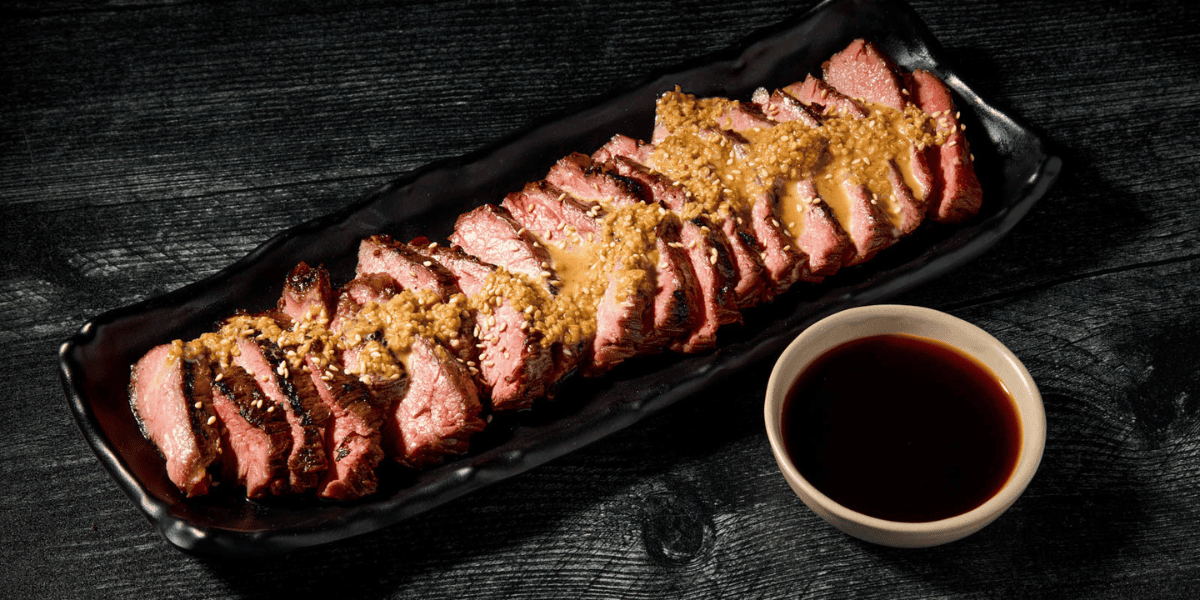
Try our Grilled Grass-Fed Ribeye Anticuchado for a chef-prepared, carnivore-friendly option that requires no preparation.
Frequently asked questions about the carnivore diet
What should I eat in the first week of the carnivore diet?
During your first week on the carnivore diet, it’s best to keep things simple and gentle on your digestive system. Focus on easily digestible foods such as ground beef, eggs, and well-cooked, fatty cuts of meat. These options are not only satisfying, but they also help your body adjust more smoothly to this new way of eating. As your system adapts, you can gradually explore a wider variety of animal-based foods.
How long does it take to adapt to the carnivore diet?
Adapting to the carnivore diet is a unique process for everyone, but most people notice an adjustment period lasting about two to four weeks. During this time, your body transitions from relying on carbohydrates to using fat as its primary fuel source. You may experience some temporary changes in energy or mood, but these typically resolve as your body becomes more efficient at burning fat.
What is the simplest version of the carnivore diet?
If you’re looking for the most straightforward approach, the “beef, salt, and water” method is a popular choice. This means focusing your meals on ground beef or steak, seasoning only with salt, and drinking water as your sole beverage. This minimalist version can make it easier to track how your body responds, and it simplifies meal planning during the early stages.
Can I exercise while starting the carnivore diet?
It’s perfectly fine to exercise as you begin the carnivore diet, but it’s wise to start with light activity during the initial adaptation phase. As your energy levels stabilize and your body becomes more accustomed to burning fat for fuel, you can gradually increase the intensity of your workouts. Listening to your body and adjusting your routine as needed will help you stay comfortable and motivated.
Will I experience digestive changes on the carnivore diet?
It’s common to notice some temporary digestive changes in the first few weeks of the carnivore diet. As your gut microbiome adjusts to the absence of fiber and plant-based foods, you might experience symptoms like diarrhea or changes in bowel habits. These shifts are usually short-lived and are often linked to changes in gut bacteria and increased fat intake. Many people find that their digestion settles as their body adapts to the new diet.
Final thoughts: Making carnivore work long-term (without losing your mind)
So you’re flirting with the carnivore diet. All meat, no plants, no problem, right? Before you dive face-first into a ribeye, here’s how to start smart (and actually stick with it).
Step 1: Keep it stupid simple
Forget macros, meal timing, or fancy recipes. Phase one is:
Eat meat (beef, chicken, fish, pork—whatever makes you happiest).
Add eggs and dairy (if you tolerate them).
Drink water + salt (electrolytes are your new best friend).
Ignore everything else (yes, even that "healthy" avocado).
Pro tip: If cooking feels overwhelming, carnivore-friendly meal delivery exists for a reason. Zero prep, all protein.
Step 2: Expect the "adjustment zone"
Days 3–5 might feel weird. Fatigue? Headache? That’s your body ditching sugar addiction.
Survival kit:
Extra salt (for cramps)
Bone broth (for hydration)
Patience (for yourself and any partners who may start side-eyeing your bacon-only breakfast)
Step 3: Tweak as you go
Once you’re fat-adapted (translation: crushing life without carbs), experiment with:
Organ meats (liver = nature’s multivitamin, but ease into it).
Fat ratios (more fat = more energy… or diarrhea. Adjust accordingly).
80/20 flexibility (if strictly carnivore feels unsustainable).
Not medical advice, but… If you’re managing health conditions, talk to your doctor before going full carnivore. We’re foodies, not physicians.
Step 4: Let us do the cooking
Want to test-drive the carnivore diet without the grocery runs, meal prep, or dish pileup? Subscribe to chef-crafted, carnivore-approved meals delivered to your door. Life’s too short to stress over breakfast steak.
Explore carnivore meal delivery (and get back to enjoying eating instead of overthinking it)
Bottom line: Going carnivore isn’t about perfection. It’s about progress. Start slow, listen to your body, and remember: We’re here to make your journey easy.
New to carnivore? Here's everything you'll need
Every successful beginning starts with a solid foundation. Get the tools, confidence, and know-how for a successful carnivore lifestyle:
20 carnivore diet snacks: Animal-based, easy, on-the-go Options
Carnivore diet meal plan: 7 days of breakfast, lunch, & dinner
Sources:

Be the first to know about new offers
Multiorder discounts, free items and more.