Back
Filipino food guide: Signature ingredients and how to use them
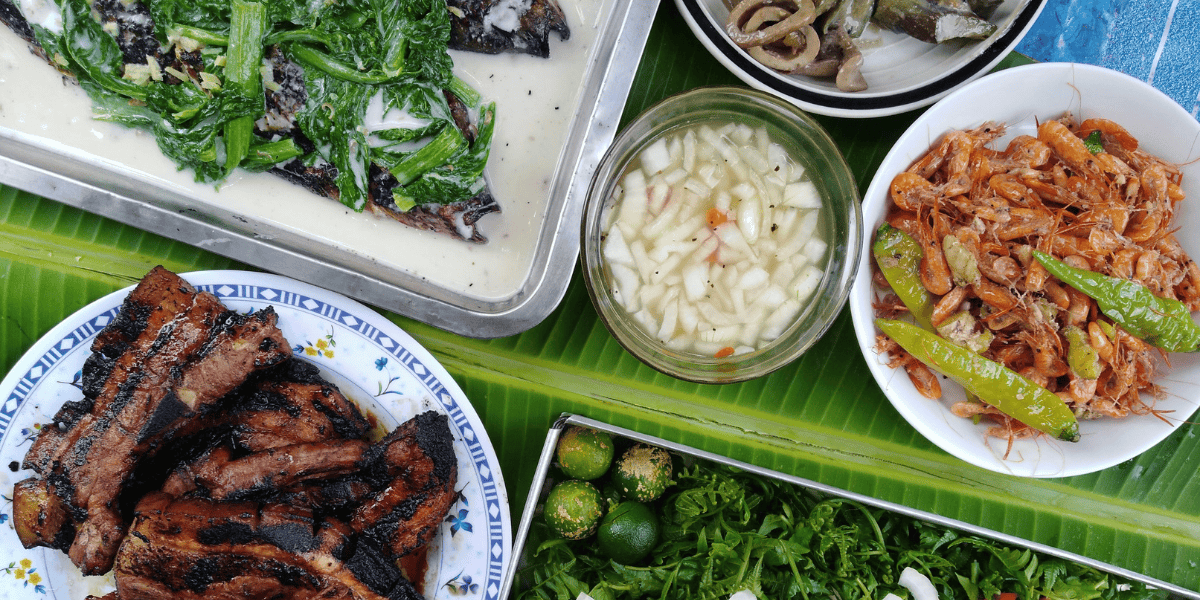
Filipino cuisine might be Southeast Asia's best-kept culinary secret, with flavors that dance between sour, sweet, and savory in ways that surprise even the most adventurous eaters. This island nation's food tells the story of centuries of cultural exchange through dishes that transform simple ingredients into complex flavor experiences.
Key takeaways:
Filipino cuisine uniquely balances sour, sweet, and savory elements through signature ingredients like vinegar, soy sauce, and fish sauce that create its distinctive flavor profile.
The foundation of Filipino cooking starts with aromatic bases like garlic, onions, and ginger that build depth in classic dishes like adobo, sinigang, and kare-kare.
Regional differences throughout the Philippines contribute to a wide range of cooking styles, with rice continuing to play a central role in everyday meals.
Many Filipino dishes can be recreated at home using smart substitutions for hard-to-find ingredients while still capturing their authentic essence.
What is Filipino cuisine?
Filipino cuisine blends centuries of cultural influences from Spanish colonizers, Chinese traders, and American occupation into a unique culinary identity. The archipelago's 7,000+ islands create remarkable regional diversity in filipino dishes, with each area developing distinctive specialties based on local ingredients.
At its heart, filipino cuisine balances sweet, sour, and savory elements in ways unlike any other Asian cooking tradition. This distinctive flavor profile creates the complex, multilayered taste that makes filipino foods instantly recognizable.
Filipino cuisine tells the story of a nation through flavor – each dish carries centuries of cultural exchange and adaptation. The interplay of sour, sweet, and savory elements creates a taste profile that's unmistakably Filipino.
Essential flavors and staples
The foundation of Filipino cooking rests on key ingredients that create its distinctive taste profile. These staples appear in kitchens throughout the archipelago.
Rice serves as the cornerstone of filipino meals, with jasmine rice accompanying most dishes (rice is 35% of energy¹). Glutinous varieties like malagkit are essential for traditional desserts and celebratory dishes like bibingka (rice cake).
Filipino vinegars provide the characteristic sourness that defines many classic dishes. Each type offers a unique flavor profile:
Cane vinegar (sukang iloco): Mild acidity with subtle sweetness, perfect for adobo
Coconut vinegar (sukang tuba): Sharp tanginess that works beautifully in ceviche
Palm vinegar (sukang paombong): Deep, caramel-like notes ideal for meat dishes
Soy products, particularly Filipino soy sauce (toyo), add savory depth to countless dishes. Unlike its Japanese or Chinese counterparts, Filipino toyo often has a slightly sweeter profile with pronounced saltiness.
Chef Vincent Gerard's Filipino Beef Stew (Mechado) showcases the perfect balance of these essential Filipino flavors with tender beef in a savory-tangy sauce.
Explore authentic Filipino food prepared by expert chefs who understand these traditional ingredients and techniques.
Core spices and aromatics
Filipino cooking builds deep flavor through a distinctive set of aromatics that form the foundation of countless dishes. Understanding these essential elements helps unlock authentic Filipino taste.
Garlic is perhaps the most fundamental aromatic in Filipino cooking. Used abundantly and often minced or crushed, it provides the base note for nearly every savory recipe.
Onions and shallots (sibuyas) create sweetness and depth in Filipino dishes. White or yellow onions appear in everyday cooking, while red shallots often feature in special preparations.
The Filipino aromatic base known as ginisa begins by sautéing garlic, onions, and sometimes ginger in oil until fragrant. This technique builds the flavor foundation for many classic filipino dishes.
Chef Nora Nolasco's Filipino Beef Kaldereta exemplifies how these aromatic foundations create complex, satisfying flavor in traditional stews.
Iconic sauces and condiments
Filipino cuisine features distinctive condiments that define its flavor profile. These powerful flavor agents contribute the characteristic salty, umami, and tangy notes that make filipino foods unique.
Fish sauce (Patis)
Fish sauce (patis) is a clear, amber-colored liquid made from fermented fish. Its intensely savory, salty flavor adds depth to dishes and serves as both cooking ingredient and table condiment.
Filipino patis differs from other Southeast Asian fish sauces through its production method and flavor profile. It typically has a cleaner, less pungent aroma than Thai or Vietnamese varieties.
A small dish of patis with a squeeze of calamansi (Filipino citrus) creates a simple but powerful dipping sauce for grilled meats and seafood.
Chef Armando Litiatco's Southern Style Pork Adobo demonstrates how fish sauce enhances the umami depth of classic Filipino dishes.
Filipino cuisine shares many ingredients with other Southeast Asian food traditions but uses them in distinctive ways. Explore more Asian culinary traditions to discover how similar ingredients create dramatically different flavor profiles across the region.
Shrimp paste (Bagoong)
Bagoong is a fermented paste made from tiny shrimp or krill, providing intense umami flavor to Filipino dishes. Its pungent aroma transforms into a complex, savory taste that's essential in authentic cooking.
This powerful condiment is the essential accompaniment to kare-kare, a peanut-based stew. The rich, creamy stew needs the salty punch of bagoong to balance its flavors.
One of the most beloved ways to enjoy bagoong is with green mangoes. This simple combination of sour fruit and savory paste perfectly exemplifies Filipino taste preferences.
Spiced soy-citrus (Toyomansi)
Toyomansi combines soy sauce with the juice of calamansi, a small citrus fruit native to the Philippines. This simple mixture creates a bright, tangy sauce that's both a cooking ingredient and table condiment.
The balance of salty soy and sour citrus perfectly complements fried and grilled dishes. It cuts through richness while adding depth of flavor.
Chef Stacy Bareng's Filipino Adobo Pork Ribs showcases the perfect balance of soy sauce and acid that defines many Filipino flavor profiles.
Popular dishes using signature ingredients
Filipino cuisine features iconic dishes that showcase its unique ingredients and flavor combinations. These beloved recipes demonstrate how Filipino cooking balances sour, savory, and sweet elements.
Adobo
Adobo is considered the national dish of the Philippines, featuring meat simmered in vinegar, soy sauce, garlic, bay leaves, and whole peppercorns. This cooking method originated as a preservation technique in the tropical climate.
The magic of adobo happens as the sauce reduces, creating a complex flavor that's simultaneously tangy, savory, and slightly sweet. The vinegar tenderizes the meat while infusing it with distinctive flavor.
Key ingredients in traditional adobo include:
Vinegar (typically cane or coconut)
Soy sauce
Garlic
Bay leaves
Whole peppercorns
Kare-kare
Kare-kare is a rich, peanut-based stew traditionally made with oxtail, though other cuts may be used. Its thick, velvety sauce gets its distinctive color from annatto seeds.
This celebratory dish often appears at special occasions and family gatherings. Its labor-intensive preparation marks it as something beyond everyday cooking.
The essential accompaniment to kare-kare is bagoong (shrimp paste), which provides the salty counterpoint to the stew's rich, slightly sweet flavor.
Sinigang
Sinigang is a sour soup that captures the Filipino love of tangy flavors. Its clear broth gets its characteristic sourness from tamarind, though other souring agents may be used depending on the region.
This versatile dish adapts to various proteins – pork ribs are perhaps most common, but beef, shrimp, or fish versions are equally authentic.
Many Filipino dishes showcase the cuisine's unique approach to balancing flavors. Discover more Filipino meals crafted by top chefs who honor traditional techniques while adding their own creative touches.
Pancit
Pancit refers to noodle dishes in Filipino cuisine, reflecting Chinese culinary influence. These beloved noodle preparations appear at celebrations, particularly birthdays, where they symbolize long life.
Different varieties showcase regional preferences:
Pancit bihon: Uses thin rice noodles
Pancit canton: Features egg noodles
Pancit palabok: Incorporates a distinctive shrimp sauce and toppings
Chef Stacy Bareng's Shrimp Pancit Canton Noodles exemplifies how Filipino noodle dishes blend proteins, vegetables, and savory sauce into a harmonious whole.
Reimagining Filipino dishes at home
Filipino cuisine's distinctive flavors can be recreated at home, even without access to specialty markets. With smart substitutions and techniques, you can capture the essence of these dishes in your own kitchen.
Substitutions for hard-to-find ingredients
Finding authentic Filipino ingredients can be challenging outside major cities. These practical substitutions help you create Filipino flavors with more accessible options:
Calamansi substitute: Mix Meyer lemon or regular lime juice with a touch of orange juice
Filipino vinegar alternative: White vinegar with a pinch of sugar approximates cane vinegar
Fish sauce replacement: Thai fish sauce with a squeeze of lemon juice mimics Filipino patis
Annatto seed substitute: Combine paprika and turmeric for the characteristic golden-orange color
These adaptations won't create perfectly authentic results, but they'll get you close enough to experience the distinctive flavor profiles of filipino cuisine.
Healthier twists on Classic Dishes
Traditional Filipino cooking often features rich, indulgent preparations, but these dishes can be adapted for more health-conscious diners without sacrificing flavor. In fact, 3 in 5 Filipino American adults² have hypertension, highlighting the need for lower-sodium approaches.
Reducing sodium while maintaining flavor is possible by using fresh herbs, citrus, and vinegars to build taste complexity. These flavor-boosting ingredients reduce the need for salt and salty condiments.
Many meat-heavy filipino dishes benefit from incorporating more vegetables. Classic adobo works beautifully with added bell peppers, green beans, or mushrooms, which absorb the flavorful sauce.
Chef Armando Litiatco's Filipino Style BBQ Chicken represents a healthier approach to classic Filipino flavors while maintaining the sweet-savory profile of traditional barbecue.
Preserving Filipino food culture
Filipino cuisine represents more than just flavors – it embodies cultural identity, family traditions, and historical influences. Understanding and preserving these culinary traditions helps maintain connections to Filipino heritage.
Sourcing authentic products
Finding genuine Filipino ingredients enhances your cooking experience. Asian markets in major cities often carry Filipino specialty items, particularly in areas with significant Filipino communities.
Online retailers specializing in Filipino groceries ship nationwide, making previously hard-to-find ingredients accessible to home cooks everywhere. These specialized vendors often carry regional products not found in general Asian markets.
Some Filipino ingredients can be grown at home, even in container gardens. Lemongrass, calamansi (in warm climates), and various herbs adapt well to home cultivation.
Celebrations and traditions
Food plays a central role in Filipino celebrations, connecting generations and preserving cultural identity. These traditions showcase the importance of meals in Filipino culture.
Kamayan, the tradition of eating with hands, represents more than just a serving style. This communal dining approach, with food served on banana leaves, creates connection between diners.
Special occasions in Filipino culture feature specific dishes with symbolic importance:
Birthdays call for pancit (symbolizing long life)
Christmas brings bibingka (rice cakes) and puto bumbong (purple rice desserts)
New Year's Eve requires round fruits for prosperity
Ready to experience authentic Filipino flavors without the work of sourcing specialty ingredients? Explore the weekly menu and select your meals prepared by award-winning chefs who bring these traditional flavors to your table.
Final thoughts on Filipino cooking
Filipino cuisine stands out for its remarkable balance of flavors, historical depth, and adaptability. By understanding its signature ingredients and techniques, you open the door to a world of exciting culinary possibilities.
The unique interplay of sour, sweet, and savory elements creates dishes unlike any other cuisine. This distinctive approach to flavor balancing reflects the Philippines' complex cultural history.
Filipino cooking demonstrates remarkable versatility, adapting to available ingredients while maintaining its essential character. This flexibility makes it accessible to home cooks everywhere, regardless of specialty ingredient availability.
FAQs about Filipino food
What substitutes can I use if I cannot find calamansi?
Mix equal parts lime and orange juice for a close approximation of this essential Filipino citrus fruit.
How can I adjust Filipino recipes for dietary restrictions?
Use coconut aminos instead of soy sauce for gluten-free options, and consider plant-based proteins like tofu or tempeh for vegetarian versions of classic dishes.
What is considered the national dish of the Philippines?
Many consider adobo the national dish, though lechon (roasted pig) and sinigang are also strong contenders representing Filipino culinary identity.
Are traditional Filipino dishes typically spicy?
Most traditional Filipino dishes focus on sour, savory, and sweet flavors rather than heat, though some regional variations incorporate chili peppers.
What distinguishes Filipino cuisine from other Asian cuisines?
Filipino cuisine uniquely blends Southeast Asian, Spanish, Chinese, and American influences, with a distinctive preference for sourness and contrasting flavors within a single dish.
Sources:

Be the first to know about new offers
Multiorder discounts, free items and more.