Back
Back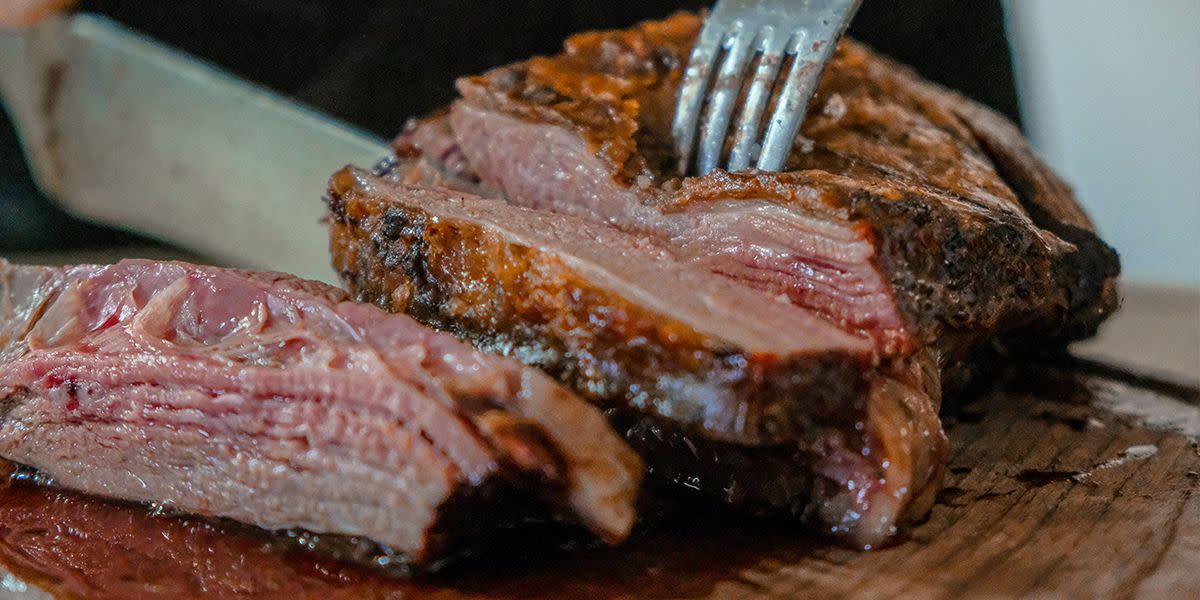
Argentinian cuisine is all about fire, flavor, and the joy of coming together around a great meal. It blends European techniques with indigenous ingredients to create bold, unforgettable dishes rooted in tradition. From perfectly grilled steaks to flaky empanadas and vibrant chimichurri, Argentinian food celebrates simplicity, quality, and rich cultural heritage. In this guide, you'll discover the essential Argentinian dishes that define the country's culinary identity, including traditional Argentinian food, typical dishes of Argentina, and must-try Argentinian meals.
Key takeaways:
Argentinian cuisine centers around high-quality beef prepared through asado (grilling), with minimal seasoning to highlight natural flavors
Traditional Argentinian dishes blend Spanish and Italian influences with indigenous cooking techniques and ingredients
Beyond beef, Argentina offers diverse regional specialties including empanadas, provoleta, and dulce de leche desserts
Chimichurri sauce, made with fresh herbs, garlic, vinegar, and oil, serves as the quintessential accompaniment to grilled meats
What is Argentinian cuisine?
Argentinian cuisine blends European culinary traditions with indigenous cooking techniques, creating a distinctive food identity centered around high-quality beef and wood-fired cooking. This unique culinary style reflects a blend of Spanish and Italian culinary traditions shaped over time by historical and cultural influences.
Meat plays the starring role in Argentinian food culture, particularly beef prepared on the asado (grill). This cooking method showcases the country's exceptional grass-fed beef, often seasoned simply with salt to highlight its natural flavor.
Traditional Argentinian food also features Italian-inspired dishes like pasta and pizza, Spanish empanadas, and indigenous corn and bean preparations. Experience authentic flavors through our Argentinian meal delivery service, where award-winning chefs bring these traditions directly to your table.
10 essential dishes to experience authentic Argentinian foods
These ten dishes represent the core of Argentina's culinary identity and showcase the diverse influences that shape typical dishes of Argentina. From street food favorites to elaborate Sunday meals, these classics define the nation's food culture.
Ready to taste Argentina without leaving home? Explore our menu featuring chef-crafted Argentinian classics delivered fresh to your door.
1. Empanadas
Empanadas are savory pastries filled with various ingredients, each region having its own distinctive style. Salteño empanadas from the northern province feature hand-cut meat, potatoes, and olives, while Buenos Aires versions often include ground beef mixed with onions and spices.
The pastry is either baked or fried, with different folding patterns indicating what's inside. Chef Santiago Lopez's Beef Empanadas with Chimichurri Sauce offers an authentic taste of this Argentinian classic with hand-folded pastry filled with seasoned ground beef.
2. Asado
Asado is both a cooking technique and a social event central to Argentinian identity. According to one report¹, Argentina’s meat consumption is more than 200% higher than the average in Latin America and the Caribbean. This traditional barbecue method involves cooking various cuts of meat slowly over wood coals or an open fire, overseen by an asador (grill master) who carefully tends the fire.
The ritual typically begins with chorizo sausages and offal cuts as appetizers before moving to larger cuts like bife de chorizo (sirloin) and vacío (flank steak). Chef Bladimir Molina and Carlos Paz's Asado Negro is a flavorful interpretation of this classic tradition.
3. Argentinian steak with chimichurri
Argentinian steak stands out for its simple preparation that highlights the quality of the country's grass-fed beef. Popular cuts include:
Bife de chorizo: Sirloin steak with a fat cap
Bife de lomo: Tenderloin, the most tender cut
Vacío: Flank steak, flavorful with distinctive texture
The meat is typically seasoned only with coarse salt before grilling to medium-rare over wood coals. Chimichurri, the quintessential accompaniment, is a vibrant sauce made with parsley, garlic, vinegar, olive oil, and chili flakes.
Chef Chris Ratel's Chimichurri Flank Steak perfectly captures this iconic pairing with tender beef and fresh, herbaceous sauce.
Did you know? Beef holds a central place in Argentina's culinary culture, with grilled meats like steak being a staple of traditional meals across the country.
4. Choripán
Choripán is Argentina's beloved street food sandwich consisting of grilled chorizo sausage (chori) served on crusty bread (pan). The sausage is butterflied and grilled until crispy, then placed in the bread and typically topped with chimichurri.
This simple yet flavorful sandwich is traditionally served at the beginning of an asado and is a staple at football matches. Chef Maribel Rivero's Argentinian Sausage Sandwich is an authentic version of this popular street food.
5. Provoleta
Provoleta is a grilled provolone cheese dish typically served as an appetizer before the main asado courses. Thick slices of aged provolone are seasoned with oregano and red pepper flakes, then grilled until the exterior is crispy and the interior melts.
This dish showcases the Italian influence on Argentinian cuisine. The key to perfect provoleta is timing; it must be eaten quickly before the cheese hardens as it cools.
6. Milanesa
Milanesa is Argentina's version of schnitzel, reflecting the country's significant Italian immigration influence. Thin slices of beef are pounded, breaded with seasoned breadcrumbs, and fried until golden.
The most popular variation is milanesa napolitana, topped with tomato sauce, ham, and melted cheese. Typically served with mashed potatoes or a simple salad, milanesa is an everyday staple in Argentinian homes and restaurants.
Looking for more Latin American flavors? Discover our full range of Latin American meal delivery options crafted by real chefs.
7. Locro
Locro is a hearty stew with indigenous roots that's traditionally eaten on May 25th, Argentina's National Day. This thick soup combines corn, beans, and various meats including beef, pork, and chorizo.
Regional variations exist, with northern provinces adding different types of squash and peppers. Chef Silvio Rodriguez's Chimichurri Chicken with Guiso de Lentejas creates a similar hearty stew experience with lentils instead of corn.
8. Humita
Humita is a pre-Columbian dish made from fresh corn mixed with sautéed onions, spices, and sometimes cheese. The mixture is wrapped in corn husks and steamed until firm.
This dish showcases the indigenous influence on Argentinian cuisine, particularly in the northern regions closer to the Andes. Humita can be served as a side dish or as a filling for empanadas.
9. Dulce de leche
Dulce de leche is Argentina's beloved sweet spread made by slowly cooking sweetened milk until it transforms into a thick, caramel-colored cream. According to one study², 15.9% of the total energy intake in Argentina comes from added sugars, highlighting the importance of sweets in the national diet. This versatile confection appears in countless Argentinian desserts, from alfajores cookies to cakes and pastries.
Argentinians consume dulce de leche at all times of day: as spread on toast for breakfast, filled in pastries for afternoon tea, or as a dessert topping after dinner.
10. Alfajores
Alfajores are sandwich cookies filled with dulce de leche, representing Argentina's most iconic sweet treat. Two soft, shortbread-like cookies encase a thick layer of dulce de leche, with variations including coconut coating or chocolate covering.
These cookies have Moorish origins but have become thoroughly Argentinian over centuries. The contrast between the crumbly cookie and creamy dulce de leche creates a perfect textural balance.

Cooking this once is fun. Every night isn't.
Make the asado when you feel like it. Let our chefs handle the other six nights. Argentinian meals from award-winning chefs, fully prepared, ready in 2 minutes. No prep, no planning, no dishes.
→ See this week's menu
Key ingredients and flavor profiles in Argentinian meals
Argentinian cuisine relies on a core set of ingredients that create its distinctive flavor profile. These building blocks appear throughout traditional recipes and define the taste of Argentinian meals.
Ingredient | Common uses | Flavor profile |
|---|---|---|
Beef | Asado, milanesa, empanada filling | Rich, grass-fed flavor |
Chimichurri | Sauce for grilled meats | Herbaceous, garlicky, tangy |
Dulce de leche | Desserts, pastry fillings | Sweet, caramelized, rich |
Yerba mate | Traditional beverage | Earthy, bitter, stimulating |
Corn | Humita, locro | Sweet, hearty, versatile |
These ingredients work in harmony to create Argentina's distinctive culinary identity. Top chefs at CookUnity use traditional ingredients to create authentic Argentinian dishes that honor these flavor traditions.
Regional influences on traditional foods in Argentina
Argentina's vast geography creates distinct culinary regions, each with its own specialties. From the mountainous northwest to the fertile pampas and coastal areas, regional variations add depth to the country's food culture.
Patagonia and southern specialties
Patagonia's cuisine differs significantly from the rest of Argentina, with lamb replacing beef as the protein of choice. The signature dish is cordero al asador (whole lamb slow-roasted over open fires).
The region's coastal areas offer exceptional seafood, particularly king crab (centolla) and black hake. Welsh immigration to Chubut province introduced tea houses and baked goods that remain popular today.
Northern heritage
Northern Argentina preserves the strongest indigenous culinary influences, with corn, beans, and quinoa forming the foundation of many dishes. The cuisine here features more spice than is typical in other Argentinian regions.
Key northern specialties include:
Tamales: Corn dough filled with meat, wrapped in corn husks
Humita: Fresh corn paste, sometimes with cheese
Locro: Hearty stew with corn, beans, and meat
The use of goat meat, quinoa, and native peppers distinguishes this regional cuisine from the beef-centric dishes of central Argentina.
Central Pampas influence
The fertile grasslands of the Pampas region gave birth to Argentina's most internationally recognized cuisine. This area's gaucho (cowboy) culture developed the asado tradition, cooking beef slowly over wood coals.
In urban centers like Buenos Aires, Italian and Spanish influences blend with traditional gaucho cooking. Pasta, pizza, and milanesa reflect the European immigration waves that shaped Argentina's food culture.
Serving and pairing tips for popular Argentinian dishes
Proper accompaniments and beverage pairings enhance the Argentinian dining experience. Traditional side dishes and drinks complement the main courses, creating balanced meals that showcase the cuisine's full range of flavors.
Typical sides
Ensalada criolla is a simple salad of thinly sliced onions, tomatoes, and bell peppers dressed with oil and vinegar that cuts through the richness of grilled meats. This refreshing side appears at almost every asado gathering.
Papas a la provenzal features potatoes tossed with garlic and parsley, offering a flavorful alternative to plain potatoes. The aromatic combination complements grilled meats perfectly.
Ensalada rusa is Argentina's version of potato salad, combining potatoes with carrots, peas, and mayonnaise. This side dish reflects the European influence on Argentinian cuisine.
Beverage pairings
Malbec wine pairs perfectly with grilled beef, its robust tannins complementing the rich protein. Argentina's high-altitude growing regions produce Malbecs with distinctive flavor profiles not found elsewhere.
Yerba mate is Argentina's national drink, an herbal tea consumed from a gourd through a metal straw called a bombilla. This caffeinated beverage plays an important social role in Argentinian culture.
Fernet and cola (known locally as "Fernet con coca") is Argentina's favorite mixed drink, combining the bitter Italian amaro with sweet cola. This unlikely pairing has become a cultural phenomenon.
Preserving tradition and modern twists
Argentinian cuisine maintains its strong identity while evolving to meet contemporary tastes and dietary needs. Modern chefs honor traditional techniques while introducing innovative approaches that keep the cuisine vibrant.
Adapting recipes for special diets
Plant-based alternatives to traditional meat dishes have emerged as vegetarianism grows in popularity. Chef Anthony Nichols' Gaucho-Style Chimichurri Tofu from CookUnity demonstrates how traditional Argentinian flavors can be applied to plant-based proteins.
Gluten-free empanada dough made from cassava or corn flour makes this staple accessible to those with celiac disease or gluten sensitivity. These alternative doughs often add interesting flavor dimensions to the traditional recipe.
Incorporating contemporary ingredients
Fusion restaurants in Buenos Aires blend Argentinian traditions with international techniques. Japanese-Argentinian fusion has become particularly popular, combining pristine raw fish with chimichurri or dulce de leche elements.
Modern chefs create innovative variations on chimichurri, incorporating ingredients like cilantro or mint for contemporary twists on the classic sauce. These adaptations maintain the sauce's basic structure while introducing new flavor profiles.
For an authentic taste of Argentina without the work, explore our Argentinian cuisine options featuring dishes crafted by top chefs using traditional techniques and high-quality ingredients.
Cook the ones you love. Let the chefs handle the rest.
Skip the meal-planning, the prep, and the dishes. Get meals crafted by award-winning chefs, delivered fully prepared and ready in 2 minutes. Argentinian, plus 45+ other global cuisines. The world's only 100% chef-led meal delivery.
→ See this week's menu
Crafted by award-winning chefs. More cuisines than any other prepared meal subscription.
Frequently asked questions about Argentinian cuisine
What is the national dish of Argentina?
Asado (barbecued meat) is widely considered Argentina's culinary symbol, representing the country's gaucho heritage and social traditions.
What is the most eaten food in Argentina?
Beef is a central part of Argentina’s cuisine, commonly featured in traditional dishes like asado, milanesa, and hearty stews.
Are there vegetarian options in authentic Argentinian cuisine?
Traditional vegetarian dishes include humita (corn pudding), vegetable empanadas, provoleta (grilled cheese), and tartas (savory pies) filled with spinach or other vegetables.
What makes Argentinian beef different from other countries?
Argentina's beef is renowned for being primarily grass-fed, resulting in leaner meat with distinct flavor profiles compared to grain-fed beef from other countries.
How do Argentinians typically eat their steak?
Argentinians traditionally cook steaks to medium (jugoso) or medium-rare (a punto), seasoned only with salt before grilling, and served with chimichurri sauce on the side.
Sources:

Be the first to know about new offers
Multiorder discounts, free items and more.