Back
10 essential Filipino dishes: Traditional favorites and modern twists
Filipino cuisine is a sensory adventure where sour meets sweet, East meets West, and humble ingredients transform into extraordinary meals. The diverse regions of the Philippines have helped shape a unique and flavorful food culture – a delicious fusion that is increasingly gaining recognition around the world.
Key takeaways:
Filipino cuisine blends Spanish, Chinese, Malaysian and American influences to create unique flavor combinations that balance sour, salty, and sweet elements.
Adobo, sinigang, and lechon showcase the essential cooking techniques that define authentic Filipino food traditions.
Regional specialties across the Philippines' thousands of islands offer distinctive variations of classic dishes based on local ingredients and cultural influences.
Award-winning chefs are bringing Filipino flavors to American tables through chef-crafted meals that honor tradition while embracing innovation.
What is Filipino cuisine?
Filipino cuisine blends influences from Spanish colonizers, Chinese traders, Malaysian neighbors, and American culture to create unique flavor profiles. This culinary tradition balances sour, salty, and sweet elements, often within the same dish.
Vinegar serves as both flavor enhancer and preservative in filipino food, while soy sauce, fish sauce, and calamansi (Filipino lime) create depth in countless preparations. Regional variations flourish across the Philippines' 7,000+ islands, each area showcasing local ingredients and techniques.
Filipino foods are gaining well-deserved recognition in America, with more restaurants and meal delivery services making authentic filipino meals accessible to curious food lovers.
Filipino cuisine is often described as "sour-forward" – with vinegar, calamansi, and tamarind creating the tangy backbone of many signature dishes.
10 Essential Filipino dishes you need to try
These ten dishes represent the heart of Filipino cooking traditions, from everyday comfort foods to celebration specialties.
Adobo (the national dish)
Adobo refers to both a dish and a cooking technique where meat simmers in vinegar, soy sauce, garlic, and black peppercorns. This method originated as a preservation technique before refrigeration.
The most common versions feature chicken or pork, though seafood and vegetable variations exist across different regions. The slow cooking process allows the meat to become tender while absorbing the rich flavors of the sauce.
Chef Stacy Bareng's Adobo Spare Ribs with Garlic Rice offers a modern take on this national treasure with fall-off-the-bone pork ribs in a perfectly balanced adobo sauce.
Sinigang
Sinigang stands as the ultimate Filipino comfort food – a sour soup made with tamarind, vegetables, and your choice of protein. This warming dish showcases the Filipino love of sour flavors.
Regional variations use different souring agents, from guava to kamias (bilimbi). Common vegetables include:
Water spinach (kangkong)
Radish
Eggplant
String beans
Chef Jordan Andino's Sinigang Flip Bowl reimagines this classic soup as a hearty meal with all the traditional flavors in a contemporary presentation.
Pancit
Pancit refers to Filipino noodle dishes often served at celebrations, particularly birthdays, where the long strands symbolize long life. These dishes reflect Chinese influence but have evolved into distinctly Filipino favorites.
Popular varieties include:
Pancit bihon: Thin rice noodles stir-fried with vegetables and meat
Pancit canton: Egg noodles with a savory sauce and mixed toppings
Pancit palabok: Rice noodles topped with a shrimp-based sauce and garnishes
Chef Stacy Bareng's Pancit Bihon Rice Noodle Bowl captures the essence of this festive dish with her chef-crafted interpretation.
Explore the weekly menu and select your meals at https://www.cookunity.com/our-menu
Lechon
Lechon represents the pinnacle of Filipino celebration food – a whole pig slowly roasted over coals until the skin becomes crackling-crisp. This showstopping dish typically serves as the centerpiece at weddings, fiestas, and important gatherings.
Regional variations showcase different preparations: Cebu-style lechon features herbs stuffed inside the cavity, while Manila-style is often served with a liver-based sauce. The crackling skin (balat) is considered the most prized part.
Kare-kare
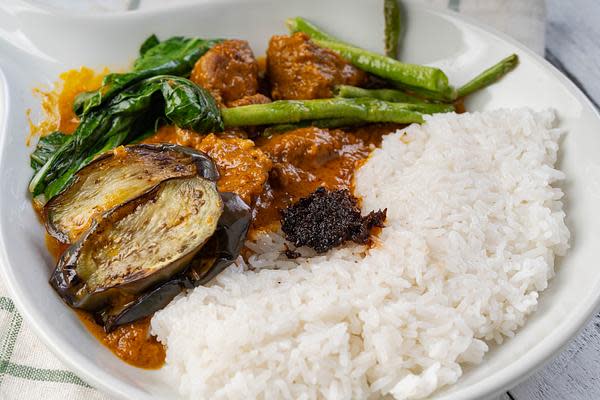
Kare-kare is a rich stew made with oxtail, tripe, or other meat cuts slowly simmered in a thick peanut sauce with vegetables. Traditional versions include string beans, eggplant, and banana heart (puso ng saging).
This dish is always served with bagoong (fermented shrimp paste), creating a fascinating flavor contrast. The mild, nutty stew against the salty, pungent condiment demonstrates the Filipino appreciation for complex flavor combinations.
Looking to explore more Asian culinary traditions? Discover the Ultimate Asian Street Food Delights to Savor in Your Home for more inspiration beyond Filipino cuisine.
Sisig
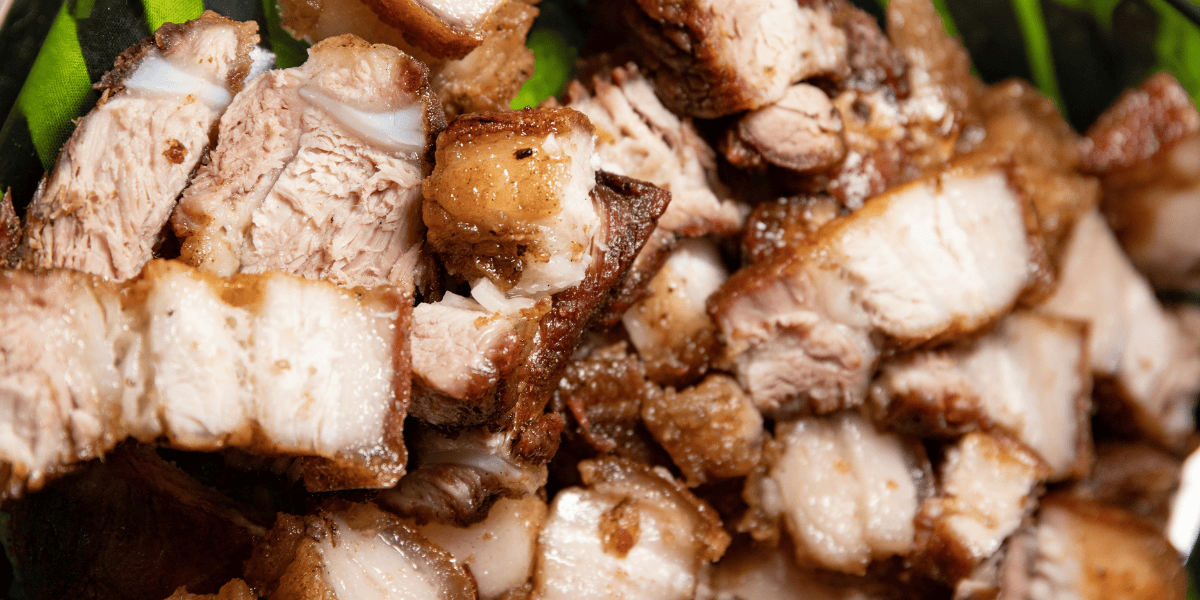
Sisig represents Filipino culinary ingenuity – transforming humble pig parts (face, ears, liver) into an irresistible delicacy. This sizzling dish combines chopped meat with onions, chili peppers, and calamansi juice, served on a hot plate.
Originally created in Pampanga province, sisig has evolved from simple boiled pig parts to a popular bar food (pulutan) enjoyed alongside cold beer. Modern versions sometimes include a raw egg added tableside.
The contrasting textures – crispy, chewy, and tender – along with the bold flavors make sisig one of the most crave-worthy Filipino street foods.
Lumpia
Lumpia showcases the Chinese influence on Filipino cuisine through these beloved crispy spring rolls. These versatile appetizers come in various forms:
Lumpia Shanghai: Fresh lumpia (lumpia sariwa):
Both versions demonstrate how filipino cuisine adapts foreign influences to suit local tastes.
Caldereta
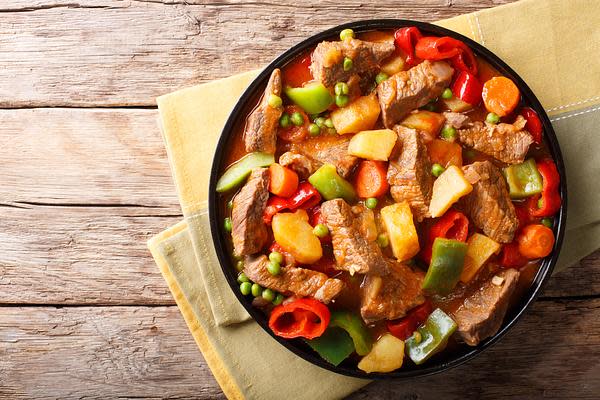
Caldereta delivers rich comfort – a tomato-based beef stew that showcases Spanish colonial influence. Traditionally made with goat meat but now commonly prepared with beef, this hearty dish simmers slowly until the meat becomes fork-tender.
The rich sauce typically includes liver spread for depth, bell peppers for sweetness, and sometimes cheese and olives in certain regions. This creates a complex flavor profile that's simultaneously familiar and unique.
Chef Nora Nolasco's Filipino Beef Kaldereta honors this tradition with tender beef slowly cooked in a savory tomato sauce with potatoes, carrots, and bell peppers.
Halo-halo
Halo-halo (meaning "mix-mix" in Tagalog) stands as the most iconic Filipino dessert – a colorful, layered creation that's visually stunning and delicious. This refreshing treat combines:
Shaved ice
Sweetened beans
Jellies and fruits
Flan or custard
Purple ube ice cream
Evaporated milk
The beauty of halo-halo lies in its contrasting textures and temperatures. Each spoonful offers a different combination of flavors as you dig through the layers.
Filipino-style spaghetti
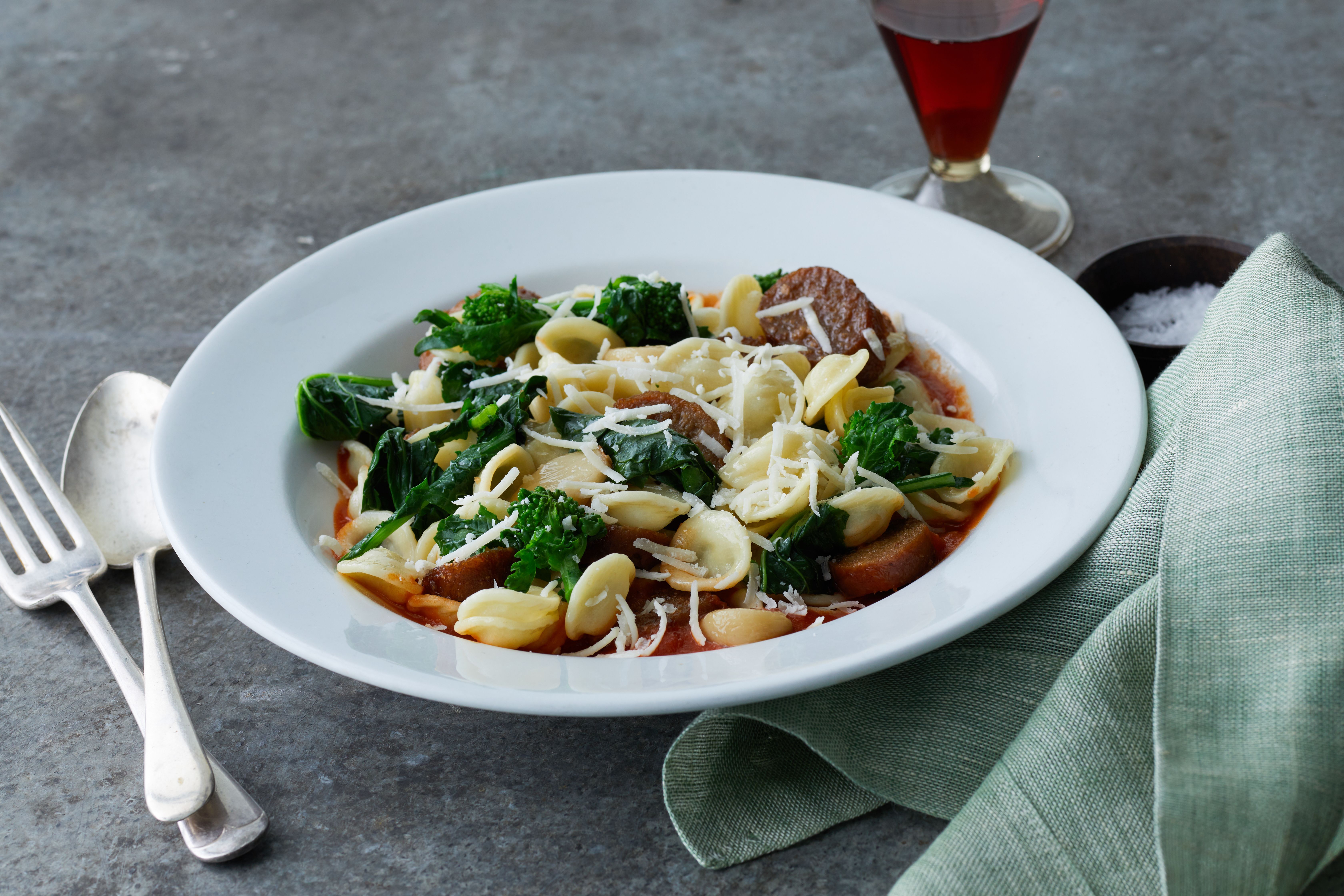
Filipino-style spaghetti offers a fascinating study in culinary adaptation – an American dish transformed through the Filipino preference for sweetness. This unique interpretation features a distinctively sweet tomato sauce, sliced hot dogs, ground meat, and topped with grated cheese.
The signature sweetness often comes from banana ketchup and occasionally condensed milk, giving the dish its distinctly sweet flavor profile. While this might surprise traditional Italian pasta lovers, the dish holds a special place in Filipino food culture.
Chef Stacy Bareng's Filipino-Style Spaghetti Bolognese captures this beloved comfort food with her chef-crafted interpretation.
Regional Filipino specialties worth discovering
Beyond the essential dishes, the Philippines offers remarkable regional specialties that reflect local ingredients and cultural influences.
The Bicol region is famous for its fiery Bicol Express – a coconut-based stew with chilies that delivers significantly more heat than typical Filipino dishes.
Northern Ilocos showcases distinctive specialties like empanadas filled with green papaya, mung beans, and longganisa sausage. The region's bagnet – crispy deep-fried pork belly – demonstrates the area's mastery of pork preparations.
Cebu in the Visayas is renowned for its lechon, often considered the best in the Philippines. Cebuano lechon features a distinctive stuffing of lemongrass, garlic, and other aromatics.
Mindanao's cuisine reflects its significant Muslim population, with dishes showing Malay and Indonesian influences. The region's food tends to incorporate more spices than northern areas.
Did you know that Filipino cuisine reflects a rich history of Spanish and American cultural influences, resulting in a unique fusion of flavors and cooking techniques? This unique history created fusion dishes that bear little resemblance to their namesakes in other countries.
Filipino breakfast traditions
Filipino breakfast, known as almusal, centers around "silog" meals – a hearty combination that fuels long days. The term comes from sinangag (garlic fried rice) and itlog (egg), with various proteins creating different variations:
Tapsilog: Thinly sliced cured beef (tapa) with garlic rice and fried egg
Longsilog: Sweet or garlicky Filipino sausages (longganisa) with rice and egg
Tocilog: Sweet cured pork (tocino) with the standard rice and egg
The cornerstone – garlic fried rice – transforms leftover rice into something fragrant and flavorful. Day-old rice is stir-fried with minced garlic until aromatic.
Chef Stacy Bareng's Filipino Adobo Pork Ribs can create a breakfast-inspired meal when paired with rice and an egg.
Filipino street food favorites
Filipino street food culture thrives in busy markets and city streets, offering affordable, portable bites with bold flavors and adventurous ingredients.
Isaw – grilled chicken or pork intestines – represents the Filipino talent for transforming offal into crave-worthy treats. Cleaned thoroughly and marinated before grilling, these skewers develop a smoky exterior while remaining tender inside.
Fishballs and squid balls – processed seafood formed into spheres and deep-fried – offer affordable protein enjoyed with sweet and sour sauce or spicy vinegar.
Kwek-kwek features hard-boiled quail eggs coated in orange-tinted batter and deep-fried until crispy. The bright color makes them instantly recognizable in street food markets.
Balut – a fertilized duck egg containing a partially developed embryo – remains perhaps the most famous Filipino street food. Considered a delicacy and believed to boost energy.
Vegetable dishes in Filipino cuisine
While Filipino cuisine often highlights meat and seafood, traditional vegetable dishes showcase the country's agricultural bounty and culinary creativity.
Pinakbet brings together bitter melon, eggplant, string beans, squash, and okra stir-fried with a small amount of pork and shrimp paste (bagoong). This northern Filipino dish celebrates seasonal vegetables in a savory, umami-rich preparation.
Laing transforms taro leaves into a creamy, spicy dish by slow-cooking them with coconut milk, chili peppers, and sometimes dried fish. The lengthy cooking process mellows the leaves' natural irritants while developing deep flavor.
Ginataang kalabasa combines butternut squash with coconut milk for a sweet-savory dish. Often including string beans and sometimes shrimp, this comforting recipe highlights how coconut milk enhances simple vegetables.
Chef Armando Litiatco's Filipino-Style BBQ Chicken incorporates traditional vegetable elements alongside perfectly grilled chicken.
How toeEnjoy Filipino food at home
Exploring Filipino cuisine at home becomes accessible with a few strategic approaches. Start with crowd-pleasing dishes like chicken adobo or pancit, which feature familiar ingredients prepared with Filipino techniques.
Stock your pantry with essential ingredients:
Vinegar (white or cane)
Soy sauce
Fish sauce (patis)
Calamansi juice or lime as a substitute
Chef Vincent Gerard's Filipino Beef Stew Mechado offers an excellent entry point for those curious about Filipino flavors. His tender beef simmered in a tomato-based sauce delivers comfort and authenticity.
Filipino meals traditionally pair with steamed white rice, which balances the bold flavors and completes the dining experience. For beverages, try calamansi juice, coconut water, or San Miguel beer for an authentic touch.
For a deeper exploration of Filipino cuisine and other Asian culinary traditions that have influenced it, check out Best Chinese Foods in USA: Authentic & Americanized Chinese Dishes to understand the cross-cultural connections.
FAQs about Filipino dishes
What makes Filipino cuisine unique from other Asian food traditions?
Filipino cuisine stands apart through its Spanish and American influences, preference for sourness, and distinctive combinations of sweet-savory-sour flavors within single dishes, all served in a communal dining style that encourages sharing.
How spicy is traditional Filipino food compared to other Southeast Asian cuisines?
Most traditional Filipino dishes are not inherently spicy, instead focusing on sour, savory, and sometimes sweet flavors, with the exception of Bicol region specialties that incorporate chilies and condiments like spiced vinegar for optional heat.
What are the essential ingredients needed for cooking authentic Filipino food at home?
Stock your pantry with vinegar, soy sauce, fish sauce, calamansi (or lime), garlic, and bay leaves for authentic Filipino cooking, with specialty items like bagoong (shrimp paste) available at Asian markets or online.
Is Filipino food considered healthy in terms of nutritional balance?
Filipino cuisine offers both nutritious options (vegetable-forward dishes, lean protein preparations) and indulgent specialties, with traditional meals typically balancing protein, vegetables, and rice in portions that support overall wellness.

Be the first to know about new offers
Multiorder discounts, free items and more.