Back
Brazil doesn't have one cuisine. It has dozens, stitched together by Indigenous, Portuguese, and African hands into a food culture so vast that most of the world has only scratched the surface.
Key takeaways:
Brazilian cuisine shifts dramatically by region, from the coconut-drenched seafood stews of Bahia to the fire-kissed churrasco of the south, all united by bold, fearless flavor.
The foundation of typical Brazilian food is deceptively simple: rice, beans, cassava, and fresh ingredients transformed through patience and technique rather than fussy methods.
Many beloved Brazilian dishes are naturally gluten-free, built on tapioca flour and cassava rather than wheat.
You don't need a plane ticket to enjoy Brazilian flavors. Chef-crafted meals inspired by the country's boldest traditions can arrive fresh at your door through CookUnity.
What is Brazilian cuisine
Brazilian cuisine is built on centuries of Indigenous, Portuguese, and African¹ influences that collide in dishes bursting with color, smoke, and soul. Typical brazilian food ranges from slow-simmered black bean stews and fire-kissed grilled meats to golden fried street snacks and coconut-drenched seafood. The common thread is a fearless commitment to flavor.
What makes it magnetic is how dramatically it shifts by region. In the northeast, African-rooted dishes like acarajé and moqueca rule with palm oil and coconut milk. Head south, and churrasco becomes practically a religion. The Amazon contributes ingredients most of the world has never tasted, while São Paulo's immigrant communities have folded Japanese, Italian, and Lebanese flavors into the national palate.
Cassava (mandioca): A starchy root vegetable that forms the base of farofa, tapioca, and dozens of other staples
Dendê oil: Deep orange palm oil essential to Bahian cooking
Black beans and rice: The daily foundation of nearly every Brazilian plate
15 must-try Brazilian dishes
From popular brazilian food icons found in every home kitchen to regional specialties worth traveling for, these 15 dishes are your edible passport to Brazil.
1. Feijoada
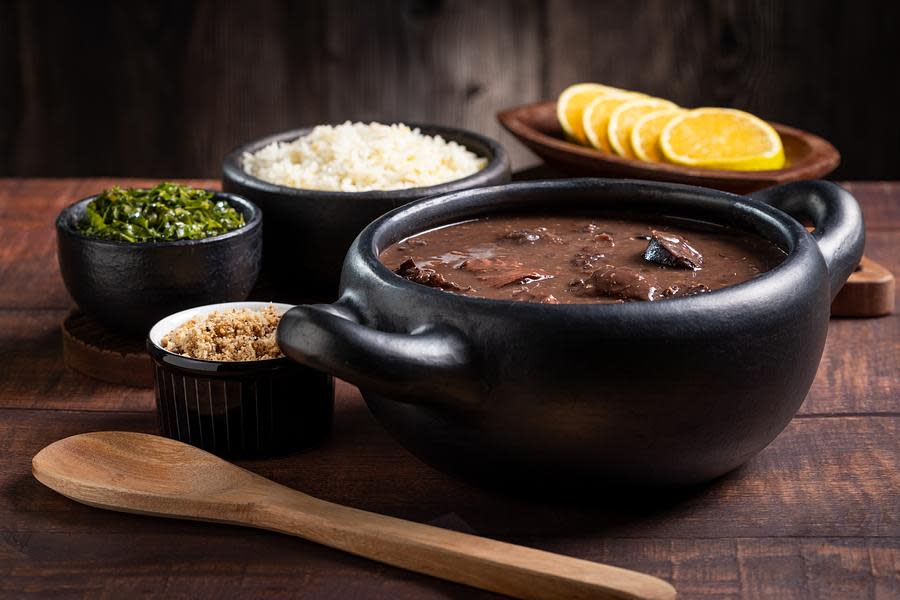
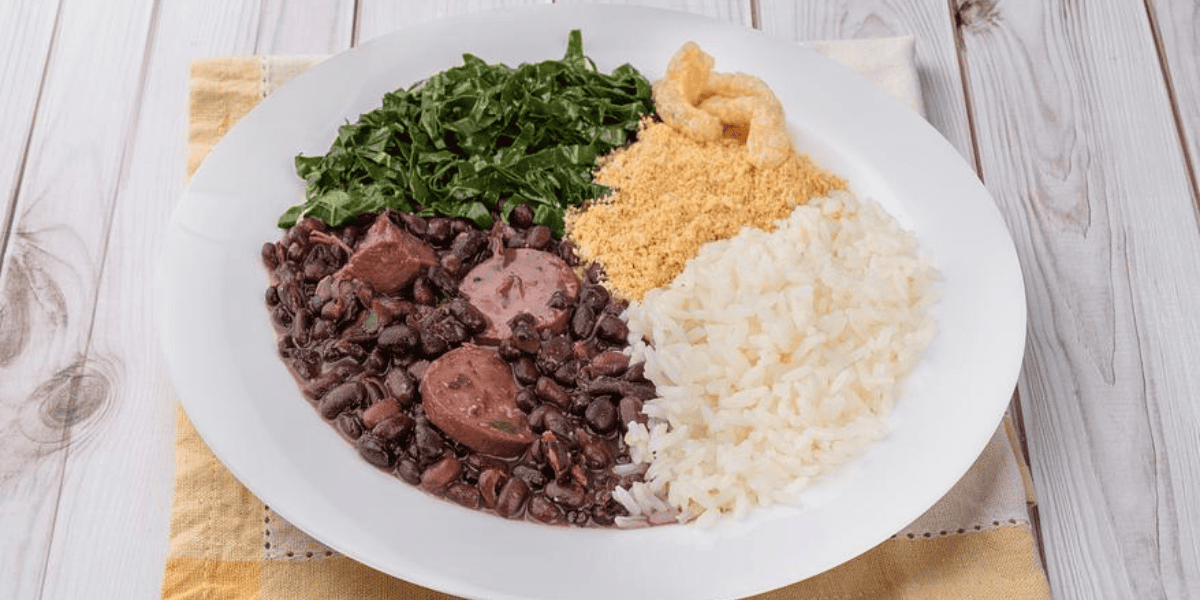
Feijoada is Brazil's undisputed national dish. A rich black bean stew slow-cooked with pork ribs, sausage, and smoked meats until everything melts into a thick, velvety broth. Traditionally served on Wednesdays and Saturdays with white rice, farofa, collard greens, and orange slices to cut through the richness, it's the kind of meal that demands you clear your afternoon.
2. Churrasco
Churrasco is the Brazilian art of grilling meat over open flame, dating back nearly two centuries². Large cuts of beef, pork, and chicken are seasoned with coarse salt, skewered on long metal spits, and roasted slowly over charcoal. The star cut is picanha³ (top sirloin cap), prized for its thick fat cap that bastes the meat as it cooks.
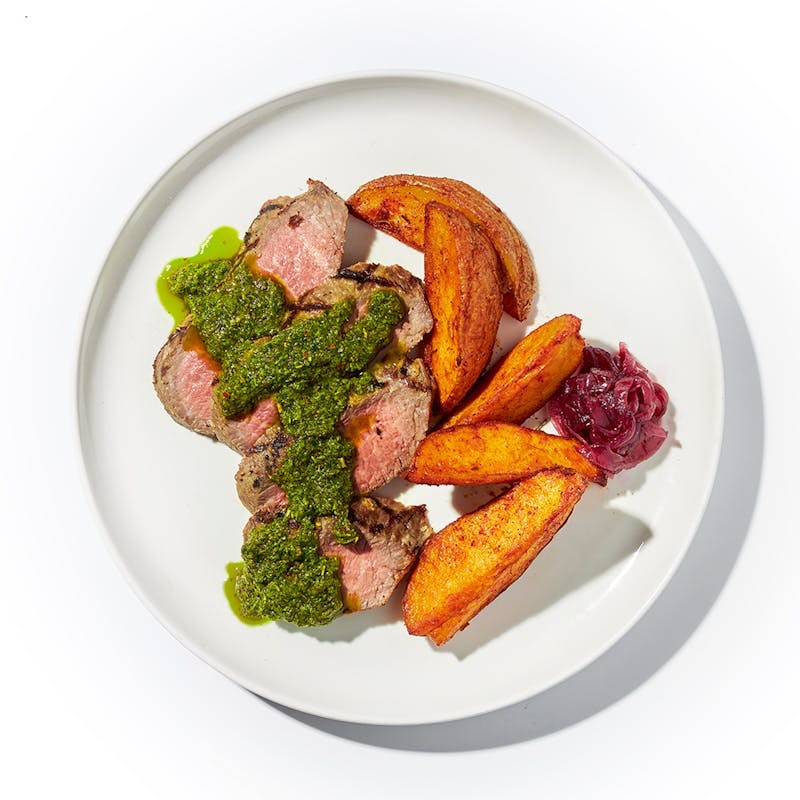
For that fire-kissed flavor without manning a grill for hours, Chef Cedric Nicolas's Grilled Picanha Steak delivers beautifully seasoned picanha with potato wedges and French onion.
3. Pão de queijo
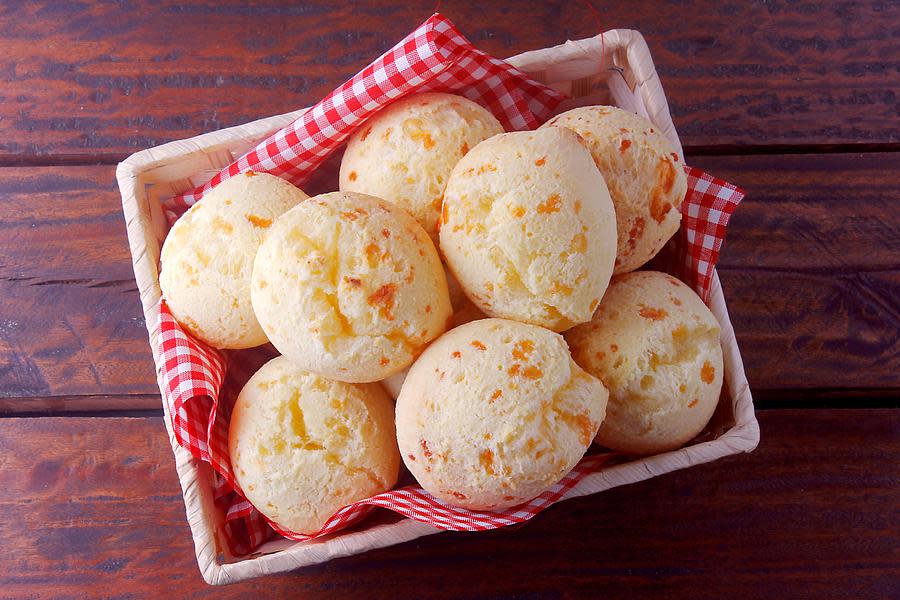
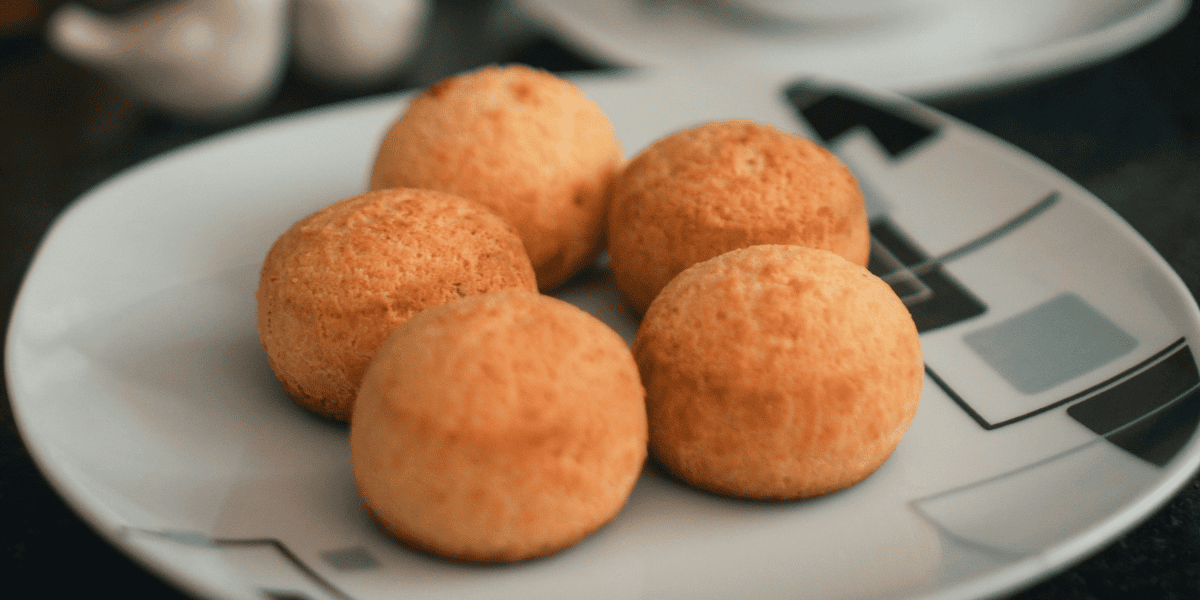
These golden, pillowy cheese bread balls are arguably Brazil's most addictive snack. Made with tapioca flour⁴ (which makes them naturally gluten-free) and packed with melted cheese, they have a crispy shell that gives way to a stretchy, chewy center. Originating in Minas Gerais⁵, they're served at breakfast, as snacks, and alongside meals throughout the day.
4. Coxinha
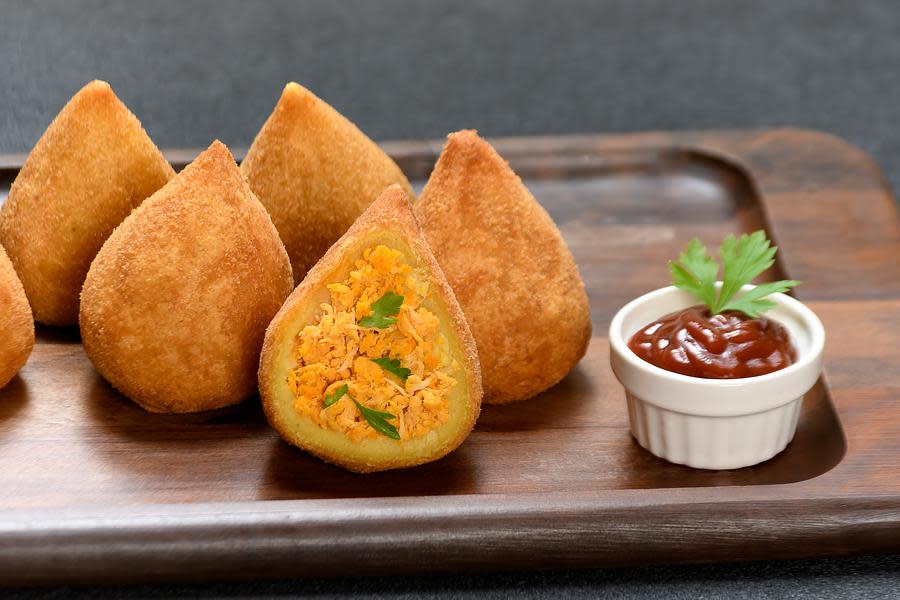
Imagine a teardrop-shaped croquette with a thin, crackling fried shell hiding a creamy, shredded chicken filling seasoned with herbs and cream cheese. That's coxinha, a street food icon found at bakeries, bars, and gas stations across the country. The name means "little thigh," a nod to its shape resembling a chicken drumstick.
5. Moqueca
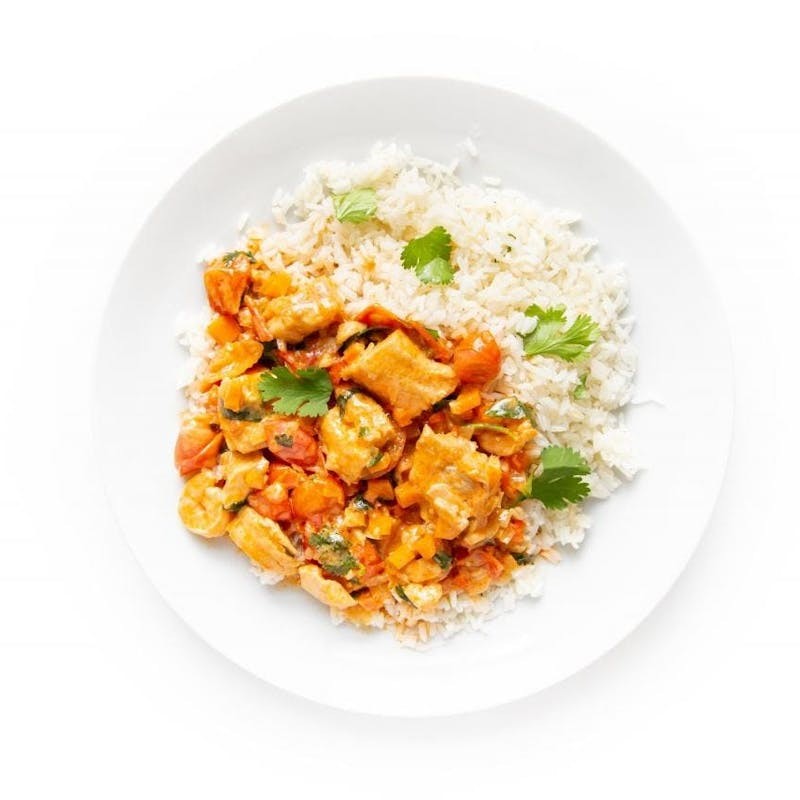
Moqueca is a fragrant seafood stew that simmers fish or shrimp in coconut milk, tomatoes, peppers, cilantro, and dendê oil, which gives it a gorgeous golden-orange hue. The Bahian version⁶ is the most famous, while the Capixaba version from Espírito Santo skips the coconut milk for a lighter broth.
Try Chef John DeLucie's Brazilian-Style Fish Stew for that same vibrant, coconut-kissed warmth in a ready-to-heat meal.
6. Farofa
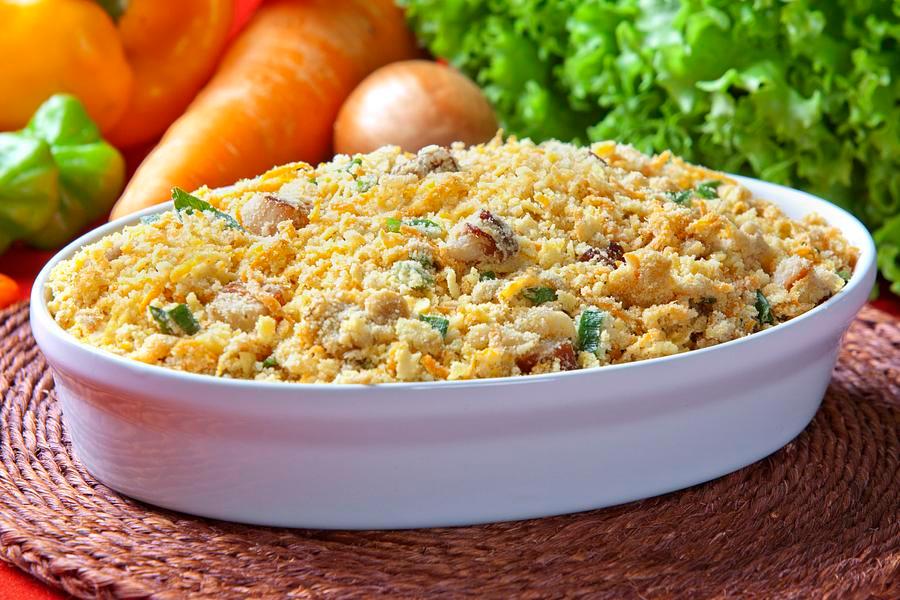
Farofa is toasted cassava flour, and calling it a "side dish" dramatically undersells its importance. Brazilians sprinkle this crunchy, buttery, golden topping over beans, rice, stews, and grilled meats the way some cultures use salt. It can be simple or loaded with bacon, eggs, olives, and dried fruits.
Curious about how other cultures build meals around essential staples? Explore our guide to traditional Haitian food for another culinary tradition rooted in resilience and bold flavor.
7. Acarajé
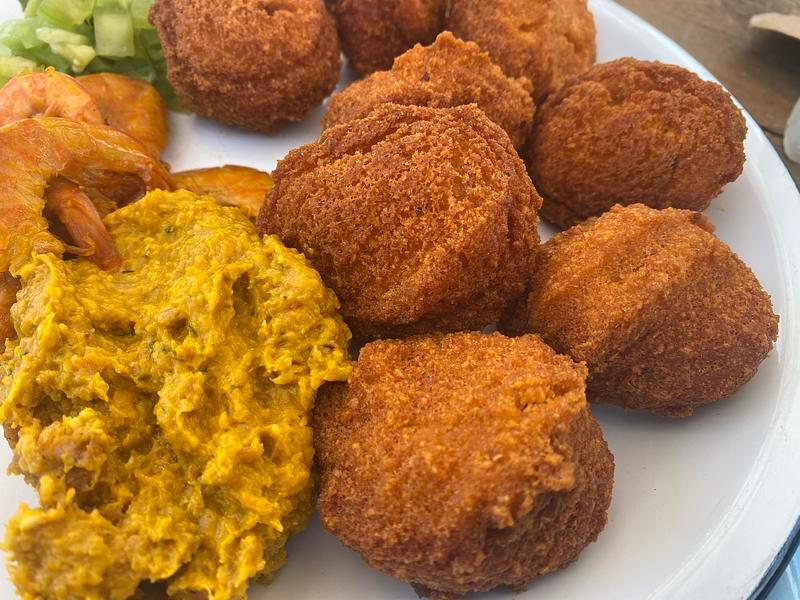
Acarajé is a gift from the Afro-Brazilian culinary tradition of Bahia⁷. Black-eyed peas are soaked, peeled, blended into a paste, and deep-fried in dendê oil until the outside shatters. The fritter is split open and stuffed with vatapá (a creamy shrimp paste), caruru (okra stew), and dried shrimp. It's sold by baianas de acarajé, women in traditional white lace recognized by UNESCO⁸ as cultural heritage keepers.
8. Brigadeiro

If Brazil has a national dessert, this is it. Brigadeiro are chocolate truffles made by cooking sweetened condensed milk with cocoa powder and butter until fudgy, then rolling into balls coated in chocolate sprinkles. They are a beloved treat, often served at birthday parties and celebrations across Brazil.
9. Vatapá
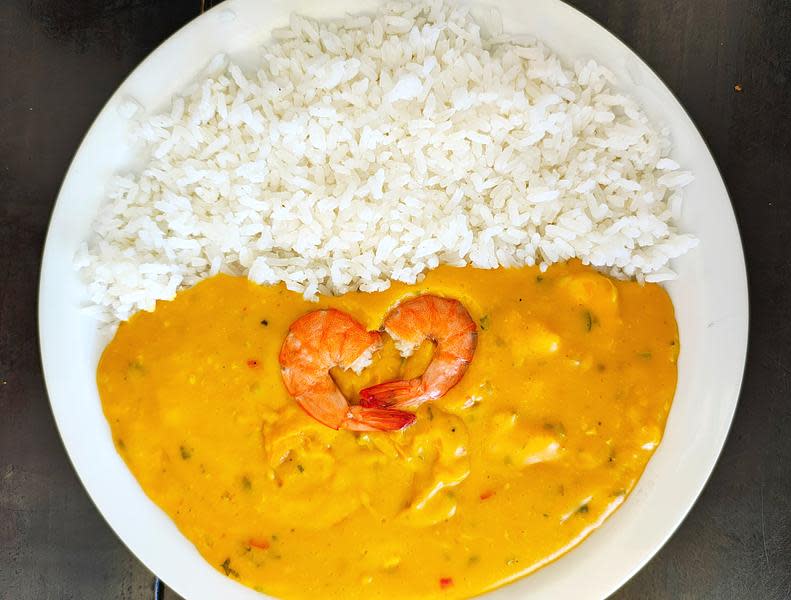
Vatapá is a thick, creamy paste made from bread, shrimp, coconut milk, finely ground peanuts, and palm oil, all blended into a spiced purée. It's a staple of Bahian cuisine, served as a filling for acarajé or alongside rice. The texture falls somewhere between a mousse and a savory pudding.
10. Feijão tropeiro
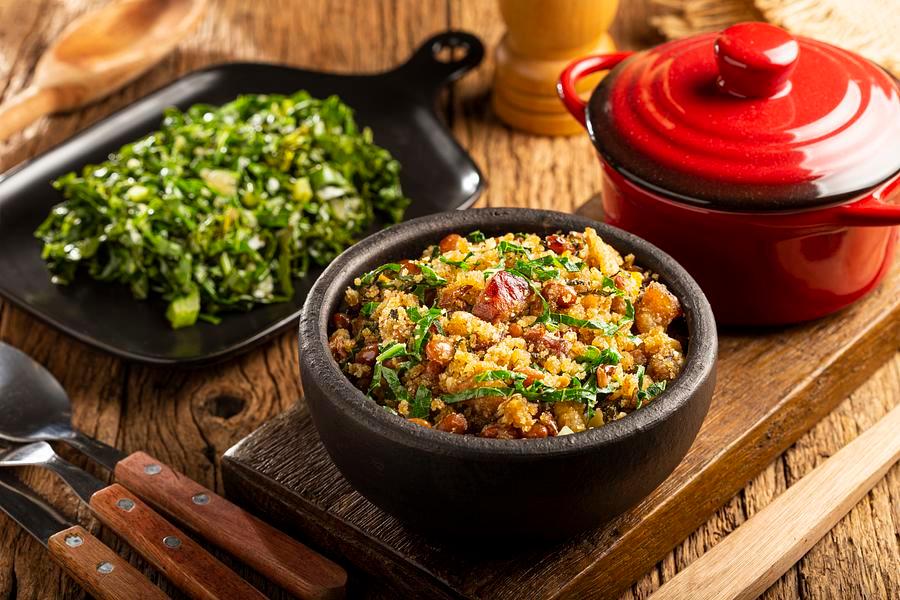
Feijão tropeiro, or "trooper's beans," is a hearty one-pan dish from Minas Gerais originally made as trail food for mule drivers. Pinto beans are mixed with toasted cassava flour, scrambled eggs, bacon, sausage, collard greens, and onions. It's one of the most beloved common brazilian dishes served at home and in restaurants alike.
Ready to explore Brazilian flavors without the cooking? Browse our Brazilian meal delivery menu and discover chef-crafted dishes inspired by the country's boldest traditions.
11. Tapioca crepes
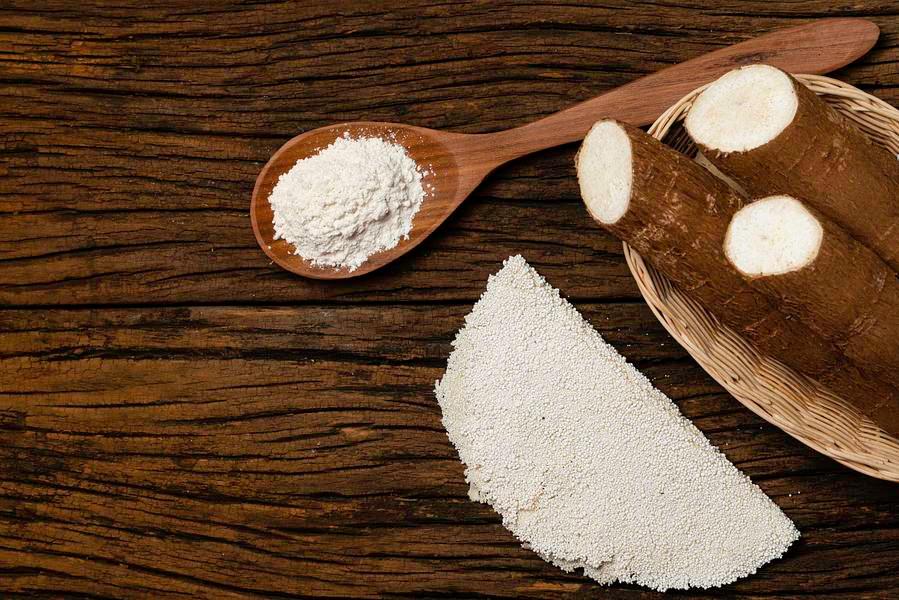
Brazilian tapioca crepes are nothing like the pearl-studded drinks you might be picturing. Hydrated tapioca flour is spread thin on a hot griddle, where it fuses into a soft, naturally gluten-free flatbread. Fillings range from savory (ham and cheese, shredded chicken) to sweet (condensed milk and coconut, banana and chocolate).
12. Pastel

Pastéis are thin, crispy, deep-fried pastry pockets stuffed with seasoned ground beef, melted cheese, hearts of palm, or shrimp. They're the undisputed king of Brazilian street food, found at every feira (open-air market) and paired with sugarcane juice for the quintessential São Paulo Saturday morning.
13. Bolinho de bacalhau
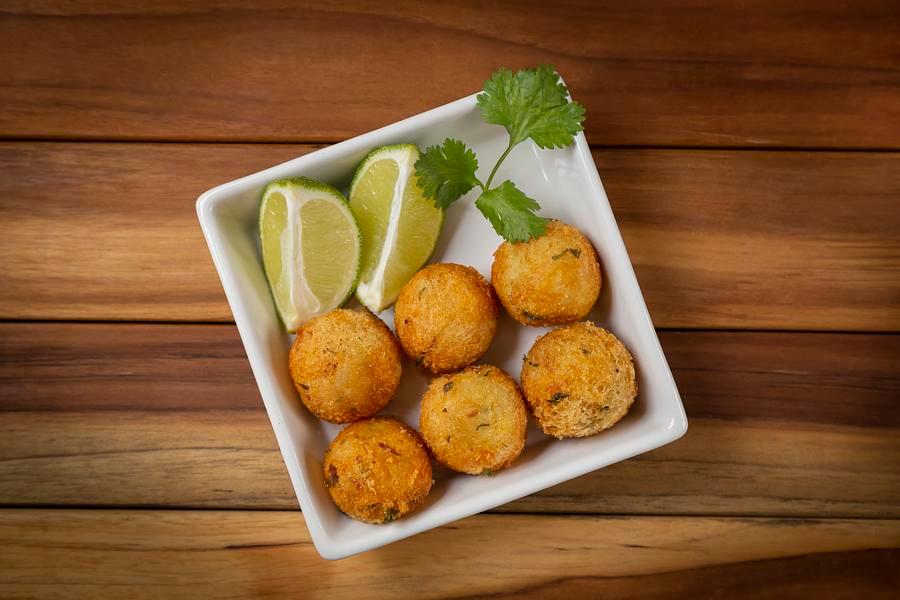
These golden salt cod fritters are a direct inheritance from Portugal⁹. Salt cod is soaked, shredded, and mixed with mashed potatoes, eggs, parsley, and onion, then shaped into small ovals and fried until crisp. Served hot with a squeeze of lime, they disappear from the plate faster than you can make them.
14. Empadão
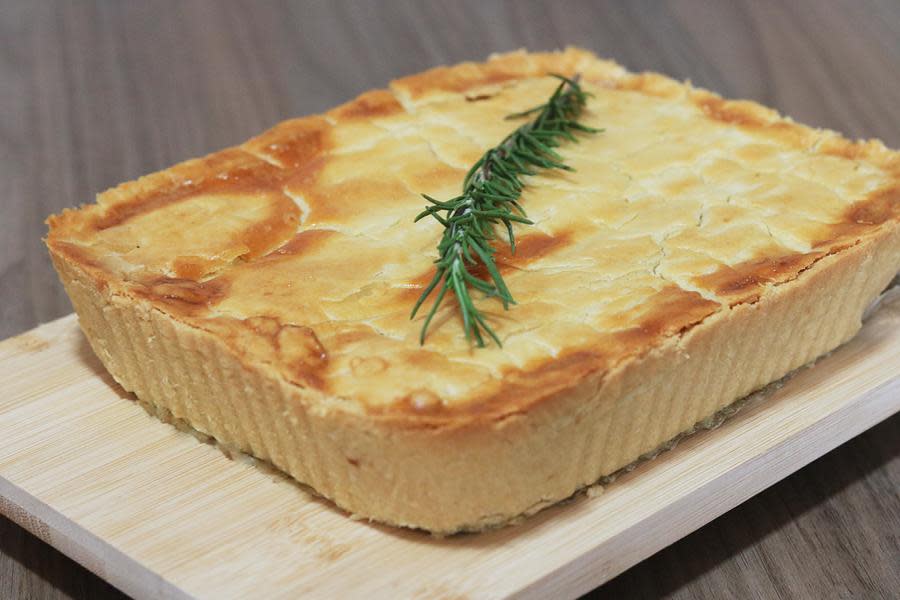
Empadão is a savory Brazilian pie with a buttery, crumbly crust encasing shredded chicken in a creamy sauce with olives, hearts of palm, corn, and hard-boiled eggs. Think of it as Brazil's answer to a pot pie, but more festive and layered with textures.
15. Arroz e feijão
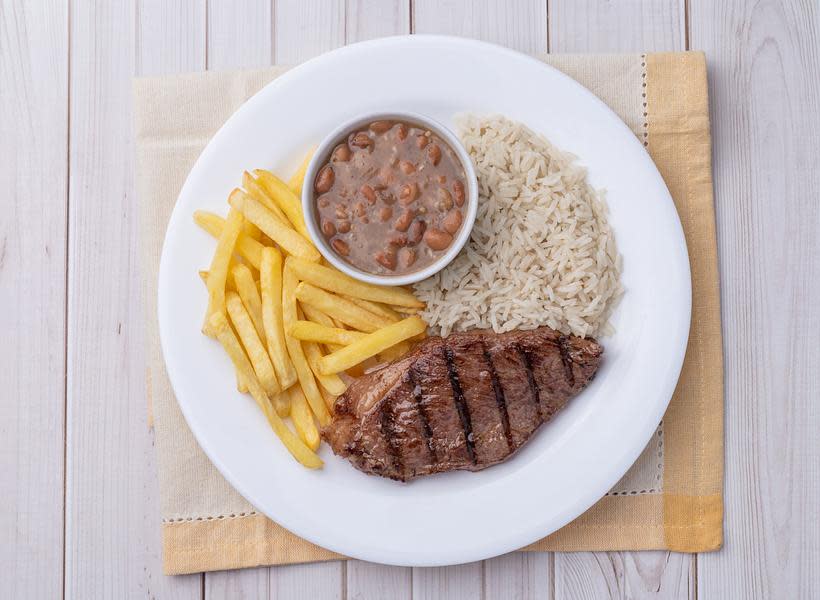
Rice and beans might sound humble, but arroz e feijão is the daily ritual that holds Brazilian food culture together. Nearly every Brazilian eats this at lunch and dinner, with fluffy white rice alongside soupy, seasoned beans. It's the foundation of the prato feito, the classic "made plate" that adds a protein, salad, and farofa. Democratic, nourishing, and quietly perfect.
What Brazilians eat for breakfast, lunch, and dinner
Meal | Typical foods | Character |
|---|---|---|
Breakfast | Pão de queijo, tapioca crepes, fresh fruit, strong coffee with milk, French bread with ham and cheese | Light and carb-forward |
Lunch | Arroz e feijão, grilled meat or chicken, salad, farofa, sometimes feijoada | The main event, often 2+ hours |
Dinner | Soups, sandwiches, pastéis, or a lighter version of lunch | More relaxed, sometimes skipped |
Brazilian lunches are substantial. Lunch is the anchor of the day, and many businesses still observe a long midday break for a proper sit-down meal—fitting, as a study in Public Health Nutrition10 found that over 96% of Brazilian adults eat lunch regularly. Brazilian dinners tend to be lighter, though in southern states influenced by European traditions, dinner can be just as hearty.
Tips for preparing traditional Brazilian meals at home
You don't need a plane ticket to cook Brazilian. A few pantry staples open the door to most dishes on this list.
Stock up on cassava flour (farinha de mandioca): It's the base for farofa and appears in dozens of recipes. Find it at Latin American markets or online.
Find dendê oil: Essential for Bahian dishes like moqueca and acarajé. A little goes a long way.
Use dried black beans, not canned: Soaked overnight and slow-cooked, they yield a richer, silkier result for feijoada and everyday beans.
Embrace sweetened condensed milk: It's the backbone of Brazilian desserts, from brigadeiro to pudim (flan).
The beauty of Brazilian home cooking is that it rewards patience more than technique. Most dishes rely on slow simmering and quality ingredients rather than fussy methods.
Love exploring cuisines from the Americas? Discover Latin American meal delivery from CookUnity, featuring dishes that celebrate the bold, diverse flavors of the region.
Bring Brazilian flavors to your table without the prep work
Not every night calls for soaking beans overnight or hunting down specialty ingredients. Sometimes the craving for bold, soulful food hits and you just want it on your plate, no apron required.
That's where CookUnity comes in. Our award-winning chefs craft restaurant-quality meals inspired by global traditions, including Latin American and Brazilian flavors, delivered fresh to your door. Every dish is made in small batches by real chefs who bring their own heritage and creativity to the table.
Whether you're drawn to the smoky char of Chef Cedric Nicolas's Grilled Picanha Steak or the coastal warmth of Chef John DeLucie's Brazilian-Style Fish Stew, you can explore bold flavors without spending your evening at the stove.
Explore the weekly menu and select your meals.
Frequently asked questions about Brazilian dishes
Which traditional Brazilian dishes are naturally gluten-free?
Many popular Brazilian foods are naturally gluten-free, including pão de queijo (made with tapioca flour), tapioca crepes, feijoada, moqueca, and any dish built on the rice-and-beans foundation.
Are traditional Brazilian dishes typically spicy?
Most Brazilian food leans savory, smoky, and aromatic rather than fiery, though Bahian dishes made with malagueta peppers can bring real heat, and many tables offer molho de pimenta (chili sauce) on the side.
What is the easiest Brazilian dish for beginners to make at home?
Brigadeiro requires only three ingredients (sweetened condensed milk, cocoa powder, and butter) cooked in one pot, with no special equipment or hard-to-find ingredients.
Can Brazilian ingredients be found outside of Brazil?
Latin American grocery stores, international markets, and online retailers carry most Brazilian pantry staples like cassava flour, dendê oil, and hearts of palm, while black beans and condensed milk are available at any supermarket.
Are there allergens commonly used in traditional Brazilian cooking?
Many Brazilian dishes contain common allergens including peanuts (vatapá), shellfish (moqueca, acarajé fillings), dairy (pão de queijo, brigadeiro), eggs (bolinho de bacalhau, empadão), and wheat (pastel dough), so always check ingredients carefully if you have food sensitivities.
Sources:

Be the first to know about new offers
Multiorder discounts, free items and more.