Back
Brazil's cuisine is one of the most diverse on Earth, yet most people outside the country can't name a single dish beyond churrasco. From black bean stews to street snacks enjoyed across cities, these 12 dishes offer a flavorful introduction to Brazilian cuisine.
Key takeaways:
Brazilian cuisine blends Indigenous, Portuguese, African, and immigrant traditions into bold, regionally distinct flavors built around cassava, beans, tropical fruits, and fire-roasted meats.
Iconic dishes like feijoada, moqueca, and picanha aren't just meals. They're cultural rituals tied to family, history, and place.
Many classic Brazilian foods are naturally gluten-free or vegetarian-friendly, making them more accessible than most people expect.
Award-winning chefs at CookUnity craft Brazilian-inspired dishes like Brazilian Fish Stew and Grilled Picanha Steak, delivered fresh and ready to heat at home.
What defines Brazilian cuisine
Brazilian cuisine is a fusion of Indigenous¹, Portuguese, African, and immigrant traditions that shifts dramatically from region to region. Food in Brazil revolves around staples like rice, black beans, cassava (a starchy root vegetable), tropical fruits, and bold seasonings including dendê oil (a rich, orange-hued palm oil), malagueta peppers, and fresh cilantro.
What is Brazil known for when it comes to eating? The communal table. Meals are shared, savored, and stretched across long afternoons with family. Sunday feijoada gatherings, churrasco cookouts, and street food festivals aren't just meals. They're rituals. In a large cohort study², the 'common Brazilian' dietary pattern was associated with beneficial health markers.
The northeast coast draws on West African traditions with coconut milk and dendê oil. The southern grasslands celebrate gaucho culture through fire-roasted meats. The Amazon contributes ingredients found nowhere else, like tucupi (a fermented cassava broth) and jambu (a mouth-tingling herb). Every plate tells you exactly where you are.
Craving authentic Brazilian flavors at home? Explore our Brazilian meal delivery, featuring chef-crafted dishes made with fresh ingredients and delivered to your door.
12 essential Brazilian foods to know
From hearty stews simmered for hours to golden Brazilian snacks sold on every street corner, these are the dishes that define what Brazil tastes like.
Feijoada
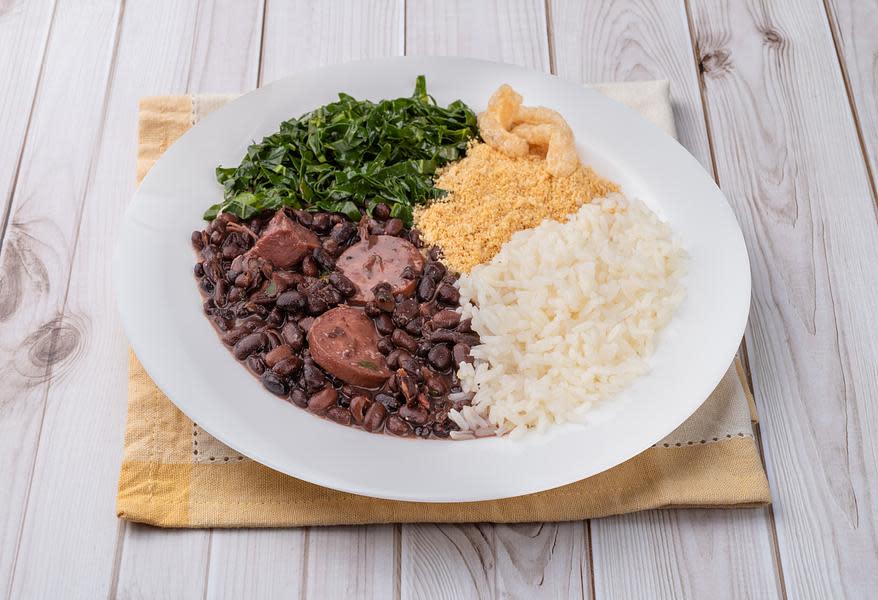
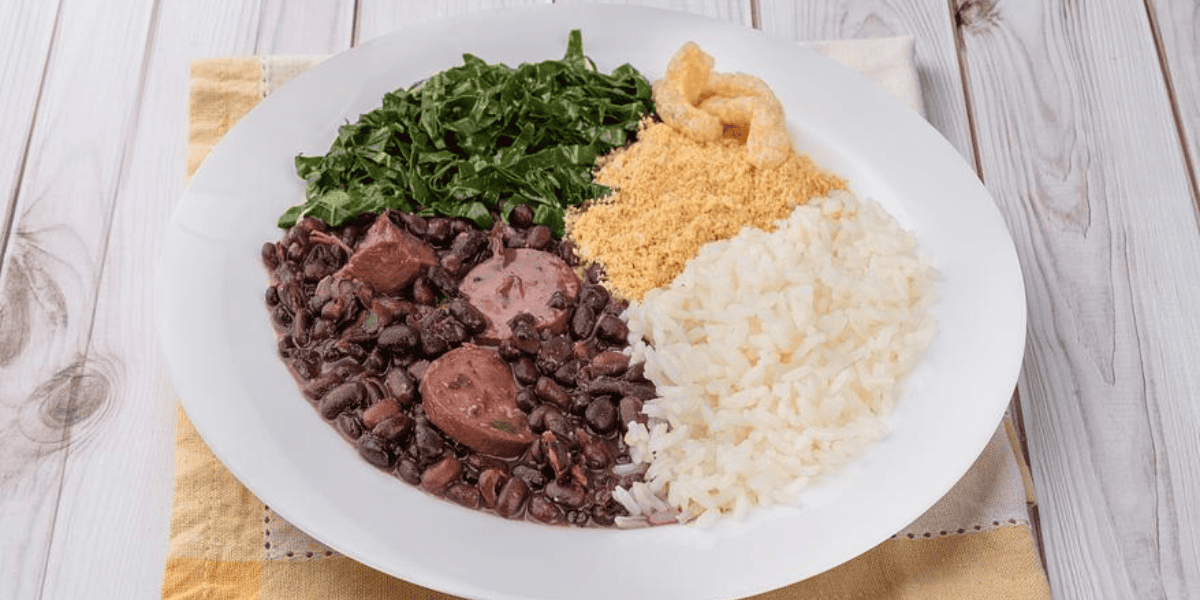
Feijoada³ is Brazil's undisputed national dish, a rich, slow-cooked black bean stew loaded with pork sausage, ribs, and dried beef. Traditionally served on Wednesdays and Saturdays, it arrives alongside white rice, farofa, collard greens, and slices of fresh orange to cut through the richness.
Pão de queijo
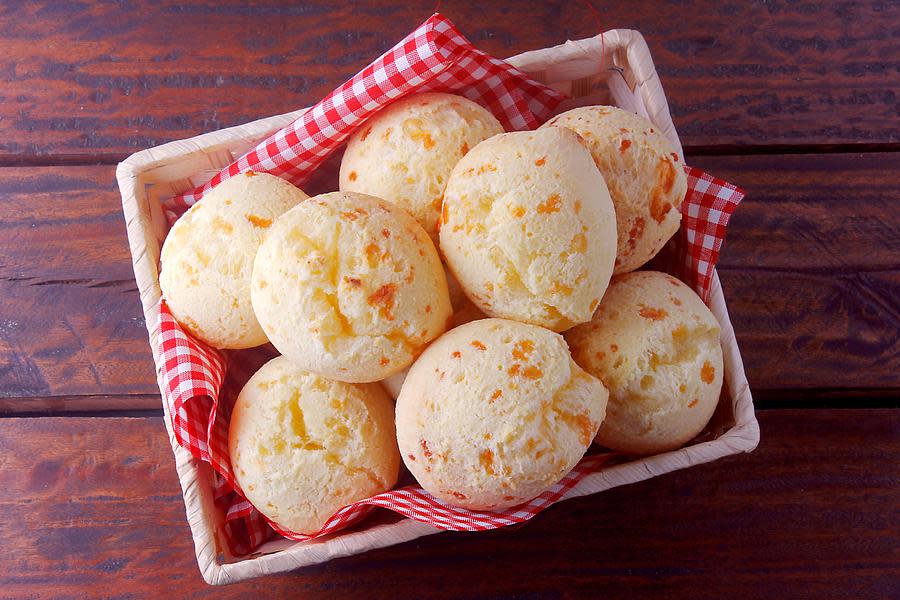
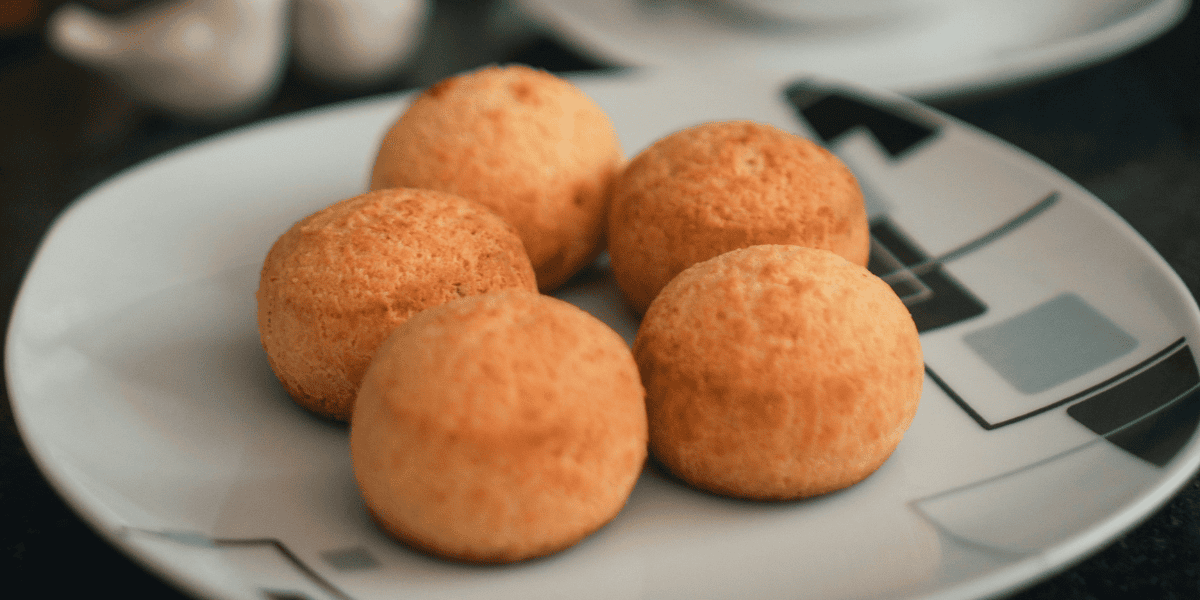
These golden, pillowy cheese bread balls are made from tapioca flour (naturally gluten-free) and Minas cheese. Crispy outside, impossibly chewy inside, and eaten at breakfast, as a snack, or honestly, any hour you can get your hands on them.
Coxinha
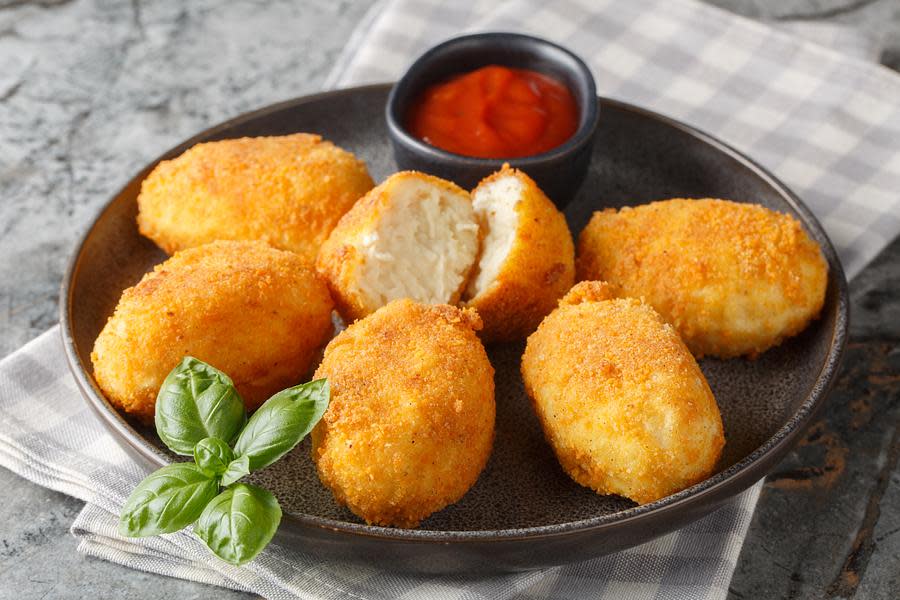
Coxinha is a teardrop-shaped, deep-fried croquette filled with shredded chicken and cream cheese, coated in a crispy breadcrumb shell. The dough is made from wheat flour cooked with chicken broth, then wrapped around the filling and fried golden. It's the crown jewel of Brazilian snacks.
Moqueca
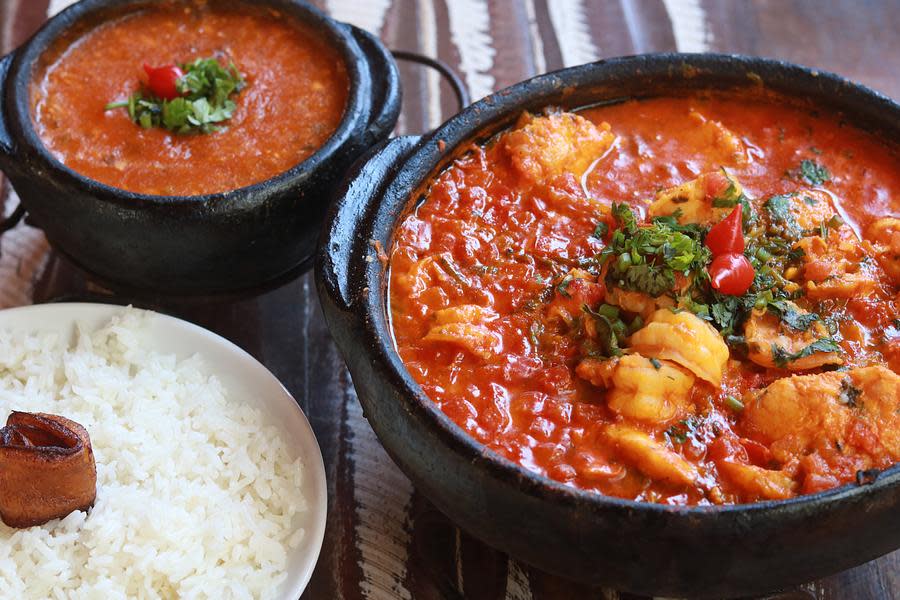
Moqueca⁴ is a fragrant seafood stew that simmers fish or shrimp in coconut milk, tomatoes, dendê oil, and cilantro. The Bahian version, with its deep golden color and velvety texture, is the most famous. Traditionally cooked in a clay pot, it fills a room with perfume before a single spoon is lifted.
Want to experience this iconic stew at home? Try Chef John DeLucie's Brazilian Fish Stew, featuring tender fish in a bold, aromatic coconut broth.
Brigadeiro

Brigadeiro⁵ is Brazil's answer to the truffle. Made from sweetened condensed milk, cocoa powder, and butter, the mixture is cooked until thick, rolled into balls, and coated in chocolate sprinkles. Three ingredients, handled with care, become something transcendent.
Acarajé
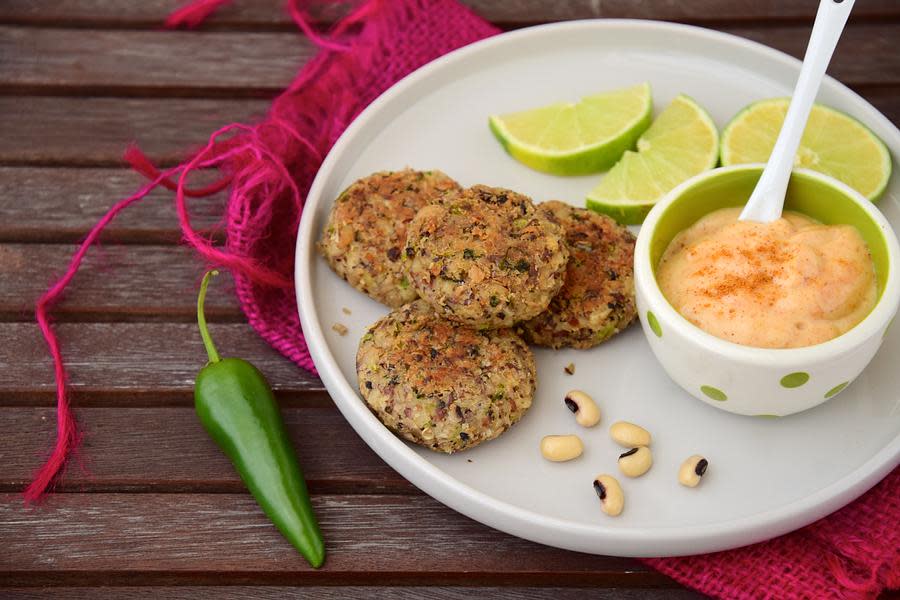
Acarajé is a deep-fried ball of black-eyed pea dough, split open and stuffed with vatapá (a creamy shrimp paste) and dried shrimp. It's the signature street food of Salvador, Bahia, carrying deep ties to Afro-Brazilian⁶ spiritual traditions. The craft of making acarajé is recognized as an intangible cultural treasure by Brazil's national heritage institute.
Pastel
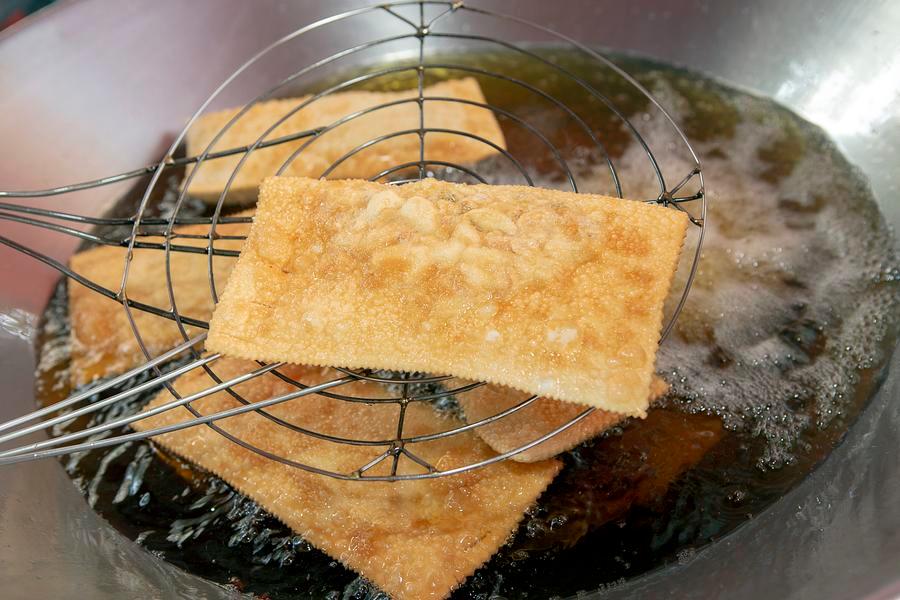
Pastel is a thin, crispy pastry stuffed with ground beef, cheese, hearts of palm, or shrimp, then deep-fried until blistering and golden. Its origins trace back to Japanese and Chinese immigrants who adapted spring roll techniques to Brazilian tastes. No Saturday morning feira (open-air market) is complete without one.
Brazil's regional cooking traditions share a spirit of bold, communal flavor with other Caribbean cuisines. Explore more in our guide to traditional Haitian food: 20 must-try dishes and their stories.
Farofa
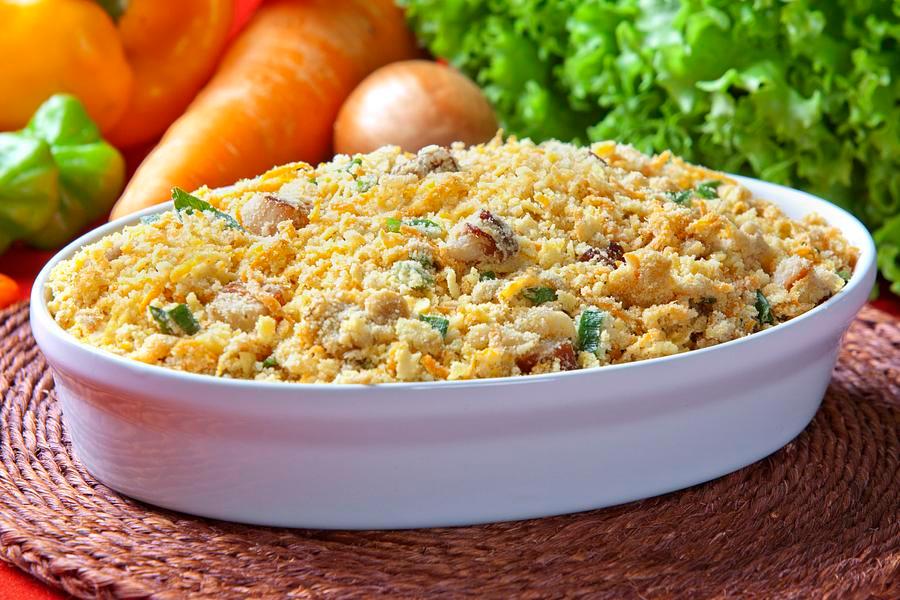
Farofa is toasted cassava flour, the crunchy condiment Brazilians sprinkle on practically everything. In its simplest form, it's cassava flour toasted in butter. In its most elaborate, it includes bacon, eggs, olives, and dried fruits. No Brazilian table is set without it.
Vatapá
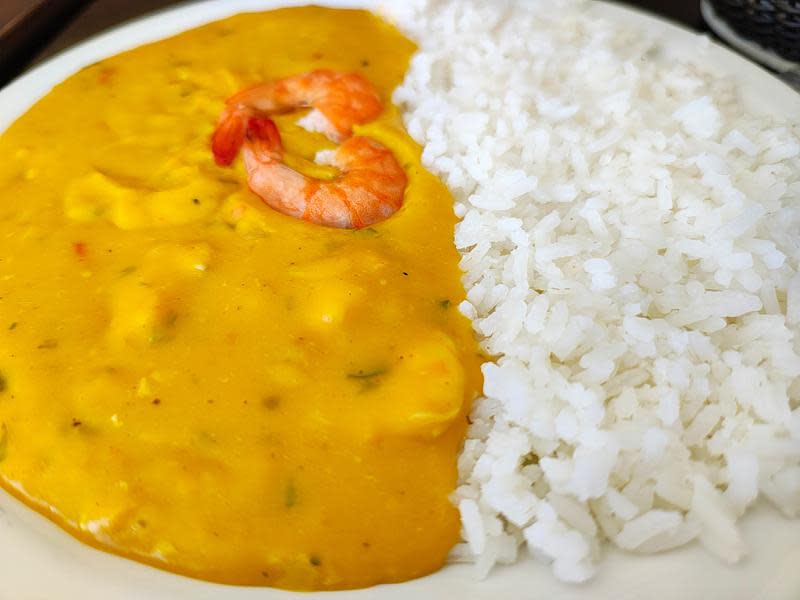
Vatapá is a thick, creamy paste made from bread, shrimp, coconut milk, palm oil, and ground peanuts or cashews. It hails from Bahia and represents one of the most distinctive expressions of Afro-Brazilian cooking. The texture falls somewhere between a thick soup and a spread, and it's utterly addictive.
Empadão
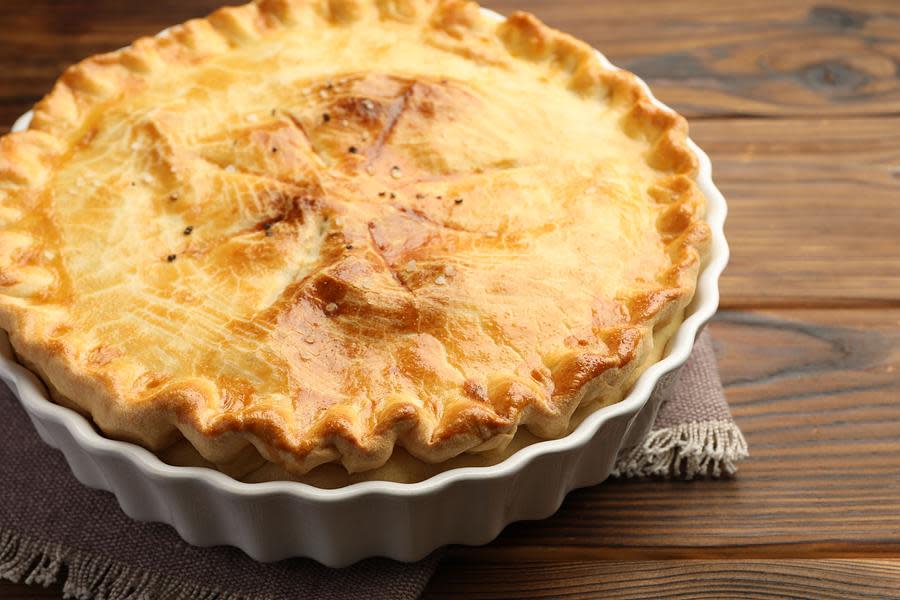
Empadão is a large savory pie with a buttery crust encasing shredded chicken, hearts of palm, olives, corn, and a creamy sauce. Think of it as Brazil's pot pie, but richer. Smaller individual versions called empadinhas are popular party snacks at bakeries across the country.
Tapioca crepes
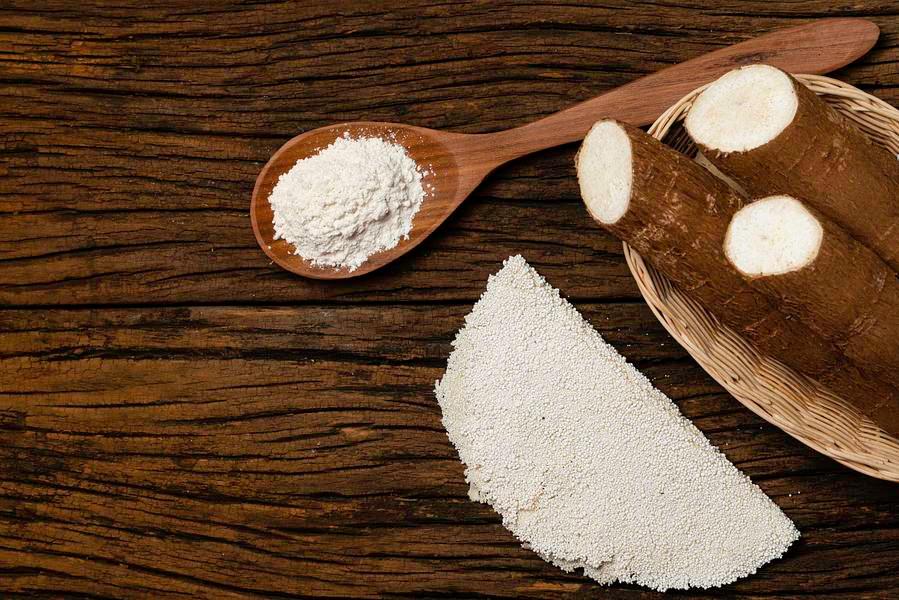
Tapioca crepes are made from hydrated tapioca flour pressed onto a hot griddle until it forms a thin, flexible, naturally gluten-free flatbread. Originally a staple of northeastern Brazil, they've exploded in popularity as a lighter alternative to bread, with fillings ranging from butter and cheese to coconut and condensed milk.
Picanha
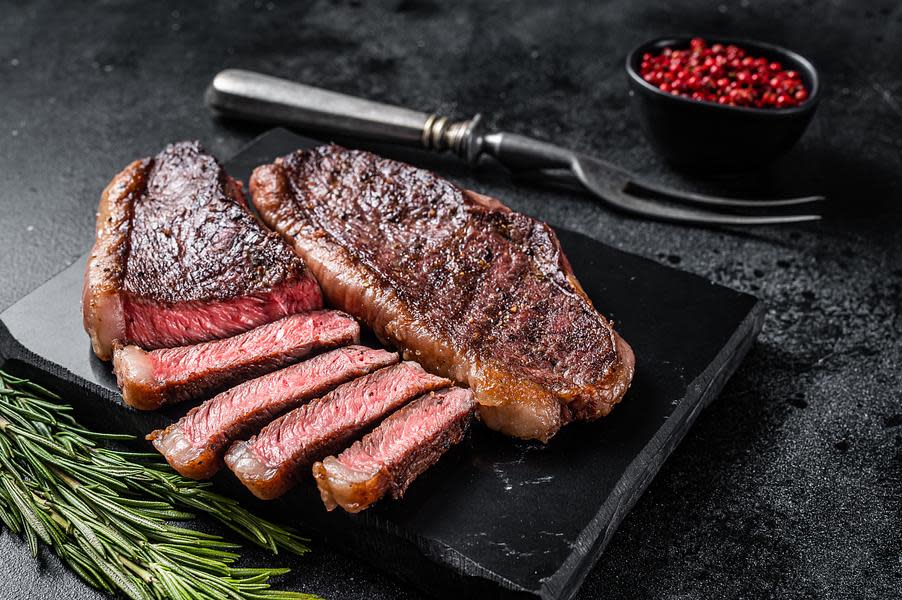
Picanha⁷ is Brazil's most prized cut of beef, a triangular cap of sirloin with a thick layer of fat that bastes the meat as it cooks. It's the star of churrasco⁸ (Brazilian barbecue), skewered and roasted over open flames, seasoned with nothing more than coarse salt.
For a taste of authentic churrasco at home, try Chef Cedric Nicolas's Grilled Picanha Steak, seasoned and grilled to perfection, then delivered fresh to your door.
Discover chef-crafted meals inspired by global cuisines, from Brazilian to Italian to American comfort classics. Explore the weekly menu and select your meals.
How Brazilian dishes reflect the country's culture
Brazilian food is a map of the country's history, geography, and people. Some Brazilian fruits⁹ have been linked to improved gut health and chronic disease prevention. Each region's cuisine tells the story of who settled there and what the land provides.
Region | Signature flavors | Key influences |
|---|---|---|
Northeast (Bahia) | Dendê oil, coconut milk, dried shrimp | West African, Indigenous |
South (Rio Grande do Sul) | Grilled meats, chimichurri, polenta | European (Italian, German) |
Southeast (São Paulo, Minas Gerais) | Cheese, pork, beans, coffee | Portuguese, Italian, Japanese |
North (Amazon) | Açaí, river fish, tucupi, jambu | Indigenous Amazonian |
Food also marks the Brazilian calendar. June festival foods like canjica (sweet corn pudding) and pamonha (corn tamales), Christmas rabanada (Brazilian French toast), and Saturday feijoada all anchor the year in flavor and ritual.
For another take on bold, Latin-inspired Brazilian flavors crafted by a real chef, explore Chef Maribel Rivero's Gaucho Ribeye Steak and Chorizo, which channels the smoky, fire-kissed spirit of southern Brazilian cooking.
Vegetarian and lighter variations of classic Brazilian dishes
Brazilian cuisine is more plant-friendly than most people realize. Many traditional dishes either start vegetarian or adapt without losing their soul.
Pão de queijo: Already vegetarian and naturally gluten-free, made with tapioca flour and cheese.
Tapioca crepes: Fill with cheese, coconut, banana, or vegetables for a light, plant-based meal.
Farofa: Skip the bacon and toast cassava flour with butter, onions, herbs, and egg.
Moqueca de banana da terra: A Bahian variation that swaps fish for ripe plantains simmered in coconut milk and dendê oil.
Acarajé: The black-eyed pea fritter itself is naturally vegan. Fillings can be adjusted to skip the shrimp.
For a plant-based dish that captures the smoky spirit of churrasco, try Chef Anthony Nichols's Gaucho-Style Chimichurri Tofu.
Love exploring global cuisines? See how Latin American traditions come to life with our Latin American meal delivery, featuring dishes crafted by top chefs from across the region.
Common ingredients in Brazilian cooking and where to find them
A handful of ingredients show up again and again in Brazilian kitchens. Understanding them is the key to unlocking these flavors at home.
Cassava flour (farinha de mandioca): The base for farofa and a thickener for stews. Available at Latin American grocery stores or online.
Dendê oil (palm oil): Essential for Bahian dishes like moqueca and acarajé. Look for it in the international aisle or specialty stores.
Condensed milk (leite condensado): The backbone of Brazilian desserts like brigadeiro. Widely available at any grocery store.
Hearts of palm (palmito): Used in salads, pies, and pastéis. Sold canned in most supermarkets.
Malagueta peppers: Small, fiery chili peppers for hot sauces and stews. Substitute with jalapeños if unavailable.
Most cities with Brazilian or Latin American communities have specialty markets carrying these ingredients. Online retailers also stock Brazilian pantry staples for nationwide delivery.
Exploring Brazilian cuisine at home
You don't need a plane ticket to São Paulo to eat like a Brazilian. The best way to experience this food is to dive in, whether that means visiting a local churrascaria, hunting down pão de queijo at a Brazilian bakery, or letting an award-winning chef bring the flavors to your kitchen.
At CookUnity, A-list chefs craft dishes inspired by global traditions, including the bold, layered flavors of Brazil. From Chef John DeLucie's Brazilian Fish Stew to Chef Cedric Nicolas's Grilled Picanha Steak, every meal is prepared fresh by hand and delivered ready to heat. Restaurant-quality Brazilian food on your schedule, with none of the cooking and all of the flavor.
Frequently asked questions about Brazilian foods
What do Brazilians typically eat for breakfast?
A typical Brazilian breakfast includes pão de queijo, fresh bread with butter, ham and cheese, fruit, cake, and strong coffee with milk called café com leite.
What is the difference between Bahian and southern Brazilian cuisine?
Bahian cuisine draws on West African traditions with dendê oil, coconut milk, and seafood, while southern Brazilian cuisine reflects European immigrant influences with grilled meats, polenta, and hearty stews.
Which Brazilian desserts are most popular for celebrations?
Brigadeiro is the most iconic, appearing at nearly every birthday party, followed by beijinho (coconut truffles), pudim de leite (caramel flan), and quindim (a bright yellow coconut-egg custard).
Can Brazilian ingredients be found at regular grocery stores in the United States?
Staples like condensed milk, coconut milk, black beans, and hearts of palm are widely available, while specialty items like cassava flour and dendê oil can be found at Latin American markets or ordered online.
Sources:

Be the first to know about new offers
Multiorder discounts, free items and more.