Back
Back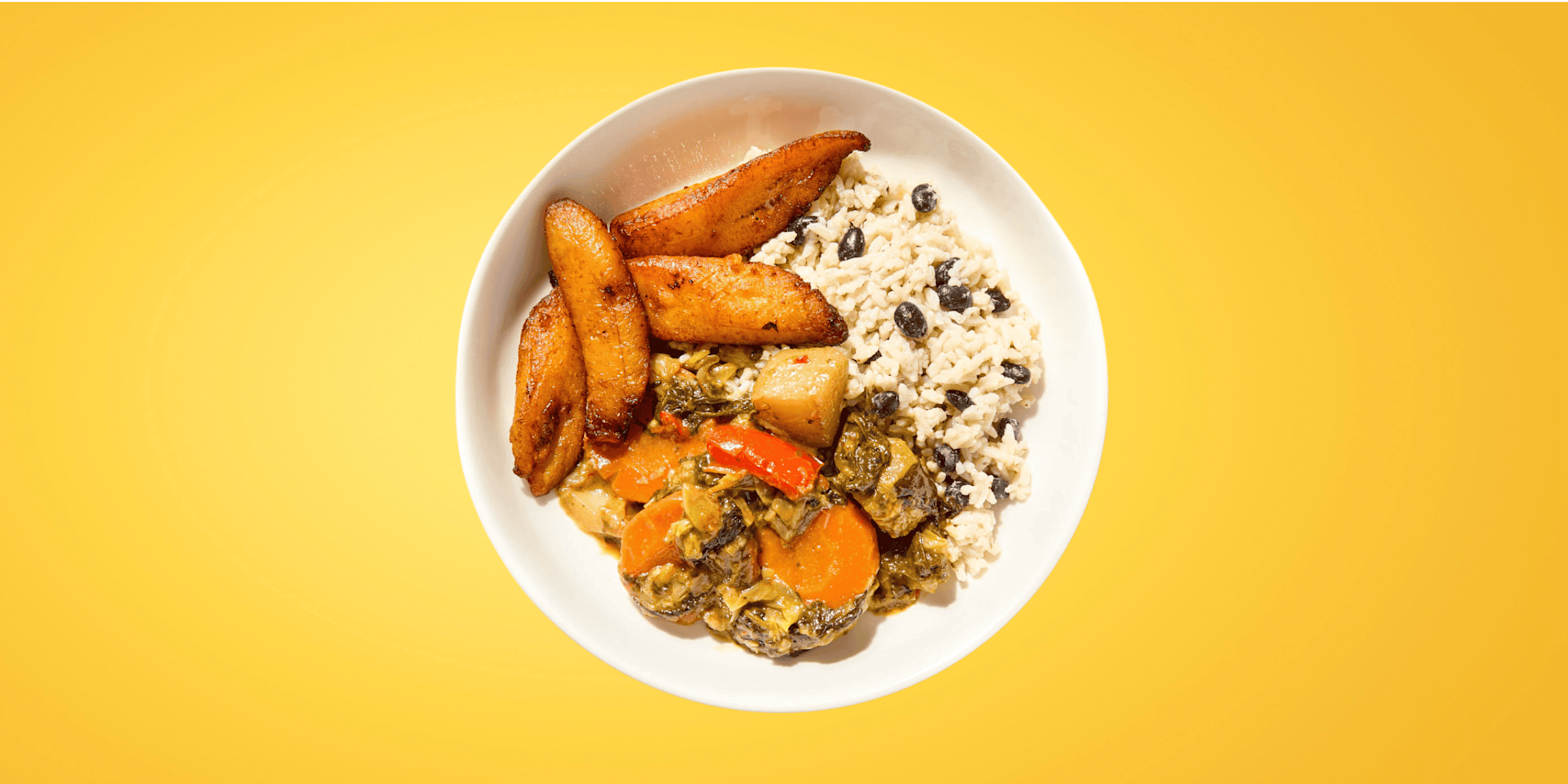
Haitian food is a living history. Drawing from African, French, Spanish, and indigenous Taíno influences, Haitian cuisine has evolved into one of the Caribbean’s most vibrant and distinctive food traditions. From griyo (crispy fried pork) to diri djon djon (aromatic black mushroom rice), traditional Haitian dishes reflect the country's revolutionary roots, cultural resilience, and deep community ties. Each plate tells a story: bold, flavorful, and uniquely Haitian.
Key takeaways:
Haitian food blends African, French, Spanish, and indigenous Taíno influences to create bold flavors through unique preparation methods.
Epis, a green seasoning paste made with fresh herbs and aromatics, forms the foundation of most Haitian savory dishes.
Signature dishes like griyo (fried pork) and soup joumou (pumpkin soup) carry deep cultural significance tied to Haiti's revolutionary history.
What is Haitian food?
Haitian food is a bold and vibrant fusion of African, French, Spanish, and indigenous Taíno influences, an expression of resilience, identity, and heritage served on every plate. Known for its rich stews, aromatic spices, and slow-cooked flavors, Haitian cuisine stands out as one of the Caribbean’s most distinctive food cultures.
At its core is epis, a fragrant seasoning base of herbs, garlic, onions, and peppers that infuses most savory dishes with depth and complexity. Staples like scotch bonnet peppers, plantains, and root vegetables create meals that balance spice, savoriness, and subtle sweetness.
But Haitian cuisine is more than just flavorful. It’s deeply symbolic. Its dishes tell the story of the world’s first Black republic and its journey to independence, connecting generations through recipes rooted in resistance, community, and cultural pride.
Cultural roots and influences
The story of Haitian cuisine begins with the indigenous Taíno people, whose contributions—like cassava and open-fire cooking techniques—remain integral to Haitian food traditions today. These native foundations laid the groundwork for what would become a deeply layered culinary identity.
The arrival of West African cooking traditions through the transatlantic slave trade brought stewing methods, one-pot meals, and staple ingredients like okra and beans. The bold use of peppers and techniques for preserving meat also trace back to these African roots, adding complexity and richness to Haitian dishes.
French colonial influence introduced refined techniques, structured meals, and pastry traditions. But after Haiti’s independence in 1804, local cooks reimagined those European methods—blending them with native ingredients and cultural resilience to create something entirely their own. The result is Haitian food: a cuisine that speaks of survival, creativity, and the unbreakable spirit of the world’s first Black republic.
Explore more Caribbean culinary traditions that share roots with Haitian cooking through our Caribbean meals, featuring dishes that celebrate the region's diverse flavors.
Core Haitian ingredients and flavors
1. Epis and fresh herbs
Epis is the aromatic heart of Haitian cuisine—a vibrant green seasoning paste that flavors nearly every savory dish. This essential base combines:
Fresh herbs: Parsley, cilantro, thyme, and scallions
Aromatics: Garlic, onions, and bell peppers
Heat: Often a kick from scotch bonnet peppers
Liquid: Blended with oil or vinegar for preservation
Prepared in batches and kept on hand in Haitian kitchens, epis is used to marinate meats, build the base of rice dishes, or infuse stews with bold, unmistakable flavor.
Chef Vanesa Cantave’s Haitian Cashew Chicken brings epis to life in an authentic way. Originating in Northern Haiti—where cashews flourish—this dish features lime-washed chicken thighs simmered in epis with onions, tomatoes, and Scotch bonnet. The addition of buttery cashews adds richness and texture, served over fragrant jasmine rice for a meal that’s both deeply traditional and incredibly satisfying.
2. Scotch bonnet peppers
Scotch bonnet peppers are a cornerstone of Haitian food, delivering both bold heat and a signature fruity complexity that sets the cuisine apart. Among the spiciest peppers used in Caribbean cooking, they’re not just about fire—they bring depth and brightness to every dish they touch.
In Haitian kitchens, scotch bonnets are often added whole to stews and soups, allowing their flavor to infuse without overwhelming the dish. They’re also the key ingredient in pikliz, Haiti’s fiery pickled condiment. Sliced thin and soaked in vinegar with cabbage, carrots, and onions, scotch bonnets give pikliz its signature kick—perfect for cutting through the richness of fried favorites like griyo.
3. Plantains and root vegetables
Starchy, satisfying, and deeply rooted in tradition, plantains and root vegetables are staples in Haitian cuisine. Plantains feature in everything from bannann peze (twice-fried plantains) to matenten (plantain dumplings), offering a savory, versatile base that complements bold flavors. Unlike sweet bananas, cooking plantains are firm and earthy—perfect for frying, boiling, or baking.
Root vegetables like malanga, cassava, yams, and sweet potatoes form the backbone of many Haitian comfort foods, appearing in soups, stews, and side dishes across the country.
Chef Vanesa Cantave’s Haitian Vegetable Stew (Legume) is a celebration of these nourishing ingredients. Inspired by her Haitian heritage, the dish features a medley of vegetables—chayote squash, eggplant, cabbage, carrots, spinach, and more—slow-simmered in rich, aromatic epis. It’s served over jasmine rice with black beans and coconut milk, alongside sweet fried plantains for a satisfying, plant-based take on a traditional island feast.
Explore our weekly menu, featuring chef-crafted dishes that celebrate global culinary traditions with authentic ingredients and techniques.
Top 20 traditional Haitian dishes and their stories
1. Griyo (fried pork)
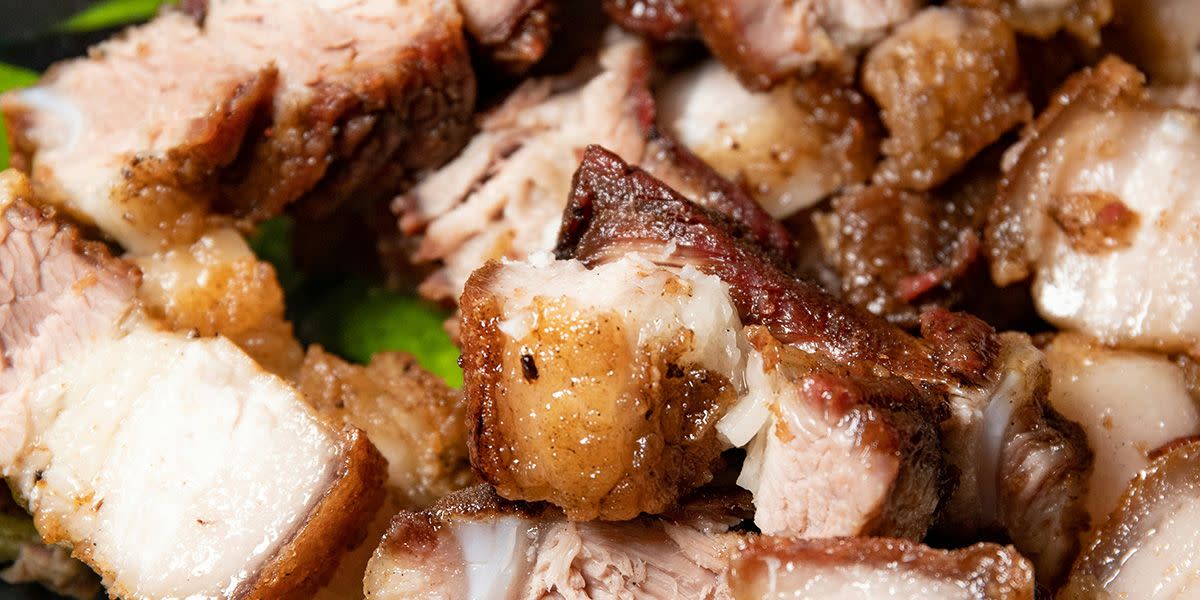
Widely considered Haiti’s unofficial national dish, griyo is a celebration on a plate. Chunks of pork shoulder are marinated in sour orange juice and epis, then simmered until tender and flash-fried to achieve a perfectly crisp exterior. The result is juicy, flavorful meat with a crave-worthy crunch.
Often served at parties, family gatherings, and special occasions, griyo is typically paired with pikliz, a spicy pickled slaw that cuts through the richness and brings balance to the dish.
Craving a chef-crafted take on this classic? Chef Vanesa Cantave’s Haitian Roasted Pork Bao Buns reimagine this classic with a modern twist. She tucks melt-in-your-mouth citrus-and-habanero-marinated pork into fluffy bao buns, pairing them with pikliz for that signature Haitian heat. A side of rice and red beans rounds out this fusion take on a beloved favorite.
2. Tasso (dried fried meat)
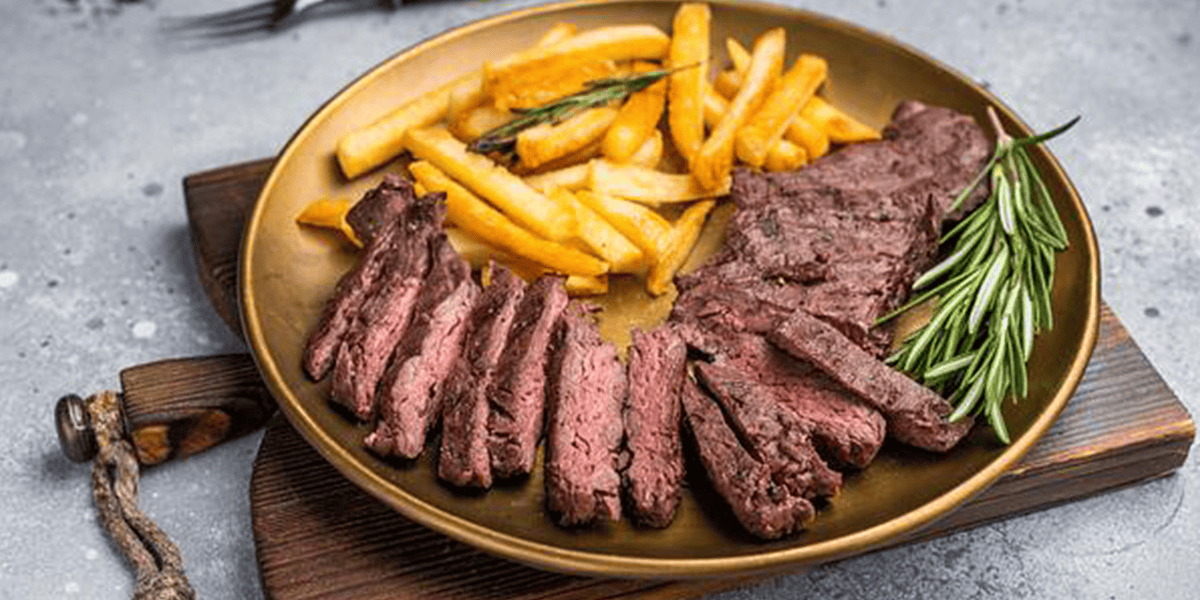
Tasso is a flavorful example of Haiti’s resourceful culinary heritage, rooted in traditional preservation methods. Typically made from beef or goat, the meat is marinated in a bold mix of citrus juice and epis, then air-dried and fried until crisp and deeply savory.
Originating in the era before refrigeration, tasso was a practical way to extend the shelf life of meat—yet its intense, concentrated flavor has made it a lasting favorite. You’ll often find it crumbled into rice dishes, folded into omelets, or served alongside eggs for a hearty, protein-rich breakfast.
Though rustic in origin, tasso continues to hold a beloved place in Haitian cuisine, reflecting both cultural ingenuity and a love of bold, satisfying flavors.
3. Diri djon djon (black mushroom rice)
A true hallmark of Haitian cuisine, diri djon djon is black mushroom rice made with the elusive djon djon mushroom, which grows only in certain parts of Haiti. When dried and rehydrated, these rare mushrooms release a rich, earthy flavor and deep black hue, transforming plain rice into something extraordinary.
Traditionally paired with lima beans and occasionally seafood or meat, diri djon djon is often reserved for special occasions due to the rarity of its key ingredient.
Chef Nahika Hillery’s Creole Braised Vegetables over Haitian Black Rice brings this dish to life in a vegetable-forward format. A hearty blend of squash, eggplant, cabbage, and peppers is braised in a fragrant, spice-rich broth and served alongside sweet plantains, sautéed bell peppers, and umami-packed black mushroom rice. It’s a comforting, vegetarian-friendly tribute to one of Haiti’s most iconic dishes.
Did you know? Djon djon mushrooms are so prized in Haitian cuisine that they're often brought back to diaspora communities as precious gifts from travelers visiting Haiti.
4. Soup joumou (pumpkin soup)
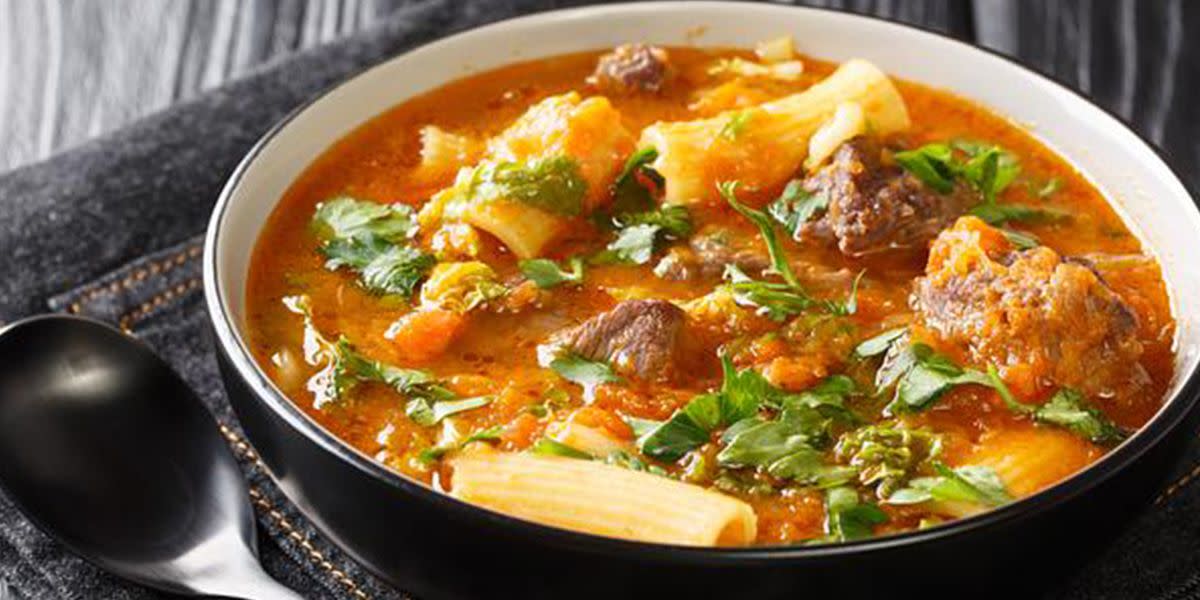
More than just a meal, soup joumou is a national symbol of freedom and resilience in Haitian cuisine. Known as Haiti’s “freedom soup,” it is traditionally served on January 1st to celebrate Haitian Independence Day. During the French colonial era, this rich, comforting soup was forbidden to enslaved Haitians—reserved only for the colonizers. After independence in 1804, it became a powerful, edible emblem of liberation.
The soup typically features Caribbean pumpkin (joumou) or butternut squash simmered with beef, vegetables, pasta, and a vibrant blend of herbs and spices. Every Haitian household has its own variation, but the core ingredients—and the pride it represents—remain deeply rooted.
Whether enjoyed at home or with the larger Haitian community, soup joumou is a tradition that honors Haiti’s revolutionary spirit with every spoonful.
5. Mayi moulen ak sos pwa (cornmeal and beans)
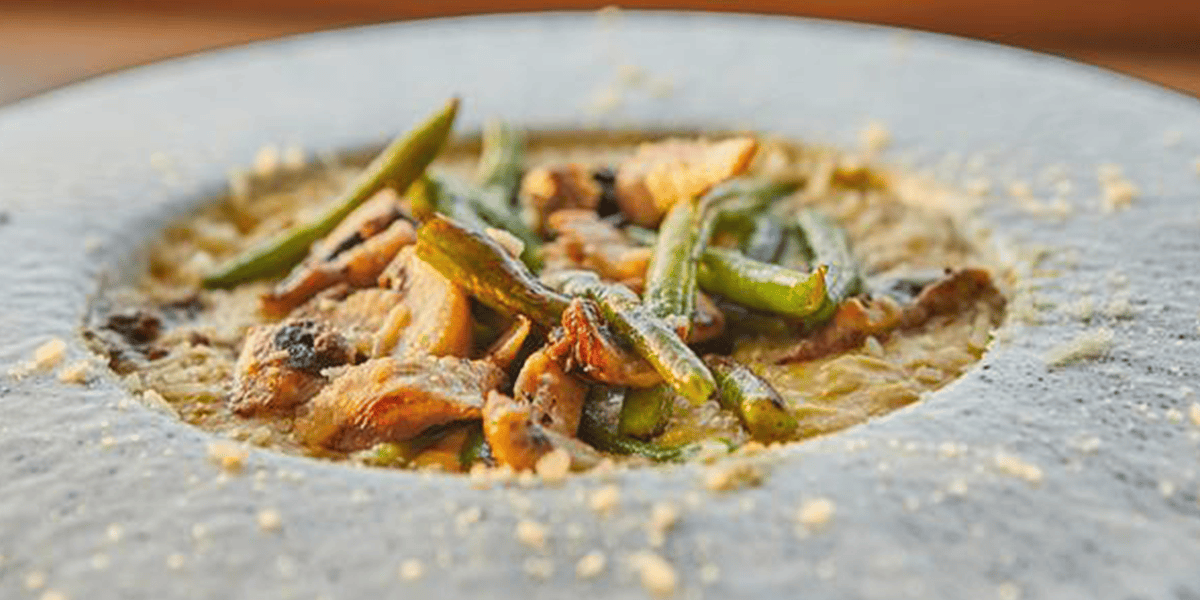
A comforting staple of Haitian food, mayi moulen ak sos pwa brings together two humble ingredients—cornmeal and beans—into a hearty, satisfying meal. The cornmeal is slowly cooked with water, garlic, and sometimes coconut milk until thick and creamy, resembling a Caribbean-style polenta.
The accompanying sos pwa (bean sauce) is made by simmering red or black beans with epis, onions, and sometimes smoked meats, resulting in a rich, savory sauce poured generously over the cornmeal. Variations across Haiti add regional flair: coastal versions may include seafood, while mountain regions favor local vegetables.
6. Poulet aux noix (chicken with cashews)
Poulet aux noix is an elegant example of French culinary influence woven into the fabric of Haitian cuisine. This traditional dish features tender chicken simmered in a sauce of toasted cashews, peppers, onions, and epis, a combination that yields a rich, nutty depth of flavor.
The preparation starts with marinating the chicken in epis, then slow-cooking it to absorb every layer of seasoning. The addition of buttery cashews gives the dish its signature texture and Haitian character.
Chef Vanessa Cantave’s Haitian Cashew Chicken honors this classic with an authentic take: lime-washed chicken thighs braised in a deeply seasoned broth with tomatoes, peppers, and Scotch bonnet, then finished with toasted cashews and served over jasmine rice. It’s a refined, comforting meal that highlights the heart and soul of Haiti’s culinary tradition.
7. Legim (vegetable stew)
Legim is a cornerstone of Haitian cuisine, celebrating the island’s agricultural abundance with a deeply flavorful, vegetable-forward stew. Typically made with eggplant, cabbage, chayote squash, and carrots, the vegetables are seasoned with epis, thyme, garlic, and onions, then slow-simmered until they break down into a rich, almost pureed consistency. While traditionally vegetarian, some versions include a small amount of meat to enhance the flavor.
This dish varies by region and household but always reflects the resourcefulness and soul of Haitian home cooking.
Chef Vanessa Cantave’s Haitian Vegetable Stew delivers a vibrant, plant-based take on this classic. Her version features tomatoes, chayote, Japanese eggplant, cabbage, carrots, spinach, and red bell pepper, all simmered in a vegetable stock infused with bold Haitian epis. Served over jasmine rice cooked with black beans and coconut milk—and paired with sweet fried plantains—this stew is a nourishing, comforting tribute to tradition.
8. Diri kole ak pwa (rice and beans)
A cornerstone of everyday Haitian food, diri kole ak pwa is a beloved one-pot dish that combines rice and beans into a satisfying, protein-rich staple. Rather than cooking the components separately, the beans—typically red or black—are first simmered with epis, onions, and garlic. Once tender, rice is added to the same pot, soaking up the deeply seasoned liquid.
This method not only infuses the grains with bold flavor but also gives the rice its signature pink or reddish tint, instantly recognizable on Haitian tables.
Simple yet nourishing, diri kole ak pwa is more than a side dish. It’s the flavorful foundation of countless Haitian meals, offering comfort, convenience, and cultural identity in every bite.
9. Lambi an sos (conch in sauce)
A treasured delicacy in coastal regions, lambi an sos highlights the richness of Haitian cuisine through careful technique and bold flavor. This dish features conch, a type of sea snail, slowly simmered in a savory, tomato-based sauce infused with epis, peppers, lime juice, and herbs.
Because conch meat is naturally tough, it’s typically pounded to tenderize, then marinated before cooking. The result is tender, flavorful seafood in a rich, spiced broth that’s often reserved for special occasions.
More than a meal, lambi an sos is a labor of love, symbolizing the care, time, and culinary expertise that define traditional Haitian cooking.
10. Pwason boukannen (grilled fish)
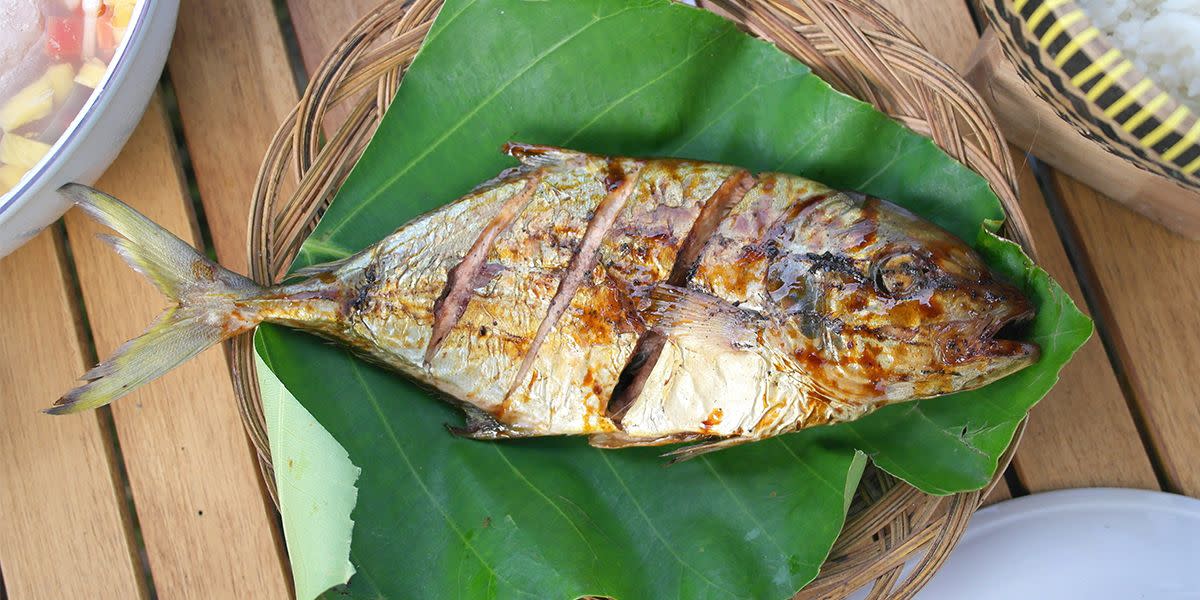
Pwason boukannen is a smoky, flavor-packed celebration of Haiti’s coastal culinary traditions. This dish features whole fish, often red snapper, grouper, or whatever fresh catch is available—marinated in a bold blend of epis, sour orange juice, and lime, then grilled over an open flame.
The term boukannen refers to this traditional method of smoking or grilling, which imparts a deep, charred flavor that highlights the freshness of the fish.
Typically served with pikliz or fried plantains, pwason boukannen showcases the essence of Haitian food: simple ingredients, expertly seasoned and cooked with care, allowing natural flavors to shine.
Haitian cuisine shares influences with French cooking traditions, which can be explored through our French meal options that celebrate classic techniques with modern interpretations.
11. Haitian spaghetti
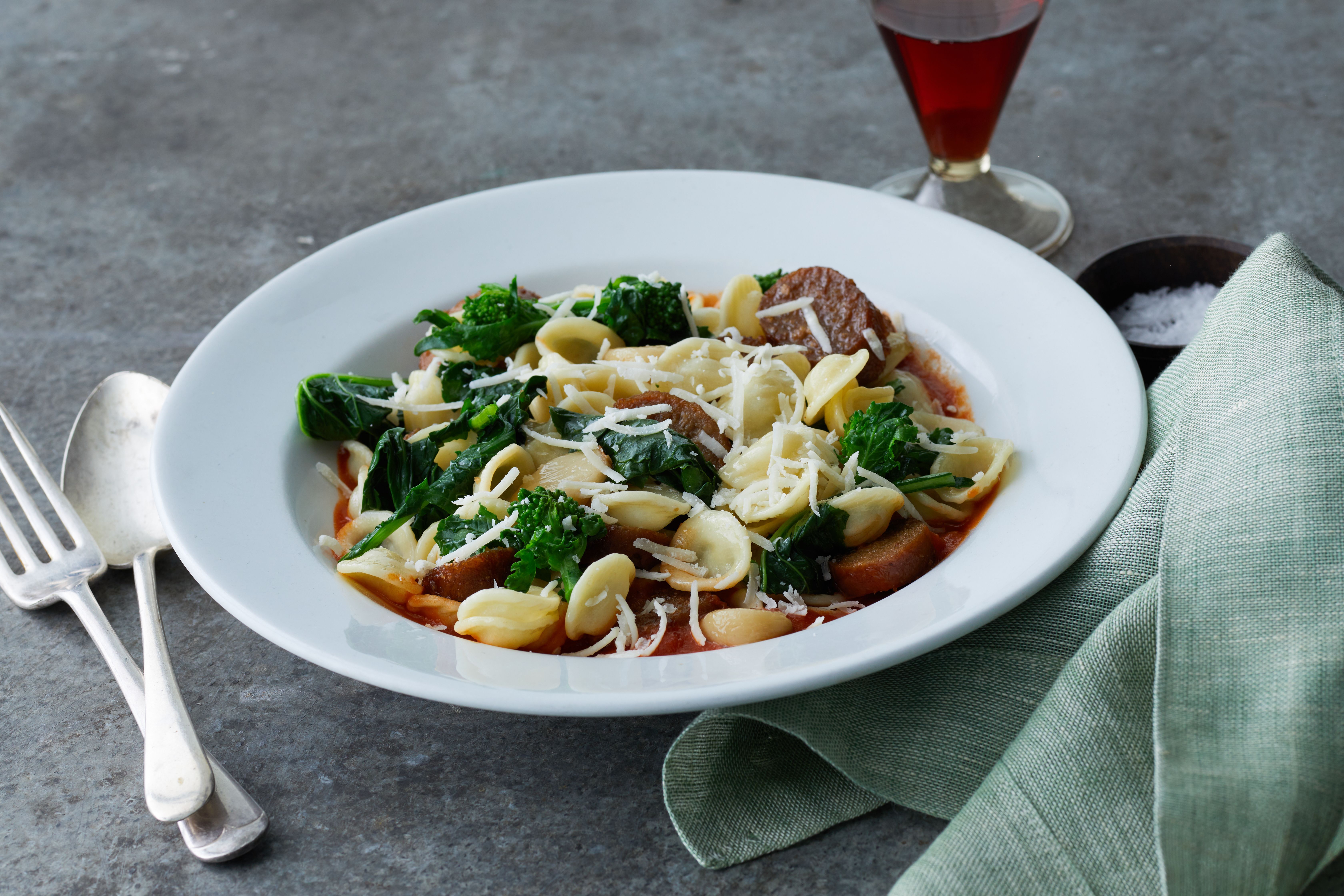
A perfect example of culinary adaptation, Haitian spaghetti transforms a European staple into a bold, uniquely Caribbean dish. Often eaten for breakfast, this comfort food classic features pasta sautéed with epis, tomato paste, bell peppers, onions, garlic, and sliced hotdogs or sausage. A dash of ketchup is sometimes added for a touch of sweetness, reflecting the creative resourcefulness of Haitian cuisine.
The result is rich, savory, and unmistakably Haitian, proof that even imported ingredients can be reinvented into something distinctly local.
Chef Nahika Hillery’s Kreyol Spaghetti with Andouille Sausage elevates this beloved dish with smoky sausage, Creole-style tomato sauce, and a generous dose of epis for signature depth. It’s a comforting, flavor-packed fusion that blends tradition with irresistible flair.
12. Haitian patties
Flaky, golden, and irresistibly savory, Haitian patties are a beloved snack that combines French pastry technique with Haitian flavor traditions. Each patty features a buttery dough wrapped around a seasoned filling—often ground beef, salted cod, or vegetables—baked until crisp and tender.
These hand-held bites are a staple of street food culture across Haiti, enjoyed for breakfast, lunch, or anytime hunger strikes. The fillings vary by region and vendor, with some versions spicier or flakier than others, but all share the same satisfying contrast of crisp pastry and savory interior.
Whether picked up from a local bakery or made at home, Haitian patties showcase the delicious intersection of heritage and everyday practicality in Haitian food.
13. Macaroni au gratin (baked pasta)
Rich, cheesy, and deeply comforting, macaroni au gratin is Haiti’s indulgent take on baked pasta, showcasing the enduring French influence in Haitian cuisine. This dish features elbow macaroni coated in a creamy béchamel sauce, infused with garlic, onions, and sometimes a hint of epis for added depth.
Once assembled, the pasta is topped with shredded cheese and baked until the top is golden and bubbly, creating the perfect balance of a velvety interior and crispy, browned crust.
Often served at Sunday dinners and festive gatherings, macaroni au gratin holds a special place on Haitian tables—not just for its flavor, but for the warmth and nostalgia it brings to every bite.
14. Haitian fried chicken
Crispy, vibrant, and bursting with flavor, Haitian fried chicken stands apart from its American counterpart thanks to a boldly seasoned marinade. The chicken is soaked in a mixture of lime juice, epis, garlic, and often vinegar, an acidic blend that tenderizes the meat while packing it with bright, herbaceous flavor.
Unlike Southern-style fried chicken, Haitian versions typically skip the buttermilk or egg wash, resulting in a lighter, crisper crust that lets the marinade shine through.
Commonly served with pikliz and fried plantains, Haitian fried chicken is a go-to dish at family meals and casual gatherings, embodying the flavorful simplicity that defines much of Haitian cuisine.
15. Pain patate (sweet potato pudding)
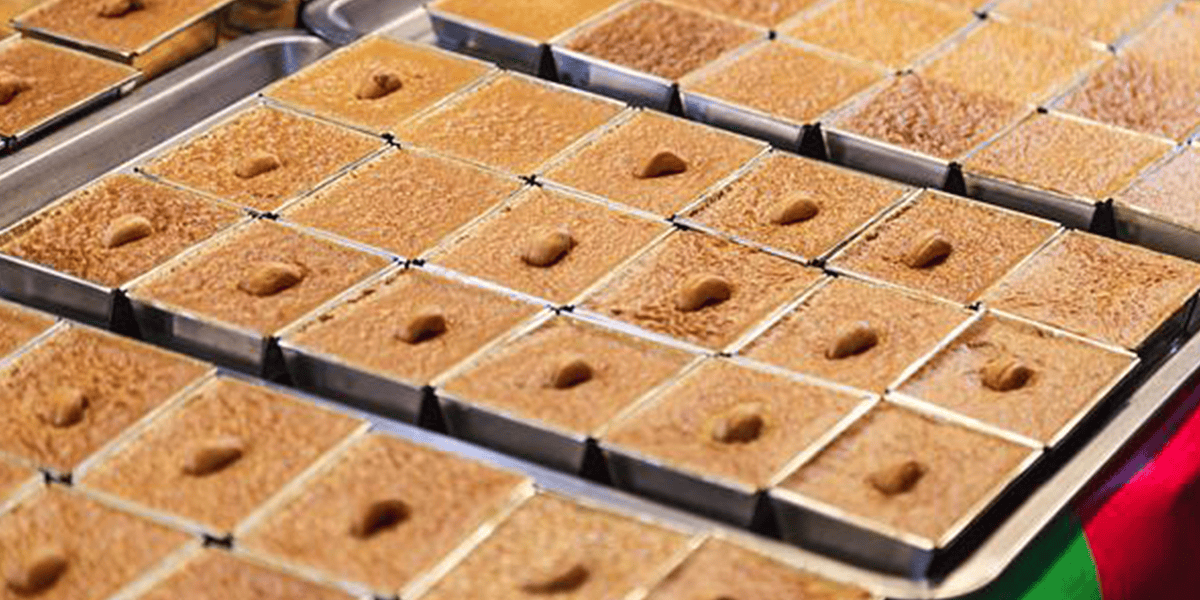
Sweet, spiced, and deeply comforting, pain patate is a beloved Haitian dessert that celebrates the island’s rich bounty of tropical ingredients. This dense, pudding-like treat blends mashed sweet potatoes and ripe bananas with milk, butter, sugar, and warm spices like cinnamon, nutmeg, vanilla, and star anise.
The mixture is baked until set, yielding a moist, sliceable dessert with a texture somewhere between bread pudding and cake. Sometimes enriched with condensed milk for added richness, pain patate is a staple at family gatherings and festive occasions.
Rooted in tradition and full of flavor, it’s a sweet reflection of the warmth and creativity that defines Haitian cuisine.
16. Cremas (holiday beverage)
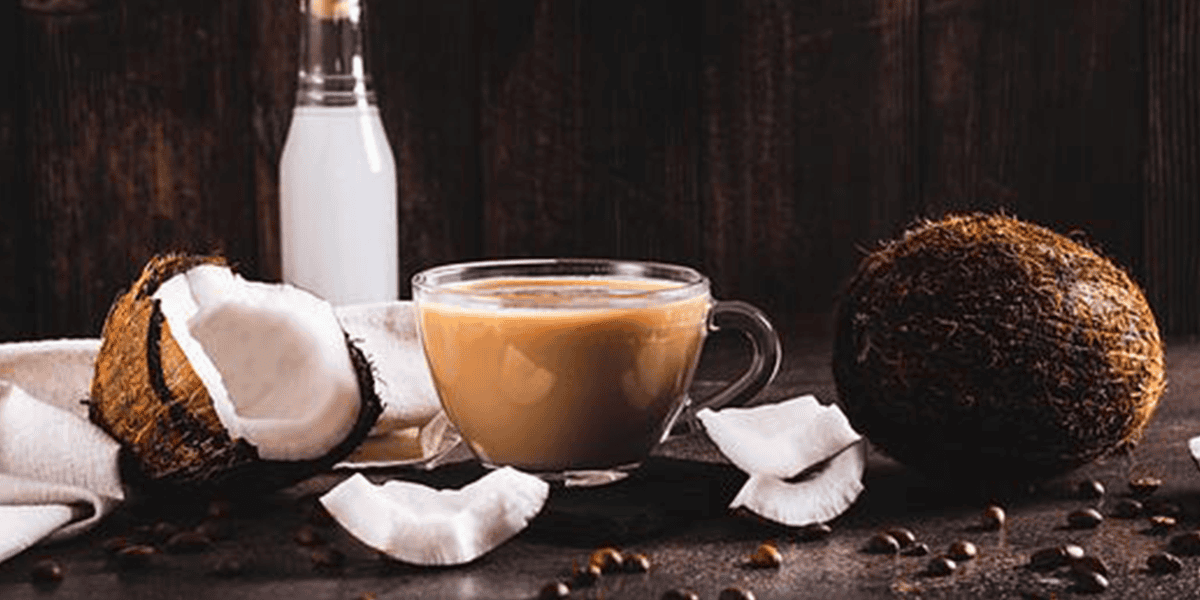
Rich, creamy, and laced with warmth, cremas is Haiti’s signature celebratory drink, poured during holidays, weddings, and festive gatherings. This indulgent coconut-rum beverage blends condensed milk, coconut cream, and white rum with fragrant spices like cinnamon, nutmeg, star anise, and vanilla.
Often described as a tropical cousin to eggnog, cremas offers a smooth, velvety texture and a gently spiced finish that evokes both comfort and celebration.
Especially beloved during Christmas and New Year’s, cremas holds deep cultural significance, connecting Haitian families and diaspora communities through a shared taste of home. It's more than just a drink. It’s a toast to heritage, tradition, and joy.
17. Pikliz (spicy slaw)
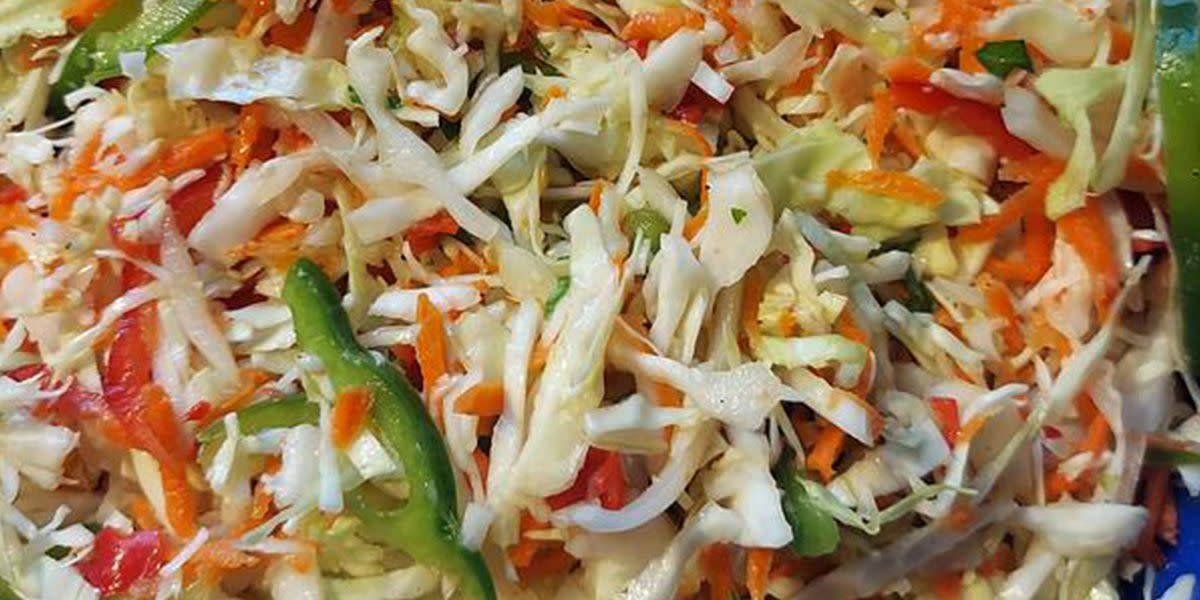
No plate of Haitian food is truly complete without pikliz, the fiery, vinegar-based slaw that brings balance, brightness, and bold heat to nearly every meal. Made with thinly sliced cabbage, carrots, scotch bonnet peppers, and sometimes bell peppers, this crunchy condiment delivers an acidic punch that cuts through rich, fried dishes like griyo.
Marinated in vinegar—often with a touch of lime juice and salt—pikliz intensifies in flavor as it rests, making it even more addictive over time.
A staple on Haitian tables, pikliz is more than just a side—it’s the bold, bracing element that elevates a dish from good to unforgettable.
18. Bannann peze (fried plantains)
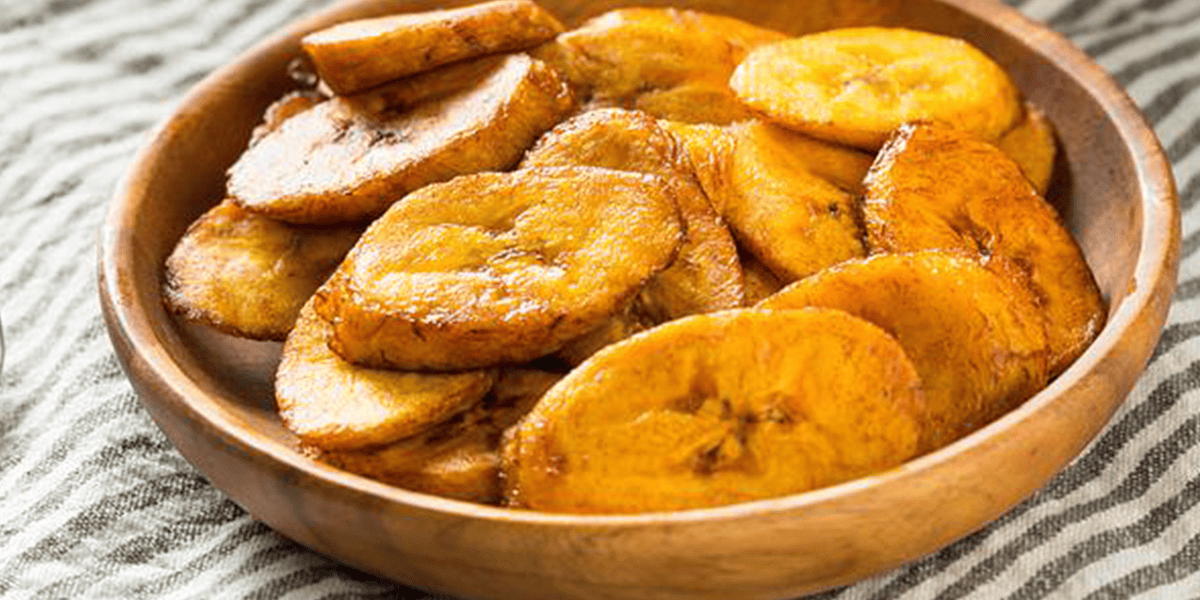
Crispy on the outside, tender on the inside, bannann peze is a quintessential Haitian side dish made from green plantains that are sliced, fried, smashed, and fried again. This double-frying technique creates golden, savory disks with a satisfying crunch and creamy center.
Often paired with griyo or other rich meats, bannann peze is the perfect vehicle for soaking up sauces and balancing bold flavors. Simple yet masterfully executed, this dish showcases Haitian cuisine’s ability to transform humble ingredients into deeply satisfying comfort food.
19. Akra (malanga fritters)
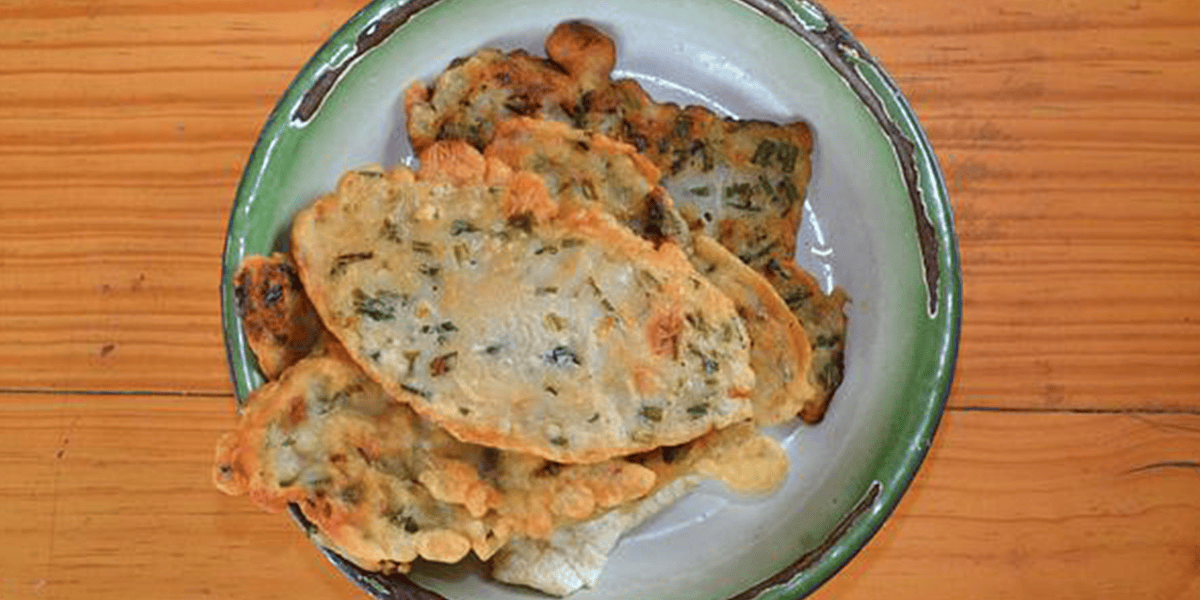
Crispy, golden, and bursting with flavor, akra is one of Haiti’s most beloved street foods. Made from grated malanga—a starchy, nutty root vegetable—these fritters are seasoned with epis, garlic, herbs, and sometimes bits of seafood like salted cod.
Pan-fried until perfectly crisp on the outside and tender within, akra delivers bold, earthy flavor in every bite. Served piping hot with pikliz or a zesty dipping sauce, this snack showcases the resourcefulness and flavor mastery that defines Haitian cuisine.
20. Dous makos (milk fudge)
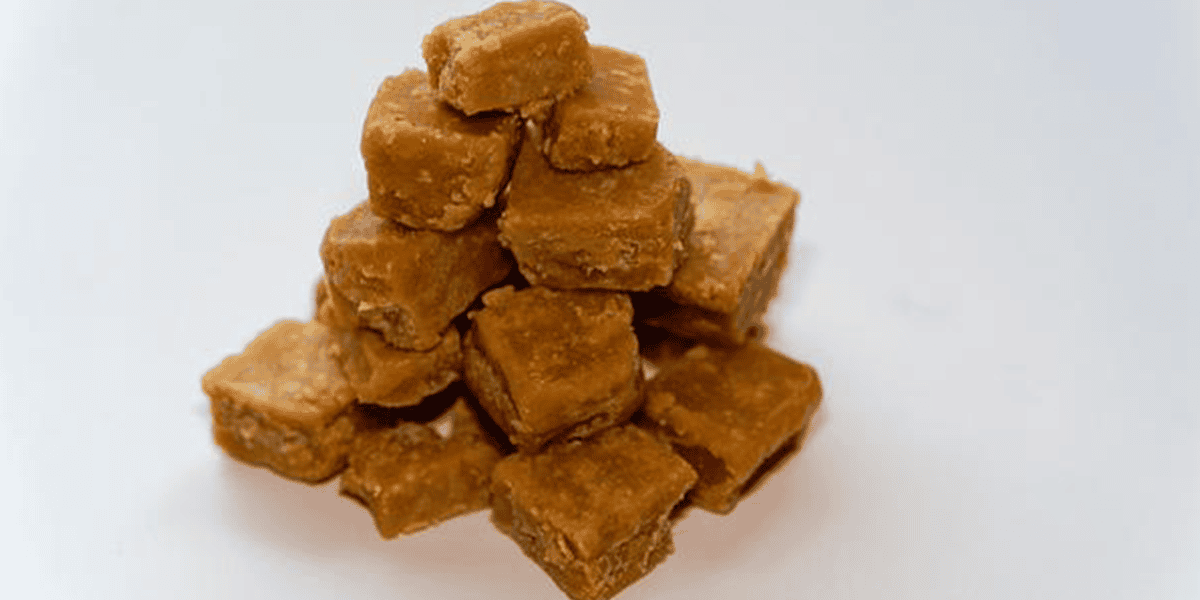
A sweet symbol of Haitian heritage, dous makos is a soft, creamy milk fudge that originated in the coastal town of Petit-Goâve. Made from condensed milk, sugar, and flavorings like vanilla, cinnamon, or coconut, this rich confection is known for its distinctively layered appearance—typically white, pink, and brown.
Often reserved for holidays and special celebrations, dous makos is more than a treat. It’s a nostalgic bite of Haitian childhood for many, cherished across generations and diaspora communities alike.
Finding and cooking Haitian recipes
Authentic Haitian food begins with the right ingredients. And not all of them are available at typical supermarkets. Many cooks source items like djon djon mushrooms, scotch bonnet peppers, and epis ingredients from Caribbean markets or specialty grocers. New Haitian immigrants in the U.S. often turn to street markets rather than standard supermarkets for familiar produce and pantry staples¹.
If you don’t have access to these specialty shops, several online retailers now deliver Haitian ingredients nationwide, including dried mushrooms, spices, and artisanal pantry essentials.
When substitutions are necessary, try these clever alternatives:
Sour orange juice: Mix equal parts lime and orange juice
Djon djon mushrooms: Use dried porcini with a drop of squid ink to mimic the deep color and earthiness
Scotch bonnet peppers: Substitute habaneros for similar heat and fruity complexity
For a deeper dive into traditional Haitian cooking, explore cookbooks by Haitian authors. These often blend authentic recipes with cultural insights and practical guidance.
Whether you're shopping locally or cooking from afar, embracing these ingredients and techniques brings you one step closer to recreating genuine Haitian cuisine in your own kitchen.
Looking for authentic Caribbean flavors without having to cook? Our Haitian meal options bring chef-crafted traditional dishes directly to your door, with no preparation required.
A celebration of Haitian cuisine
Haitian cuisine is more than just a collection of recipes—it’s a living, flavorful expression of a nation's spirit. Blending influences from Africa, France, Spain, and the indigenous Taíno people, Haitian food reflects a legacy of resilience, creativity, and cultural pride.
From the powerful symbolism of soup joumou to comforting everyday staples like diri kole ak pwa, these dishes tell the story of Haiti’s journey to freedom and the strength of its communities. Every bite carries history, memory, and connection—passed from one generation to the next.
Ready to experience it for yourself? Explore our weekly menu featuring authentic Haitian meals prepared by celebrated chefs who stay true to traditional techniques and flavors. Let these dishes bring the heart and heritage of Haiti to your table.
Frequently asked questions about Haitian food
What makes Haitian food different from other Caribbean cuisines?
Haitian cuisine distinguishes itself through its unique blend of African, French, and indigenous influences, featuring distinctive ingredients like djon djon mushrooms and more complex preparation methods than found in neighboring islands.
How can I recreate authentic Haitian flavors at home?
Create authentic Haitian flavors by making your own epis (herb and vegetable base), using scotch bonnet peppers for heat, and mastering slow-cooking techniques that allow flavors to develop fully.
Why is soup joumou so significant to Haitian culture?
Soup joumou symbolizes freedom and independence in Haiti, as it was historically forbidden for enslaved people to consume this "luxury" dish until after the revolution, making it a powerful emblem of liberation.
What are popular Haitian street food items worth trying?
Popular Haitian street foods include griyo (fried pork) with pikliz, akra (malanga fritters), and patties filled with seasoned meat, fish, or vegetables that showcase everyday Haitian cuisine.

Be the first to know about new offers
Multiorder discounts, free items and more.