Back
10 authentic Filipino recipes that bring Manila flavors to your table
Filipino cuisine tells a story of conquest, resilience, and cultural fusion that spans centuries, all through the language of flavor. From the tangy-savory harmony of adobo to the sweet-cool layers of halo-halo, these dishes reveal how the Philippines transformed outside influences into something uniquely its own.
Key takeaways:
Filipino cooking celebrates the perfect balance of sweet, sour, and savory flavors using key ingredients like vinegar, soy sauce, and calamansi.
Iconic dishes like adobo and pancit reflect the country's rich history of Chinese, Spanish, and American influences while maintaining distinctly Filipino character.
From coastal areas to mountain regions, local communities contribute their own cooking styles and ingredients, adding to the rich diversity of Filipino cuisine.
Many authentic Filipino recipes can be recreated at home with simple substitutions for hard-to-find ingredients or enjoyed through chef-crafted meal delivery.
What makes Filipino cuisine unique
Filipino cuisine stands as a vibrant tapestry of flavors shaped by centuries of cultural exchange. This distinct food tradition blends indigenous cooking techniques with influences from Chinese traders, Spanish colonizers, and American occupiers, creating dishes that tell the story of the Philippines' rich history.
At its heart, Filipino food celebrates a perfect harmony of sweet, sour, and savory flavors. The cuisine's signature taste profile comes from the masterful use of vinegar, soy sauce, calamansi (Filipino lime), and coconut milk. However, Filipinos consume 12 grams of sodium per day¹, which is about eight times higher than the recommended limit.
Island geography plays a crucial role in Filipino cooking, with each region developing unique specialties based on local ingredients. From the seafood-rich coastal areas to the vegetable-abundant highlands, Filipino dishes reflect the country's diverse landscape.
Did you know? The Philippines consists of over 7,000 islands, each contributing unique ingredients and cooking methods to the national cuisine. This diversity makes Filipino food one of the most regionally varied cuisines in Southeast Asia.
Adobo
Adobo reigns as the unofficial national dish of the Philippines, beloved for its perfect balance of tangy, savory, and slightly sweet flavors. This iconic dish features meat marinated in a mixture of vinegar, soy sauce, garlic, bay leaves, and peppercorns, then simmered until tender and infused with the marinade's complex flavors.
Ingredients:
2 pounds chicken thighs or pork belly, cut into chunks
1/2 cup white vinegar
1/4 cup soy sauce
1 head garlic, cloves peeled and crushed
3 bay leaves
1 teaspoon whole black peppercorns
1 tablespoon cooking oil
1 cup water
Cooking directions:
Combine meat, vinegar, soy sauce, garlic, bay leaves, and peppercorns in a large bowl. Marinate for at least 30 minutes.
Heat oil in a large pot over medium heat. Remove meat from marinade (reserve the marinade) and brown on all sides.
Pour in the reserved marinade and water. Bring to a boil, then reduce heat to low.
Simmer uncovered for 45 minutes until meat is tender and sauce has reduced.
Every Filipino family has their own version of adobo. Some add coconut milk for creaminess, while others incorporate sugar for a touch of sweetness.
For an authentic taste without the cooking time, try the Filipino Adobo Pork Ribs by Chef Stacy Bareng, featuring tender pork ribs simmered in the classic vinegar-soy sauce mixture until meltingly tender.
Sinigang
Sinigang captures the Filipino love of sour flavors in a comforting, tangy soup. This beloved dish features meat or seafood in a clear broth made distinctively tart by tamarind, the primary souring agent that gives sinigang its characteristic flavor.
Ingredients:
2 pounds pork ribs or belly (can substitute with fish, shrimp, or beef)
8 cups water
1 large onion, quartered
2 tomatoes, quartered
1 pack (1.4 oz) tamarind soup base
1 daikon radish, peeled and sliced
1 eggplant, sliced diagonally
2 cups string beans, cut into 2-inch pieces
2 cups spinach or water spinach (kangkong)
Cooking directions:
In a large pot, bring water to a boil. Add onions, tomatoes, and meat. Simmer for 30 minutes until meat is tender.
Add tamarind soup base and stir until dissolved.
Add radish and simmer for 5 minutes, then add eggplant and string beans.
Add spinach last, cooking just until greens wilt.
Regional variations of sinigang use different souring agents like calamansi, guava, or kamias (bilimbi) instead of tamarind. Each creates a unique flavor profile while maintaining the signature sourness that makes this soup so refreshing.
For a convenient way to enjoy this Filipino classic, try the Sinigang Flip Bowl by Chef Jordan Andino, featuring the perfect balance of sour broth and tender ingredients.
Explore more authentic Asian flavors delivered to your door. Browse our menu to discover chef-crafted dishes that bring restaurant quality to your table.
Kare-kare
Kare-kare stands as one of the most distinctive Filipino dishes, featuring a rich, savory stew with a thick peanut sauce. Traditionally made with oxtail or beef tripe, this celebratory dish appears at special occasions throughout the Philippines.
Key components of authentic kare-kare:
Rich peanut base: Created from ground roasted peanuts or natural peanut butter
Annatto seeds: Provide the distinctive orange-yellow color
Bagoong (fermented shrimp paste): Served alongside as an essential condiment that balances the mild sauce
Vegetables: Typically includes bok choy, eggplant, and string beans
Cooking directions:
Simmer meat in water for 2-3 hours until very tender.
In another pot, sauté onion and garlic, then add meat and annatto powder.
Add ground peanuts or peanut butter to the broth, stirring until incorporated.
Thicken with rice flour mixture, then add vegetables until just tender.
The contrast between the mild, nutty sauce and the salty, pungent bagoong creates a perfect balance of flavors that exemplifies the complex taste profiles found in Filipino cuisine.
Pancit bihon
Pancit Bihon brings Chinese culinary influence to Filipino tables in the form of a quick, flavorful noodle stir-fry. This versatile dish features thin rice noodles tossed with meat, seafood, and vegetables, all seasoned with soy sauce and citrus.
Ingredients:
8 oz (225g) rice noodles (bihon)
2 tablespoons cooking oil
3 cloves garlic, minced
1 onion, sliced
1/2 pound chicken breast, thinly sliced
1 cup cabbage, shredded
1 large carrot, julienned
1/4 cup soy sauce
2 tablespoons calamansi juice or lemon juice
1 cup chicken broth
Cooking directions:
Soak rice noodles in warm water for 10 minutes until softened, then drain.
Heat oil and sauté garlic and onion until fragrant, then add chicken and cook through.
Add vegetables and stir-fry for 2-3 minutes until slightly tender but still crisp.
Pour in soy sauce, calamansi juice, and chicken broth, then add the noodles.
Toss gently until noodles absorb the liquid and are evenly coated with sauce.
Pancit holds special significance at birthday celebrations, where it symbolizes long life. The long noodles represent longevity, making this dish an essential part of Filipino birthday traditions.
Looking for more Asian culinary adventures? Explore our Ultimate Asian Street Food Delights guide for inspiration and recipes from across the continent.
Lumpia
Lumpia brings crispy, golden perfection to Filipino tables as the country's beloved version of spring rolls. These tightly wrapped bundles of savory filling encased in thin, crispy wrappers make frequent appearances at celebrations and gatherings.
Types of lumpia in Filipino cuisine:
Lumpia Shanghai: Small, meat-filled fried rolls perfect as finger food
Lumpiang Sariwa: Fresh spring rolls with vegetables wrapped in a crepe-like wrapper
Lumpiang Ubod: Features heart of palm as the main filling
Turon: Sweet version with banana and jackfruit, dusted with sugar
Cooking directions:
Combine ground pork with finely diced vegetables, garlic, soy sauce, and seasonings.
Place filling near one corner of the wrapper, then fold and roll tightly.
Seal the edge with beaten egg and fry until golden brown and crispy.
Serve hot with sweet chili sauce or vinegar-garlic dipping sauce.
The versatility of lumpia makes it a staple at Filipino gatherings, where platters of these crispy rolls disappear within minutes of being served.
Halo-halo
Halo-halo lives up to its name—which literally means "mix-mix" in Tagalog—as a colorful, layered dessert that combines an exciting variety of flavors and textures. This refreshing Filipino treat features shaved ice topped with evaporated milk and an assortment of sweet ingredients.
Traditional halo-halo ingredients:
Shaved ice as the refreshing base
Sweetened beans (red and white varieties)
Nata de coco (coconut gel cubes)
Kaong (sugar palm fruit)
Jackfruit slices
Ube (purple yam) jam or ice cream
Leche flan (Filipino custard)
Evaporated milk poured over everything
Assembly directions:
Layer sweet ingredients in the bottom of a tall glass or bowl.
Add shaved ice on top, packing it down slightly.
Pour evaporated milk over the ice and top with ube jam and ice cream.
Serve immediately with a long spoon for mixing all components together.
The beauty of halo-halo lies in its customizability, with each version reflecting personal taste preferences or regional traditions. Its vibrant appearance makes it as visually appealing as it is delicious.
Silog meals
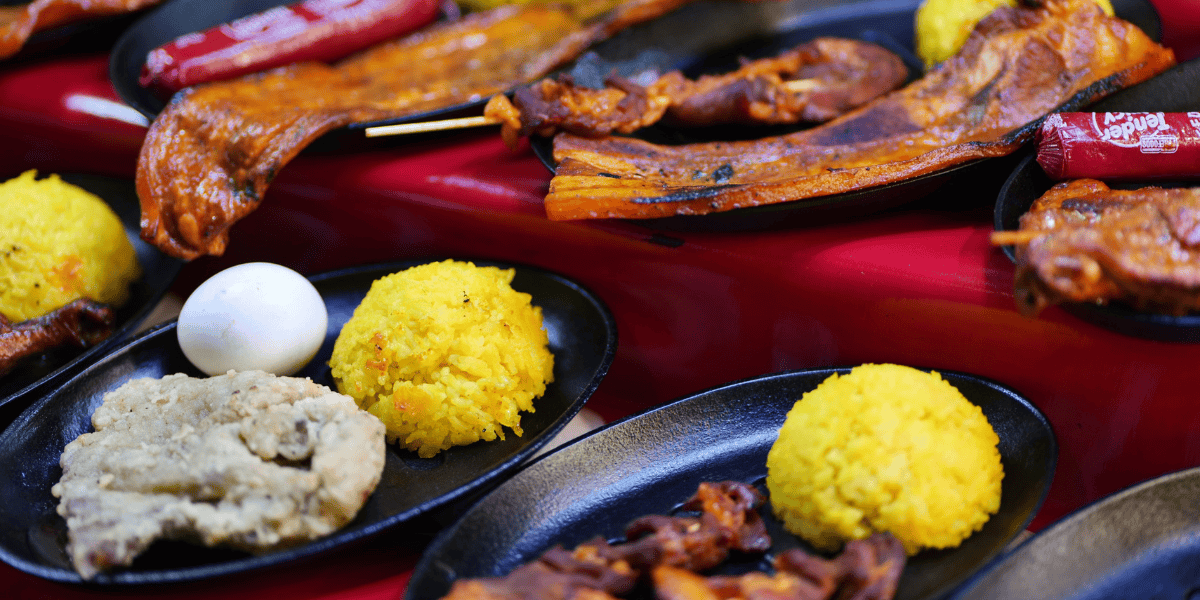
Silog meals form the backbone of Filipino breakfast culture, offering hearty combinations that fuel busy mornings. In fact, 96–98% of Filipinos² regularly consume breakfast, reflecting the country's enduring morning meal traditions. These iconic plates always include garlic fried rice (sinangag) and a fried egg (itlog), paired with various proteins that give each variation its distinctive name.
Popular silog variations:
Tapsilog: Features beef tapa (cured beef)
Longsilog: With longanisa (sweet Filipino sausage)
Tocilog: Includes tocino (sweet cured pork)
Bangsilog: Made with bangus (milkfish)
Recipe for garlic fried rice (Sinangag):
Break up cold, day-old rice with your hands to remove clumps.
Sauté minced garlic in oil until golden and fragrant.
Add rice and stir-fry for 3-5 minutes, breaking up any remaining clumps.
Season with salt to taste and continue cooking until rice is heated through.
To complete a traditional silog meal, fry an egg sunny-side up and serve alongside your protein of choice. The combination creates a satisfying, energy-boosting breakfast that showcases the Filipino talent for creating delicious meals from simple ingredients.
For a convenient taste of Filipino breakfast, try the Adobo Flank Steak by Chef Einat Admony, which pairs perfectly with rice and eggs for a simplified silog experience at home.
For a taste of authentic Filipino flavors without the cooking, explore our Filipino meal delivery options. Save 50% on your first week and experience chef-crafted Filipino classics delivered to your door.
Bistek tagalog
Bistek Tagalog transforms simple ingredients into a boldly flavored dish that showcases the Filipino talent for adapting international influences. This local interpretation of beef steak features thinly sliced beef marinated in soy sauce and calamansi juice, then pan-fried and topped with caramelized onions.
Ingredients:
1 pound beef sirloin, thinly sliced
1/4 cup soy sauce
3 tablespoons calamansi juice or lemon juice
3 tablespoons cooking oil
2 large onions, sliced into rings
Cooking directions:
Marinate beef in soy sauce, calamansi juice, and pepper for at least 30 minutes.
Cook beef in batches until browned, then set aside.
In the same pan, sauté onion rings until soft and caramelized.
Return beef to the pan with the reserved marinade and simmer briefly.
The key to tender bistek lies in slicing the beef very thinly against the grain. For tougher cuts, consider tenderizing with a meat mallet before marinating.
Bistek Tagalog exemplifies how Filipino cuisine transforms global influences into something uniquely its own. The dish pairs perfectly with steamed rice, which soaks up the flavorful sauce.
Leche flan
Leche flan stands as the Filipino version of crème caramel, distinguished by its exceptionally rich custard made with a generous amount of egg yolks. This silky smooth dessert features a golden caramel top that creates a bittersweet contrast to the creamy custard beneath.
What makes Filipino leche flan unique:
Extra rich: Uses significantly more egg yolks than other caramel custards
Condensed milk: Creates a sweeter, creamier texture than other flans
Steamed, not baked: Traditional preparation involves steaming for the perfect texture
Llanera: Often prepared in oval-shaped metal molds specific to this dessert
Cooking directions:
Prepare caramel by cooking sugar until amber, then pour into molds.
Whisk egg yolks with condensed and evaporated milk plus vanilla.
Strain the mixture into caramel-lined molds and cover with foil.
Steam for 30-40 minutes until set but still slightly jiggly in the center.
This special occasion dessert often appears at fiestas, Christmas celebrations, and family gatherings. Its make-ahead nature makes it perfect for entertaining, as it needs time to set and is best served chilled.
How to source Filipino ingredients
Finding authentic Filipino ingredients outside the Philippines has become increasingly accessible as the cuisine gains global popularity. With a few shopping strategies and clever substitutions, you can create authentic Filipino flavors in your own kitchen.
Where to find Filipino ingredients:
Asian markets and international food stores
International sections of mainstream supermarkets
Online specialty retailers like FilStop or Amazon's global food section
Filipino community markets in larger cities
Smart substitutions for hard-to-find ingredients:
Calamansi → Mix 2 parts lime juice with 1 part orange juice
Filipino vinegar → Equal parts white vinegar and apple cider vinegar
Banana leaves → Parchment paper or aluminum foil for wrapping
Ube → Purple sweet potatoes with vanilla
Chef tip: When you find fresh calamansi, buy extra and freeze the juice in ice cube trays. Each cube equals approximately 1 tablespoon, making it easy to add authentic Filipino citrus flavor to dishes year-round.
FAQs about Filipino recipes
What ingredients are essential for a Filipino pantry?
A well-stocked Filipino pantry should include vinegar (preferably cane or coconut), soy sauce, fish sauce (patis), calamansi or a substitute citrus, coconut milk, bagoong (shrimp paste), and annatto seeds for color and flavor.
How spicy is Filipino food compared to other Asian cuisines?
Traditional Filipino food is generally milder than Thai, Sichuan Chinese, or Korean cuisines, with heat typically added at the table through condiments like fresh chili peppers or chili-infused vinegar rather than incorporated into the main dishes.
What are the best Filipino dishes for beginners to cook?
Start with adobo, pancit bihon, or bistek tagalog, which use familiar techniques, widely available ingredients, and forgiving cooking methods while delivering authentic Filipino flavors.
Can vegetarians adapt traditional Filipino recipes?
While traditional Filipino cuisine is meat-centric, many dishes can be adapted for vegetarians by substituting tofu or mushrooms in recipes like adobo, using vegetable-only fillings for lumpia, or focusing on vegetable sides like pinakbet without the usual shrimp paste.
What makes Filipino cuisine different from other Southeast Asian food traditions?
Filipino cuisine stands apart through its unique Spanish-Chinese-Malay fusion, pronounced use of vinegar and souring agents, preference for stewing and braising techniques, and distinct balance of sweet, sour, and savory flavors that reflects the archipelago's complex cultural history.
Sources:

Be the first to know about new offers
Multiorder discounts, free items and more.