Back
The moment you bite into a perfectly crisp churro dipped into rich, velvety hot chocolate, you understand why food in Spain has enchanted travelers and locals alike for centuries. Spanish cuisine is more than just a collection of dishes. It is a celebration of tradition, regional pride, and Mediterranean flavors. From the seafood feasts of Galicia to the hearty stews of Castilla, authentic Spanish food tells a story of history, cultural exchange, and passion for high-quality, seasonal ingredients. In this guide, you will discover how Spaniards eat, the most iconic traditional Spanish foods, and the vibrant flavors you can bring to your own table.
Key takeaways:
Spanish food celebrates high-quality, seasonal ingredients prepared with simple techniques. Olive oil, fresh vegetables, seafood, and cured meats form the backbone of traditional Spanish dishes.
The Spanish approach to dining is relaxed and social, with tapas culture inviting friends and family to connect over shared small plates.
Unlike Mexican cuisine, authentic Spanish food favors garlic, fresh herbs, and smoked paprika for depth of flavor rather than relying on heat.
Regional diversity is central to Spanish cuisine, from seafood-focused coastal recipes to hearty inland stews and distinctive island specialties.
A quick look at Spanish cuisine
Spanish food is rooted in the Mediterranean tradition, built on the flavors of olive oil, fresh vegetables, seafood, and cured meats. Each region brings its own specialties, from seafood-rich coastal dishes to slow-simmered stews in the interior.
Centuries of cultural exchange have shaped Spanish cuisine. Moorish influences introduced rice cultivation and aromatic spices, which remain central to many traditional Spanish foods. Despite these diverse influences, the heart of authentic Spanish food lies in simple preparation that allows quality ingredients to shine.
Meals center on seasonal produce and fresh ingredients prepared in ways that enhance their natural character. According to the Spanish dietary guidelines¹, this approach not only preserves flavor but also supports sustainability. Dining in Spain is never rushed. It’s a time to connect, savor, and celebrate the food on the table.
Looking for authentic Spanish flavors without booking a flight? Explore our Spanish cuisine offerings crafted by award-winning chefs who bring traditional techniques and modern interpretations right to your table.
How Spaniards eat: understanding meal routines
Food in Spain follows a daily rhythm that differs from many other countries, especially the United States. The day starts light, builds to a hearty midday meal, and ends with a late dinner that is often social.
Breakfast (desayuno): Usually café con leche with toast drizzled in olive oil or topped with tomato.
Mid-morning snack (almuerzo): A small sandwich, pastry, or another light bite to bridge the gap before lunch.
Lunch (la comida): The most substantial meal of the day, often multi-course, enjoyed in the early afternoon.
Merienda: An afternoon snack, such as pastries or bread with chocolate, to tide you over until dinner.
Dinner (la cena): A lighter evening meal, often featuring tapas or a simple plate, typically served between 9 and 11 p.m.
This schedule reflects Spain’s emphasis on taking time to enjoy food and company. Family meals are valued occasions where conversation is just as important as the dishes served.
Before exploring traditional Spanish foods, it is worth recognizing the global influences that have shaped them. Chef Einat Admony’s Moroccan Chicken Couscous Tagine highlights the Mediterranean and North African flavors that have blended into Spanish cuisine over centuries, reflecting the country’s history of cultural exchange.
Small bites and tapas culture
Tapas are at the center of Spanish social dining. These small, shareable plates began as simple bites served alongside drinks and have developed into an essential part of Spain’s culinary identity.
The word tapa means “cover,” a reference to the early custom of placing a small plate of food on top of a drink to keep flies away. Over time, the practice evolved into a tradition of pairing drinks with flavorful small plates that encourage conversation and lingering at the table.
One popular story credits King Alfonso X of Castile with formalizing the practice. After recovering from an illness by drinking wine with small portions of food between meals, he ordered taverns to always serve food with wine. Whether fact or legend, this tale reflects how deeply tapas are woven into Spanish culture.
Tapas etiquette
Tapas culture comes with its own unwritten rules that make the experience more enjoyable. Rather than ordering individual portions, Spaniards typically choose several dishes for the table to share.
“Ir de tapas” (going for tapas) often means visiting multiple bars or restaurants in a single evening, enjoying a drink and one or two small plates at each stop. This style of dining turns an ordinary meal into a relaxed, social outing.
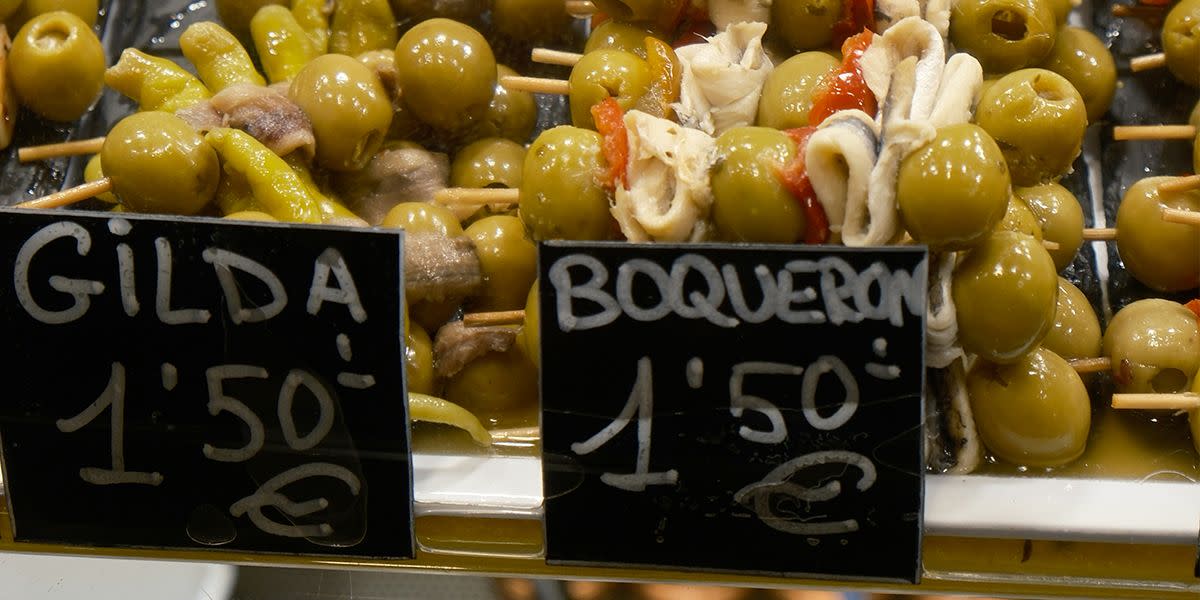
Regional customs add even more variety. In the Basque Country, for example, pintxos—small bites often skewered with a toothpick—are displayed along the bar for guests to select themselves.
Common tapas to try
Tapas in Spain range from simple snacks to intricate seafood creations, making them an ideal way to explore the country’s culinary traditions one plate at a time.
Patatas bravas: Crispy fried potato cubes topped with spicy tomato sauce.
Croquetas: Creamy béchamel fritters filled with ham, chicken, or seafood.
Tortilla española: Thick omelet with potatoes and sometimes onions.
Gambas al ajillo: Shrimp sautéed in olive oil with garlic and chili.
Pimientos de Padrón: Small green peppers fried and sprinkled with sea salt.
Boquerones en vinagre: Fresh anchovies marinated in vinegar.
Jamón ibérico: Thinly sliced cured ham from acorn-fed Iberian pigs.
For an easy way to bring the tapas experience home, explore our weekly menu featuring dishes from award-winning chefs. Many draw inspiration from Spain’s small-plate tradition, letting you mix and match to create your own tapas night.
Most popular main dishes in Spain
Tapas may be the social star of Spanish dining, but the country’s main dishes reveal the depth and range of its regional cooking. From the seafood-rich coasts to the slow-simmered stews of the interior, these plates embody the flavors, traditions, and ingredients that define Spanish cuisine.
Paella variations
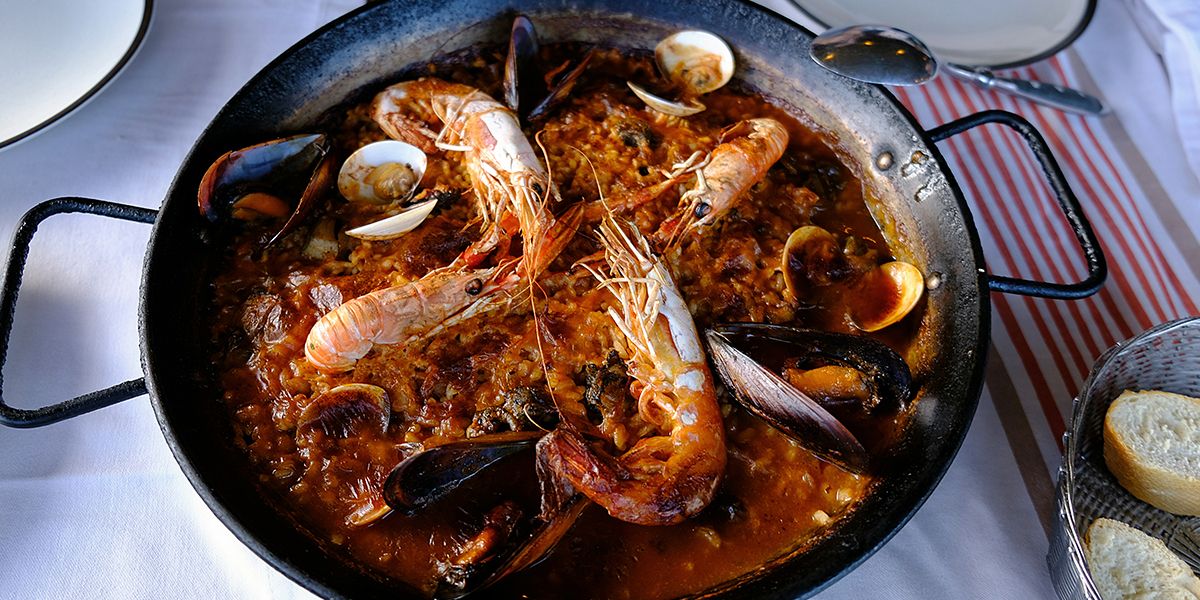
Paella is perhaps the most internationally recognized Spanish dish, with its roots in Valencia. This saffron-scented rice creation is cooked in a wide, shallow pan called a paellera, which allows the grains to cook evenly while developing the dish’s signature texture.
Authentic Valencian paella is a far cry from the seafood-heavy versions most people know. The traditional recipe includes rabbit, chicken, snails, and green beans. Seafood paella came later, gaining popularity along Spain’s coasts and abroad.
A hallmark of great paella is the socarrat, the crispy, caramelized layer of rice that forms on the bottom of the pan. Achieving this takes both skill and patience, as it requires just the right balance of heat and timing.
If you want to master paella in your own kitchen, explore our complete guide to authentic paella with expert tips from award-winning chefs.
Hearty stews and soups
Spanish stews and soups speak to the country’s agrarian heritage, turning simple, seasonal ingredients into dishes that are deeply satisfying and full of character. These one-pot recipes vary widely by region, yet they all share a devotion to slow cooking and building flavor over time.
Gazpacho: Andalusia’s iconic cold tomato soup, perfect for the heat of summer.
Fabada Asturiana: A rich white bean stew with morcilla, chorizo, and pork belly from Asturias.
Cocido Madrileño: Madrid’s classic chickpea stew with a variety of meats.
Caldo Gallego: A rustic Galician broth with potatoes, beans, greens, and pork.
For a fresh interpretation of a Spanish classic, Chef Einat Admony reimagines gazpacho with ripe strawberries, roasted and raw tomatoes, zesty garlic, and fresh herbs. Her Tomato Strawberry Gazpacho keeps the refreshing spirit of the original while adding a delicate sweetness and layered complexity.
Iconic meat and seafood plates
In Spain, meat and seafood are celebrated for their quality and flavor, prepared with techniques that highlight rather than hide their natural character. From expertly cured hams to just-caught fish, these dishes reflect a deep respect for ingredients.
Jamón ibérico – The crown jewel of Spanish charcuterie, made from black Iberian pigs. The prized de bellota variety comes from acorn-fed pigs, developing a nutty, complex flavor through years of careful aging.
Pescado a la sal – Whole fish encased in a salt crust, which locks in moisture while seasoning it gently. A Mediterranean coastal favorite.
Pulpo a la gallega – Tender Galician-style octopus, sliced and dressed with olive oil, paprika, and sea salt for a rustic yet elegant plate.
Chef Cedric Nicolas brings this Galician classic to life in his Pulpo a la Gallega, pairing perfectly cooked octopus with earthy fingerling potatoes and a vibrant chimichurri sauce. It captures the essence of coastal Spain while adding a fresh, chef-crafted twist.
Famous Spanish desserts
Spanish desserts offer a balance of sweetness and texture, often showcasing almonds, honey, and citrus, which reflect the country’s Moorish heritage. These treats range from simple fried dough enjoyed with coffee to ornate regional cakes served on special occasions. Each one carries a sense of tradition, telling the story of Spain’s culinary past through flavor and craftsmanship.
Churros con chocolate
Churros con chocolate represent Spain's most beloved sweet indulgence. These ridged fried dough pastries are crisp outside, tender inside, and traditionally served with thick hot chocolate for dipping.
Unlike Mexican churros, Spanish versions are typically uncoated—no cinnamon sugar—allowing the contrast between the plain fried dough and rich chocolate to shine. The accompanying chocolate is thick enough to coat the churro.
Churros are enjoyed at various times, including breakfast or as a late-night snack after an evening out. In Madrid, the historic Chocolatería San Ginés is a popular spot known for serving churros con chocolate at all hours of the day and night.
Other traditional Spanish sweets
Beyond churros, Spain offers a rich array of regional desserts that showcase local ingredients and cultural influences. Many Spanish sweets have religious origins, created in convents where nuns developed recipes that became part of Spain's culinary heritage.
Flan: Silky caramel custard with regional variations
Tarta de Santiago: Dense almond cake from Galicia dusted with powdered sugar
Crema Catalana: Catalonia's answer to crème brûlée with citrus and cinnamon
Turrón: Almond nougat candy available in soft or hard varieties
Polvorones: Crumbly shortbread cookies made with lard and almonds
Vegetarian and special diet options
Although traditional Spanish cuisine is rich in meat and seafood, the country’s Mediterranean diet offers a natural abundance of vegetable-forward dishes. Many of these recipes have deep roots in Spain’s agricultural traditions, making the most of fresh, seasonal produce, olive oil, and aromatic herbs. From vibrant cold soups to rustic roasted vegetables, Spain provides plenty of plant-based options that are both authentic and satisfying.
Popular vegetarian dishes
Spain’s vegetarian offerings highlight the country’s passion for fresh produce, quality olive oil, and simple cooking techniques that let ingredients shine. These dishes prove that traditional Spanish food can be every bit as satisfying without meat or seafood.
Tortilla española: The iconic Spanish potato omelet, made with eggs, potatoes, and sometimes onions.
Pisto manchego: Spain’s take on ratatouille, featuring slowly cooked summer vegetables.
Escalivada: A Catalan dish of roasted eggplant, peppers, and onions, dressed with olive oil.
Gazpacho and salmorejo: Refreshing cold soups made from ripe tomatoes and other vegetables.
Berenjenas con miel: Crispy fried eggplant drizzled with honey for a sweet-salty contrast.
Patatas a lo pobre: “Poor man’s potatoes” sautéed with peppers and onions.
Chef Jona Silva’s Mediterranean Zucchini Fritters embody this vegetable-forward tradition, pairing fresh zucchini with herbs for a dish that feels both rustic and refined. For those following a Mediterranean diet, Spanish cuisine naturally aligns with its principles, emphasizing olive oil, vegetables, and balanced portions.
For anyone following a Mediterranean diet, Spanish cuisine fits seamlessly with its focus on extra-virgin olive oil, fresh vegetables, and balanced portions. Learn more about the Mediterranean diet and how traditional Spanish food naturally supports this heart-healthy way of eating.
Frequently asked questions about food in Spain
Do Spaniards eat dinner very late?
Yes, Spaniards typically eat dinner between 9-11pm, aligning with their later daily schedule and the cultural importance of evening meals as social events.
What are the most popular foods in Spanish cuisine?
The most popular Spanish foods include paella, tortilla española (potato omelet), jamón ibérico (cured ham), gazpacho, and seafood dishes like pulpo a la gallega (Galician octopus), all showcasing Spain's regional diversity.
Is authentic Spanish food spicy?
No, authentic Spanish food generally isn't spicy, unlike Mexican cuisine. Spanish dishes rely on olive oil, garlic, and pimentón (smoked paprika) for flavor rather than hot chilies.
What is the difference between tapas and pintxos?
Tapas are small plates served throughout Spain, while pintxos (pronounced "pinchos") are Basque Country specialties typically served on bread with a toothpick or skewer.
What is the national dish of Spain?
Paella is considered Spain's national dish, originating in Valencia with traditional ingredients including rabbit, chicken, snails, and green beans, though seafood variations have become internationally popular.
Sources:

Be the first to know about new offers
Multiorder discounts, free items and more.