Back
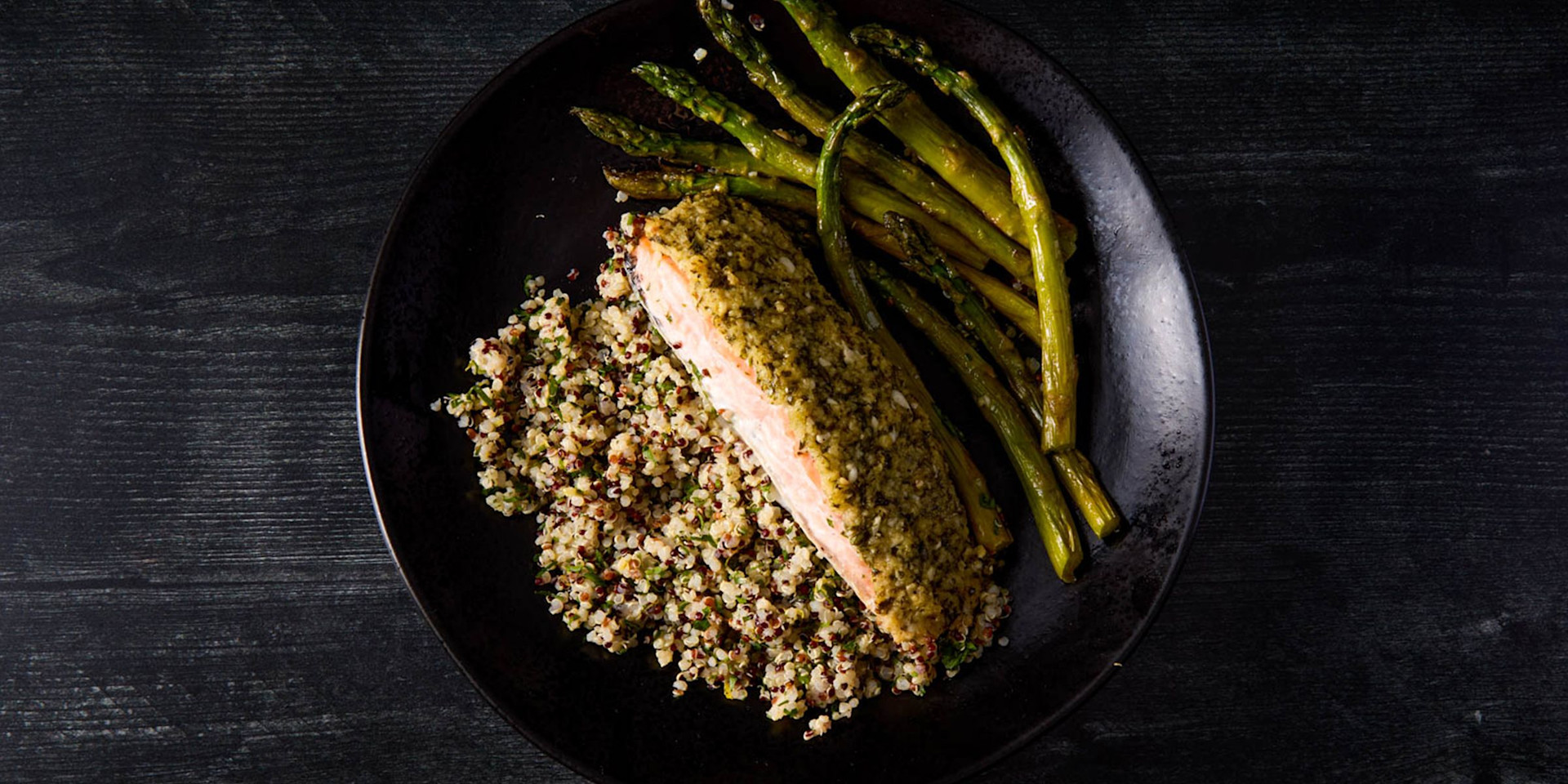
Not all vegetables are created equal, especially when it comes to sugar content. While vegetables are generally seen as healthy staples, some varieties contain significantly more natural sugars than others. For anyone managing blood sugar, following a low-carb diet, or simply aiming for more balanced meals, knowing which vegetables are truly low in sugar can make a big difference.
Key takeaways:
Low-sugar vegetables are naturally lower in sugar and are generally considered to have a milder effect on blood glucose levels compared to starchy vegetables.
Non-starchy vegetables like spinach, asparagus, and lettuce have the lowest sugar content, making them ideal for individuals with diabetes and low-carb dieters.
Cooking methods like steaming and roasting preserve nutrients while maintaining the low-sugar profile of vegetables.
Replacing starchy sides with options like cauliflower rice or zucchini noodles significantly reduces the sugar and carbohydrate content of meals.
What are low-sugar vegetables?
Low-sugar vegetables contain less than 5g of sugar per 100g serving. These vegetables naturally contain some sugar in the form of fructose, glucose, and sucrose, but at significantly lower levels than fruits or starchy vegetables.
Non-starchy vegetables typically have the lowest sugar content and minimal impact on blood sugar levels according to City of Hope¹. This makes them ideal choices for people managing diabetes, following ketogenic diets, or simply trying to reduce their sugar intake.
When we talk about "low sugar" in vegetables, we're referring to their natural sugar content, not added sugars. The comprehensive vegetables list in this article highlights options that can help you maintain stable blood glucose levels.
Why non-starchy vegetables matter
Non-starchy vegetables differ fundamentally from their starchy counterparts in carbohydrate content and blood sugar impact. These vegetables contain fewer carbohydrates and have a minimal effect on blood glucose levels.
The fiber in non-starchy vegetables slows digestion and helps prevent blood sugar spikes. This makes them especially valuable for people with diabetes or insulin resistance.
Non-starchy vegetables | Starchy vegetables |
|---|---|
Lower in carbohydrates | Higher in carbohydrates |
Minimal impact on blood sugar | Can raise blood sugar levels |
Examples: leafy greens, cucumbers | Examples: potatoes, corn |
Ideal for low-carb diets | Better for active individuals |
Looking for chef-crafted meals featuring low-sugar vegetables? Explore the weekly menu and select your meals.
20 best low-sugar vegetables, ranked
All vegetables contain some natural sugar, but not all are created equal. The vegetables below are ranked by their sugar content per 100g serving, highlighting the best low-sugar choices for people managing pre-diabetes, diabetes, or simply looking to reduce sugar intake. Prioritizing these non-starchy vegetables can help support better blood sugar control and overall health.
1. Spinach
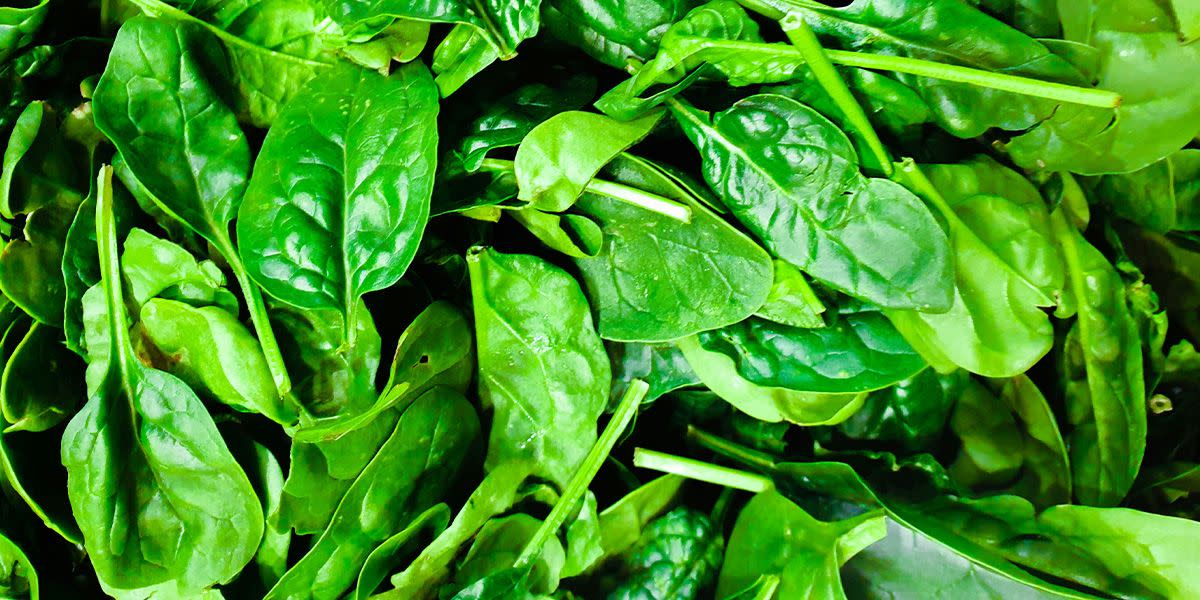
Sugar content: Extremely low, making it a great option for those watching their sugar intake.
Key benefits: Rich in iron, vitamins A and K, and folate.
Best preparation: Versatile in salads, smoothies, or sautéed dishes.
Spinach is a nutrient-dense leafy green that adds volume and nutrition to meals without contributing to sugar spikes. Its mild flavor and quick cooking time make it an easy go-to for any low-sugar diet.
2. Asparagus
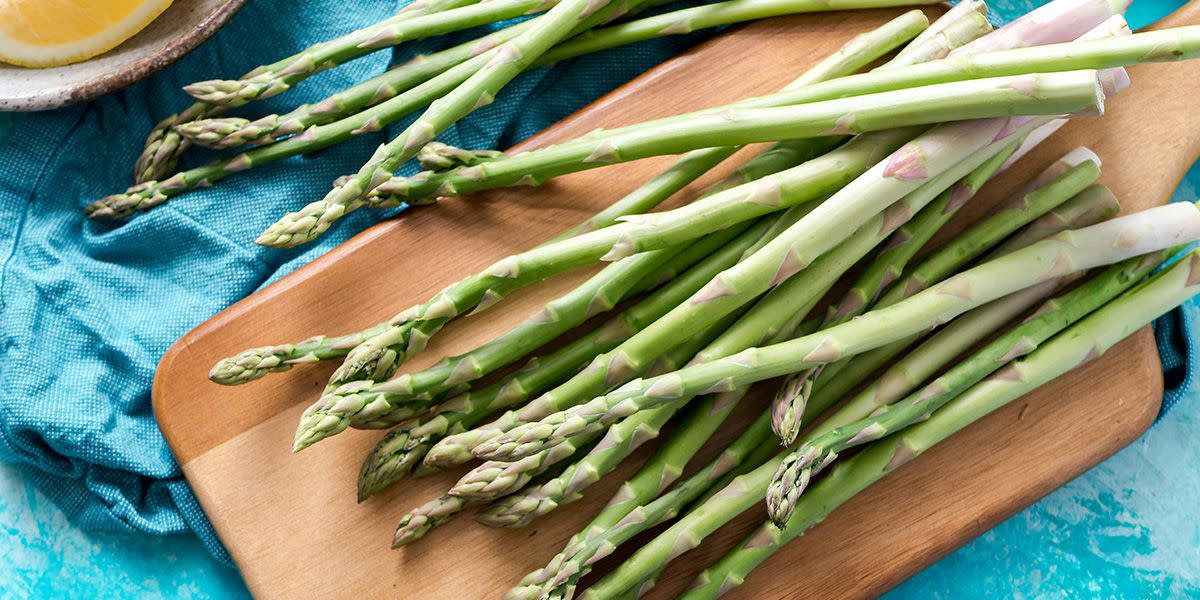
Sugar content: Naturally low in sugar, making it a great choice for low-carb diets.
Key benefits: Excellent source of folate, vitamin K, and fiber.
Best preparation: Grilled, roasted, or steamed.
Asparagus is not only low in sugar but also rich in antioxidants and prebiotic fiber, supporting digestive health. Its distinct flavor pairs well with a variety of proteins, making it a staple in balanced, low-sugar meals.
Did you know? Asparagus contains asparagine, an amino acid that acts as a natural diuretic, helping reduce water retention and bloating.
3. Lettuce
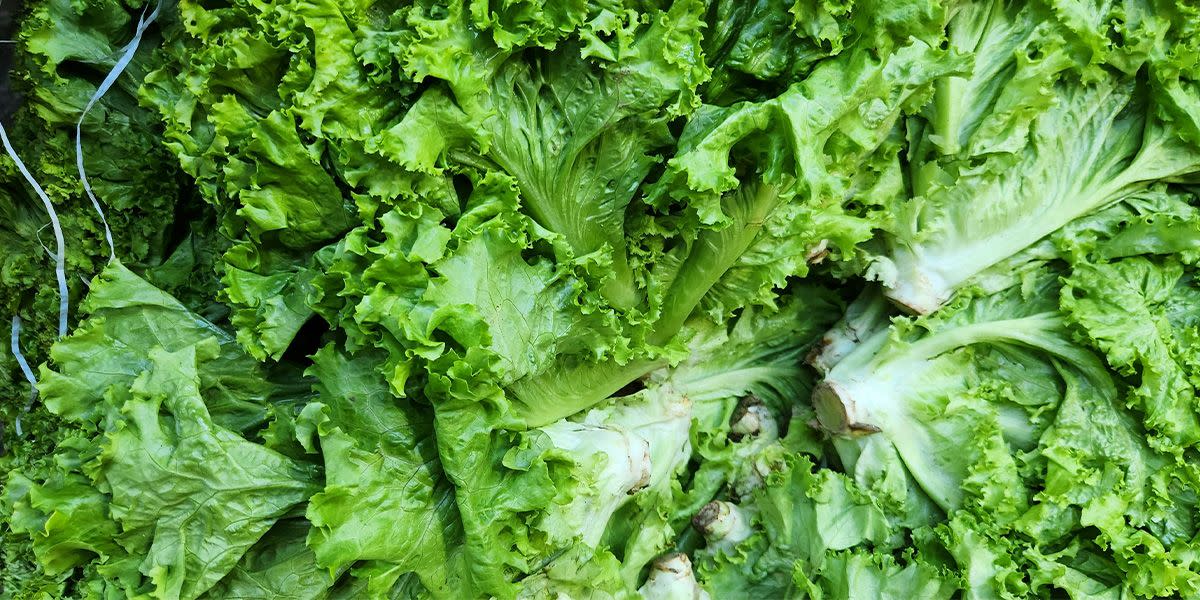
Sugar content: Naturally low in sugar, making it a great choice for low-carb and diabetic-friendly diets.
Key benefits: High water content helps with hydration.
Best preparation: Perfect base for salads or as wraps.
Lettuce varieties like romaine, arugula, and butter lettuce each offer unique nutrient profiles, but all are exceptionally low in sugar. These versatile greens serve as the crisp, hydrating base for countless healthy meals, from salads to wraps.
4. Cucumbers
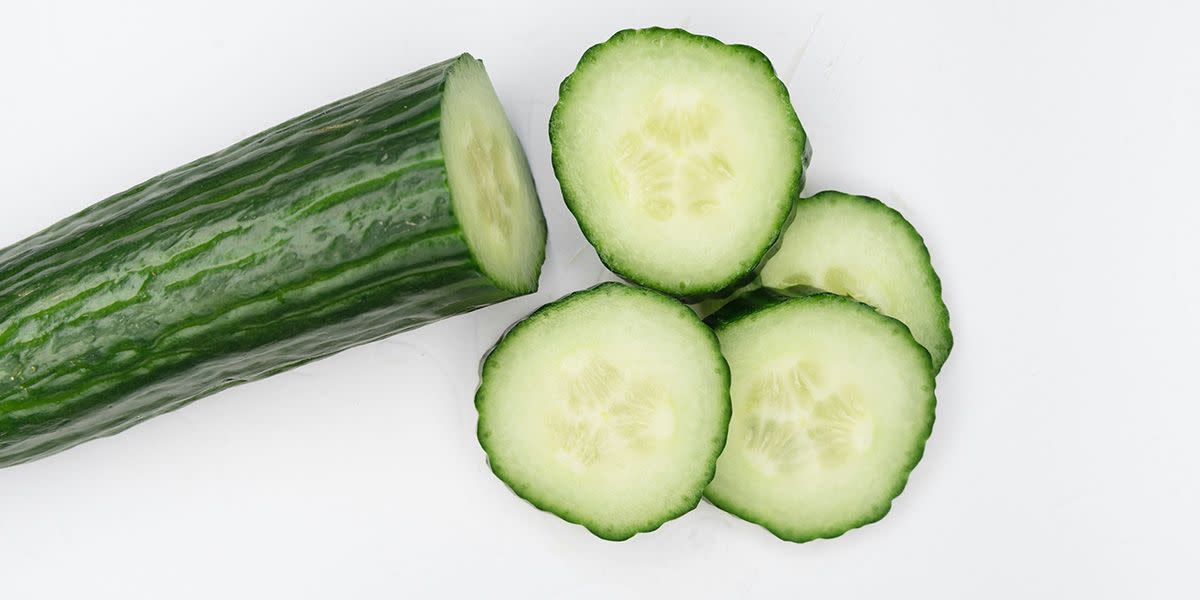
Sugar content: Contains a small amount of natural sugar, making it a suitable option for low-sugar diets.
Key benefits: 95% water content for hydration.
Best preparation: Refreshing raw or in light salads.
Cucumbers deliver a refreshing crunch with virtually no sugar impact. Thanks to their high water content, they’re incredibly hydrating, and their mild flavor makes them a versatile addition to salads, snacks, and sides.
5. Mushrooms
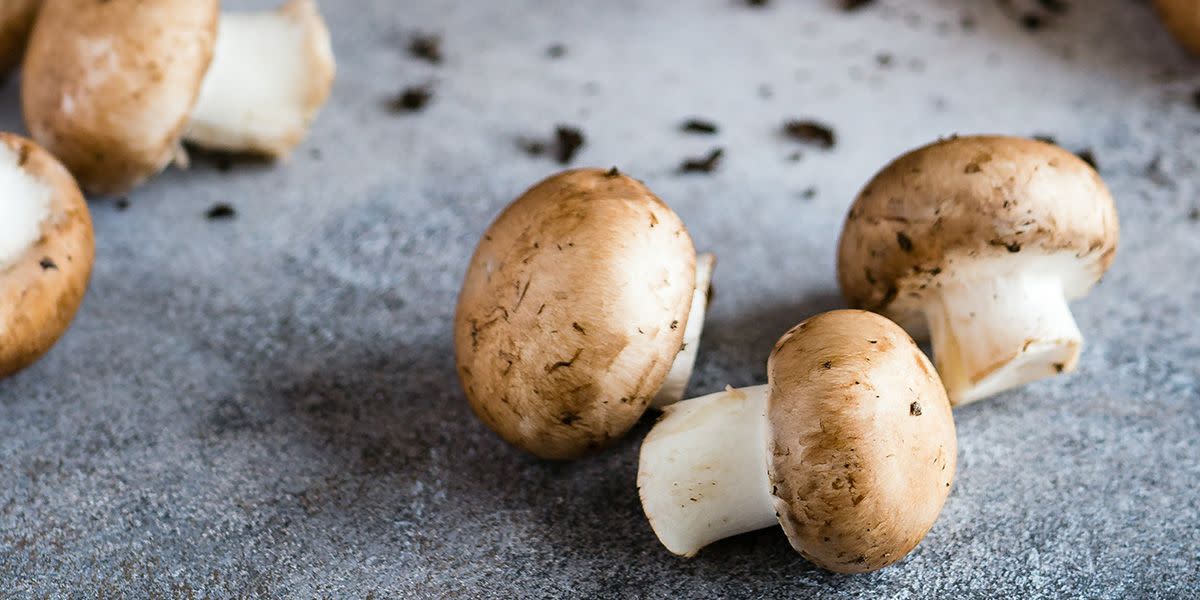
Sugar content: Contains a small amount of natural sugar typical of most vegetables.
Key benefits: Good source of B vitamins and selenium.
Best preparation: Versatile in stir-fries, soups, or roasted.
Mushrooms bring umami depth to dishes while keeping sugar content low. Their meaty texture and earthy flavor make them a satisfying plant-based addition to both everyday meals and special recipes.
6. Zucchini
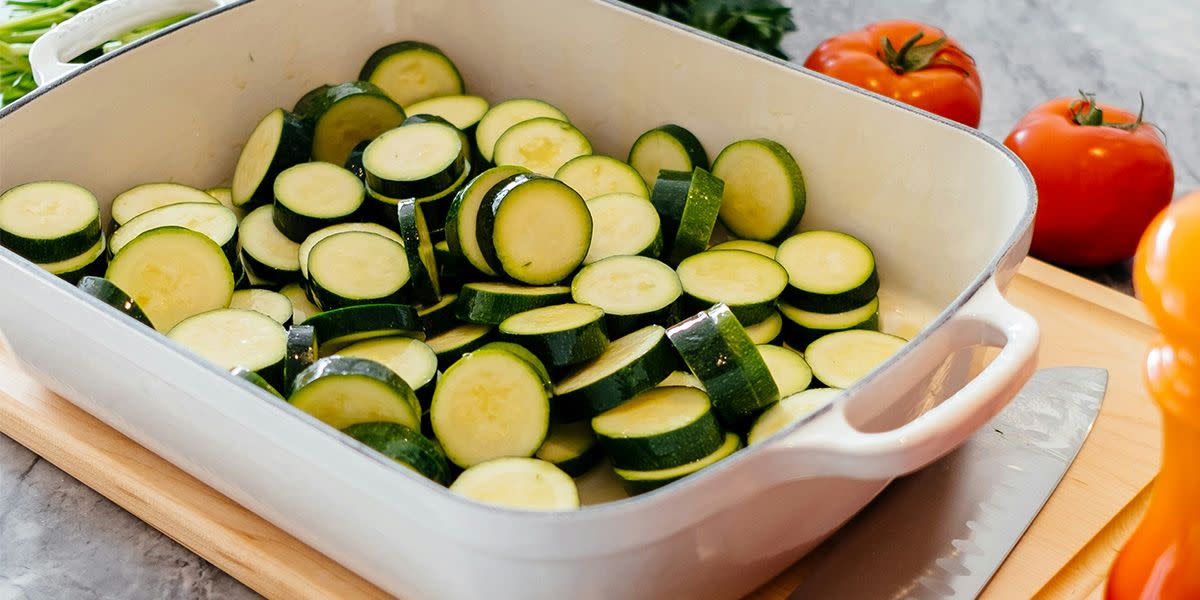
Sugar content: Contains a small amount of natural sugar typical of non-starchy vegetables.
Key benefits: Rich in potassium and vitamin C.
Best preparation: Great spiralized as noodle alternative.
Zucchini’s mild flavor and tender texture make it a go-to for low-carb, low-sugar meals. It adapts easily to various cooking styles—grilled, baked, or sautéed—and pairs well with bold sauces and spices.
For a chef-crafted zucchini dish, our Zucchini Carbonara by Chef Ruben Garcia, features this low-sugar vegetable as the star ingredient.
7. Green beans
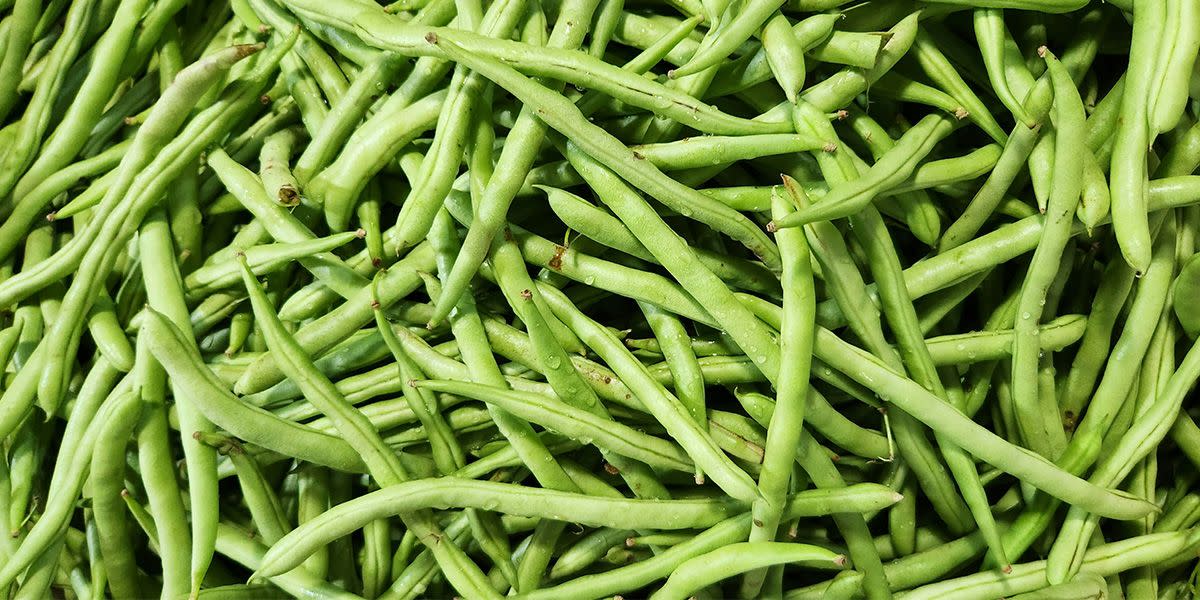
Sugar content: This vegetable contains a small amount of natural sugar.
Key benefits: Good source of fiber and vitamins.
Best preparation: Delicious steamed, sautéed, or roasted.
Green beans hold their crisp texture when lightly cooked, making them a satisfying and versatile side. Their mild flavor complements a wide range of seasonings, all while keeping sugar content naturally low.
8. Celery
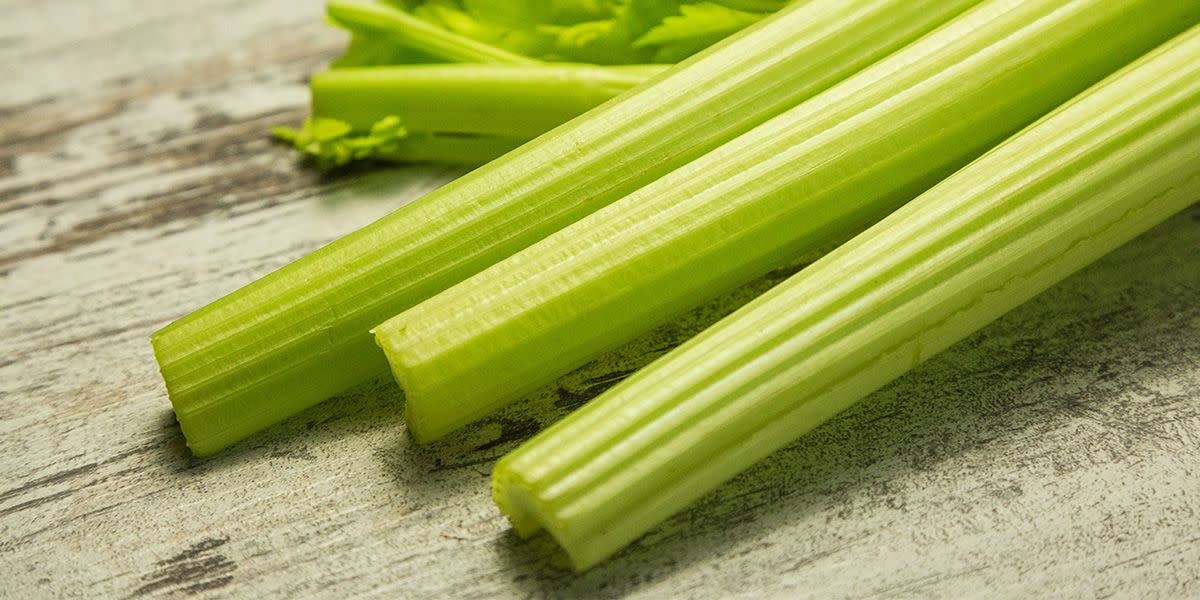
Sugar content: Asparagus is naturally low in sugar, making it a great choice for low-carb and diabetic-friendly diets.
Key benefits: Celery is made up of 95% water and provides essential electrolytes like sodium and potassium, making it an excellent choice for rehydration, especially after exercise or on hot days.
Best preparation: Perfect for snacking or adding crunch to salads.
Celery’s high water and fiber content, along with its naturally low sugar, make it a smart choice for weight management. Its natural sodium adds flavor without the need for added sugars or heavy seasoning.
Looking for more low-sugar meal options? We offer a variety of Sugar Savvy meal delivery options crafted by professional chefs.
9. Swiss chard
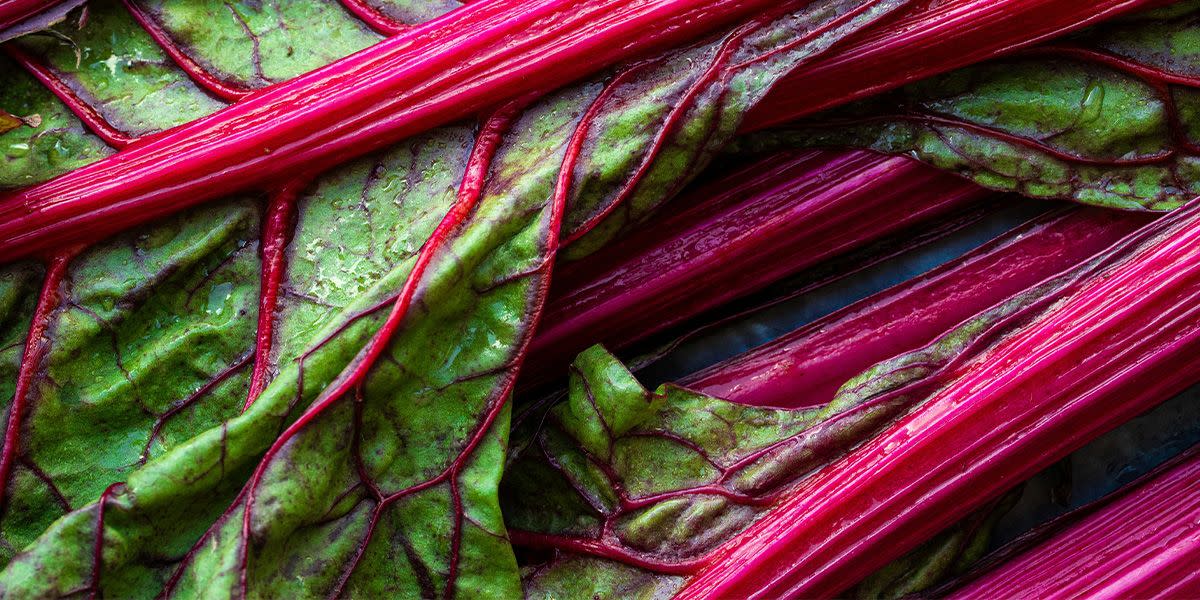
Sugar content: Very low in natural sugars, making it suitable for low-carb and diabetic-friendly diets.
Key benefits: Excellent source of vitamins A, C, and K.
Best preparation: Best when sautéed with olive oil and garlic.
Swiss chard’s vibrant stems contain slightly more natural sugar than the leaves, but the whole plant still qualifies as low-sugar. Cooking softens its mildly bitter flavor, making it a delicious and nutrient-rich addition to savory dishes.
10. Cauliflower
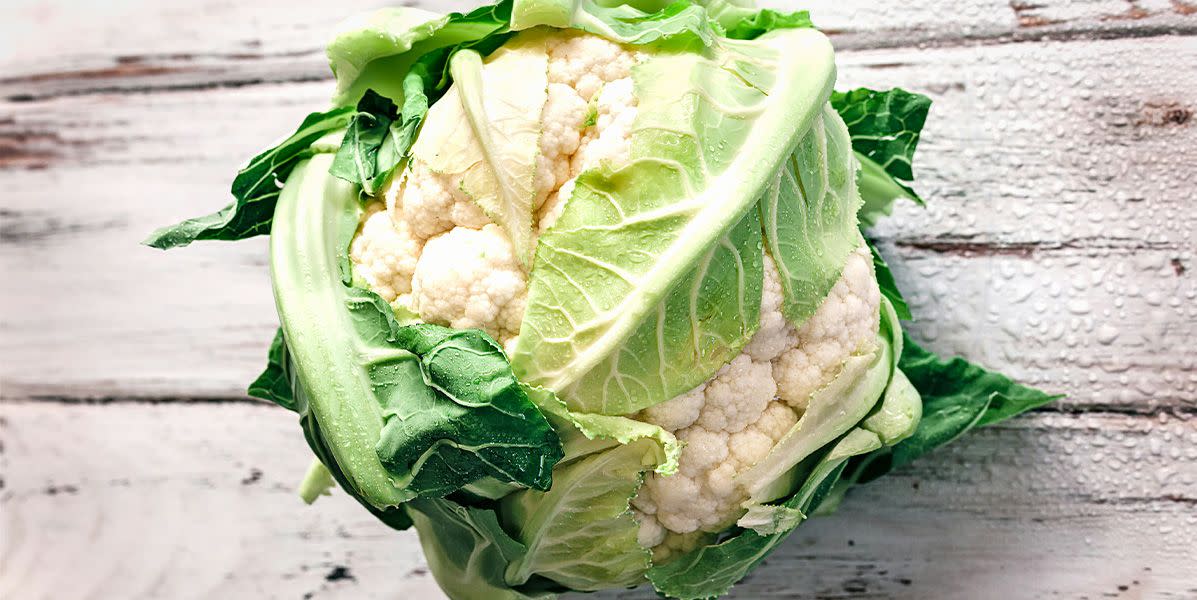
Sugar content: Contains a small amount of natural sugars typical of low-sugar vegetables.
Key benefits: Versatile low-carb substitute for rice or potatoes.
Best preparation: Delicious roasted, mashed, or riced.
Cruciferous vegetables like cauliflower are standouts in low-sugar diets. Their mild flavor and versatility allow them to be transformed into everything from mash to rice—while keeping sugar content impressively low.
11. Broccoli
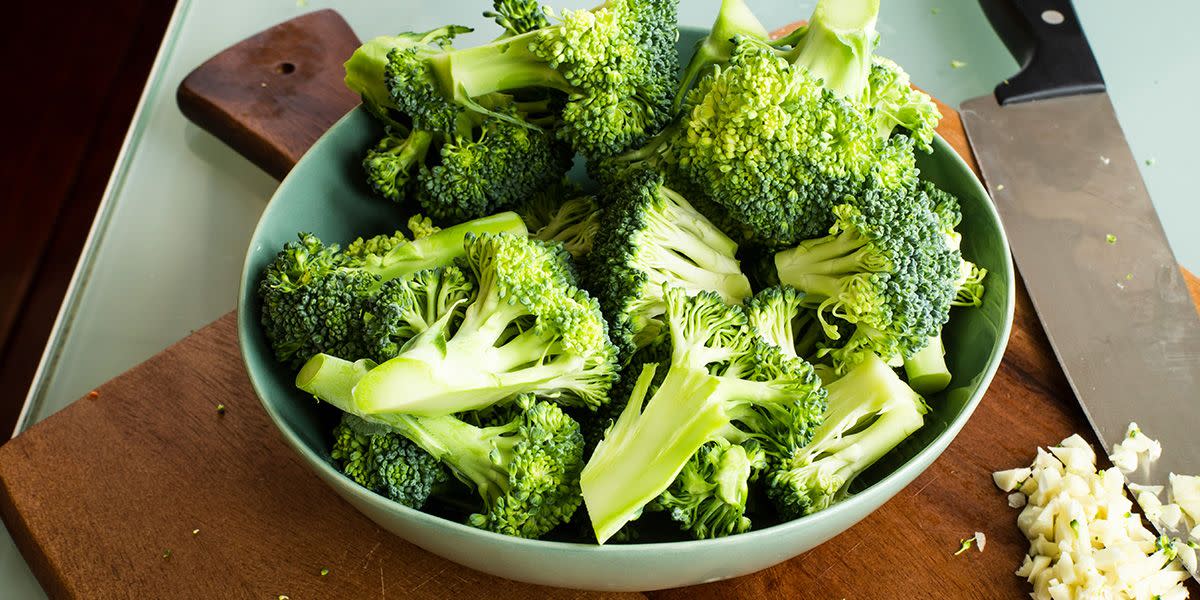
Sugar content: Naturally low in sugar, making it a good option for low-carb diets.
Key benefits: High in vitamin C and fiber.
Best preparation: Best steamed or roasted to preserve nutrients.
Our Broccoli and Cheddar Soup by Chef Chris Ratel transforms this low-sugar vegetable into a comforting meal without excessive carbs.
12. Bell peppers
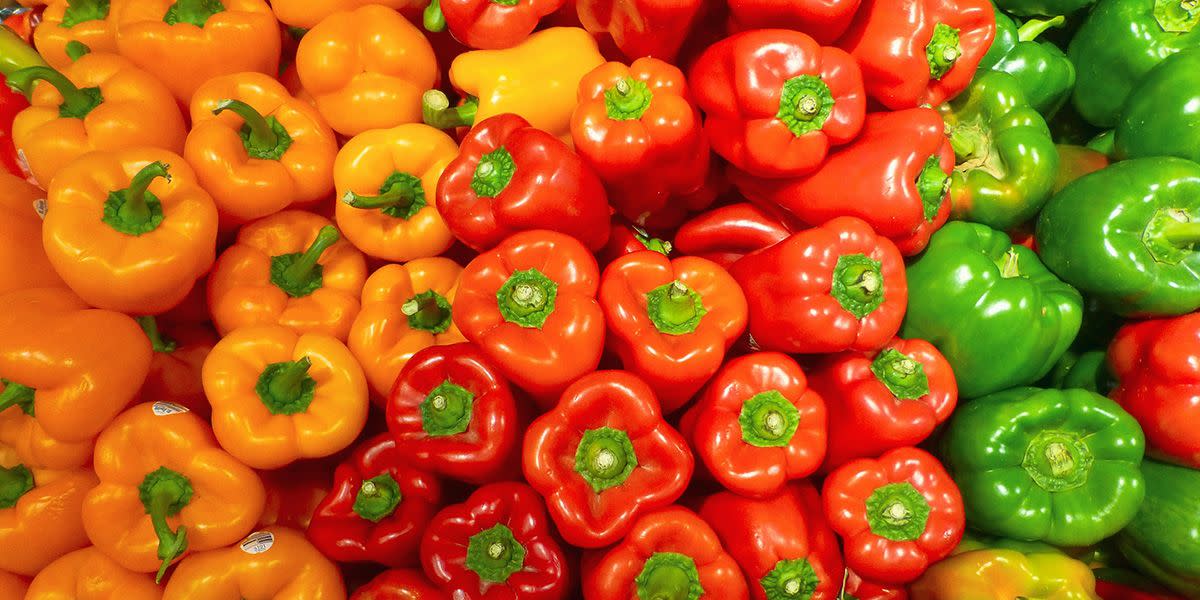
Sugar content: Varies by color, with green bell peppers generally containing less sugar than red ones.
Key benefits: Excellent source of vitamin C.
Best preparation: Delicious raw, roasted, or stuffed.
13. Eggplant
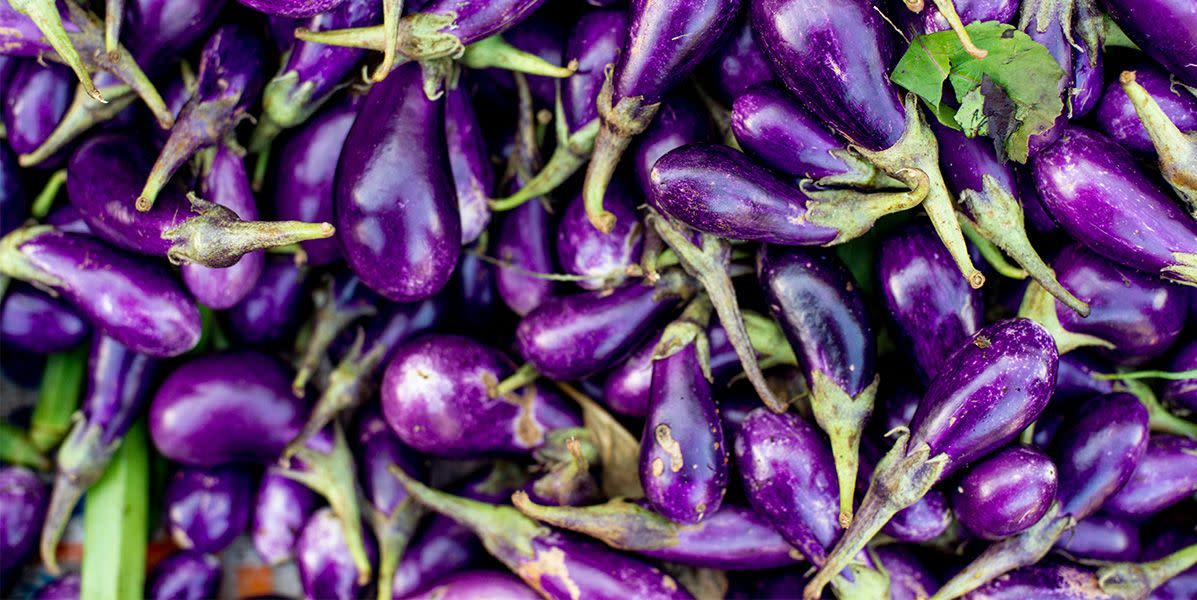
Sugar content: Eggplant contains a moderate amount of natural sugars compared to other low-sugar vegetables.
Key benefits: Contains nasunin, a powerful antioxidant.
Best preparation: Best roasted, grilled, or in ratatouille.
Eggplant’s spongy texture readily absorbs flavors, making it a versatile ingredient across a variety of cuisines. Its naturally low sugar content makes it a smart choice for health-conscious cooking.
14. Radishes
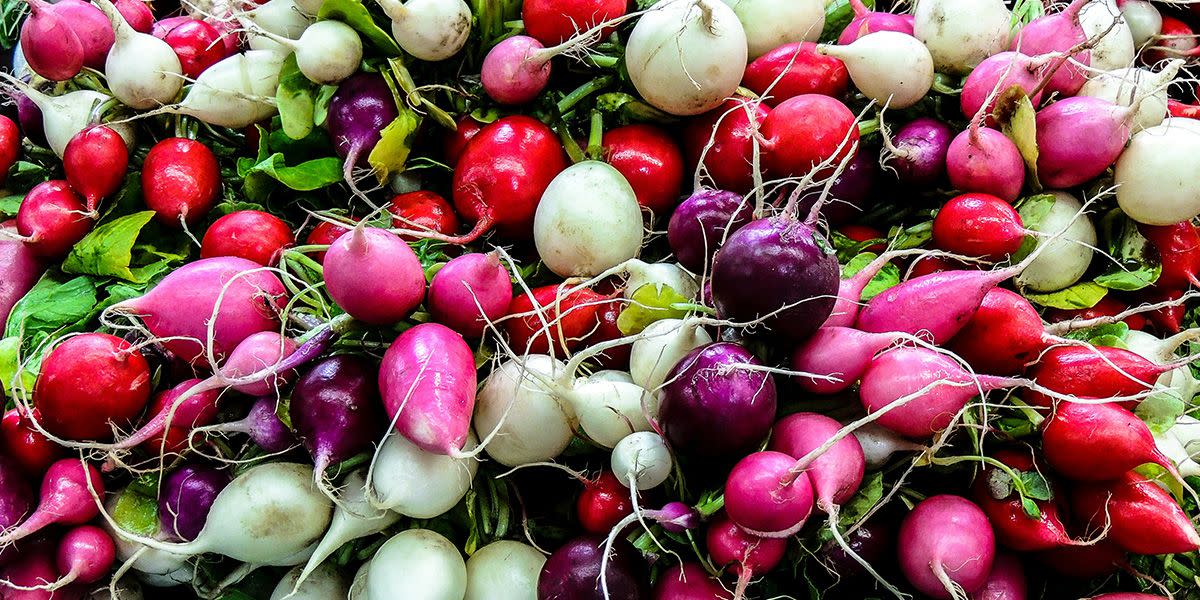
Sugar content: Contains a small amount of natural sugar, making it a suitable option for low-sugar diets.
Key benefits: Contain cancer-fighting compounds.
Best preparation: Crisp and peppery raw or mellowed when roasted.
Radishes deliver a crisp, peppery bite with minimal sugar impact. Roasting brings out their natural sweetness through light caramelization, softening their sharpness while keeping overall sugar content low.
15. Bok choy
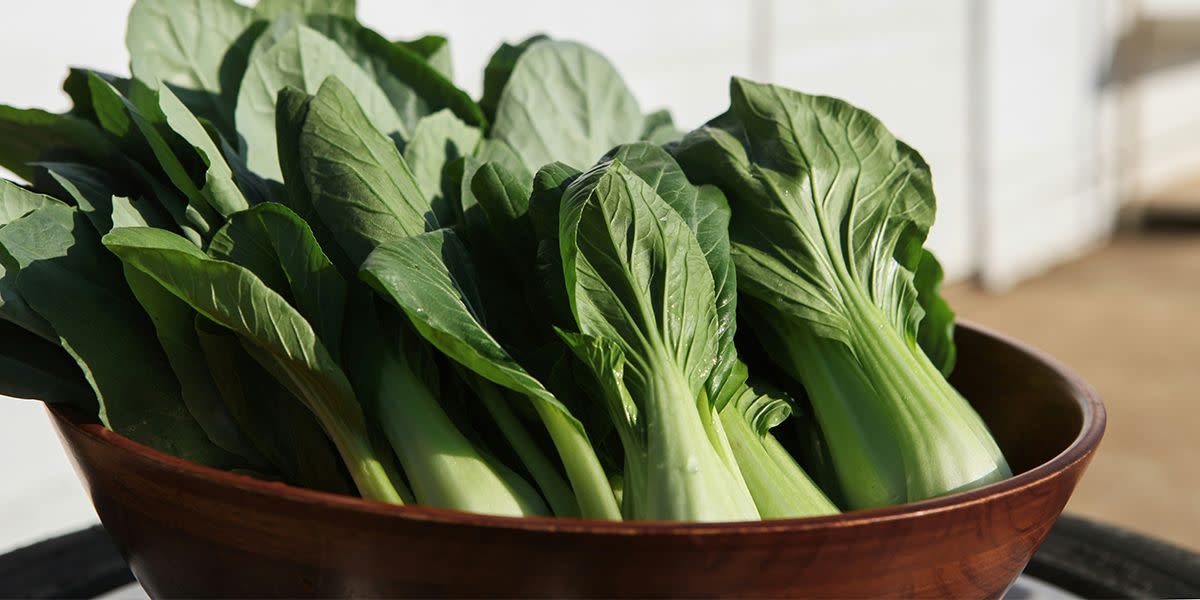
Sugar content: Naturally low in sugar, making it a suitable choice for low-carb diets.
Key benefits: Rich in calcium and vitamin A.
Best preparation: Excellent in stir-fries or steamed.
Bok choy features crisp stems and tender leaves, offering a pleasing textural contrast in dishes. Its mild flavor and naturally low sugar content make it a perfect fit for Asian-inspired recipes and light, nutritious meals.
For more plant-based protein options that complement these low-sugar vegetables, check out these 15 high-protein vegetables you should add to your diet.
16. Kale
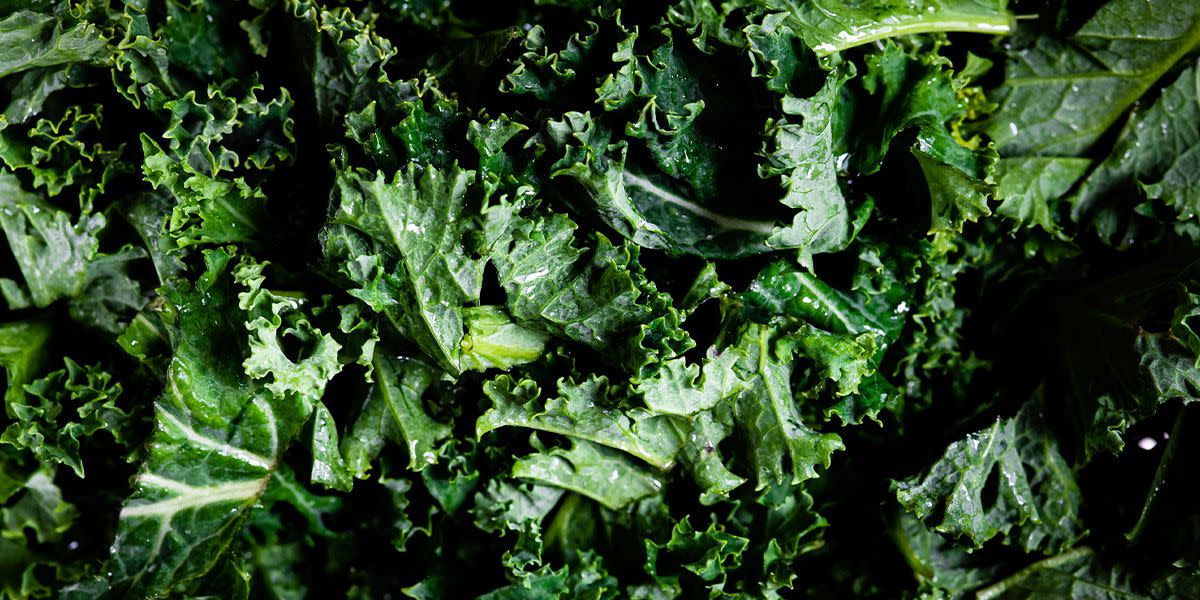
Sugar content: Very low, making it a great option for low-sugar diets.
Key benefits: Nutrient-dense superfood.
Best preparation: Great in salads, smoothies, or baked as chips.
Kale’s hearty texture and slightly bitter flavor hold up well in both raw and cooked dishes. Its low sugar content and high fiber make it an ideal leafy green for blood sugar-friendly eating.
Our Kale Caesar Salad with Grilled Chicken by Chef Tracey Bloom showcases how this low-sugar leafy green can be transformed into a satisfying meal.
17. Brussels sprouts
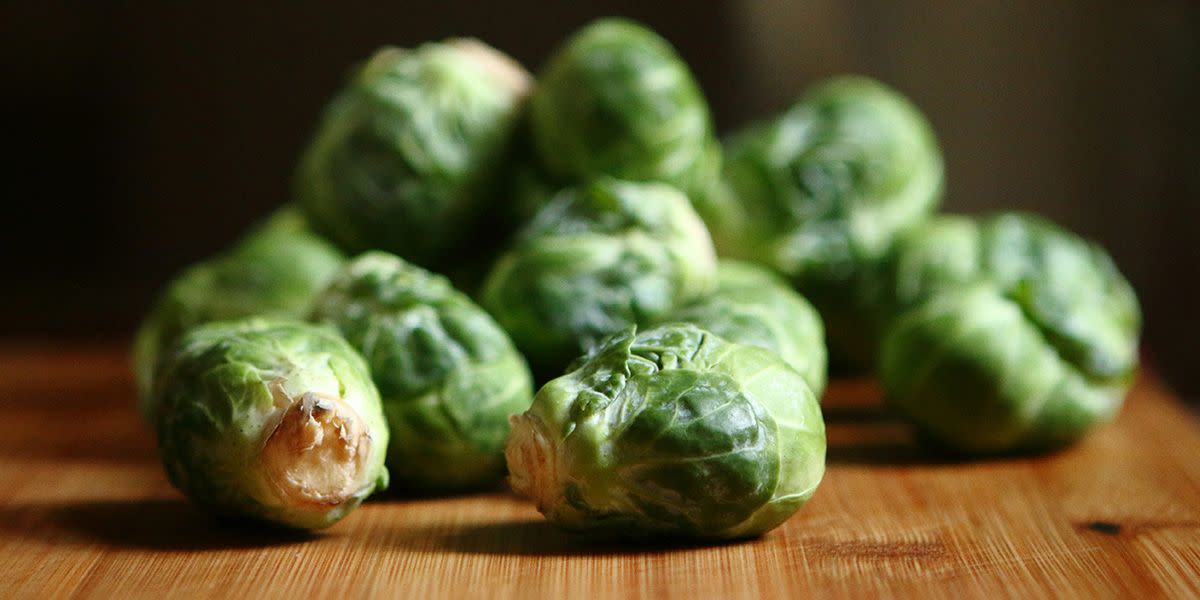
Sugar content: Contains a small amount of natural sugar, making it a suitable option for low-sugar diets.
Key benefits: High in vitamin K and fiber.
Best preparation: Delicious roasted with olive oil and salt.
Brussels sprouts have become a favorite for their versatility and impressive nutritional profile. Roasting enhances their natural sweetness through caramelization, all while keeping their overall sugar content low.
18. Cabbage
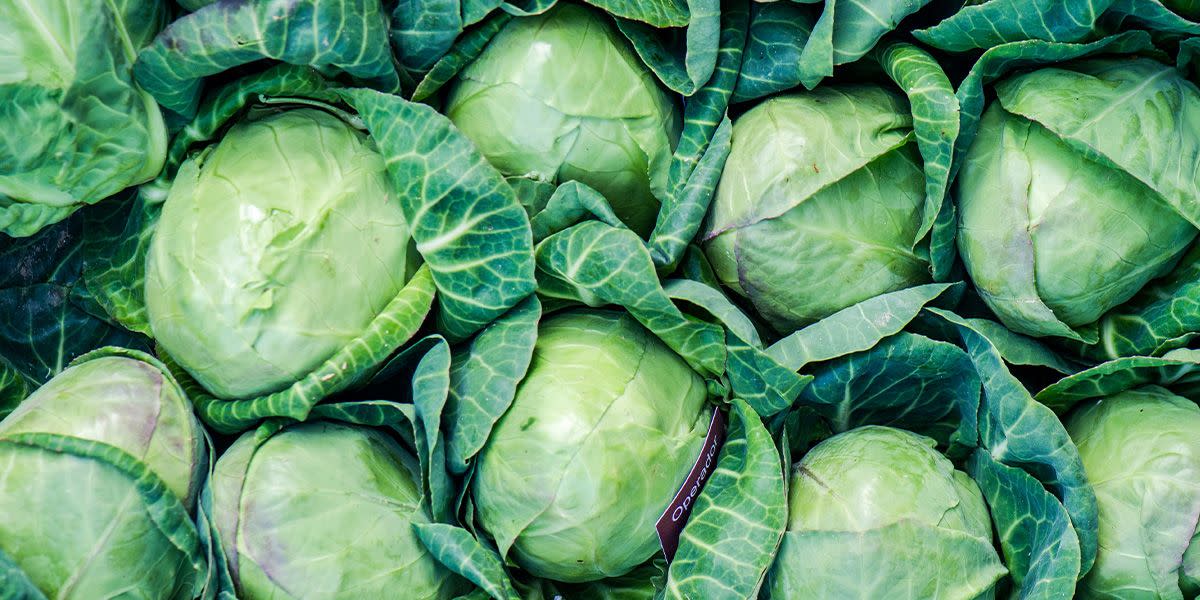
Sugar content: Contains a moderate amount of natural sugars compared to other low-sugar vegetables.
Key benefits: Rich in vitamin C and fiber.
Best preparation: Versatile raw in slaws or cooked in stir-fries.
Cabbage varieties—green, red, and savoy—are all naturally low in sugar and offer slightly different nutrient profiles. When fermented into sauerkraut or kimchi, cabbage provides gut-friendly probiotics while keeping sugar levels minimal.
19. Onions
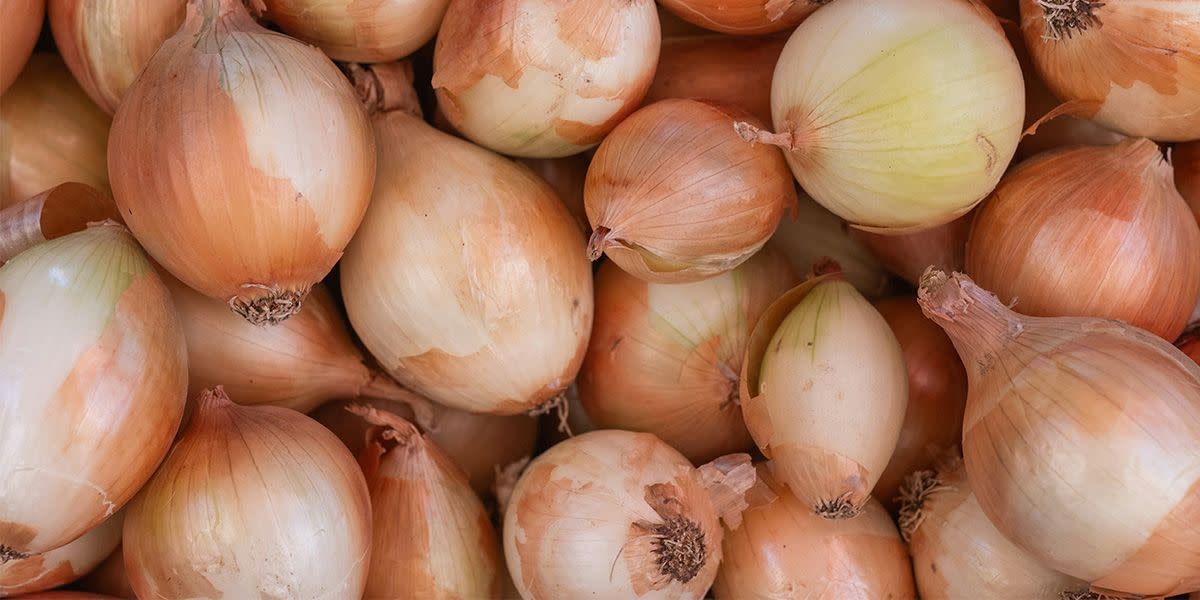
Sugar content: Onions contain more natural sugars than many other low-sugar vegetables, so they’re best enjoyed in moderation.
Key benefits: Contain quercetin, a powerful antioxidant.
Best preparation: Use sparingly for flavor in many dishes.
While onions contain slightly more natural sugar than other vegetables on this list, their bold flavor means you only need a small amount. Used in moderation, they add depth and aroma to dishes without significantly impacting overall sugar intake.
20. Summer squash
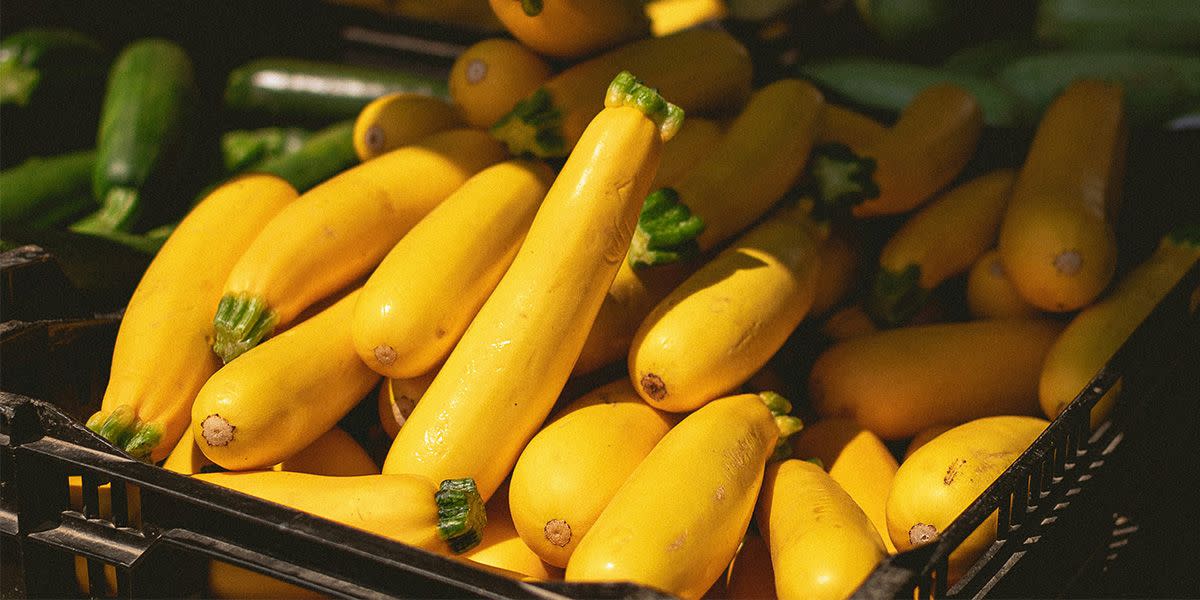
Sugar content: Contains a small amount of natural sugar
Key benefits: Good source of manganese and vitamin C
Best preparation: Excellent grilled, roasted, or in ratatouille
Summer squash varieties like yellow squash and pattypan feature tender skin and a mild, adaptable flavor. Their natural low sugar content and culinary flexibility make them great additions to balanced, health-conscious meals.
This list offers a diverse selection of vegetables to help you build flavorful, nutrient-rich meals—all while keeping sugar intake low and your health goals on track.
How to choose and cook low-sugar vegetables
Selecting fresh, high-quality vegetables ensures the best flavor and nutritional value. Look for vibrant colors, firm texture, and no signs of wilting or browning when shopping.
Different cooking methods affect vegetables in various ways:
Steaming: Preserves nutrients and maintains low sugar content.
Roasting: Enhances flavor through caramelization while keeping sugar impact minimal.
Raw consumption: Maximizes nutrient retention and fiber content.
Sautéing: Quick cooking preserves nutrients while adding flavor.
Enhance flavor without adding sugar by using herbs, spices, citrus, vinegar, or healthy fats. These additions create satisfying dishes while maintaining the low-sugar profile of the vegetables.
Understanding food labels helps identify hidden sugars. Look at "total carbohydrates" and "dietary fiber" to calculate net carbs (total carbs minus fiber), which indicates the carbohydrates that impact blood sugar.
Tips to keep sugar low in everyday meals
Batch-prepping vegetables saves time and makes healthy eating more convenient. Roast a variety of vegetables on the weekend to use throughout the week in salads, grain bowls, or as side dishes.
Simple seasoning ideas that enhance flavor without adding sugar include:
Fresh herbs like basil, cilantro, and parsley
Spice blends such as Italian seasoning, curry powder, or taco seasoning
Acid from lemon juice, lime juice, or vinegar
Healthy fats from olive oil, avocado oil, or nuts
Replace starchy sides with non-starchy vegetables to reduce the overall sugar and carbohydrate content of meals:
Cauliflower rice instead of regular rice
Zucchini noodles instead of pasta
Mashed cauliflower instead of mashed potatoes
Lettuce wraps instead of tortillas or bread
Create balanced meals by combining low-sugar vegetables with protein and healthy fats. This approach provides sustained energy without blood sugar spikes and supports overall health.
Bringing it all together for health-conscious cooking
Incorporating low-sugar vegetables into your meals delivers big health benefits—from improved blood sugar control to a boost in essential nutrients. These versatile, nutrient-dense foods are the building blocks of health-conscious cooking.
For busy days, our chef-crafted meals make it easy to enjoy a variety of low-sugar vegetables without the prep. With new options each week, eating well has never been more convenient.
Don’t be afraid to experiment. Try new vegetables, play with different cooking methods, and find your favorites. Even small, consistent changes—like adding one extra serving of low-sugar veggies a day—can make a lasting impact on your overall health.
Frequently asked questions about low-sugar vegetables
Are these meals safe for those with severe dietary allergies, such as dairy, soy, and nuts?
While our meals are crafted without certain ingredients, they're prepared in kitchens where cross-contamination may occur. If your allergy is life-threatening, we recommend reviewing ingredient labels carefully before eating.
How many servings of low-sugar vegetables should you eat per day?
Try to include a variety of low-sugar vegetables in your meals each day, whether raw or cooked, to support a balanced and nutritious diet.
Can you freeze low-sugar vegetables without losing their nutritional value?
Most low-sugar vegetables freeze well with minimal nutrient loss when blanched first, making them perfect for meal prep and reducing food waste.
What vegetable has the lowest sugar content on this list?
Spinach has the lowest sugar content at 0.4g per 100g, making it an excellent choice for very low-sugar diets.
Which vegetables should people with diabetes specifically include in their diet?
People with diabetes should focus on non-starchy vegetables like spinach, broccoli, cauliflower, and bell peppers, which have minimal impact on blood glucose levels. This does not mean if you have diabetes, you cannot consume any starchy vegetables. But you can consume non-starchy vegetables in larger quantities without resulting in a considerable impact on blood sugar.
How do cooking methods affect the sugar content in vegetables?
Cooking methods don't significantly change sugar content, but roasting or searing at high temperatures can concentrate natural sugars and enhance sweetness through caramelization.
Sources:

Be the first to know about new offers
Multiorder discounts, free items and more.