Back
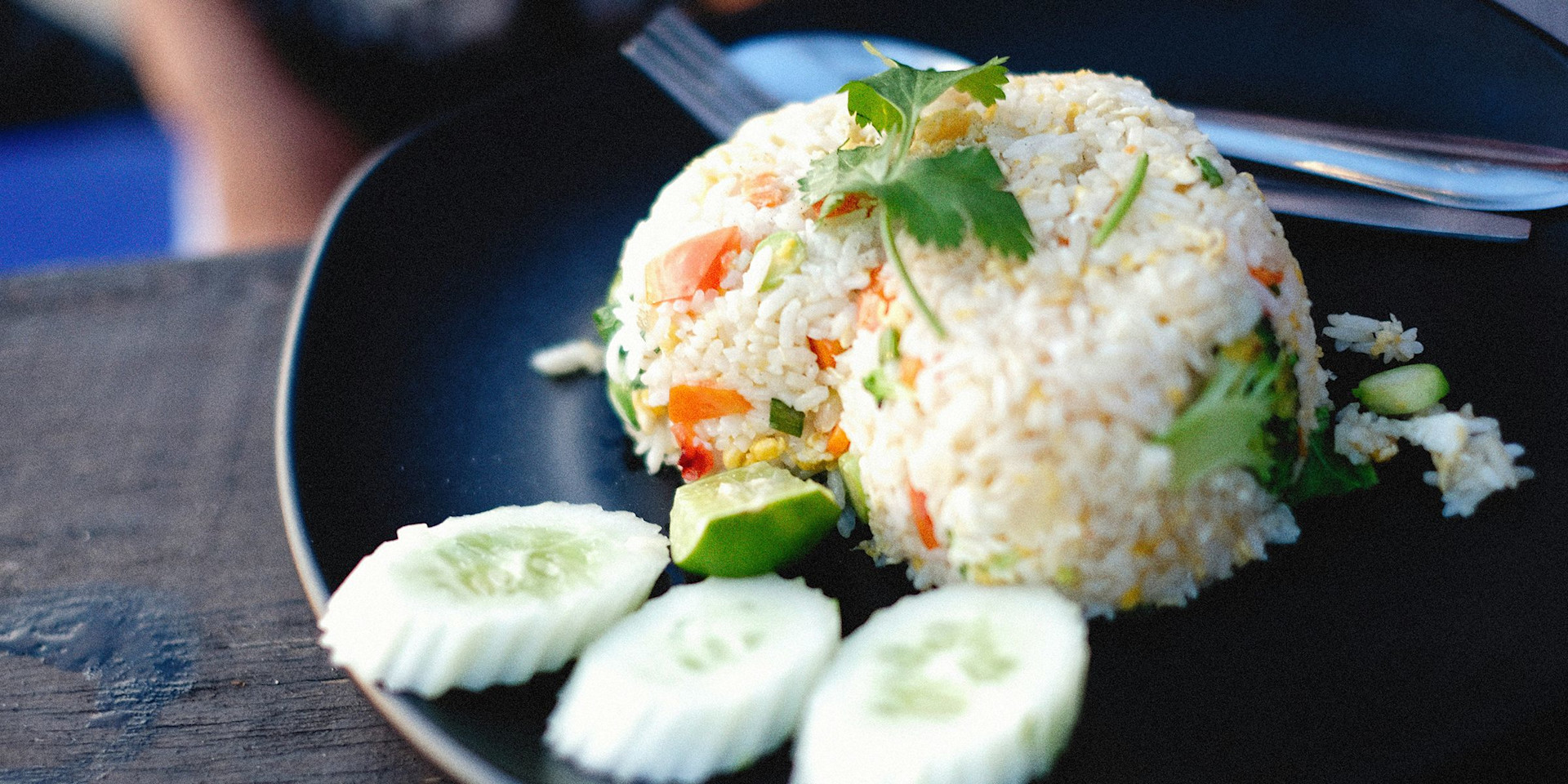
Vietnamese fried rice, or com chien, turns leftover rice into a flavorful, satisfying dish that speaks to the heart of Vietnamese cuisine. Stir-fried over high heat with fragrant aromatics, savory proteins, and a splash of fish sauce, this dish captures the perfect balance of texture and taste in just one pan.
Unlike other Asian fried rice styles, com chien leans on fish sauce instead of soy sauce, creating a lighter, slightly sweet umami flavor. Whether it’s packed with shrimp, chicken, or simply egg and vegetables, Vietnamese fried rice reflects both practicality and creativity. It’s a dish born from humble ingredients and elevated through technique.
In this guide, you’ll learn what makes Vietnamese fried rice unique, how to cook it like a pro, and how to explore even more Vietnamese rice dishes at home or from our chefs.
Key takeaways:
Vietnamese fried rice (com chien) stands out by using fish sauce instead of soy sauce, creating a lighter umami flavor with subtle sweetness.
Day-old jasmine rice is ideal. Its drier texture helps prevent sogginess and keeps each grain separate during stir-frying.
High heat and constant movement are essential. These techniques keep ingredients from steaming and help build the slightly crisp texture that makes the dish shine.
While traditional recipes serve as a starting point, com chien is highly adaptable. It works with different proteins, vegetables, and seasonings while staying true to the balanced flavors of Vietnamese cuisine.
What is Vietnamese fried rice?
Vietnamese fried rice, or com chien (pronounced “com chee-en”), is a flavorful dish made by stir-frying cooked rice with proteins, vegetables, and signature Vietnamese seasonings. Unlike Chinese-style fried rice, which often relies on soy sauce, com chien uses fish sauce (nuoc mam) to create a lighter umami flavor with a subtle hint of sweetness.
This dish reflects the essence of Vietnamese cuisine. It turns simple ingredients into something balanced and satisfying. The rice grains stay slightly chewy and separate, while the proteins and vegetables add flavor, texture, and substance.
Fish sauce is what gives com chien its unmistakable character. Made from fermented anchovies, it adds depth and complexity that soy sauce cannot match.
For many Vietnamese families, fried rice is also a practical way to use leftovers. It turns plain Vietnamese rice into a fresh, flavorful meal that’s comforting and fast.
Brief history of Vietnamese fried rice
Rice has been a cornerstone of Vietnamese agriculture and culture for thousands of years. With an average rice consumption of about 589 grams per person per day, it is no surprise that rice plays a central role in everyday meals and culinary traditions across the country.
The idea of fried rice in Vietnam may have originated through Chinese culinary influence, which introduced stir-frying techniques and helped shape many aspects of Vietnamese cuisine. Over time, Vietnamese cooks adapted these methods to local tastes and ingredients, creating a dish that felt both familiar and uniquely their own.
During the French colonial period, Vietnamese cuisine absorbed European influences that also impacted rice preparation. In times of scarcity, especially during war and food shortages, com chien became a creative solution for using leftovers. Families would combine day-old rice with whatever proteins and vegetables were on hand to stretch meals further.
Today, com chien has moved far beyond its humble roots. You’ll find it featured in home kitchens, street food stalls, and upscale restaurants alike. It’s often elevated with premium ingredients like shrimp, crab, or Chinese sausage.
Key ingredients for com chien
Vietnamese fried rice is simple at its core but relies on the right ingredients and techniques to create its signature flavor and texture. Each component plays a specific role in bringing com chien to life.
1. Long-grain rice
Jasmine rice is the go-to for authentic Vietnamese fried rice. Its natural fragrance and long grains help maintain separation during stir-frying, avoiding clumps and sogginess. Day-old rice is preferred, as the grains dry slightly in the refrigerator, making them ideal for frying.
Tips for perfect texture:
Use slightly less water when cooking (about 1.5 cups water per 1 cup rice)
Spread rice on a baking sheet to cool quickly and dry out
Refrigerate uncovered for at least 1 hour before cooking
Want rice dishes without the prep? Explore our chef-crafted Asian meals featuring expertly prepared rice using authentic techniques.
2. Proteins
Traditional versions of com chien often include:
Chicken: Usually marinated in fish sauce and garlic
Pork: Diced or sliced, including Chinese sausage
Shrimp: Lightly cooked to preserve tenderness
Eggs: Either scrambled directly into the rice or cooked as a thin omelet, then sliced
Eggs are nearly always used in any recipe for fried rice with egg. They bring richness and visual appeal while helping to bind ingredients together.
3. Vegetables
Vegetables in Vietnamese fried rice are kept simple but purposeful. Common additions include:
Aromatics: Garlic, onions, and shallots for depth
Colorful accents: Carrots, peas, green onions
Regional variations: Bell peppers in the south, cabbage in the north
Each vegetable is cut to a uniform size to ensure even cooking and maintain the dish's signature clean presentation.
Chef tip: For balanced flavor and texture, don’t overload the dish with vegetables. Less is more in com chien.
4. Seasonings
Seasoning is what sets Vietnamese fried rice apart. The key elements include:
Fish sauce (nước mắm): The core source of umami
Garlic: Used early to flavor the oil
White pepper: Preferred for its clean, sharp heat
Sugar: Just enough to round out the saltiness
These ingredients work together to create balance. Vietnamese seasoning is all about harmony, where no single flavor dominates.
Cuisine | Primary seasonings | Flavor profile |
|---|---|---|
Vietnamese | Fish sauce, garlic | Umami, subtle sweetness |
Chinese | Soy sauce, sesame oil | Savory, nutty |
Thai | Fish sauce, chili, basil | Spicy, aromatic |
Japanese | Soy sauce, mirin | Subtle, balanced |
Step-by-step guide to making Vietnamese fried rice
Whether you're working with leftovers or starting fresh, these steps will help you master com chien at home.
1. Prepare the rice
Start with jasmine rice that was cooked the day before. Cold, slightly dried-out rice creates the ideal texture for stir-frying.
If using fresh rice:
Use slightly less water when cooking
Spread it out on a baking sheet
Refrigerate for at least one hour, uncovered
Before stir-frying, gently break up the cold rice with your fingers to separate any clumps.
2. Cook the aromatics
Heat a wok or large skillet over medium-high heat. Add 1 to 2 tablespoons of neutral oil with a high smoke point (like peanut or vegetable oil). Once the oil shimmers, add your aromatics.
Use a mix of:
Minced garlic
Diced shallots
The white parts of green onions
Stir constantly for about 30 to 45 seconds, just until fragrant. This step infuses the oil with flavor that will coat every grain of rice.
3. Stir-fry proteins and veggies
Add your protein of choice to the wok:
Cook chicken or pork until nearly done
Cook shrimp just until pink
If using pre-cooked protein, wait until the final step to reheat
Push the protein to one side of the wok. Add diced vegetables to the open space, starting with longer-cooking ones like carrots, followed by quicker-cooking ingredients like peas.
If using eggs, create another space in the pan. Pour in beaten eggs, let them set briefly, then scramble and mix everything together.
4. Add rice and seasonings
Add the chilled rice to the wok. Break up any remaining clumps and toss with the other ingredients.
Drizzle fish sauce around the perimeter of the pan so it hits the hot surface and releases its aroma. Add a pinch of sugar to balance the saltiness.
Use a lifting and tossing motion to combine everything without breaking the grains. Occasionally spread the rice in a thin layer to allow slight browning and enhance flavor.
Cook for 2 to 3 minutes until everything is well-mixed and heated through.
5. Finish and garnish
Add the green parts of the scallions during the final minute of cooking. If using pre-cooked protein, return it to the pan now to heat through.
Garnish with:
Extra scallions
Fresh cilantro
Lime wedges
Some versions also include fried shallots or crushed peanuts for added texture. Finish with a touch of white pepper for subtle heat.
Serve hot and enjoy immediately for the best texture.
Tips for perfect texture and flavor
Nailing the flavor of com chien is one thing. Getting the texture just right is what separates good from great. These pro tips help ensure your Vietnamese fried rice turns out balanced, crisp, and deeply satisfying.
1. Use a wok or a good substitute
A carbon steel wok is ideal. Its shape creates concentrated heat at the bottom while giving you space to toss ingredients. That motion keeps rice grains separated and prevents sogginess.
No wok? A large, well-seasoned cast-iron skillet is a great alternative.
Heat the empty pan until very hot before adding oil
Avoid crowding the pan, which causes steaming instead of frying
Use a wide spatula or rice paddle to scoop and toss, not stir
2. Maintain high heat
Vietnamese fried rice cooks quickly. You need steady, high heat to create that lightly crisped exterior on the rice and preserve the bite of your proteins and vegetables.
Listen for a steady sizzle — it means your heat is high enough
Cook in batches if needed to avoid overcrowding
Keep the rice moving but don’t stir constantly — give it time to sear
3. Choose the right oil
Use oils with a high smoke point so they can handle the temperature without burning.
Best options:
Peanut oil (smoke point: 450°F)
Vegetable or canola oil (smoke point: 400–450°F)
Avoid olive oil or butter, which burn easily and don’t complement the flavors of Vietnamese cuisine. Save sesame oil for drizzling at the end, not cooking.
4. Balance fish sauce and sweetness
Fish sauce is essential, but a little goes a long way. Balance is key.
Start with 1 tablespoon per 3 cups of cooked rice
Add about 1/4 teaspoon of sugar per tablespoon of fish sauce
For best results, drizzle fish sauce against the hot sides of the wok so it caramelizes slightly before mixing into the rice
The right balance will bring out rich umami flavor without overpowering the other ingredients.
Common variations: chicken, seafood, vegetarian
One of the best things about Vietnamese fried rice is how versatile it is. While the base recipe stays simple, you can easily tailor it to your favorite ingredients, dietary needs, or what you have in the fridge. These are three of the most popular ways to enjoy com chien.
1. Chicken variation (com chien ga)
Chicken is one of the most common and crowd-pleasing proteins used in Vietnamese fried rice. The meat is usually marinated in fish sauce, garlic, and a touch of sugar to boost flavor and tenderness before stir-frying.
Tips for best results:
Use boneless chicken thighs for richer flavor and moisture
Cut chicken into small, uniform pieces for even cooking
Pair with peas, diced carrots, or corn for color and sweetness
Com chien ga is comforting, flavorful, and a great entry point if you’re new to Vietnamese rice dishes.
2. Seafood variation (com chien tom)
Vietnam’s long coastline makes seafood a natural choice. Shrimp is the most common protein in this version, but crab, squid, or scallops are also excellent additions.
Tips for best results:
Pat seafood dry before cooking to prevent excess moisture
Cook shrimp just until pink, then set aside and return at the end
Use fewer sauces to let the seafood flavor shine
Seafood fried rice is lighter and often more delicate, letting the natural sweetness of the seafood come through.
3. Vegetarian or vegan variation (com chien chay)
A plant-based version of com chien can be just as satisfying as traditional recipes. The key is to build flavor and texture through smart ingredient choices.
Plant-based swaps:
Use tofu, seared mushrooms, or tempeh for protein
Swap fish sauce with mushroom soy sauce or fermented bean paste
Add lots of crisp vegetables like snow peas, bell peppers, and scallions
This variation is perfect for anyone looking for a lighter or meat-free option while still enjoying the richness of Vietnamese cuisine.
How to store, reheat, and serve Vietnamese fried rice
1. Storing leftovers
Let your fried rice cool completely before storing. Once cooled, transfer it to an airtight container and refrigerate within two hours of cooking.
Tips for storing:
Use shallow containers to help rice cool evenly
Keep the lid tightly sealed to prevent the rice from absorbing odors
For longer storage, freeze in portion-sized containers or freezer bags with excess air removed
Avoid leaving rice at room temperature for too long, as it can become a food safety risk.
2. Reheating methods
The best way to reheat Vietnamese fried rice is in a wok or skillet. This brings back the original texture much better than the microwave.
Skillet method:
Add a teaspoon of oil to a hot pan
Stir-fry the rice over medium-high heat until heated through
Add a splash of water or fish sauce if the rice feels dry
Microwave method:
Place rice in a microwave-safe bowl
Add 1 tablespoon of water per cup of rice
Cover with a damp paper towel and heat in 30-second intervals, stirring between each
3. Serving suggestions
In Vietnam, com chien is often served as a complete meal. Garnishes and sides help elevate the dish and bring even more freshness to the table.
Toppings and sides to try:
Fresh herbs like cilantro and scallions
Lime wedges for squeezing over individual portions
Nuoc cham (Vietnamese dipping sauce) on the side
Pickled vegetables or sliced cucumber for crunch
Vietnamese iced coffee or hot jasmine tea as a pairing
For a larger meal, serve fried rice alongside grilled meats, soups, or vegetable dishes for a balanced spread.
Our Vietnamese Grilled Chicken by Chef Chase Evans would make an excellent companion to homemade Vietnamese fried rice for a complete feast.
Frequently asked questions about Vietnamese fried rice
What is different about Vietnamese fried rice compared to other Asian varieties?
Vietnamese fried rice, or com chien, is seasoned with fish sauce rather than soy sauce. This creates a lighter umami flavor with subtle sweetness. It also often features Vietnamese herbs and aromatics that give it a more delicate, balanced taste compared to other styles.
What is the name of Vietnamese fried rice in Vietnamese language?
The Vietnamese name is cơm chiên (pronounced “com chee-en”). Cơm means cooked rice, and chiên means fried. You’ll often see variations like cơm chiên gà (chicken fried rice) or cơm chiên tôm (shrimp fried rice), depending on the main protein.
How do you make Vietnamese crispy rice with proper technique?
To create crispy rice, spread cooked rice in a thin layer in a very hot, well-oiled wok or pan. Let it cook undisturbed until the bottom forms a golden crust, then break it up and stir-fry with the other ingredients. High heat and minimal moisture are key.
Is Vietnamese fried rice a healthy meal option?
Com chien can be a well-balanced meal that includes protein, vegetables, and rice. Its healthiness depends on the ingredients and cooking method. Homemade versions are usually healthier than restaurant versions because you can control the oil, sodium, and portion size.
Where Vietnamese fried rice can take you next
Vietnamese fried rice is more than comfort food. It’s a masterclass in balance. Every grain tells a story of flavor, texture, and tradition. Whether you’re making com chien to stretch leftovers or building something bold with shrimp, herbs, and heat, the foundations remain the same: high heat, fresh ingredients, and a perfectly seasoned wok.
What makes this dish so special is its flexibility. It adapts to whatever you have on hand, yet always delivers that unmistakable Vietnamese harmony of sweet, salty, and savory.
Curious where to go next? From com tam (broken rice) to chao (rice porridge), Vietnam’s rice dishes are as varied as its regions. And they’re just as memorable. Or take a detour through Southeast Asia with our guide to foods for Lunar New Year and explore more rich, regional flavors.
Not in the mood to cook? Let our chefs bring it to you. With dishes like Chef Phet Schwader’s Lemongrass Pork Bun Cha, CookUnity gives you a front-row seat to Vietnamese flavors. No prep, no compromise, just beautifully balanced food delivered to your door.

Be the first to know about new offers
Multiorder discounts, free items and more.